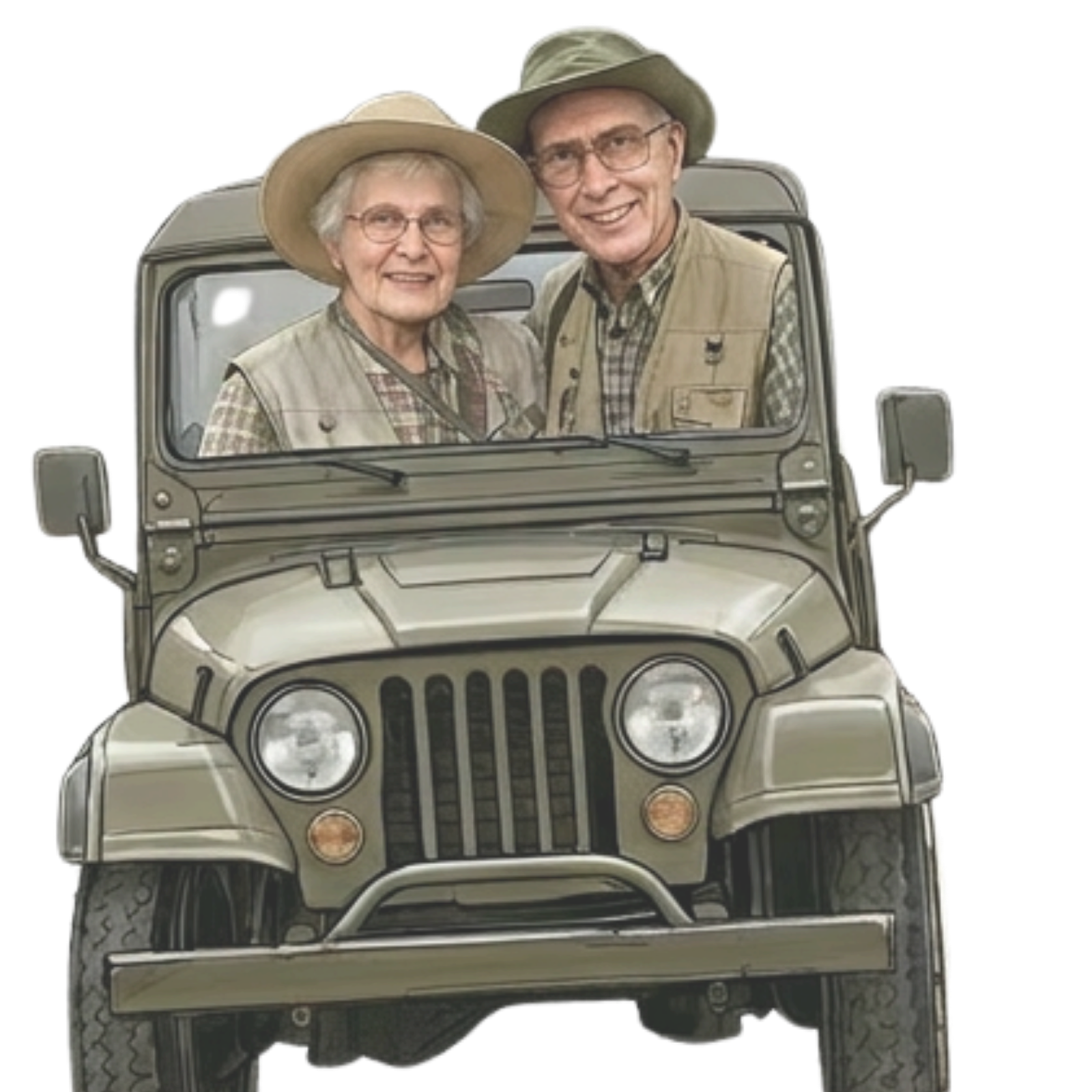
2006 - CHINA
1996 - SCOTLAND & IRELAND

Go to Table of Contents
Go to Table of Contents
2006 - CHINA

The flight from Chicago to Beijing was 14 1/2 hours. As we flew over the North Pole, we had spectacular views of frozen Siberia with miles of ice-covered mountains, frozen rivers, and barren plains. As we approached Beijing, the pilot had to wait for landing clearance, and we circled at a low altitude in rough weather for a long time. Finally, you could hear retching throughout the cabin. Enough said, we were glad to land.
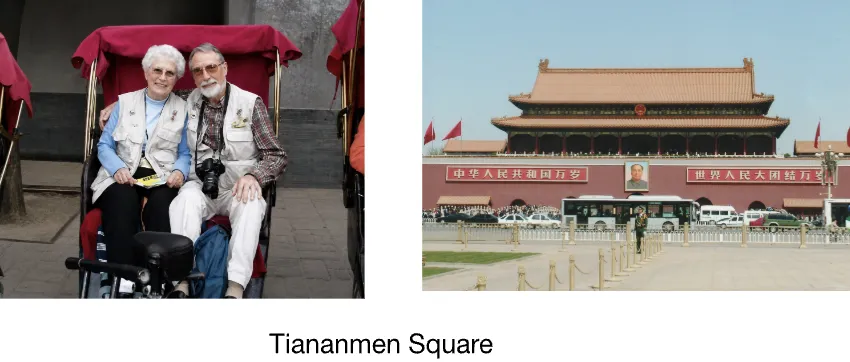
TIANANMEN SQUARE
This is where a brave young man challenged a tank in 1989. We posed as a group with the famous picture of Mao in the background. We walked through the Forbidden City with many pagodas, gates, and statues.
It was a fun experience riding in a pedicab through the “hutongs.” We sat in a cab, and a bicyclist easily pulled the cab through the narrow streets. Hutongs are small 3 room houses - they are built on a square, and each house faces the courtyard in the middle. On the 4th side of the square is a utility/washroom shared by all the families. A typical hutong consists of 3 family units: the grandparents, parents, and a young couple. We visited the home of an older couple. We sat in their LR/DR, and it seemed rather shabby. The building was 190 years old and was very small. Yet he was a professional worker, an archaeologist who did carbon dating. In a few years, these hutongs will be gone as the government is replacing them with high-rise apartments.
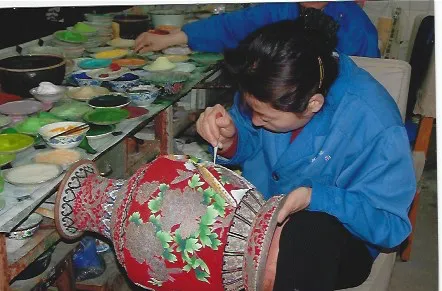
CLOISONNE FACTORY
The largest in China, and such a beautiful craft. Ladies using tweezers bend tiny wires onto a pattern on a vase. Next step, painting enamel in between the wires, and then the piece is fired. It comes out of the oven red hot! Various stones are used to smooth all the wires.
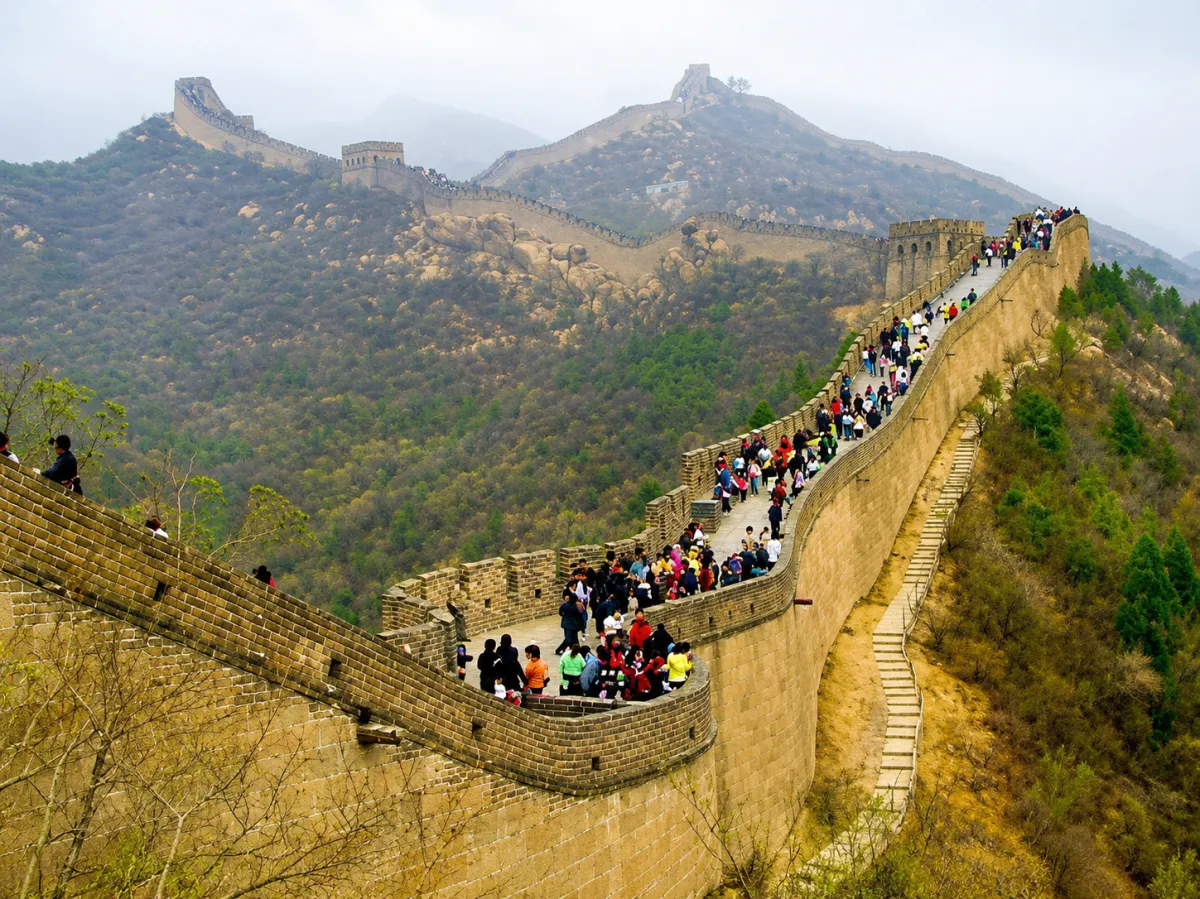
THE GREAT WALL
Crowds of people, vendors in your face, and weather gray and chilly. I did not realize there would be so many steps and steep ramps, and I wondered how I would make it. Then I saw a man selling walking sticks, just what I needed. “How much?” I asked the man. “Just 20 dollars - good for you.”I said “No” and walked away. He came after me. “How much do you give me, lady?” “$5,” I said. Sold, and I had a very helpful walking stick.
So, we started up, many steps and ramps, and the Great Wall drew us on, snaking up and down ahead of us. It was very strenuous, like a treadmill, but a great adventure! We took the “easiest” route and went to the 3rd station, where we could look down the other side and see miles of the wall. Coming down made my knees shaky, and the walking stick was very helpful. (I gave it away when we left the Great Wall.)
CHINESE FOOD
Our first experience with the Chinese style of eating. We all sat at a huge round table. At least a dozen items were placed on a lazy susan in the middle, and as it came past, you put a small amount on your plate. And they kept replenishing the food. A new experience to try so many kinds of new food. They were all tasty.
JADE FACTORY
It was the largest jade factory in Beijing. We saw demonstrations of carving and polishing and how to tell the real thing. Genuine jade makes a high tinkling sound when struck. And then the showroom - jade of all sizes - very expensive.
SHANGHAI
A short flight brought us to our next city of adventures. Shanghai is a beautiful city with streets lined with sycamore trees. Many, many elegant skyscrapers - most of them probably apartments.
ACROBATIC SHOW
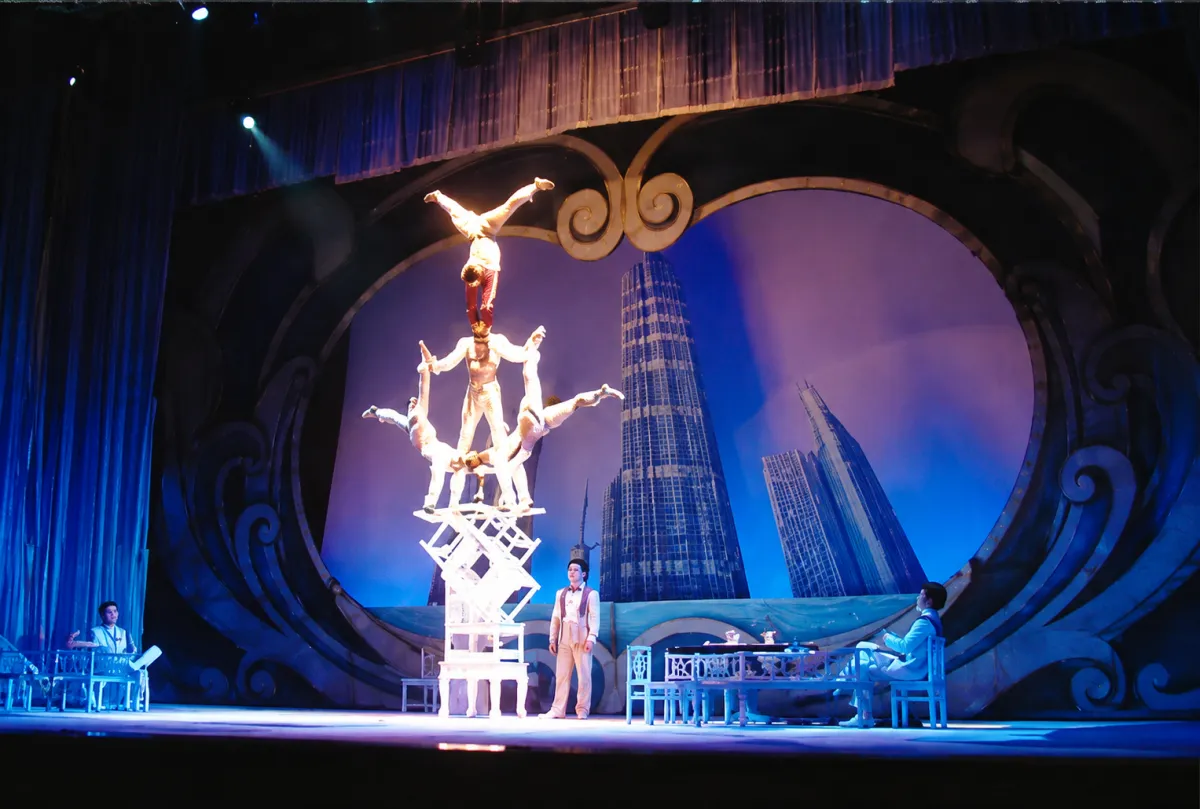
We had reserved seats for our group in a luxury, first-class new theater. The show was fabulous - defies description - best show we’ve ever seen. Young girl contortionists performed incredible balancing acts. They were so flexible they seemed to have no bones! One girl balanced 6 small chandeliers on her feet, hands, and head while gyrating in different positions.
High-flying acrobats, springboard acts, flying through the air. The final act was the best! A performer climbed up an ever-rising stack of chairs placed on the shoulders of other performers. Unbelievable!
JADE BUDDHA TEMPLE
Crowds of people were all trying to buy sticks of incense and light them from fires burning in big pots. Then they would bow down and pray to Buddha. Others were throwing gold origami papers into the fire to show their devotion. There was a strong smell of incense. Then we went inside the temple along with hordes of worshippers to see the huge statues of Buddha: the Lying Down Buddha, the Smiling Buddha, and finally the White Buddha. The whole atmosphere made us quite uncomfortable.
SILK RUG FACTORY
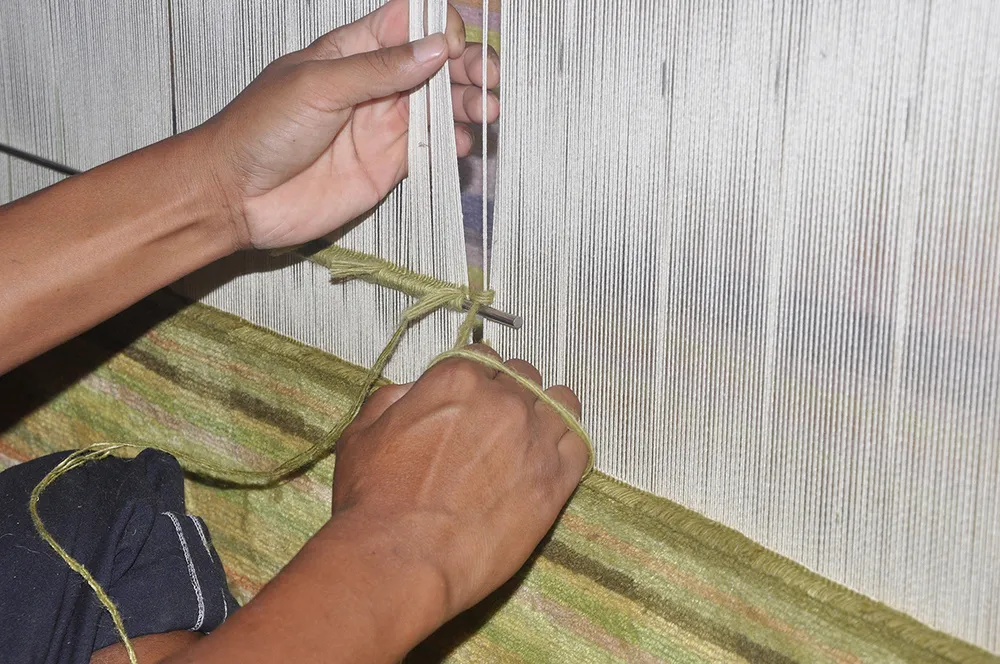
We watched weavers at work. 2400 vertical threads and an intricate pattern to follow. A good weaver can do 2 1/2 to 3 rows a day and is paid $125/month plus piecework. Rugs can take 2 years to make and sell for $3,000 to $4,000. In the showroom, there were hundreds of rugs on display.
SILK PRODUCTION
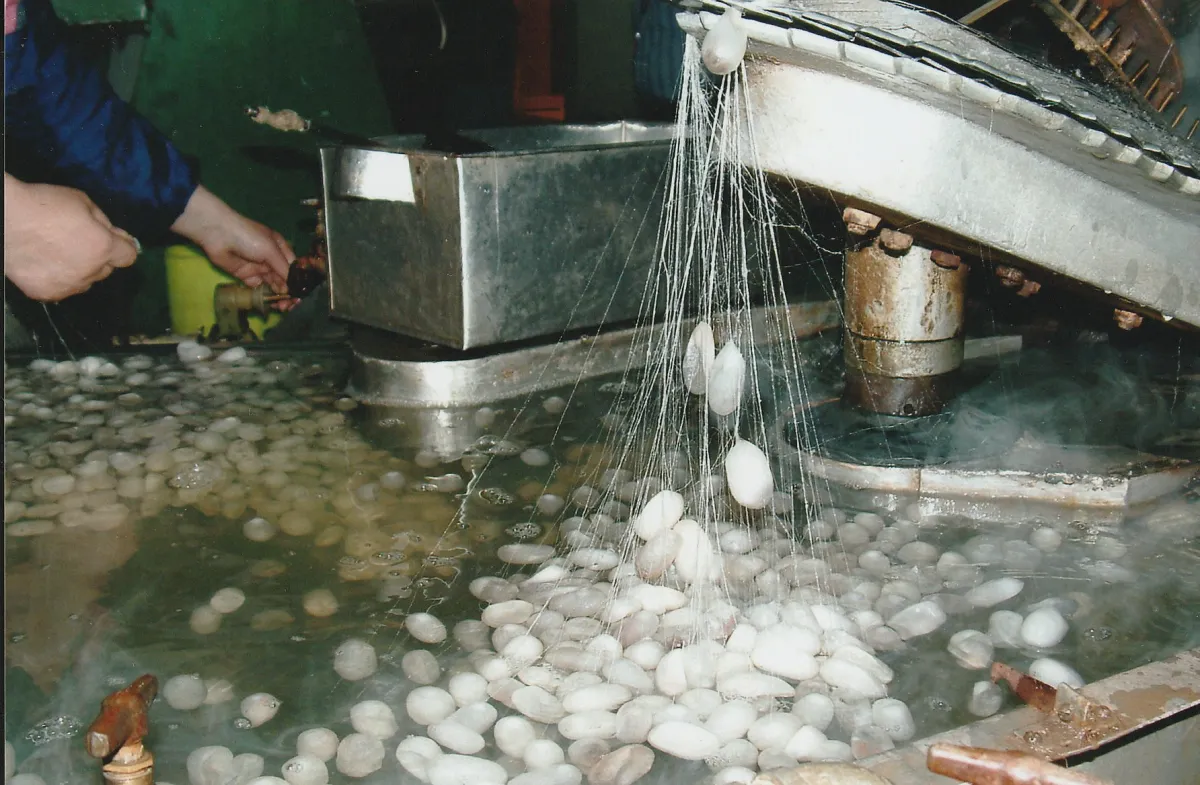
We learned the life cycle of a silkworm and got to see them chewing on mulberry leaves. Then, women extracted the strands of silk and connected them to a spinning wheel. A very big production process. Then to the showroom. Beautiful bed linens for sale. Silk comforters, light as a feather and already vacuum-packed for you to take home.
We passed on the opportunity to see “Shanghai at Night” with a river cruise and dinner. Instead, we found a Pizza Hut near our hotel and shared a small Supreme and two 7-Ups. Never has pizza tasted so good!
SUZHOU
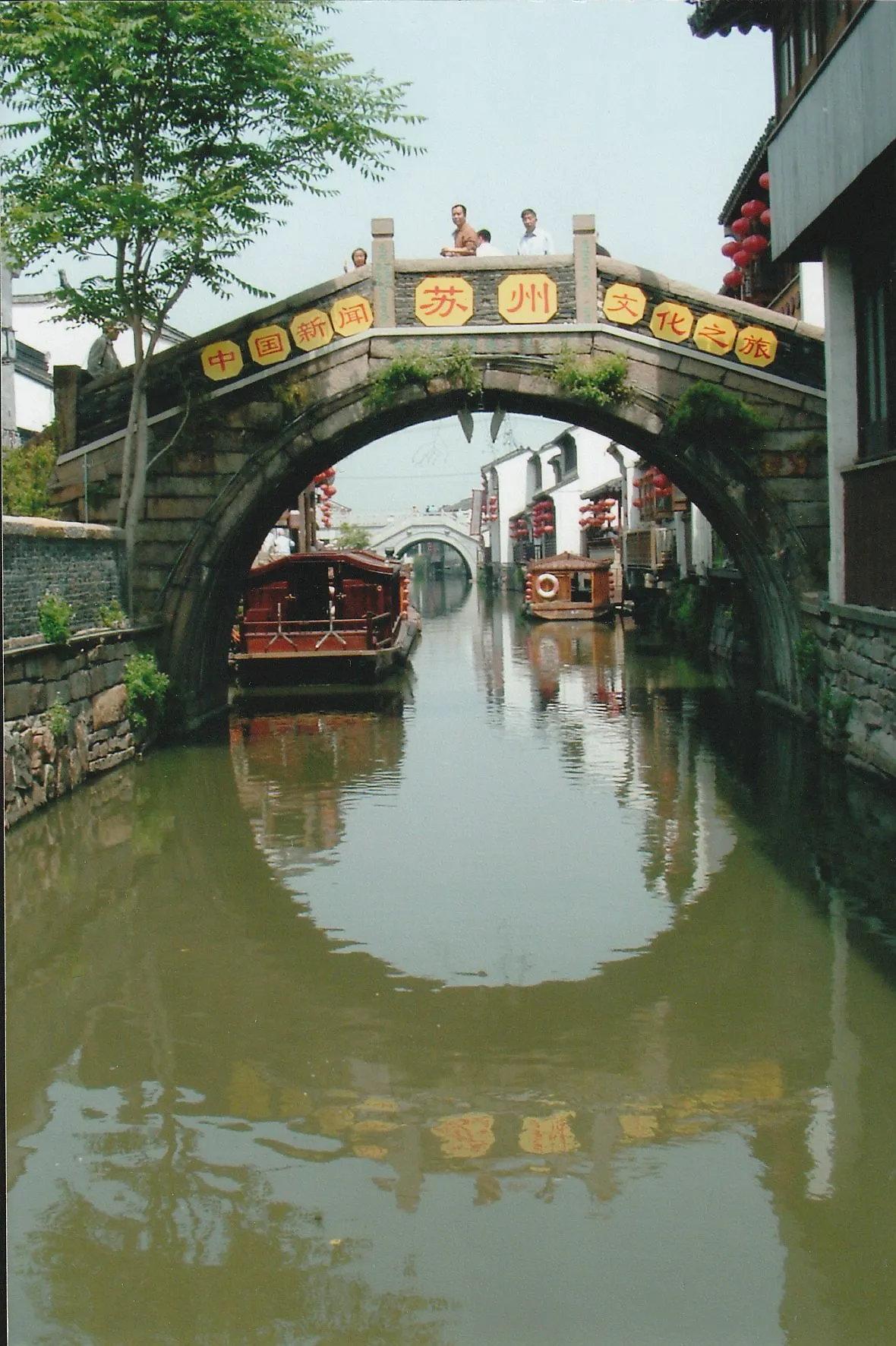
A fast train ride on a deluxe double-decker train took us to our next destination. Suzhou is the silk capital of China. We enjoyed a Grand Canal boat ride on the longest canal in Asia.
MARKET & HOME HOSTED MEAL
A real Chinese experience. All kinds of vegetables, known and unknown, meat lying on tables, live chickens, ducks, and turtles, and seafood (live eels, fish, and other unknowns). We bought a bunch of bananas to take to our host. Only 30 minutes in the market - that was enough.
Eight of us were taken to a high-rise apartment for a home-hosted meal. A large round table accommodated all of us as we sampled 16 to 18 appetizers. They were all very good and mild. Soup with dumplings was the best we’ve had.
WUHAN - THREE GORGES DAM
Yes, this is the city where COVID-19 originated. Here we boarded our Yangtze River boat for a 5-day cruise. We learned a lot about the Three Gorges Dam, one of the largest in the world. It was still under construction when we were there, but has since been completed.
One big reason for the construction of the dam was to increase the water level so big ships could go all the way to Chungking, 640 miles. And another factor was to generate electricity.
However, it has been very controversial, as it caused the displacement of 1.3 million people and countless villages, graveyards, and archaeological sites. Many entire villages were uprooted and moved. The dam has also increased the danger of mud and landslides. A shore excursion took us to see the mighty dam. 81 ft. high and 7,720 feet in length
Then we entered the first of the Three Gorges. “Dramatic, spectacular scenery with cliffs rising from the river, jagged mountain peaks,” so said the brochures. But it was greatly diminished by fog and smog - very poor visibility. Frustrating for photographers! They tell us that the smog is caused by pollution, so many people.
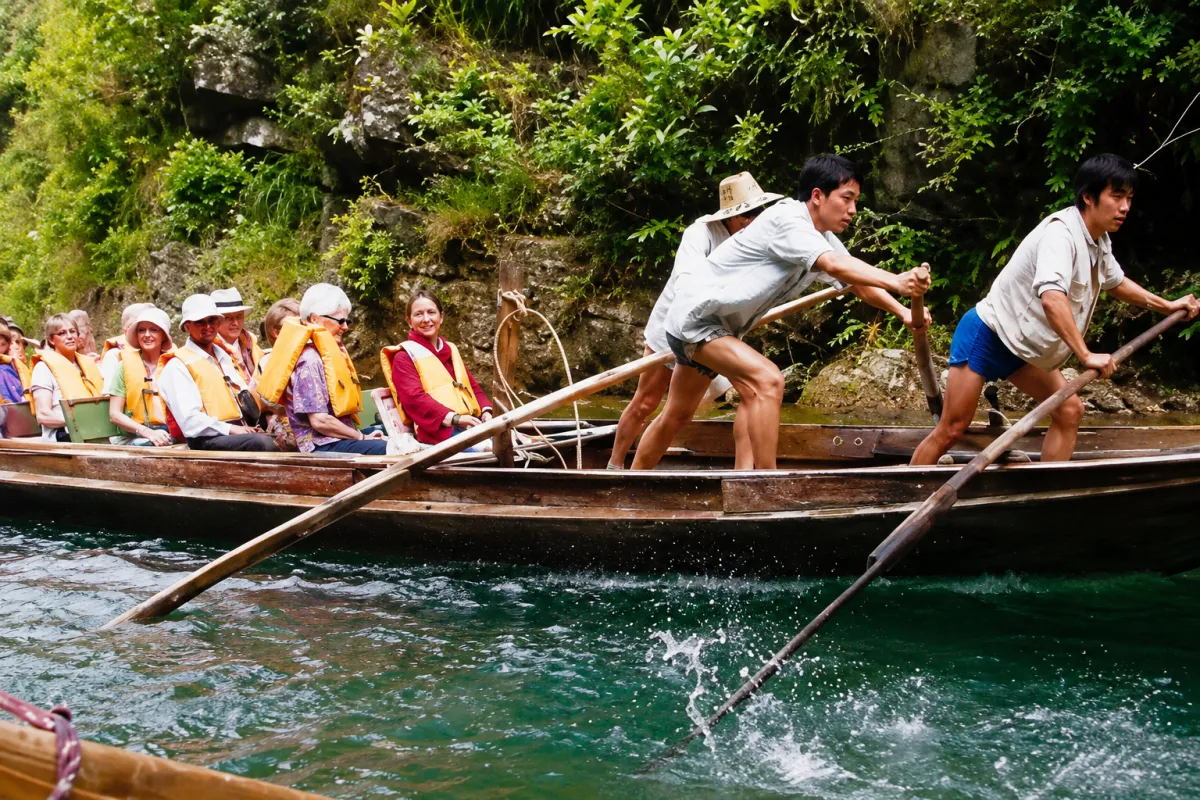
The next day, we boarded a ferry that took us up “Shennong Stream,” one of the tributaries of the Yangtze. We docked, and there were dozens of “Pea Pod” boats waiting for us. They were small wooden boats with crude wooden seats and a crew of 6. And we were off, heading upstream. The crew rowed standing up and facing forward. All the boats were competing, trying to pass each other, the passengers cheering them on. The gorge was narrow and then very shallow, so the oarsmen jumped out and became the trackers, pulling the boats with bamboo ropes. Just a short distance, then the boats were turned around, and we went back downstream. A fun experience! Years ago, the trackers were naked; now they wore shorts and shirts and handmade sandals of bamboo.
Afternoon cruise, hot and sunny. We sat on the deck and watched the scenery glide by. There were many villages, and they will all be underwater when the dam is completed. Many areas are covered with concrete from the river level up a long way to prevent erosion when the river rises. It is now 50m deep and will rise another 20 m when the dam is completed.
We watched men working on the stone embankment, hauling rocks, pulling a sledge, and shoveling concrete. Women were washing clothes at the water’s edge, scrubbing them on a rock.
Every day as we walked to the dining room, we passed the girl selling silk pictures. And we would stop and admire them, especially the double-sided cat picture. The pictures had been made by her grandmother; it is a very intricate art. She explained the fine art to us. Her grandmother splits one silk thread into many strands, and somehow, she uses 2 needles to make a double-sided picture. The 2-sided cat picture took her 8 months to make. One side of the picture is a yellow cat - the other side is an exact cat, only in gray. Amazing! How do they do it?
She knew we really wanted it, so on the last day, she offered a much-reduced price, and we bought it. The silk picture is inside a glass frame that rotates. It was packed very well in a flat box for travel. Today, it sits on a round table in our living room for friends to admire and ask, “How do they do it?”
We docked in Fengdu; the ship can’t go all the way to Chongqing because of the low water. The waters from the dam haven’t reached that far yet. So, we rode in a nice AC bus for 4 hours through very rural areas. Rice paddies on the hill sides gave a feel of the real China.
TERRA COTTA WARRIORS in Xian
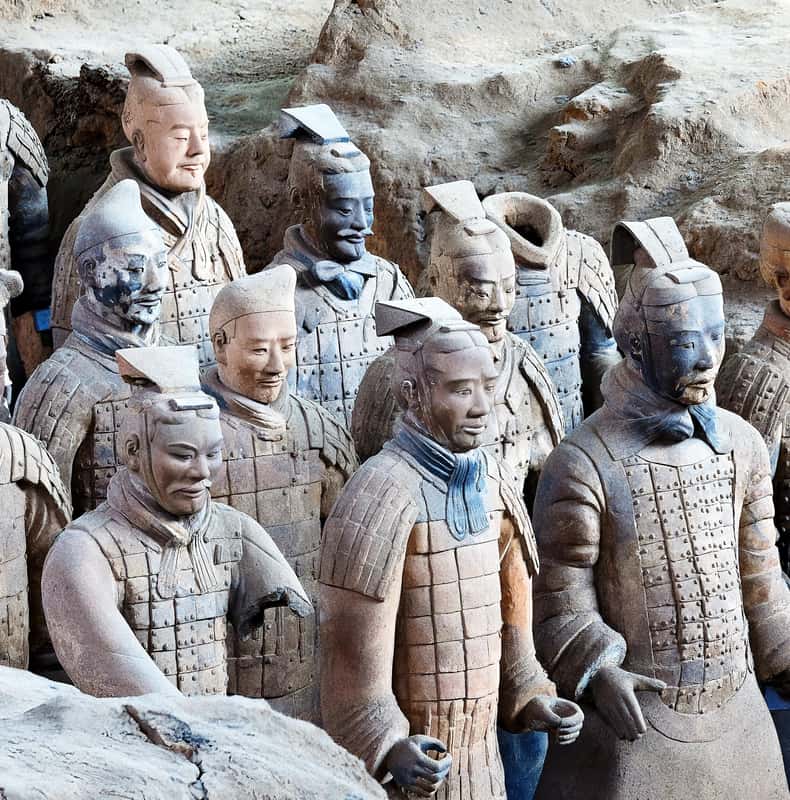
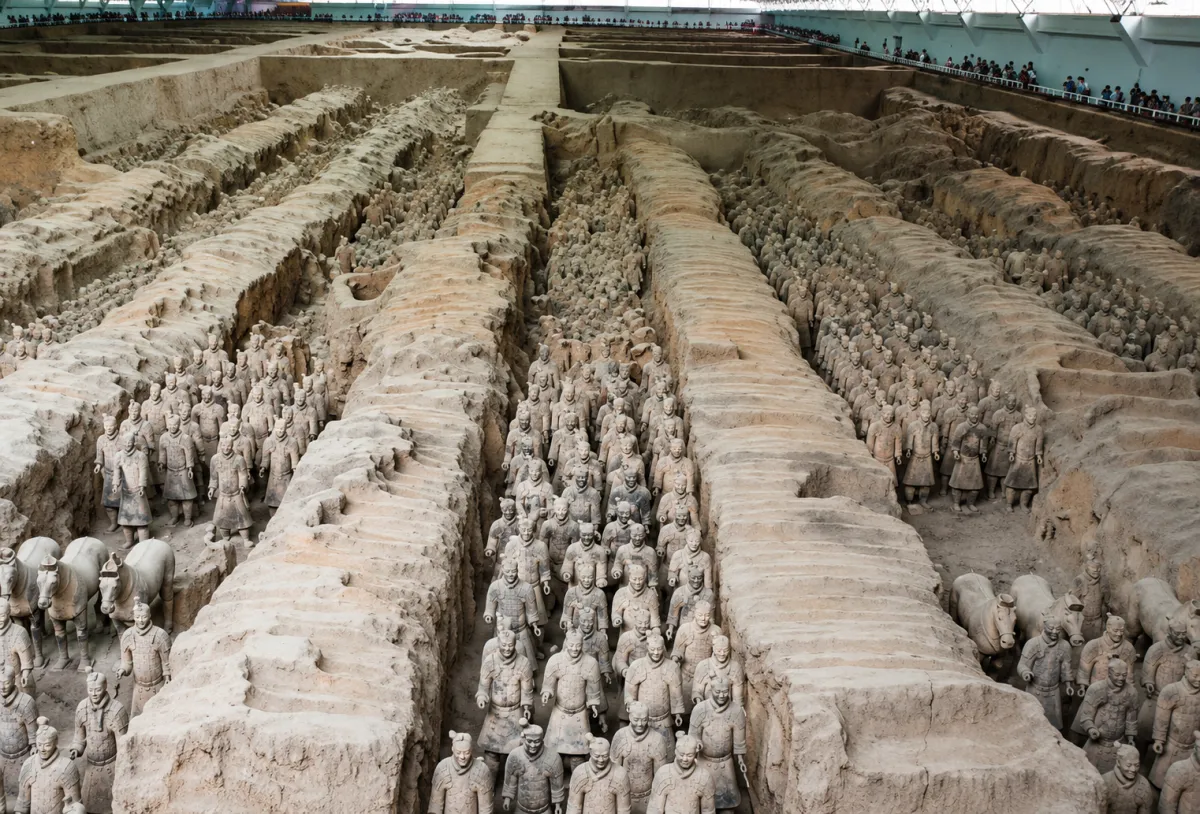
This was one of the high points of our trip. The warriors were untouched for 2000 years until 1974, when a Chinese farmer, digging a well, discovered them. They are often called the “8th Wonder of the World.”
The first pit, as big as a football field, has 8,000 warriors, all life-size with individualized features. The Qin Emperor had all these made by 720,000 workers; it took 37 years. There are 130 chariots and 670 horses - all life-size. The warriors were to protect his tomb, which has never been opened (100 meters high, the largest in the world). The burial party of several thousand was buried alive. Street vendors offered a box of 5 warriors for $10 - 8 - 6 - 5. Finally, one of our group bought a box for $4 and resold a couple of them for $1 each, then just as we got on the bus, another of our group got a whole box for $1.00!
BELL TOWER RESTAURANT
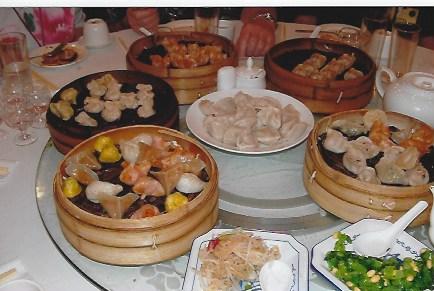
The sign said, “Death by Dumplings.” After a few appetizers, they started bringing basket after basket of delicious, steamed dumplings! 18 varieties. We tried to sample them all, but finally we were stuffed. The last course was soup served in a big metal pot in the middle of the table. A fire was lit under it; the soup boiled and boiled, cooking tiny dumplings.
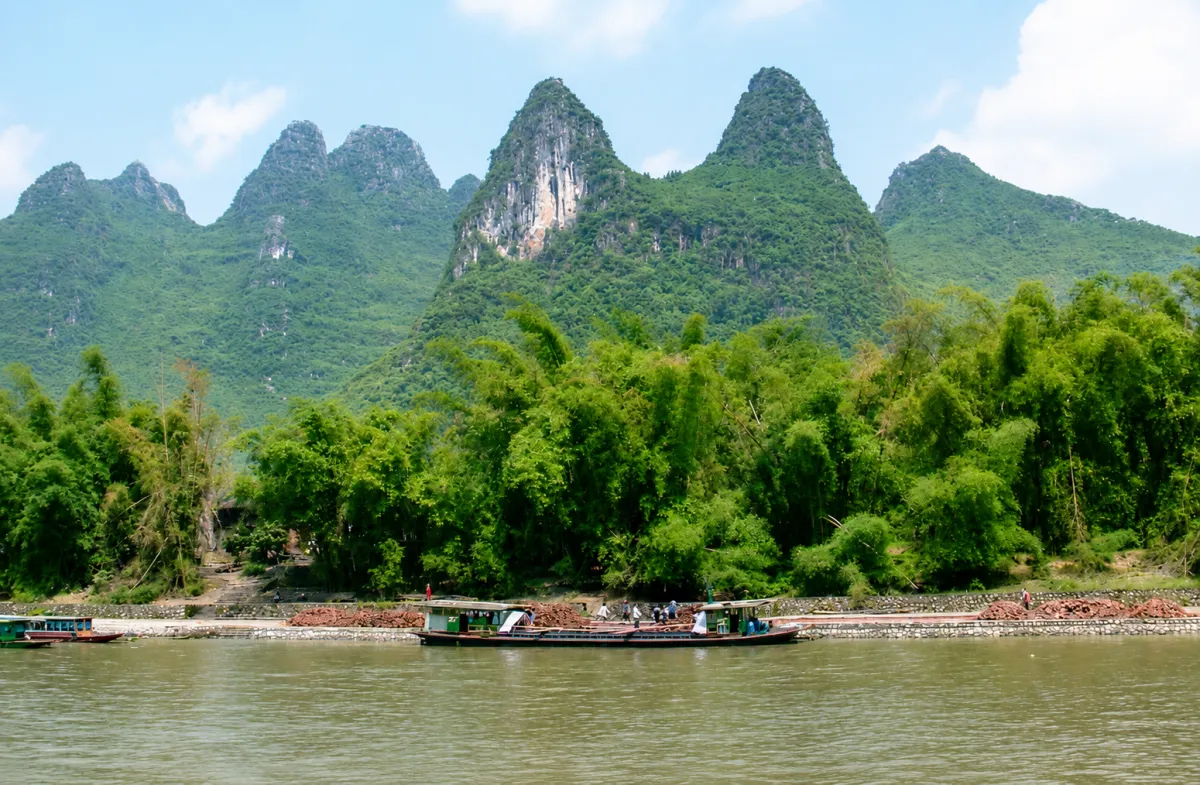
Here we had a cruise on the lovely Li River. There were 600 ft. mountain peaks giving us the classic view of China. A few small villages, but mostly just the bamboo trees and the bluish mountains.
We stopped for a photo op of the rice paddies. Women in ankle-deep water were planting rice shoots. Water buffalo were grazing in a nearby field. Several of us walked on a raised pathway between paddies to see a man using a walking tractor, in the water, to plow the mud. As we walked back to the bus, the mother buffalo charged one of our group. He scrambled for cover - quite a scare!
CORMORANT FISHING
We opted for cormorant fishing that evening. An old riverboat took us out to where fishermen in small rafts had the cormorants. The birds would dive into the water and come up with a fish in their beak. A tight string around their neck would keep them from swallowing the fish. The fisherman would then take the fish from the bird and put it in his basket.
MORNING WALK
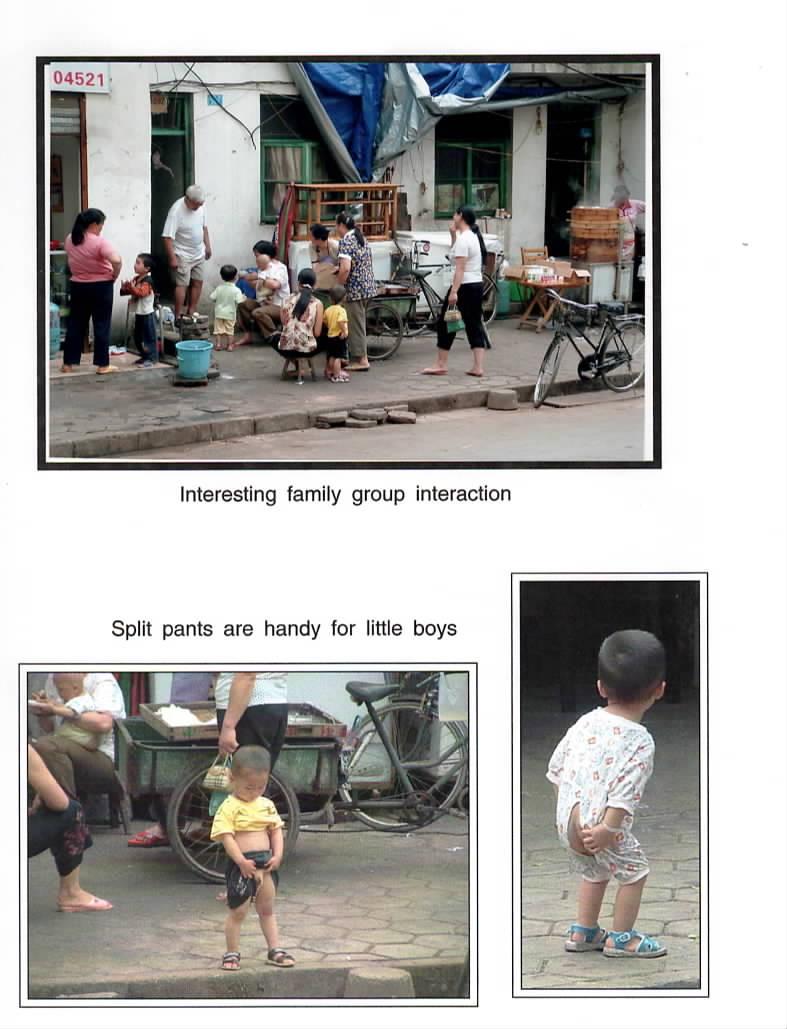
Finally, we had some free time, and we went for a walk along the street behind our hotel. Here we saw the real China. What a beehive of activity! Two boys had a bike repair shop set up on the sidewalk. Bicycles and motorbikes filled the street. One motorbike was going very slowly, carrying a plate-glass window. Another was carrying an aquarium with water and fish in it. Across the street was an open meat market, apparently involving the whole family. A little boy walked to the edge of the street and casually relieved himself. We took pictures of the children, and they were delighted to see themselves in our camera. A proud new father was parading through the street, holding his little boy up for all to see. What a delightful morning to do our own thing.
HONG KONG
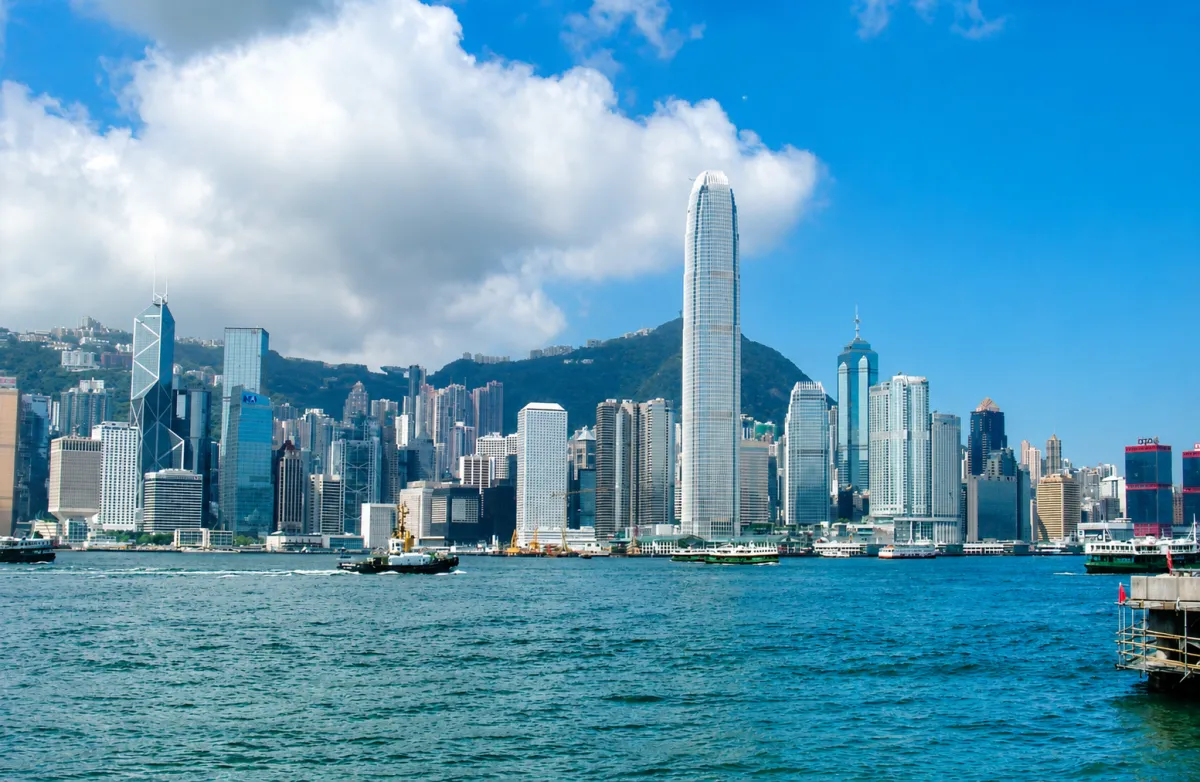
The airplane, bus, and then ferry boat took us to Hong Kong Island. We rode a bus up to Victoria Peak for stunning views of the city. Our guide helped us learn the transportation system, so we rode the subway to Nathan Street, a famous shopping area. I never saw so many bargains of all kinds. We made our way back to our hotel without getting lost. We considered treating ourselves to Hagaan-Das ice cream sundaes, but they were $8.00. Settled for McDonald's. Time to pack up and start the long journey home. The adventures in China were certainly worth it.
2007 - SOUTH AMERICA
PERU - CUZCO
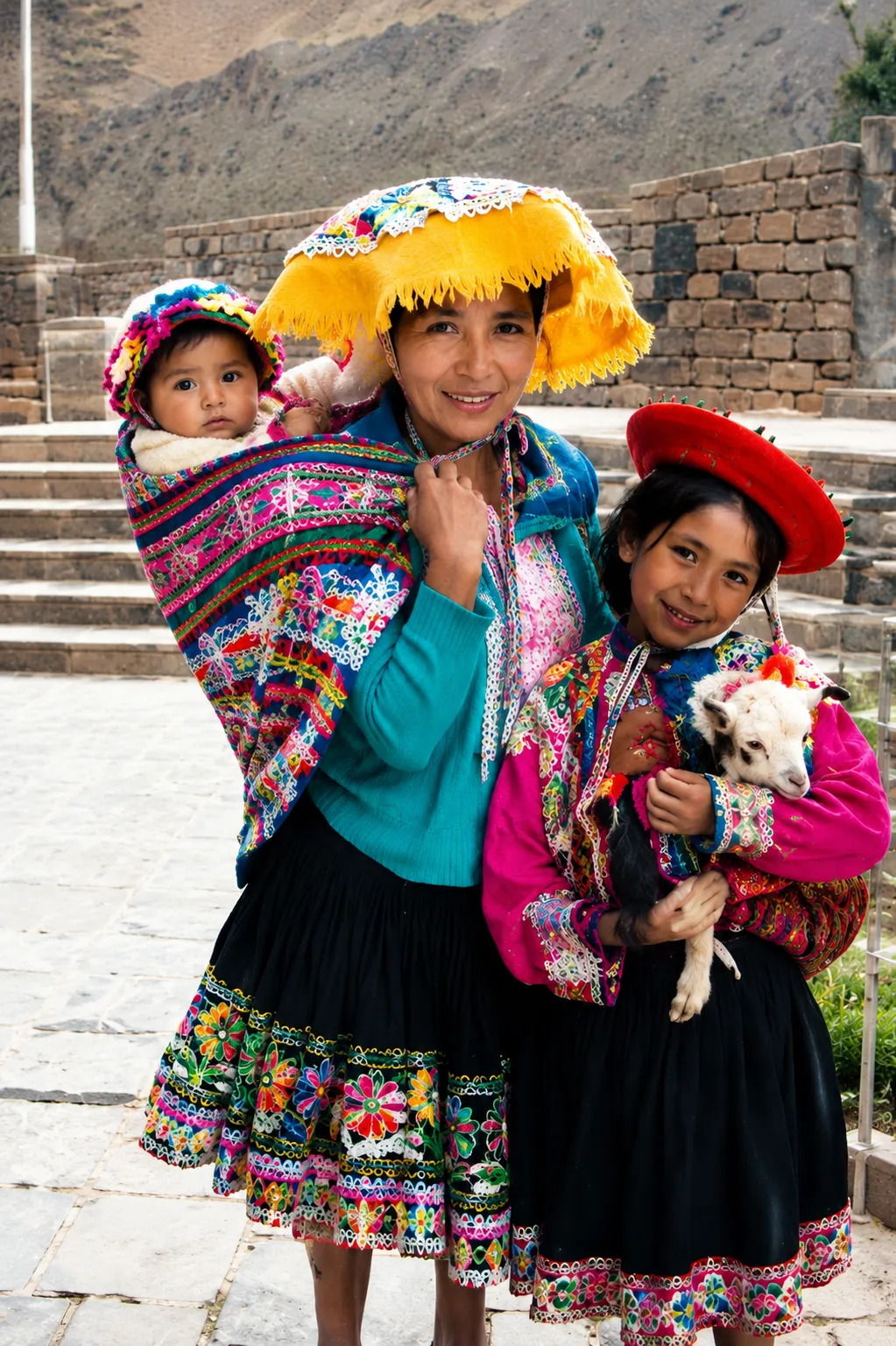
A one-hour flight from Lima at sea level took us to Cuzco at 11,000 feet above sea level. It is a very picturesque, mountainous city. There were narrow, cobbled streets, red tile roofs, and children in colorful clothes posing for pictures. They were often holding a baby animal. Who could resist? We were given “coca tea” when we arrived at our hotel to help with altitude adjustment. Then told to lie down for 40 minutes.
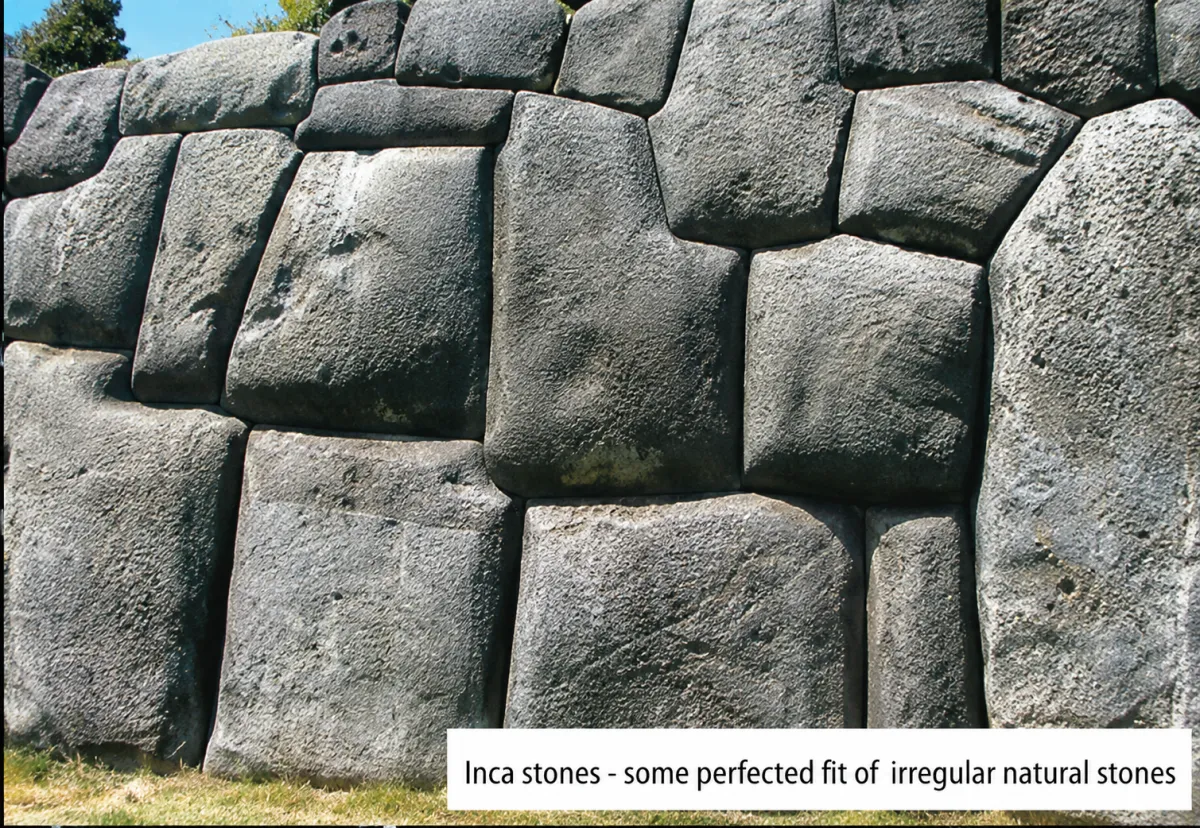
We had a walk through the city, with our guide explaining how the Incas built with no mortar.
They took big rocks, odd sizes and shapes, and fit them together so tightly you couldn’t put a knife blade between them.
We all sat on a hillside for a “healer ceremony.” It seemed like witchcraft. The healer put many kinds of objects in the ceremonial cloth, representing everything you could imagine. He wrapped it all up, blew on it 3 times, and then had each person come up to have the ceremonial package moved up and down their body to receive this blessing. Talked about many gods and the power and energy of the mountains. We left, but many of our group went up to receive this power.
We had some spare time, so we walked to Cathedral Square. We sat on a bench, eating ice cream and admiring the impressive cathedral. Then the vendors came, about 8 of them, and we had our own little shop. I was enjoying the whole scenario when a policeman tried to shoo them away. I said, “They’re ok.” Al demurred, and the prices kept going lower. I bought a nice alpaca sweater, gloves, a painting, and some finger puppets. All done, very pleased; the sellers went away.
I wasn’t feeling well, and tomorrow would be a big day. Shivering cold, I took Tylenol, running a fever for sure. In the morning, my throat felt swollen and tight, and I had a temp of 100.5. Took more Tylenol.
Travel to Machu Picchu
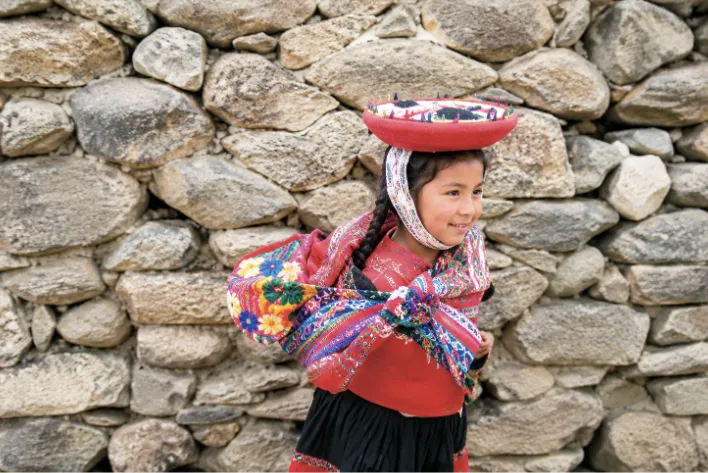
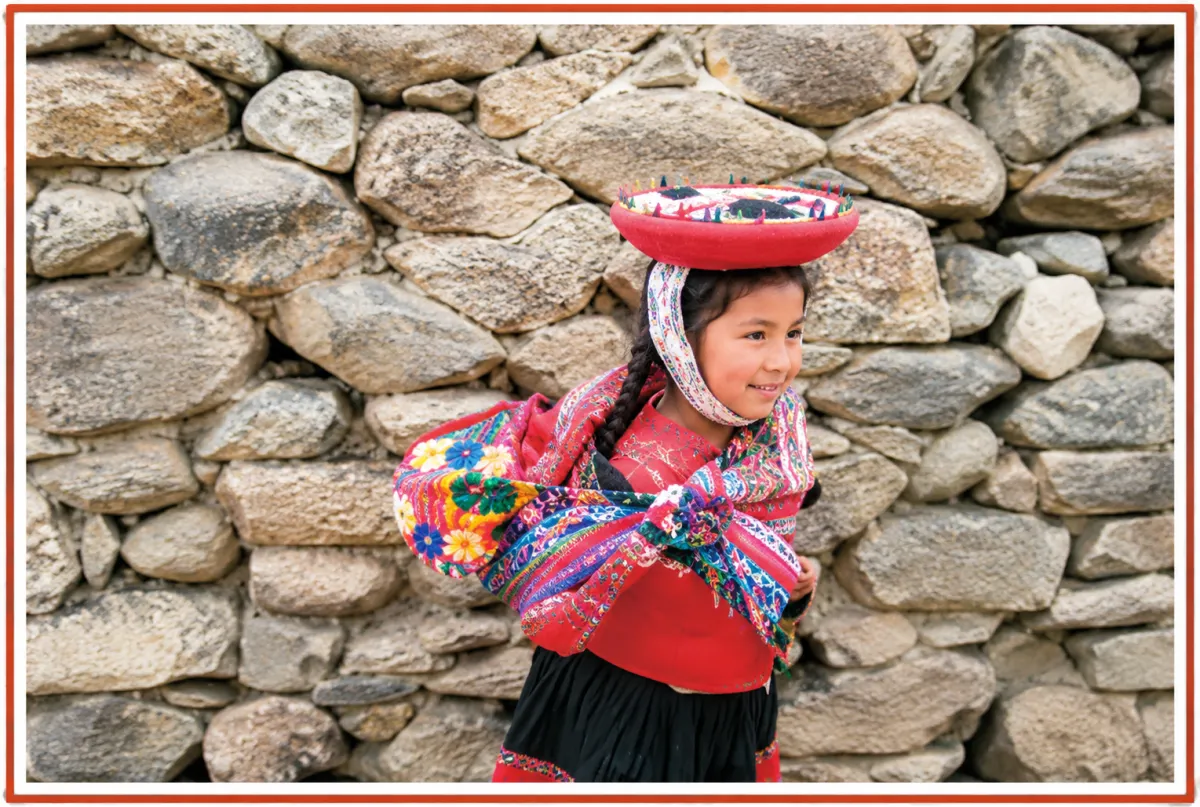
It was a 3-hour bus ride with several photo stops of mountains and glaciers. We stopped in Ollantaytambo, an authentic mountain village with pictures everywhere. Our favorite was a 7-year-old. An old girl carrying a 1-year-old baby (sleeping) on her back. She lived up in the hills; her father was a porter for the Inca Trail. She posed nicely for a picture, and we gave her some coins.
Now we boarded a train for an hour’s ride along a rushing river, the Urubamba. We arrived at Aguas Calientes, the gateway to Machu Picchu. And our hotel was right at the river’s edge.
MACHU PICCHU - one of the new Seven Wonders of the Modern World
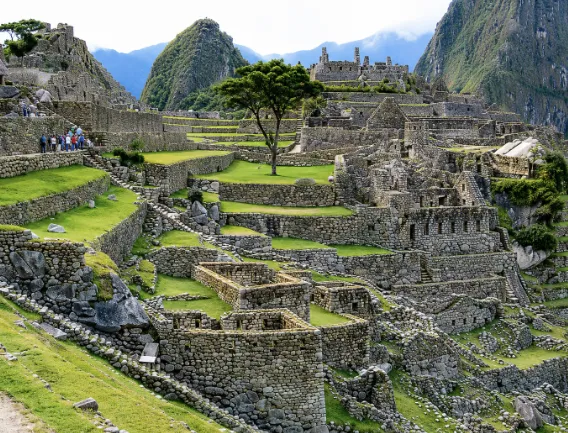
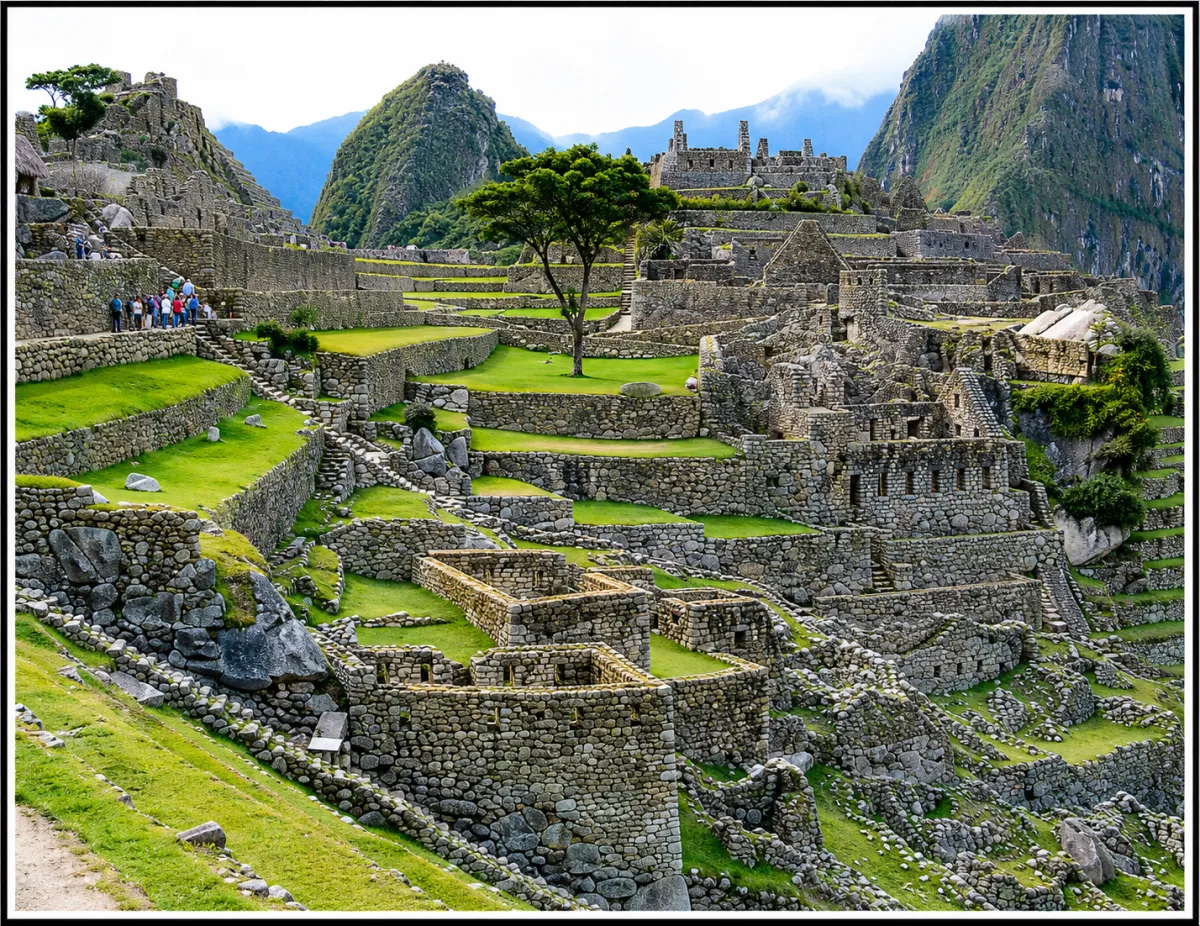
We took a special bus up the steep, narrow, winding road to Machu Picchu. We walked through the gateway; it was an awesome sight. A complete Incan village, abandoned centuries ago and rediscovered in 1911. Indigenous Peruvians led Hiram Bingham to this isolated treasure. It was built without the use of mortar, metal, tools, or the wheel. Probably a thousand people lived here, and it was well designed and built with an irrigation system.
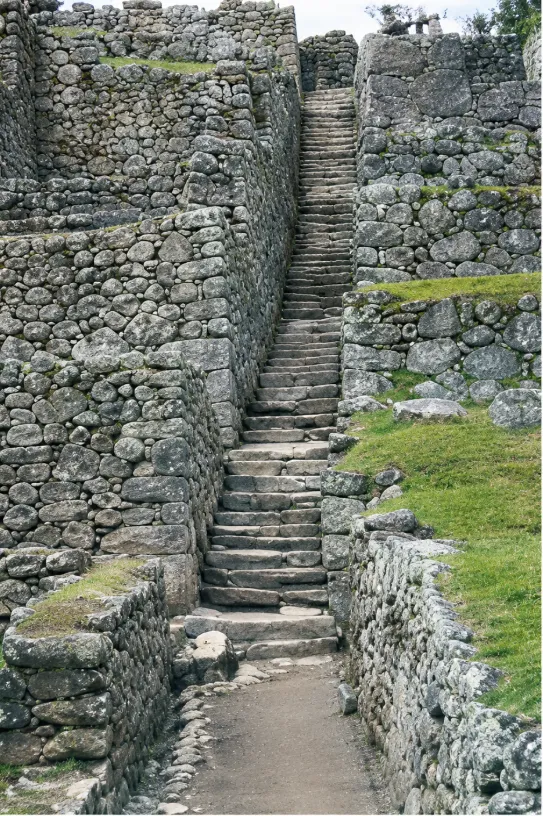
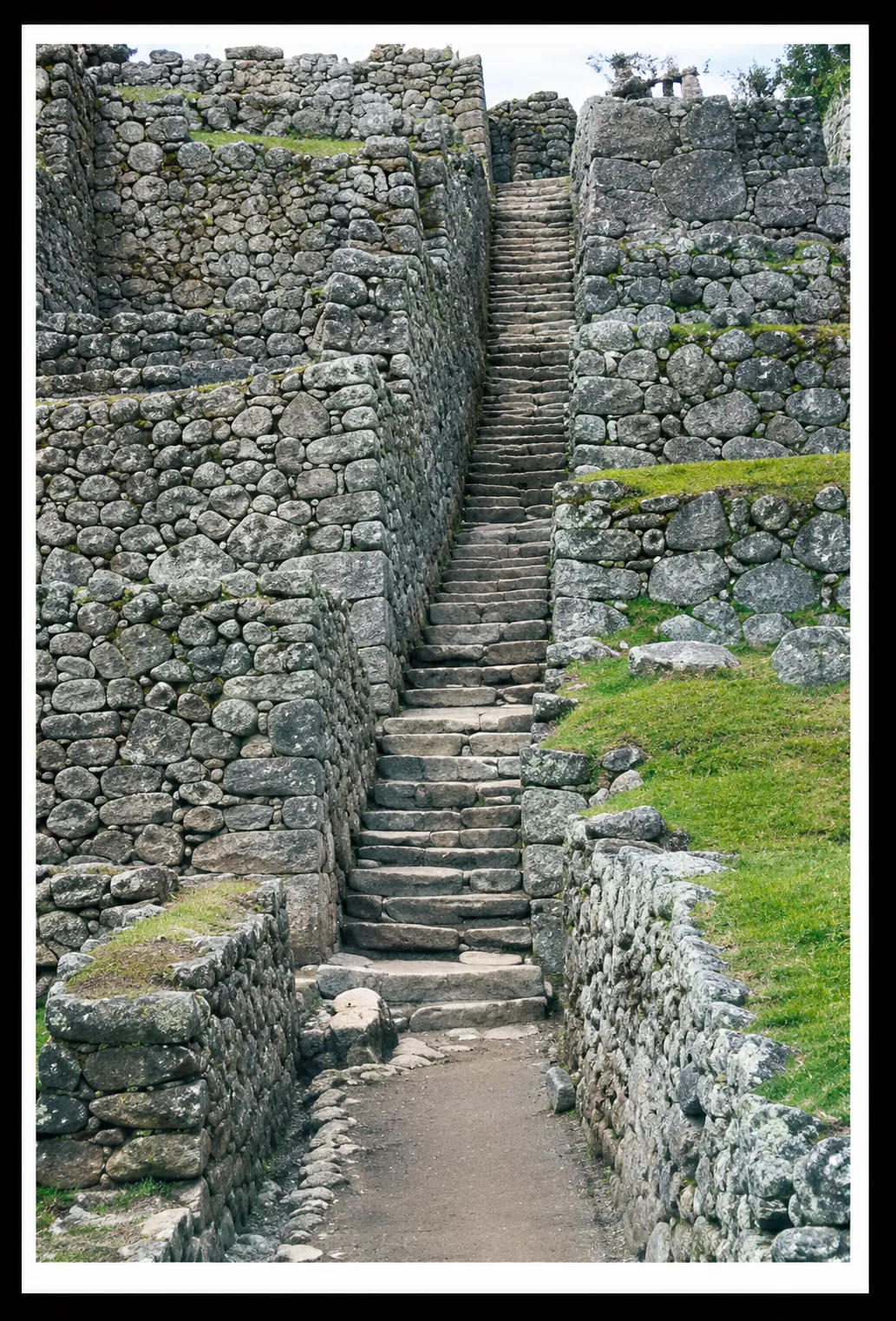
There were many steep, rocky steps; we were given hiking sticks that really helped. We often stopped for lectures, and we learned many interesting facts. There was such an overload of information that I was unable to record much in my journal or retain much in my brain.
There were many steep, rocky steps; we were given hiking sticks that really helped. We often stopped for lectures, and we learned many interesting facts. There was such an overload of information that I was unable to record much in my journal or retain much in my brain. The Incas’ knowledge of the sun and the moon was reflected in the placement of stones. i.e., the sun would pierce through a certain opening on only one day a year. There were many examples like this.
We climbed to the top of these stone steps, and our bus was waiting for us. A winding, steep road awaited us, and two boys raced us. They ran straight down the steep mountain while the bus drove the many switchbacks. Guess who won? The boys came into the bus to much cheering, and they collected many tips.
We started the journey back to Cusco, the train, then the bus, and finally a walk to our hotel. I collapsed on the bed. Al talked to Freddy, our guide, and soon a doctor was at our door. I had a fever, my oxygen level was low, and there was an infection in my throat. (Altitude sickness) He wrote out 2 prescriptions, the bellboy took them to the pharmacy, and soon I was on the road to recovery.
LIMA
The next day, we flew to Lima at sea level, and I was already feeling better. A scenic drive along the ocean took us to our hotel. Because we were “Inner Circle” travelers with OAT, we were given a spacious suite in the hotel. Time for a coffee break and a nap. Then we all walked down to the oceanfront for a lovely dinner. It was good to slow down for a few hours.
SANTIAGO - CHILI
We flew from Lima to Santiago, where we met our new tour director, Sylvia, who became our favorite of all time. She was vivacious, attractive, and young. Plus, she put personal notes under our door every night and kept everything organized.
We passed on a city tour and dinner, and in the afternoon we went for a walk. We were looking for a quiet restaurant. After passing several rowdy beer-drinking restaurants, a young man beckoned us into his place. It was quiet and attractive. The main course was unusual: a big piece of beef covered with melted cheese, a fried egg, and fried plantain. The best part of the meal was fresh strawberry drinks made in a blender and a fresh fruit plate for dessert.
VALPARAISO
The city was built on 17 hills and is known for its ancient “ascensores”, electric cable cars built in the 1800s. They looked very rickety, but we all rode up (7 people at a time) and continued the walking tour on the narrow, rough, hilly streets. We went down some very steep steps to get to our restaurant, and there were windows all around overlooking the colorful city. (And 2 friendly cats roaming the dining room.)
PUERTO VARAS
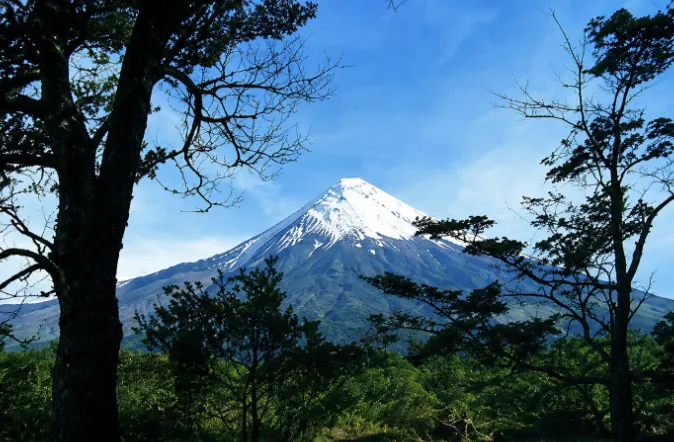
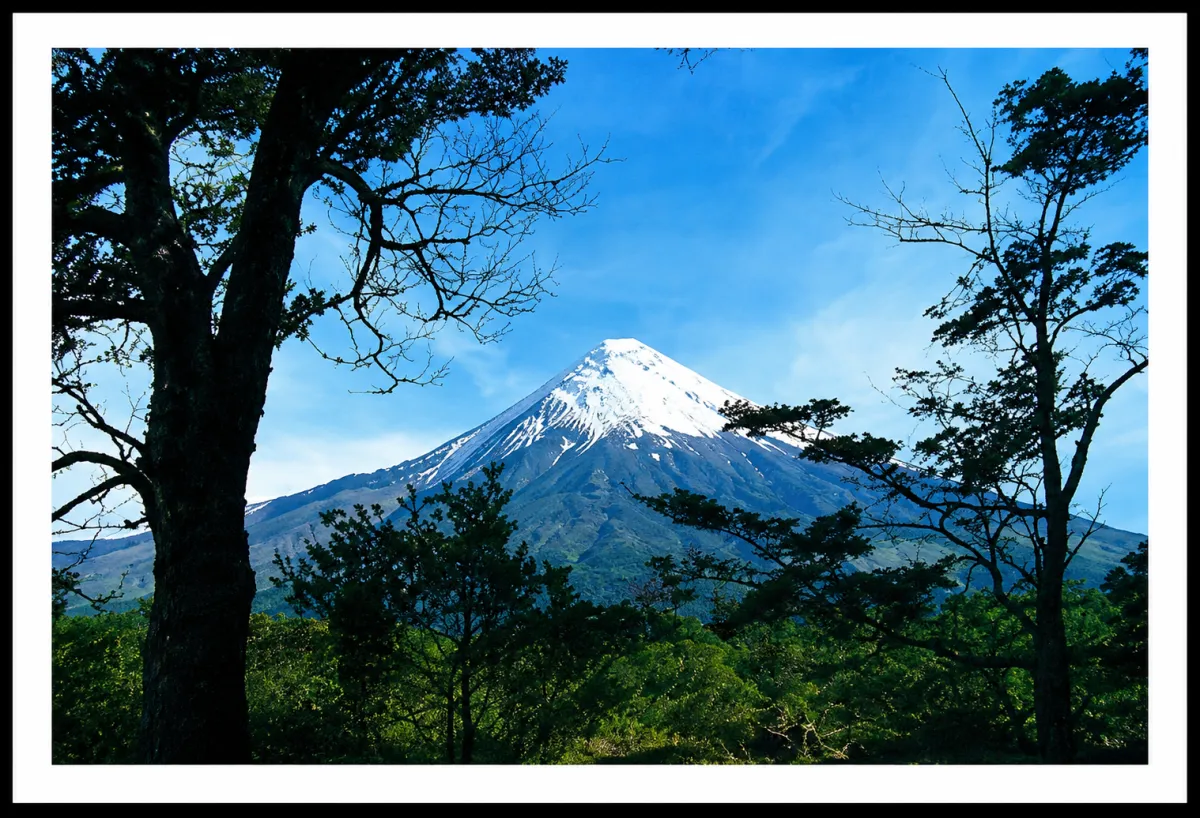
This is a picturesque little town on a lake. And across the lake, Mt. Osorno, a white-capped extinct volcano. It is often compared to Mt. Fuji. Our room in the Belle Vista hotel had big windows with this beautiful view.
CROSSING THE ANDES BY BOAT AND BUS
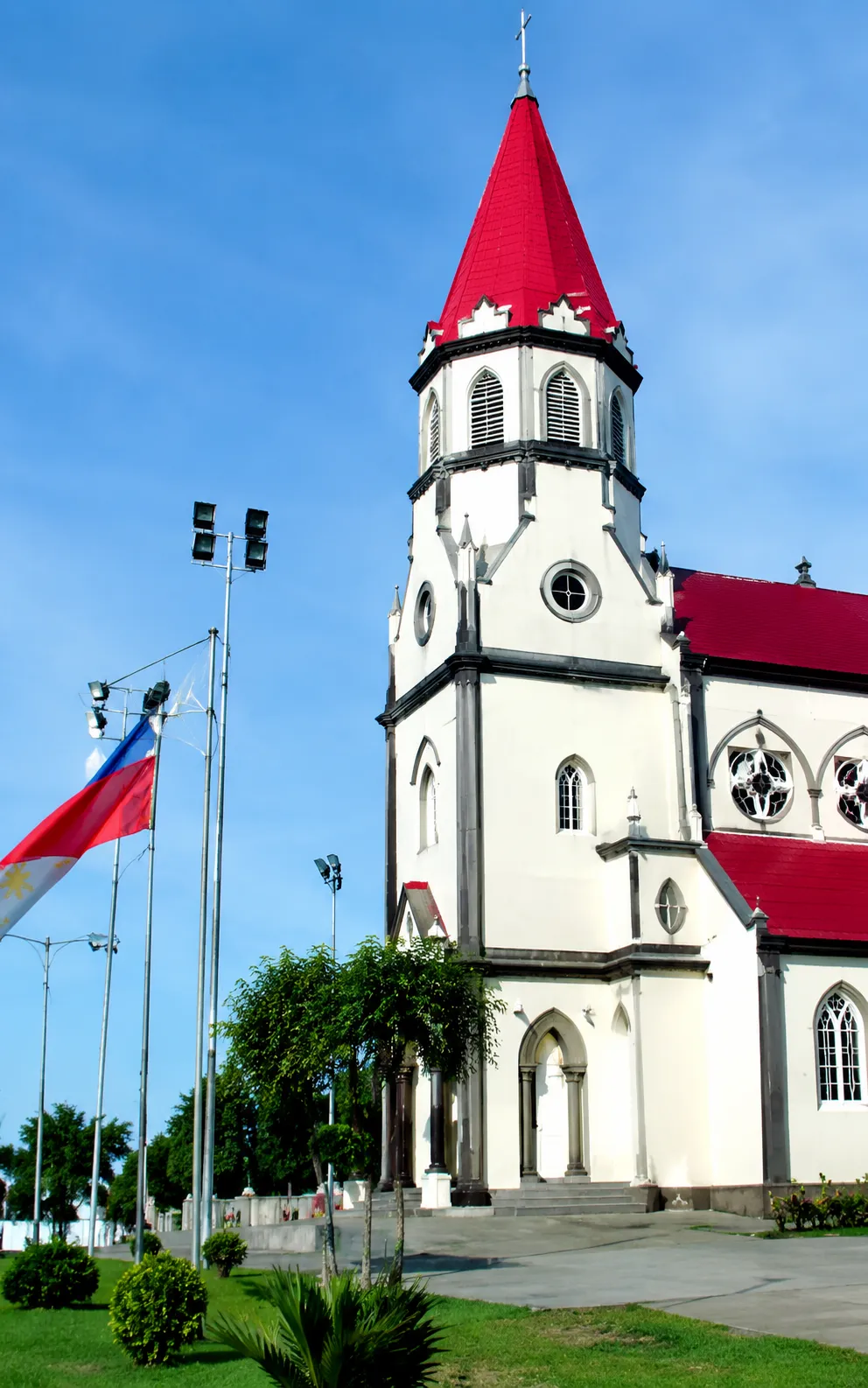
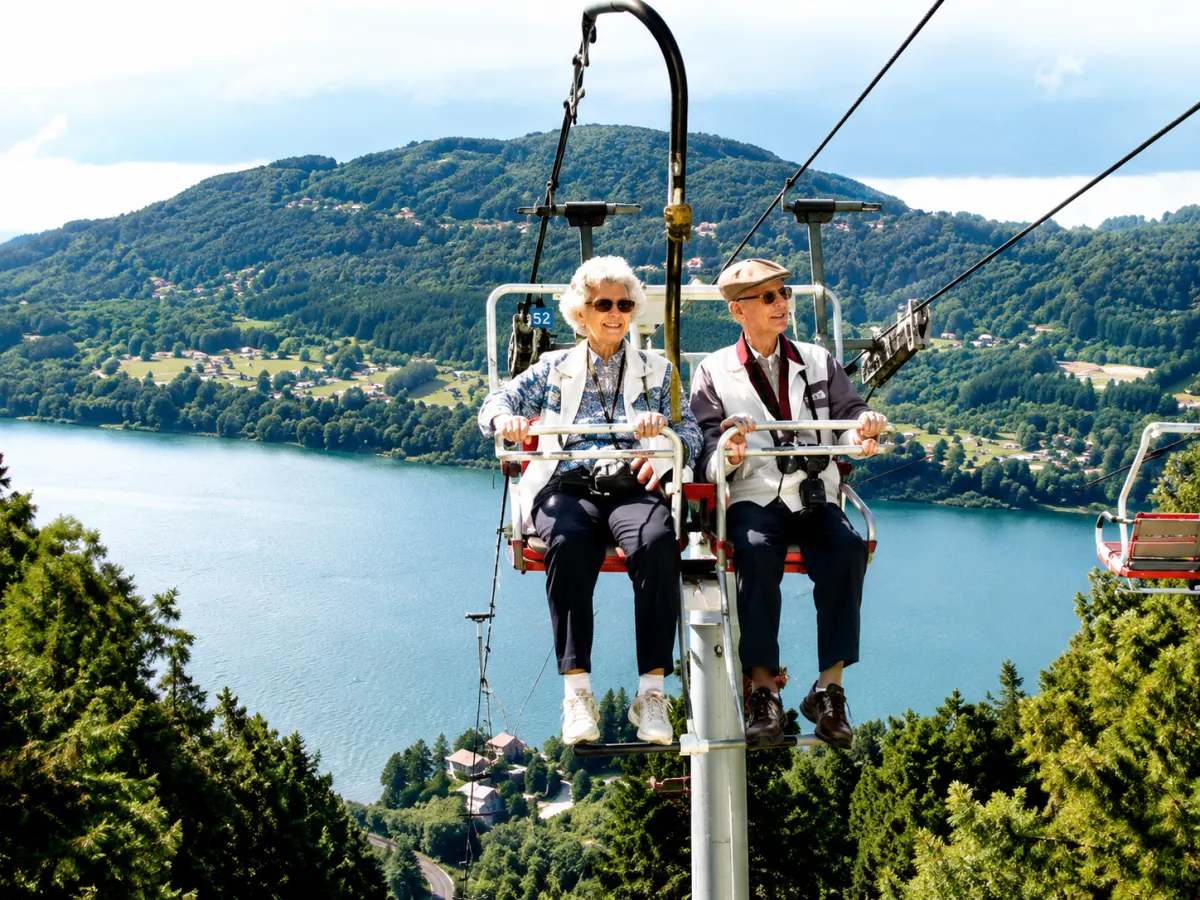
The briefing sounded quite complicated. Whoever heard of crossing mountains by boat? We were told, “We will be lost in the middle of nowhere.” We were trusting souls, so we looked forward to this new adventure. First, we went by bus, driving along the lake with glimpses of Mt. Osorno. We stopped at a national park where we walked on a trail to see a series of waterfalls. We rode a catamaran across a lake. Took a short ride by bus to a hotel out in the middle of nowhere. They were expecting us and served a delicious lunch.
Then a bus ride through the rain forest on narrow dirt roads to Chilean immigration. A short distance to Argentina customs.
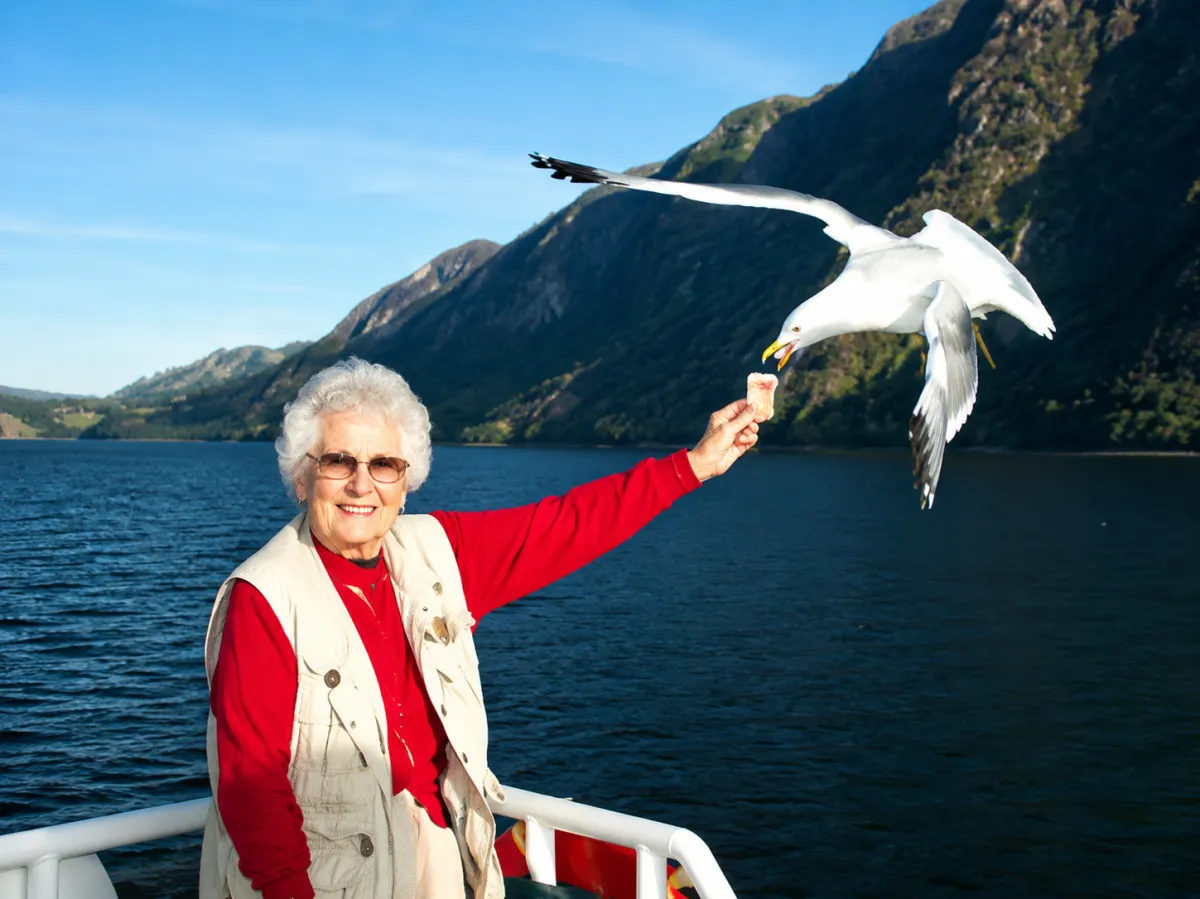
15-minute boat ride on a pretty green lake. 5” bus ride to Porto Blest, where we boarded a very nice catamaran for 1’ 20” with a very nice box lunch. A photographer took my picture, then added a seagull.
BARILOCHE - ARGENTINA
One more 30” bus ride to our hotel in Bariloche. I marveled at all the coordination. Everything was on time; our luggage moved along with us. We arrived in Bariloche in time for a beautiful sunset on Lake Nahuel Huapi.
BUENOS AIRES, ARGENTINA
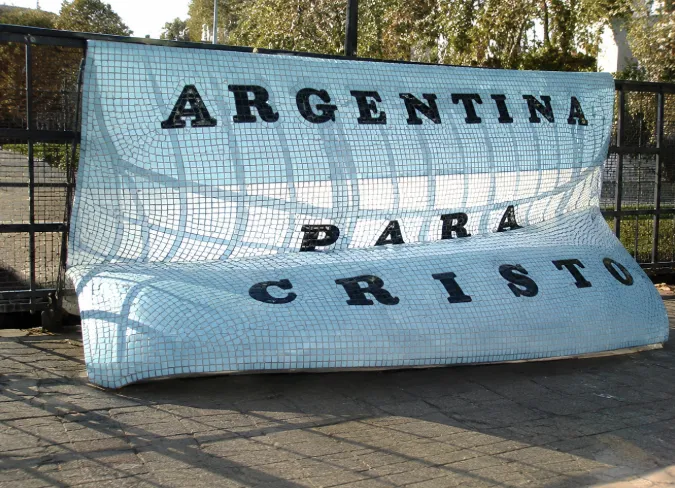
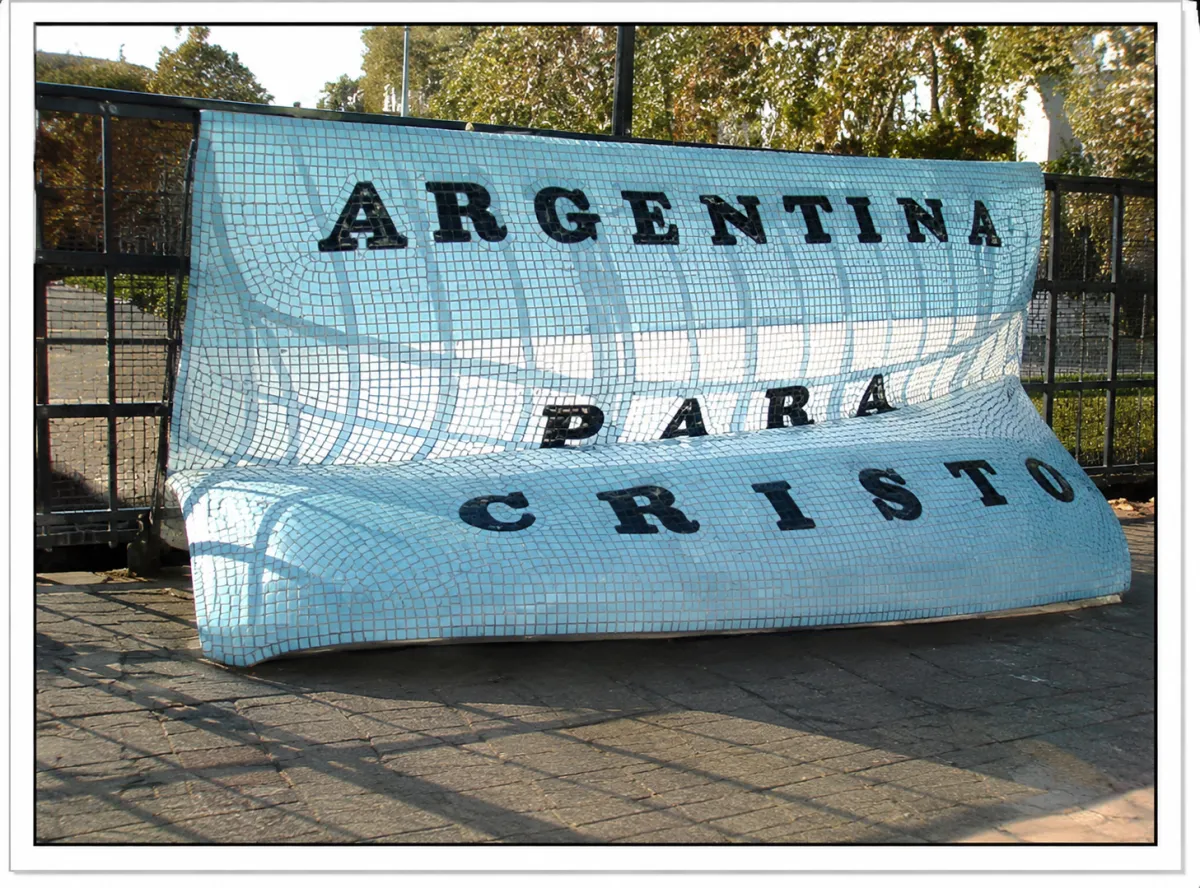
We flew from Bariloche to Buenos Aires. Plaza de Mayo is in the heart of the city. The monument celebrates Argentina’s independence and freedom. There was a Christian rally with a band and singers. The sign says “Argentina for Christ.”
We traveled on Al’s birthday. Everyone sang Happy Birthday, signed a big card, and put a hat on his head. After we got settled in our hotel, we went looking for a place to celebrate his birthday. We found a very nice place, all set with dishes and linens. It was open, but no one was there yet. We had the place to ourselves. We had beef tenderloin dinners, the best we’ve had in a long time. It was a very nice birthday, #76.
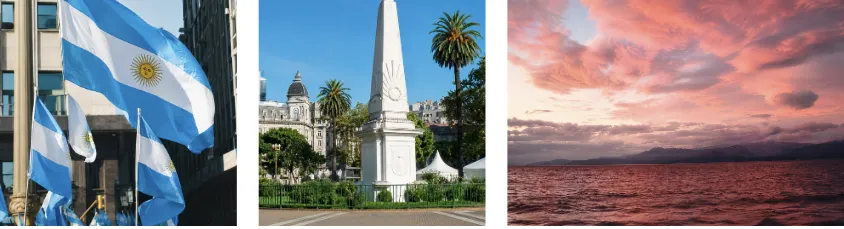
Buenos Aires is a beautifully laid-out city with parks and fountains. The main wide boulevard has 7 lanes in each direction and is called “Avenue 7th of July.” There are parks on either side with walking paths.
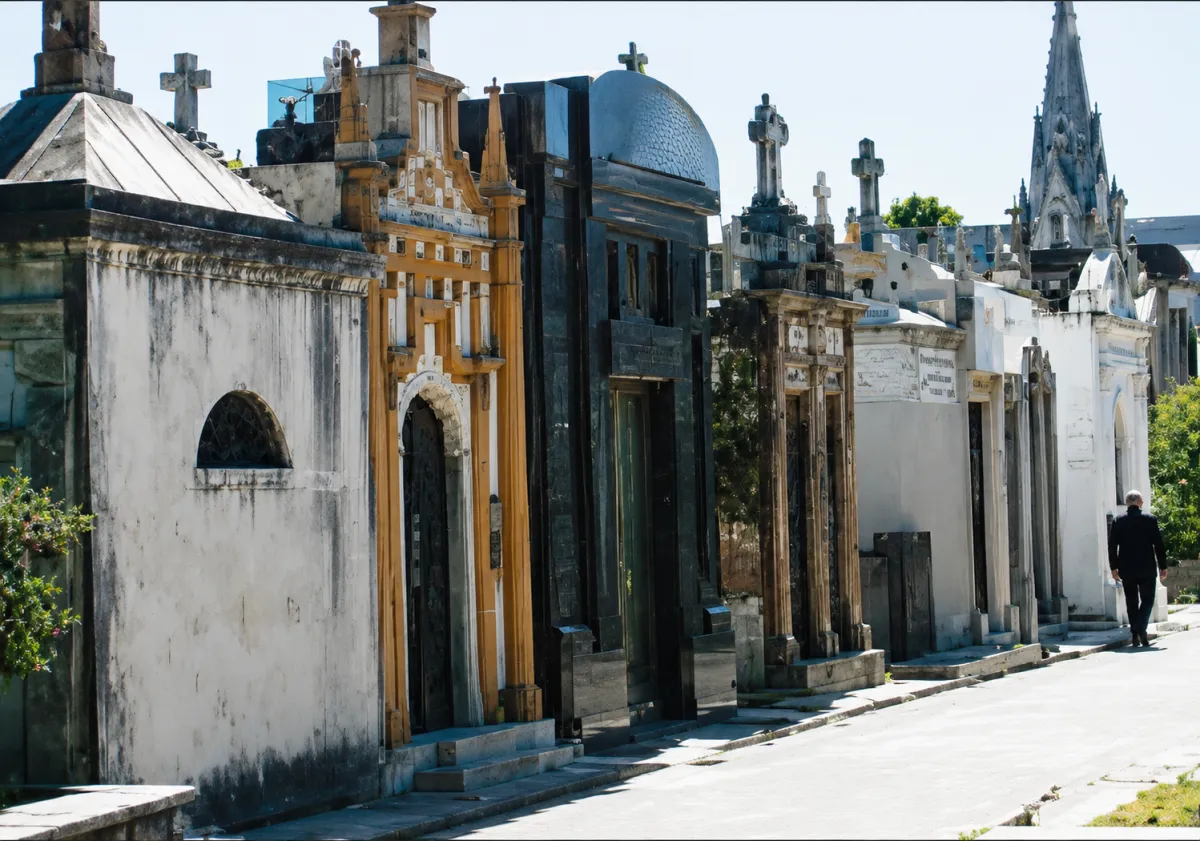
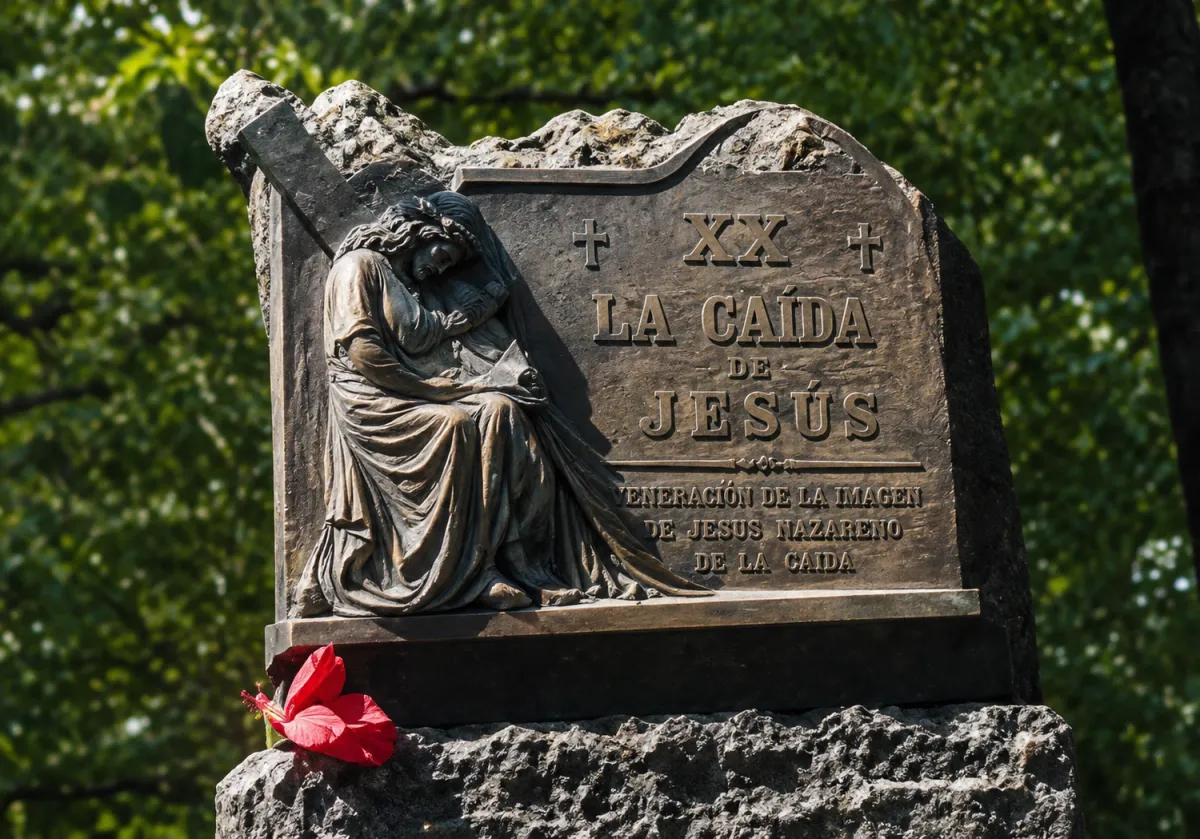
HOME HOSTED MEAL
A chance to visit a home and see how people really live. A small bus took 5 of us to the designated place. The hostess met us on the street and took us up an elevator to a very luxurious apartment. The family all spoke English, so we had a very interesting time. They served appetizers of empanadas, which were very tasty. Then, a sit-down meal of chicken and rice. Shortly, the 2 teenage girls excused themselves. This is Sat. At night, they always go out with their friends. They go to a pub for beer, then dance and party all night. They eat breakfast somewhere about 6, then go home by 7 or 8 to sleep all day. Doesn’t anyone raise their eyebrows at this?
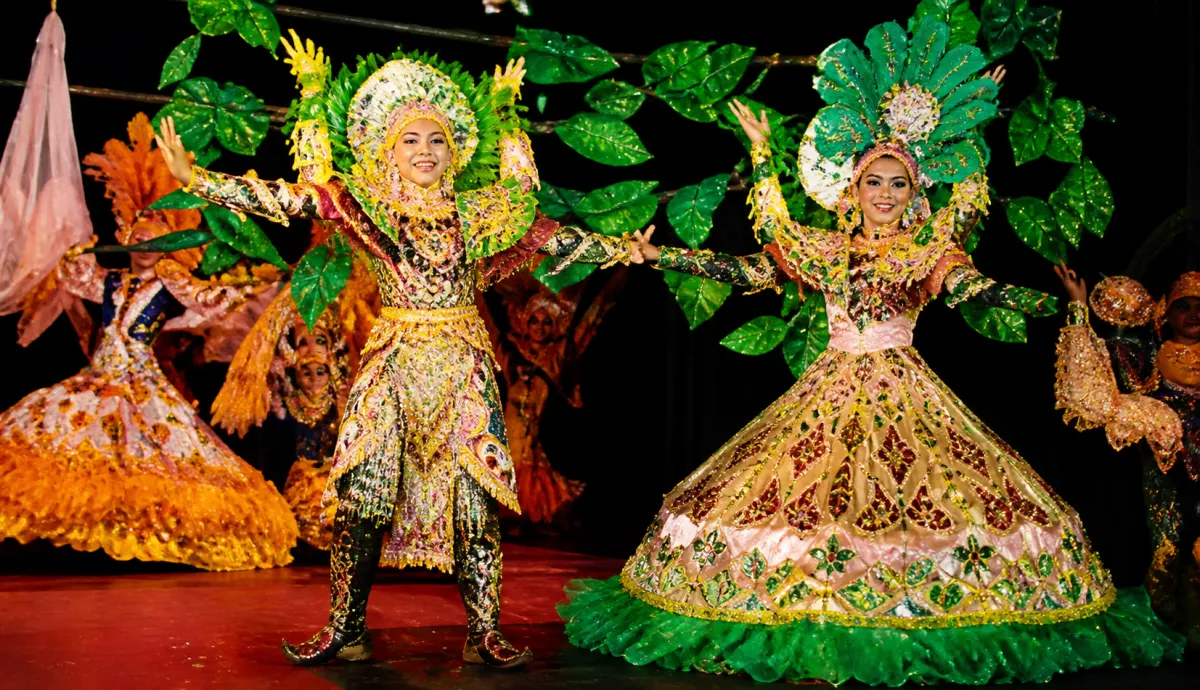
Our farewell dinner featured filet mignon and the usual flaming Baked Alaska parade by the waiters. It was followed by dancers in colorful costumes. They featured dances from African and South American countries.
IGUAZU FALLS - ARGENTINA
We flew from Buenos Aires to Iguazu Falls, landed at the airport, and were transferred to a train station. There were hordes of people, and we managed to crowd onto an open-sided train for a ride through the rainforest. Just our luck to be here on a holiday weekend. They expected 10,000 today!
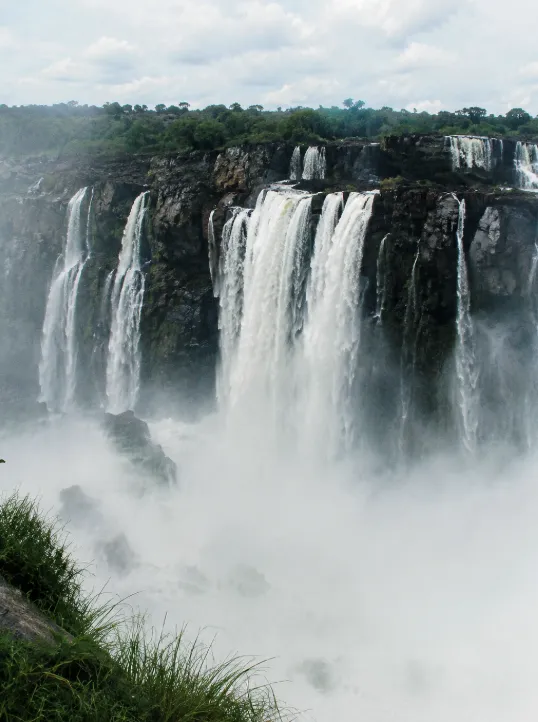
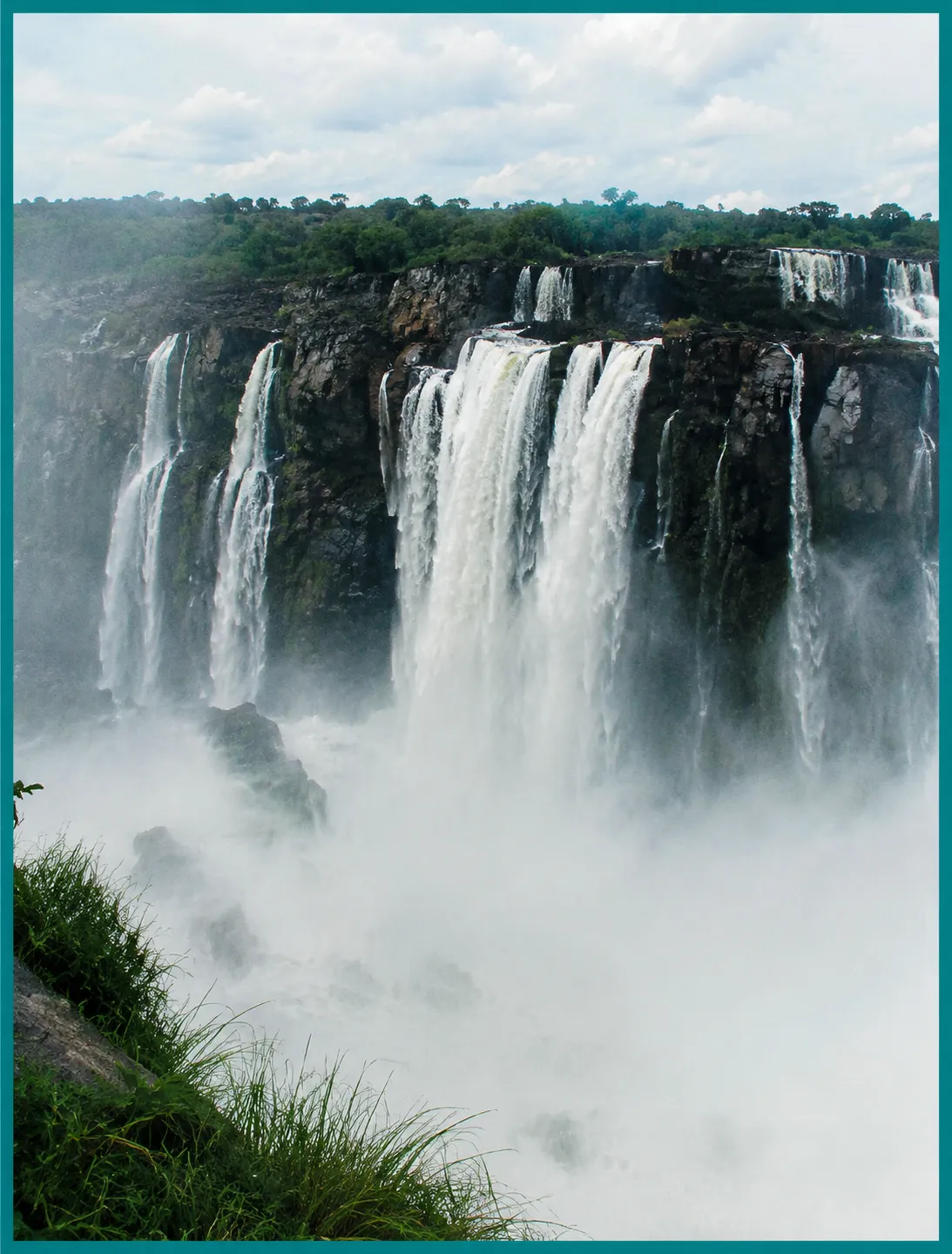
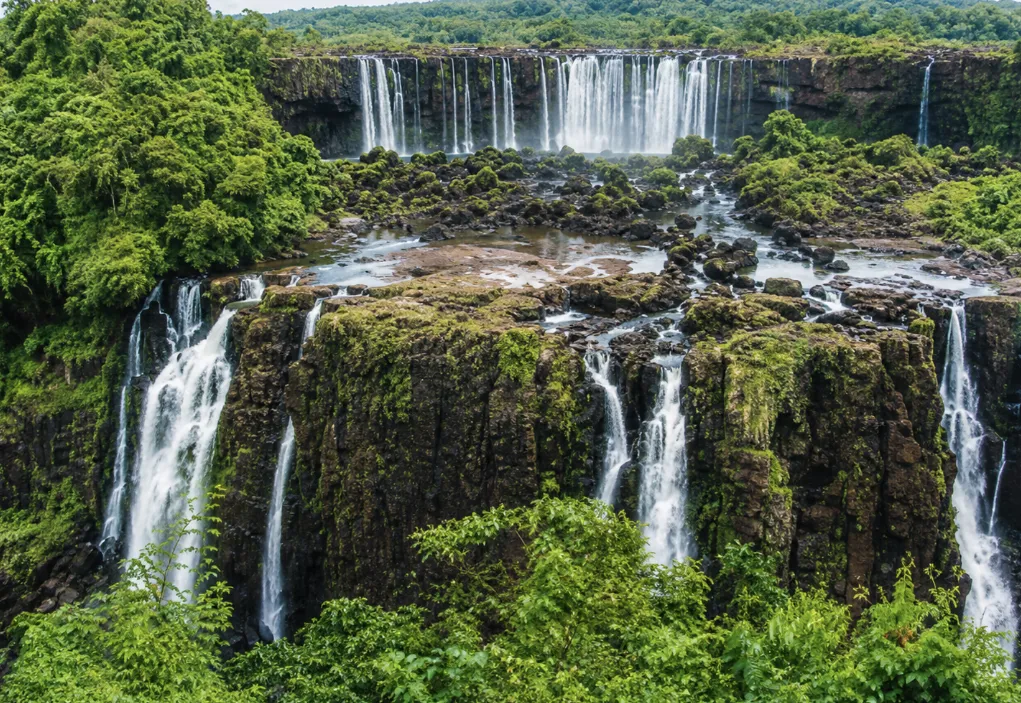
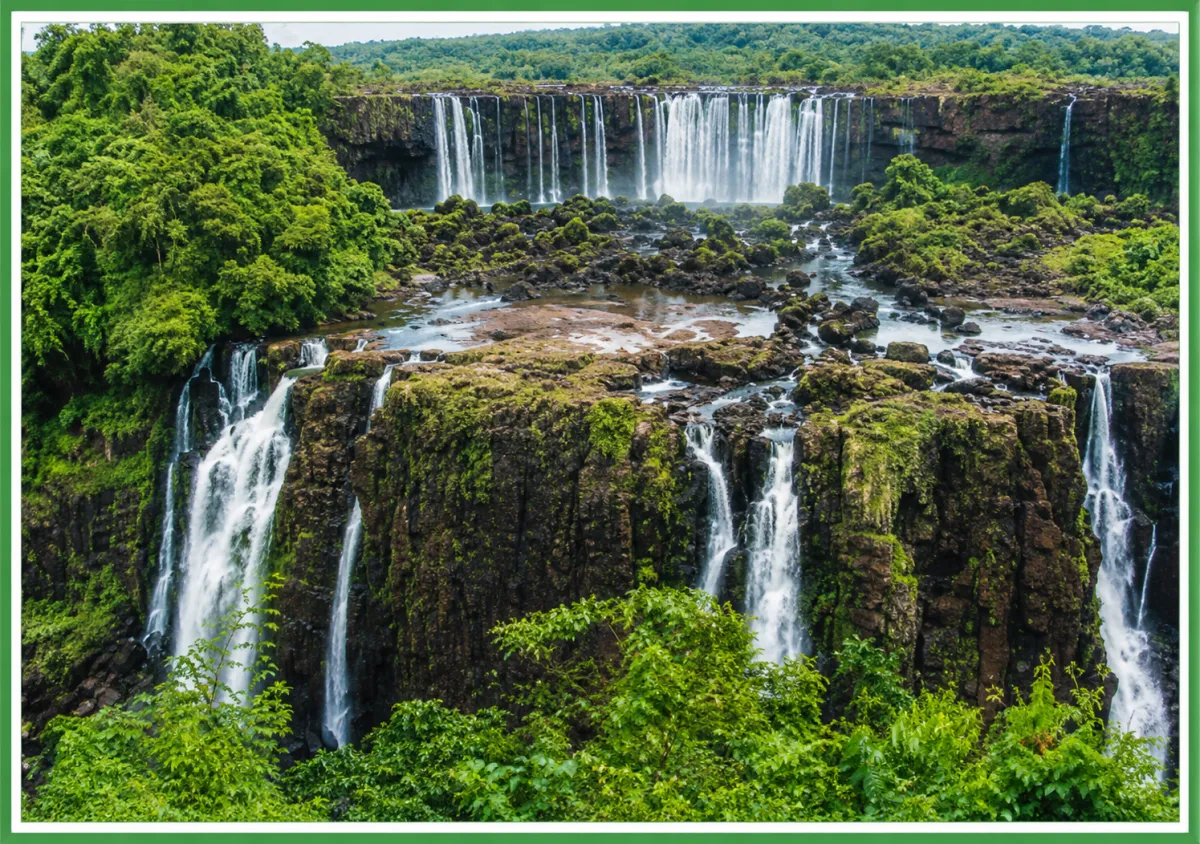
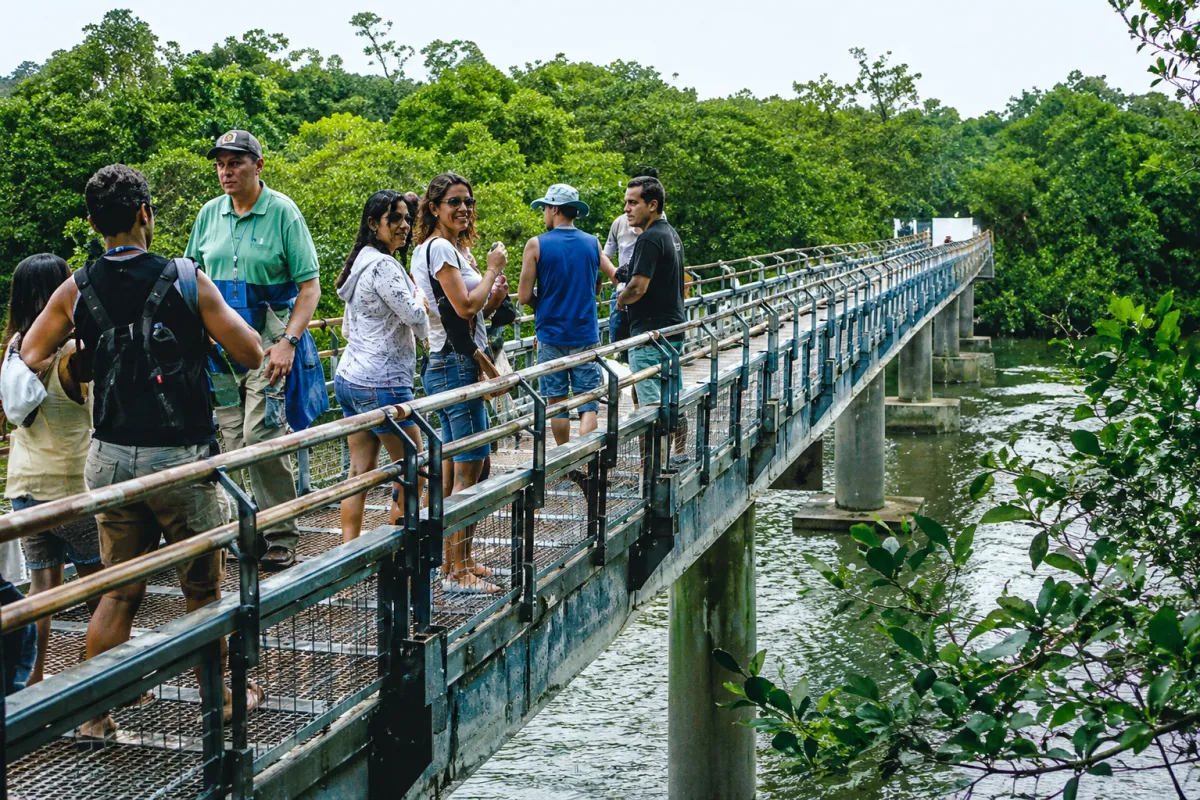
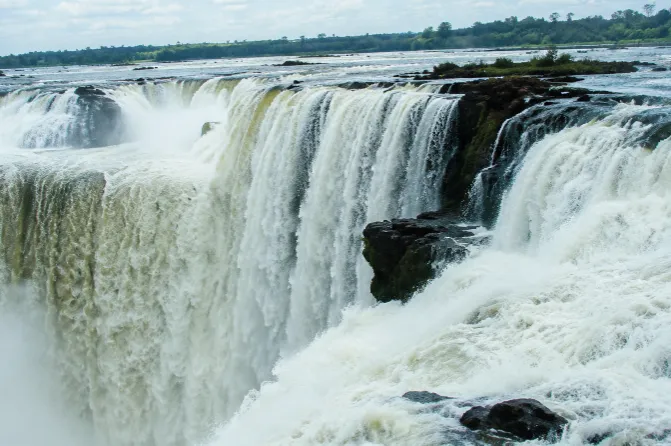
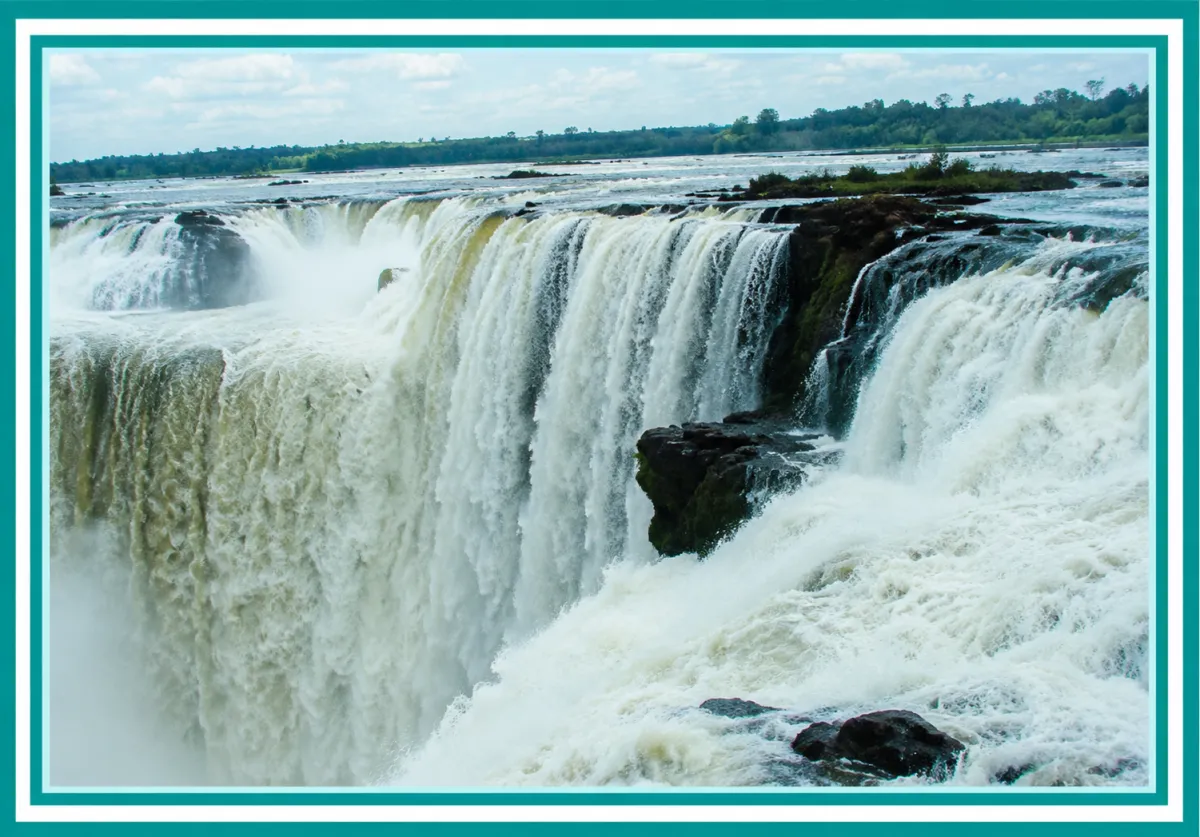
After the train, we walked about a mile on a metal elevated walkway above the mile-wide river. And then the Falls! The spray quickly drenched us! And crowds. We could hardly get near the rail to take pictures. The camera was wet - the lens was wet with raindrops - we were wet, and my tote bag was wet, but the falls were awesome. 176,000 cubic feet of water per second plunge over the falls.
When Eleanor Roosevelt saw the Falls, she reportedly said, “My poor Niagara.”
We boarded a bus to see the falls from the BRAZIL side. They say that Argentina has 80% of the falls, but Brazil has the view. Of the 270 separate waterfalls, all but 5 are on the Argentine side. So that’s why Argentina built miles of walkways to gain access to the top of the falls, so tourists would come to their country to see the falls.
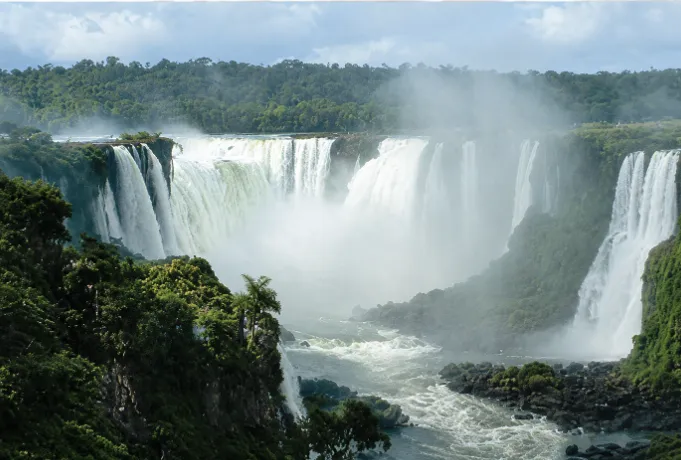
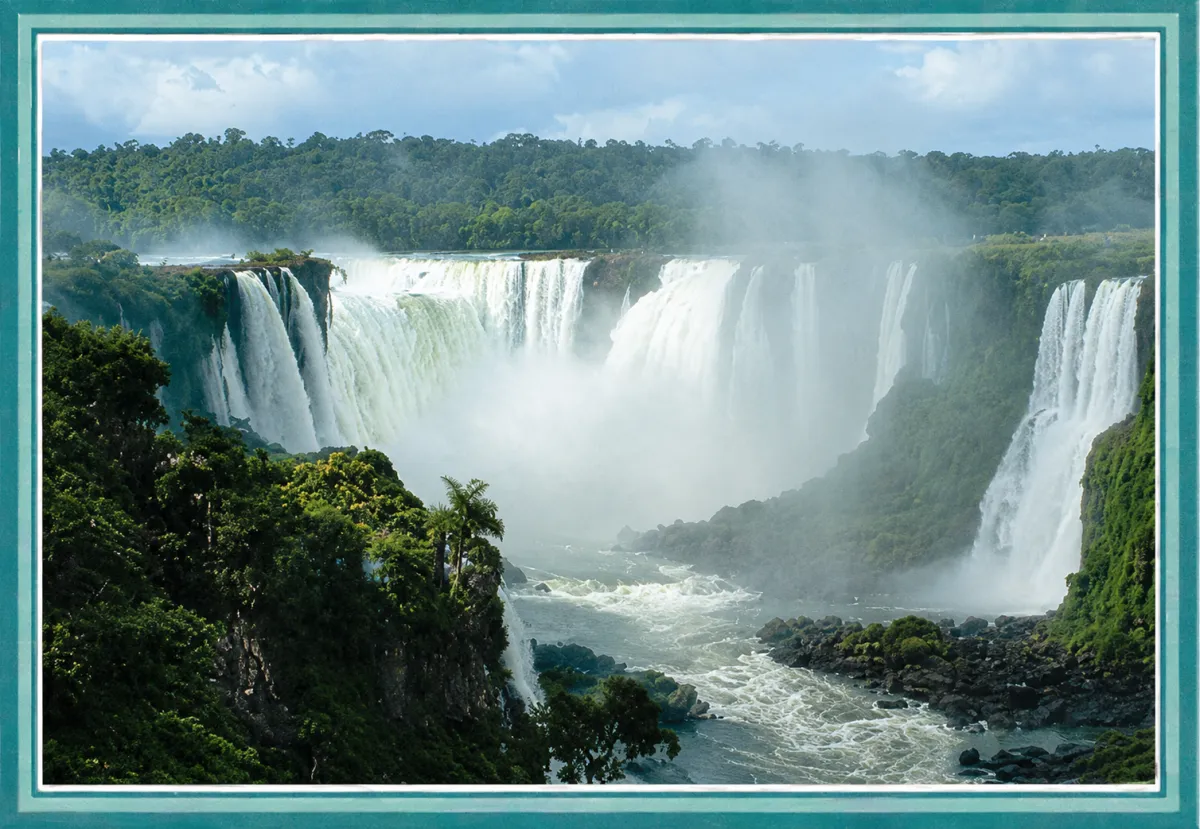
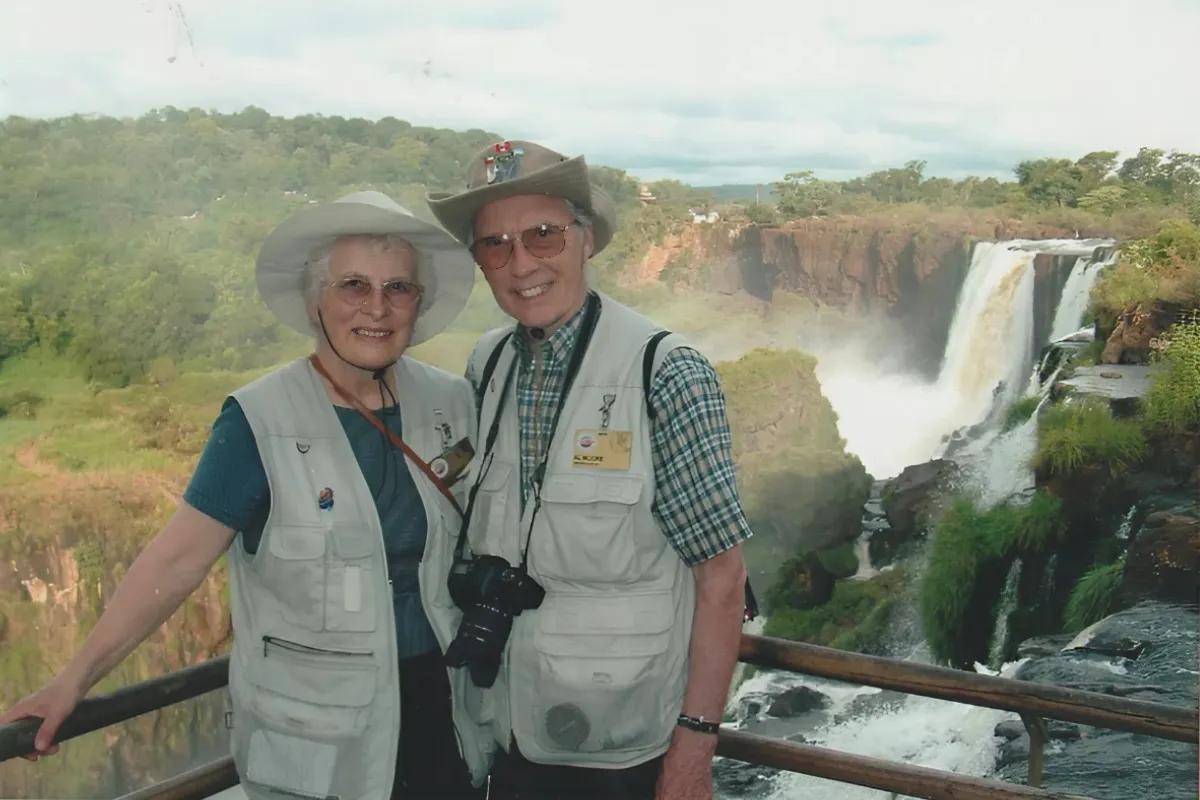
The falls are nearly 2 miles wide in a horseshoe shape, 4 times the width of Niagara.
RIO DE JANEIRO, BRAZIL
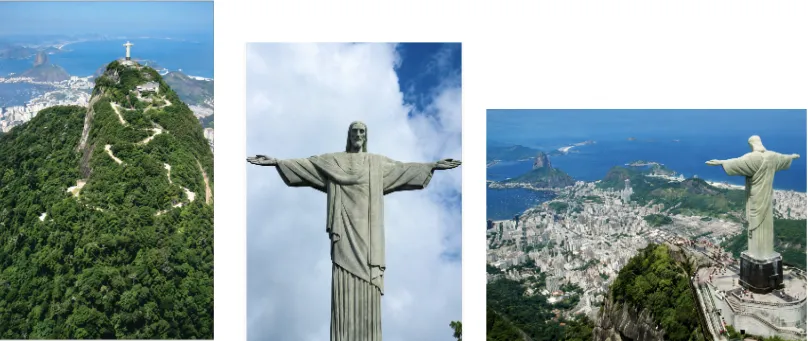
We were looking forward to seeing the statue of Christ the Redeemer that stands high above the city. It is a very famous landmark.
First, we rode a cog train that took us partway up the mountain, then we climbed 200 steps to the top.
The statue stands 2300 ft. above the city. It is 100 ft. tall, weighs 70 tons, and the distance between the hands is 30 meters. It is symbolic of Christ watching over the city. It is the largest Art Deco statue in the world and has been declared one of the “New Seven Wonders of the Modern World.”
The view was awesome of the statue of Christ with outstretched arms. It was a moving and emotional experience. Thousands of people see this statue every day, and many more come, as we did, to stand in awe.
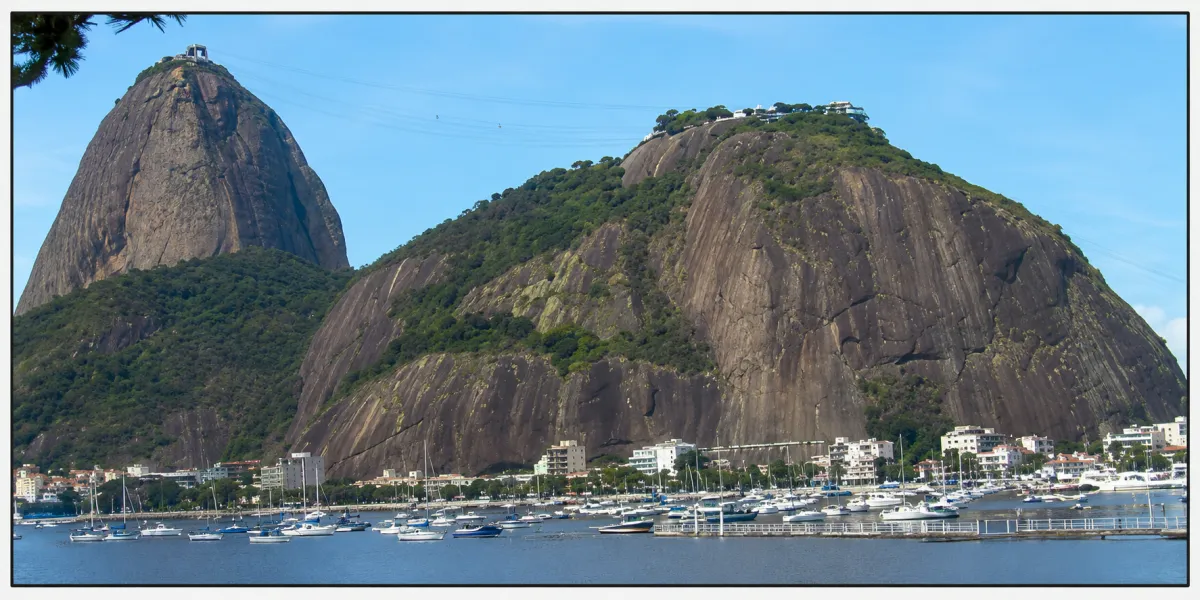
The next morning, we had a short bus tour to the favelas. There are 800 favela neighborhoods on the hillsides above Rio; in fact, 20% of Rio’s population lives in them. The streets were narrow and winding with shops, alleyways, lots of people, and lively places. We stopped at an area of very authentic handmade crafts. There were purses for sale made of the pull tabs of soda cans.
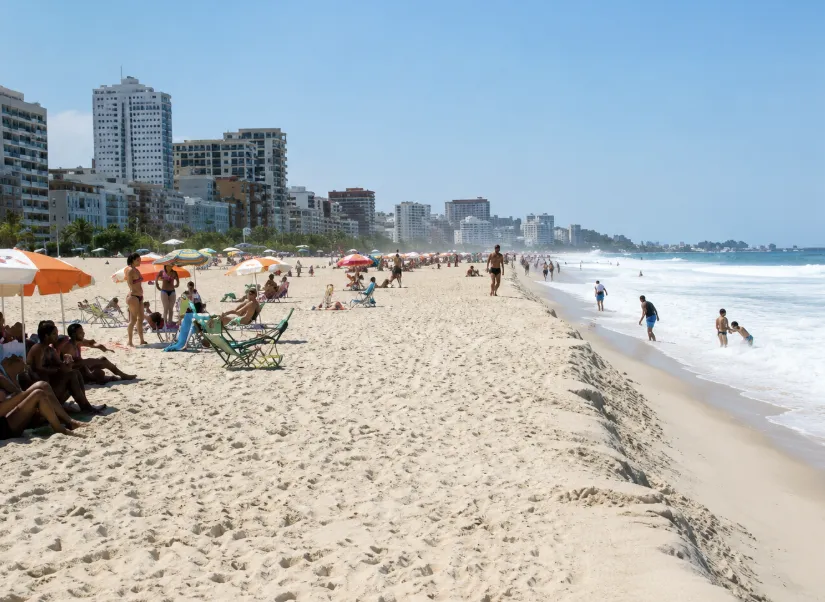
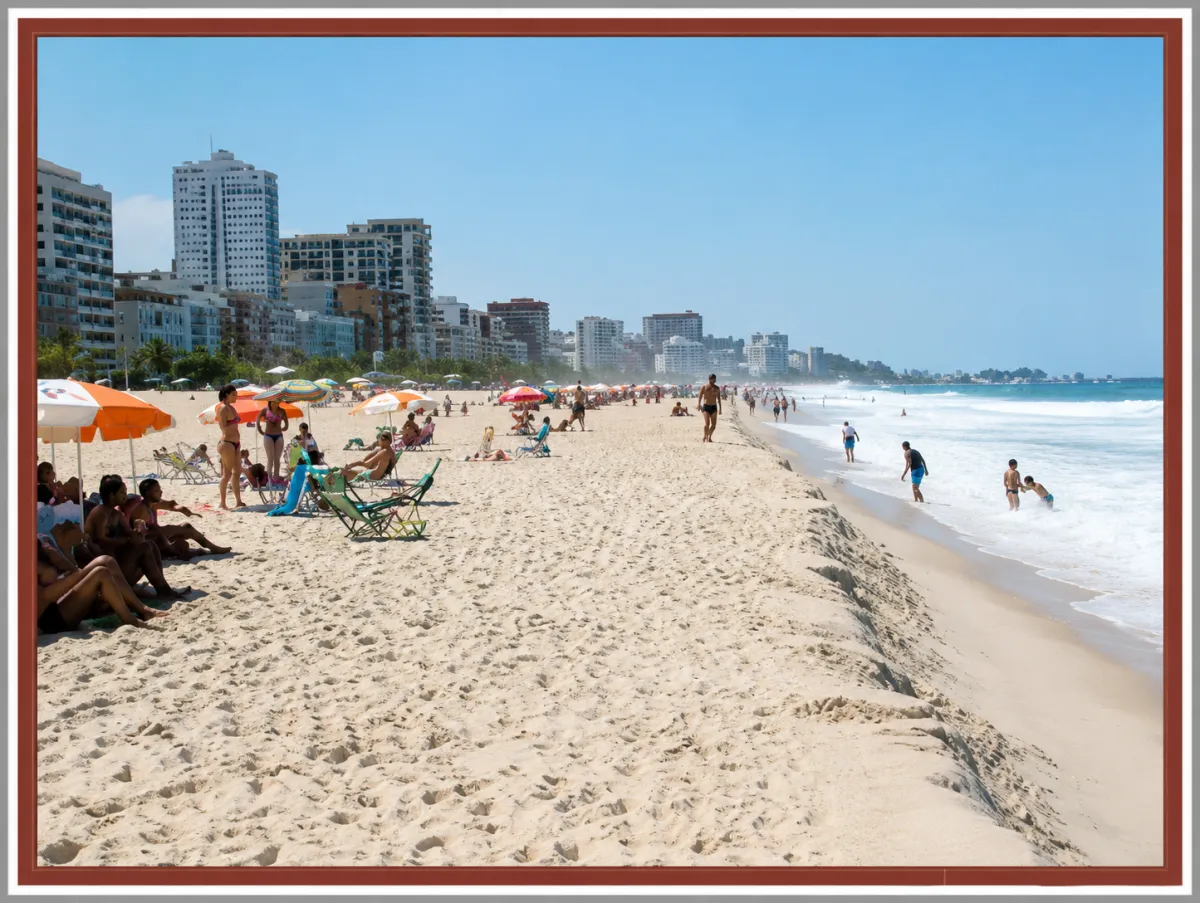
While the rest of our group went on an all-day bus tour, we decided to do our own thing. We took the free hotel bus to Ipanema Beach. (Famous for the song “The Girl from Ipanema.”) We were fascinated with the endless waves and miles of pristine sand. We waded in the warm water and felt the waves come in. It was a fun time for us.
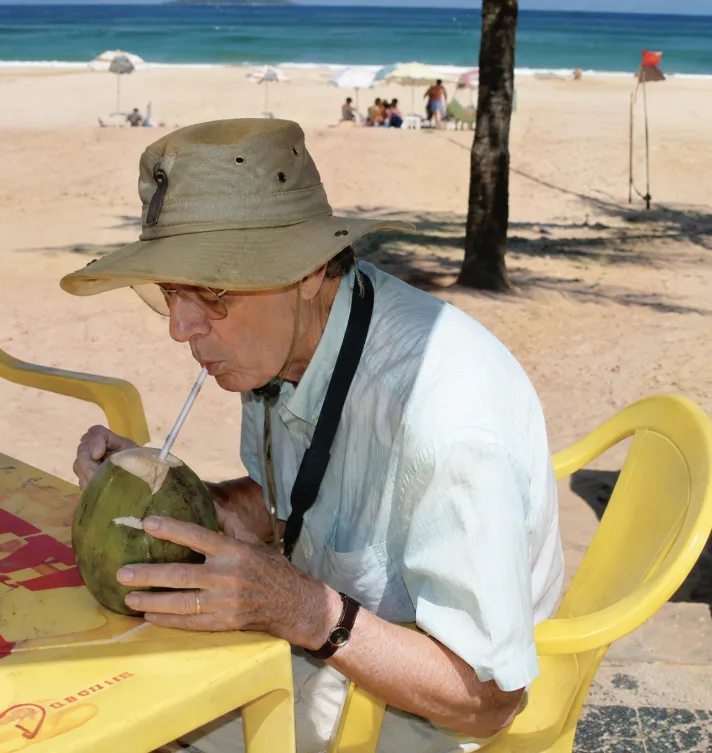
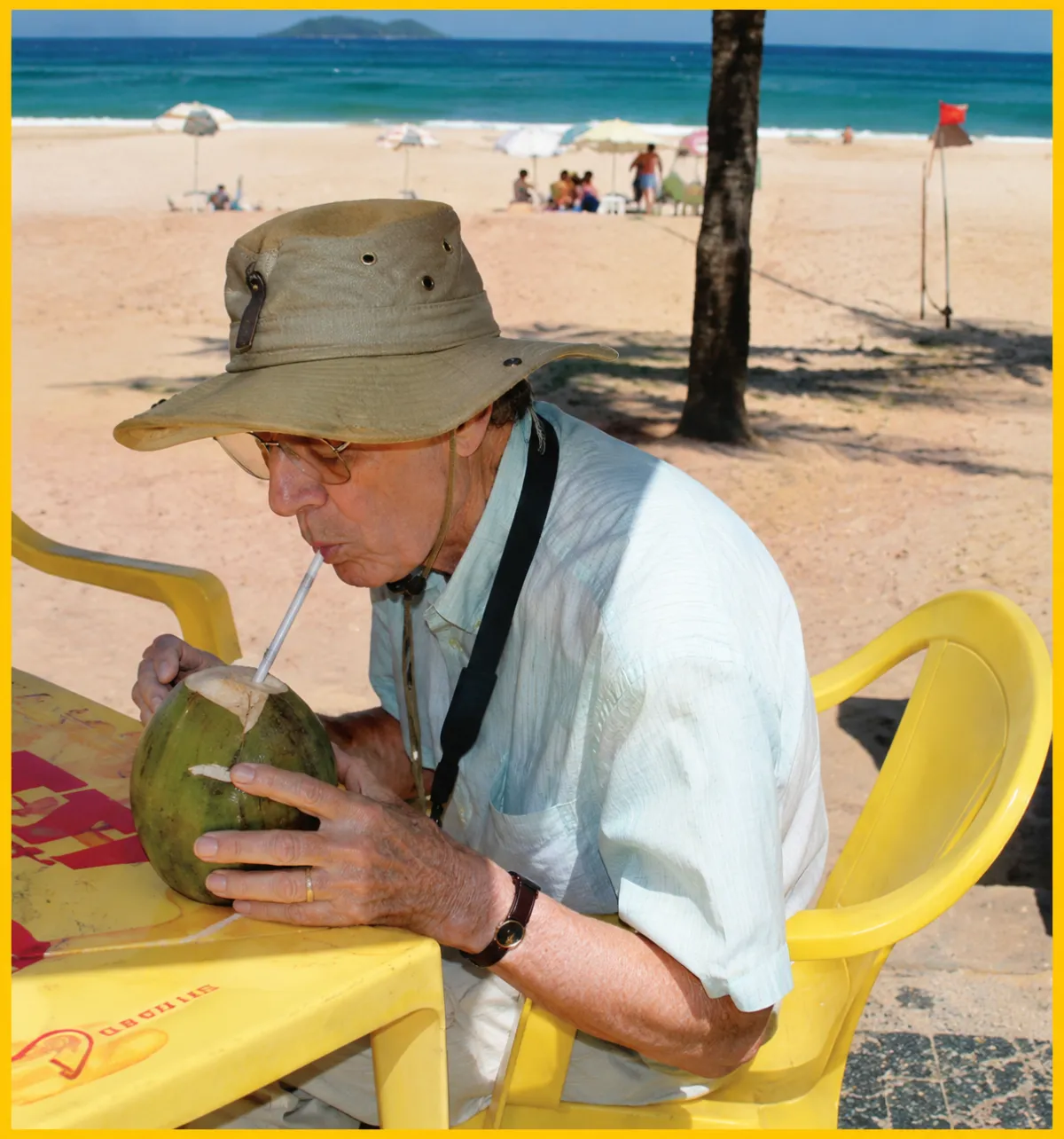
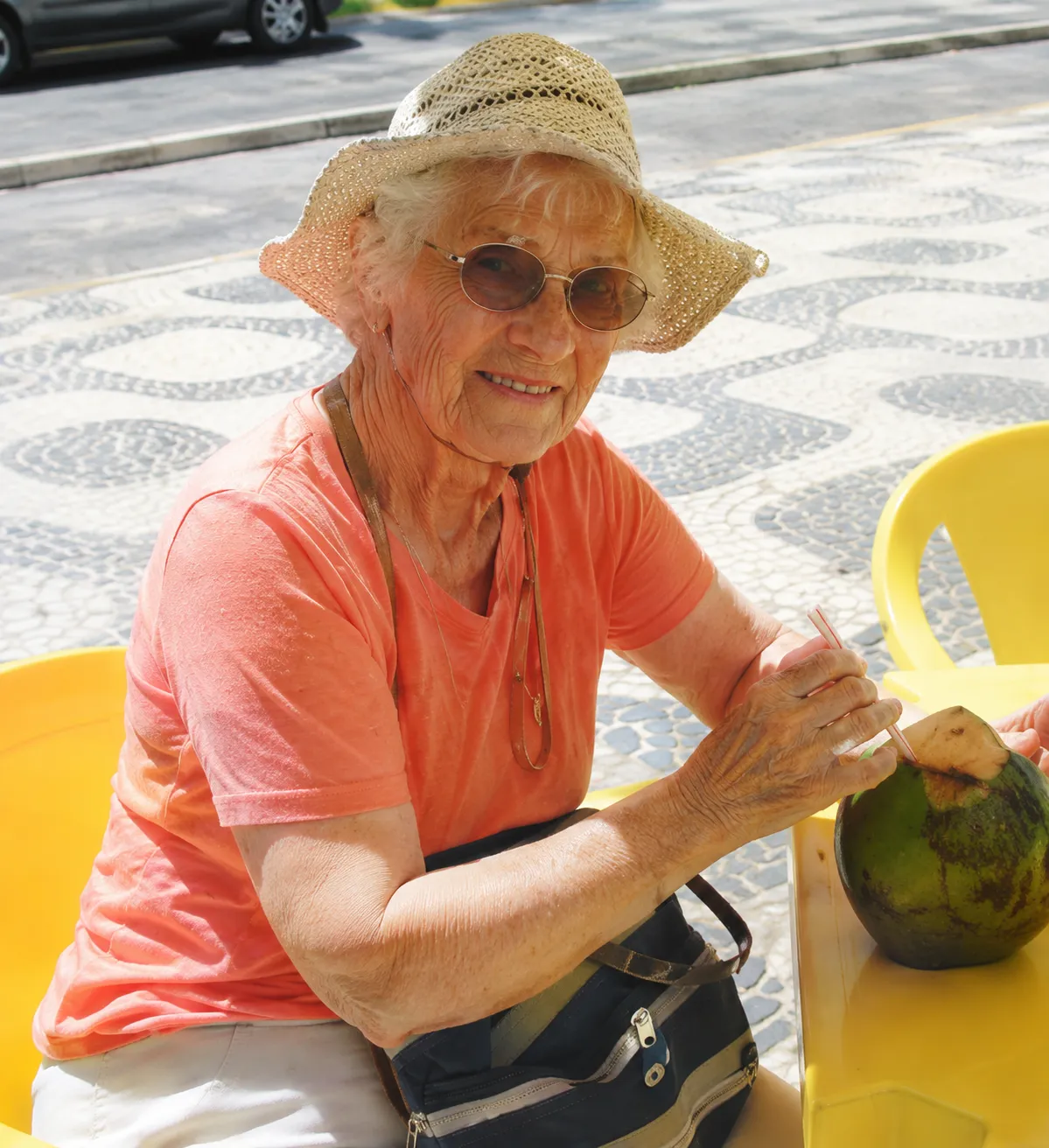
We bought a coconut, and it was whacked open with a big knife and given to us with two straws. It was cold and so delicious.
We returned to our hotel and had some time to ourselves. We opted to walk on the beach across from our hotel. Soccer games in the sand, colorful sunsets, lights coming on along the beach, and waves crashing made wonderful memories.
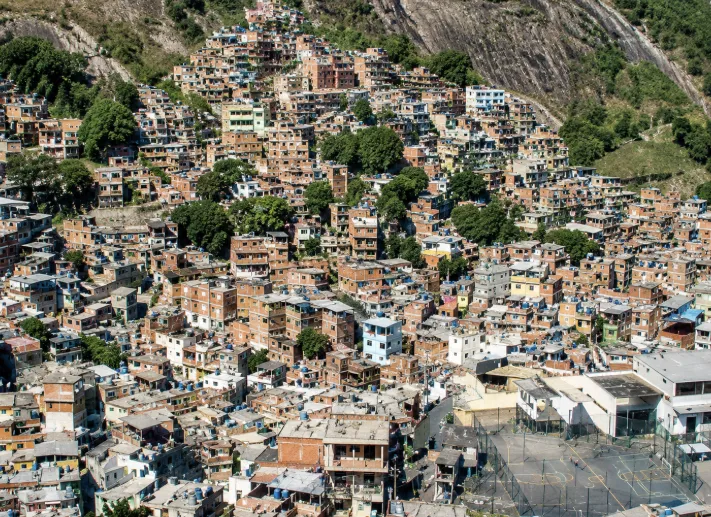
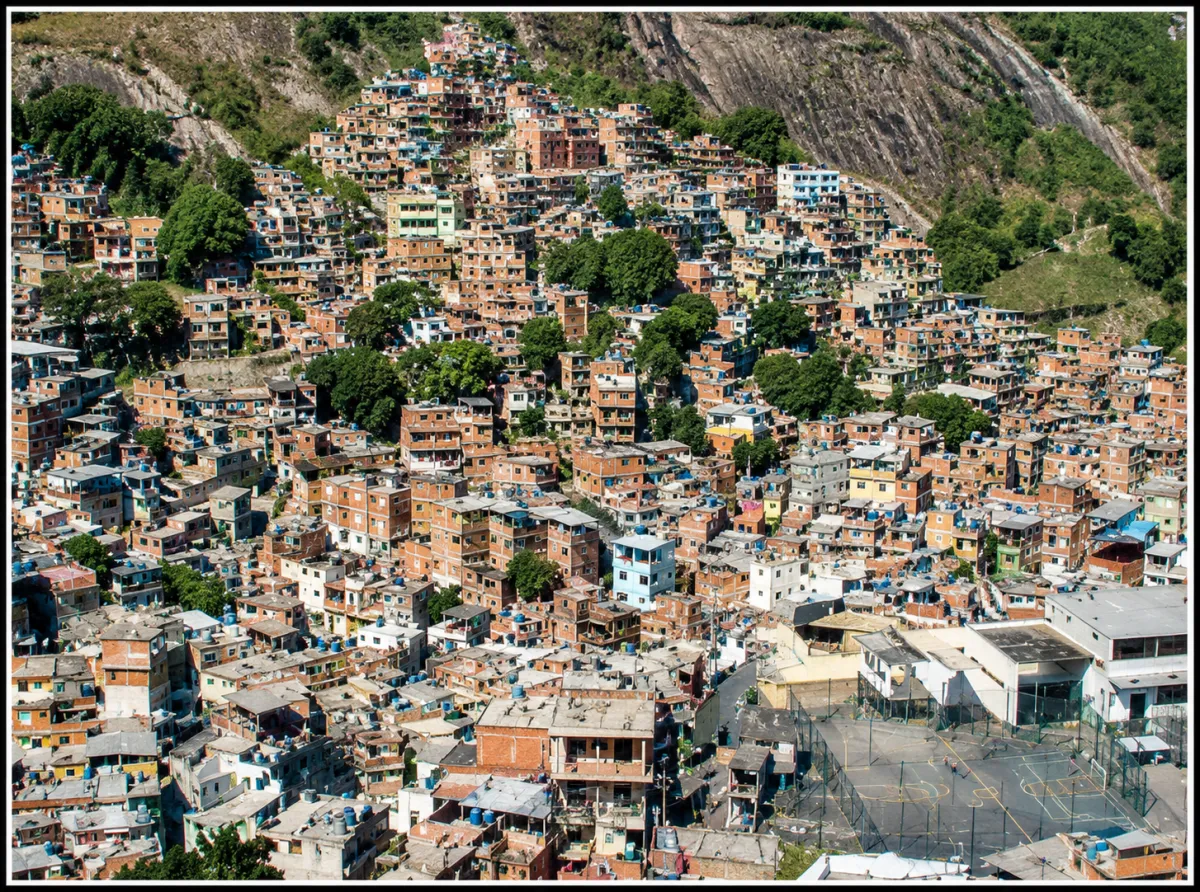
The next morning, we had a short bus tour to the favelas. There are 800 favela neighborhoods on the hillsides above Rio; in fact, 20% of Rio’s population lives in them. The streets were narrow and winding with shops, alleyways, lots of people, and lively places. We stopped at an area of very authentic handmade crafts. There were purses for sale made of the pull tabs of soda cans.
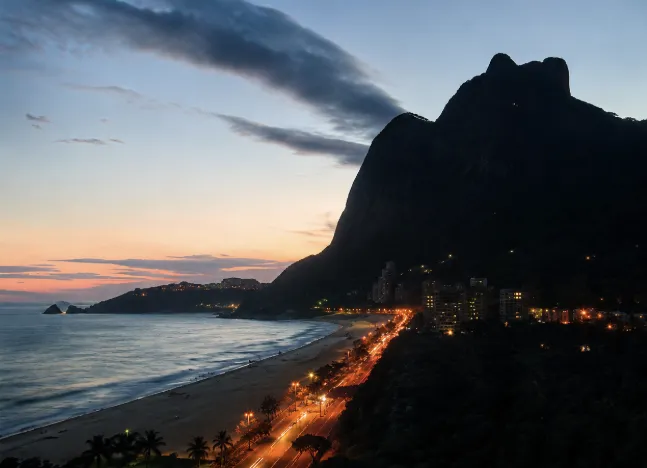
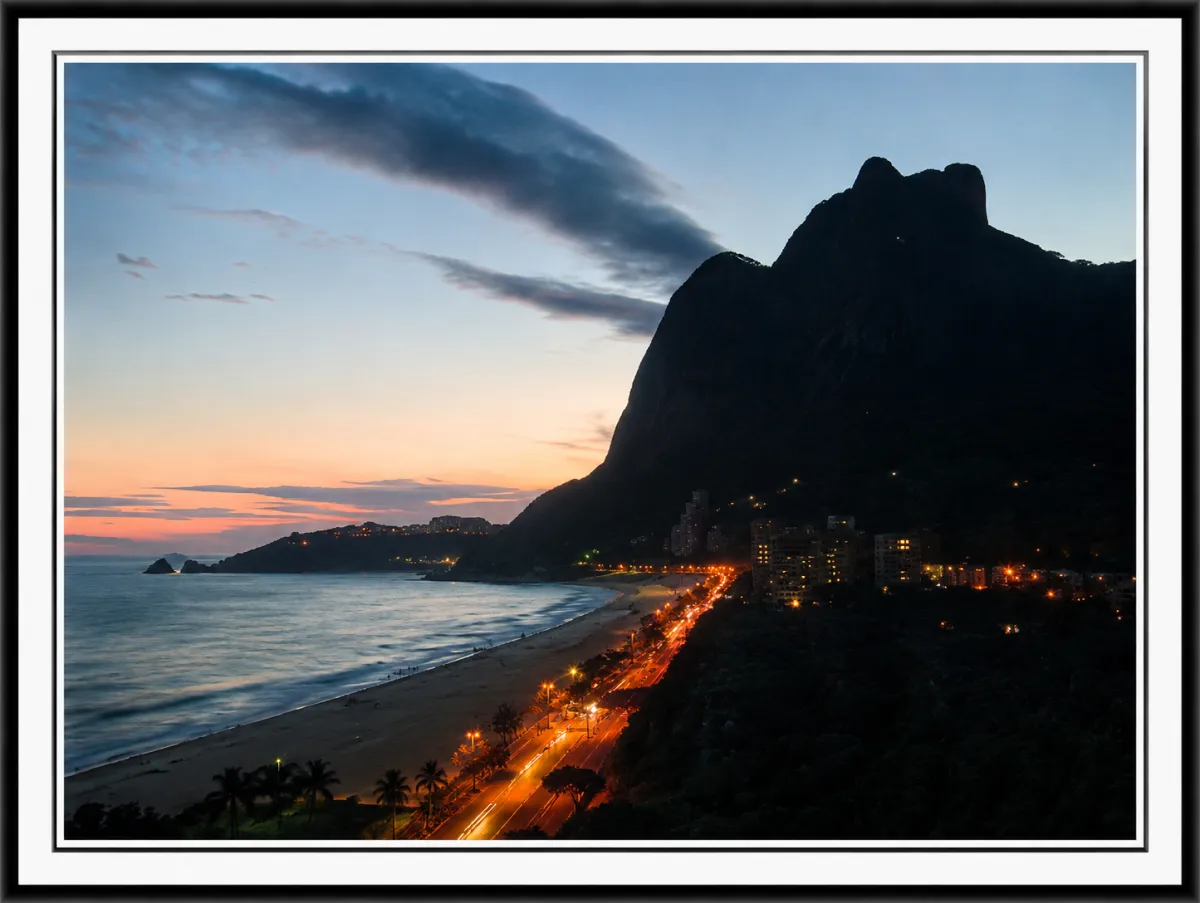
We sat on our balcony with our favorite cappuccino and reviewed our trip, thankful again for the privilege of seeing more of God’s creation and man’s creative building.
2008 - Antarctica
We wanted to go to Antarctica and check off Continent #7 to complete our list. We found that the best, and almost the only time to go, is in their summer of January and February. It is too cold, with dangerous icebergs, during other months.
Then, in November came the news, “Cruise ship hits underwater iceberg and goes down off Antarctica.” All 154 passengers and crew took to the lifeboats. Fortunately, the seas were calm and not stormy, and they were all rescued by a passing Norwegian cruise ship. Pictures of the red ship, “Explorer” sinking under the waves were a bit unnerving. But we proceeded with our plans for Feb. 9-21 on the M.S. Fram.
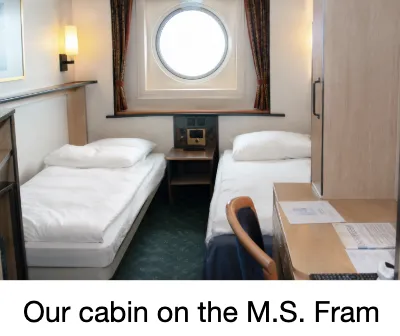
We sailed from Ushuaia, Argentina, the southernmost city in South America. We learned that we would soon be crossing the Drake Passage, the roughest water in the world. It connects the Pacific, Atlantic, and Southern Oceans. Currents meet no resistance from any landmass, thus its reputation as the most powerful convergence of seas. It swirls around the Antarctic continent. And we were about to experience it.
It took about 36 hours for our ship to go through the Drake Passage, and the waters were surprisingly calm. The crew called it “Drake Lake.” There was some wind and whitecaps, and our walk took on a little lurching. But nothing compared to the trip back.
There were 7 landings planned, but it all depended on the weather. And all the landings would be on the Antarctic Peninsula. This is the narrow body of land that extends north.
To prepare for a boat landing, we dressed in layers, waterproof pants, a wool sweater, boots, and a very nice windbreaker with a hood (part of the tour package). We were divided into small groups of 8, and when our group was called, we went to the “boot” room and found knee-high boots to fit.
There were very strict rules to follow: do not pick up ANYTHING, even a pebble. Do not leave anything - check your pockets for tissues or anything loose. Stay 15 ft. from the penguins. Your group will have one hour to explore the area.
HALF MOON ISLAND
We went ashore in the dinghy; hang on tight and don’t mind the spray! It was a “wet” landing. Strong arms helped us off the boat into shallow water. Our boots kept us dry and warm. The uneven rocks made walking difficult, but there were the penguins to see!
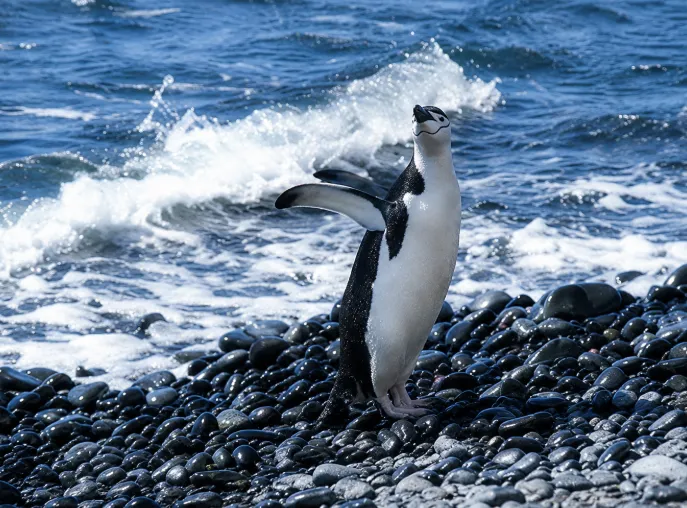
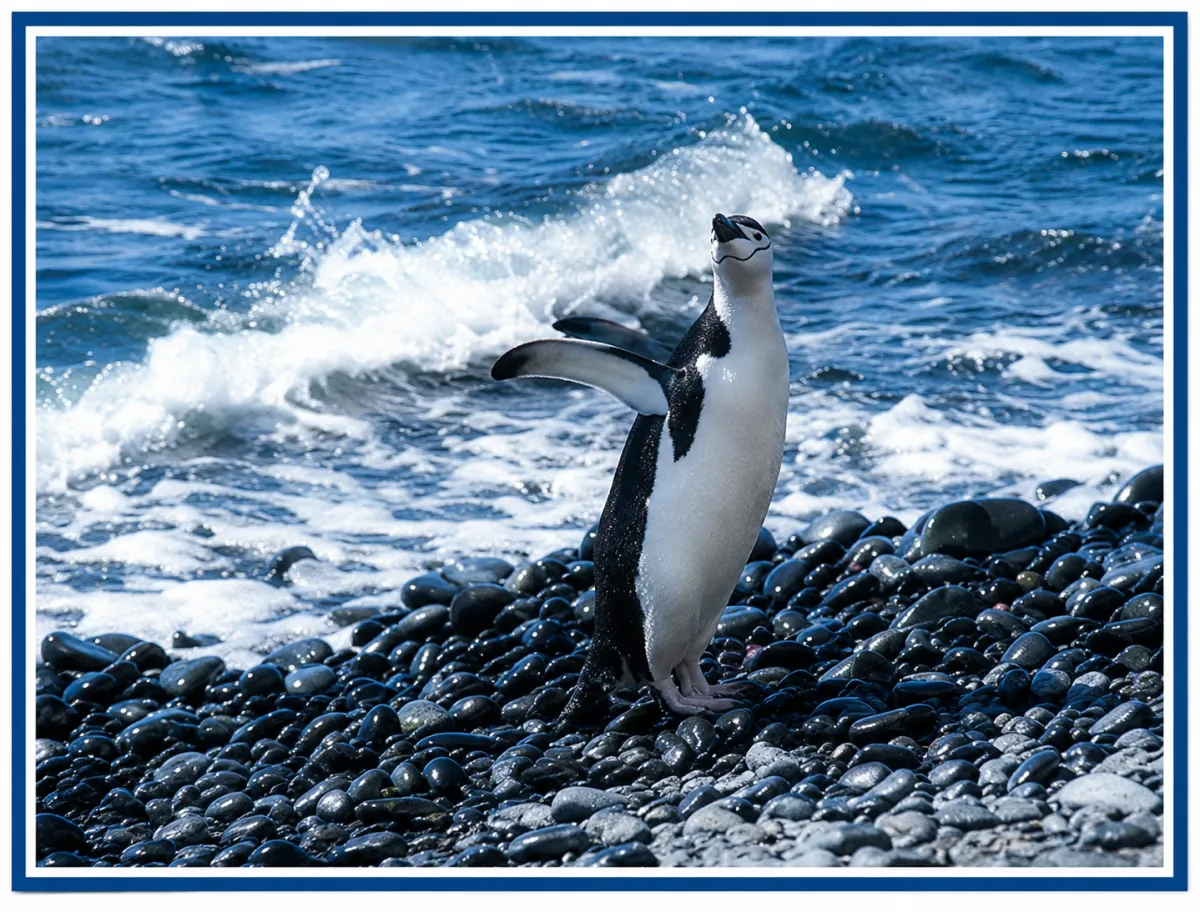
These were the chin stripe penguins with a slight black line under their chins. They had a good time frolicking in the icy cold water and putting on a show for us. Too soon our Time was up.
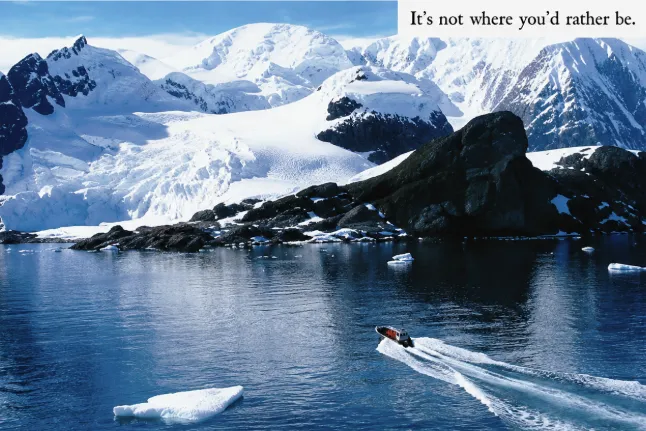
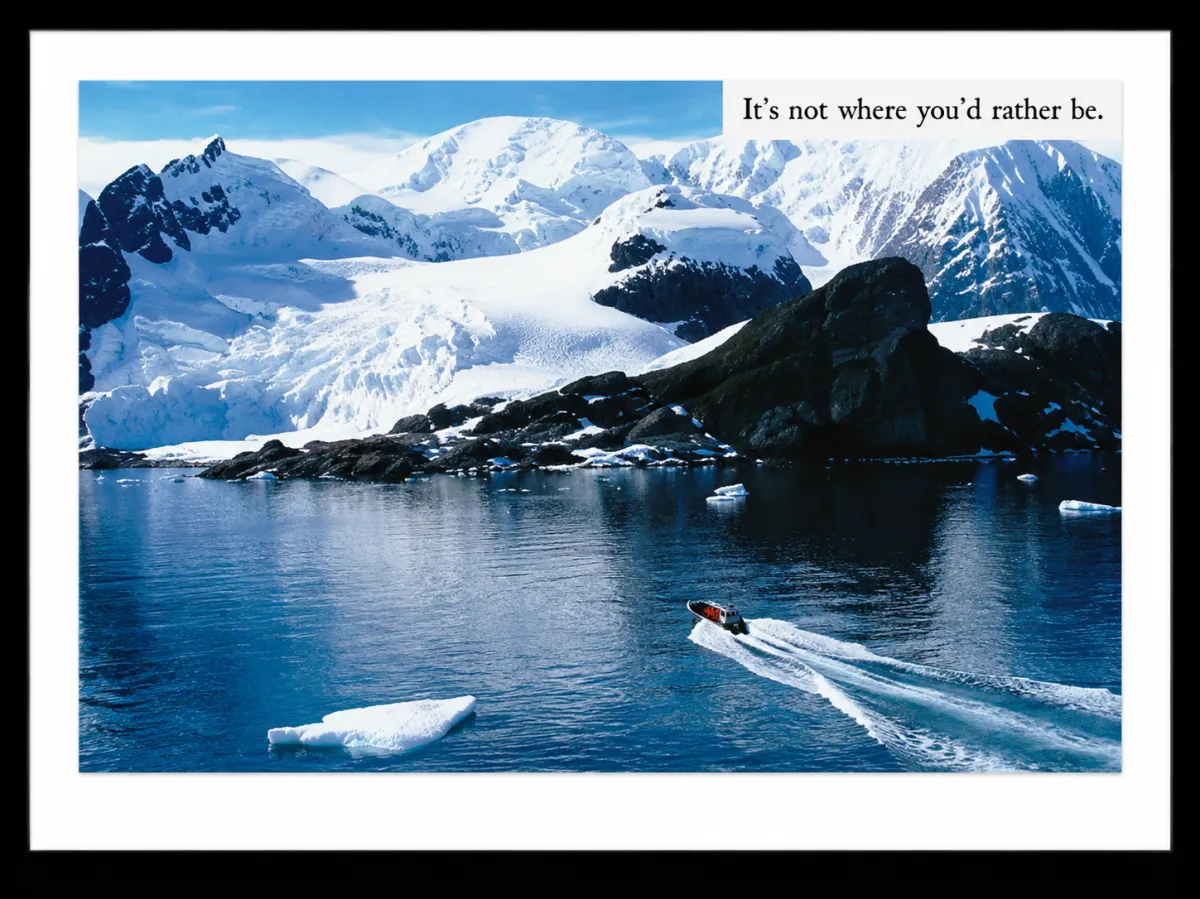
PARADISE HARBOR (on Valentine’s Day)
We reached Paradise Harbor on Valentine’s Day. The warmth of our love was not matched by the temperatures outside, but the scenery was unforgettable.
LEMAIRE CHANNEL
Steep cliffs and glaciers, reflected in still waters, make it a top tourist attraction. Passengers lined the rail watching the captain maneuver the ship through the narrow gap.
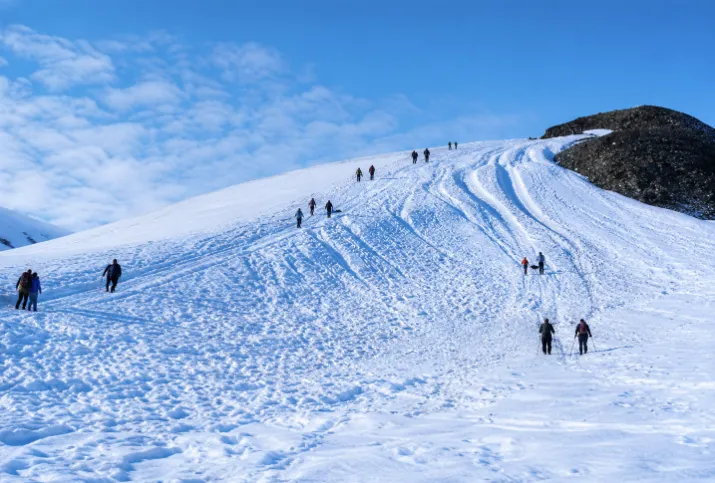
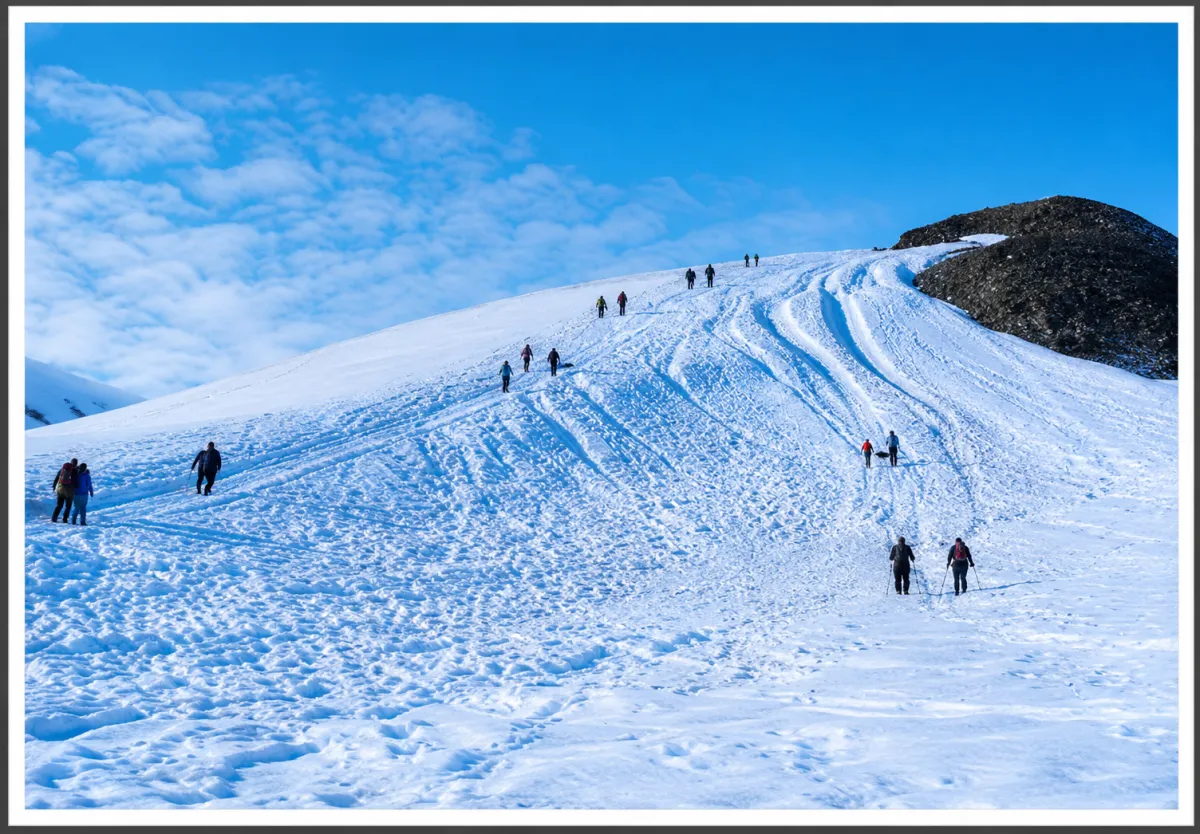
There were many dangerous and beautiful icebergs. We climbed partway up the snowy hill for a great view of our ship waiting for us.
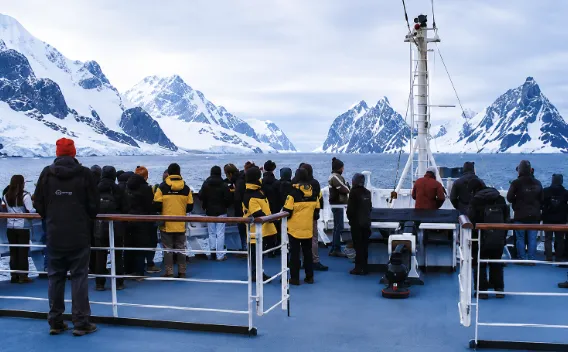
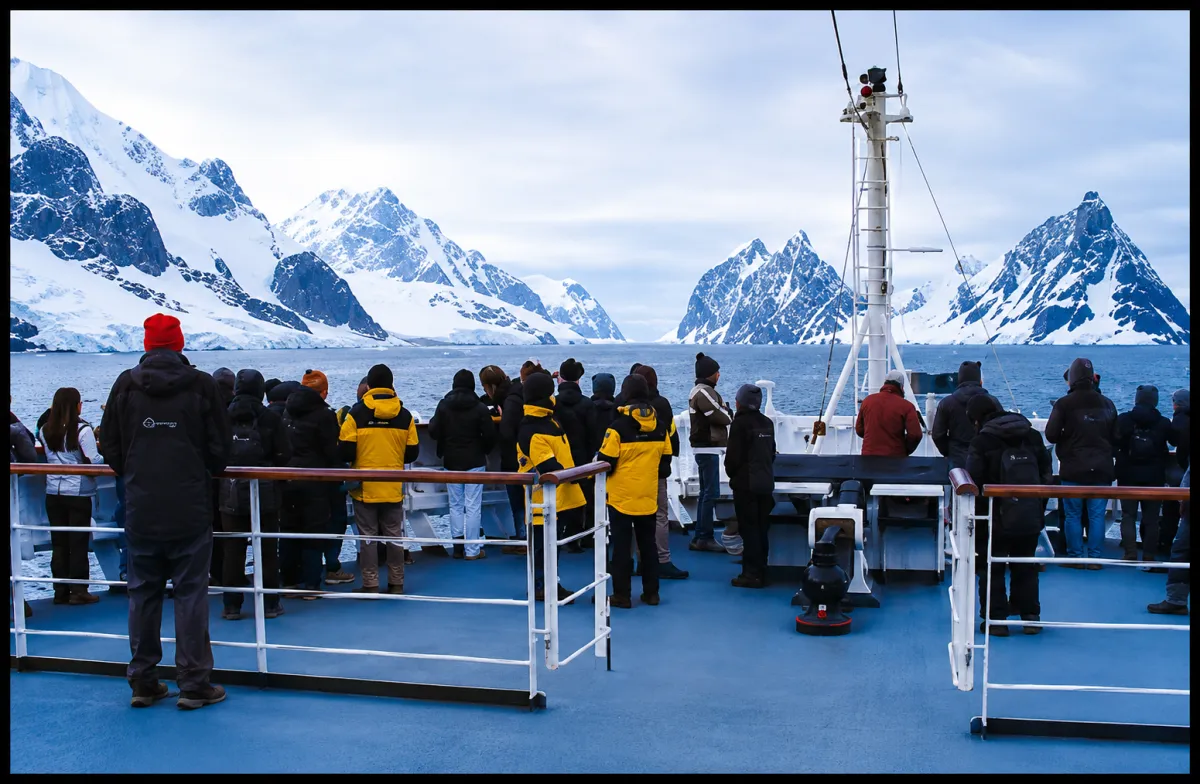
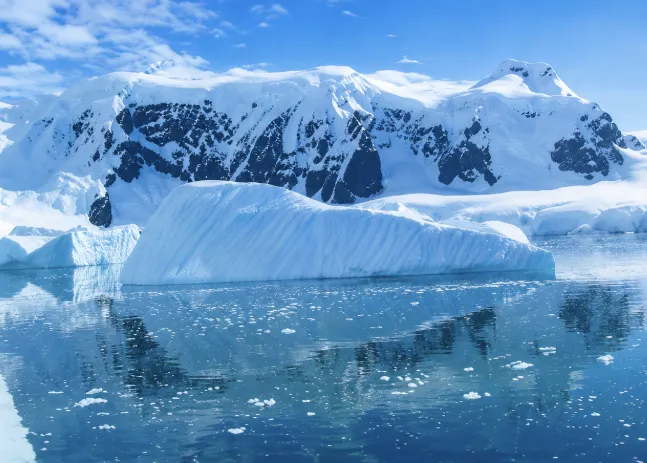
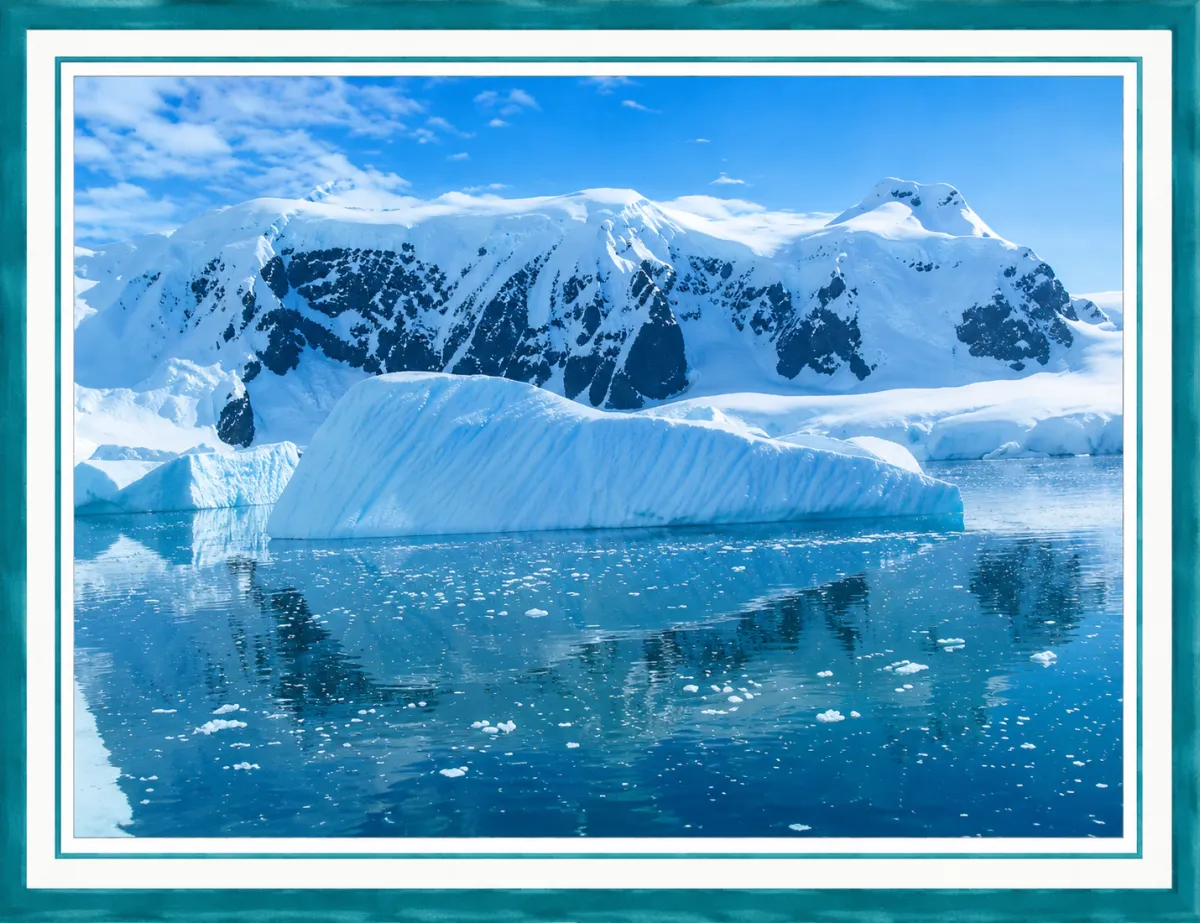
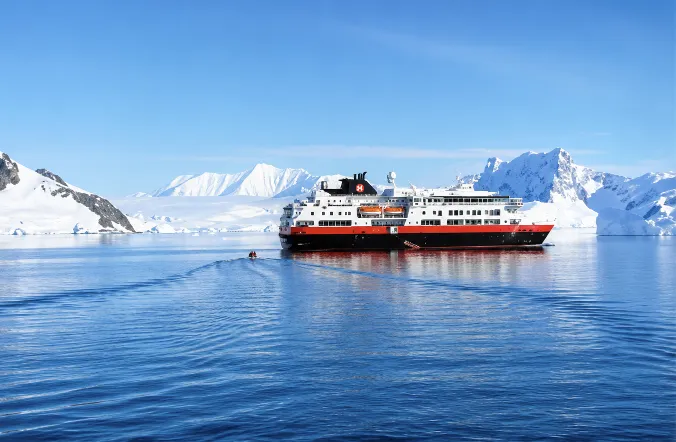
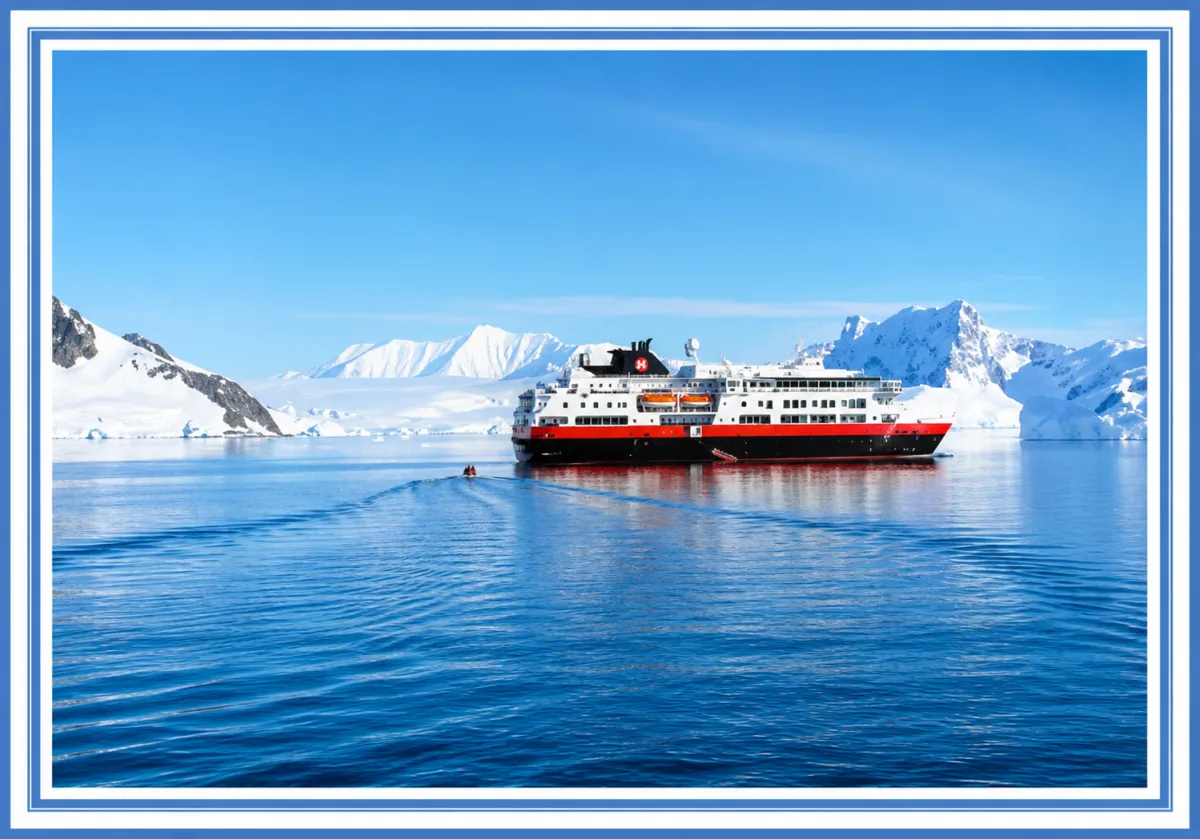
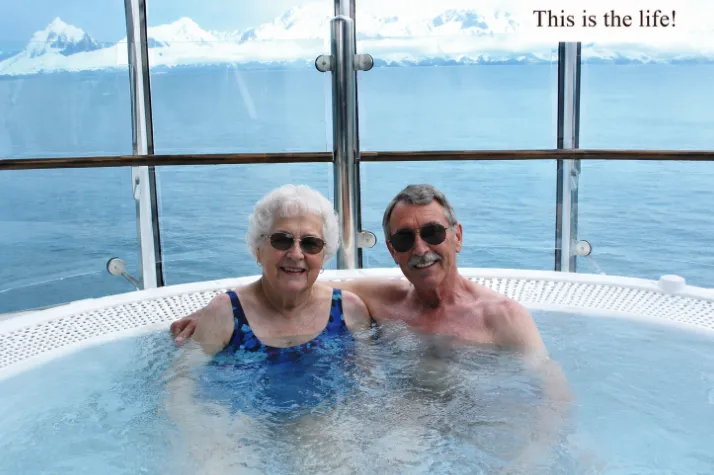
We celebrated Valentine’s Day with a jacuzzi hot tub and icy mountains in the background!
PETERMANN ISLAND
It is located 65 degrees, 10 minutes south. The Antarctic Circle is 66 degrees 33 min. Just a few more miles - we were so close.
We would like to have crossed the Antarctic Circle like we did the Arctic Circle.
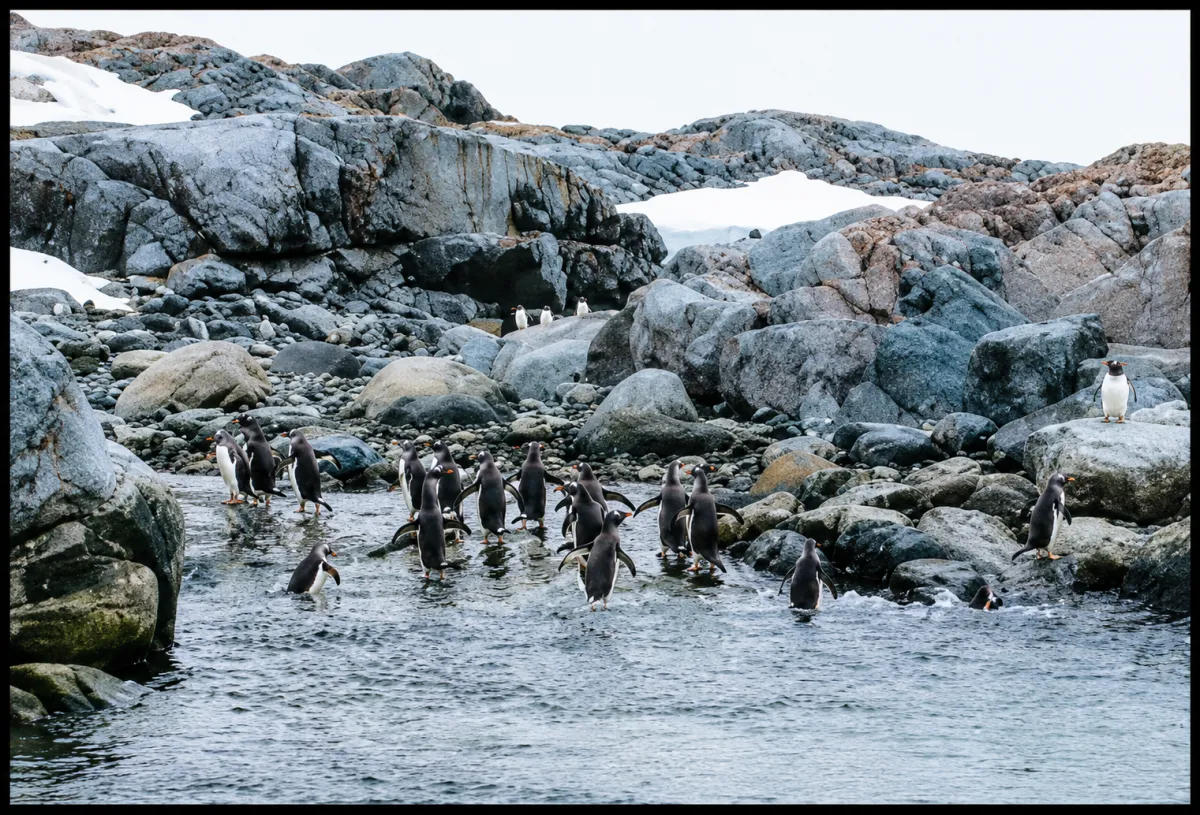
Petermann’s Island was home to thousands of Gentoo penguins.
These penguins had never heard of the 15 ft. rule. They came up very close to us.
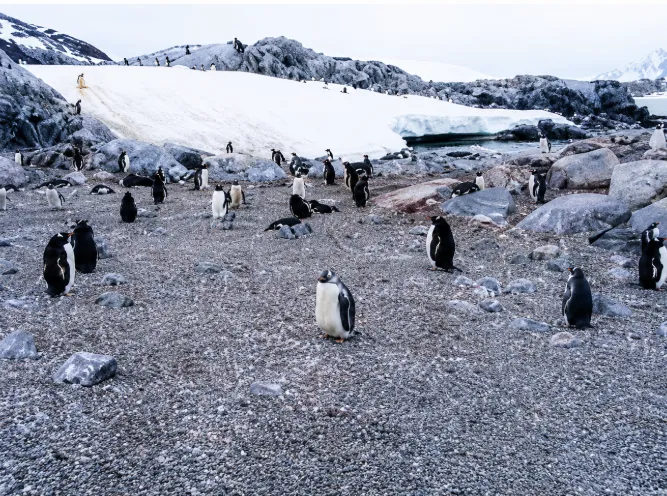
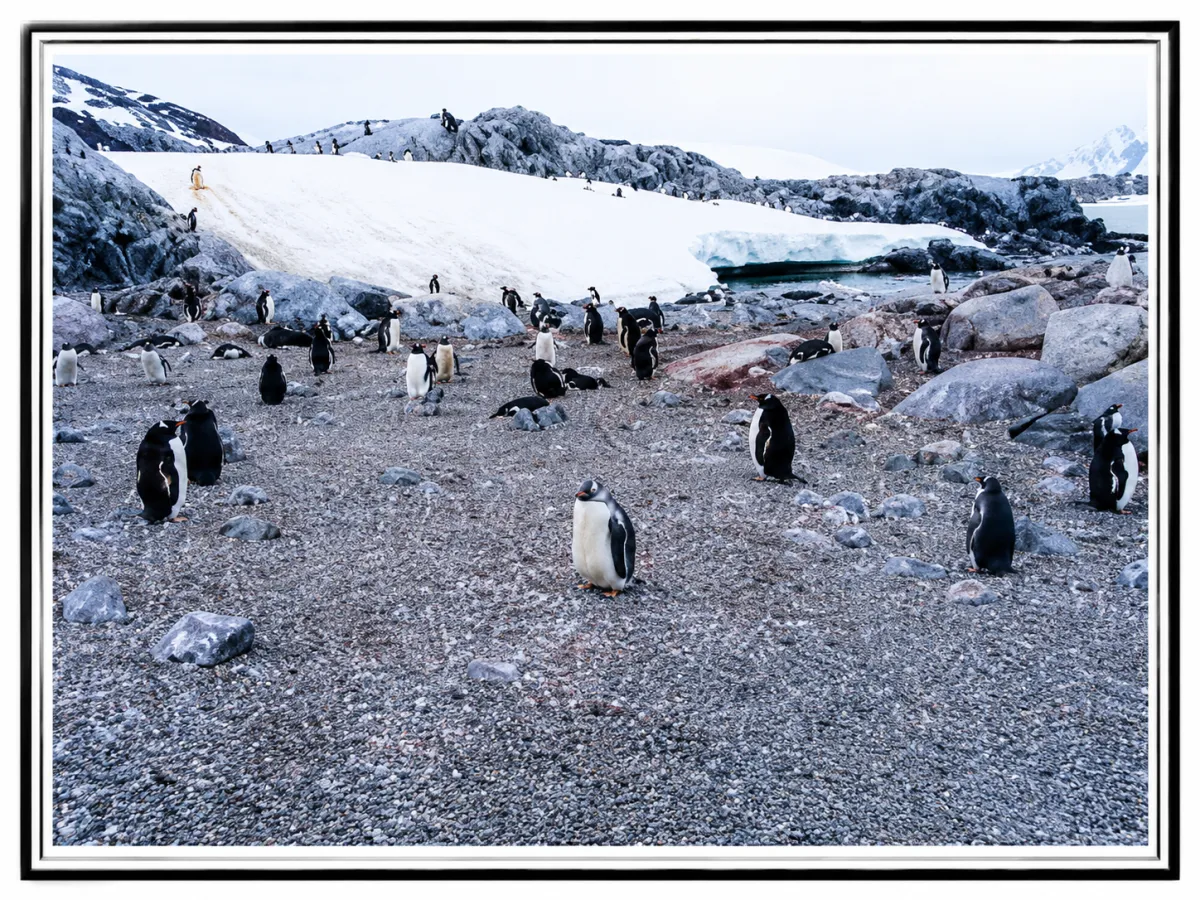
We took many pictures of these little guys, all so comfortable in their daily icy environment.
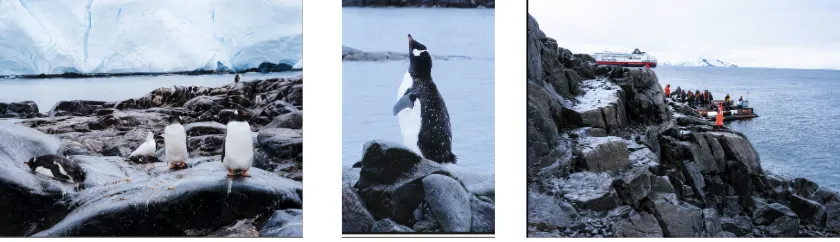
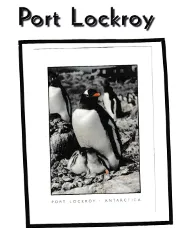
It was cold and windy when we arrived at Port Lockroy. The crew made a first run to shore, taking emergency supplies (tents, water, food) in case the weather changed very suddenly and left people unable to return to the ship. Not a very pleasant thought.
KING GEORGE ISLAND
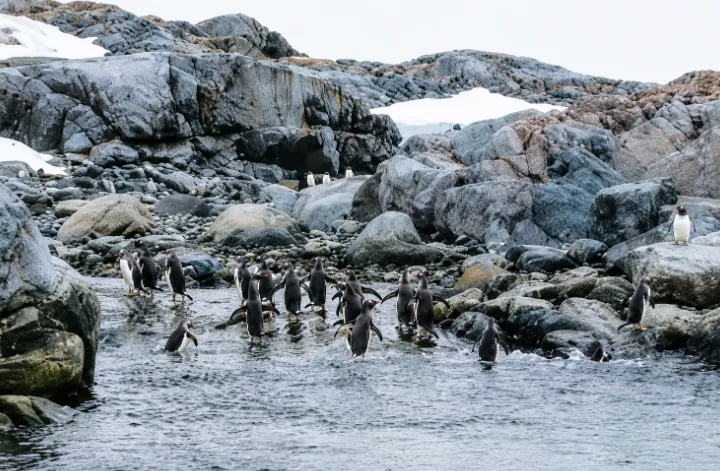
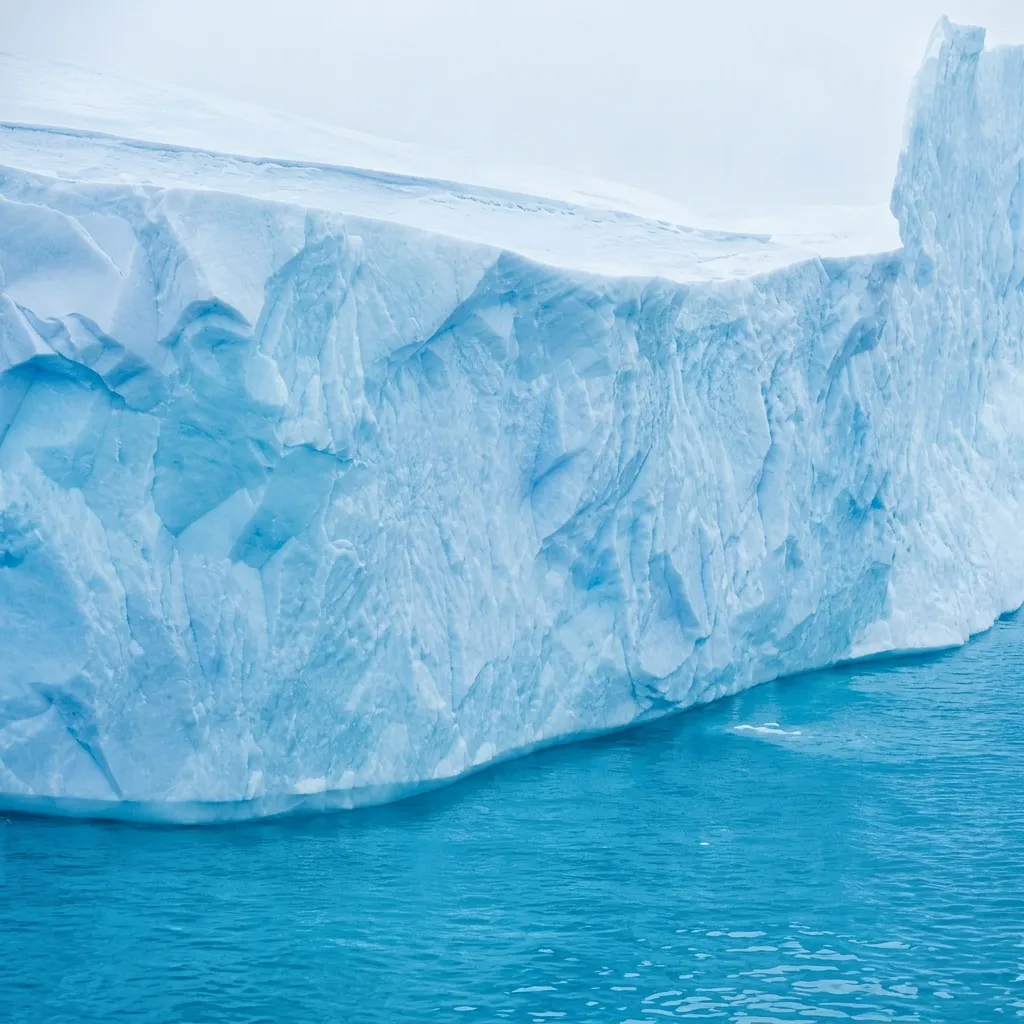
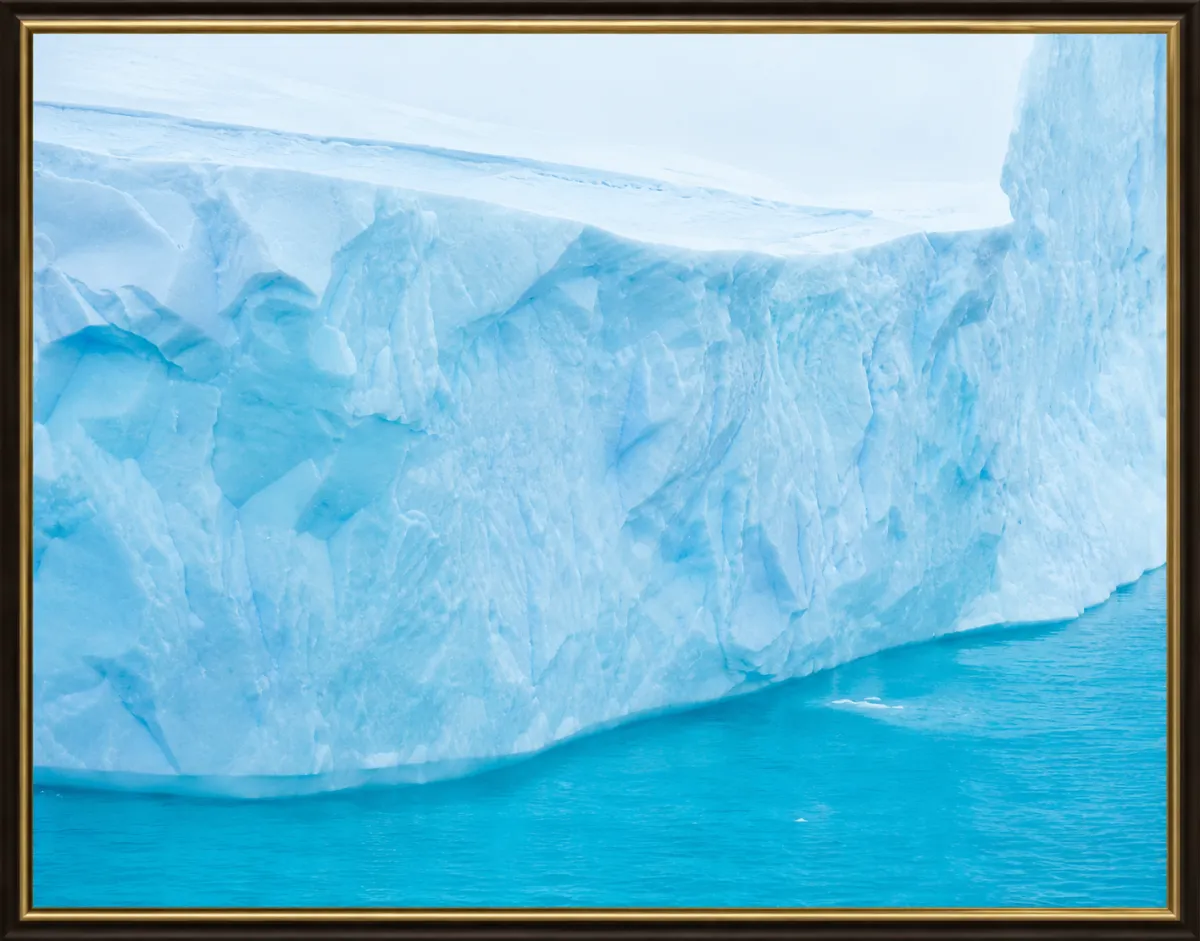
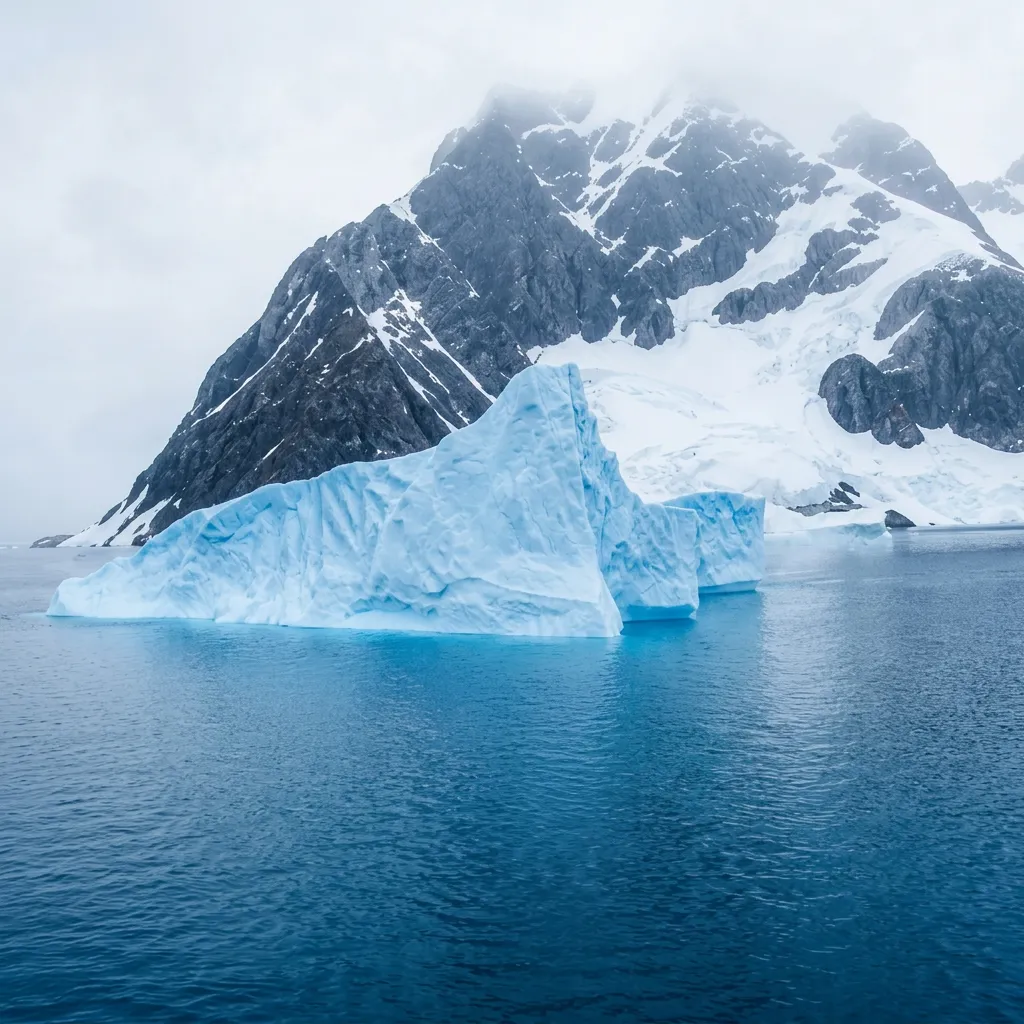
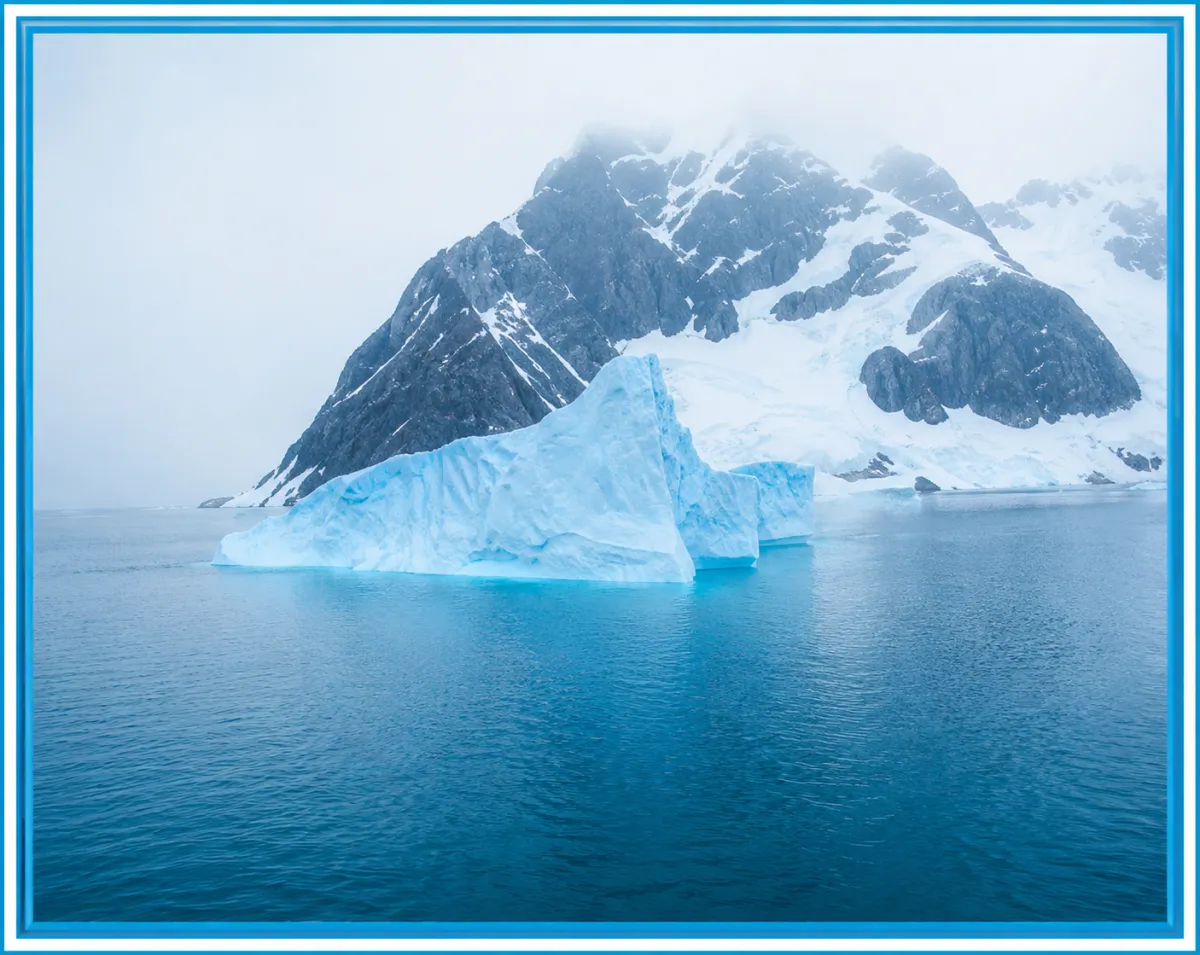
King George Island had more penguins and views of impressive icebergs, including those called “tabular icebergs” because of their resemblance to tables.

Icebergs in general are awe-inspiring because they are so alien from our normal temperate environment. They invariably are both beautiful and dangerous. As you might imagine, on this particular trip, icebergs were everywhere, and they came in all shapes and sizes.
The next morning, as we approached the Drake Passage, the captain announced:
If you are sure you will be seasick, take your medicine now.
If you think you might be seasick, take your medicine now.
If you aren’t sure you will be seasick, take your medicine now.
If you are sure you won’t be seasick, take your medicine now.”
There is only one sure remedy for seasickness - go sit under a tree. Alas, on this trip, firm land and shady trees were in short supply!
The seas were very rough with 30 to 40 ft. rollers. 40 mph winds. Raining and very stormy. It was very difficult to walk, even in our small cabin. My ear patch worked.
Al didn’t put one on. He had ridden out hurricanes on a destroyer. He could handle this.
Not! So he was late coming to dinner. He said this is rougher than a destroyer because there is more up and down movement instead of side to side.
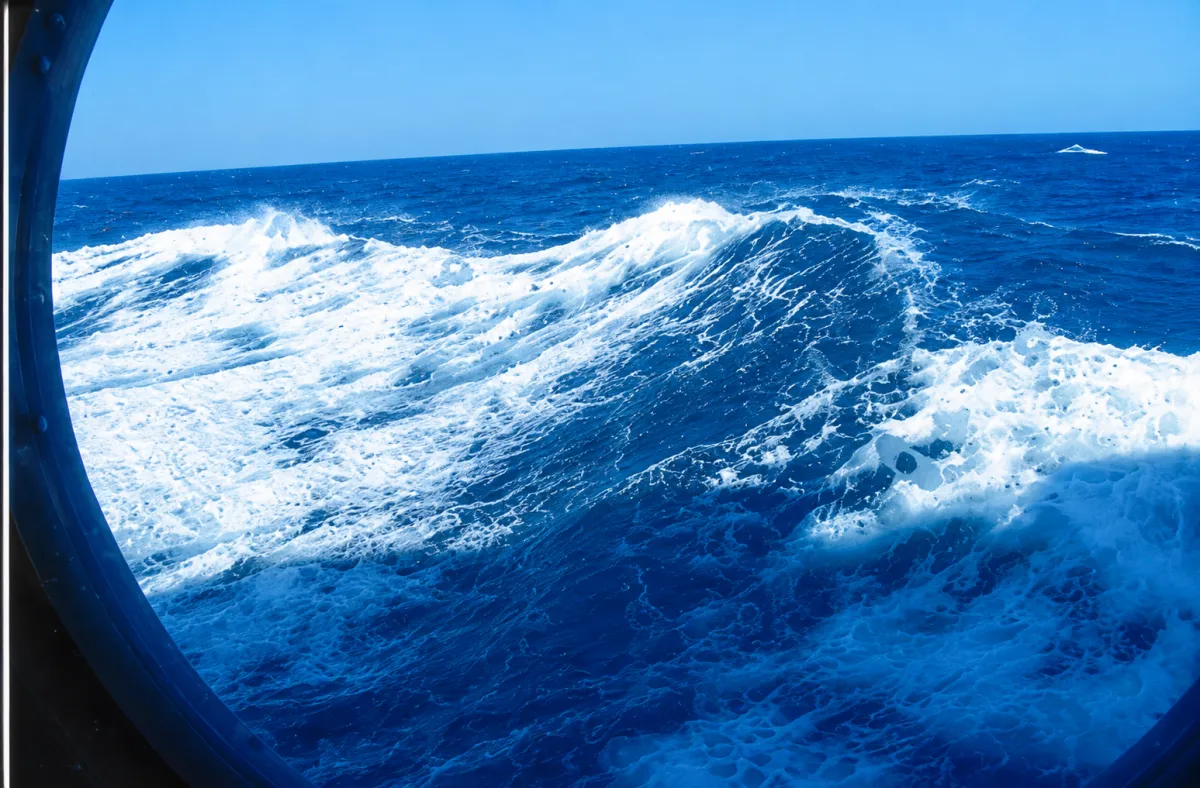
Here is a view of the rough seas out the ship window. This picture doesn’t convey the full sense of the powerful dizziness you feel when experiencing these powerful waves.
Later, we went up to Deck 7 and watched the ship rise about 60 ft. and then plunge into the trough, the spray hitting the top of the ship. It was both frightening and very impressive, but we felt safe. It took 36 hours of rough seas, and then we were approaching Ushuaia.
A lady in our group had fallen during the rough seas and had broken her hip. She spent 3 days in the infirmary until we reached Ushuaia. She was transferred to a hospital and then airlifted by Medi iVac (for $80,000) to her home in Washington.
We left summer in Chile and returned to winter in St. Louis. It felt colder than in Antarctica.
2008 - GREECE & TURKEY
Athens Parthenon
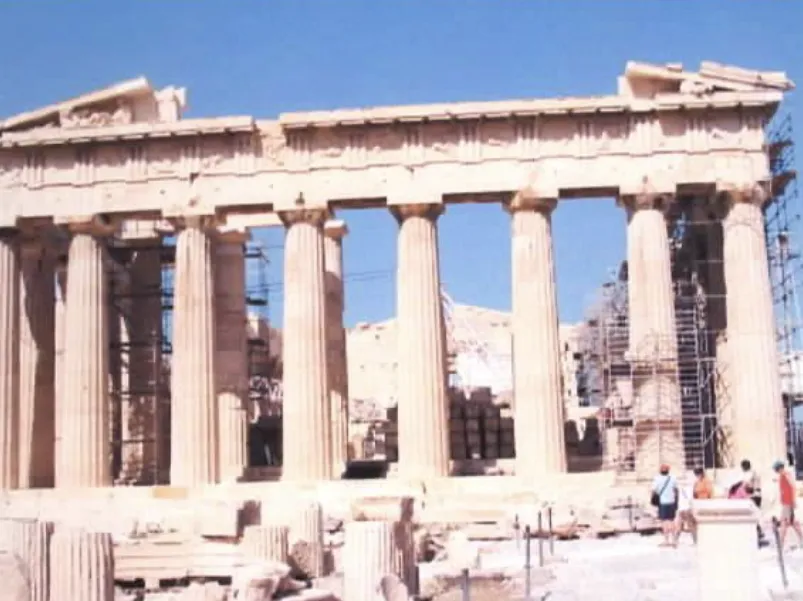
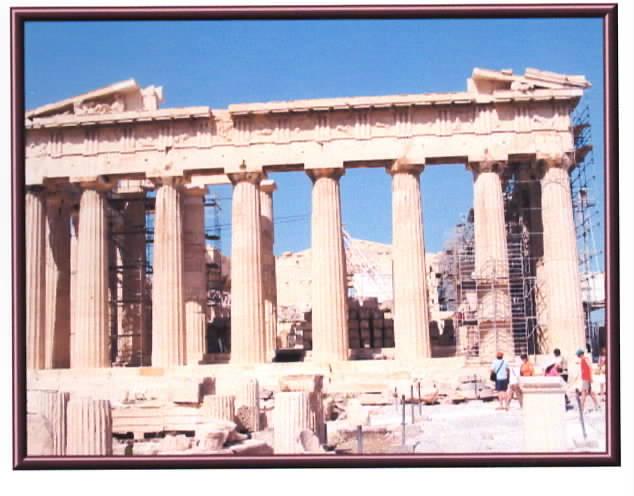
The famous Greek building is now in ruins. It was built in the 5th century and was the largest and most lavish monument the Greeks had ever seen. It housed a colossal statue of the goddess Athena. The statue was 13 meters high and was made of wood, ivory, and gold. It was destroyed in the 3rd century by a fire that broke out inside the temple. There is a replica of the Parthenon in Nashville, TN, and it contains a replica of Athena.
Nearby is Mars Hill. Al stood there and recited the famous words of Paul from the book of Acts: “You men of Athens, I see that you are religious in all respects. You have an altar inscribed to an unknown god. But I tell you that we serve a living God.” (Acts 17:22-31).
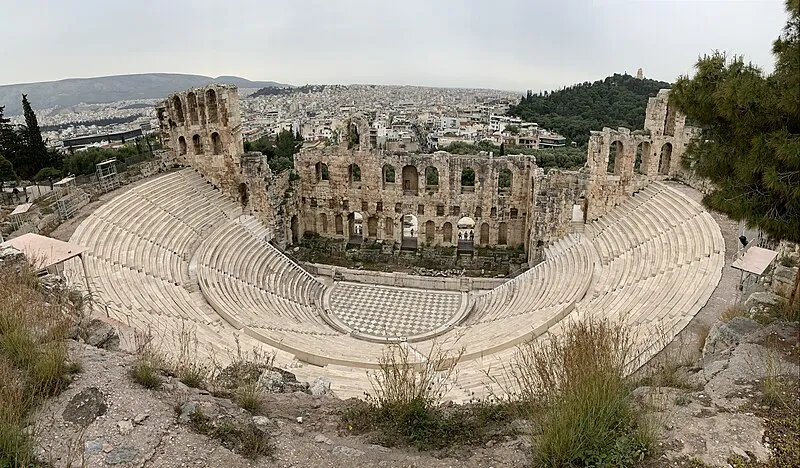
The Theater of Herodium is considered one of the world’s oldest and most prestigious open-air theaters. It was built in 161 AD and restored in 1952. It holds 5,000, and the seats are made of white marble (they do have cushions). Many world-class performers and orchestras have performed here. (Photo from Wikimedia)
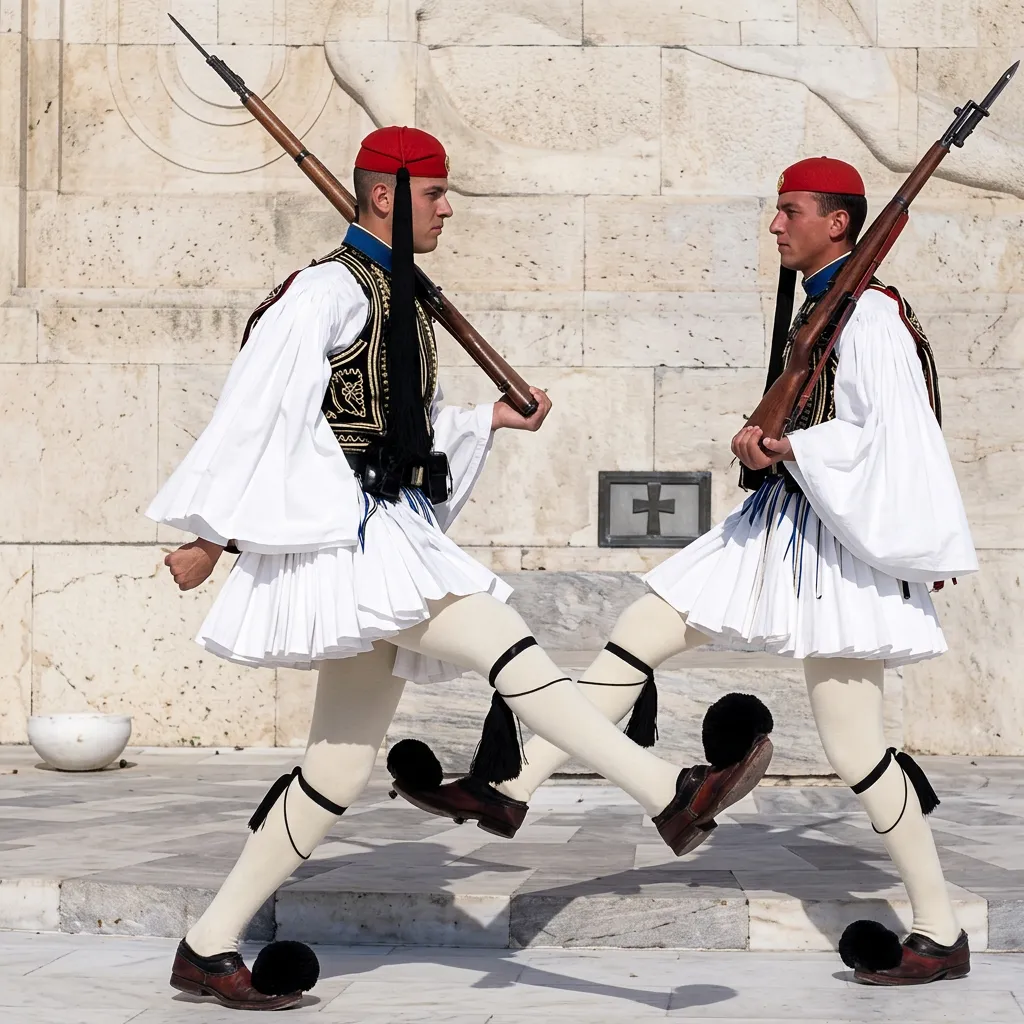
We got to see the Changing of the Guard at the Parliament Building. The men were dressed in white tights and pleated white mini skirts with pom poms on their shoes. They marched, kicking their legs high. We thought they were silly-looking, but this is a great honor.
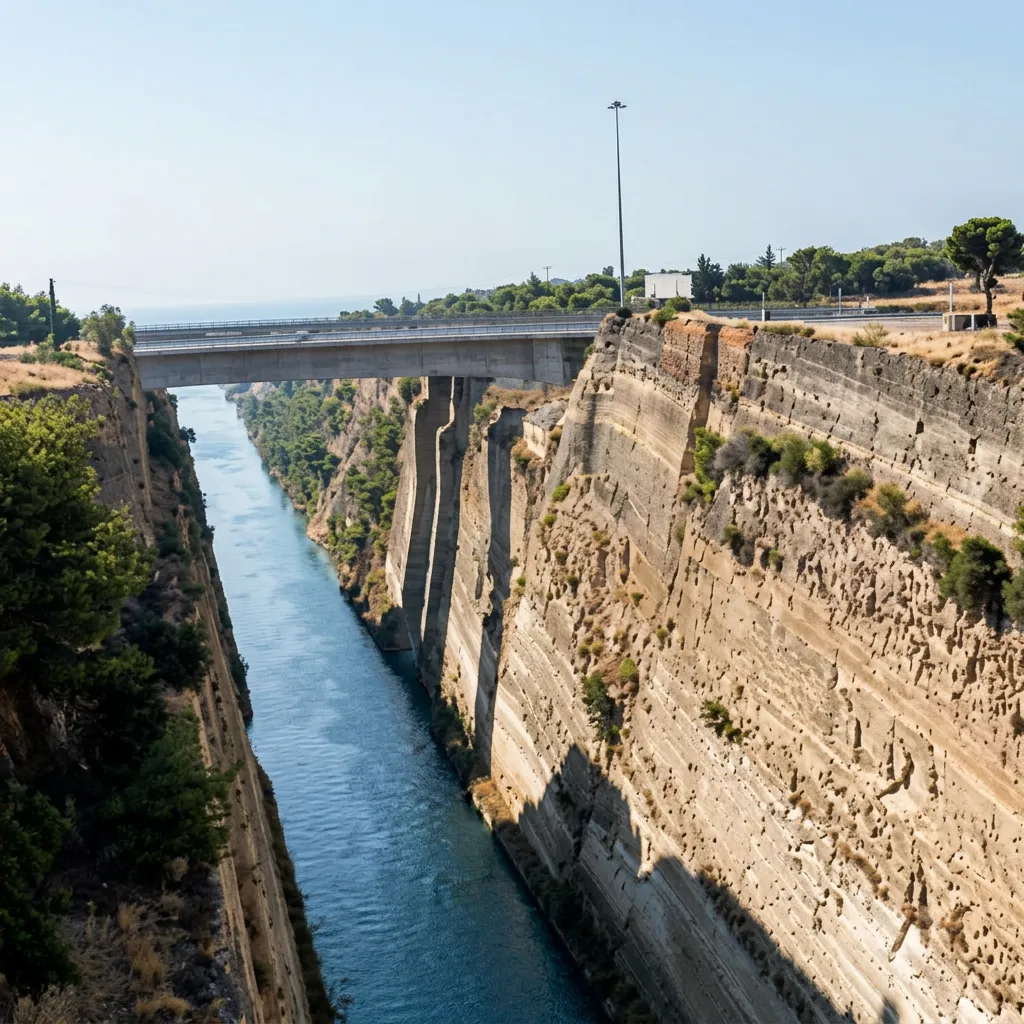
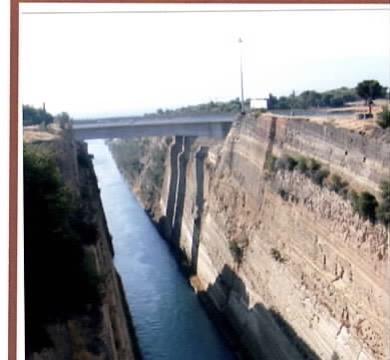
Now we were on a ship, and as we sailed south from Athens, we had a brief glimpse of the Corinth Canal. The Isthmus of Corinth is a narrow strip of land (3.7 miles across) that connects the Gulf of Corinth with the Aegean Sea. If boats could only go across that narrow isthmus, it would save them from having to go around the isthmus. Some of the earlier attempts were to put a boat or ship on log rollers and pull it across the narrow strip of land (slave labor). Then an attempt was made to dig the canal with shovels. This involved 10,000 slaves, prisoners, soldiers, and conscripted laborers. After digging one kilometer, the project was abandoned. Using more modern methods and machinery, the canal was finally completed in 1893, fulfilling a dream made hundreds of years before. They recently shipped the Olympic Torch from Athens to Paris for the 2024 Olympics via the Corinth Canal.
CORINTH
Paul spent 18 months in the city before the Jews charged him with “persuading people to worship God in ways contrary to the law.” He was brought before the proconsul Gallio at the city’s place of judgment (bema). Standing on this platform, Gallio dismissed the charges against Paul as a dispute of Jewish law and not a criminal matter.
ISLE OF RHODES
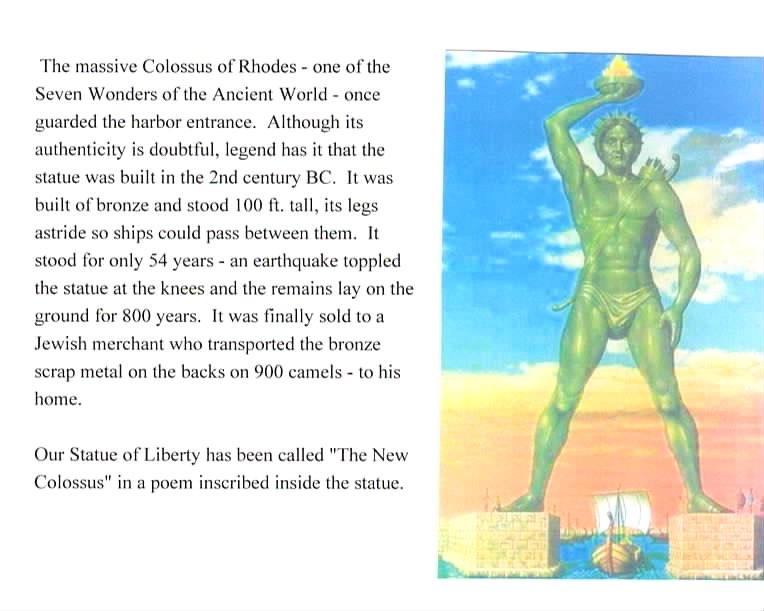
Paul spent 18 months in the city before the Jews charged him with “persuading people to worship God in ways contrary to the law.” He was brought before the proconsul Gallio at the city’s place of judgmThe massive Colossus of Rhodes - one of the Seven Wonders of the Ancient World - once guarded the harbor entrance. It was built in the 2nd century BC. It was built of bronze and stood 100 ft. tall, its legs astride so ships could pass through them. It stood for only 54 years - an earthquake toppled the statue at the knees, and the remains lay on the ground for 800 years. It was finally sold to a Jewish merchant who transported the bronze scrap metal on the backs of 900 camels to his home.
Our Statue of Liberty has been called “The New Colossus” in a poem inscribed inside the statue.
KOS – HIPPOCRATES, THE FATHER OF MEDICINE, lived here, and under an ancient plane tree, Hippocrates taught his students. The perimeter of the tree is 12 meters and is said to be the largest in Europe. It is also hollow and is supported by metal beams. Today, the Hippocratic Oath is traditionally administered to every young physician upon entering the profession.
BODRUM, Turkey
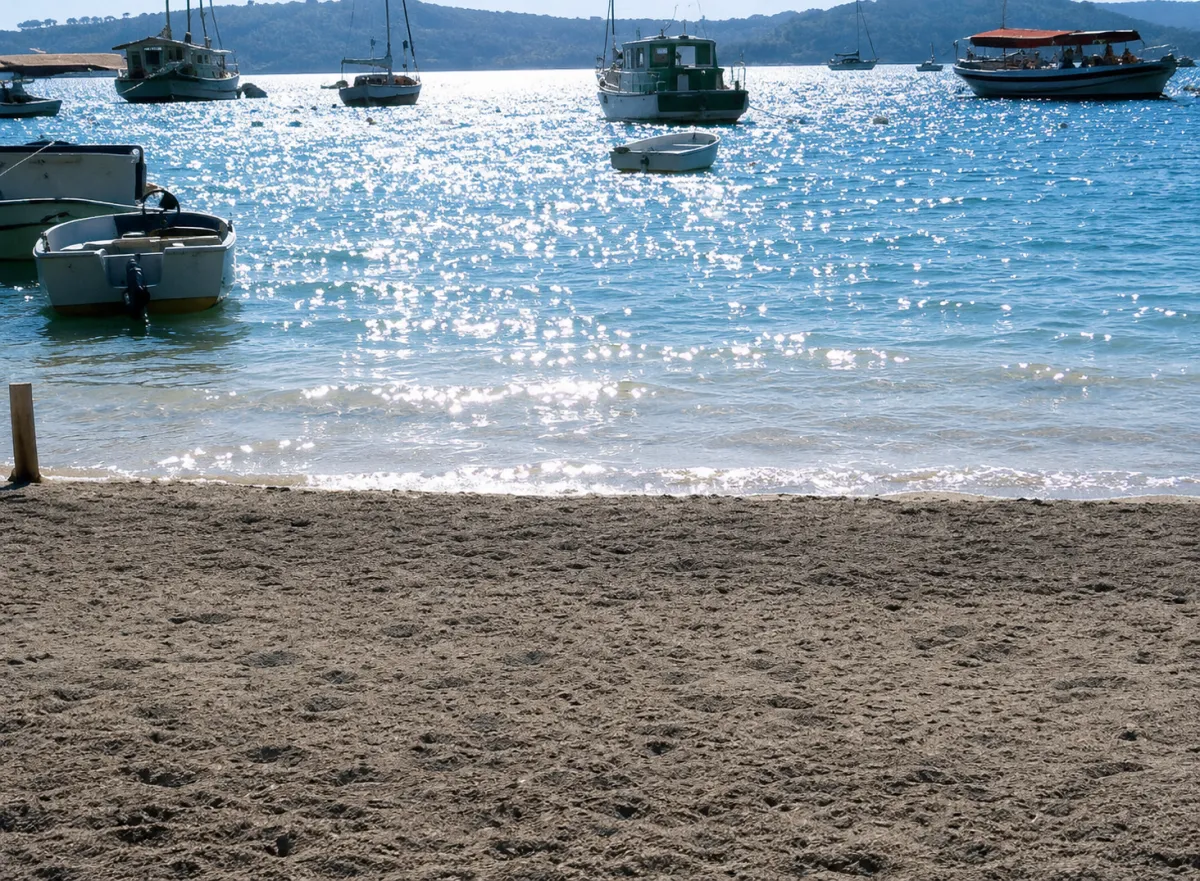
A fashionable resort town with international yachting. We thought we might have a brief swim in the Mediterranean. It was such nice, blue water, but the beaches had small, round pebbles instead of sand. They really hurt your feet.
Going back to our ship, we had to go through x-ray security, and they took Al’s Swiss knife! We had gone through security when we left the ship, and nothing was said about a knife. Fortunately, he got it back the next morning when they returned it to the 1st officer on the ship. It was a minor crisis for Al, and his knife was never separated!
ISLE OF PATMOS
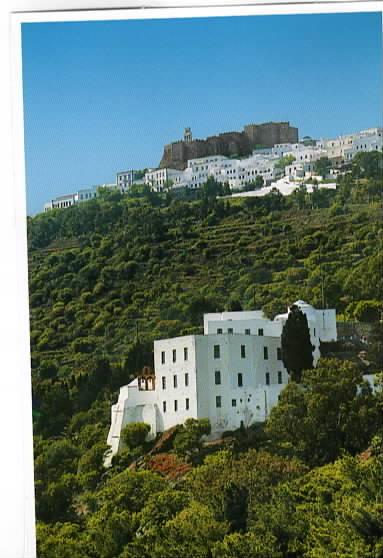
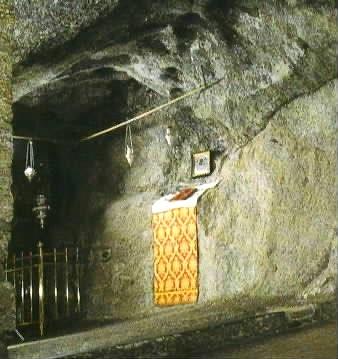
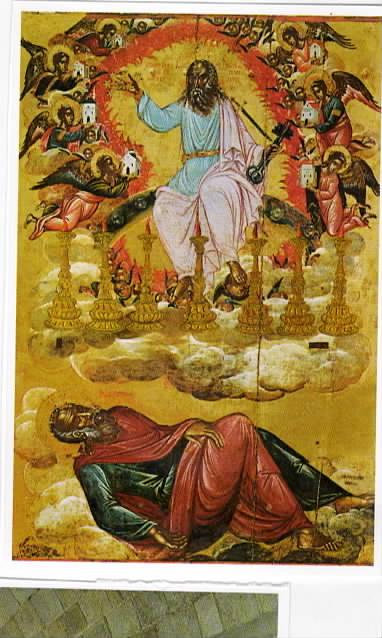
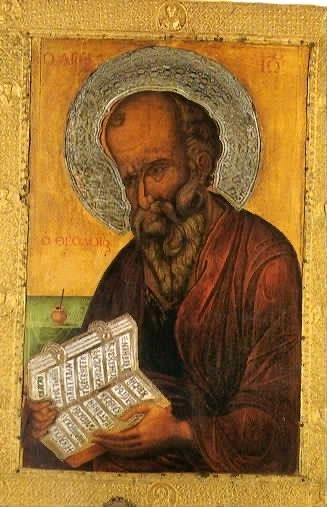
The monastery of St. John on the Hill and, below it, the Monastery of the Apocalypse. Here is the cave where John was imprisoned and where he received his revelation. The guide pointed out the rock on which John rested his head when he slept, and also the niche in the rock wall where he rested his arm while he wrote.
John wrote about the vision - how he saw the Holy City, Jerusalem, coming down from heaven to the new earth, for the old earth had been destroyed.
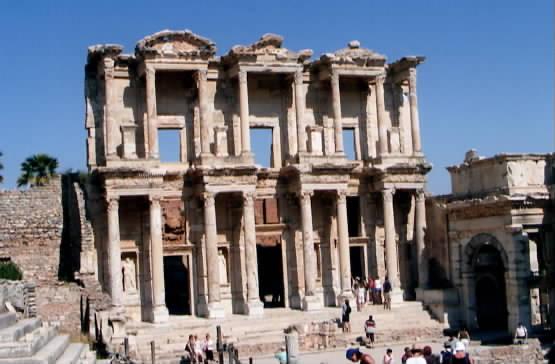
EPHESUS - TURKEY
2,000 acres of ruins! It is estimated that the population of Ephesus may have reached 250,000. It was prone to earthquakes, and over the centuries, some of the major monuments were rebuilt several times.
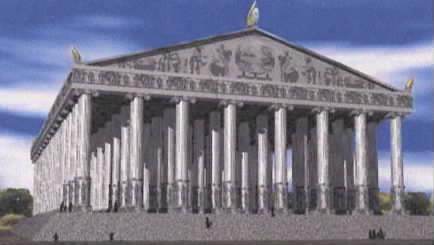
The Library of Celsus was a repository of over 12,000 scrolls and one of the most impressive buildings of the Roman Empire. It was engineered with double walls to protect the books from extreme humidity and temperatures. The interior was burned in 262, and the facade was destroyed by an earthquake in the 10th century.
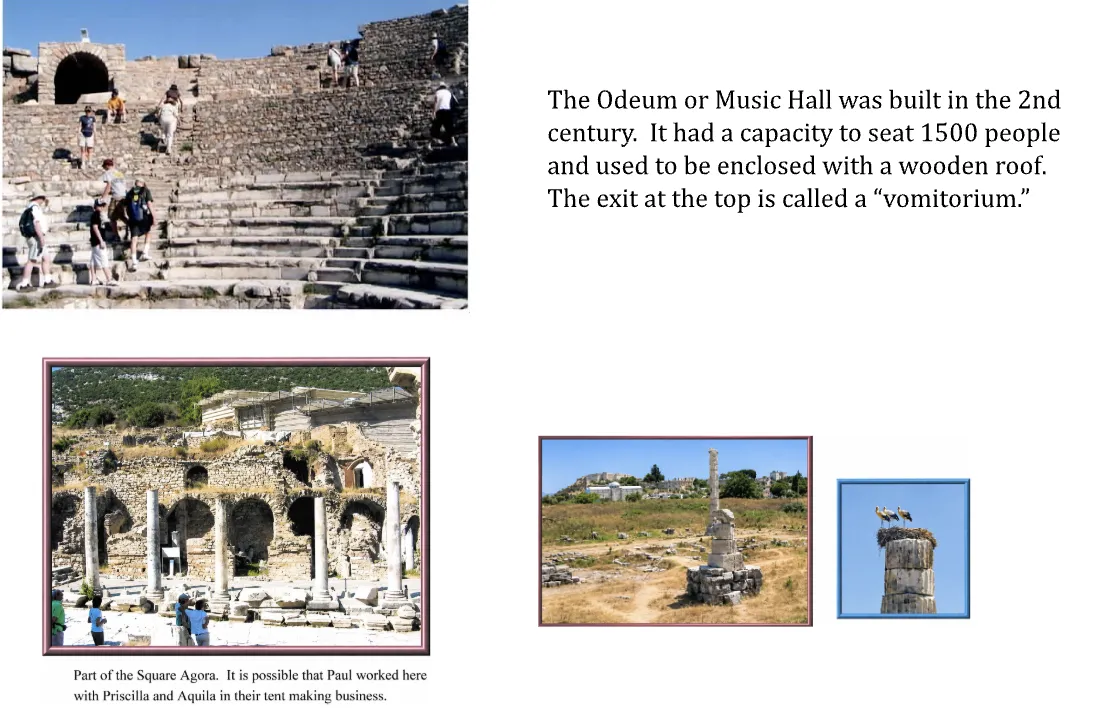
The Temple of Artemis at Ephesus was one of the Seven Wonders of the Ancient World. It was built in the 6th Century B.C. The temple was made of marble with 127 columns that were 60 ft. High. The temple was more than twice the size of the Parthenon in Athens. It was said to be the most beautiful structure on Earth. It was destroyed and rebuilt several times. All that remains today is a single column constructed of fragments. A good place for storks to roost.
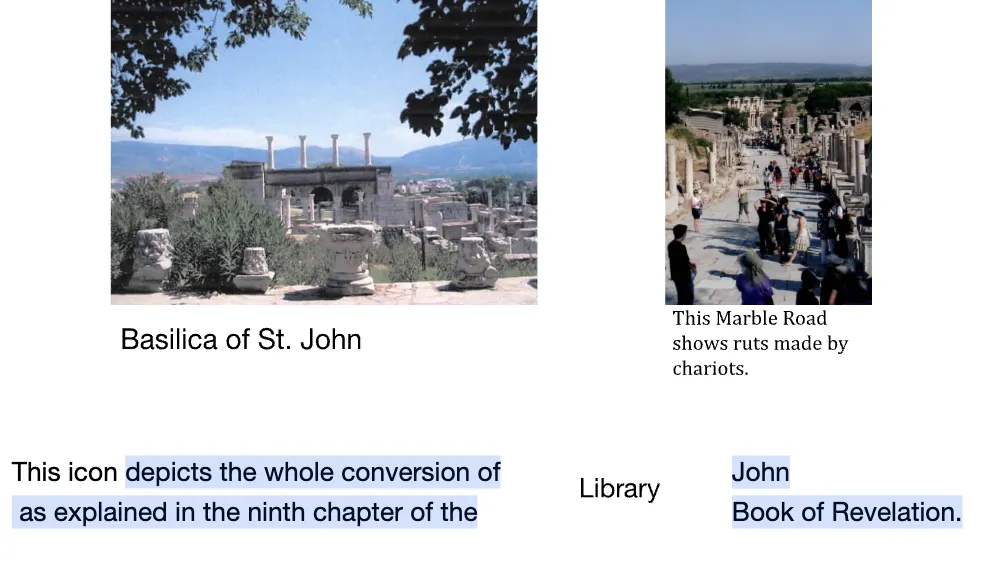
This basilica was built in the sixth century to honor the burial place of St. John. He is said to have come to Ephesus accompanied by the Virgin Mother after the death of Christ. (Christ, on the cross, asked John to take care of His mother.) The two lived here together until their deaths. An inscription carved in the marble over his tomb reads, “This is my resting place forever, here will I dwell.” Legend states that when the tomb was opened centuries later, it was found to contain only dust that quickly dissipated in the air.
CHIOS ISLAND
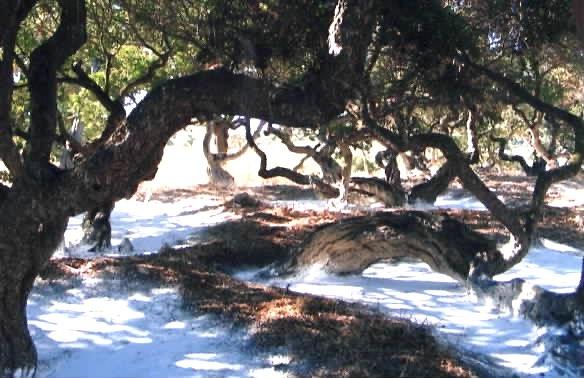
Our tour of the island started with mastic trees. Mastic is a major export that is found nowhere else in the world. Lime is spread under the trees. Mastic is like sap, and it drips and lands in the lime. It is then collected and sold to chewing gum factories. Mastic is what puts the “chew” in chewing gum.
PERGAMUM
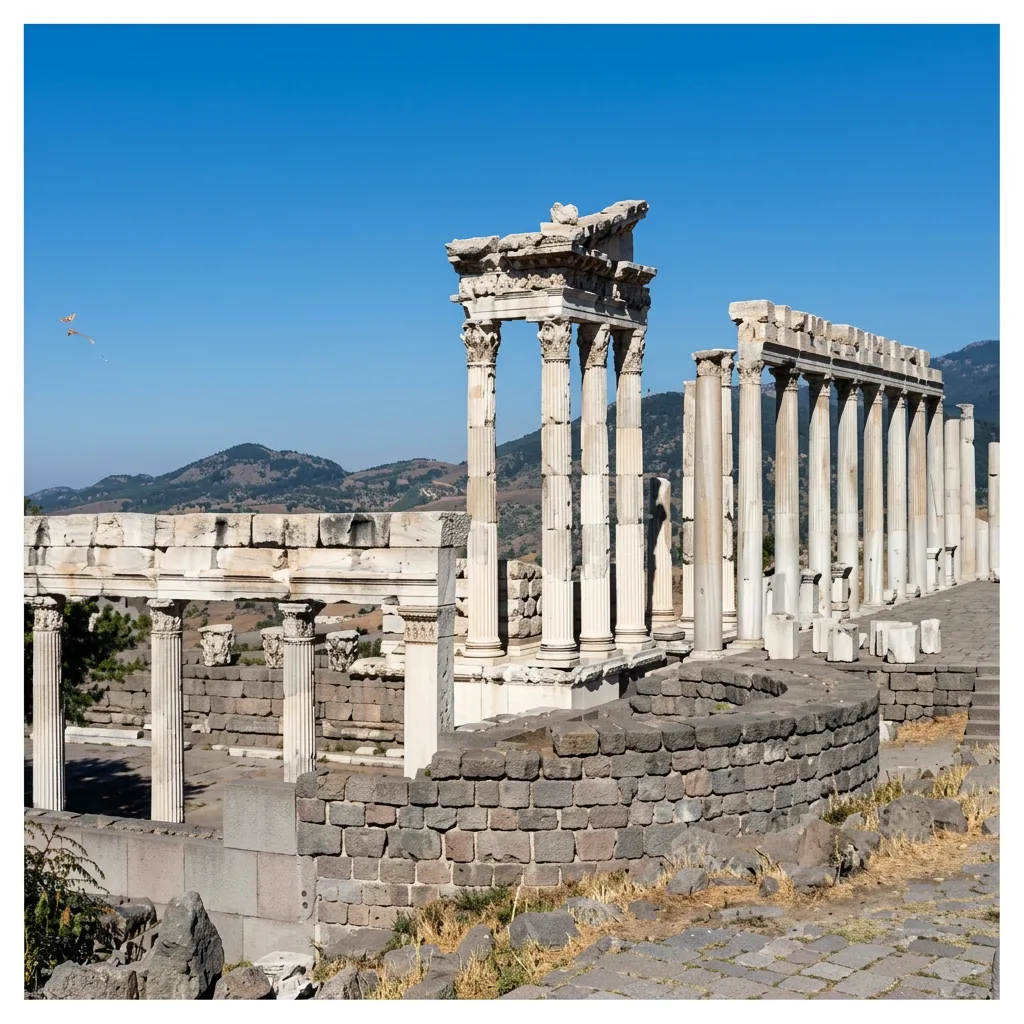
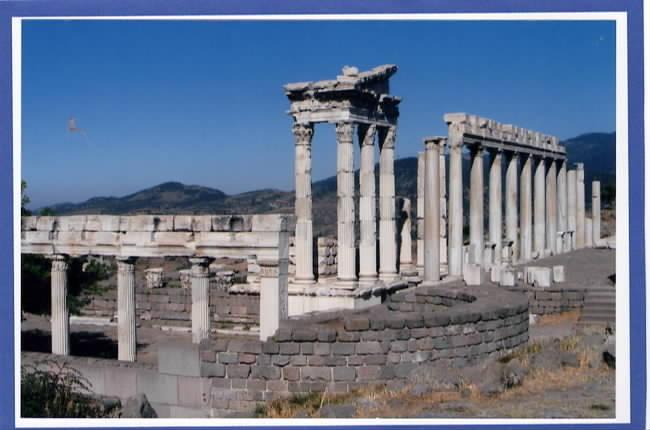
This city is probably best known as one of the 7 churches mentioned in Revelation 2:12-17, “where Satan has his throne.” Among the archeological treasures is the Acropolis, which housed a 200,000-volume library.
TROJAN HORSE
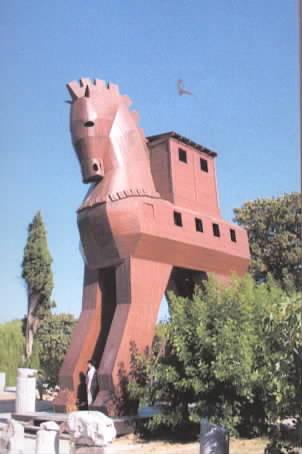
The Greeks gave a giant wooden horse to their foes, the Trojans, ostensibly as a peace offering. But after the Trojans dragged the horse inside their city walls, 40 Greek soldiers sneaked out of the horse’s hollow belly and opened the city gates, allowing their compatriots to pour in and capture Troy. We have to go inside it.
ISTANBUL - TURKEY
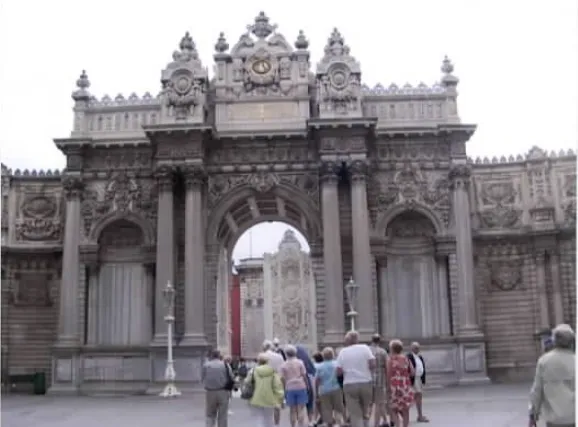
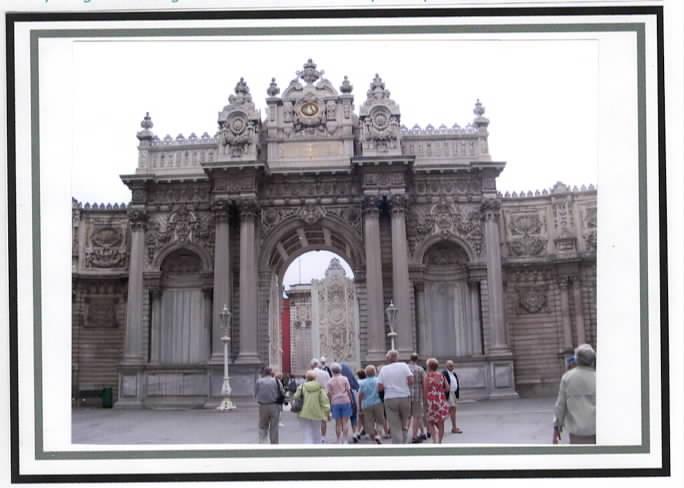
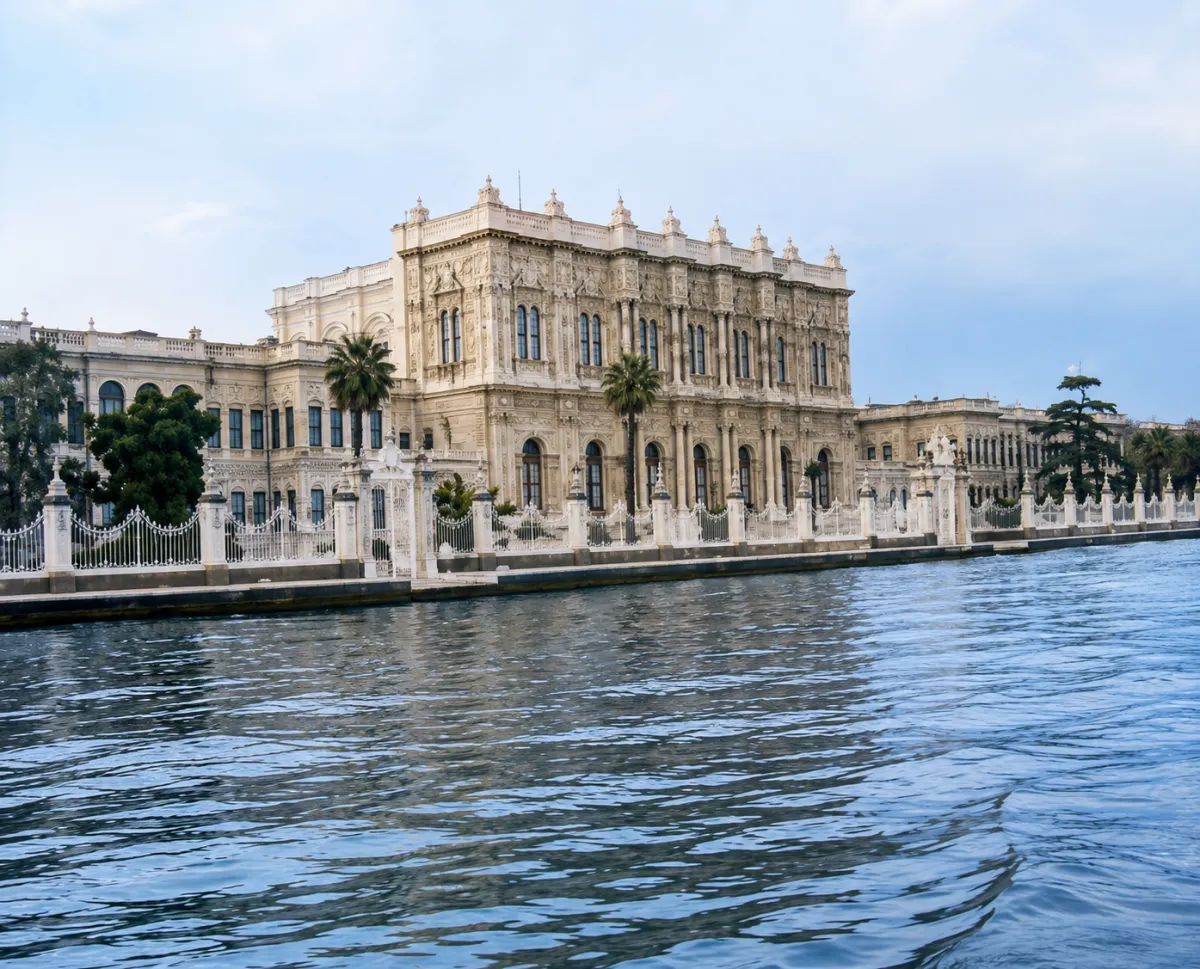
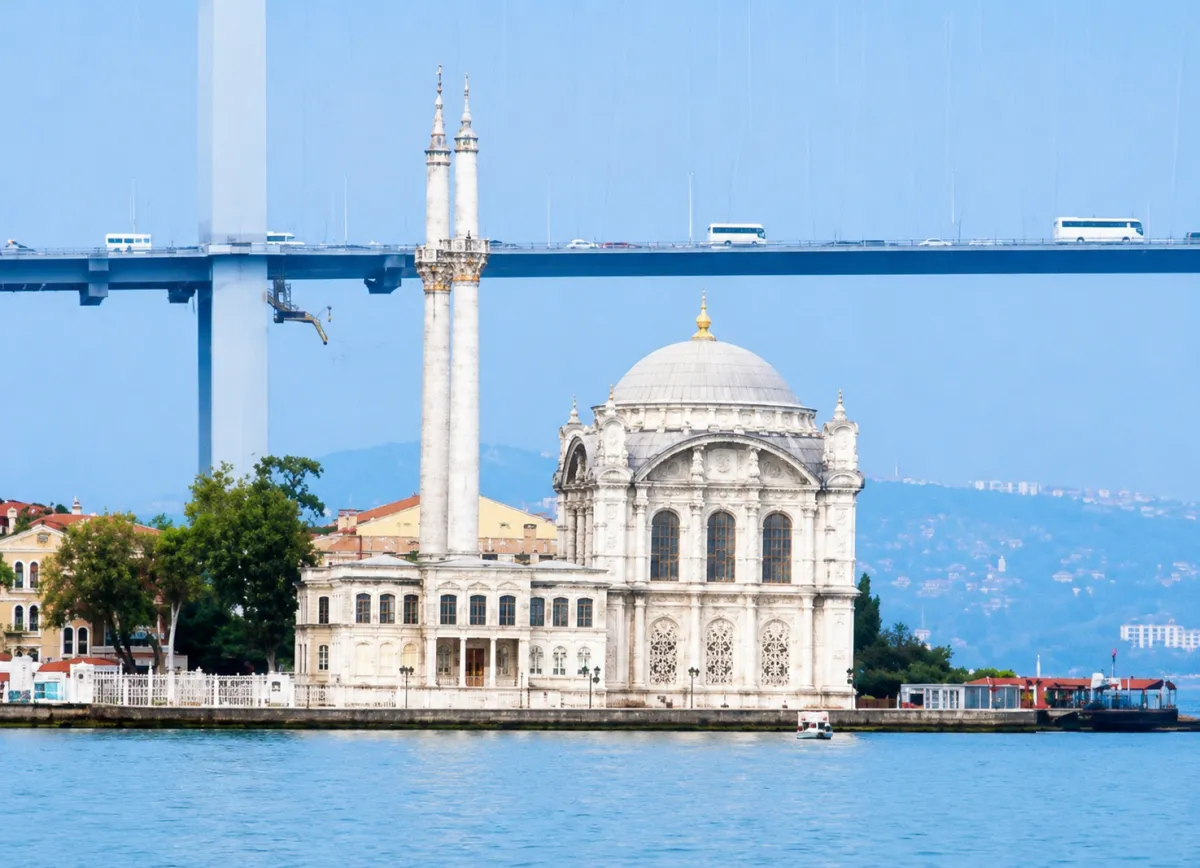
The Palace is a symbol of the magnificence and decadence of the 19th-century Ottoman Empire. It has 285 rooms, 43 large salons, and a 4 1/2 ton Bohemian glass chandelier.
Dolmabahce
The Palace is a symbol of the magnificence and decadence of the 19th-century Ottoman Empire. It has 285 rooms, 43 large salons, and a 4 1/2 ton Bohemian glass chandelier.
We enjoyed a private cruise of the Bosphorus Strait with Asia on one side and Europe on the other. Interesting mix of grand houses, flats, mosques, run down houses. We cruised past the palace and could appreciate how long it is.
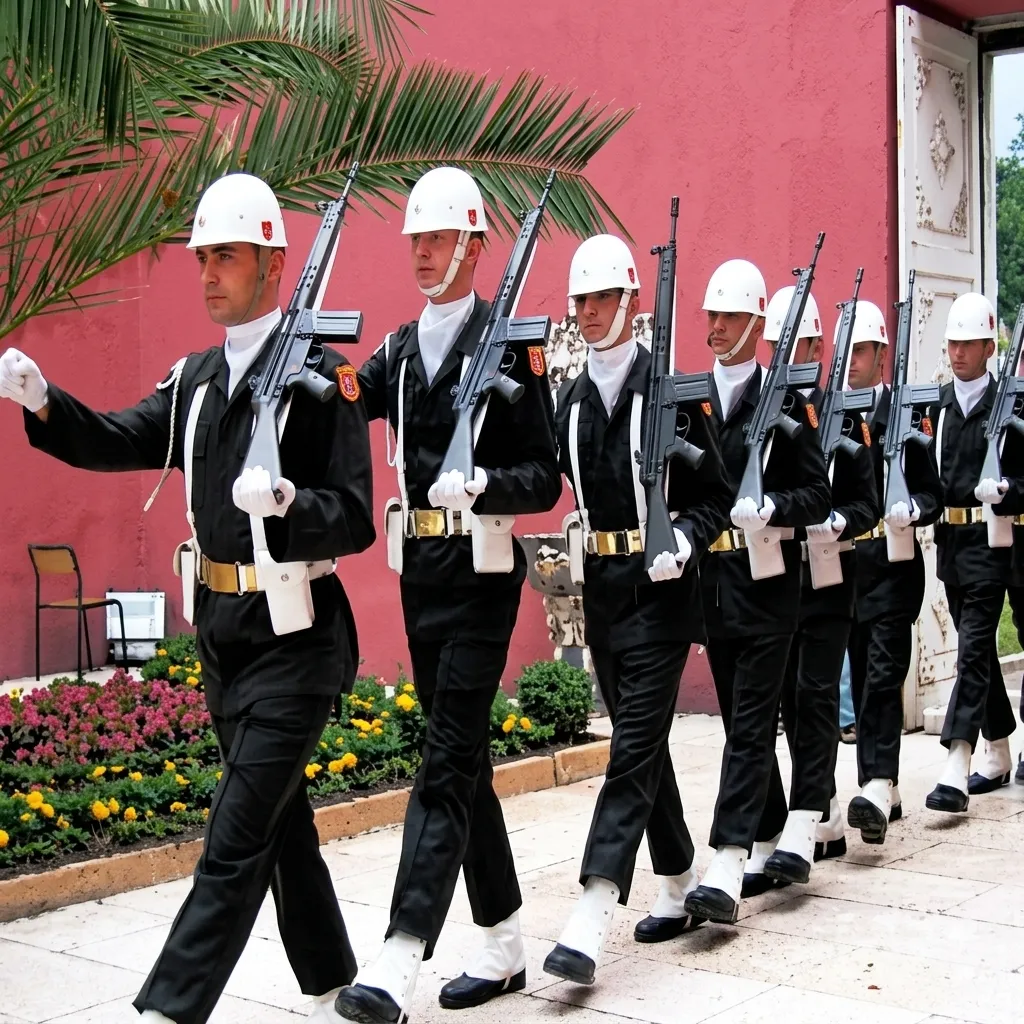
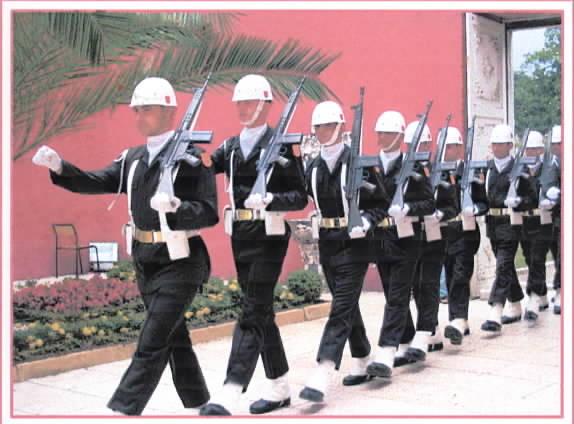
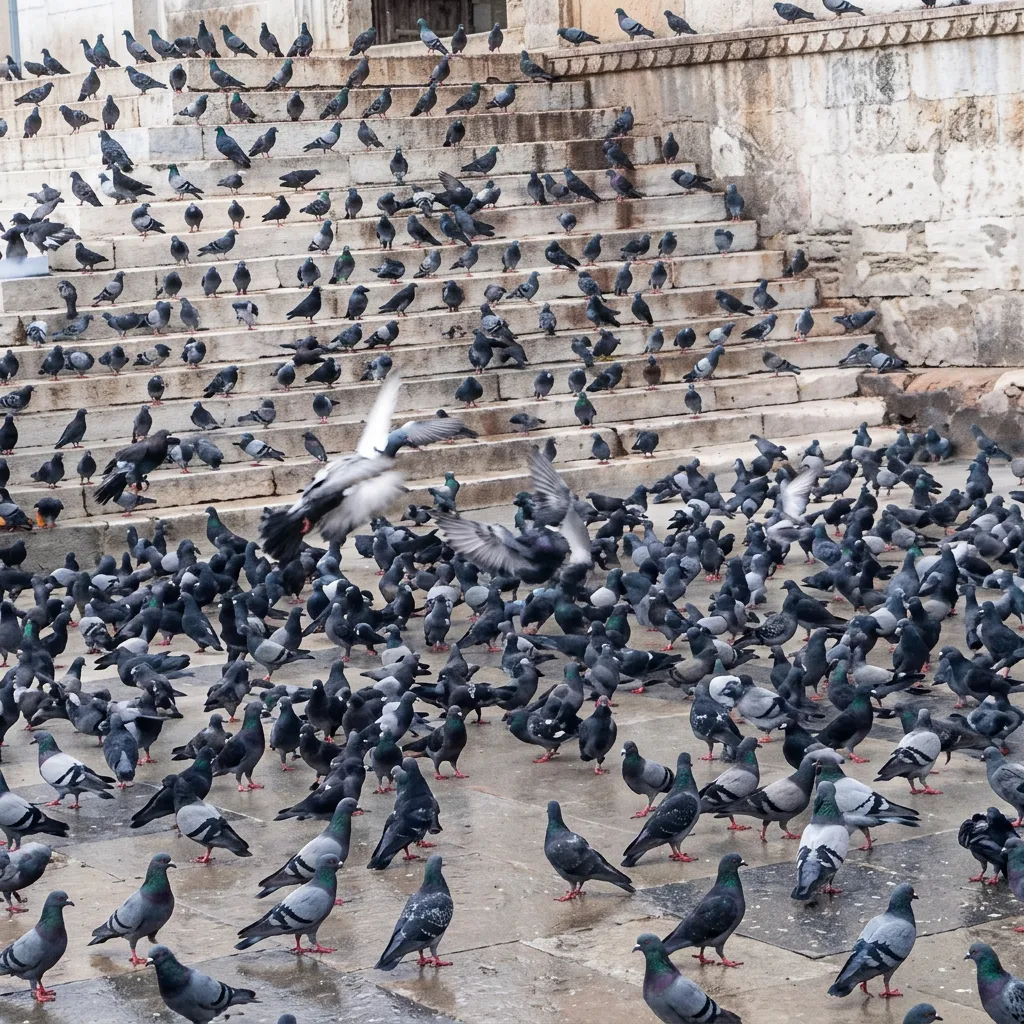
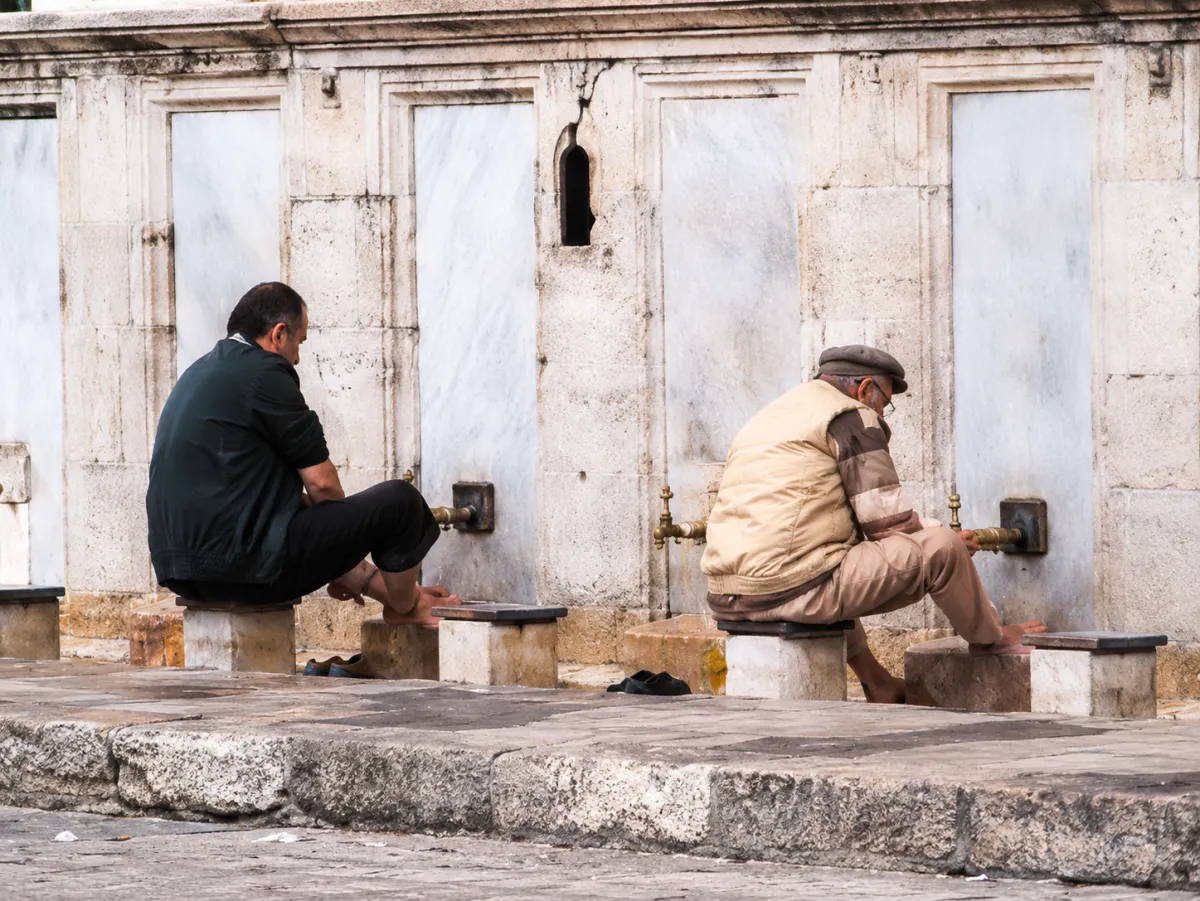
We enjoyed a private cruise of the Bosphorus Strait with Asia on one side and Europe on the other. Interesting mix of grand houses, flats, mosques, run down houses. We cruised past the palace and could appreciate how long it is.
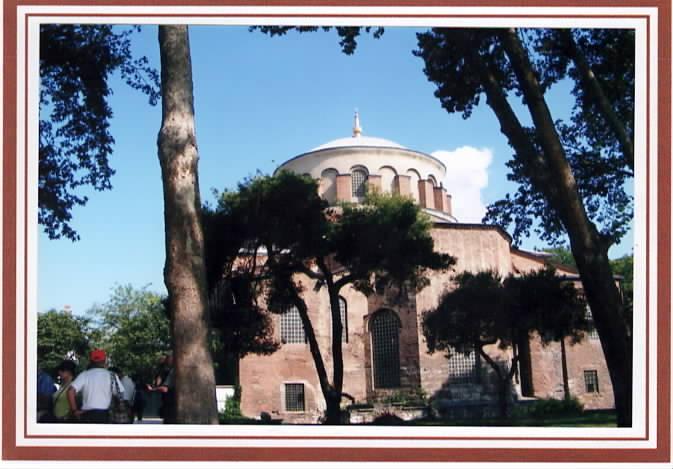
The Topkapi Palace was the royal residence for 400 years until the mid-1800s. It is a sprawling complex of buildings that housed 4,000 people, with 800 of them working in the kitchen. Food was prepared and carried to various places in the palace. Trivia fact: They used 250 kilos of rice per day.
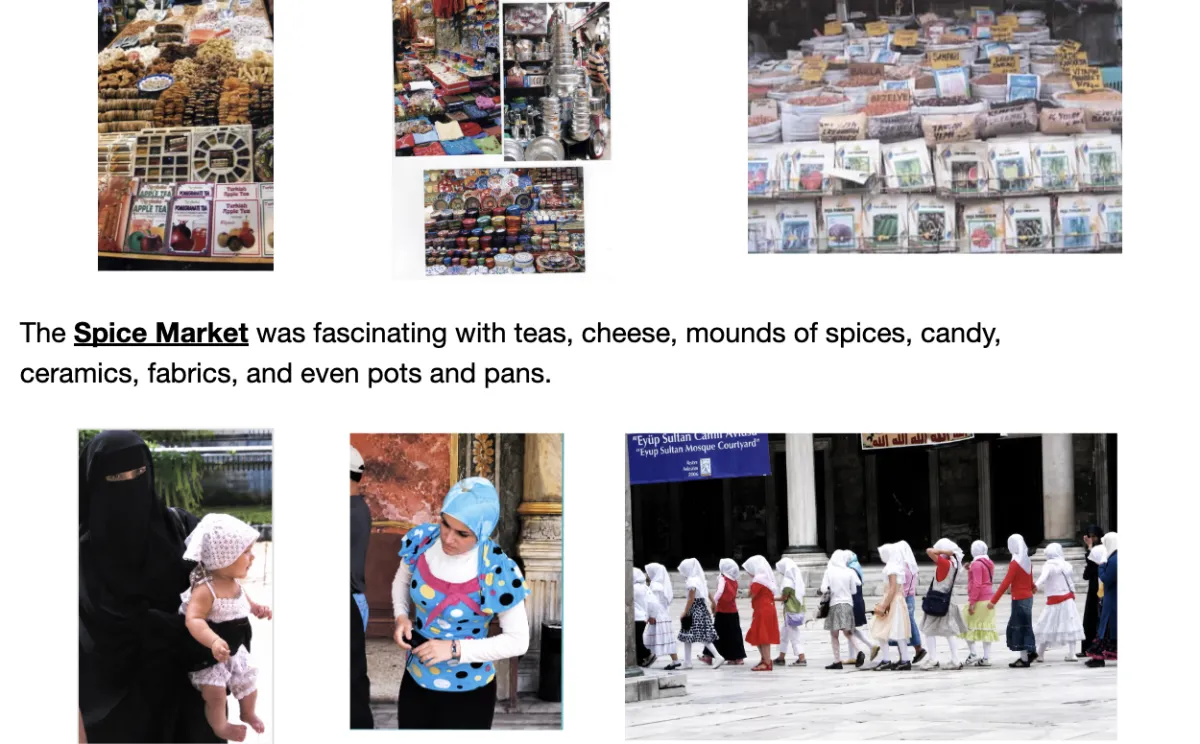
Turkey is predominantly Muslim, and we saw many variations of dress. Some Muslim women wore burkas with only their eyes showing, but most of them had their faces exposed. Young teenage girls wore colorful head coverings. Babies seem to be exempt from the black clothing, as long as their heads are covered. School girls were lined up to go to school.
2009 - AFRICA MISSIONS
The purpose of this trip was to acquaint ourselves with mission stations and bring encouragement to the missionaries. We were a group of 12 led by Marti Ensign, one of the veteran missionaries. She knew the languages and the people and could drive through some of the worst roads. Our group consisted of Arnie and Bonnie Brann, Wayne and Lucy Halleen, David and Martha Whitlock, Milo and Helen Kaufmann, Marti Ensign (driver and leader), Maxine Whitlock and Charlotte Seago, and Al and Emily.
We all met at O’Hare and settled in for the flight to London. We had some new sleeping pills, and they really worked. Al fell asleep holding his spoon midair. Hours later, we landed in Bujumbura, the capital of Burundi. Local missionaries met us and took us on pot-holed streets, with swarms of people and run-down buildings, to an old colonial-style hotel. We sat around the pool and enjoyed an excellent dinner, entertained by two golden crowned cranes cavorting around the pool.
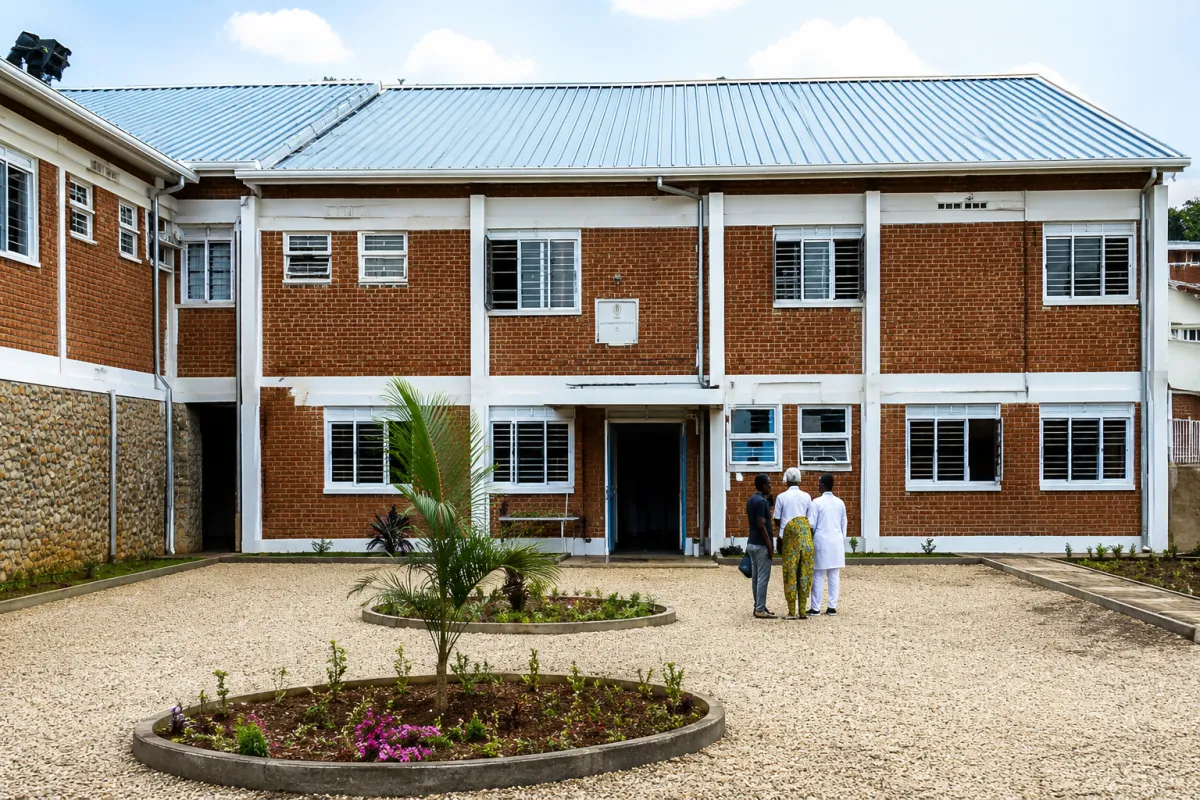
BUJUMBURA
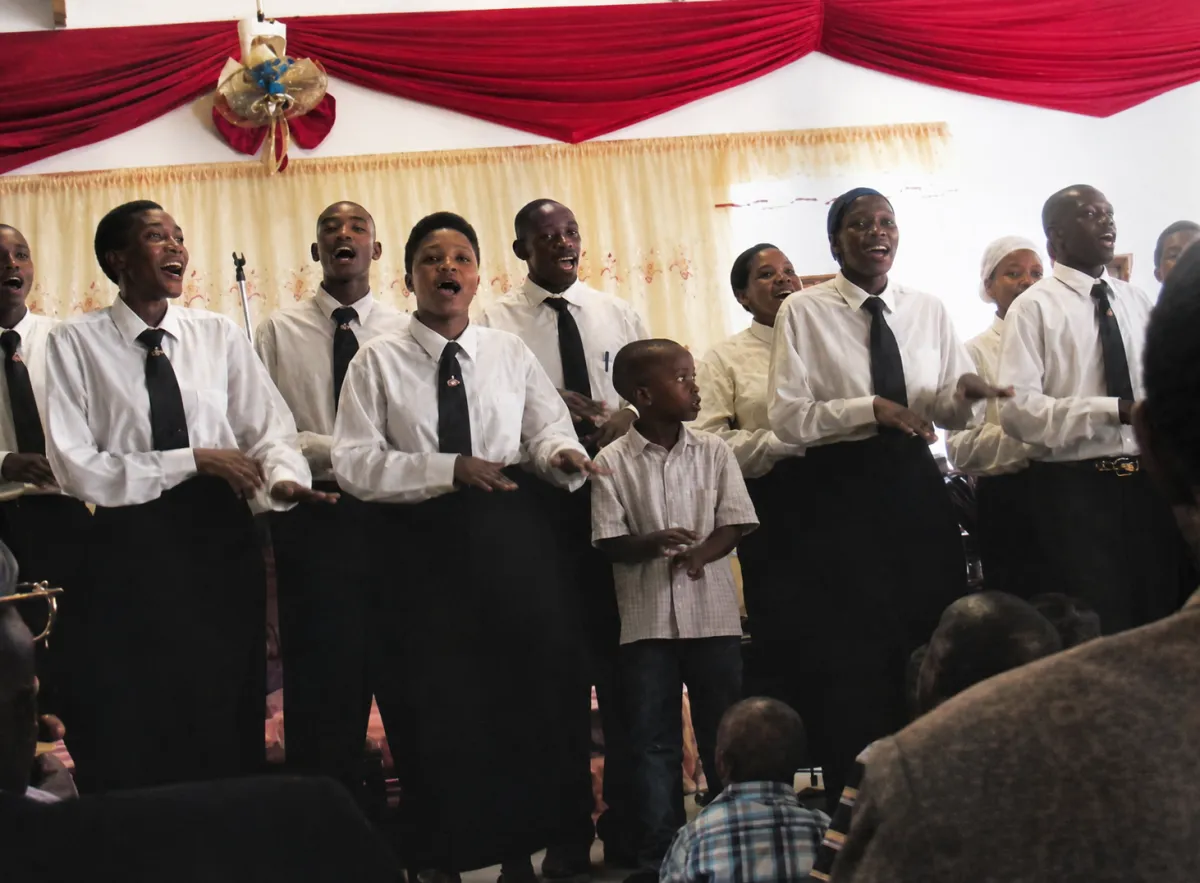
On Sunday, we were taken to the local Free Methodist church service, already underway. This was quite an experience. The building was open-sided and crammed with people on backless benches. We were escorted to a section with white plastic chairs, much more comfortable. The building was crowded with maybe 1,000 people. We were treated to that wonderful African music: choir, instruments, hands waving, bodies swaying, and that beautiful harmony. We heard a youth choir, a men’s choir, and a women’s choir. Some were from outlying areas and had walked miles to get here. We really enjoyed the music!
The offering was taken with boxes on long poles, which were emptied into a wicker basket near the pulpit. Our friend Marti, who was our guide, had been a missionary in this area and knew the language well. They knew she was coming and asked her to bring the morning message. She spoke about people of hope and how we can trust in God. God is the same yesterday, today, and tomorrow.
Melli Andrews Johnson, daughter of friends of ours, lives in Bujumbura with her husband and 10 children, all adopted, ages 1 through 14. They run an orphanage and have adopted several themselves. It’s quite a family. We had afternoon tea with Melli while the children swarmed around. Their house has only 3 bedrooms and 2 baths. We brought a suitcase of clothes and gifts from family and friends in the United States
We visited the nearby Rainbow House, which Melli is very involved with. Little orphans are brought here to be cared for until a family is found to take them in. This is where Ken and Melli’s children came from.
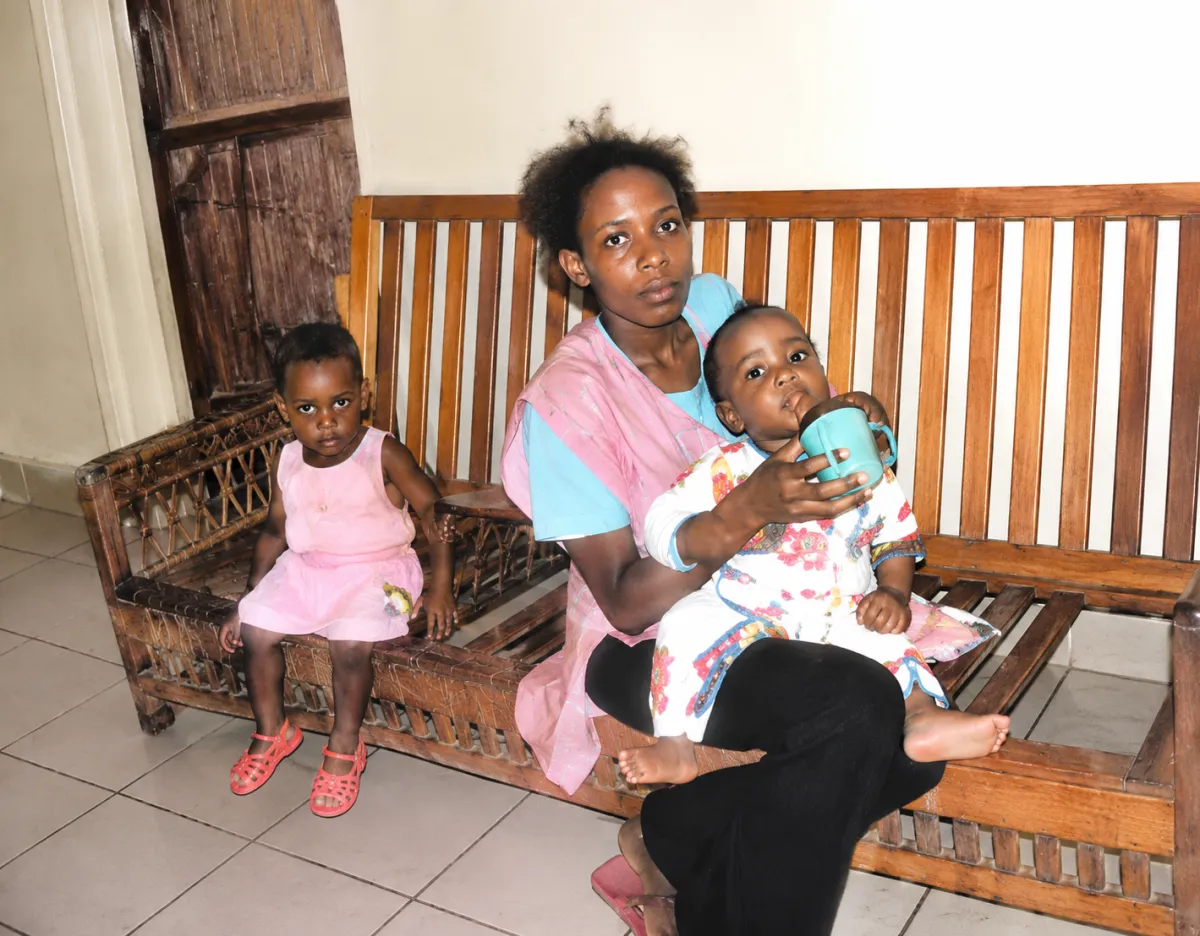
One newborn baby boy was found abandoned in a garden. He was brought to the Rainbow House and cared for. I think that was one of the children they adopted.
HOPE AFRICA UNIVERSITY
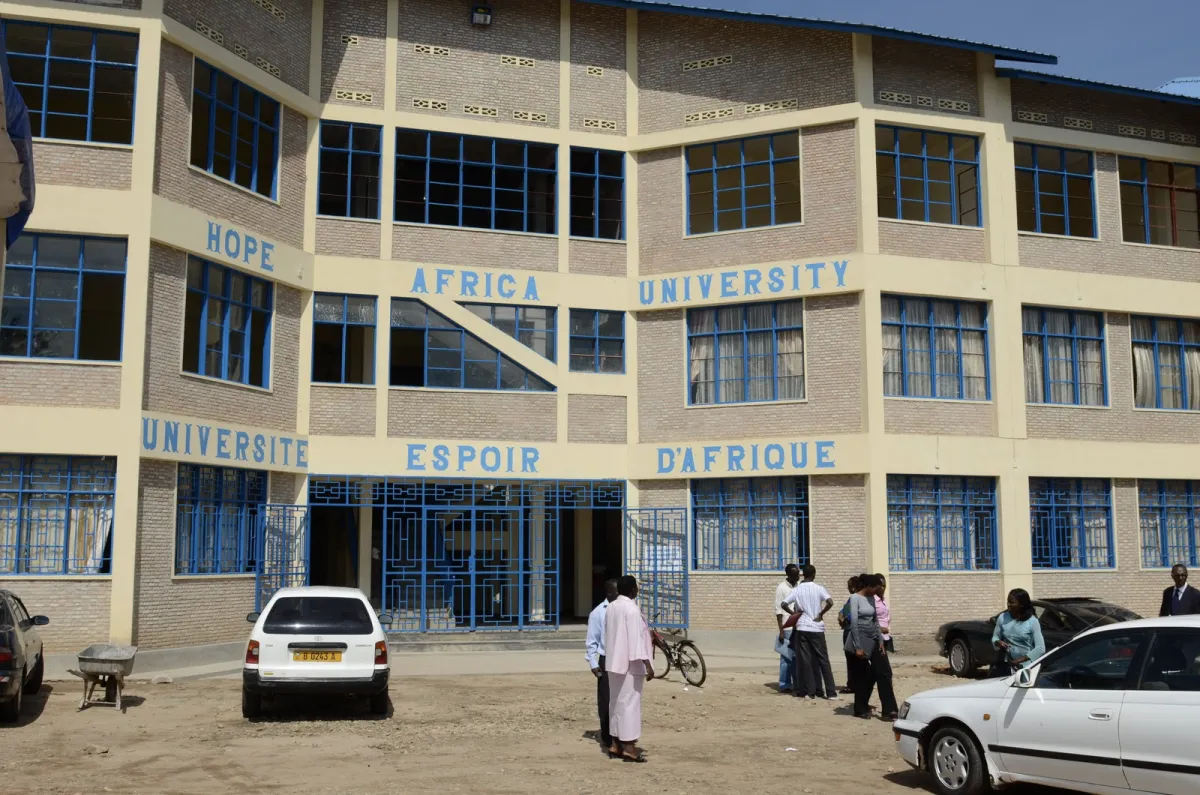
The next day, our whole group piled into 2 vehicles and drove through heavy traffic on rutted roads to Hope Africa University. The buildings were shining bright with blue trim, quite a contrast to the city. This was a dream of some of our leaders, and now the university is in full gear, producing graduates in medicine, teaching, business, agriculture, and other fields.
The dorms were crowded with over 2,000 students. They have developed their own power plant, water system, and other infrastructure. Now they are expanding their agriculture program.
Their medical program sends graduates to Kibuye, a rural, rapidly growing hospital, for their residency and surgical training. Kibuye has grown to accommodate the incoming students. New houses have been built for the doctors and their families. As graduates and full M.D.s, they are going out to serve all over Africa. This is a wonderful outreach to Burundi and other African countries.
Rwanda
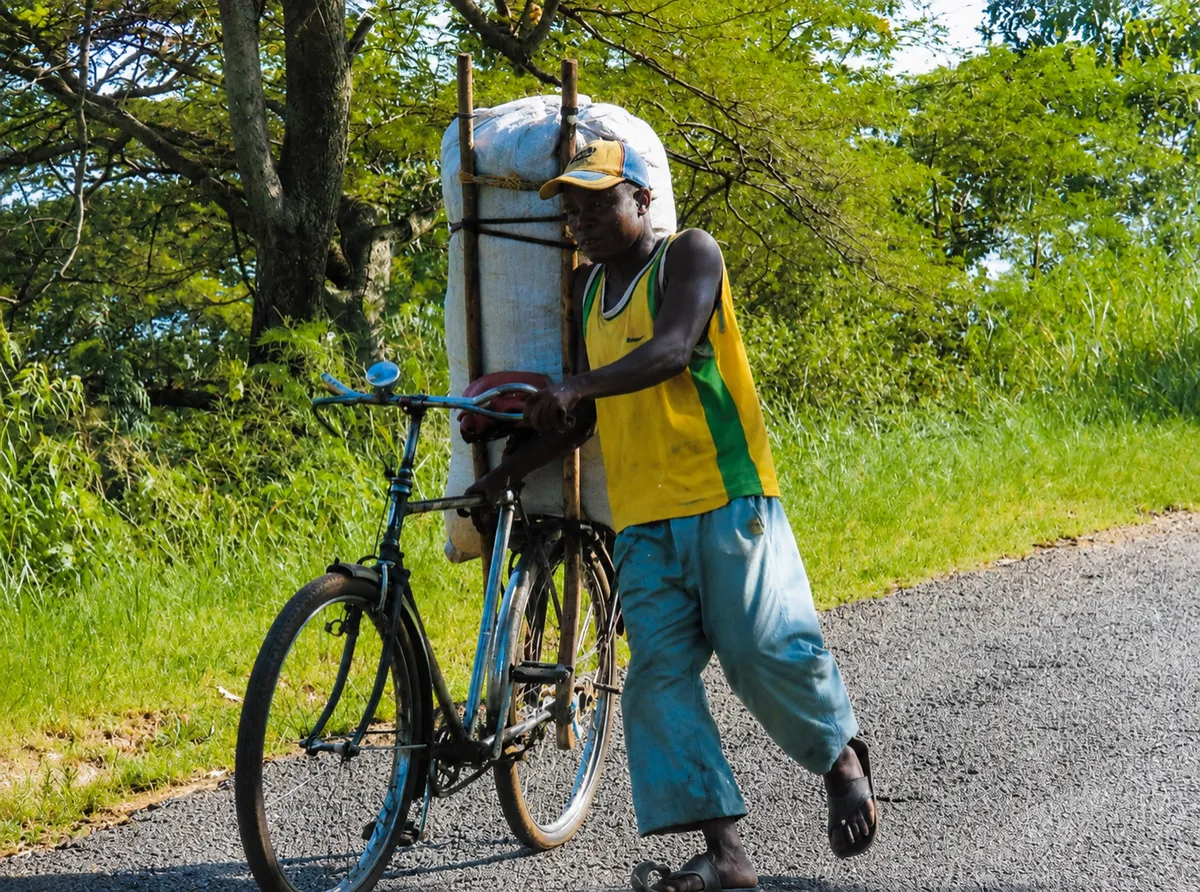
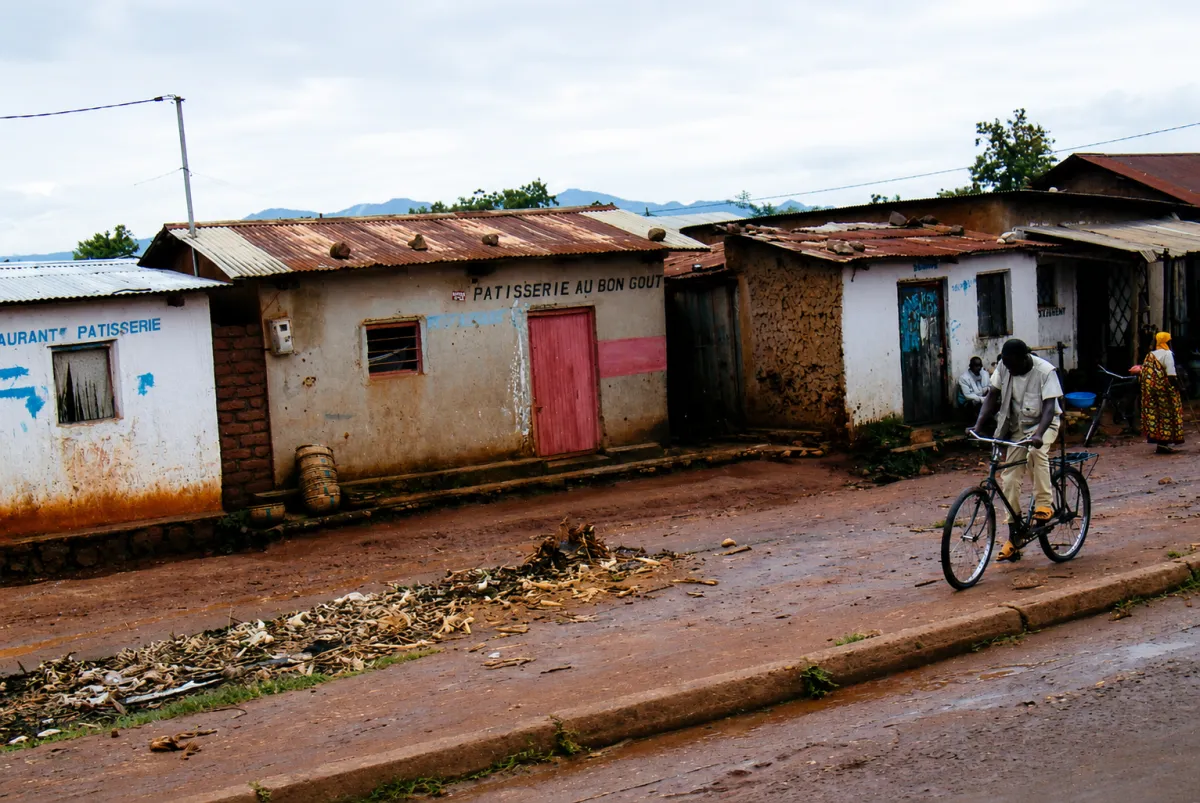
Off to Rwanda, the neighboring country. Such interesting scenes: a constant flow of people on foot or bicycles. They were carrying loads on their heads or pushing loaded bikes up hills. The roads were very bad, and then they got worse as we crossed into Rwanda. The border crossing took 2 hours, and now Marti, our driver, was getting nervous, as it was getting dark.
The roads were unbelievable, and Marti was shocked; she had never seen them so bad. There were huge potholes, washed-out ruts, and only a few short stretches of smooth roads. It’s a wonder we didn’t have a flat tire – the spare had been removed to make room for luggage. We had to steer around potholes, going very slowly, weaving all over the road, trying to find a way around.
There is no hope the roads will ever be fixed - they just keep getting worse. The only equipment natives have is big hoes, no road graders or back hoes. And there are very few cars. The people here either walk or ride/push a bike. We passed through settlements of small shacks, goats scampering along, and children waving. We finally turned on the road to Kibogora Hospital; the trip had taken 8 hours.
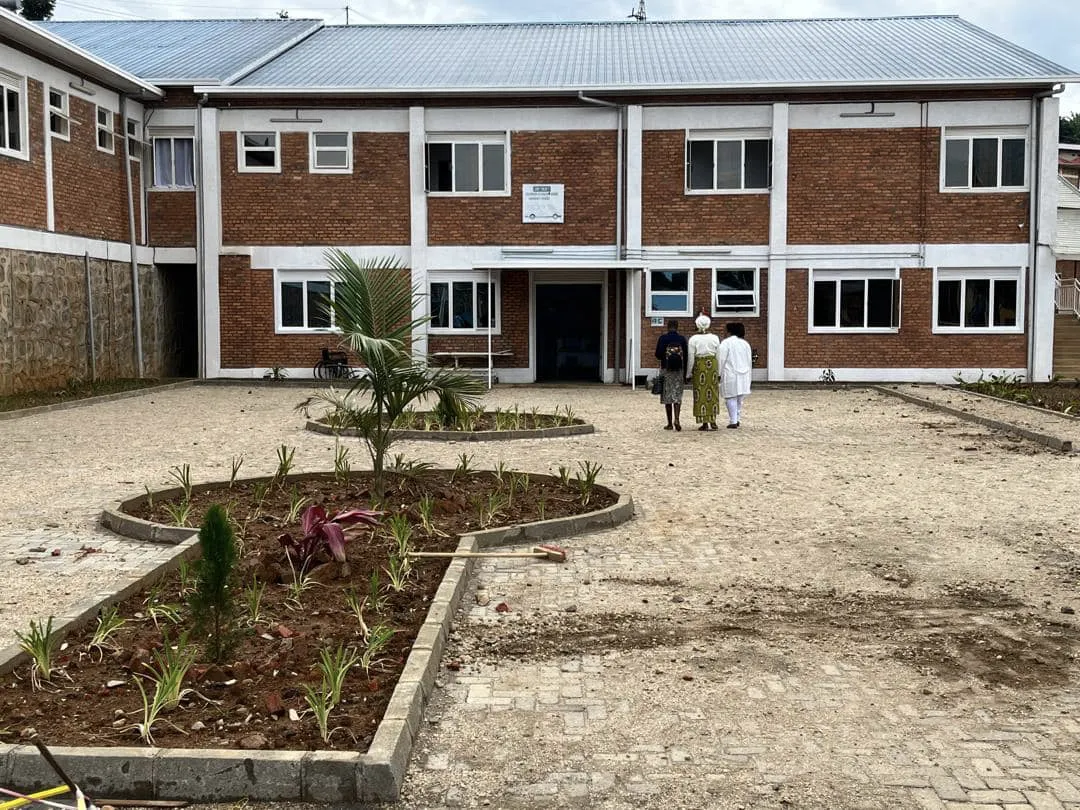
KIBOGORA HOSPITAL in Rwanda
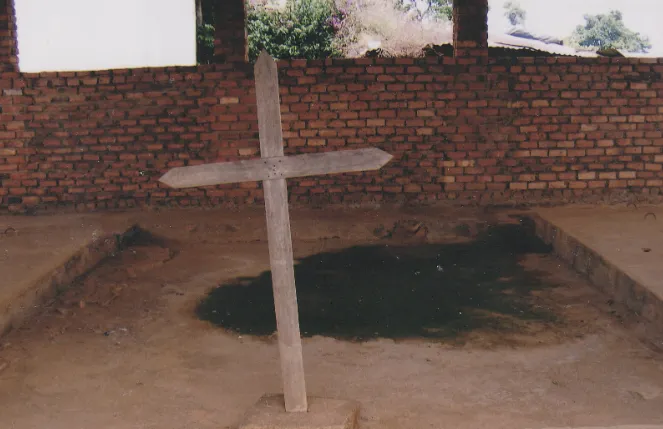
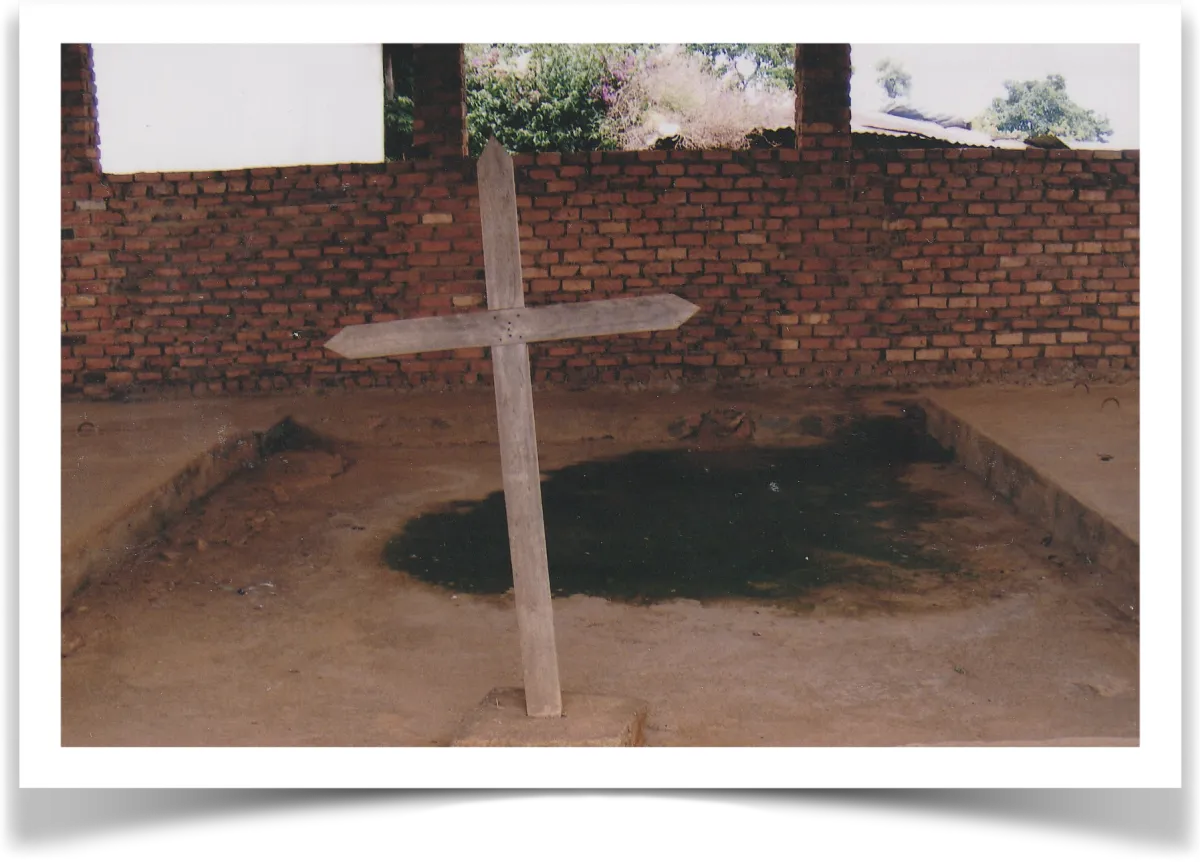
It is a state-of-the-art facility deep in the heart of Africa. The 402-bed facility has surgical, pediatric, nutrition, internal medicine, and maternity departments. The massacre of 1994 killed 284 on the hospital grounds. The missionaries barely escaped.
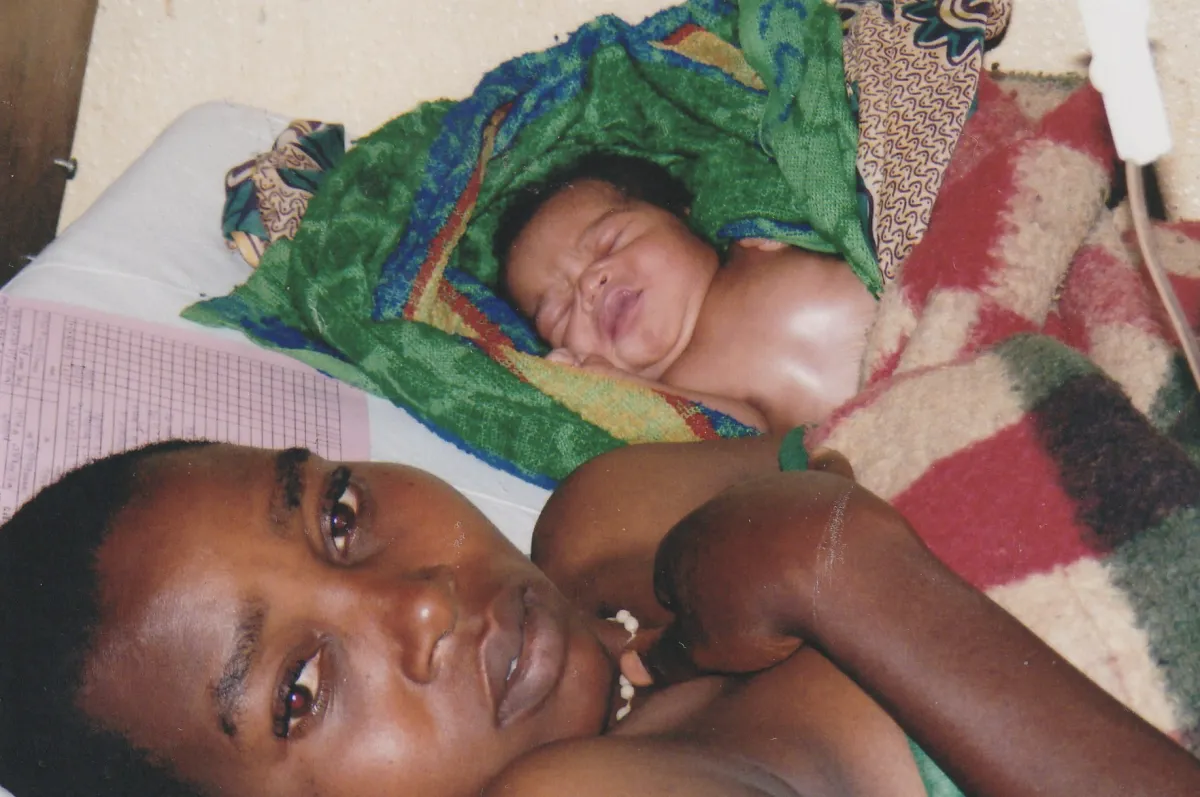
We had a tour of the hospital, and in the maternity ward, we saw a young mother, very happy with her healthy baby boy. She had previously lost two babies.
The final picture is a memorial and tribute to all those who were massacred on the Kibagora hospital hill.
KIBUYE
This is a small rural hospital. Mothers come here to deliver their babies and walk home the next day. We got to watch a surgery as the Dr. removed a 15# tumor from a woman.
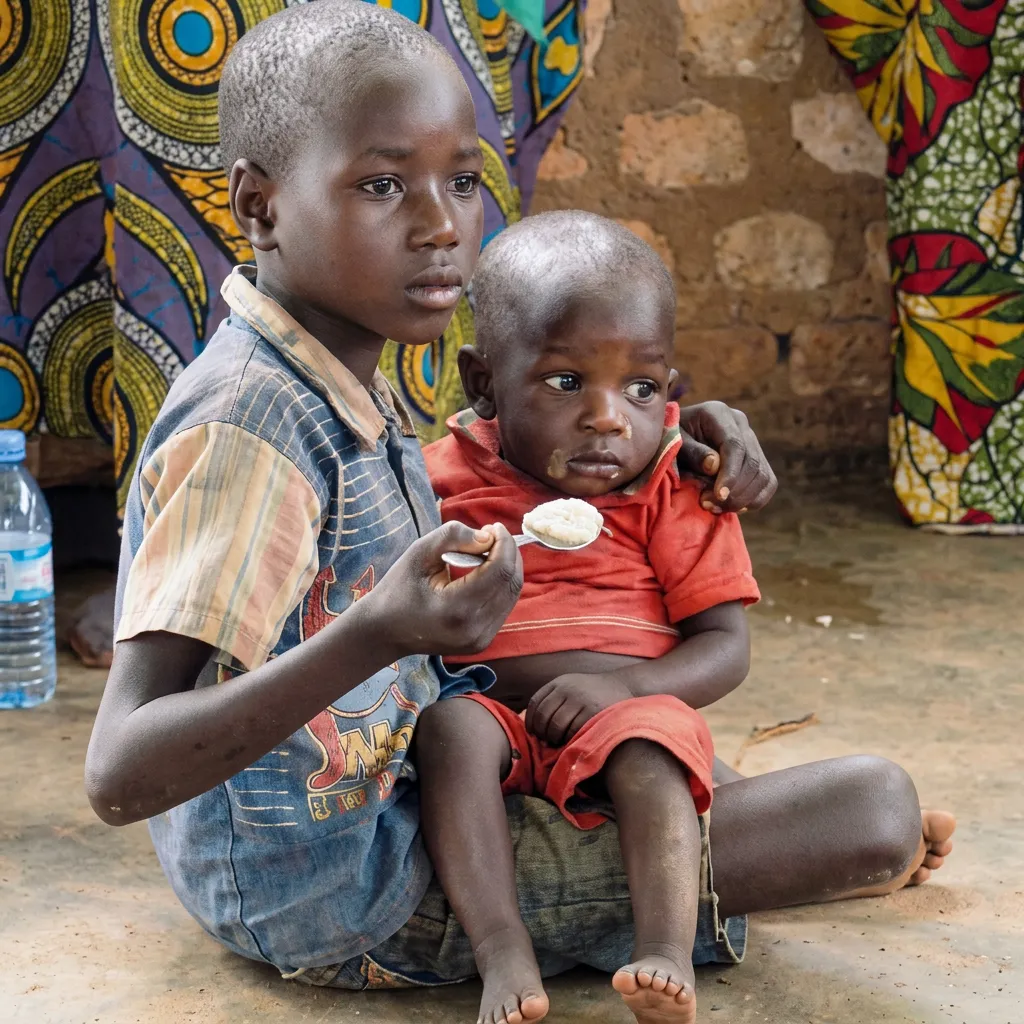

They have a feeding clinic every day, offering free BOSOMA, a nutritious porridge for children. This young boy was feeding his little brother.
We visited a school. Class size 100 with 1 teacher. 600 students in the morning, 600 in the afternoon, same teachers.
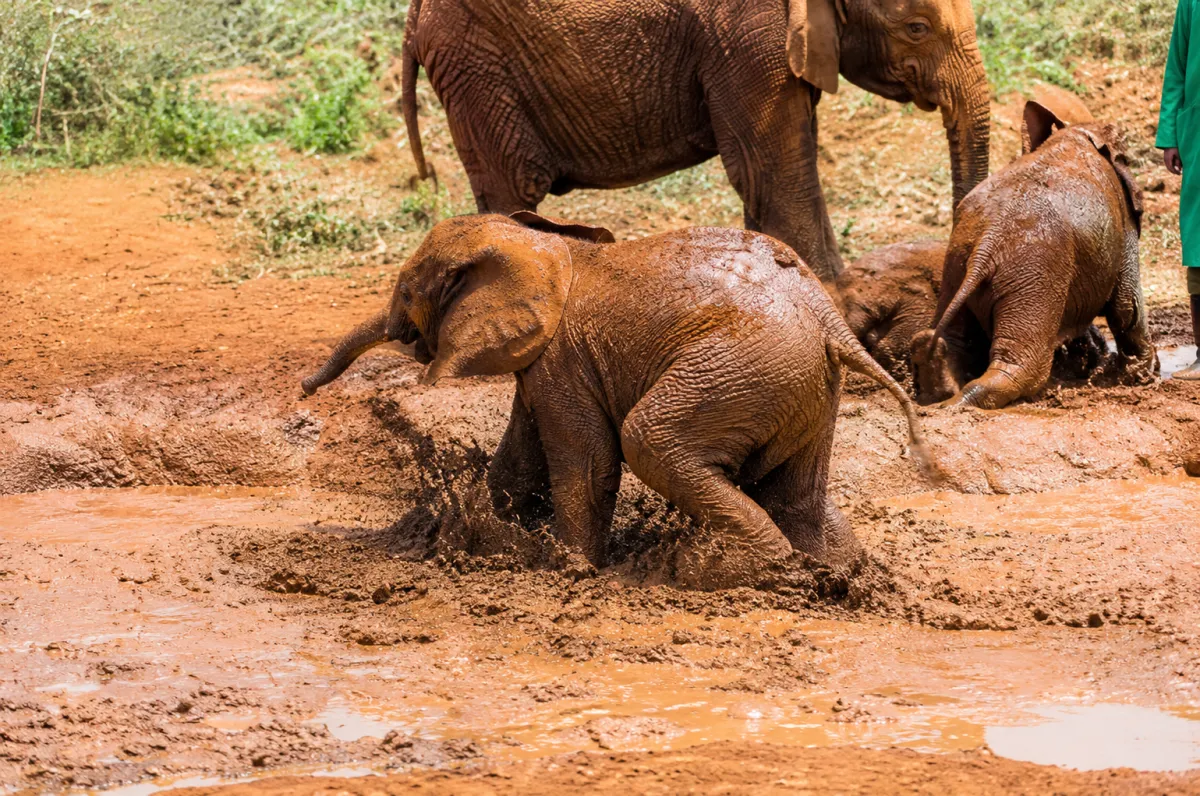
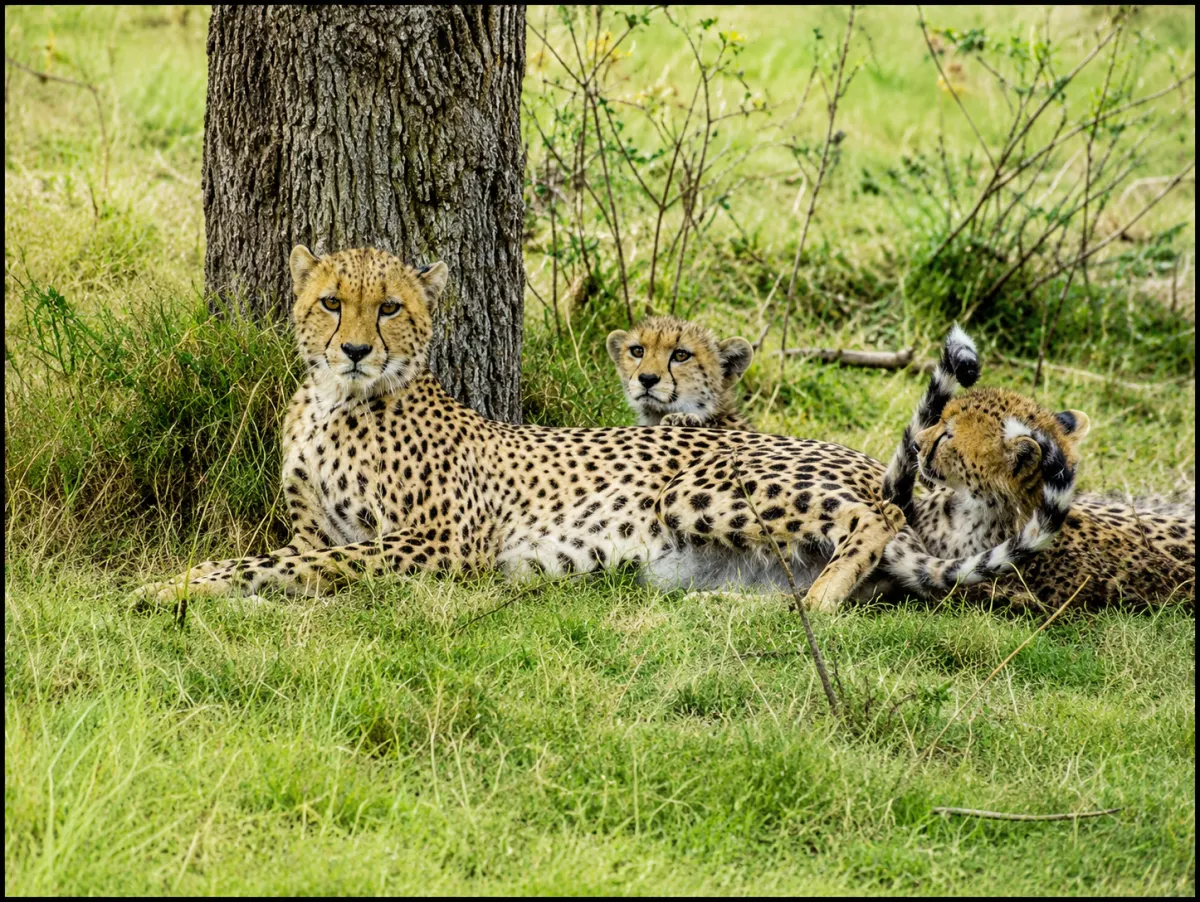
The mission trip included a safari. On a free afternoon, we visited the Sheldrick Elephant Orphanage and got to see the baby elephants at their playtime and a cheetah family.
ADD CHEETAH'S STORY
Continue Reading!
© Copyright 2026. AEM World Travels - informal entity. All rights reserved.