1996 - SCOTLAND & IRELAND
1996 - SCOTLAND & IRELAND

Go to Table of Contents
Go to Table of Contents
1996 - SCOTLAND & IRELAND
1996 - SCOTLAND & IRELAND

After the hassle of Heathrow and Gatwick airports, we were finally in our rental car. And ready to venture out into the “drive on the left” traffic. After just 25 miles, we found a lovely B&B on a hillside overlooking Loch Lomond.
After 12 hours of sleep, we had a beautiful day for a drive along Loch Lomond. We hiked to waterfalls - a one-mile rocky path through the forest. Went on a steam train ride from Aviemore to Boat of Garten. We sat in the dining car and had tea and scones. Took a side trip to see Loch Ness - no monsters in it.
We followed a B&B sign, assuming it would be a farmhouse. Instead, it was an elegant estate with luxury everywhere. We put on our new wool sweaters and spent the rest of the evening in the lounge by a cheery fireplace, coals burning brightly.
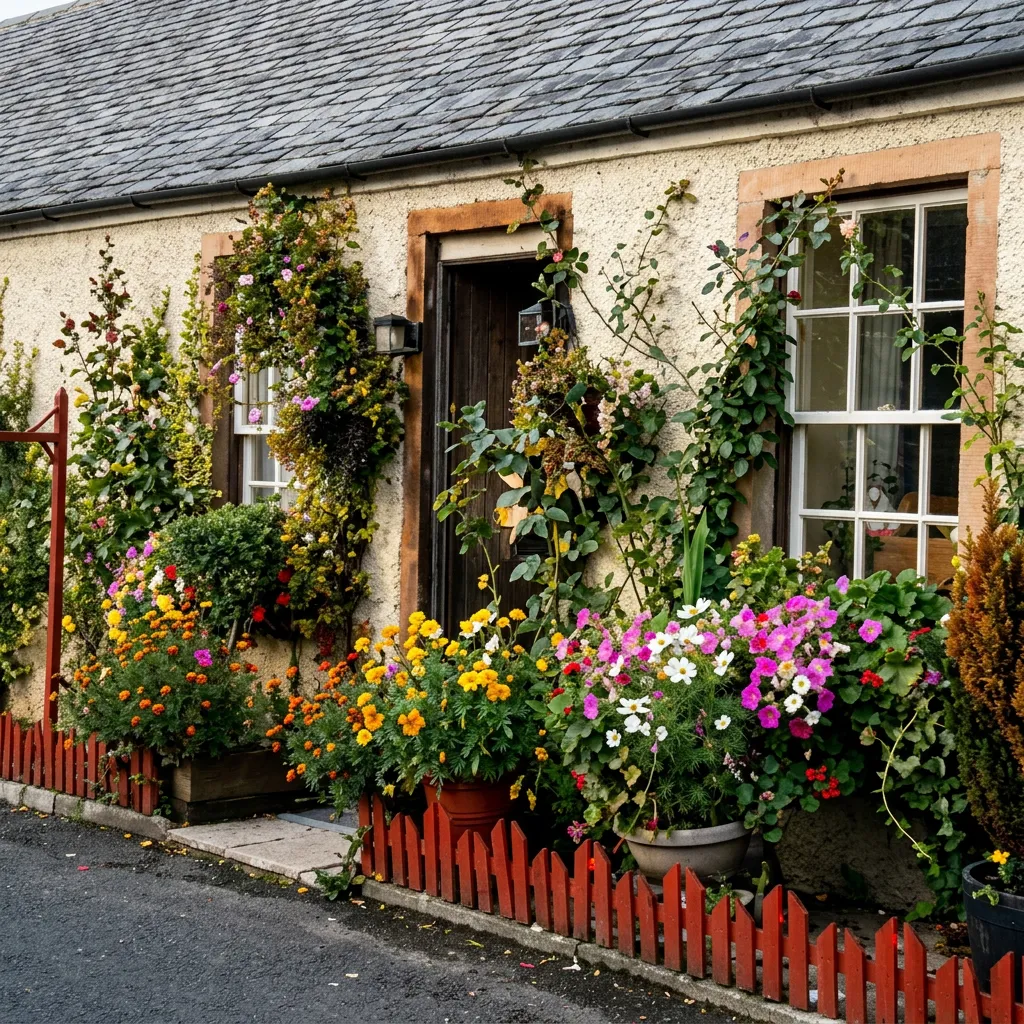
SCOTLAND
Driving north, we stopped at a few places, but it was raining and cold. We drove to the farthest point north in Scotland. The roads were all single-track with turnouts for passing. The wind from the west was whipping the hard rain, making it really miserable. We were glad to get to Tongue and find an inexpensive, plain room with a radiant heater and an electric blanket on the bed. We braved the storm again and found a place with a “bar meal” (that means everything on one plate). We sat by a cozy coal fire, and the warmth felt good. Then a big group of people came in, dripping wet and laughing. They had ridden their bicycles all day in the rain! They had started days ago from Land's End, the southern tip of England, to this northern point, “John ‘o Groats.” We were impressed!
The next day, the weather was the same, raining and cold. The main road was a single track for miles and miles. In 1 1/2 hours, we saw only 10 cars. Kept driving south and west to the coast. Signs of civilization, sheep! Then we were going through mountain passes, with great views of mountains, lakes, and the sun!
We arrived at the ferry terminal for the Isle of Skye. A new bridge will open next month. We watched a mountain climber rescue a dog from shallow water and rocks by using a sling. The dog promptly chased his ball in the water again and was rescued once more. Short ferry ride to the Isle of Skye. Shortly, we saw a B&B sign - a lovely house overlooking the Sound, little islands, and the mainland. We were settled in our room, making hot tea, when there was a knock on the door. A little boy holding a plate of cookies. Just right with our tea.
We awoke to the sound of rain pelting against the windows and gale-force winds shaking the house. After the full English breakfast, we started to drive around the island. Now the rain had stopped, and it was very scenic with mountains and lochs, white cottages and sheep. We ate our lunch by a field of heather. Then took the longer ferry ride back to the mainland.
We drove through twisting, narrow (1-track) roads through dense woods with no sign of a B&B. Then finally, up a steep, narrow drive, in the middle of nowhere, a big old house with available rooms and a bathroom way down the hall. But we weren’t picky. We found our way to Edinburgh and walked up the Miracle Mile to the castle, past bagpipes and guards. We had tea and scones in a quaint tearoom overlooking the city street.
Finally, a nice, sunny day, and we enjoyed the drive through the picturesque countryside. Looking for a place to stay, we wanted a country rather than a village. Saw a B&B sign and turned down a country lane bordered by stone walls and paddocks of sheep. Two miles to the end of the road, and we found a great stone house built in 1871. It is owned by the Duke of Something, the largest landowner in Scotland. The house had 12 rooms, incl. 6 bedrooms. The tenants run a huge sheep operation - 3,000 sheep on 1300 acres. It was a very nice place for an overnight stay.
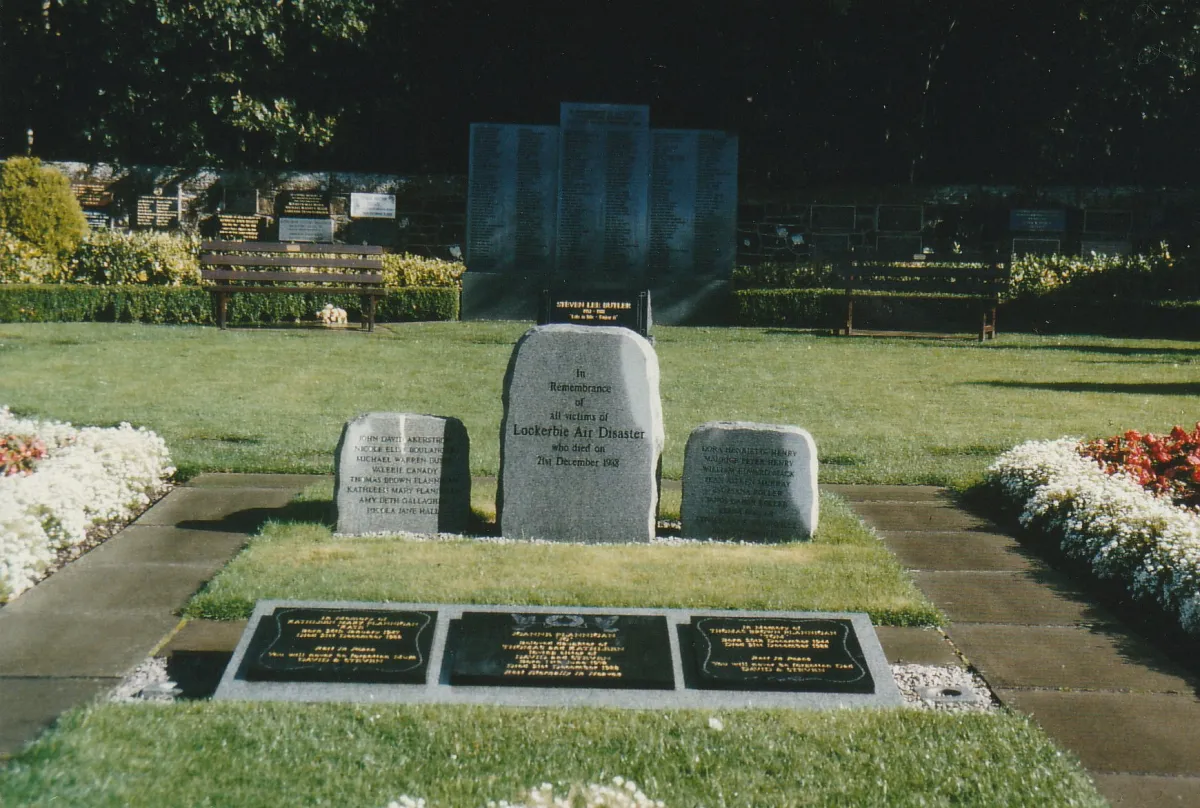
We found our way to Lockerbie, the site of the terrible plane crash in 1988. A terrorist act caused the plane to explode at 31,000 ft. killing all the passengers, plus 11 on the ground. There are many memorials there, a very sad remembrance.
IRELAND
The 2 1/2-hour ferry ride took us to Larne, Northern Ireland. We were soon on the busy highway with heavy traffic, driving through many small towns. Our guidebook had B&B places in Ireland, not Northern Ireland. So, we picked a town close to the border called “Hilltop Farm.” They had 10 rooms! We were glad to stay in one of them.
Then the next day, we drove all day in the rain, which was boring and discouraging. Not too thrilled with Ireland yet. Finally arrived in Galway - busy, crowded streets with lots of traffic. Al drove too close to another car, and our mirrors hit. Ours was cracked loose - hope the other one was okay. We didn’t know what to do about it. It was still raining, so we stopped in Ballyvaughan and sent a card to the Briners. They loved this little village so much that they had the street by their new house in Greenville named Ballyvaughan.
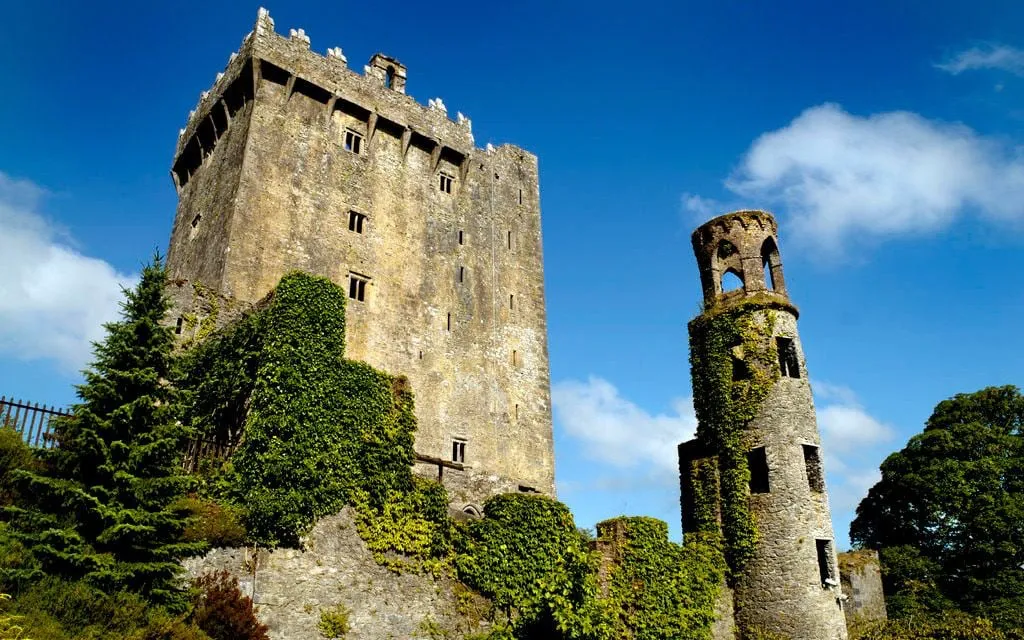
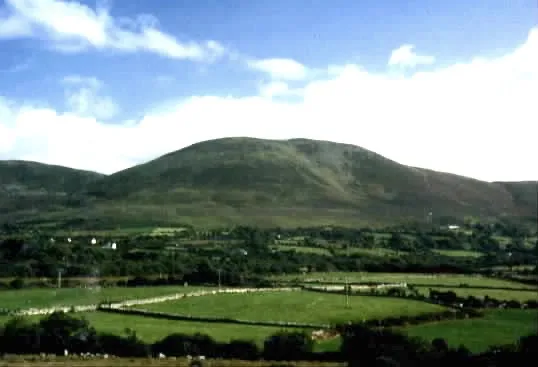
CLIFFS OF MOHER
A coastal drive on a sunny day took us to the Cliffs of Moher. This was quite an adventure! It was very windy with gusts of 50-60 mph, and really very dangerous. We walked up a trail along the cliff, and the wind nearly blew us over. There was an old castle tower at the top, but we didn’t stay long! We saw a man’s cap blown off his head. It went over the cliff, caught an updraft, shot 100 ft. in the air, and disappeared! We were glad to check the Cliffs of Moher off our list. We drove all the way around the beautiful Ring of Kerry. 100 miles of mountain passes, crashing surf, and green hills. We called ahead to a B&B, and they said we could book dinner, too. We had a delicious meal, and it was very relaxing not to have to hunt for a place.
BLARNEY CASTLE
We climbed to the top of the castle and kissed the Blarney Stone. It really wasn’t bad. I lay on my back, leaned backwards while a man held me so my face could touch the stone for a brief kiss. “Been there, done that!”
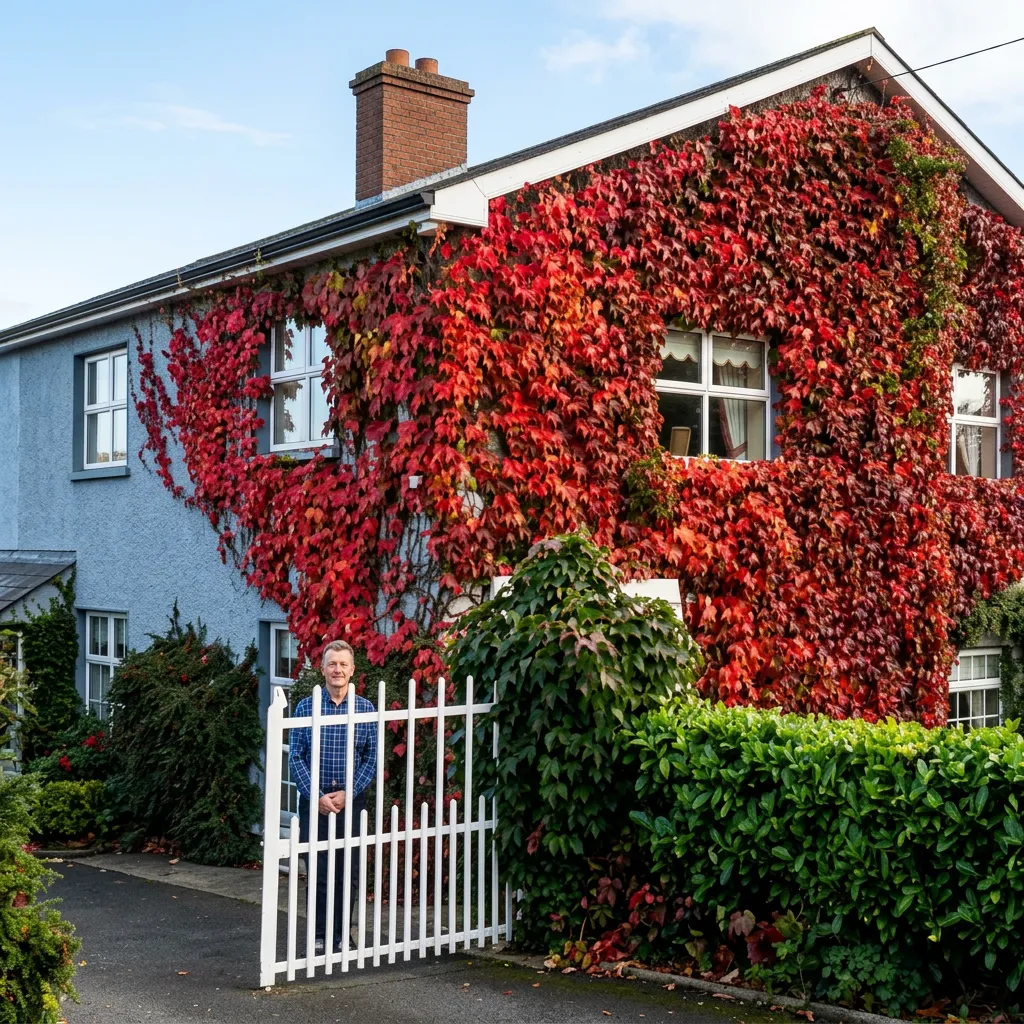
Again, we called ahead for a B&B and found it at the end of a narrow road. It was covered with bright red ivy - very picturesque. The lady greeted us warmly and showed us a choice of 2 rooms. She served us herbal tea, fruit bread, and cookies. The nearby places to eat were closed because it was Monday. And it was raining. We asked if we could have a sandwich, and she graciously brought us a tray of toast and crackers, cheese and liver pate, bananas, and apple pie! A perfect meal, and we were so glad we didn’t have to go out in the rain.
We awoke to sunshine! We were served an Irish breakfast: black pudding, ham, sausage, egg, and tomato. Toast made with homemade whole wheat bread. Bananas and yogurt, a full meal.
We drove through very picturesque scenery on this sunny day, working our way north, then crossed the border into Northern Ireland with a friendly border guard. We stopped at McDonald’s for a milkshake and their free WC.
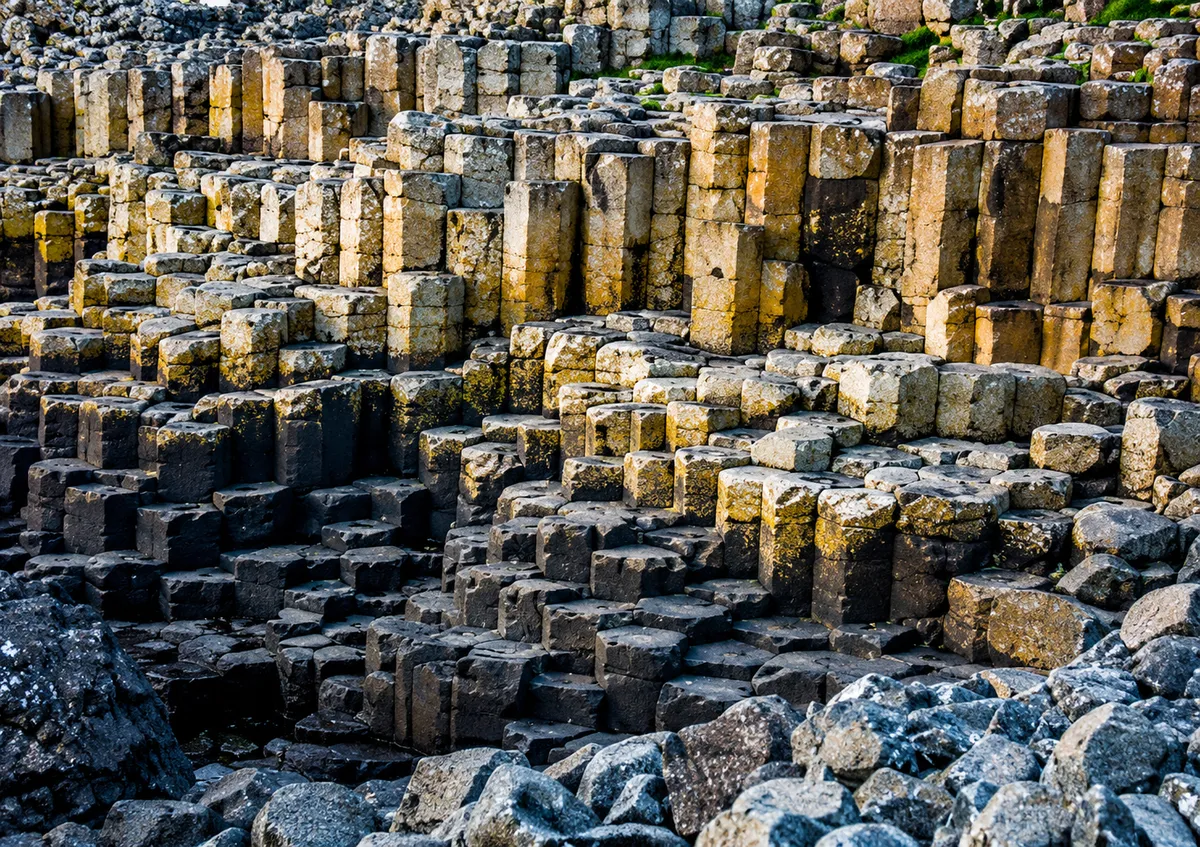
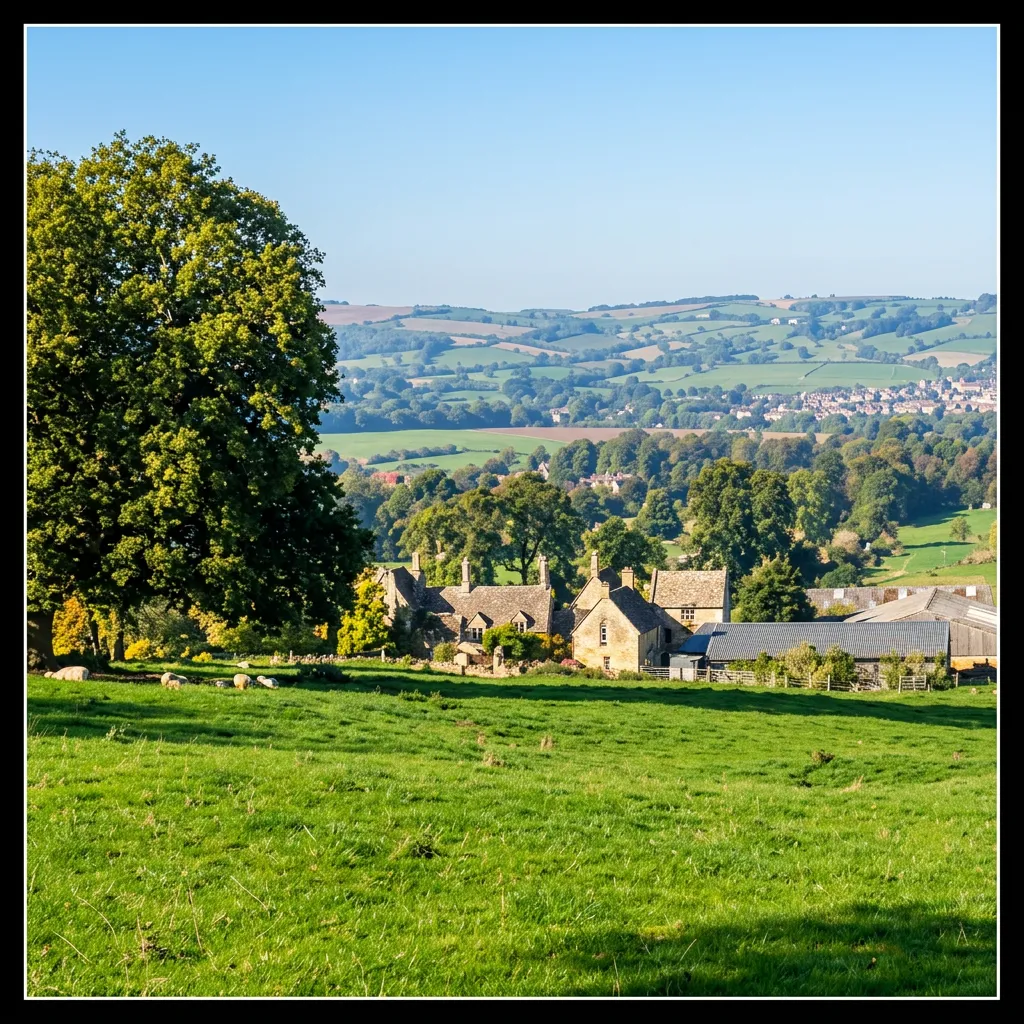
On the north coast, we found the Giant’s Causeway. They are basalt rock columns piled like building blocks. There are approximately 40,000 of these pillars, each with 5 to 7 irregular sides, and all fitting together. Amazing and mysterious.
We drove along the coast and found a B&B down a steep, narrow road with a panoramic view of the ocean. Sitting in their lounge and watching TV that evening, we heard the O.J. Simpson verdict of Not Guilty.
Weather forecast: gale winds and a 100% chance of rain. But sometimes they are wrong. As we drove along the beautiful coastal road, the sun came out of the clouds and lit up patches of hillsides - just picture perfect. The road was winding and narrow with stone walls and wild fuchsia. It was one of our most memorable drives in Ireland.
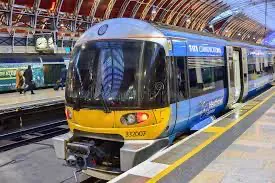
Ferry crossing back to England. Called a B&B but could not understand the directions. We went to the village and asked at the post office, but we still could not understand their accent. They finally drew a map for us. “Drive out of town - up a narrow road through dark woods - top of the hill - 200-year-old farmhouse.” We found it, and barking dogs greeted us! A nice lady had a room available. We brought in all our purchases and managed to fit them all in our suitcases. The view from our window was the twinkling lights of the village far below us.
It was a very stormy night with winds howling and rain lashing against the windows. But this old stone house was solid and didn’t creak and groan. What a miserable day to travel. We found the place to turn in the car, and a friendly shuttle bus driver took us to the bus pickup. Soon we were on our way to Central Station. It was a big, cavernous building with pigeons flying around freely. We boarded the express train for London. This was the anniversary of our first date, and to celebrate, we had dinner in the dining car. 1st class seats and service. Hot rolls were served to us from a basket, and we each ordered an entree. Unusual and delicious. We finished with a pot of tea and dark chocolates. A memorable dinner to end a memorable trip. But there was more to come! We met with our niece there in London and spent a couple of days exploring the Cotswolds with her. It is always a great place to visit again.
Bourton-on-the-Water - a busy little place full of tourists. Flowing through the center of town is a stream with ducks swimming in it. Footbridges let you cross from one side to the other. Interesting shops on either side and many with a sign that says “Come in for a Cream Tea.”
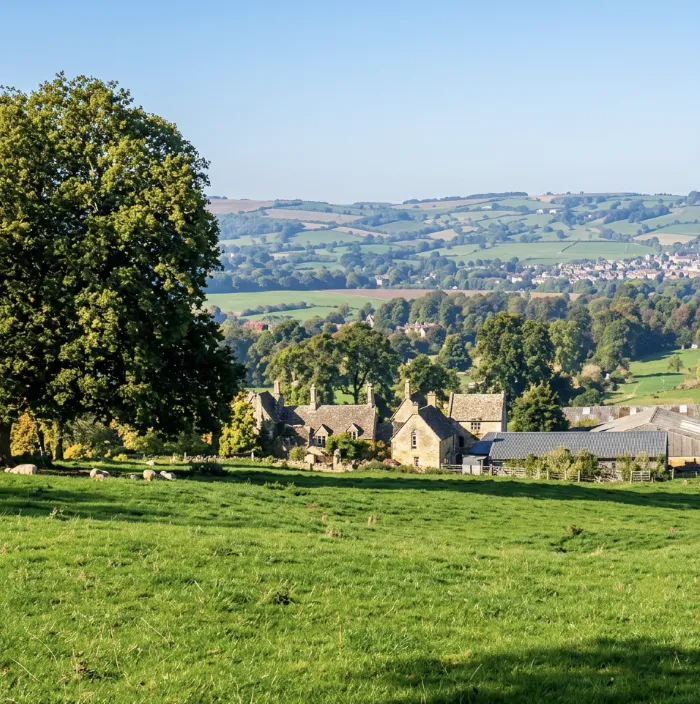
We found Sudeley Farm B&B, where we stayed in ’87. Lisa was enchanted by the solid old house, so picturesque, but alas, they were full. We settled for a walk in the green hills. At the top of the hill, we could see the village of Winchcombe. We had reservations at “Jane’s Tea Room” at 2:00. We had tomato/lemon/leek soup and “farmhouse crumbles” with hot custard sauce. Hectic drive back to London, trying to find our way to the car rental place.
The next morning, Lisa went to work, but she told us how to get to a nice park just 10” away. So we found Parliament Hill Park with ponds, swans, and painters. From the top, we could see London. It was a beautiful ending to our trip.
1996 - MEXICO
Jane and Everett Sanders led a group of 10 of us to Mexico. They were both very familiar with Mexico and could speak the language, so they were excellent guides.
MEXICO CITY
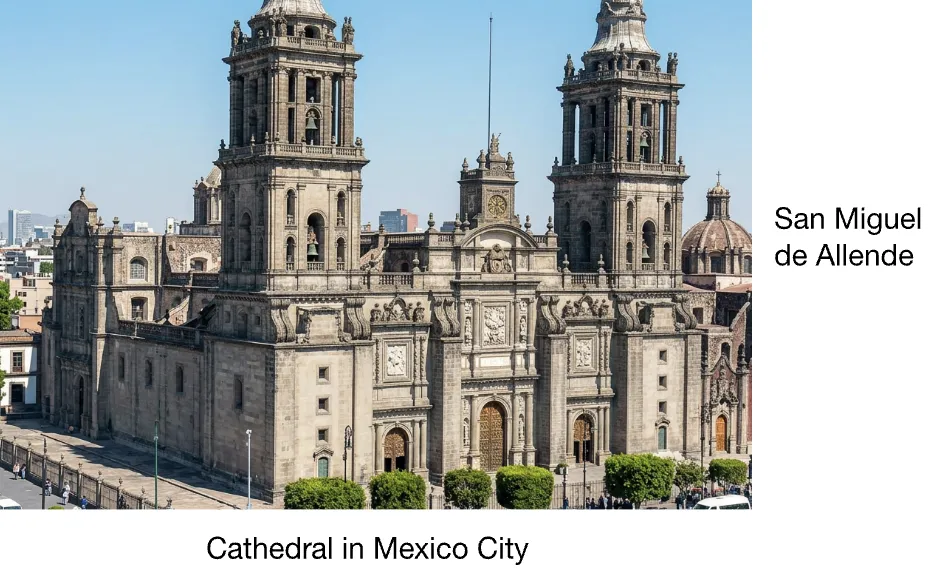
The beautiful Metropolitan Cathedral took 280 years to build. And because it was built on ancient ruins, it has an unstable foundation and is gradually sinking. You can actually see the slight lean. Other buildings in this downtown area have the same problems.
We were privileged to attend a concert here. It was all about the Nativity as this was Christmas Eve. (Jan. 5).
Elaborately costumed people came down the aisle in front of us. It was a beautiful program, though we couldn’t understand it.
There was a festival in the park that evening with Santa, Wise Men, vendors, peddlers, beggars, and wisps of cotton candy floating in the air.
PYRAMIDS
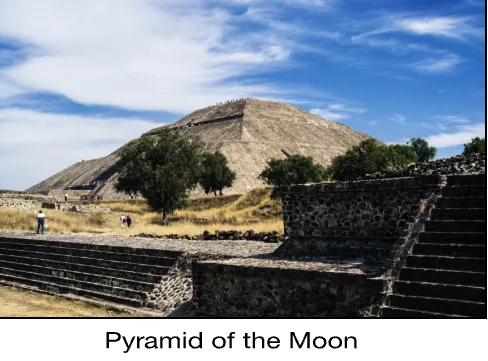
When the Pyramid of the Sun was completed in 200 A.D., it was one of the largest structures ever built in the ancient Americas.
The Pyramid of the Moon is nearby. Both pyramids can be climbed. We opted for the smaller one, Pyramid of the Moon. It involved very high, steep steps, and there were 3 or 4 sets of them. Quite a challenge to make it to the top, all 150 steps. We ate our lunch up there (sandwich and water) and contemplated how we were going to get down with no guard rails. It was very treacherous, but we took it slow and easy.
A taxi ride back to our hotel was a rip-off. The driver agreed on a price of 12; at our destination, the meter read 16.8. We thought we would give him 20. Then he punched a button, and the meter read 60 pesos! We tried to protest, but we couldn’t understand each other.
We rode a luxury bus for 4 hours to Guanajanto, a very picturesque city with brightly colored houses on the hillside. We visited Kissing Alley, where houses are so close you can reach over and kiss.
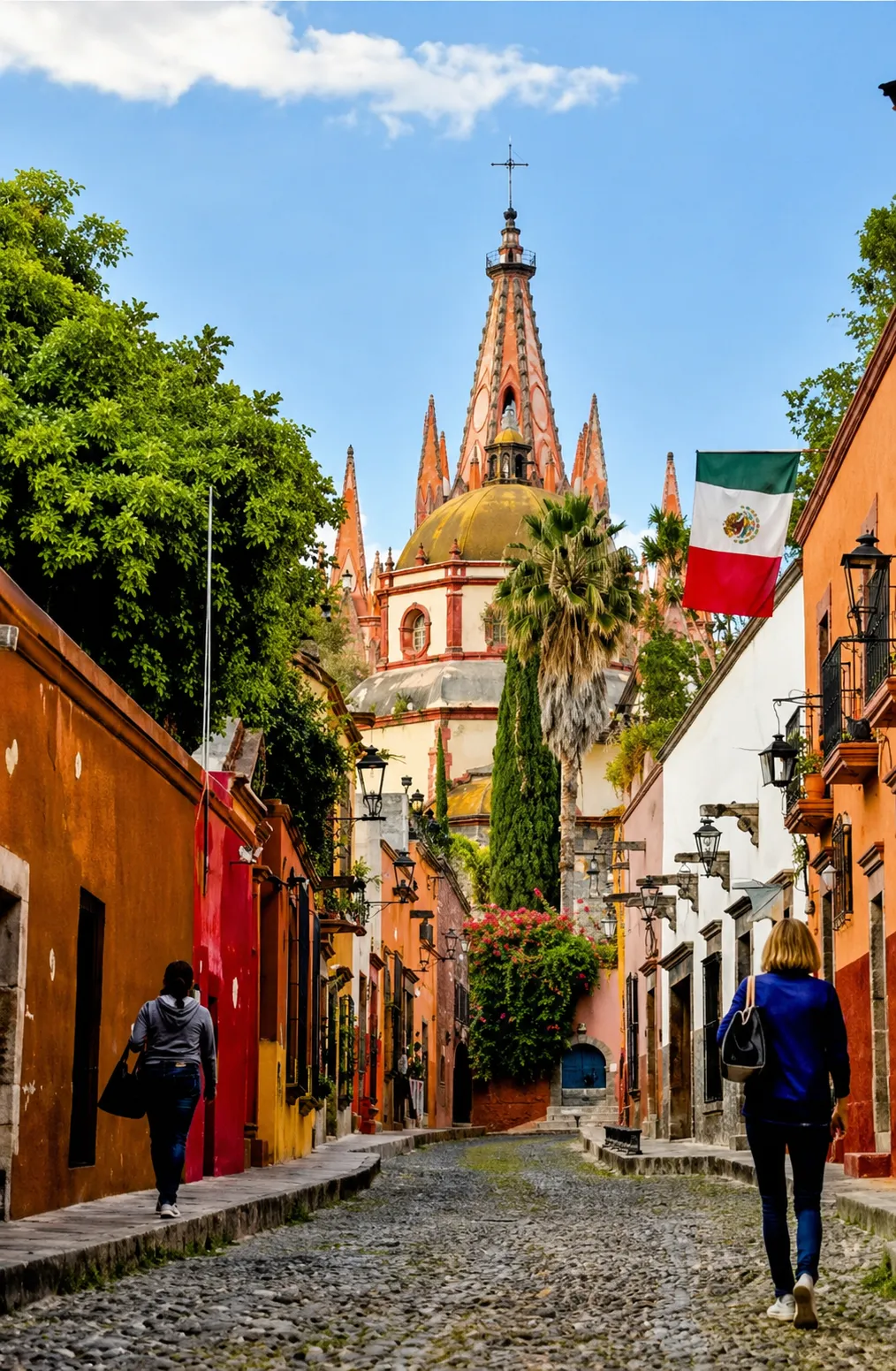
Many U.S. citizens retire in San Miguel de Allende not only because of the low cost of living and crime rate. The almost year-round sunny weather also convinces people to retire in the city.
Several times it has been named “World’s Best City.”
ACAPULCO
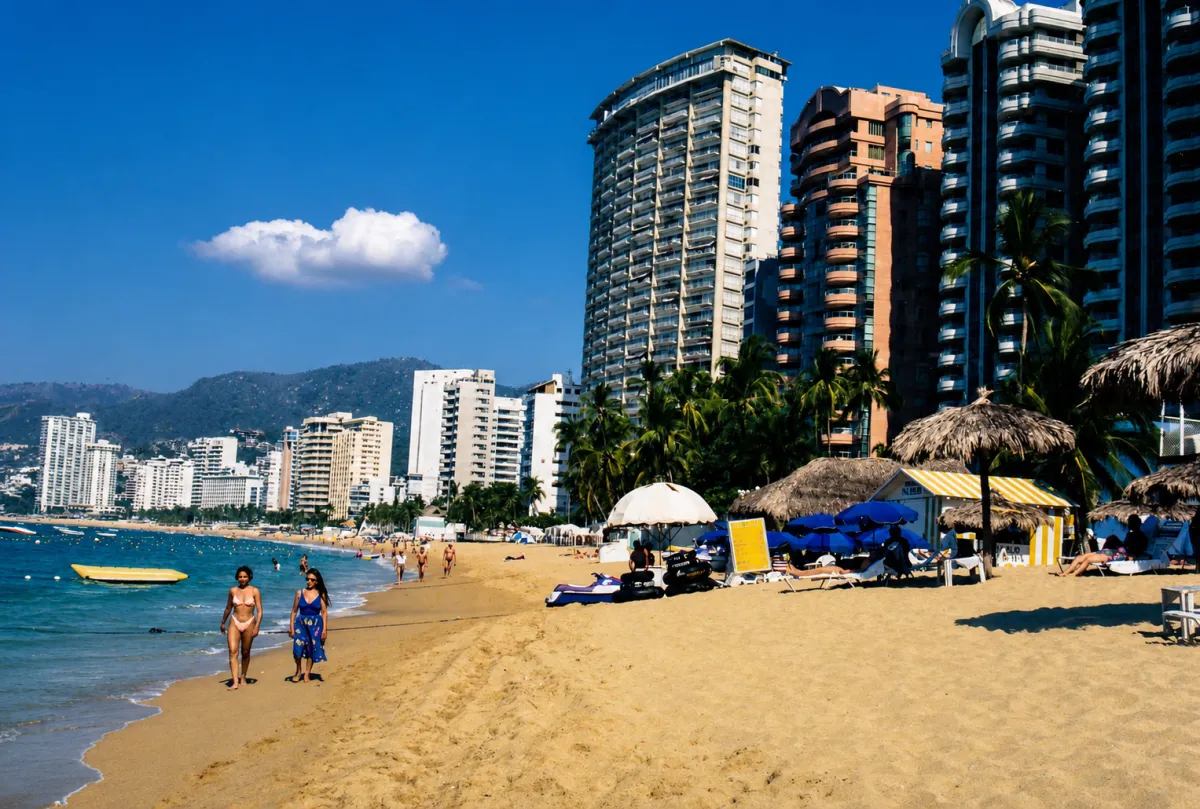
We spent two days here on the well-known beach, enjoying the sun, sand, and warm water. Young boys came along selling silver bracelets for only $5. Likewise, young girls are selling beach cover-ups. We rented chairs and sat under beach umbrellas. Sometimes we sat in the shallow, warm water. Pelicans and seagulls also kept us company.
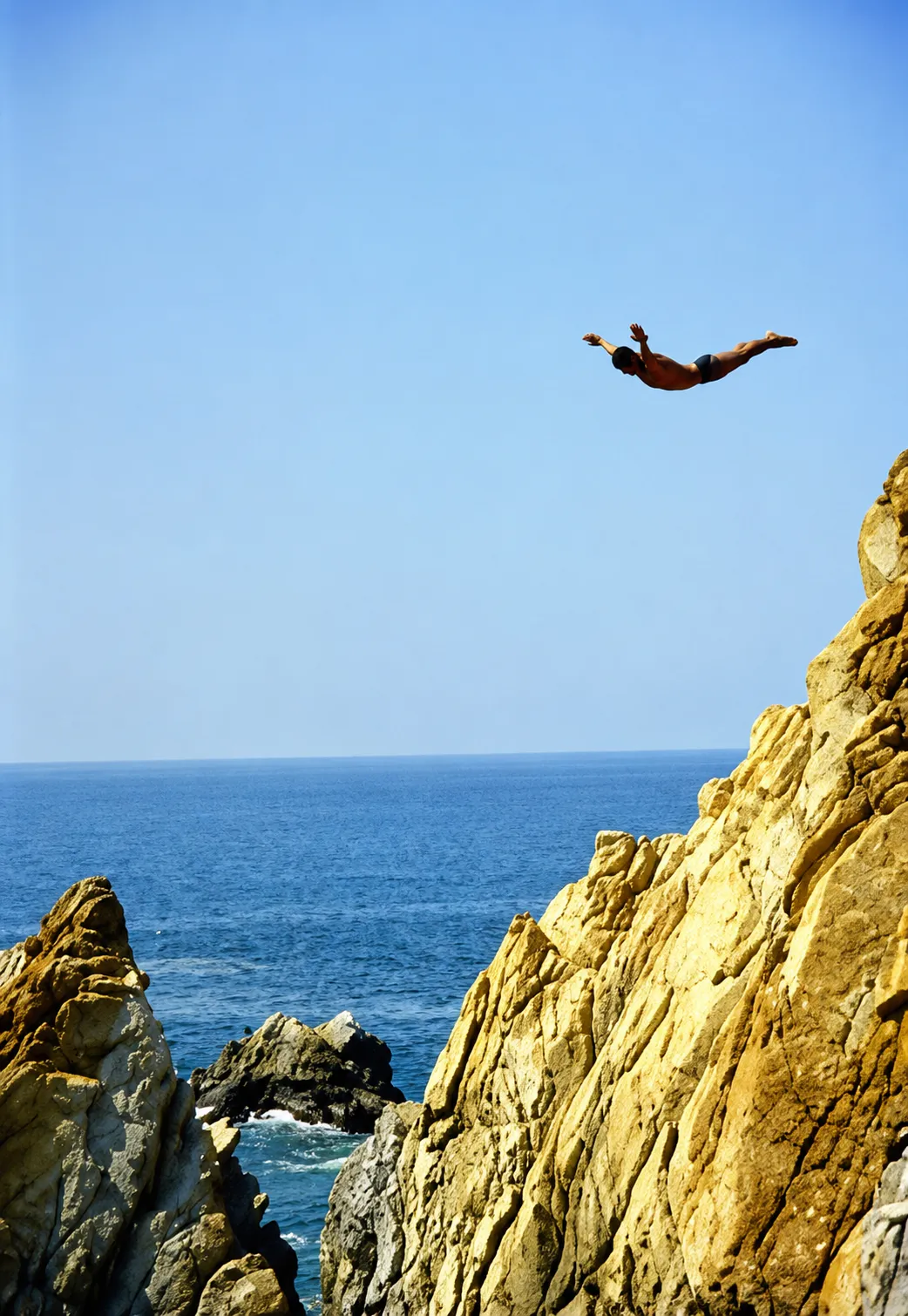
We got to see the famous “Acapulco Divers.” Young boys and men dive 135 ft. into only 13 ft. of water. There are 54 divers in the union, and several perform every day. This started in 1939 and now has some 3rd-generation young men performing. The pay is good - $550 a month.
TAXCO is a silver mining city that is very picturesque.
It has narrow cobblestone streets, very steep, and hotels and shops all piled on top of each other. We stayed in a 16th-century monastery with an open courtyard and open stairs leading to our room.
The square had many colorful shops full of silver items, of course, and silver with blue enamel. We sat in the square with others and watched all the action. A very interesting place - even fireworks.
Most of us went on a cable car ride for a fantastic view of the city. We had a long, miserable 6-hour bus ride back to Pueblo. Then, to brighten our day, we found footsteps in the bathroom! The Foxes struck again!
To end our time in Mexico, we had a quick glimpse of Mt. Popo (near Puebla) from the plane.
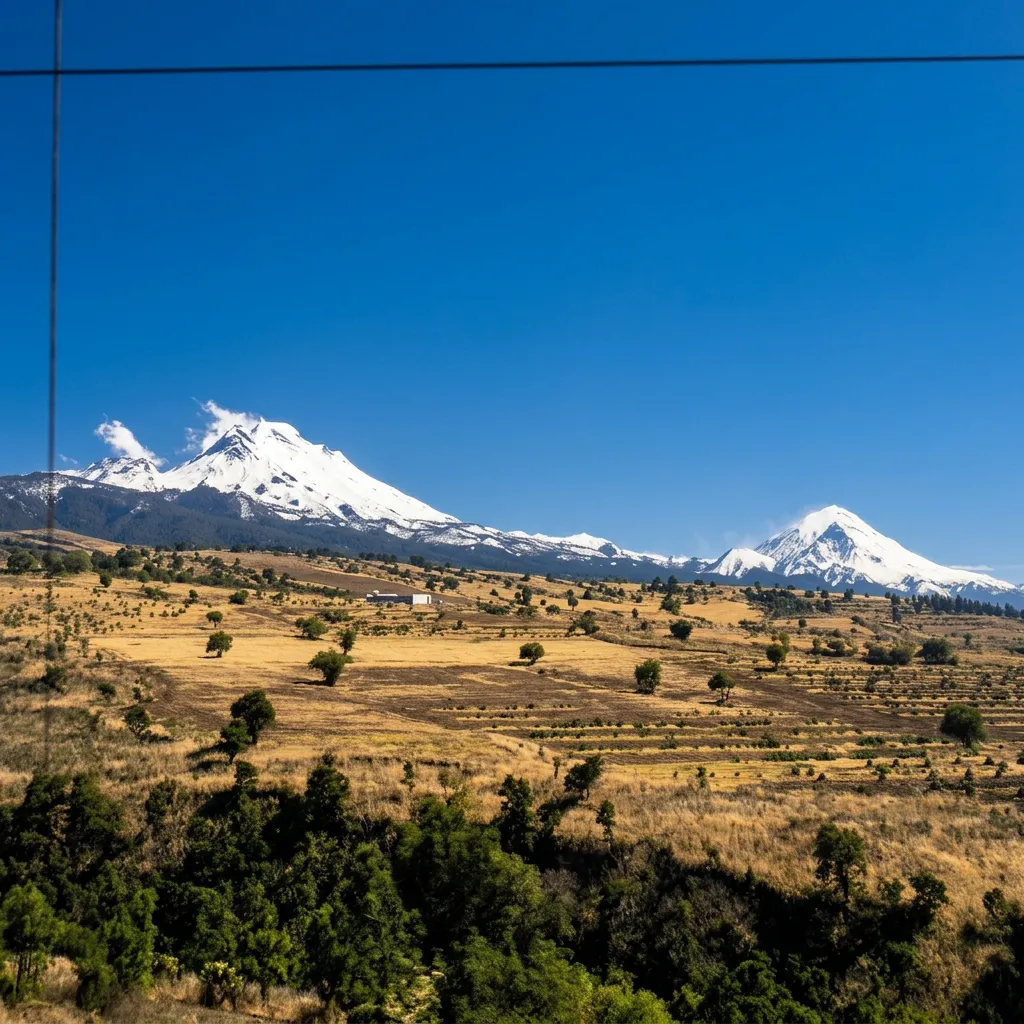
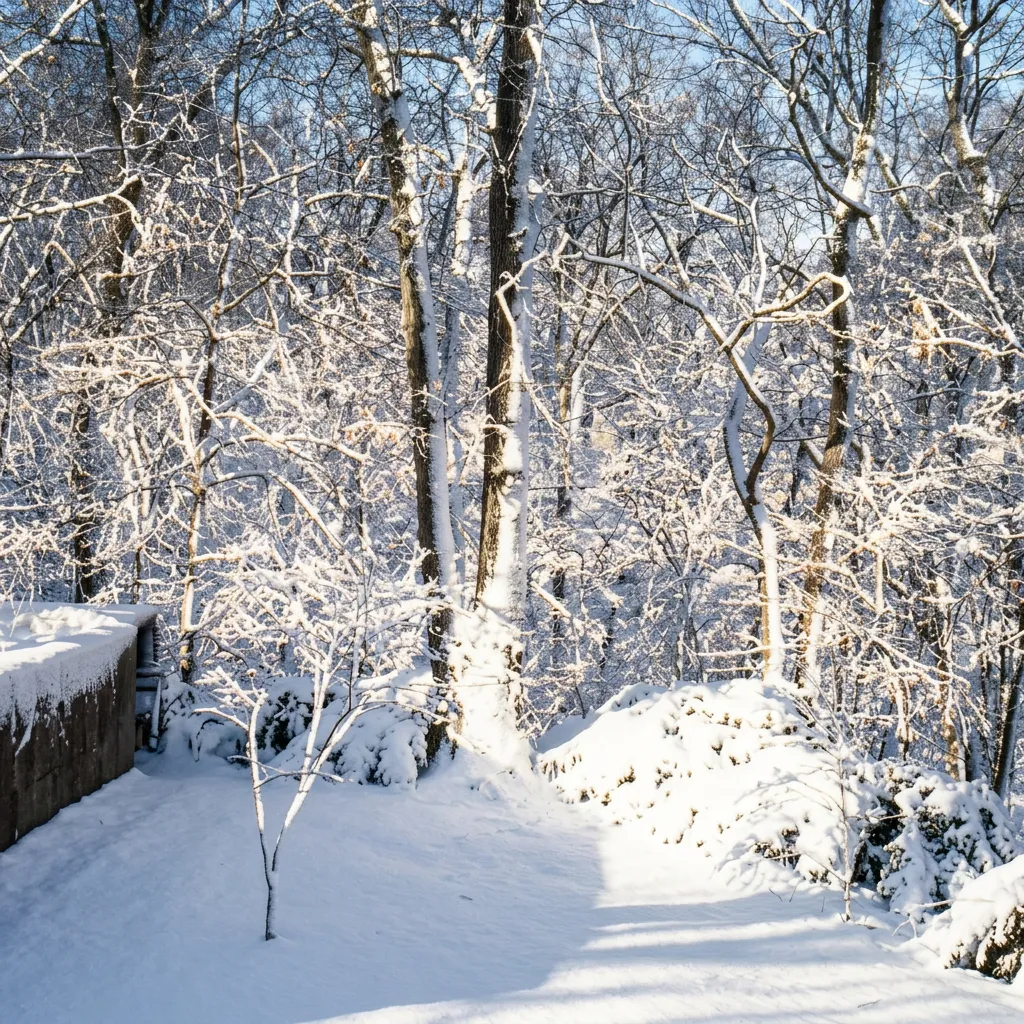
Then it was home to snowy Greenville!
1997 - EASTERN EUROPE
Planning a trip to Eastern Europe was rather daunting and challenging. Our friends, Miriam and Gene Kamp, would be going with us, and the 4 of us spent many hours poring over maps and making reservations by email.
BUDAPEST
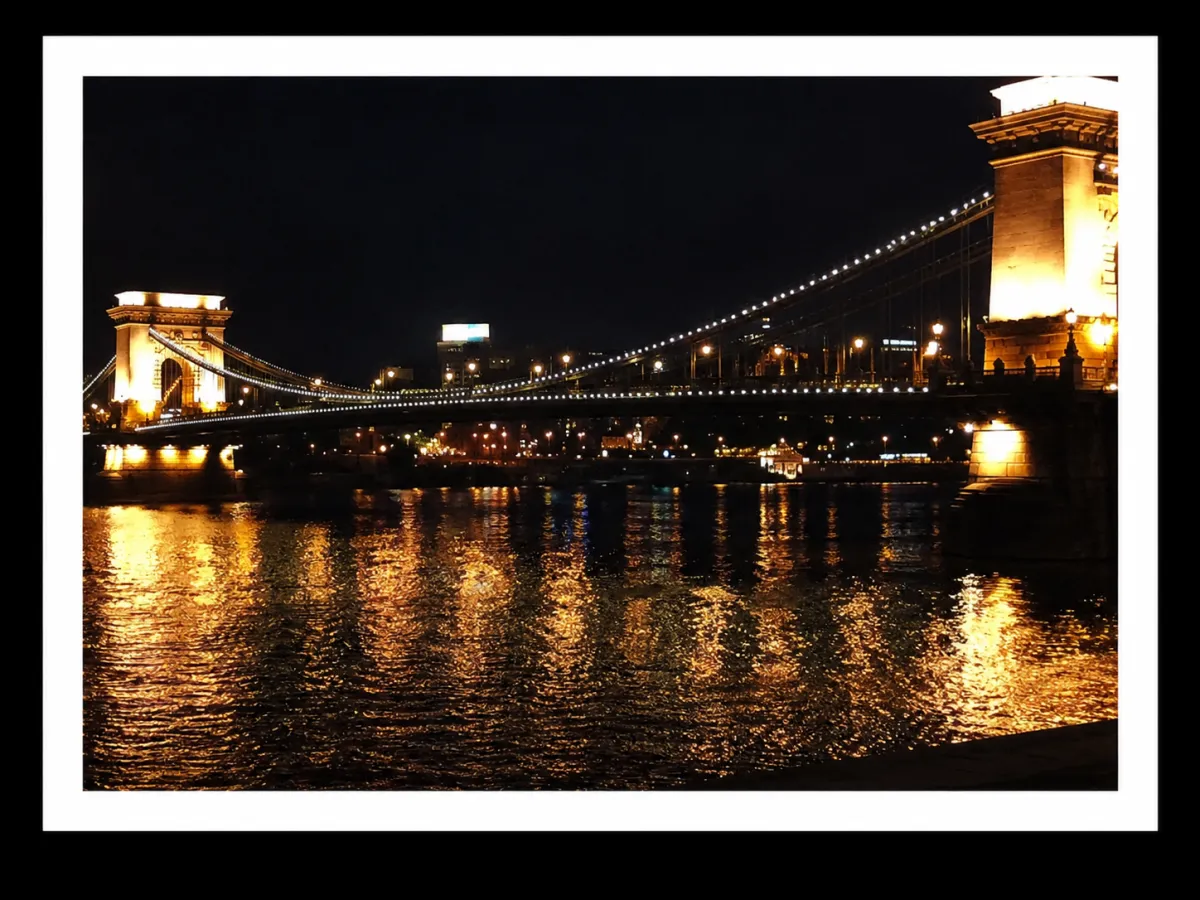
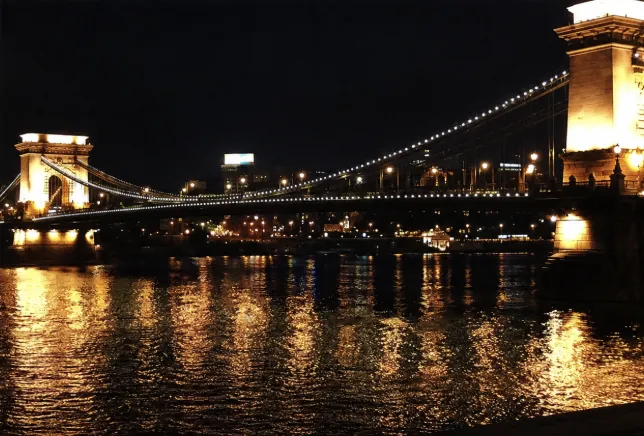
Our hotel was on the Buda side of the river. We could look down and see the famous Chain Bridge, linking the two parts of the city: Buda and Pest. At night, the view was spectacular.
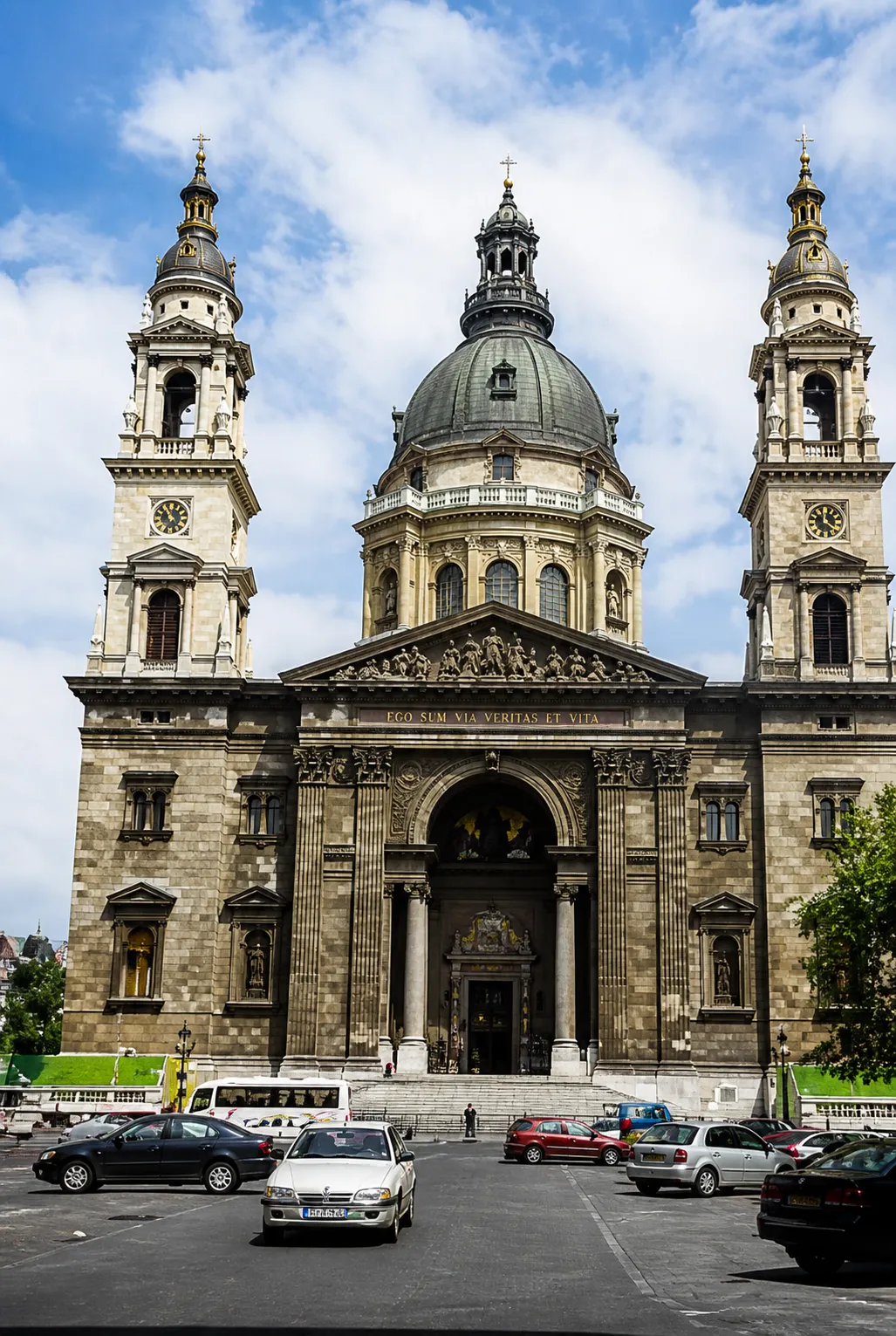
We rode the funicular down to the Chain Bridge and walked across it to Pest. We went inside St. Stephen’s Church, the largest church in the city, with an impressive dome. And it holds 2,5000 people
After two days of sightseeing in this beautiful city, we had to move to a different hotel for our last night. That meant carrying all our luggage on a streetcar. We had friends with us who helped us, and they also warned us about pickpockets. If you are in a crowded situation and feel people pressing against you, try to elbow your way out. So the 6 of us got on a tram, followed by a gang of young boys. It was very crowded, but some of us managed to find a seat. Al was stranded in the aisle with those boys all around him. He knew he was in danger and started pushing and elbowing to get out of there. The boys got off at the next stop, and we surveyed the damage. Every pocket on Al’s luggage had been unzipped, but nothing had been taken. His backpack with the camera and other valuables was wide open, but nothing had been taken. My cosmetic bag was stolen with shampoo, toothbrush, etc. But they were easily replaced. We were very fortunate.
Lesson learned
- Do not take luggage onto a public conveyance. Take a taxi! We also make sure that our valuables (passport, money) are in a strong, inside, zipped pocket of our traveler’s vest.
We managed to get safely to our reserved pension. We sat in their quiet, safe backyard, sipping lemonade and debriefing from our close call. Gene and Miriam, Al, and I left early the next morning by taxi to the train station. I used our last Hungarian money to buy 2 liters of water, or something that looked like water. Only 100 fl. each, so I was sure it couldn’t be vodka!
It was a long day on the train to Krakow, Poland, but it was very pleasant and interesting. We had the compartment to ourselves, which was very nice. We passed through beautiful countryside with some mountains, patchwork fields, and women with babushkas on their heads. Tickets were checked at every stop, passports at every border. Miriam and I played word games - an enjoyable, relaxing day.
KRAKOW
We arrived in Krakow. It was a big train station, and we must have looked confused because 2 helpful people offered to help us, directed us out of the station, and to our hotel. (It was almost within sight.)
There were yellow flags everywhere, welcoming the pope’s visit in just a few days. This was his hometown. Our rooms were small, old, but okay. Dinner in the hotel dining room: stuffed pork with a few tiny slices of garnish and 7Up because we didn’t want to drink their water.
We walked over to the train station, freezing cold, and no one spoke English, and we needed to know the departure time to Prague. Tried to figure out the schedule board - finally decided which word was “from” and which word means “to”. We would need help getting tickets.
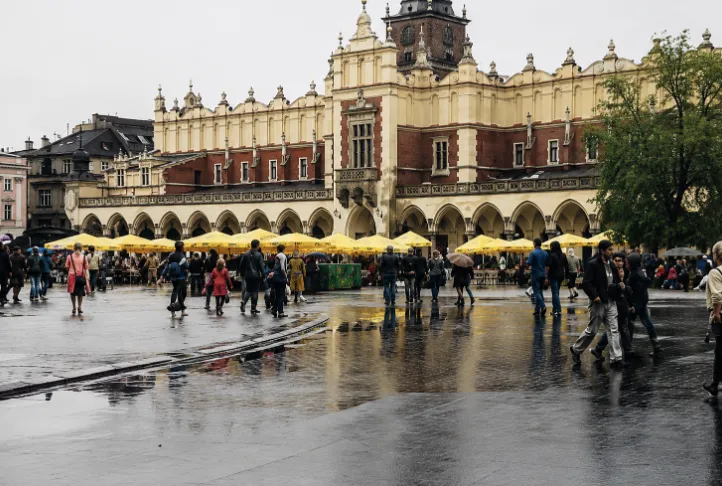
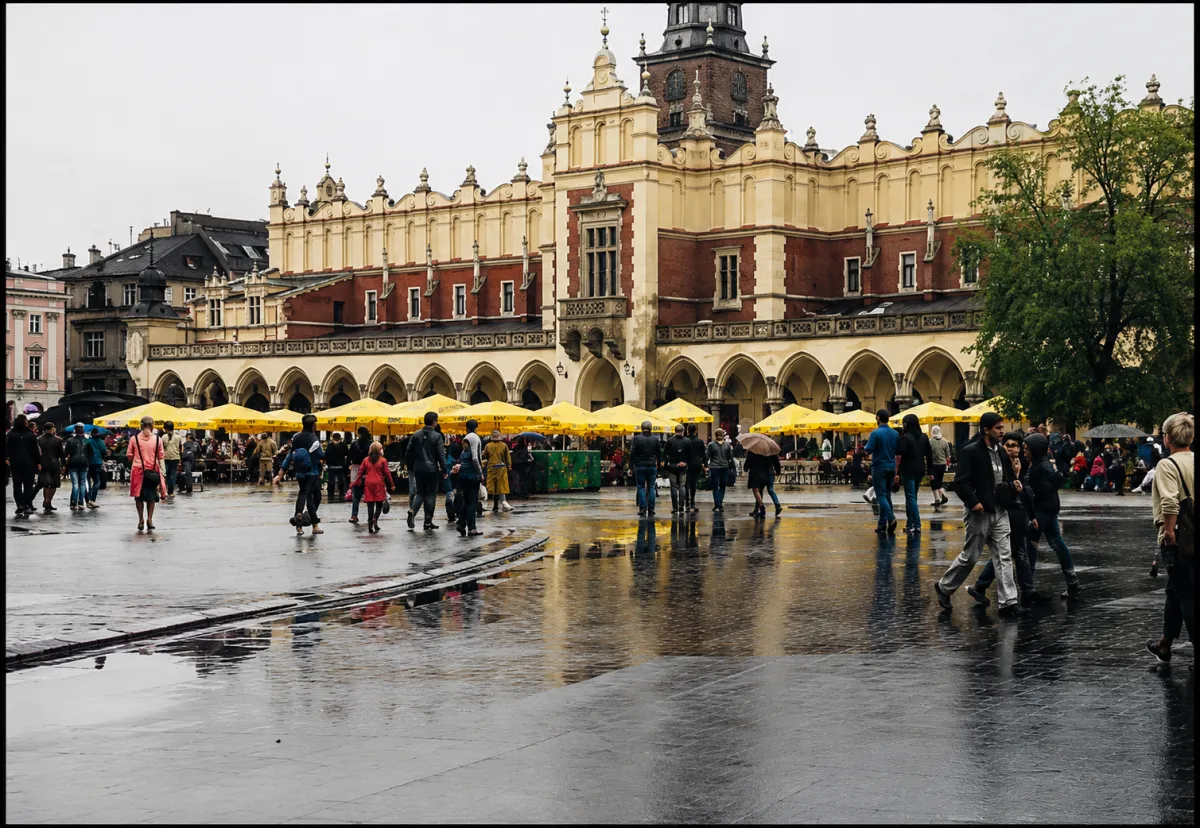
We had tea and coffee in our room (we had a small dual-voltage electric pot). We wanted to wash out some clothes, but there was no plug in the sink. We improvised with an ice cream wrapper. Cloth Hall is a large indoor market and a shopper’s paradise. Everything was very reasonable and very tempting. Lots of nesting dolls, lace, colorful pottery, we did a lot of shopping, Al worried that we might run out of Polish money. And just outside the Cloth Hall was a cute little girl, about 5 years old, vigorously playing a toy accordion. With her dark eyes and dimpled smile, who could resist? We bought several items of lace from her mother.
There is a tradition in City Square that has been carried on for years. Back in 1241, the Mongol troops approached Krakow. A sentry in the tower of St. Mary’s church sounded the alarm with a trumpet call, and the city gates were closed before the Tartars could ambush the city. However, the trumpeter was shot in the throat by an arrow and did not complete the anthem. Now every day at noon, a lone trumpeter stands in the window of the tower of St. Mary’s church and plays a short 5 notes on his trumpet that end abruptly. We were able to hear him but couldn’t see him.
My favorite memory of Krakow is the dinner we had in a quiet, warm upstairs restaurant. Lace tablecloth and napkins. Gene and Miriam had onion soup served in a tall loaf of bread. Al and I shared goulash served in a little tureen hanging over a small candle.
AUSCHWITZ
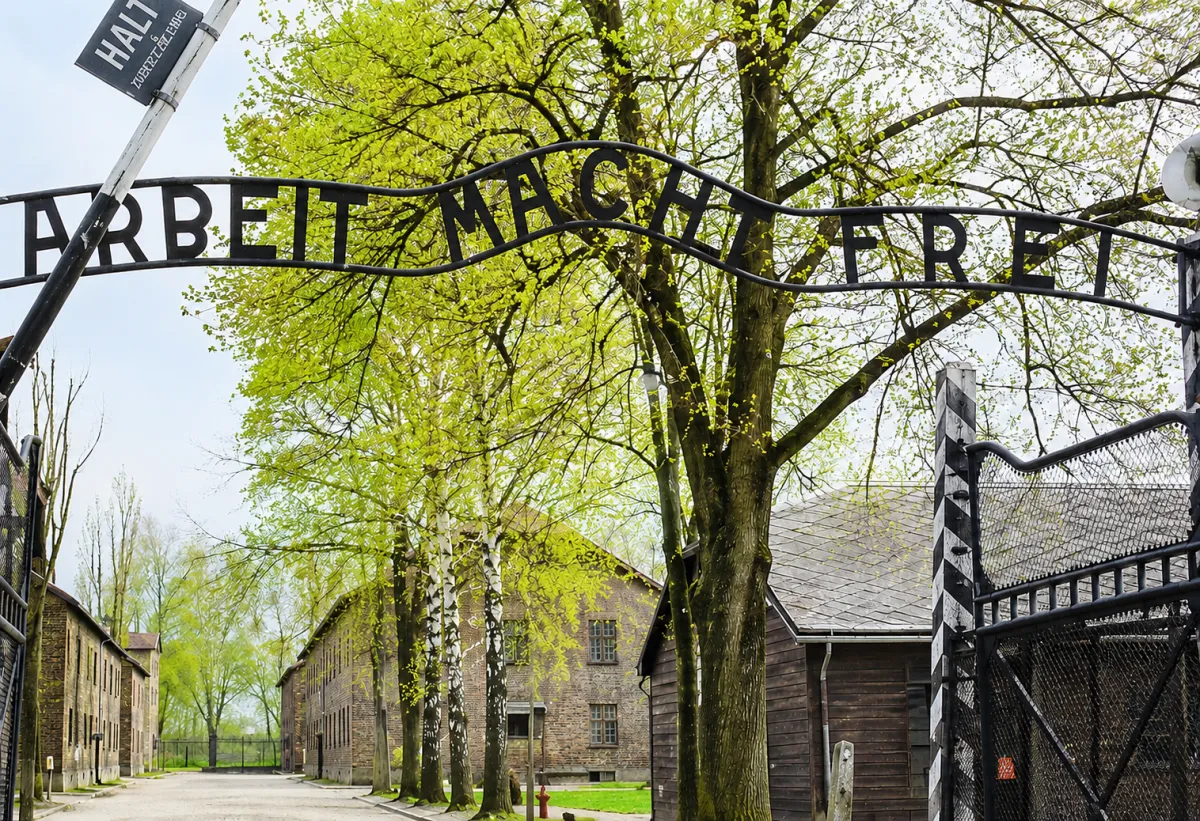
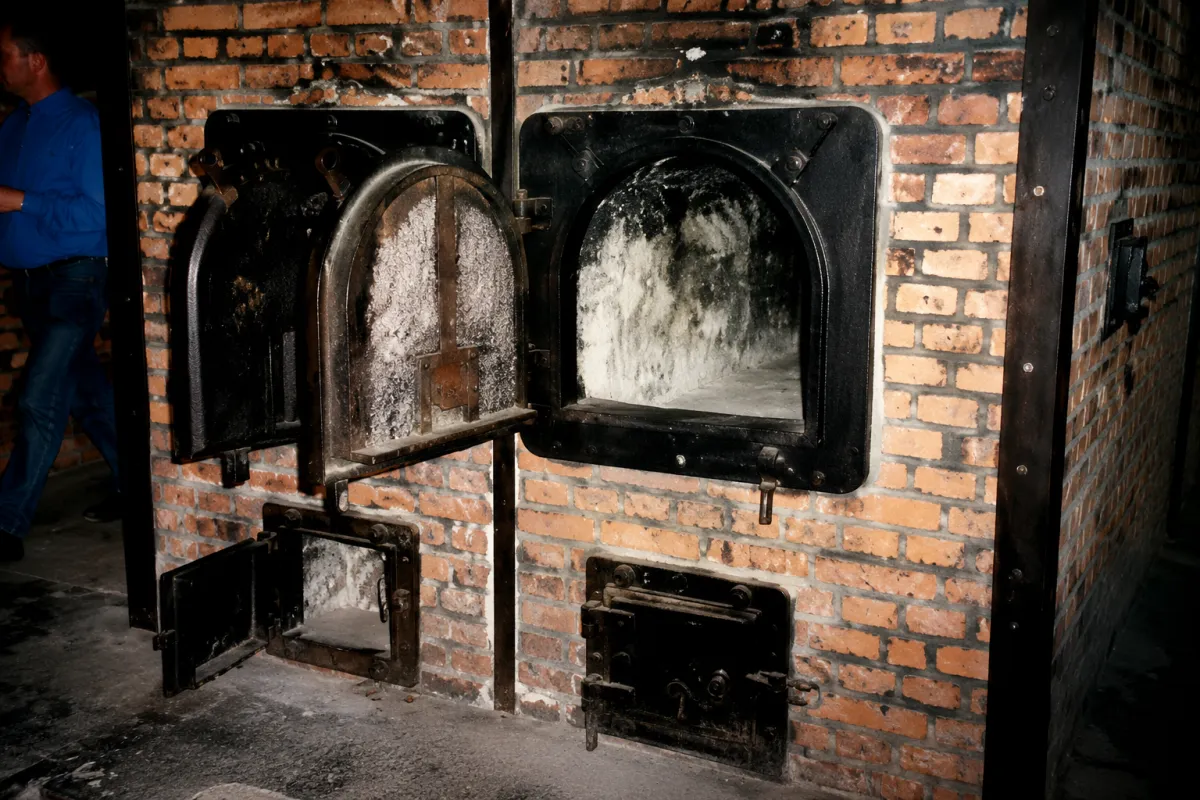
The hotel lady made arrangements for a taxi driver to take us to the infamous death camp at Auschwitz. It was very reasonable, $40 for the 4 of us - all day. Rainy, cold day, one-hour drive to Auschwitz. No admission, sort of a self-guided tour. We walked under the sign Arbeit macht frei ("work sets you free”). More than 1 million people were killed here.
We found the place somber, sickening, shocking, and evil. Walls of pictures of people who died here, but even more impressive were the piles of eyeglasses, mountains of shoes, some very small, and suitcases with names and addresses on them. And huge piles of hair and baby clothes.
The gas chambers were small rooms with peepholes so deaths could be watched. We saw the gas ovens and the efficient way of taking out the ashes. Other things too gruesome to describe here. Birkenau was close by - not much to see there, but rows of barracks and guard houses. And the railroad tracks…. Where unsuspecting people were offloaded from the box cars.
KATOWICE
We took the train to Katowice - a short 2-hour ride. Then what a challenge to find the way to our hotel. No one spoke English. We would stop someone on the street and show them the piece of paper “Hotel Polonia.” They would respond by pointing and even drawing a sketch. So, we would go in that direction, ask again, probably 5 or 6 times like that, until we finally got there.
Later that evening, we went for a walk and found we were really close to the train station! Guess we went in a big circle to find our hotel. For breakfast, we couldn’t figure out the menu, so we all ordered #1. Omelet with mushrooms, bread, butter, and jam. Coffee, but I ordered tea. It came in a glass, too hot to pick up. Had to ask for a mug.
PRAGUE, also called PRAHA
The intercity train was very nice. We had reserved seats in a private compartment. We had lunch in the dining car, and soon we were in beautiful Prague. We had reservations at Hotel Europa and could walk there easily. This WAS the most famous, elegant hotel in Prague. When I made the reservations (by email), the pictures looked great. When we arrived, the reception room was beautiful, and we could see into the dining room,
a replica of the one on the Titanic. So far, so good.
Yes, it was a very expensive hotel, but we had reserved an inexpensive room big enough for 4 people. Not the first time we 4 have shared a room (we are very good friends). We were led to our room, way at the back of the hotel, on the 3rd floor. The room was big with 4 beds and an enormous bathroom. A big old tub with a handheld shower. Glass door and a partial curtain for privacy. All very shabby and way overpriced for the room.
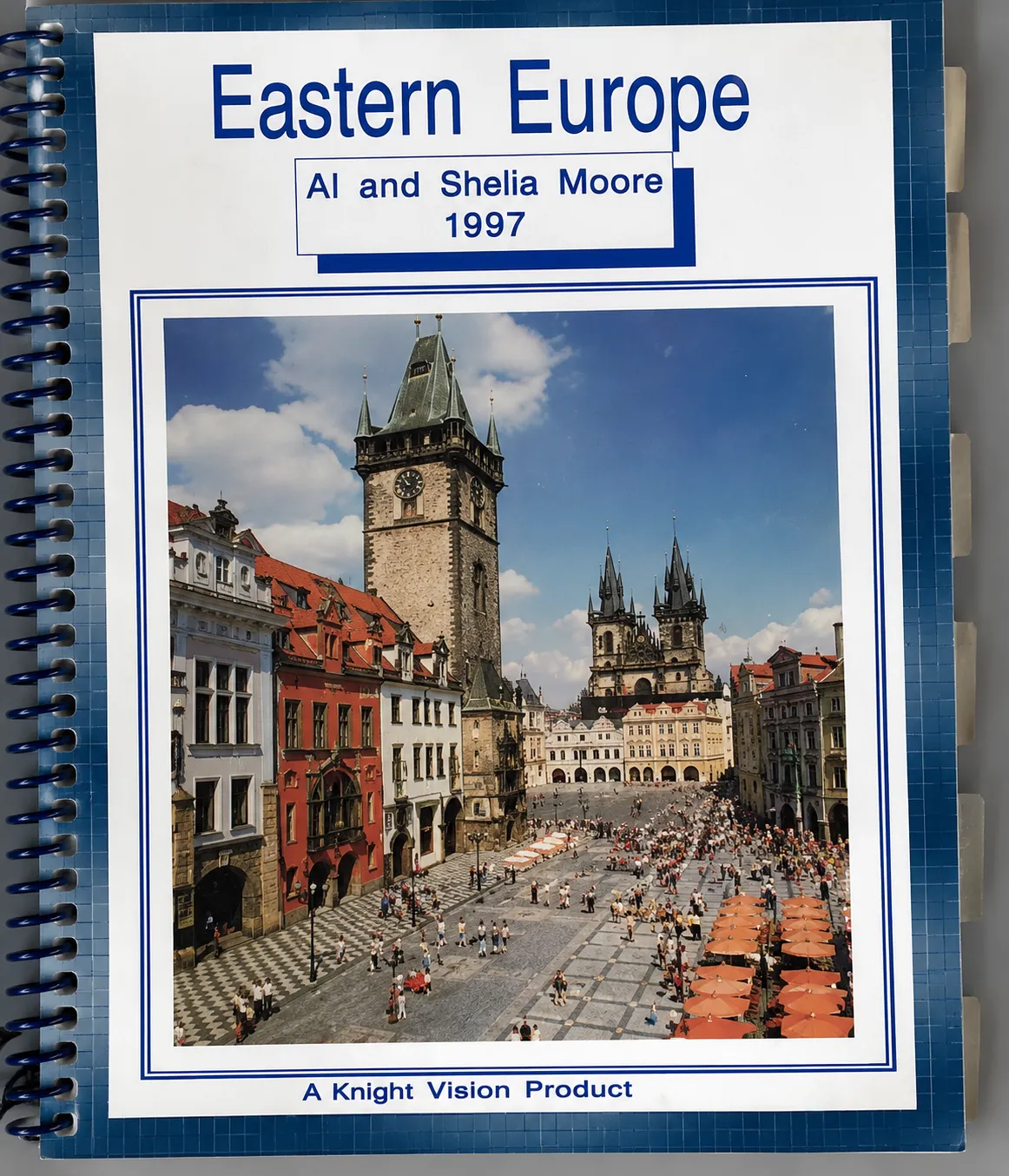
We went for a walk, the hotel is right on Wenceslas Square, actually a boulevard, the central part of the city. At one end of the boulevard stands a large statue of King Wenceslas. It was a beautiful evening, and we walked to Old Town Square and ate dinner at an outdoor cafe. It just happened to be like the picture on the cover of my journal. We had goulash soup with bread to soak it up - delicious. A wonderful ending to the day.
First thing in the morning, we went to a nearby travel office and made arrangements to move to a different hotel. They made a phone call and found another place for us, and soon we were settled in 2 fresh, clean rooms, each with a private bath with a shower. And half the price of Europa!
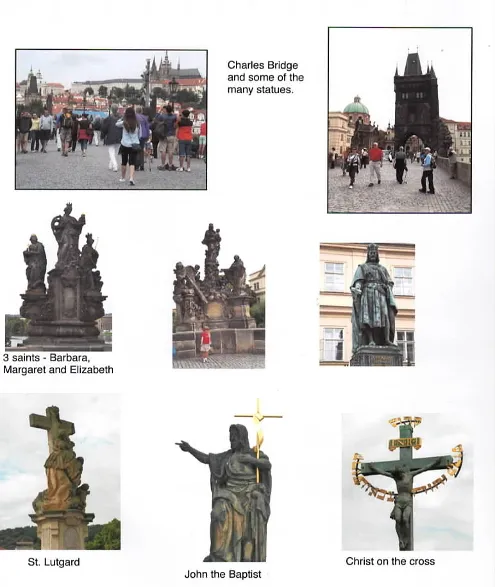
Charles Bridge is a stone-arched medieval bridge that was built in 1357. There are 30 statues on the bridge, all with a history. They include St. Francis of Assisi, St. Wenceslas, Madonna, and St. John the Baptist. We bought a little book explaining the statues and their legends, and referred to it as we strolled across the bridge. Many of the statues are claimed to bring you good luck if you rub a certain spot. So, some statues have some very shiny spots. The bridge is crowded with tourists and entertainers of all sorts, artists, musicians, and hawkers selling souvenirs. I remember a marionette playing a piano.
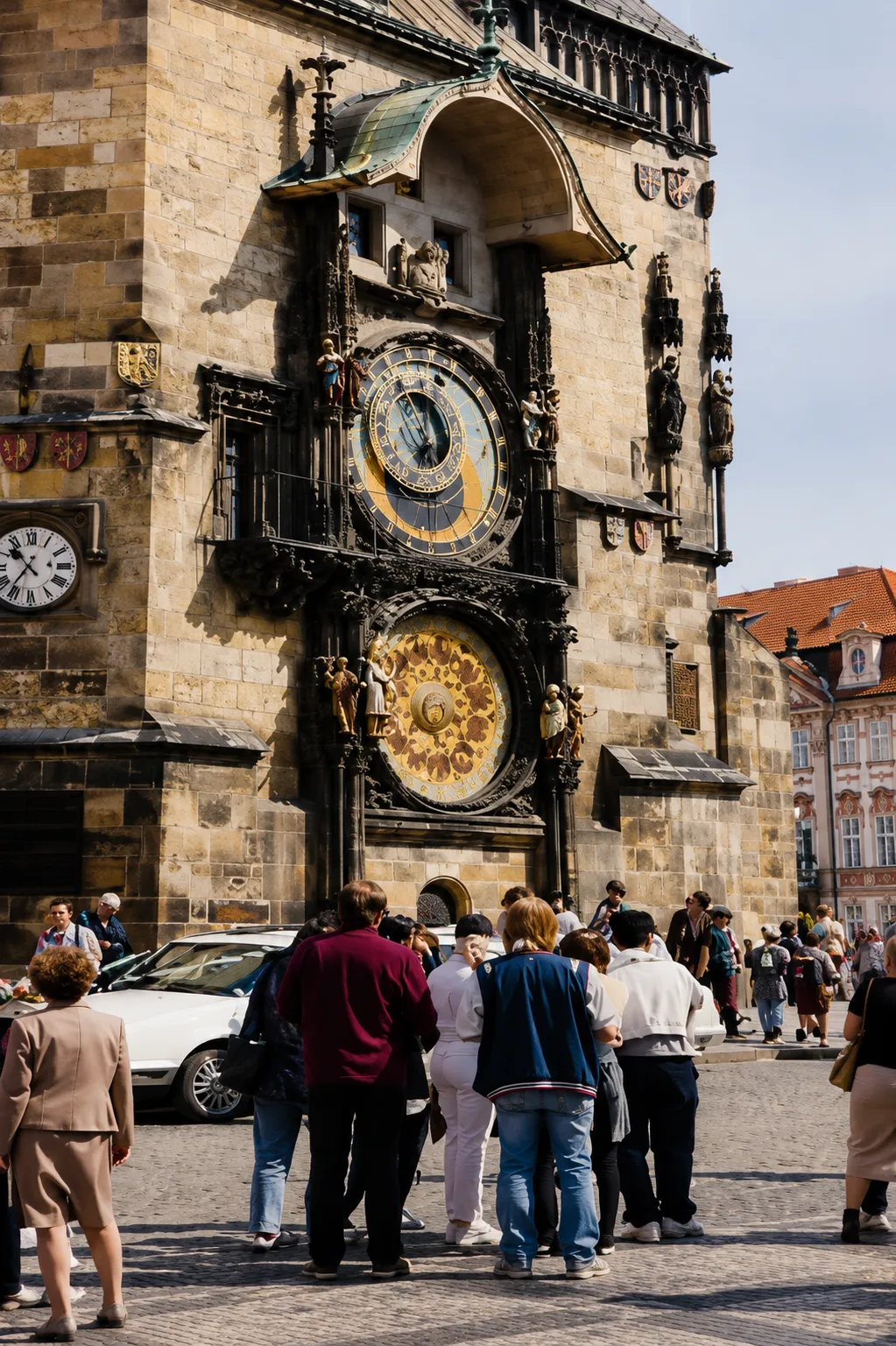
Just a short walk into the Old Town took us to the famous Astronomical Clock. 600 years old. (The following information is from Google) “The clock is mounted on the southern wall of Old Town Hall in the Old Town Square. The clock mechanism has three main components – the astronomical dial, representing the position of the Sun and Moon in the sky and displaying various astronomical details; statues of various Catholic saints standing on either side of the clock; "The Walk of the Apostles", an hourly show of moving Apostle figures and other sculptures, notably a figure of a skeleton that represents Death, striking the time; and a calendar dial with medallions representing the months. Crowds gather to see the action on the hour, and you have just 45 seconds to see it all.
We watched the Changing of the Guard at Prague Castle. The spires of the St. Vitus Cathedral were breathtaking against a blue, blue sky. Inside, the most colorful, beautiful stained-glass windows I have ever seen.
We had a romantic sunset carriage ride on the cobbled streets in Old Town. Then one more time at Charles Bridge to take pictures of the statues against a blue sky. Taking the Metro back to our pension involved the longest escalator we have ever seen, 5 stories!
VIENNA
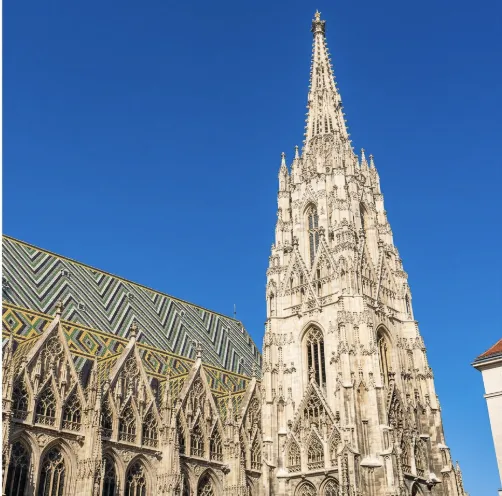
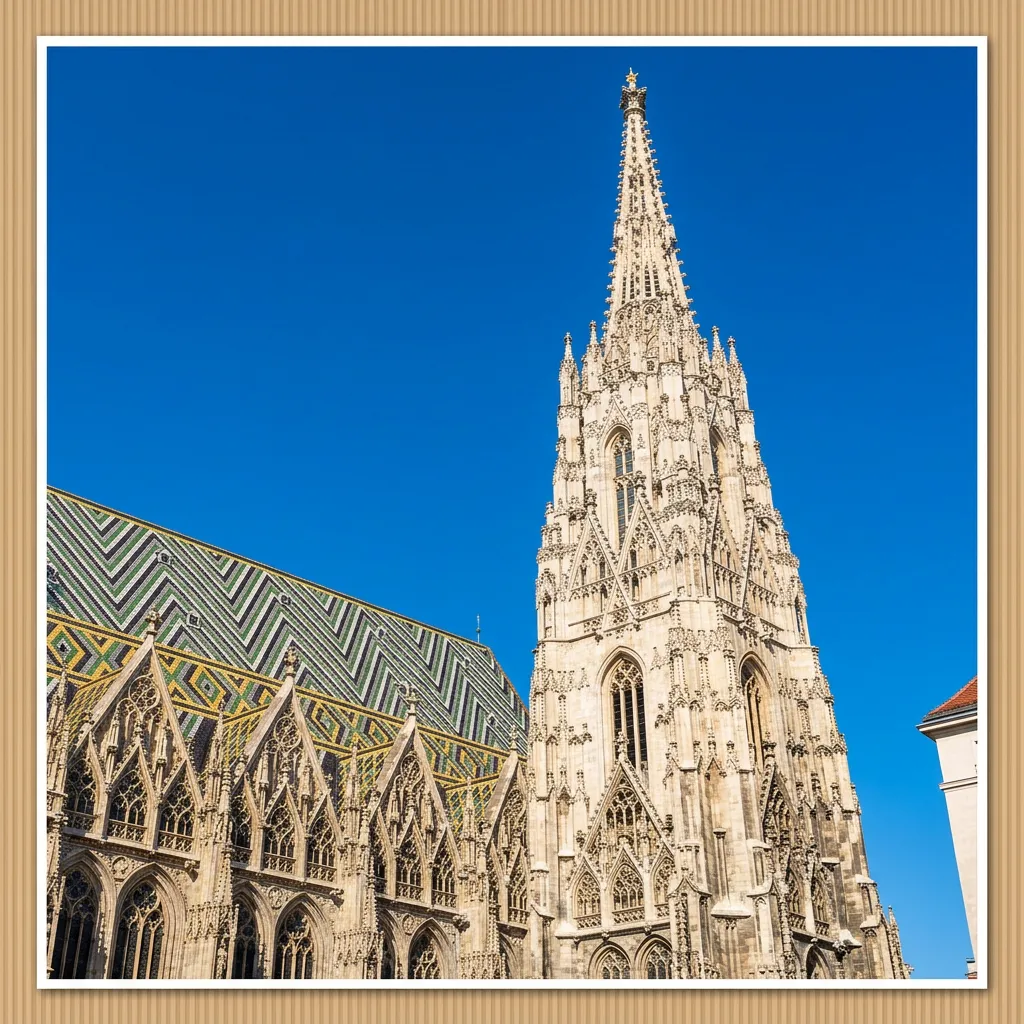
The 5-hour train ride was through beautiful countryside to Vienna. Our reserved rooms were in the heart of the city, near St. Stephen's Platz and the famous St. Stephen's Cathedral. Its soaring towers can be seen from anywhere in the city. Inside the north tower is the Pummerin, one of Europe’s largest free-swinging bells. The cathedral is also known for its colored tile roof.
St. Stephen’s Square was a lively place with statues, musicians, and a strawberry fest. We had strawberry milkshakes made with real berries. Then we took the tram around the Ring. We identified all the famous buildings: Vienna State Opera, Hofburg Palace, Parliament, the Rathaus (City Hall), and the statue of Mozart. In the 1800s, the walls that surrounded the city were demolished and replaced with these beautiful roads.
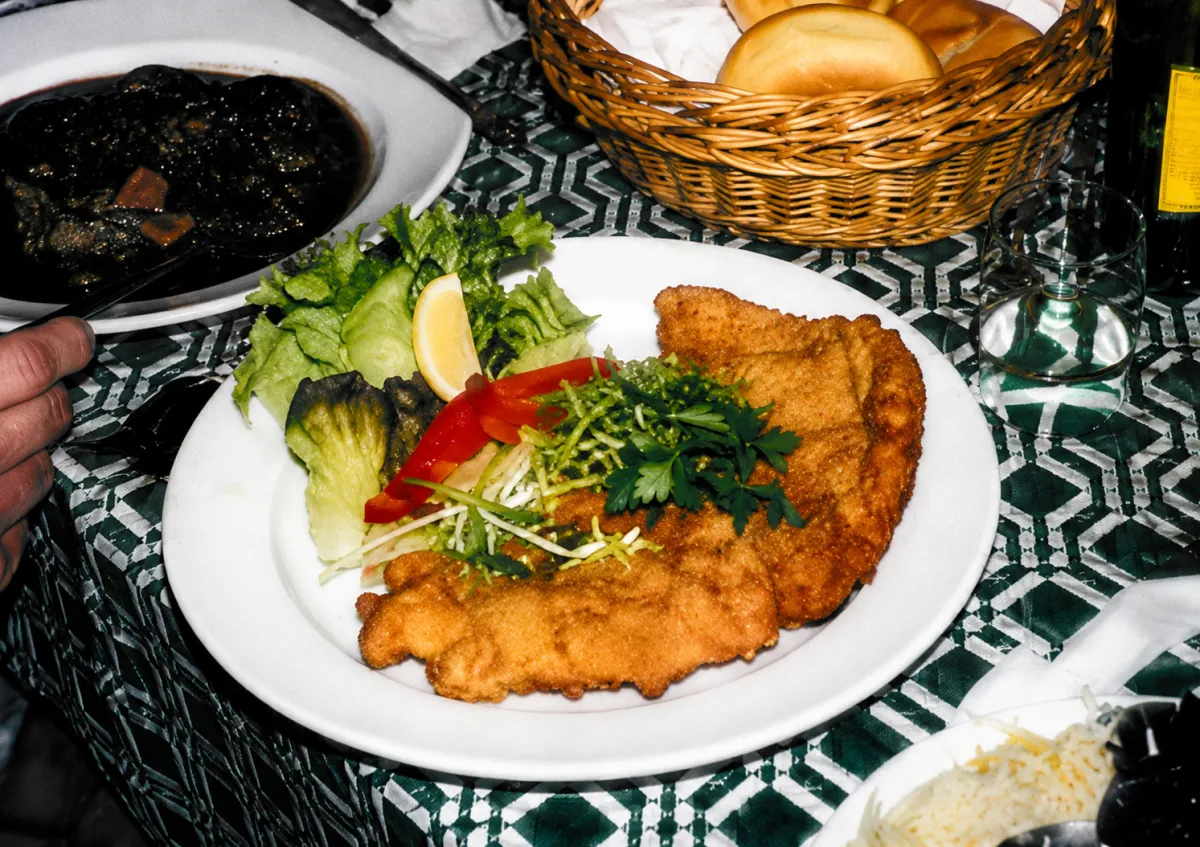
Our landlady told us the best place to go for dinner. A restaurant famous for the best Wiener schnitzel in Vienna! We shared one as it was very large and perfectly fried. Excellent, delicious meal! We got to see the famous Lipizzaner stallions. It was just a training session, no leaps or jumps. But it was fun just to see them.
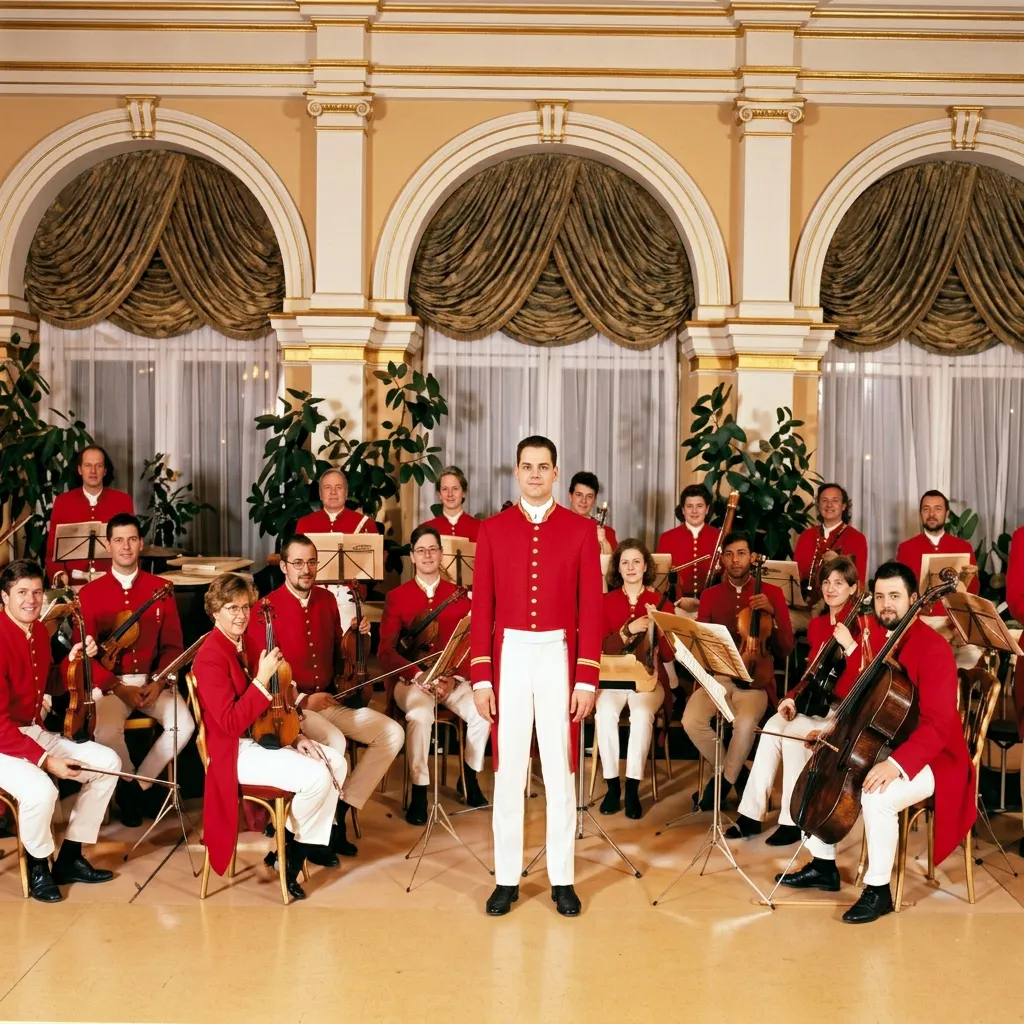
We dressed up as much as we could for our special evening. We went to the Kusalon Concert House, where Strauss himself had conducted. It was a very elegant setting in a rather small theater. A wonderful Viennese program of waltzes, polkas, and dances. We clapped along to the last number, the Grand Finale, the Blue Danube Waltz.
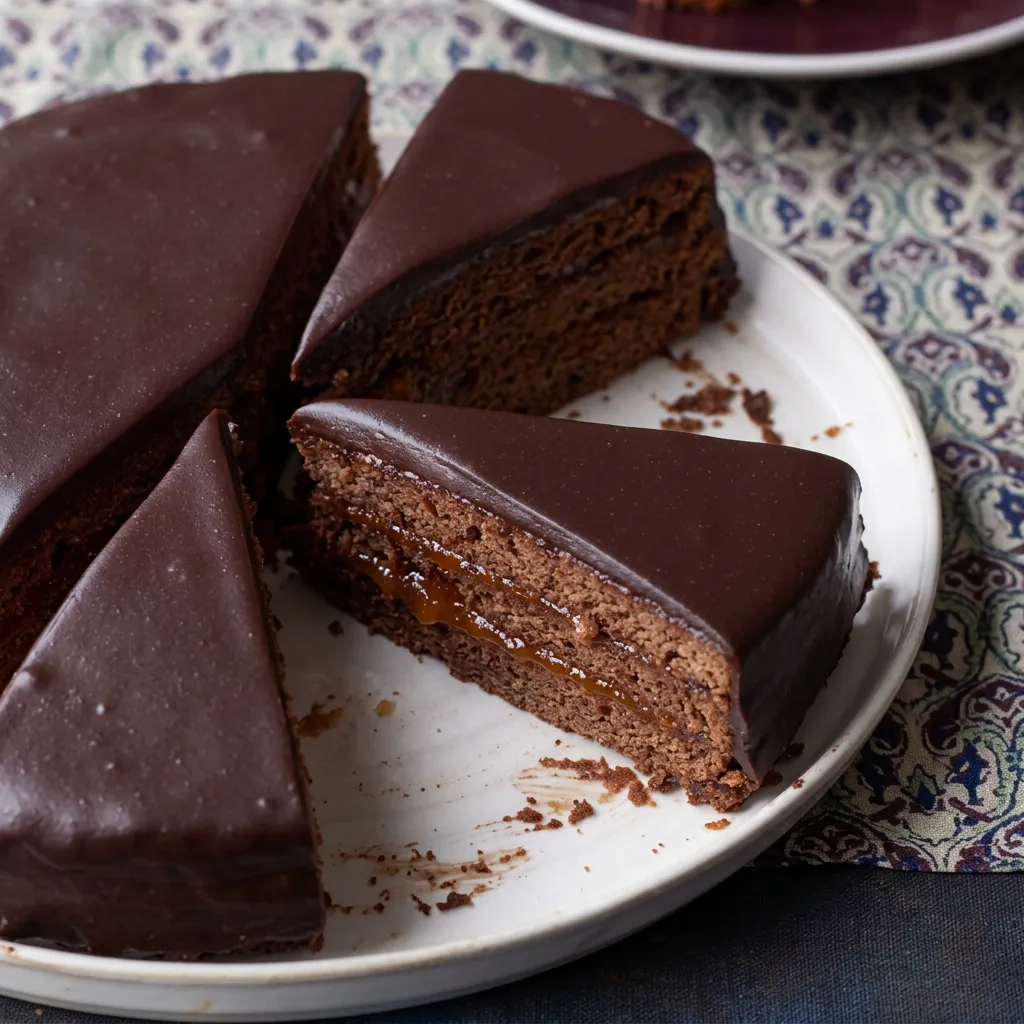

It was a magical evening. And then to top it off, we walked a short distance to the Sacher Hotel and had the famous Sacher Torte with coffee and real whipped cream. It is the most famous cake in the world. It is basically a chocolate sponge cake with apricot jam filling and dark chocolate frosting. We skipped and danced all the way back to our hotel!
ROMANTIC ROAD
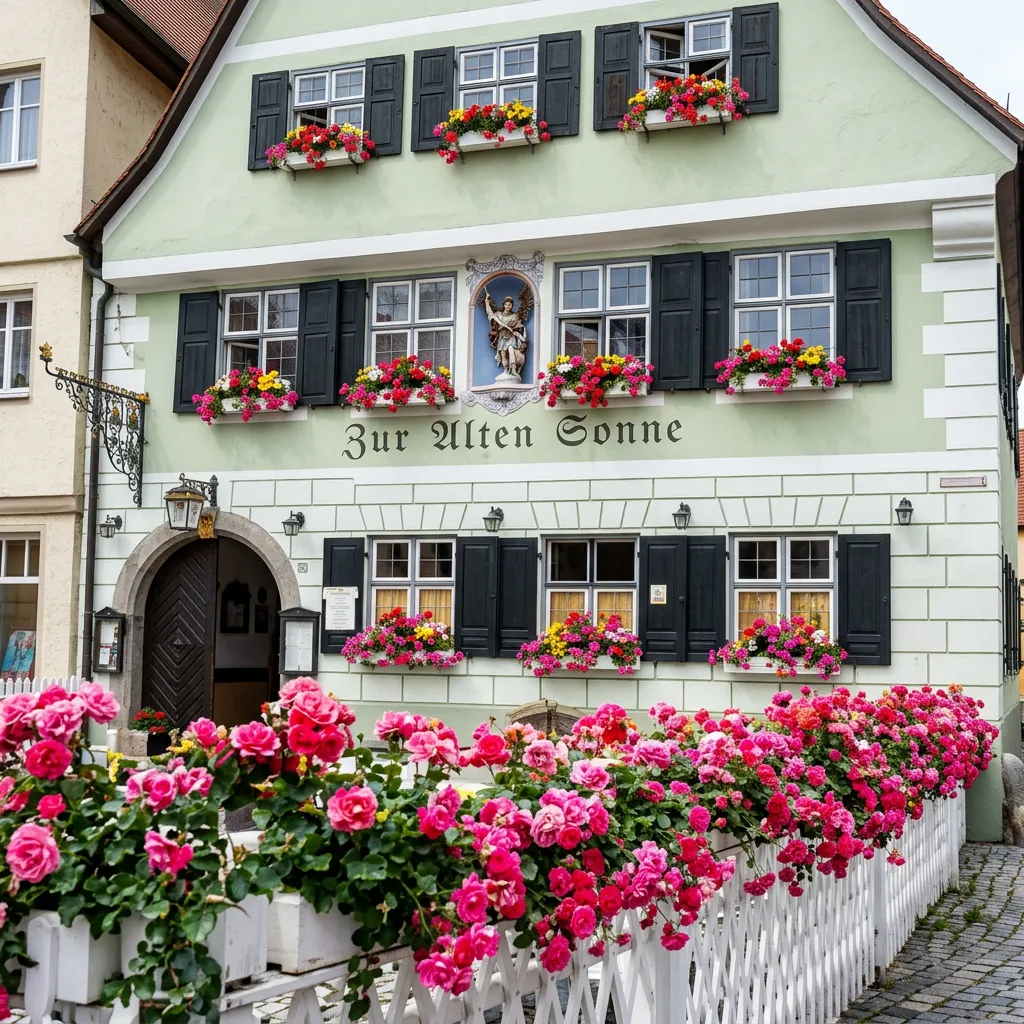
Our trip was far from over! We picked up a rental car and headed west, out of the city, to Germany. The scenery was so peaceful as we drove on the “Romantic Road.” Small villages, churches with red steeples, and farmers working in hayfields. It has many well-known and very picturesque towns. We found a pension in Nordlingen, right in the center of town. Window boxes were overflowing with flowers.
Rothenberg
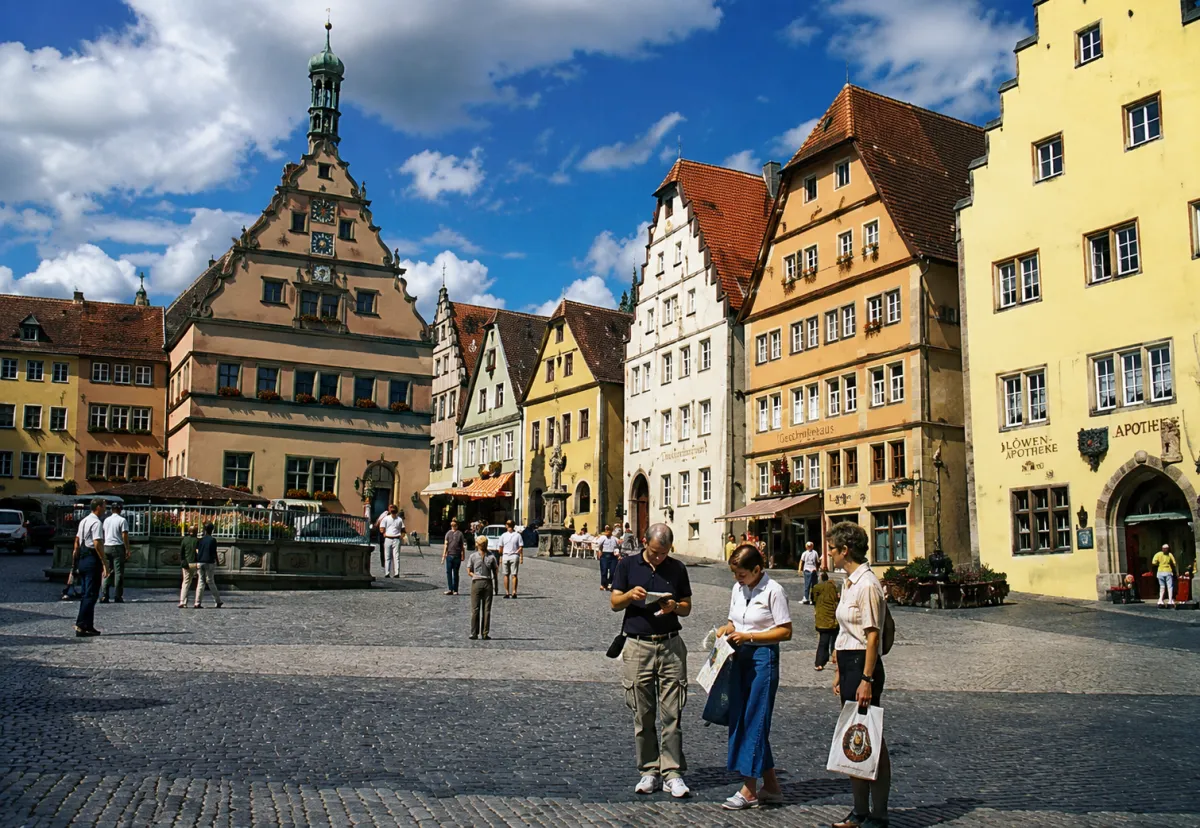
It is the most well-known of the walled cities. They have half-timbered houses, which give the city the classic Bavarian look. The walls go all around the city, and of course, we walked the walls like other tourists. We climbed to the top of the Rathaus - the view was great, all the red tile roofs of the city and beyond, the green hills. Looking straight down, we could see Miriam and Gene waiting for us at the fountain in the town square. I whistled loudly, and they heard me.
VALLEY OF THE COW BELLS
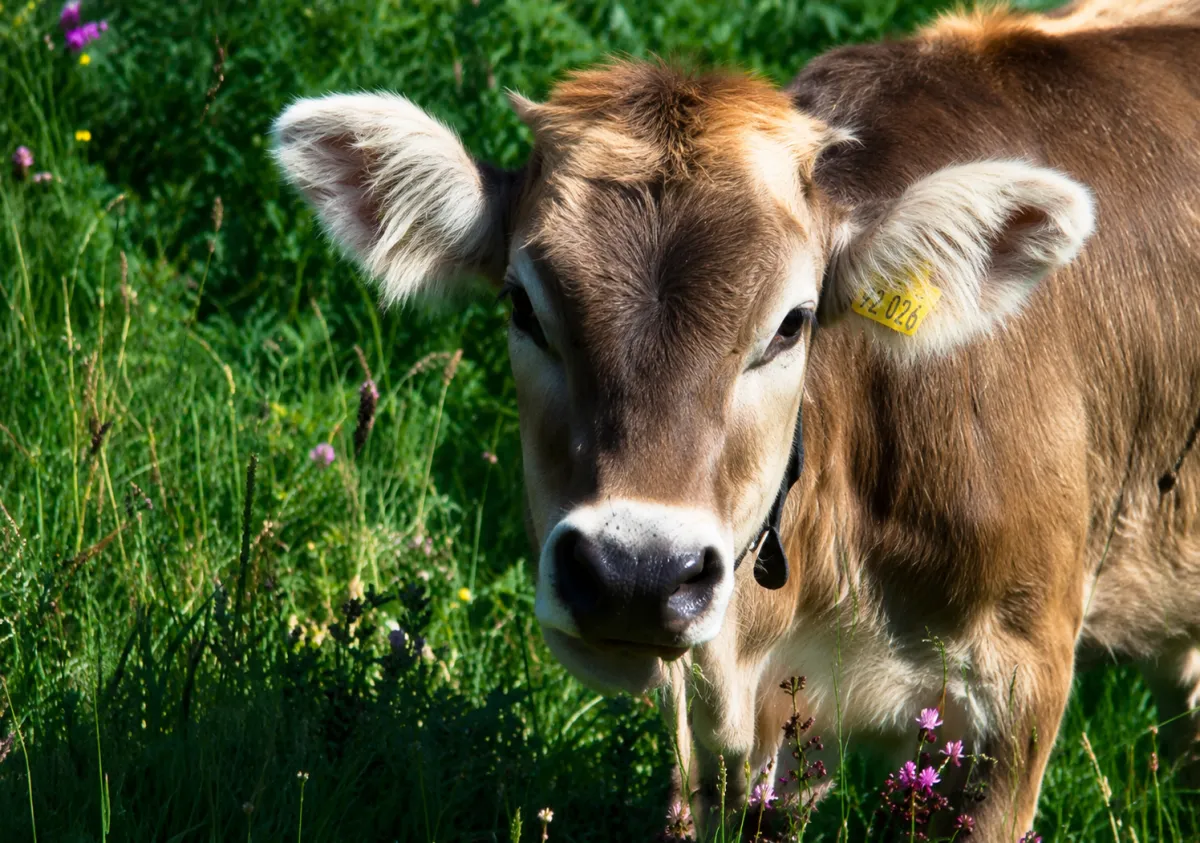
On a previous trip, we had driven this same road, and when we stopped at the top of the pass, we heard cow bells from far, far below. So, we wanted to repeat that experience. Picture-perfect scenes in every direction: church steeples, toy villages, and snow on mountains. But no cow bells. As we descended via many switchbacks, we saw cows by the road, even crossing the road, their bells clanging. A symphony of cow bells! We got out, stood among them, and took real close-up pictures. I kept saying, “It just doesn’t get any better than this.”
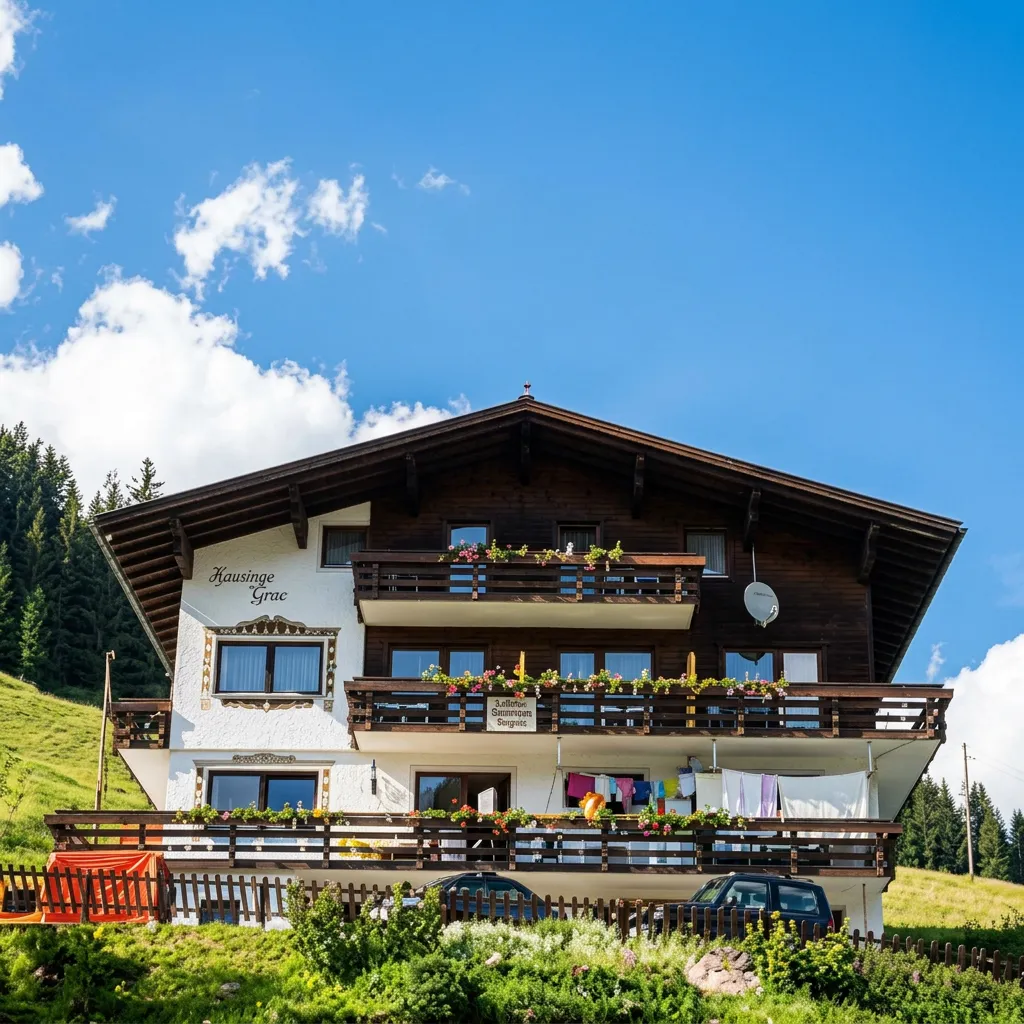
We found a very picturesque chalet with a great view in every direction, morning sunshine on the mountains spreading to the valley, green forests, faraway waterfalls, church bells, cow bells, and a nearby gurgling stream. We went for a walk in a field carpeted with yellow flowers. Probably the most beautiful place we have ever stayed. We stayed there again a few years later.
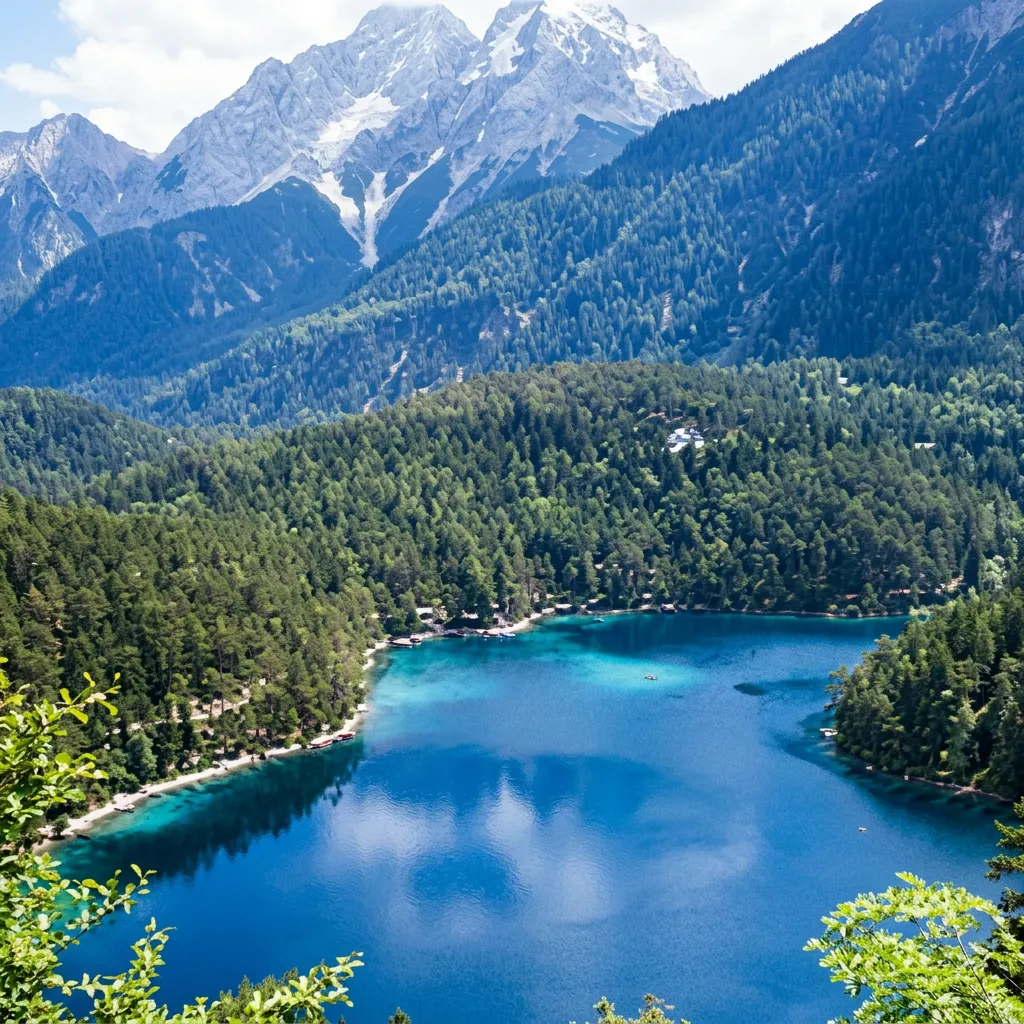
We stopped at Fern Pass to eat our lunch. We sat on a stone wall, taking in the most beautiful scene of a deep blue lake reflecting the mountains. We have an enlargement of that scene in our home today. And it won a 1st place ribbon at the Bond County Fair.
Looking for a place to stay, we drove up 5 switchbacks to “Schon Blick”. A young girl answered the door and took us upstairs to an old lady who seemed unable to come down the stairs. She showed us two front rooms with balconies, and the view looked all the way down to the valley, and the picture postcard village of Zell am Zillar.
The lady, who didn’t speak any English, seemed delighted to have some business and took us to her kitchen. She got out a bottle of schnapps and 4 little shot glasses, a drink to welcome us. She proceeded to pour a drink despite our faltering German. “Nicht drinken alcohol - nein danke.” She didn’t understand and was so insistent, so finally Miriam took a sip and passed the little glass around, and we all took a sip. It really burned all the way down and for a long time after. One sip was enough (too much). From our reactions, she realized we were nondrinkers, so she put the bottle away. We’ve had a good laugh over that “welcome” drink.
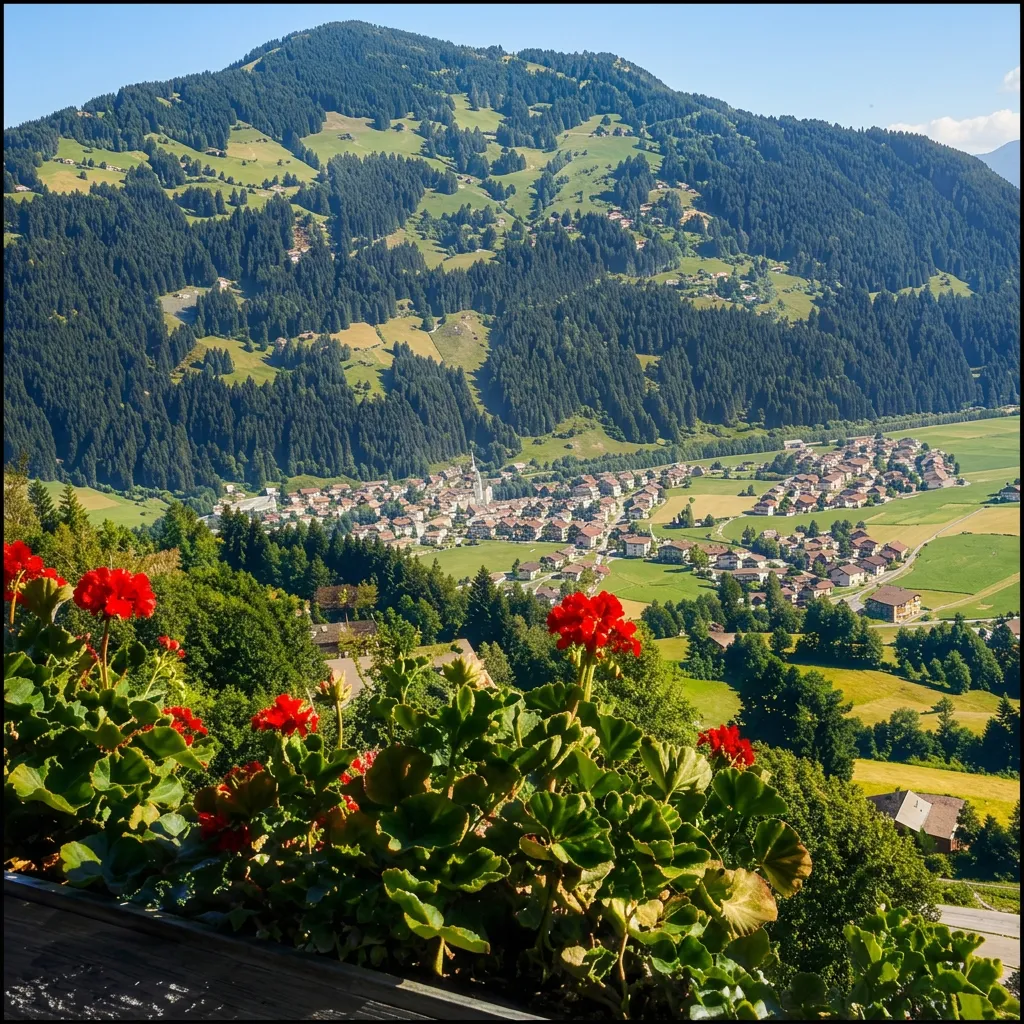
We were fascinated with the view of the valley, and we even took time exposures of Zell am Zillar at night. The next morning, we were awakened by cow bells. Right below our balcony, a herd of cows was making their way up the switchbacks. What a sight and sound!
As we packed up to leave, we found our car had been parked out of gear and had no brakes on. If it had rolled down that steep mountain.
BERCHTESGADEN
We found our way to the EAGLE’S NEST, Hitler’s hideout during WW II. We drove partway up the mountain, then by bus, a long walk through a tunnel, and then an elevator to the top. Impressive views looking down 4,000 ft. It is a big restaurant now with lots of people, but we couldn’t help but think of all the evil plans Hitler made at this place.
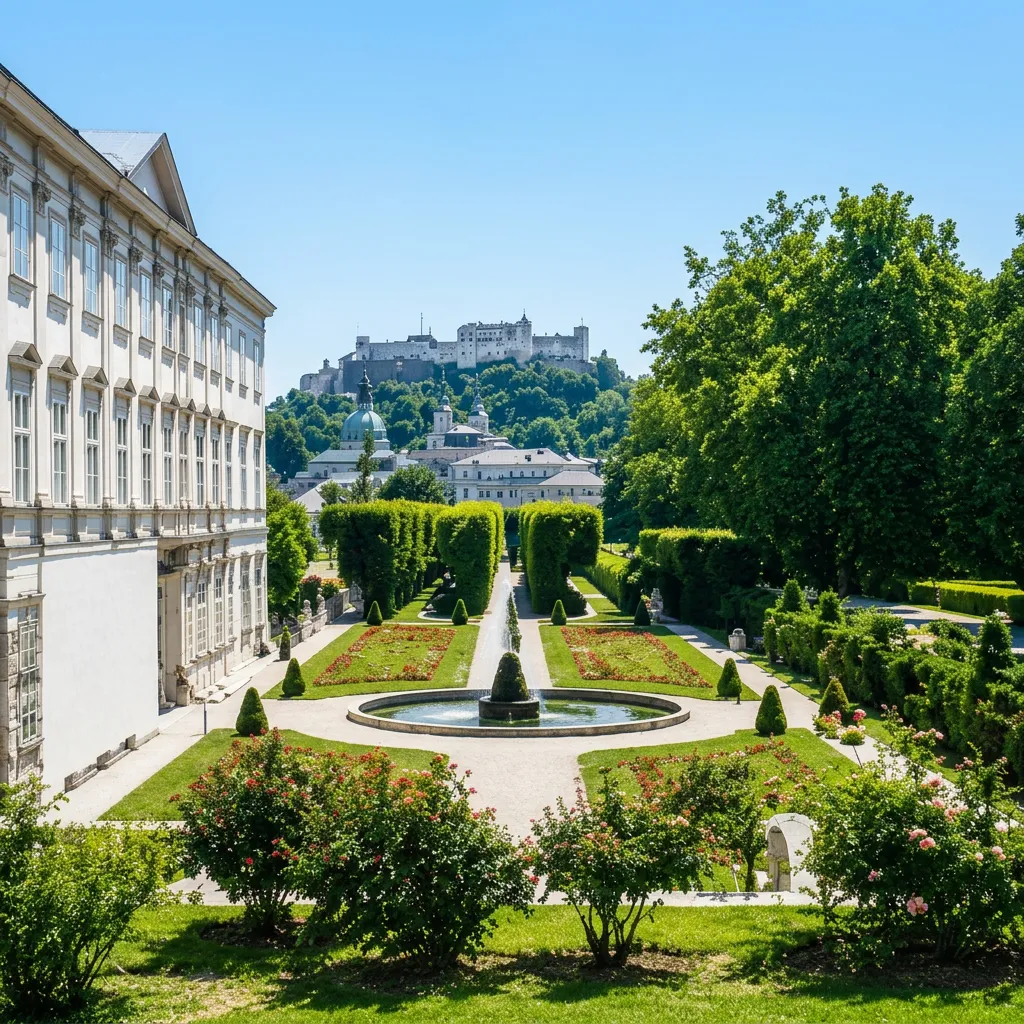
SALZBURG
We found the hotel where I had made reservations. It was right off the Residentz Platz, where the statues are of the horses around a drinking fountain (remember the movie). The alley to get to the hotel was just wide enough for the car! The small room on the 4th floor was charming in this 600 yr. old building. Our dinner that night was unusual and delicious (breast of duck in orange sauce, broccoli, and croquettes)
We had been in Salzburg before, but it is always memorable to see the places from the “Sound of Music” movie. We walked across the river to the Mirabell Gardens, and we jumped the steps one at a time while singing “Doe, a deer, a female deer, ray a drop of golden sun.” I think we do that on every visit! We had a tour of the catacombs, where many were buried who died in the Black Plague. The oldest chapel here dates back to 650 A.D.
HALLSTATT
It is called the most beautiful town in Austria, and rightly so. It is a small town with fewer than 1,000 inhabitants and is very, very old. It dates back to 1250 BC and was known for its salt mines. It is located on a narrow strip of land between the lake and the mountains. The old wooden houses and the tall spire of the church are all reflected in the lake.
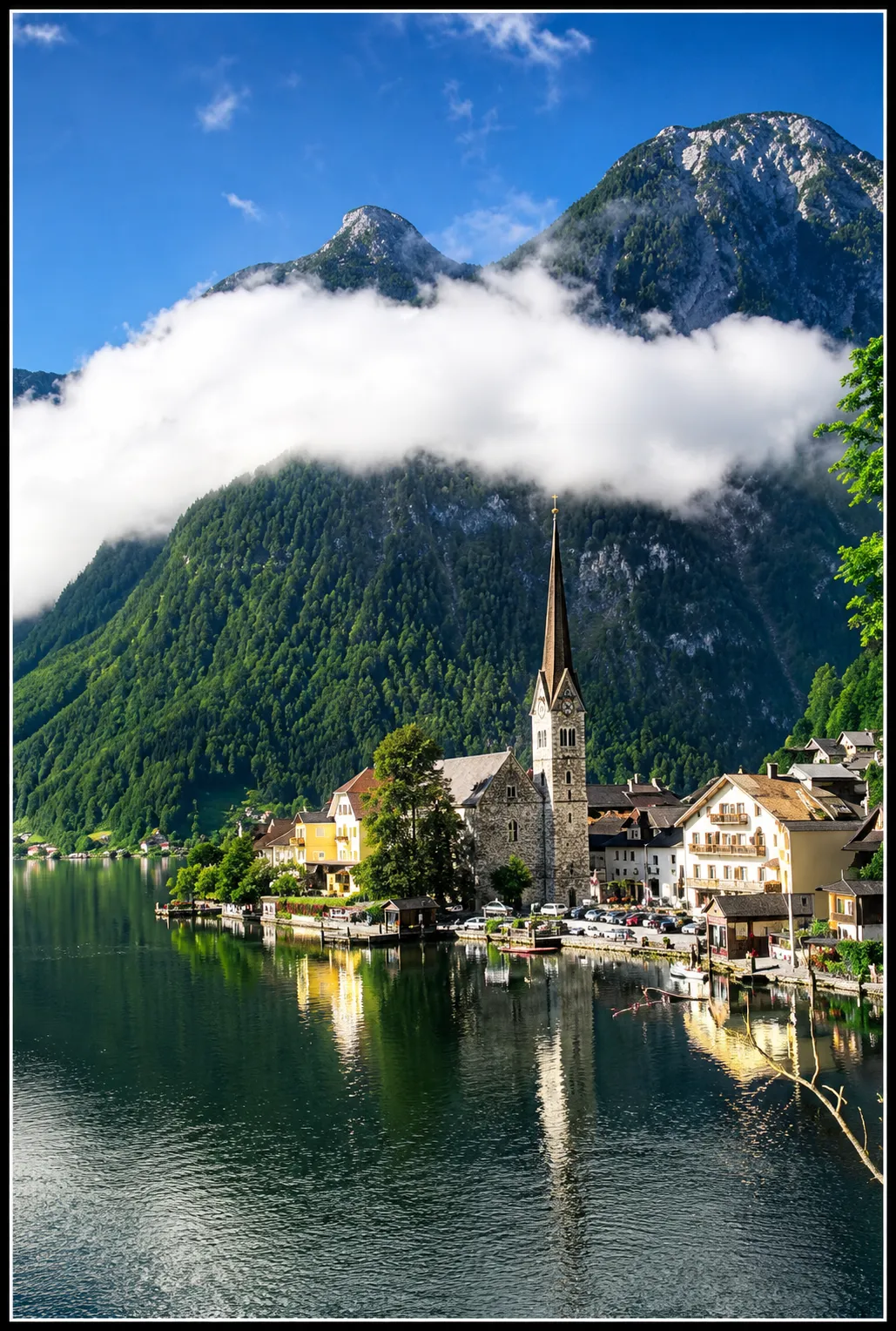
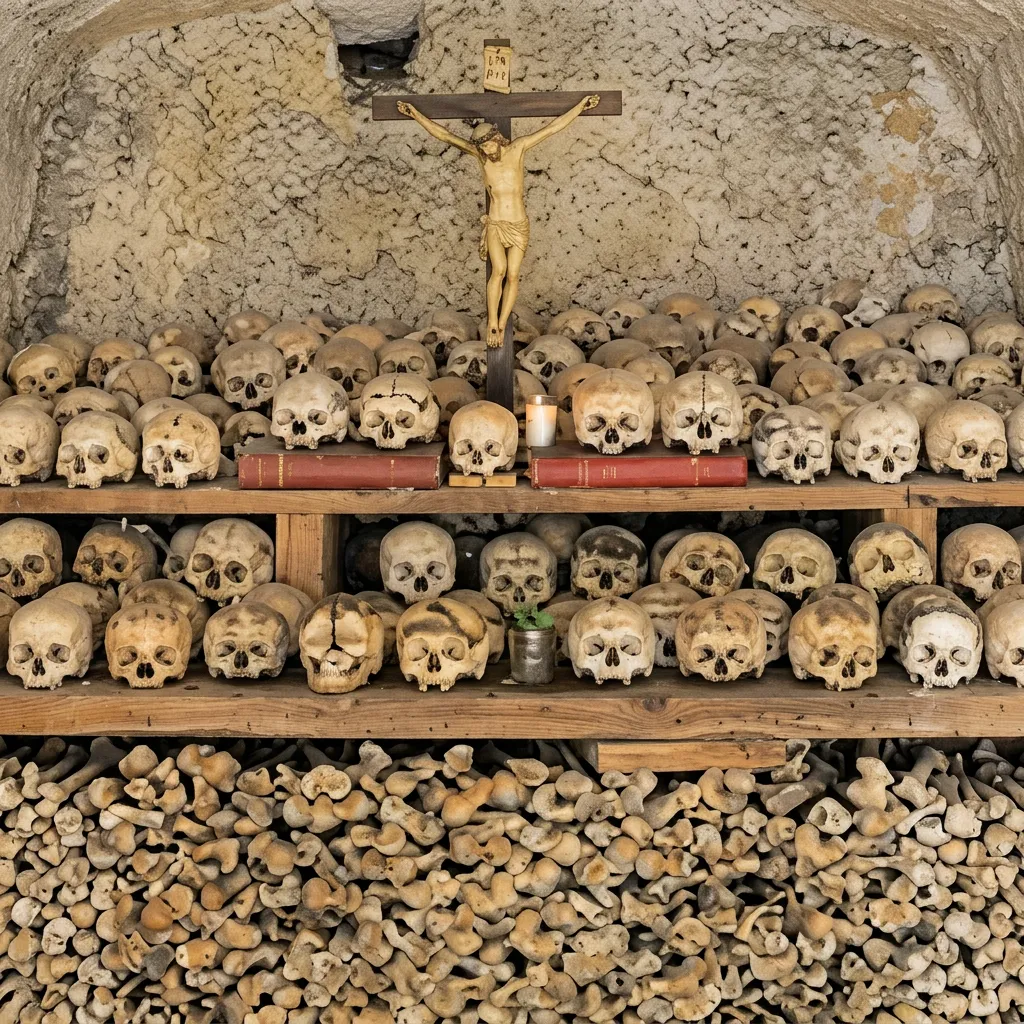
The village has very limited space, so this creates one of the most interesting stories of Hallstatt. The village church is the centerpiece of the town. There is a small graveyard by the church, and because of the limited space, the town’s solution was to dig up the bodies after 10-20 years and give the space to newly dead. The skulls were dried to a smooth ivory, and then names were painted on them, indicating the years they lived. And often, pretty flowers were painted on the skulls. They are displayed neatly in “The Bone House.” Below them, the bones of the skeletons are stacked in neat rows. Now that the Catholic Church has relaxed the ban on cremation, graveyard space is no longer a problem.
We are cat lovers, so we found it quite interesting to see little steps on the side of houses leading to a balcony. This was for the convenience of the family cat to come and go as it wanted. Our room had a balcony overlooking the lake. And one evening while we were sitting on the balcony, a nice black cat joined us and sat on our laps. That was the same evening that we decided to play Rook on the balcony. Miriam got out the cards and laid some on the railing. They slid off, fluttering to the window boxes below and to the patio. We retrieved those on the ground but couldn’t reach the balcony below. Finally, the two girls staying there returned and wondered where the cards had come from. Then they saw us on the balcony above them. We got all the cards back! We finished the game in our room. Miriam and Gene beat us!
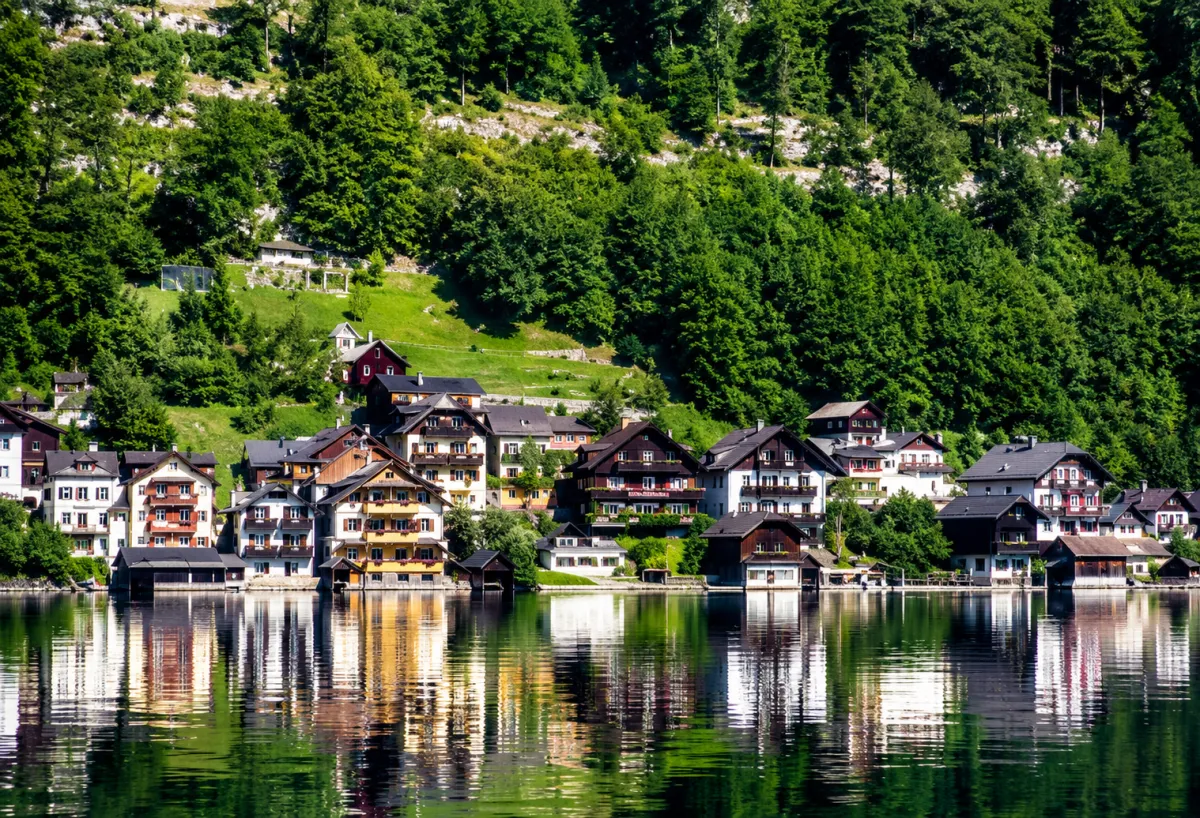
We went for a ride on a ferry boat that goes back and forth across the lake. There is a train station there, so people can come to Hallstatt by train and ferry. The view from the lake was fantastic with the morning sun lighting up all the houses and the church, and they were beautifully reflected in the dark blue waters of the lake.
VIENNA
Goodbye, Hallstatt, and back to Vienna to return our car. Driving in Vienna was hectic, like all big cities. Missed a turn and got lost. I got out of the car, map in hand, and asked a man on the street, “Where are we?” He gave us good directions, we returned the car and took the metro back to our pension.
The next day was my birthday, and we celebrated with a ride on the famous Ferris wheel (height 212 ft.) a cruise on the Danube River, and dinner of Wiener schnitzel.
Flight from Vienna to Paris, and there our adventure started, “Lost in DeGaulle.” We went through all the checkpoints and got to our gate. Then Miriam wanted me to go with her to the tax refund place. We had to go back out through security - take moving walkways and escalators - and kept asking directions. Finally, we came to an exit, and I knew I couldn’t go out without my boarding pass to get back in. (Miriam had hers with her.) So, she went on, and I started back to our gate, trying to find my way, reading signs, and asking directions. Suddenly, I was out the door where people were waiting for arrivals. I knew I was in trouble, and I tried not to panic. Quickly backtracked to the concourse. How do I get back to my gate without my boarding pass? Then I ran into Miriam! What a relief! She said she had never seen me look so worried. She had 2 boarding passes in her pocket (hers and Gene’s). We made it back through passport control (I did have mine) and security and finally safely back to our gate. Our husbands wondered what took us so long! (Miriam never did find the tax refund place.)
1998 - SOUTH AFRICA: NEW ADVENTURES
Johannesburg
This airport was beginning to look familiar. It was our 5th visit to this beautiful country and our good friends. Trygvar and Anne met us. Soon we were in their lovely home and eating a delicious dinner. The next day, they took us on a trip in their Kombi to a family-owned place near Kruger Game Reserve.
On the way, we had several stops:
“Harries” is a favorite pancake place. We sat at an outdoor table and had savory pancakes filled with chicken and mushrooms with a cream sauce. And then we had “sweets” pancakes filled with ice cream, cinnamon, and sugar. Our favorite “Appeltizer” was the soft drink.
Mlombos
He is a pastor of a church in the township. For several years, we have supported their daughter, Maria, through the Child Care Ministries of our church. We visited them 4 years ago, and now we have noted how much Maria has grown. We were invited into their tiny house through the kitchen. Their small living room was full of chairs, and in the middle, a coffee table was covered with a white cloth. Under it was a full meal of chicken and potatoes, beets and coleslaw, and many other dishes. We had gifts of clothing for Maria, candy, and pens for everyone. The last time we visited, we gave him money to build a fence around his church to protect it from thieves. We asked if the fence was helping, and he said the thieves stole the fence!
Next stop, the home of Faith Amos, a friend of Trygvar and Anne from way back. She lives in a lovely big house and runs a contracting business employing 300 men. She’s quite a lady! Her home is filled with stunning original oil paintings of elephants! Then it was time to eat again! Mutton stew and rice, squash and broccoli. Still feeling jet lag, we retired early in a lovely guest room with AC and a private bath.
We were served breakfast to send us on our way. And one more stop to visit Anne and Trygvar’s longtime friends, the Wiggills. They live on a typical, very isolated bush farm. Most impressive was a 2,000-year-old baobab tree. And she served us lunch. We were well fed.
N’TSIRI (means “The Owl”)T
We finally arrived at “N’tsiri” (hard to pronounce - something like “enseri”), a private game reserve bordering Kruger. Three stately kudus escorted us through the gate. Here is where Trygvar and Anne’s daughter and son-in-law have a place they call “the Farm.” It’s a large, thatched rondavel with 3 bedrooms and 2 baths around the perimeter; in the middle, a lounge and kitchen. A screened porch and open veranda make it feel very open. There’s dense vegetation and trees, and it was hot! Animals are free to come to the house; they have had giraffes right outside their bedroom window!
The “safari vehicle” that they leave there is an old pickup truck with no doors. Trygvar was anxious to take us on a game drive. Al and I stood in the open back of the truck. There was a rail to hold onto because the road was rough. We bounced and held on, looking for any sign of an animal. Suddenly, we came around a curve, and there was an enormous bull elephant about 30 ft. away! We had interrupted his eating, and he was angry! He raised his trunk, trumpeted loudly, and charged! Trygvar took off, driving as fast as he could, the elephant right behind us. Al and I held on for dear life, and we finally outran the elephant. It was quite a scare! This photo is not of the elephant that charged us, but is a reasonable facsimile. Just put him in motion... We did not even think of taking a live picture!
We were awakened every morning by birds and baboons. Anne would fix a quick breakfast, and then we were off on a game drive. Trygvar drove us for miles on the rough roads, but nothing like that first day! We did see a family of giraffes, another elephant walking away, and numerous impalas. We enjoyed sitting on the veranda all afternoon for long talks, very relaxing.
One evening, Trygvar built a fire on the patio, and when it burned down to ashes, he put foil-wrapped potatoes on the fire. He turned his back, and a bold vervet stole a potato. But it was so hot he had to drop it! Squash and onion were added to the hot coals, then impala steak and boerewors. Then the mongeese came, friendly little animals. While we ate on the veranda, they chased and fought over food scraps. Fun to watch.
Trygvar took us on a night drive. We each held a spotlight and swept the light along the road. We saw lots of impalas, glad we didn’t meet that elephant again!
Indian Ocean
Time to move on, this time with our friends, Colin and Valerie Cotton. They took us to one of their timeshares on the Indian Ocean near Durban. We had a balcony with a great view of the ocean, and we could hear the surf.
They treated us to several new experiences:
• A very fancy cream tea at the elegant Hotel Edward. We had a short ride in a rickshaw pulled by an African in full tribal dress.
• A 2-hour boat ride on St. Lucia Lake, where we saw hippos and crocodiles.
• A short swim on a warm afternoon in very warm but refreshing water.
One day, we returned from shopping and left some bananas on the counter. We were in the kitchen preparing lunch when a monkey came in the open window, jumped on the counter, and grabbed the bananas. I yelled at him, clapped my hands, and quickly, he was back out the window. He ran down the long outside passageway with Al in hot pursuit. We thought the bananas were gone for sure. But the monkey came to a dead end. The only escape for him was to drop the bananas and climb straight up the brick wall. Al won that chase and returned the bananas to the kitchen!
Gold Miner’s Stories
The Cottons drove us back to their home, and then we visited Dean and Faith Smidderks. They live in Carleton, the heart of the gold mines. Early the next morning, we were awakened by a loud rumble and shake. It was a seismic tremor from the mines below. The abandoned mines no longer have supports, and they tend to collapse, and the ground above sinks. The Smidderks have a measuring stick in their yard that shows how much their yard has sunk.
Dean told us about John, a young Black man who helps Dean in his work with the miners. He lives in a squatter camp with his wife and children. Yesterday, some men accused him of stealing, and they were going to kill him and burn down his shack. They went to a witch doctor who “threw the bones” and said John was guilty. He was very upset and refused the food offered to him. Dean brought him into the house and prayed with him. We were witnesses to all this and tried to help by giving him some of our extra clothing and shoes for himself and his family. He was so grateful; he shook our hands and pointed to his heart. Dean took John to the police, who questioned the accusers. They admitted they were drunk at the time and withdrew the threat. So, the situation was defused.
Meanwhile, the Kaufmanns, who serve several churches (besides his job in a hospital) had brought their car to Johannesburg in bad need of repair. Driving on very rough, rural roads had taken a toll on their old BMW. The chassis broke, and the engine nearly fell out. A welding job made it temporarily drivable. Such are the travails of missionaries. TIA - This Is Africa.
Kruger Park with the Vintons
Jim and Virginia Vinton joined us for a few days in Kruger. They are missionaries with Wycliffe Bible Translators in Mozambique, right next to South Africa. Every morning, we were out early, all eyes looking for animals. This was the first time for the Vintons to see animals in the wild, so it was quite exciting when we saw impala all lined up drinking.
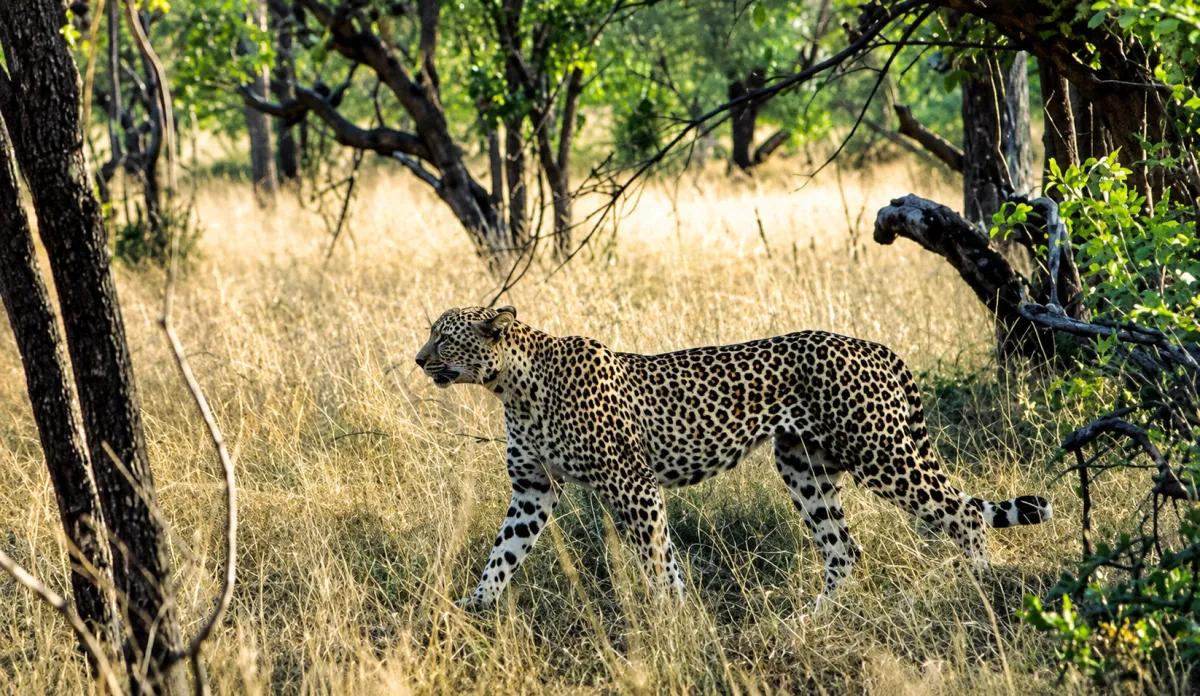
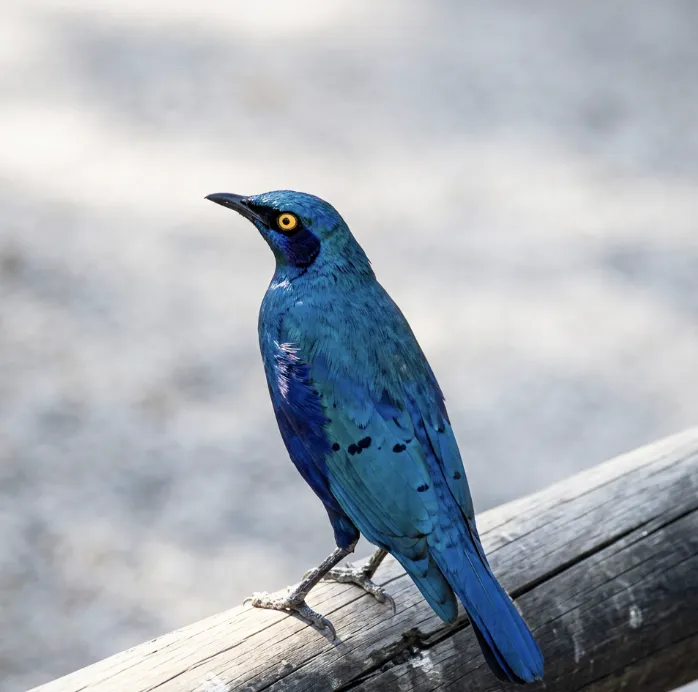
Then we saw a cheetah, the first time we had seen one in Kruger. We saw elephants, a lion, a cape buffalo, leopards, and a rhino, all the Big Five! When we stopped for lunch, glossy starlings joined us and insisted on handouts.
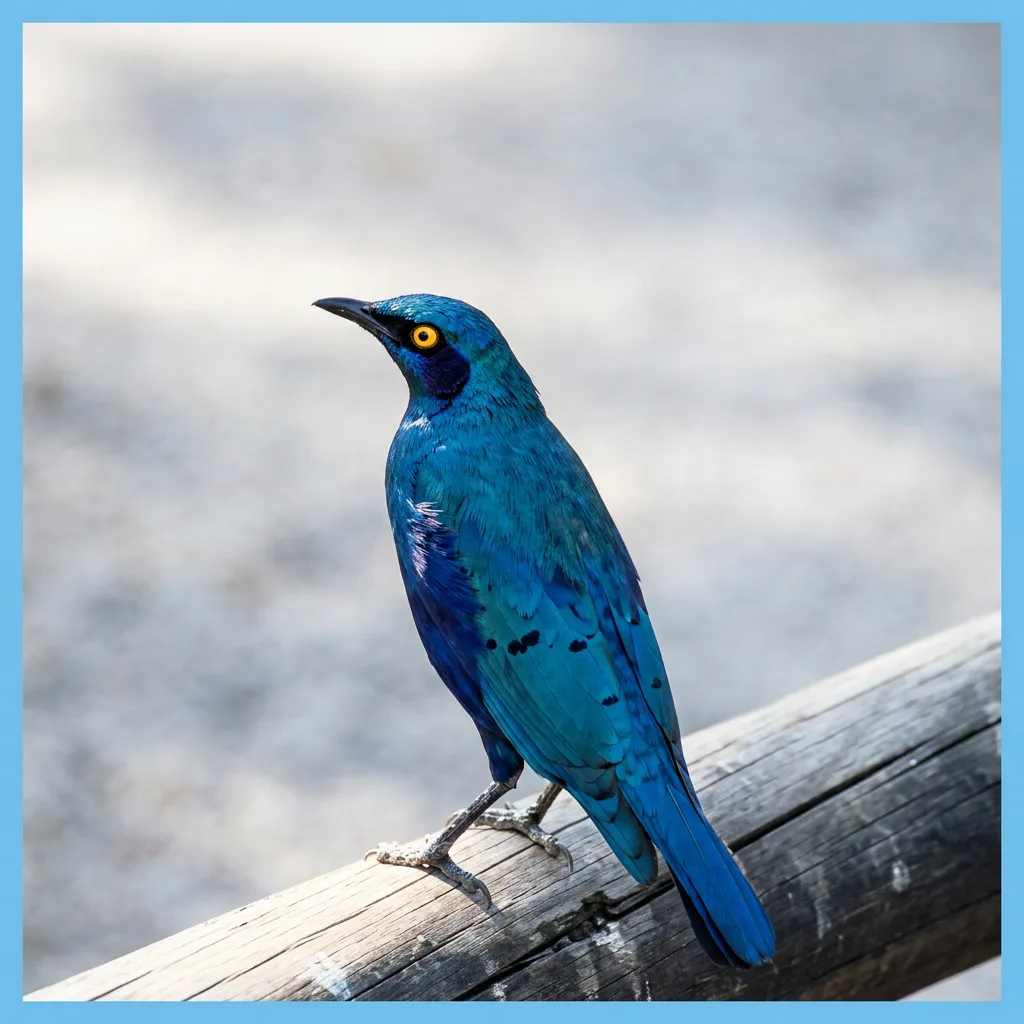
ANNIVERSARY TRIP
We took Anne and Trygvar for a drive to the South Coast to celebrate our anniversary with them. We stopped in Graaff-Reinet for a picture of this beautiful bird.
1998 - SWITZERLAND WITH FRIENDS
1998 - SWITZERLAND WITH FRIENDS
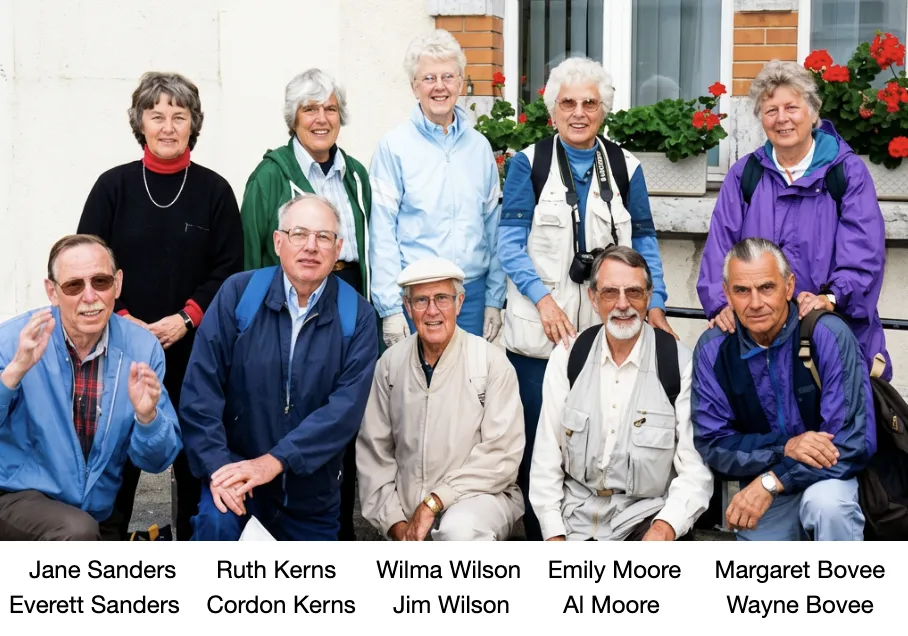
Our group of 8 friends was geared up and ready to go: Everett and Jane Sanders, Jim and Wilma Wilson, Cordon and Ruth Kerns, Wayne and Margaret Bovee, and us. We had reservations on Air Canada from Chicago, direct to Zurich. Then, 6 days before departure, Air Canada went on strike. The next day, a Swiss Air flight went down over Nova Scotia with no survivors. Our travel agent called, and she could get seats for all of us on Swiss Air! Everyone agreed to the new plan, but we were a little apprehensive.
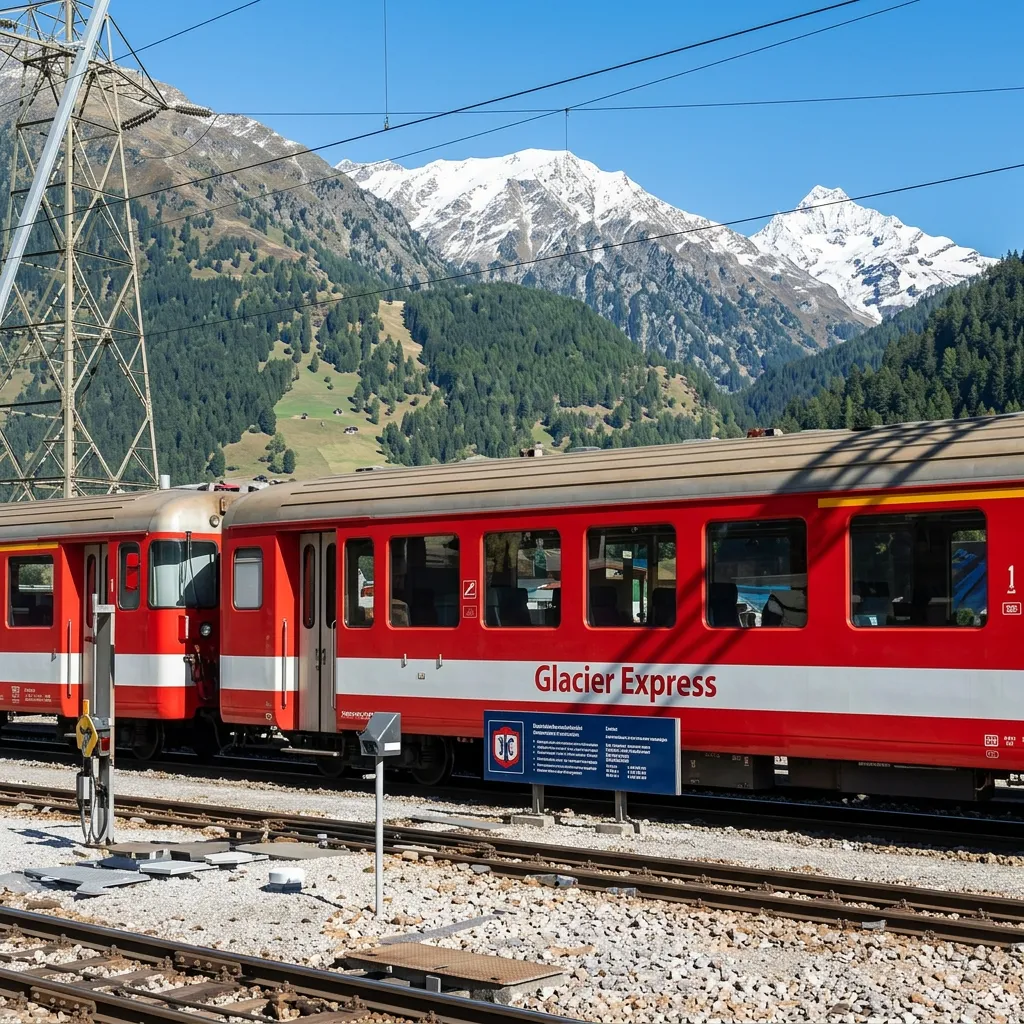
We all met at Chicago O’Hare and boarded Swiss Air #125, an MD-11, just like the one that went down. We had a safe flight and breathed a thank you prayer. We all had a Swiss train pass, which would give us unlimited access to all trains, buses, and lake ships. We soon had them validated, and we were on our way. We started our travel on a smooth Swiss train gliding through the beautiful scenery to Bern. This is a hub for all train travel and makes it very convenient. All of our hotel reservations were very close to the train stations, and everyone quickly learned how to read the train schedules.
Arrival day. It was a beautiful day, and we decided to take advantage of the sunshine. We needed a practice run, so we got on the train to go a short way for a view of the mountains. We wanted to get off at Faulensee, but no one could figure out how to open the train door. The train only stops briefly, so you have to be ready to go.
So we went on to the next stop, Leissigen, and we all got off. It’s a very pretty village with a classic church, and the mountain view! We walked around, and as we were about to board the return train, a girl asked if anyone had lost binoculars. Margaret had left hers in the WC. There was just barely time to retrieve them. A short hop back to Spiez, and we got off the train. This same girl came to our group carrying Everett’s camera! He had left it on the train. So much for our practice run! We all ate dinner together in our hotel dining room; we compared notes and made plans for tomorrow. Beds were very welcome!
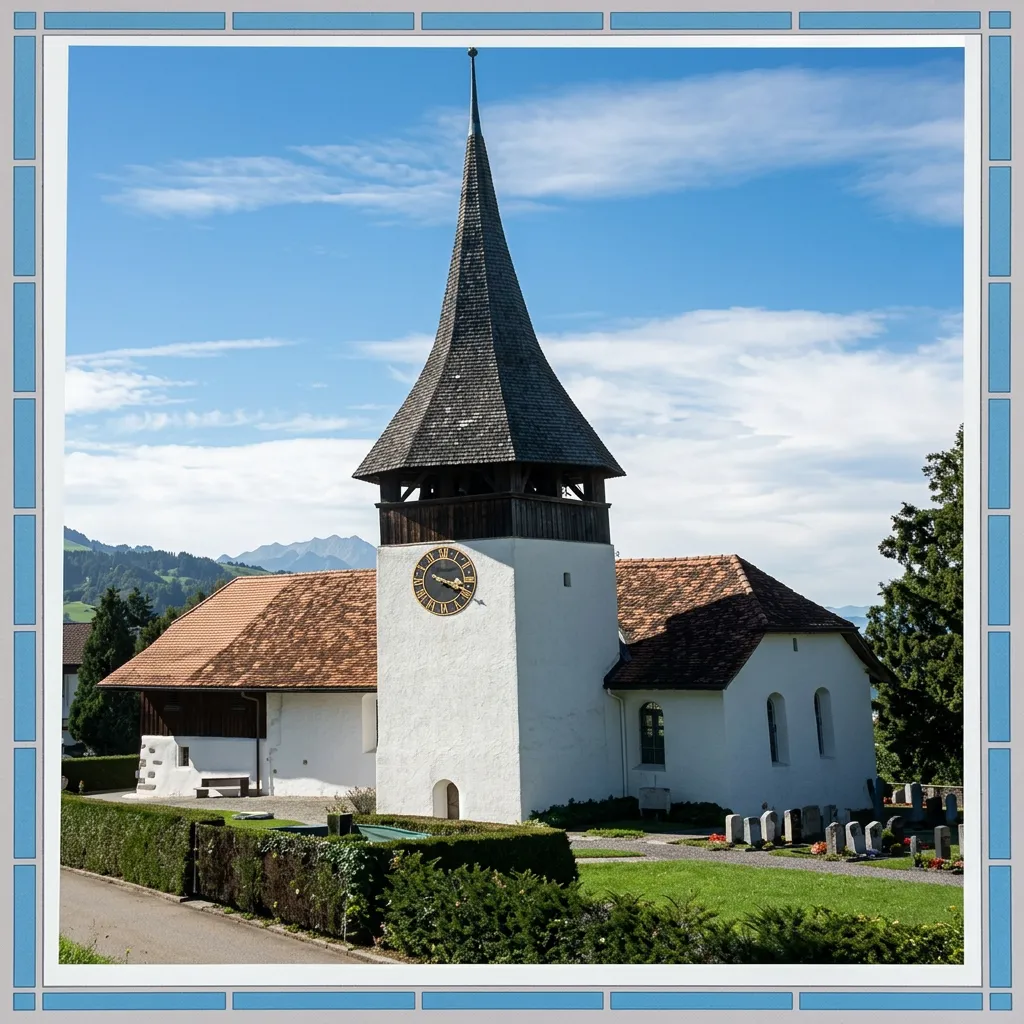
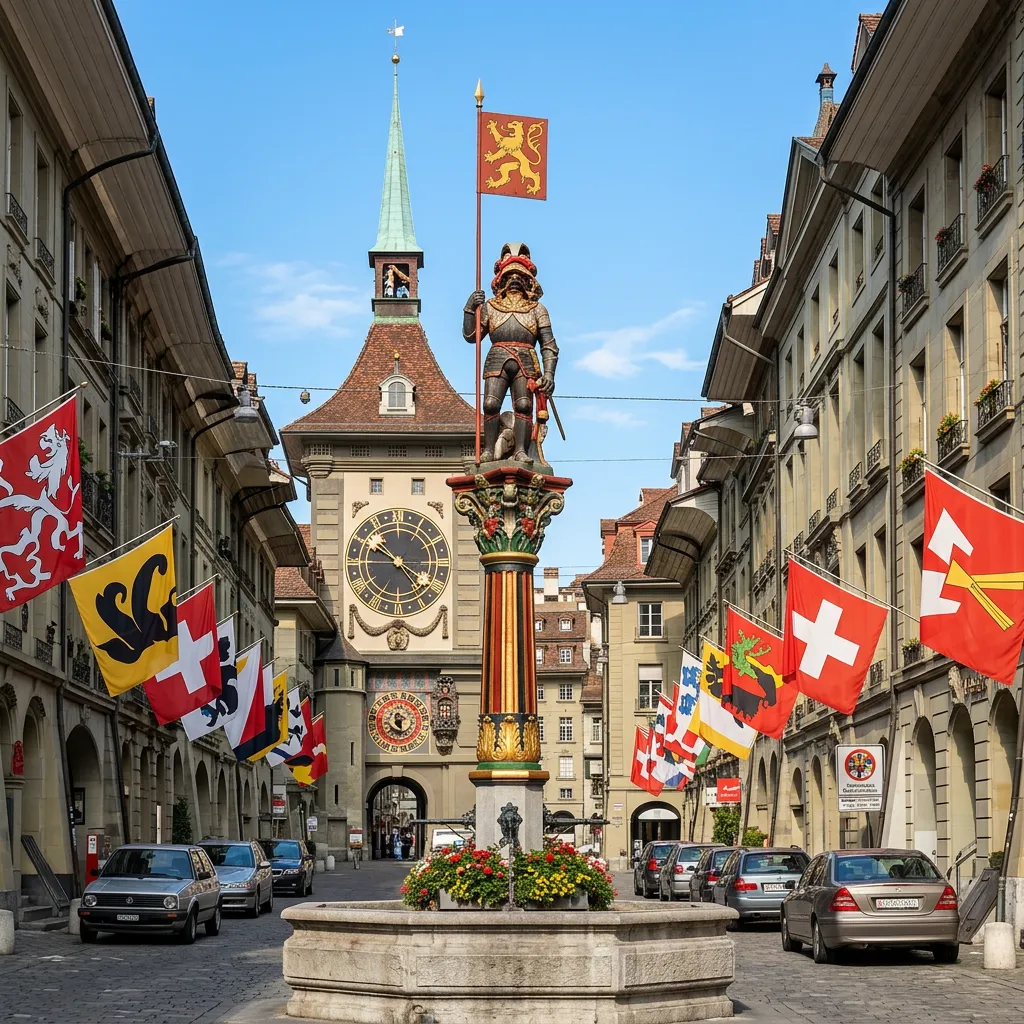
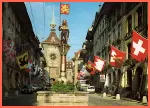
We slept 10 hours, which put us on Swiss time. We were so surprised to find footsteps outside our door from the Foxes. Who was their accomplice this time? We were staying in Bern, so we did a walking tour of the city. Arcades line the main street with the famous clock tower at the end.

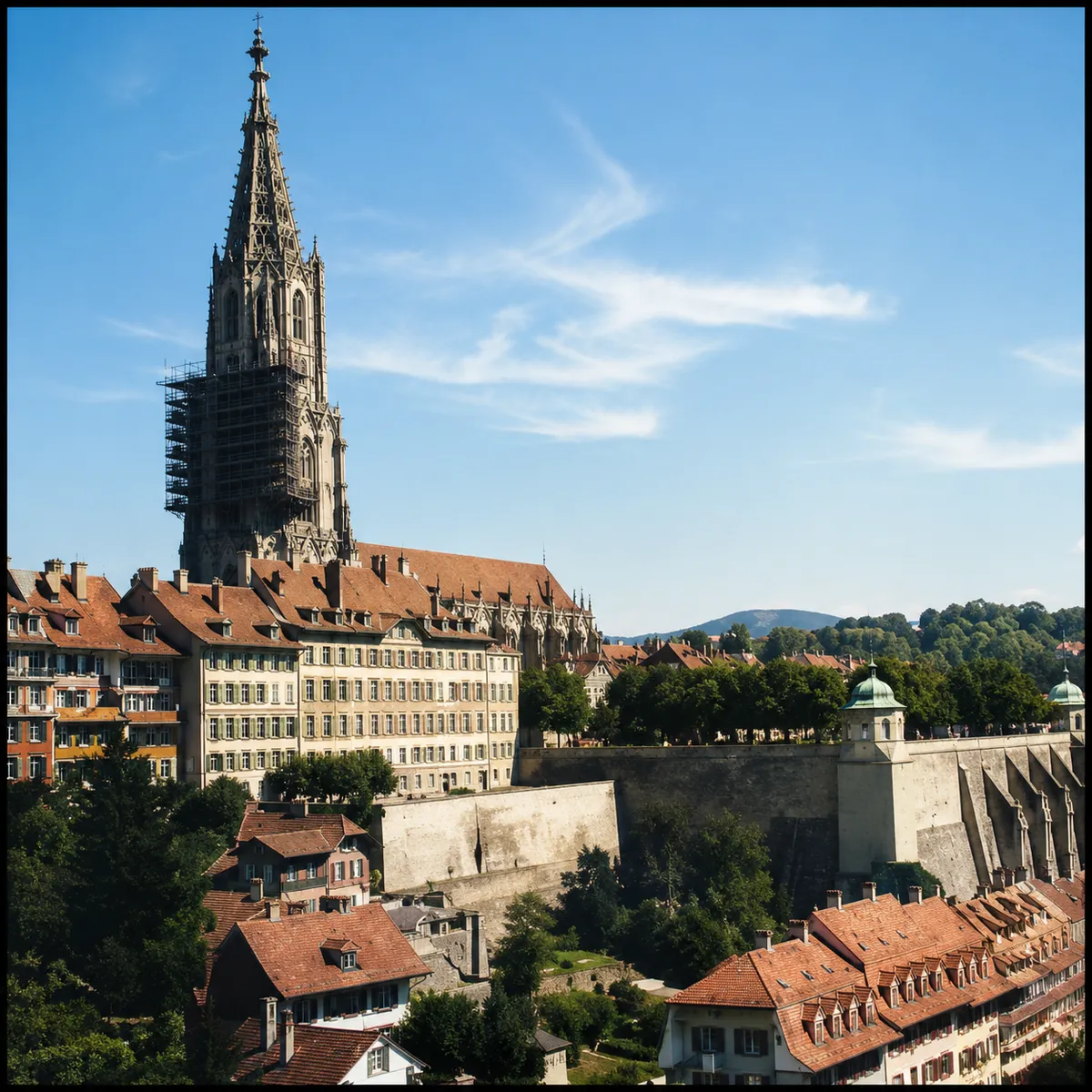
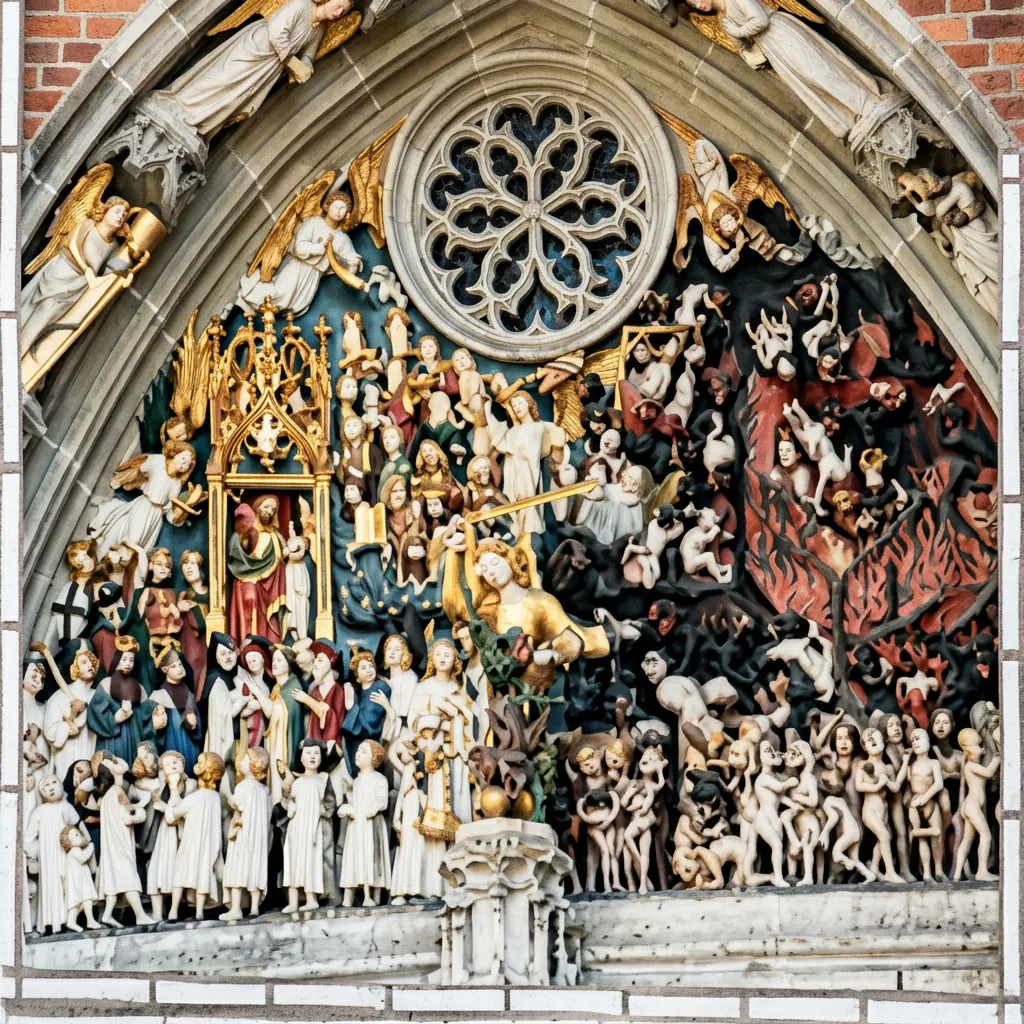
We spent a day exploring Berne, the capital of Switzerland. The Bernese Cathedral is 100 meters tall, the highest in Switzerland, and it took 450 years to build.
The Bern Minster Cathedral features the Last Judgment over the main entrance. This sculpture shows the wicked naked on the right, while the righteous stand clothed in white on the left. In the center is Justice, with saints and the wise and foolish virgins around her.
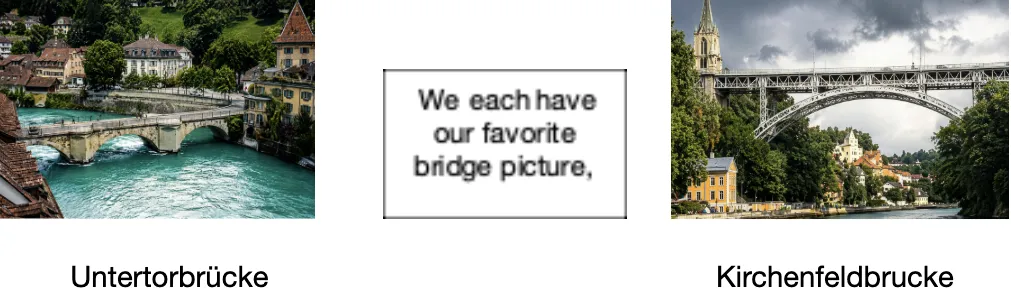
We climbed the 344 narrow, winding stone steps to the top of the cathedral for this rooftop view of the city. The train made a brief stop in Spiez so we could take this picture again.
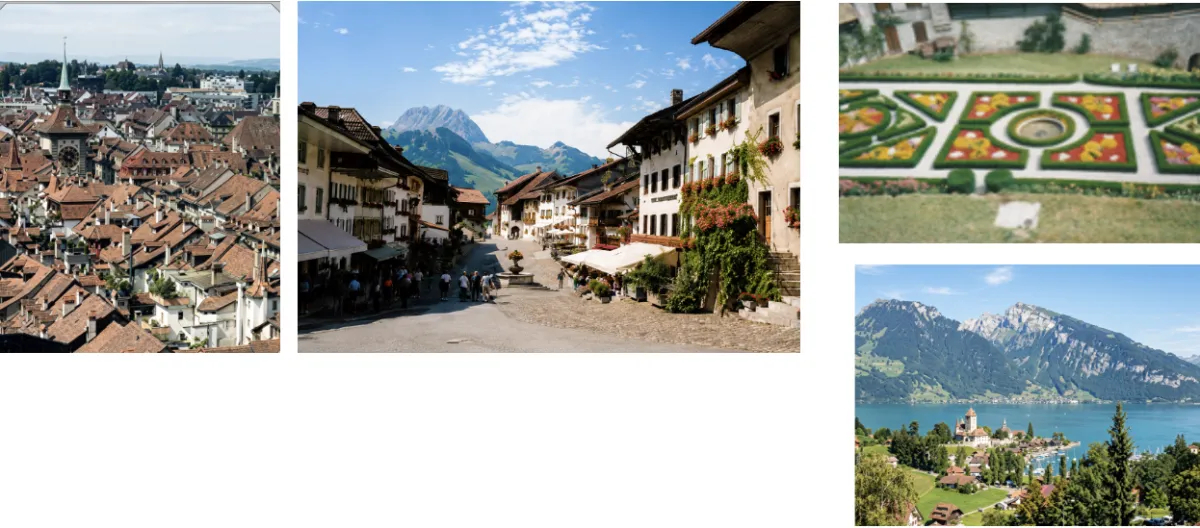
GRUYERES
It was a bit cloudy, so we all decided to go on a long train ride. Destination: Gruyères. We had to change trains 3 times. We had the opportunity to visit the cheese factory and sample some. The main attraction here was the village. Cobbled streets opened up to a most charming scene: picturesque shops surrounded by green hills and many flowers. There was a French flower garden with geometric designs, called a parterre. We ran into Bovees; they had just had raspberries and cream. So, we did, too. Very pricey but delicious!
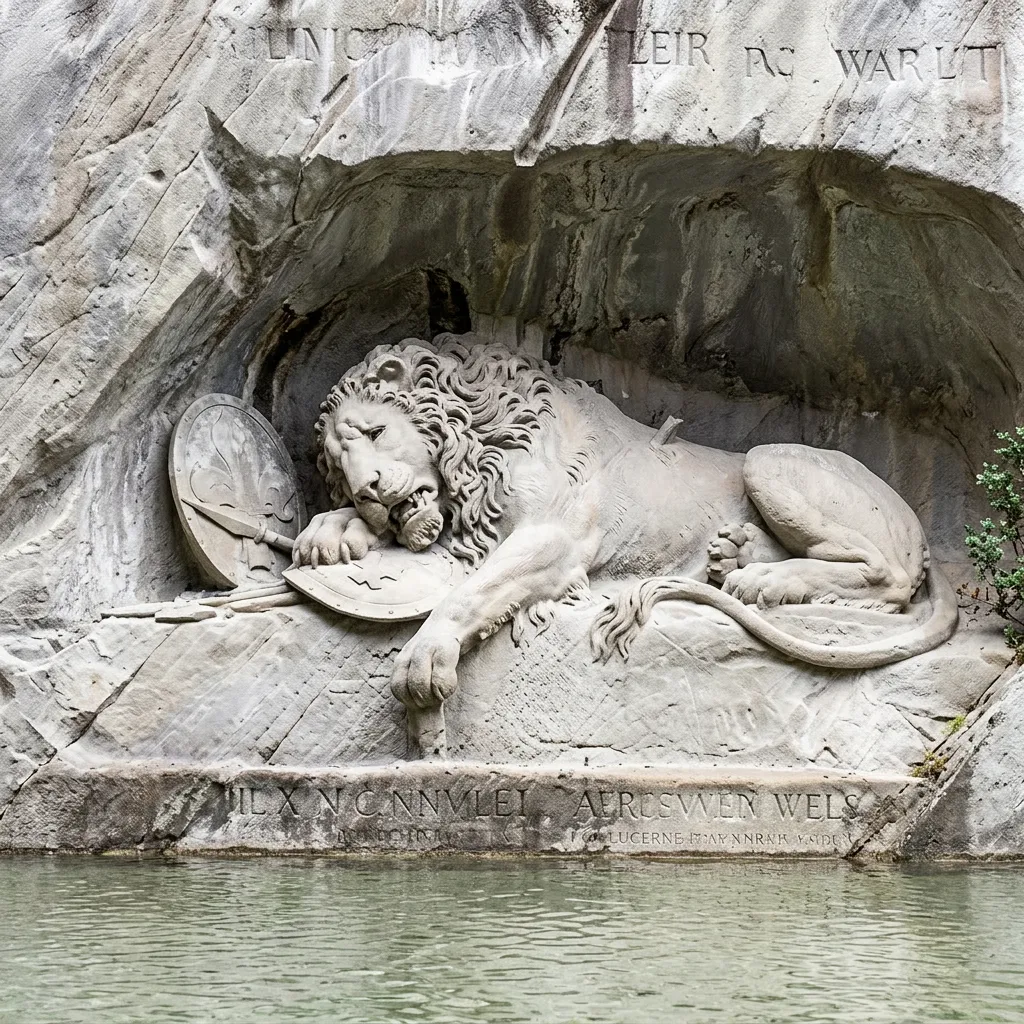
LUZERNE
We had to see “The Lion of Luzerne”, a well-known sculpture of a dying lion with a sword in its side. Thousands of people come to see this every year.
We walked across the famous covered bridges. They are hundreds of years old and have priceless artwork on the inside supports. Two years ago, one of the bridges burned. The bridge has been rebuilt, and they have tried to replicate the artworks.
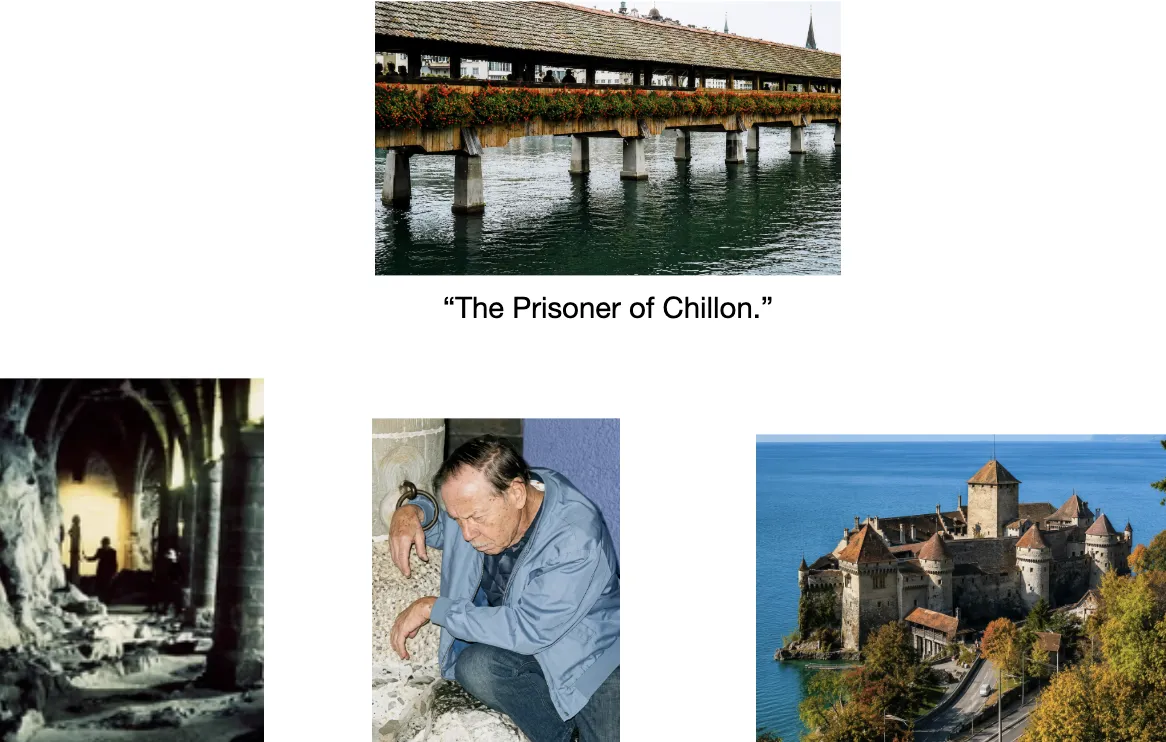
CHILLON CASTLE
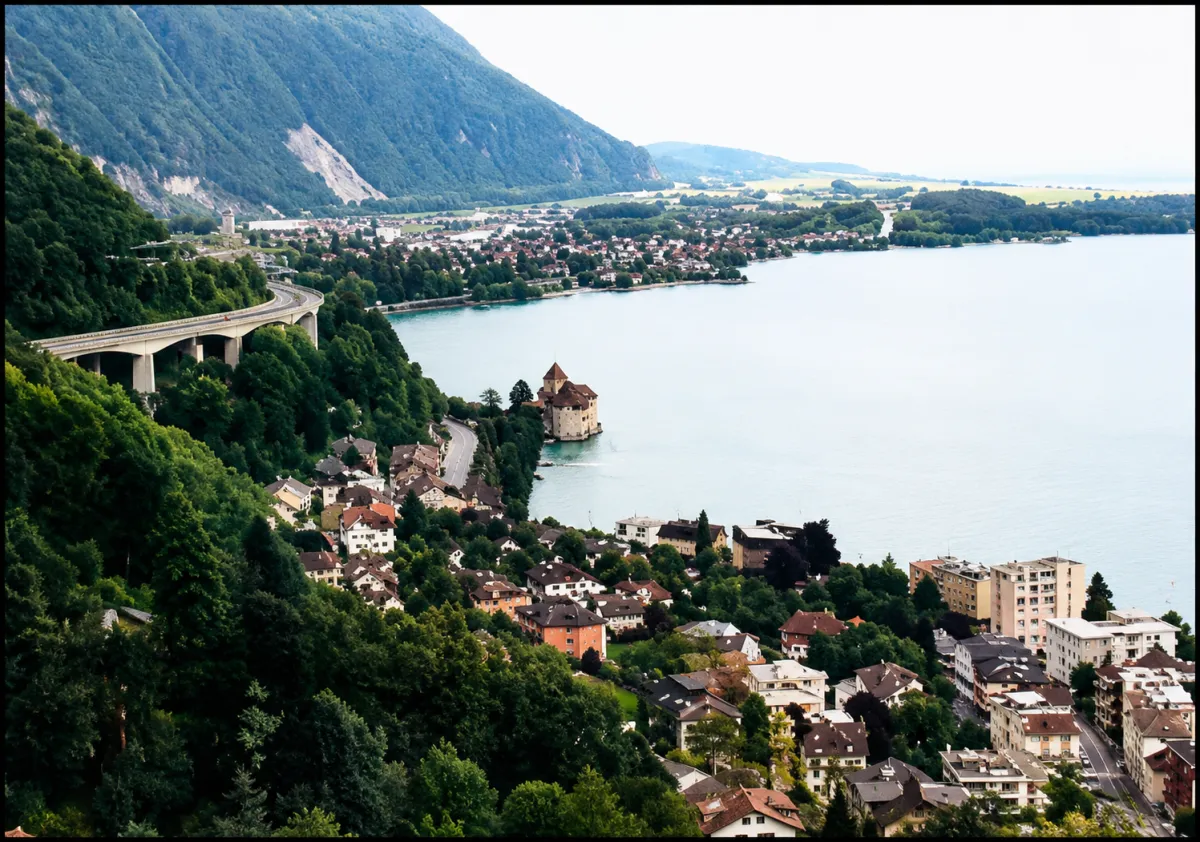
Chillon Castle, on Lake Geneva, has served as a primitive prison for many years. The castle is built on rocks that are partly in the lake. Prisoners were tied to rocks and left there. (Scant food and water.) A lonely tree was visible, and prisoners marked the seasons by watching the tree change colors. Everett did a reenactment for us and referred to the book.
CAUX
A cog train took us high above Lake Geneva with stunning views, though cloudy. We could see the Castle Chillon. We had hot chocolate in our favorite restaurant while the owner played “The Star Spangled Banner” for us on his alphorn.
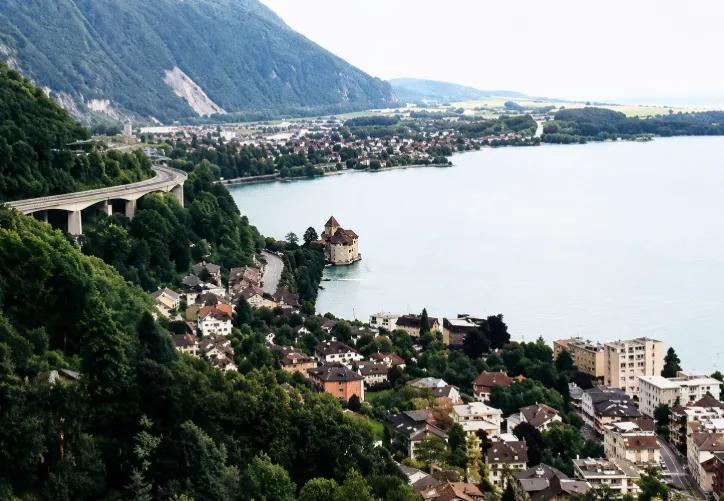
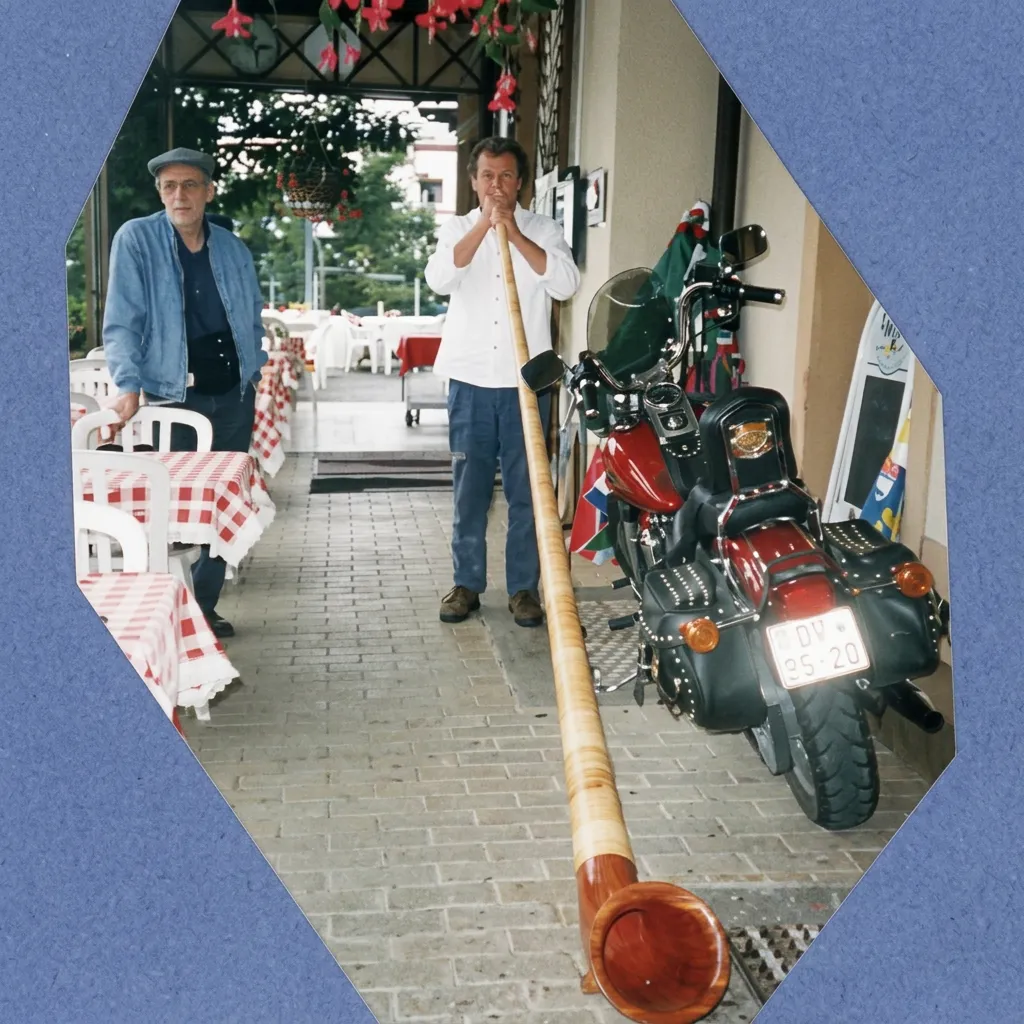
One day, everyone scattered. Some went to Neufchatel and attended church. Kerns went on a city bus tour. Sanders to an art museum. We took some regional trains and got off in the little town of Toffees. We went for a hike following the sound of cow bells until we found the cows. Wilson had a great day traveling with mostly sunshine. Everyone was really enjoying their train pass and felt confident traveling alone.
PINEROLO
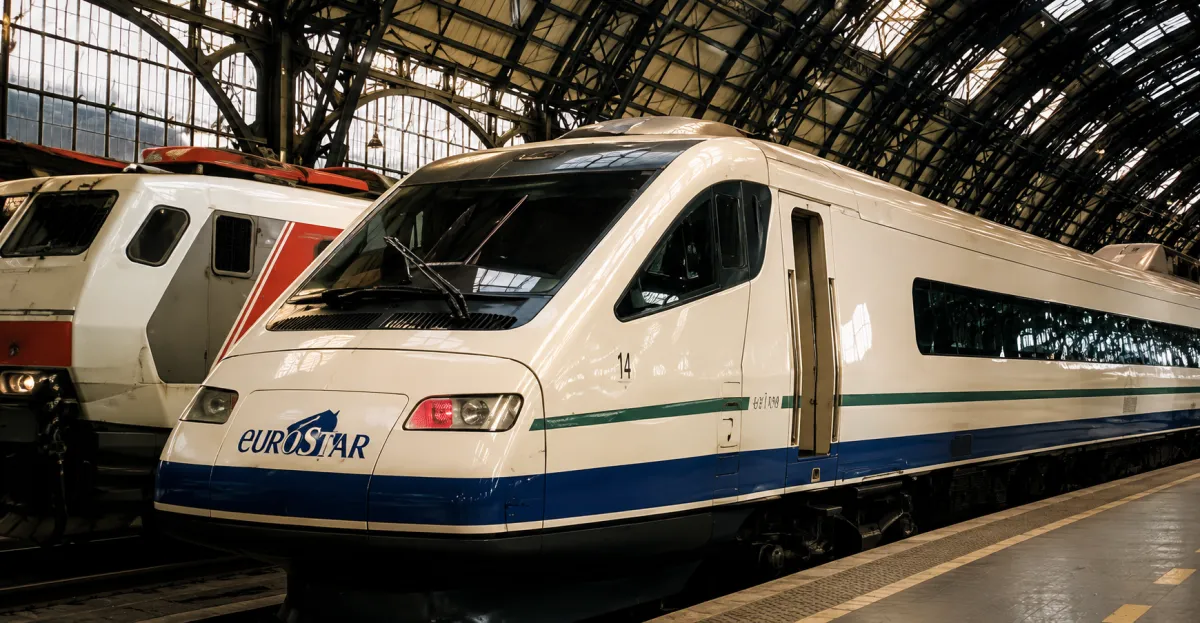
We left our charges to find their way to ZERMATT on their own. We took the “Cisalpino,” a super high-speed train, to Italy to visit Lisa, our niece. We had reserved seats, and we glided through the beautiful countryside. It was non-stop from Bern to Milan, Italy, and we arrived exactly on time. Then the train to Turin was late. Then we got off at the wrong stop! We finally made it to Pinerolo and connected with Lisa.
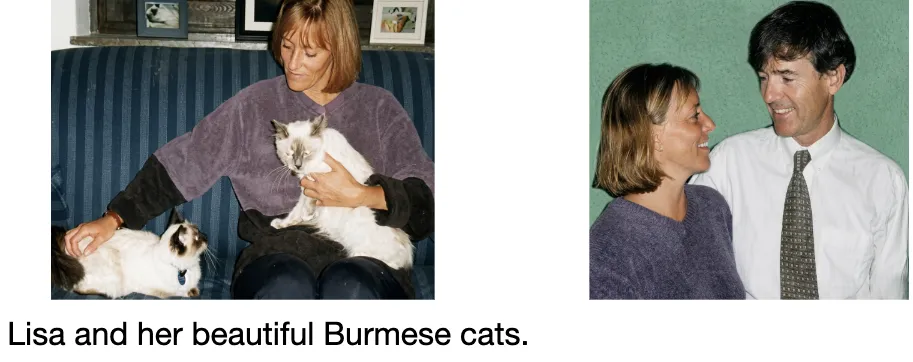
When her husband came home from work, we offered to take them out for dinner. He called and made reservations at “The Rock.” We drove up a mountain to the end of the road, then walked another 100 yards along a lighted path. We arrived at this small, elegant restaurant, and there was a table ready for us. Wine for Lisa and Michael, non alcoholic drinks for us to savor along with long breadsticks. There was no menu - the chef himself came to our table and explained the specialties of the house, prepared fresh daily. Apparently, one price, no matter what you order or how many courses. For appetizers, the men had cold meats: salmon, swordfish, and cooked bacon (mostly lard). For the main course, Lisa and I had ravioli filled with meat (very good). Al had spaghetti with salmon sauce. For dessert, we shared a very rich, very delicious dish: thickened cream and black currant sauce. Before we left, I went to the “loo” in this fancy, upscale place. The ”loo” was a hole in the marble floor!
ZERMATT
We enjoyed every minute of our ride on the Cisalpino train back to Switzerland with spectacular scenery all the way. And then the cog train that took us up the mountains to Zermatt. We arrived in Zermatt and found our friends had made the trip all right by themselves. They had saved a corner room for us with a big balcony and a great view of the Matterhorn. And footsteps!
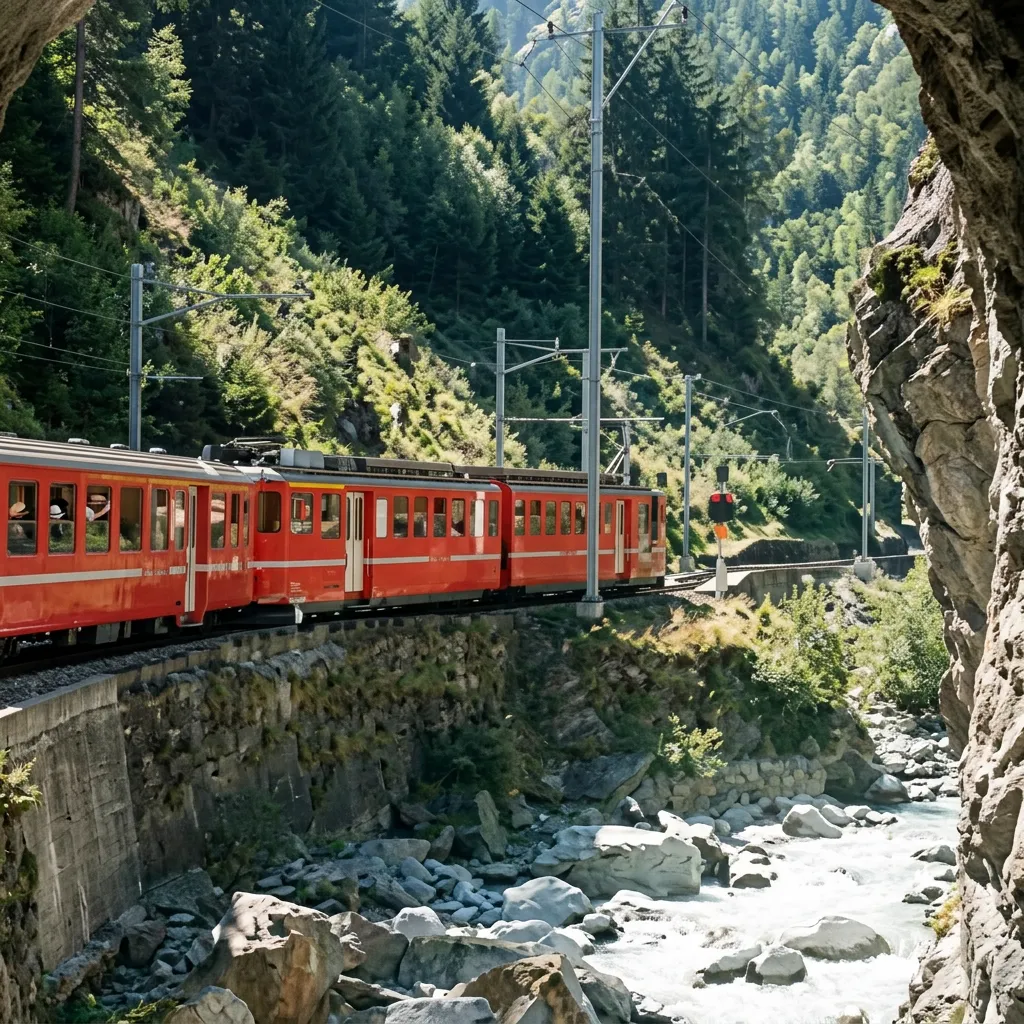
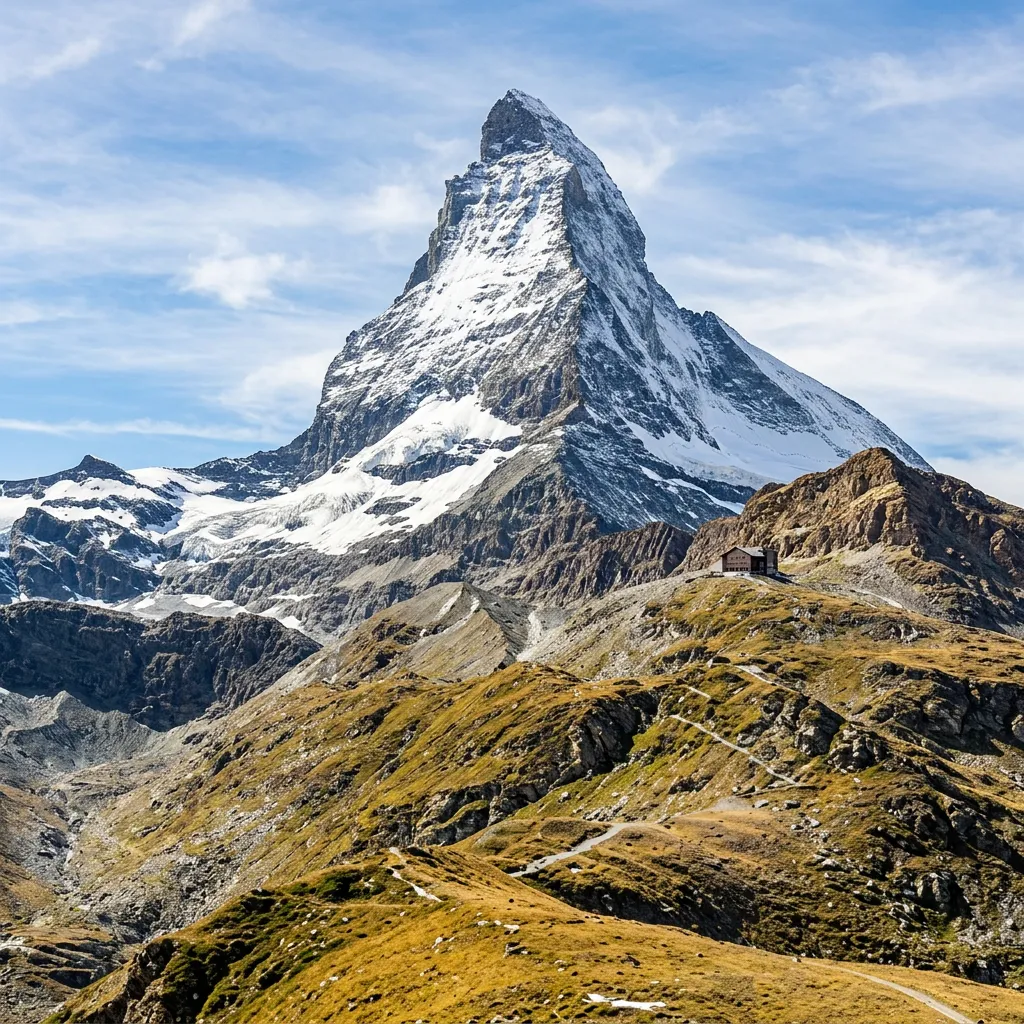
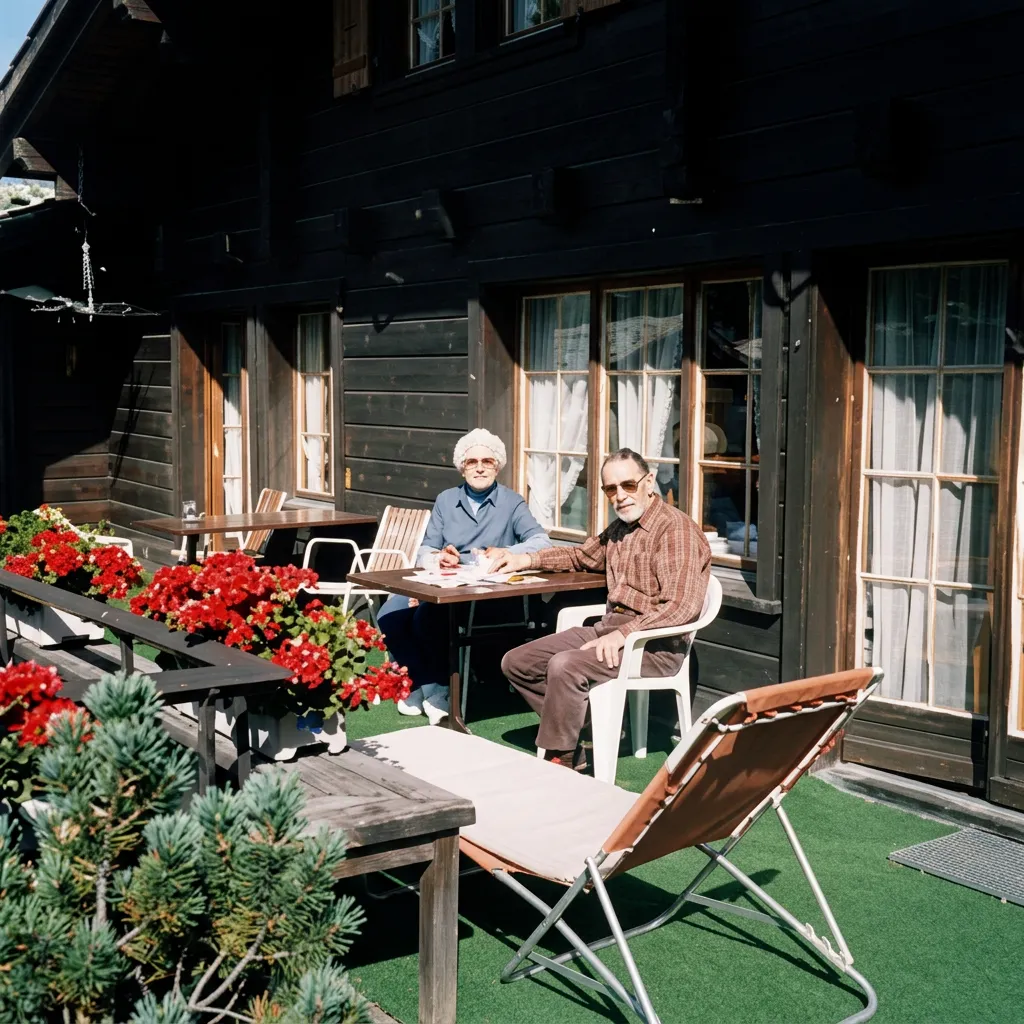
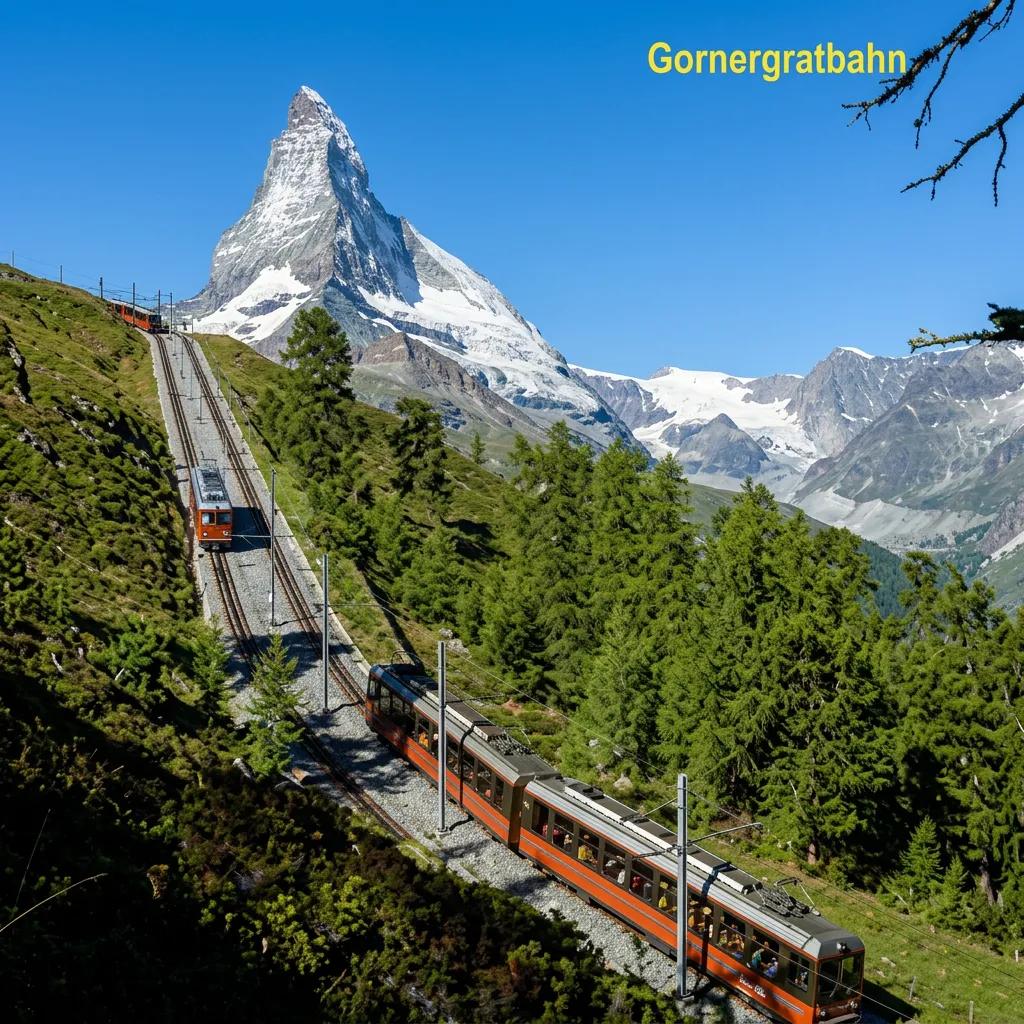
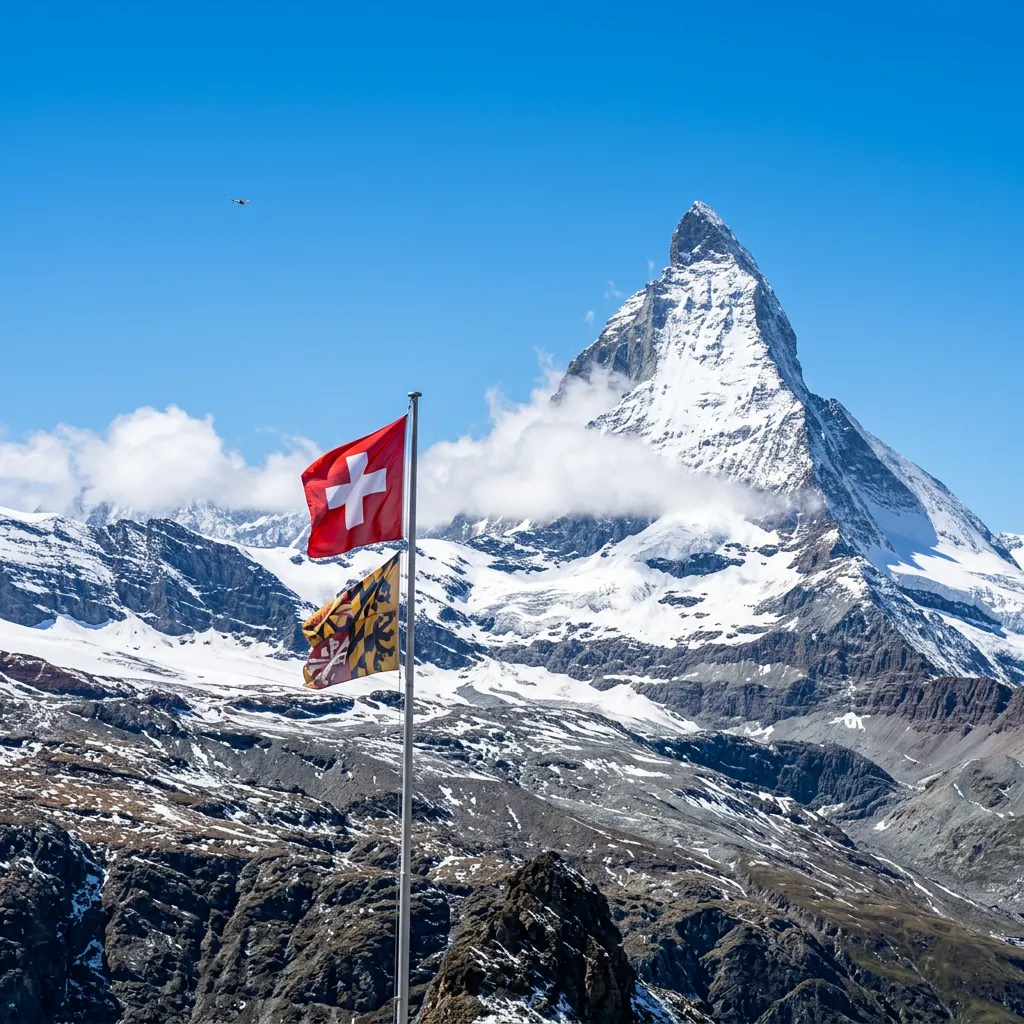
This was our 7th time in Zermatt and one of the best weather-wise. We had our favorite room with a big balcony. The Matterhorn was shimmering white in the sunshine. Several of us took the Gornergrat train to the highest station. There, we had a 360-degree view of snowy mountains and glaciers all around with the Matterhorn front and center.
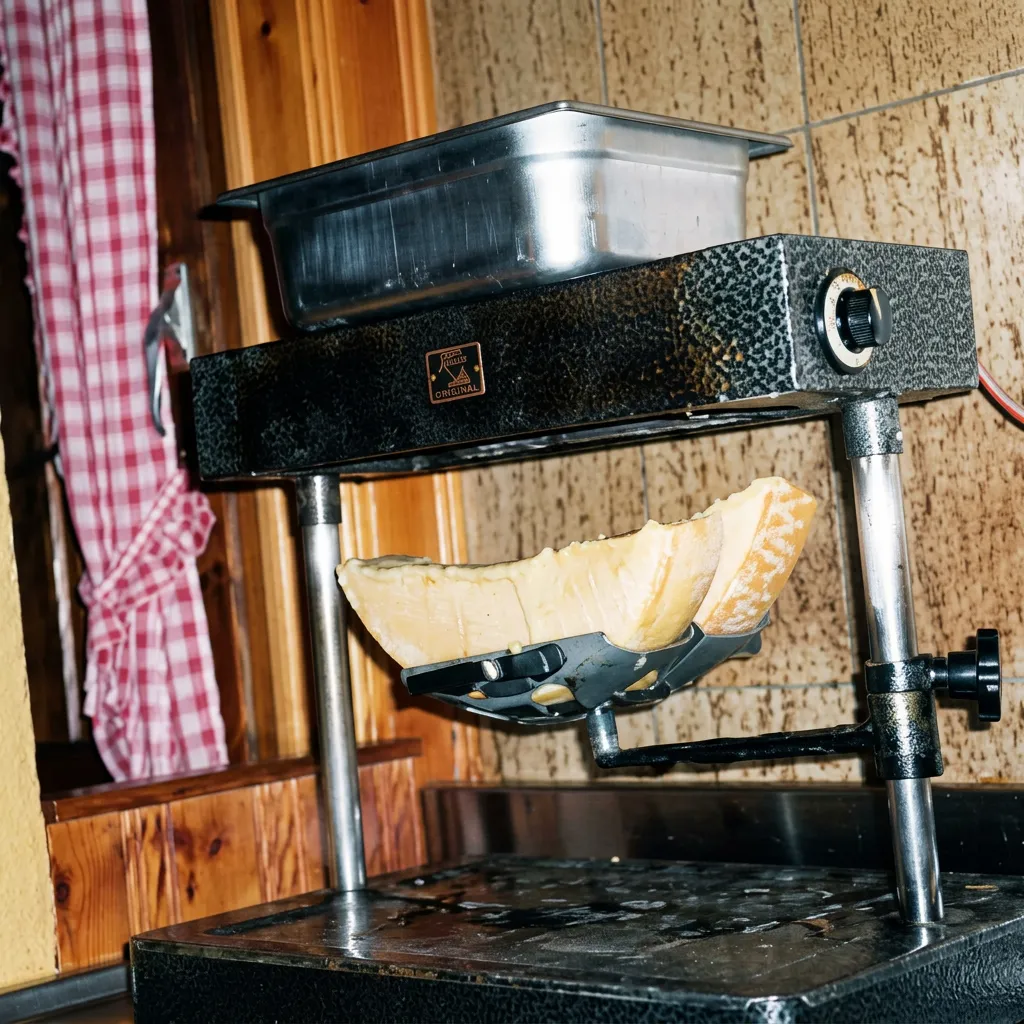
One evening, we tried out raclette. Melted cheese served on your plate with small potatoes, an onion, and warm, crusty bread. Another evening we shared fondue.
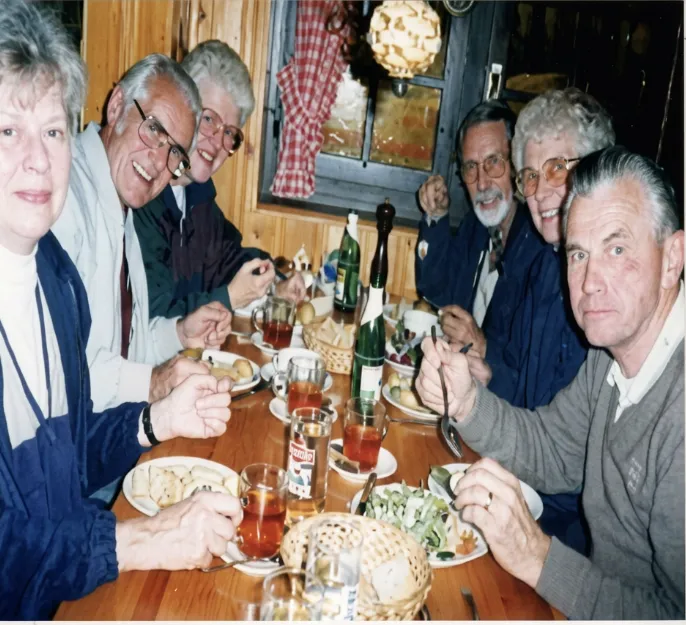
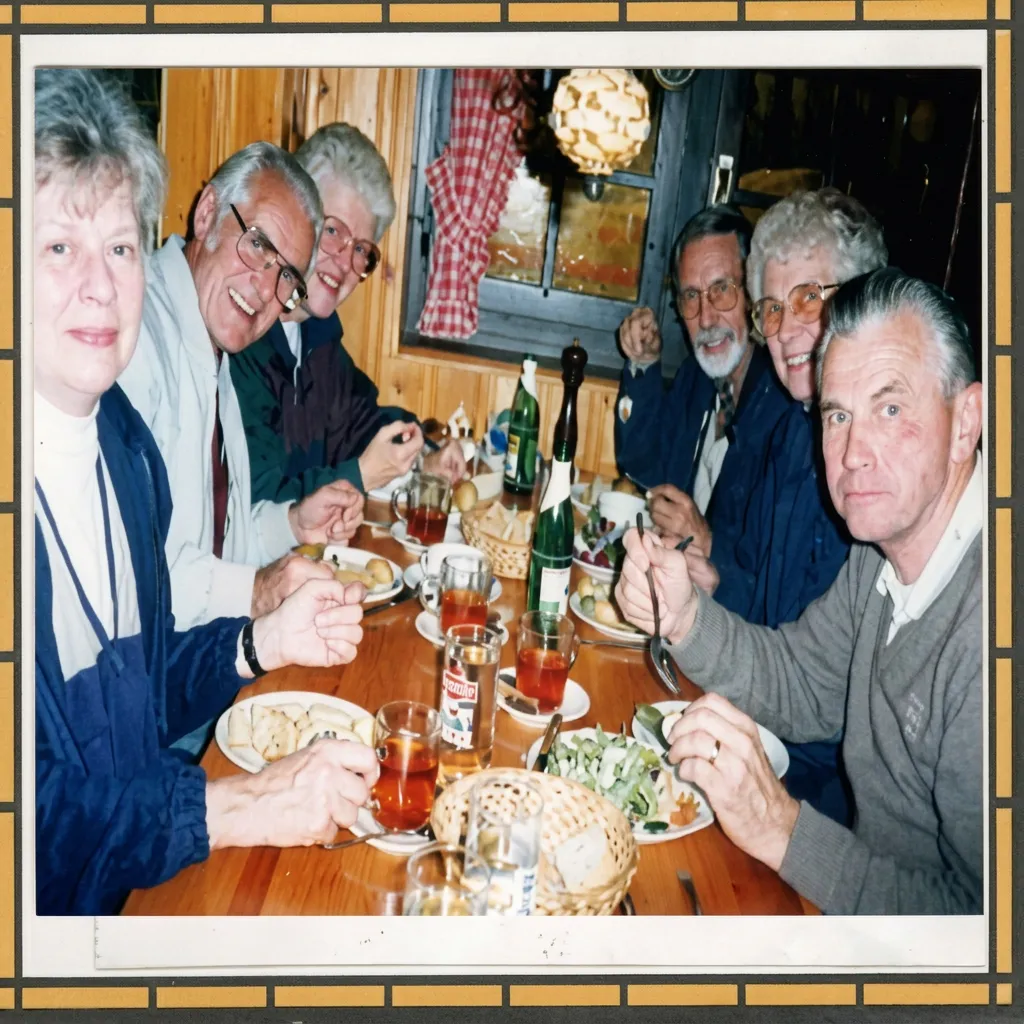
We hiked mountain trails, rode cable cars and funiculars, and enjoyed spending time with friends. We visited the church and graveyard and shopped for souvenirs. Zermatt exceeded our expectations!
Time to move on:
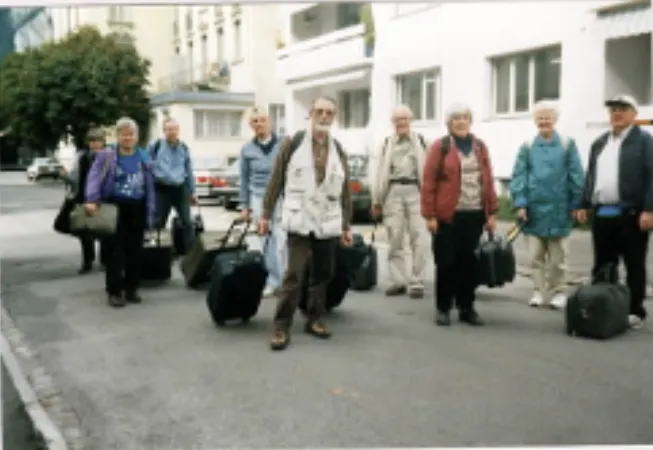
INTERLAKEN
We received a friendly greeting at the Hotel Alphorn; they were expecting us. By the time we got to our room, footsteps were already there!
BRIENZ
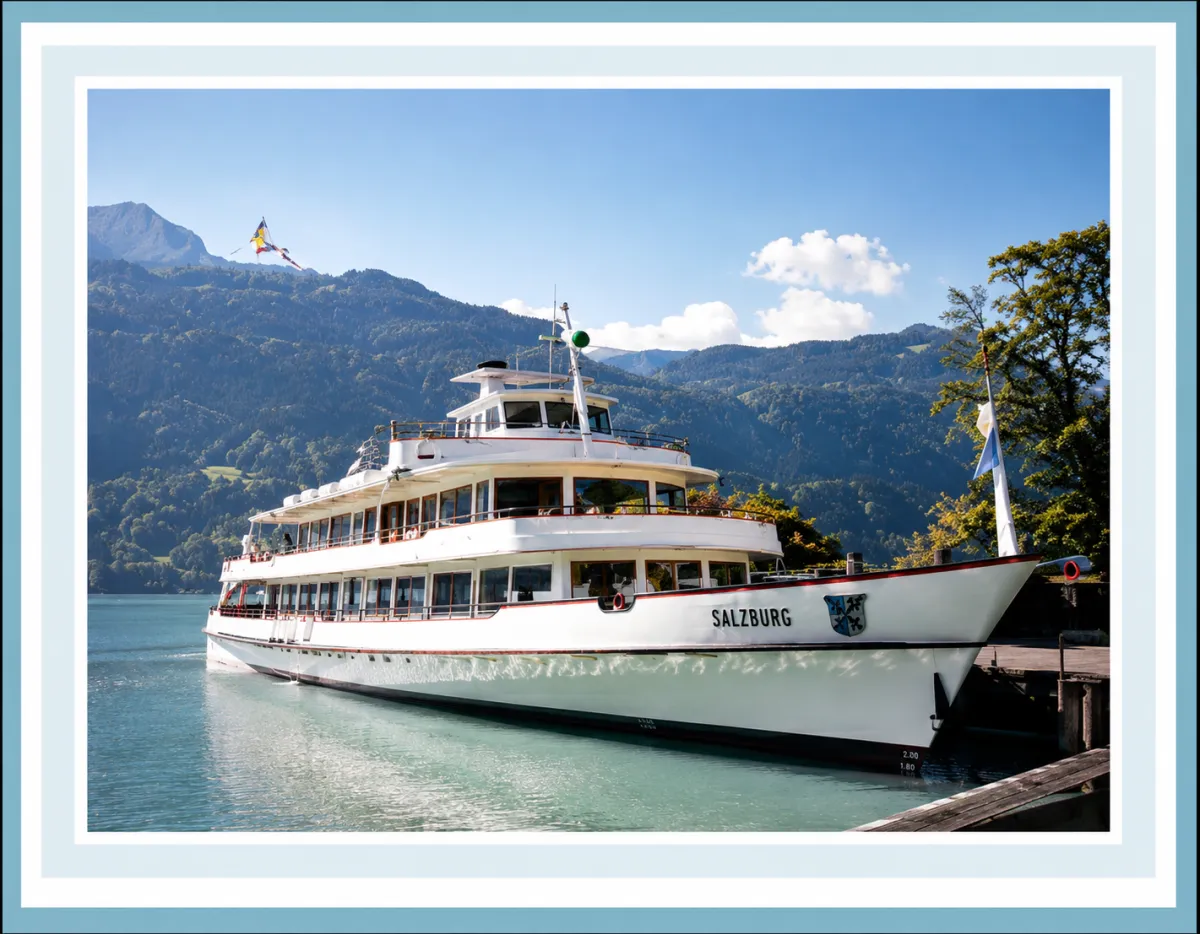
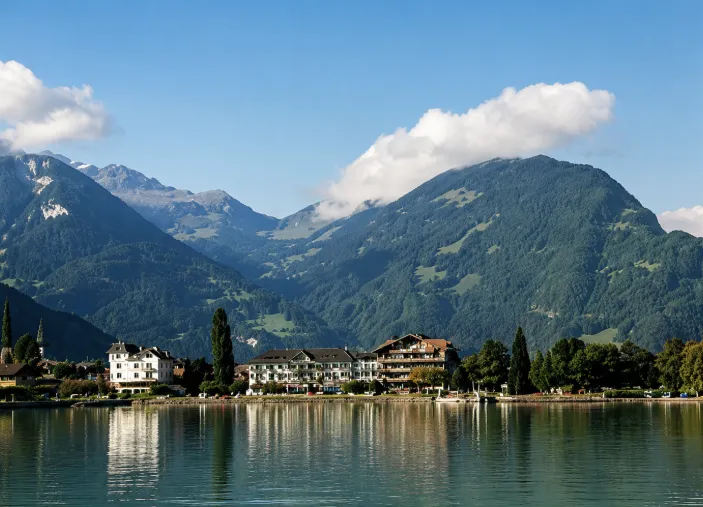
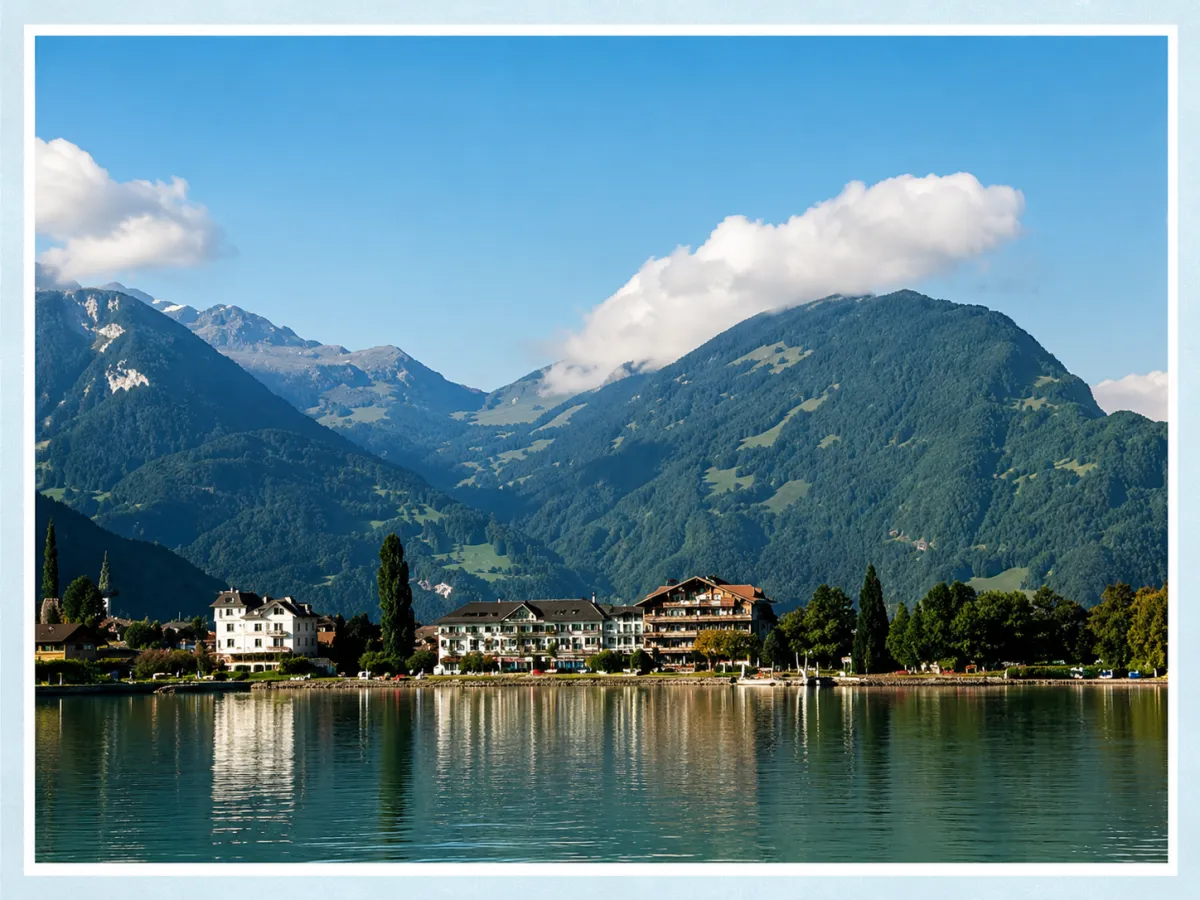
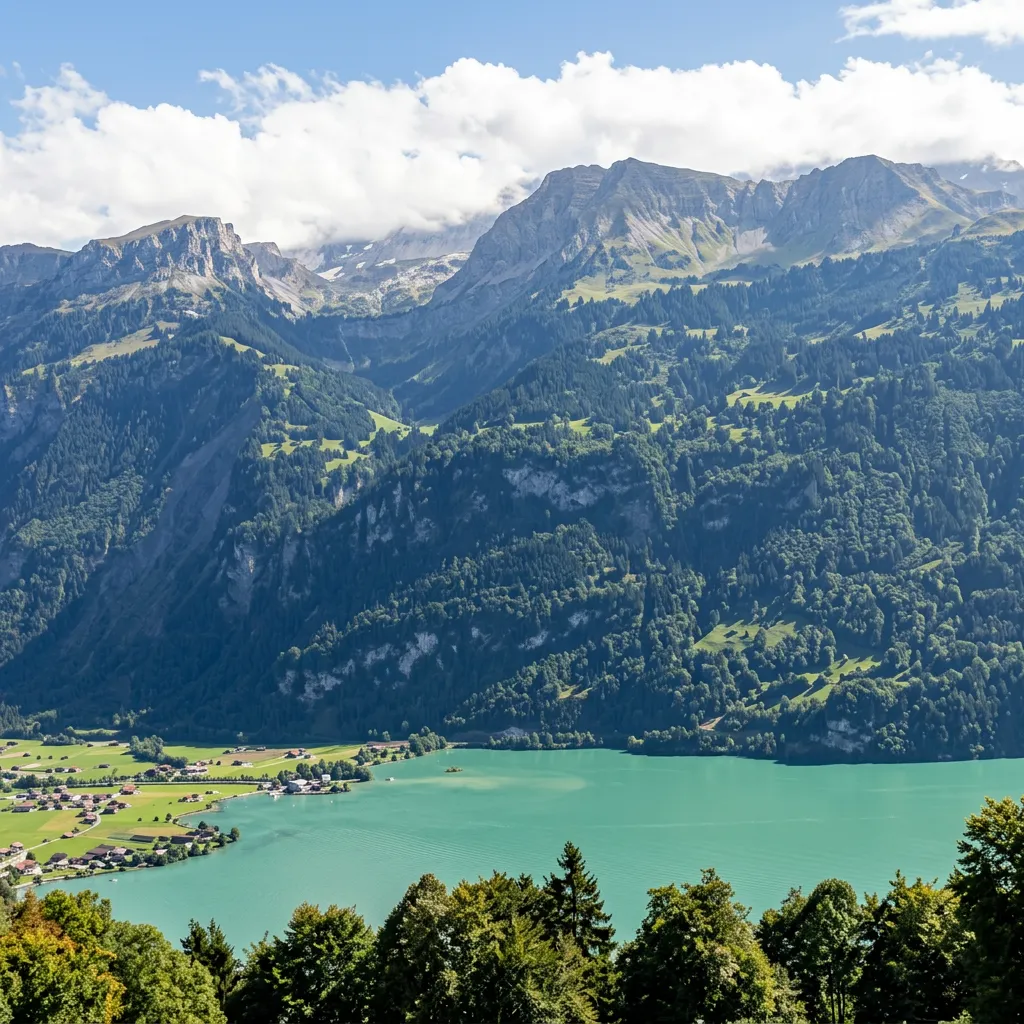
It was a beautiful sunny day, and we were told the next 4 days would be perfect. To finish the day, all 10 of us took the boat ride on the Brienerzee to Brienz. A peaceful, relaxing one hour.
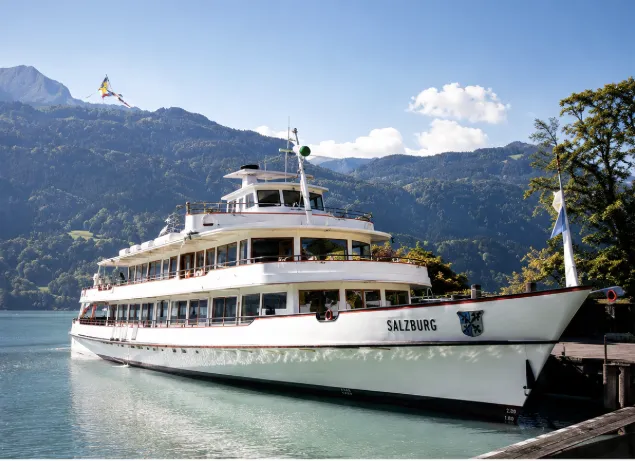
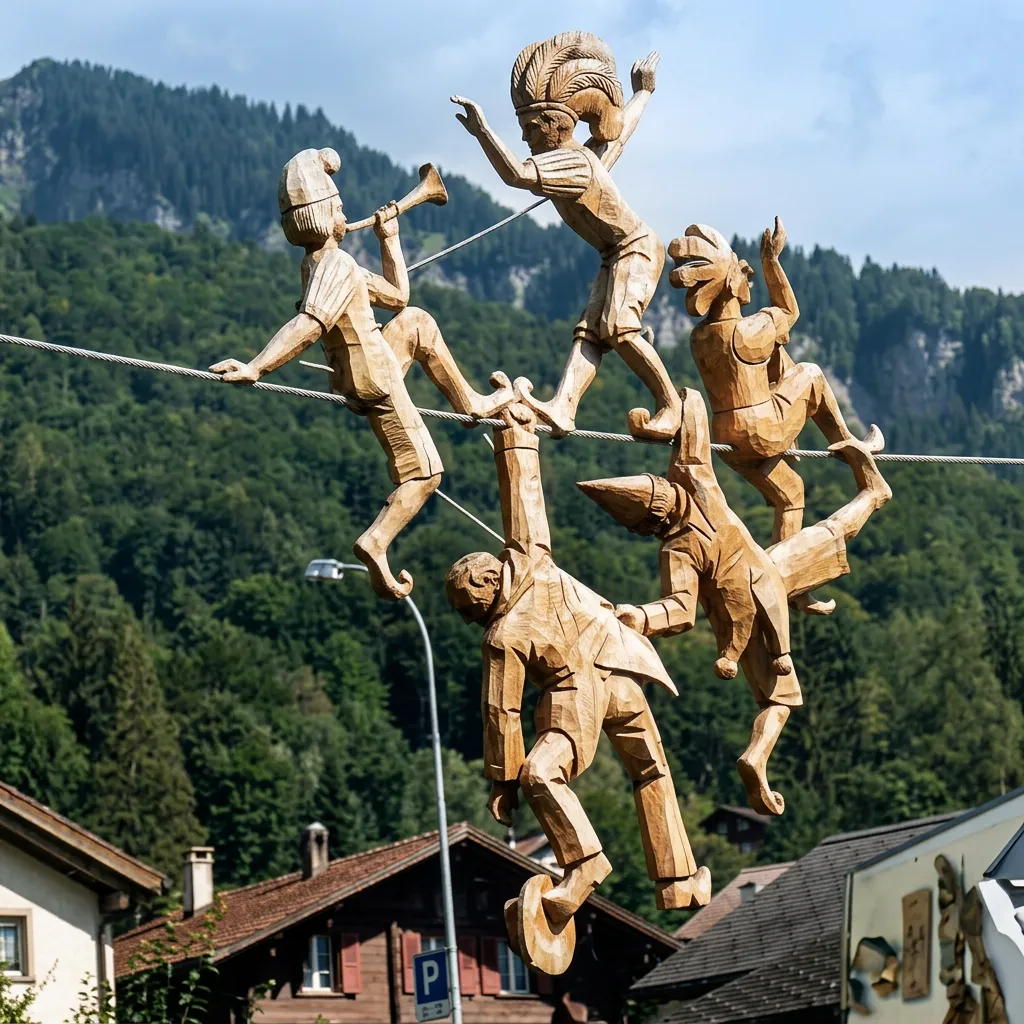
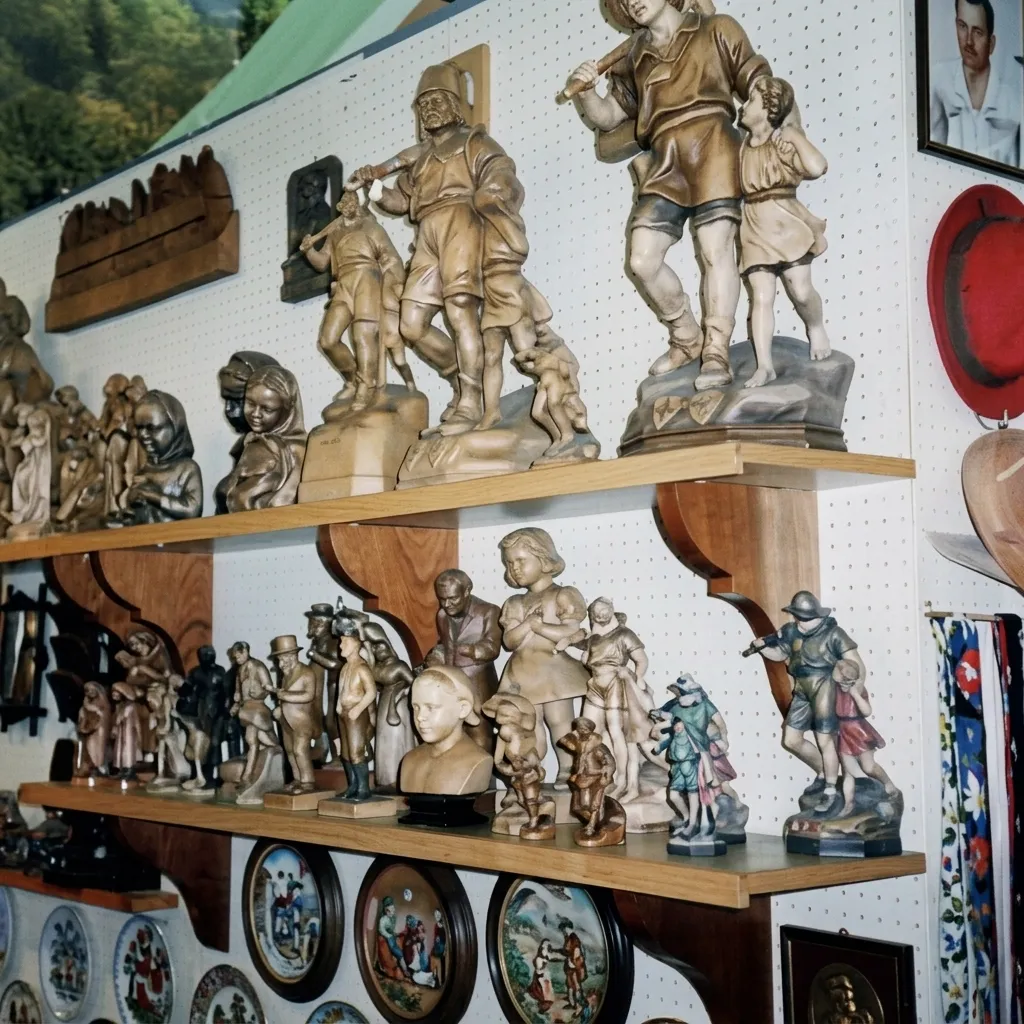
Brienz is the wood carving capital of Switzerland, and there are shops filled with exquisite carvings, cuckoo clocks, manger scenes, and anything you might want. How about the tight rope performers?

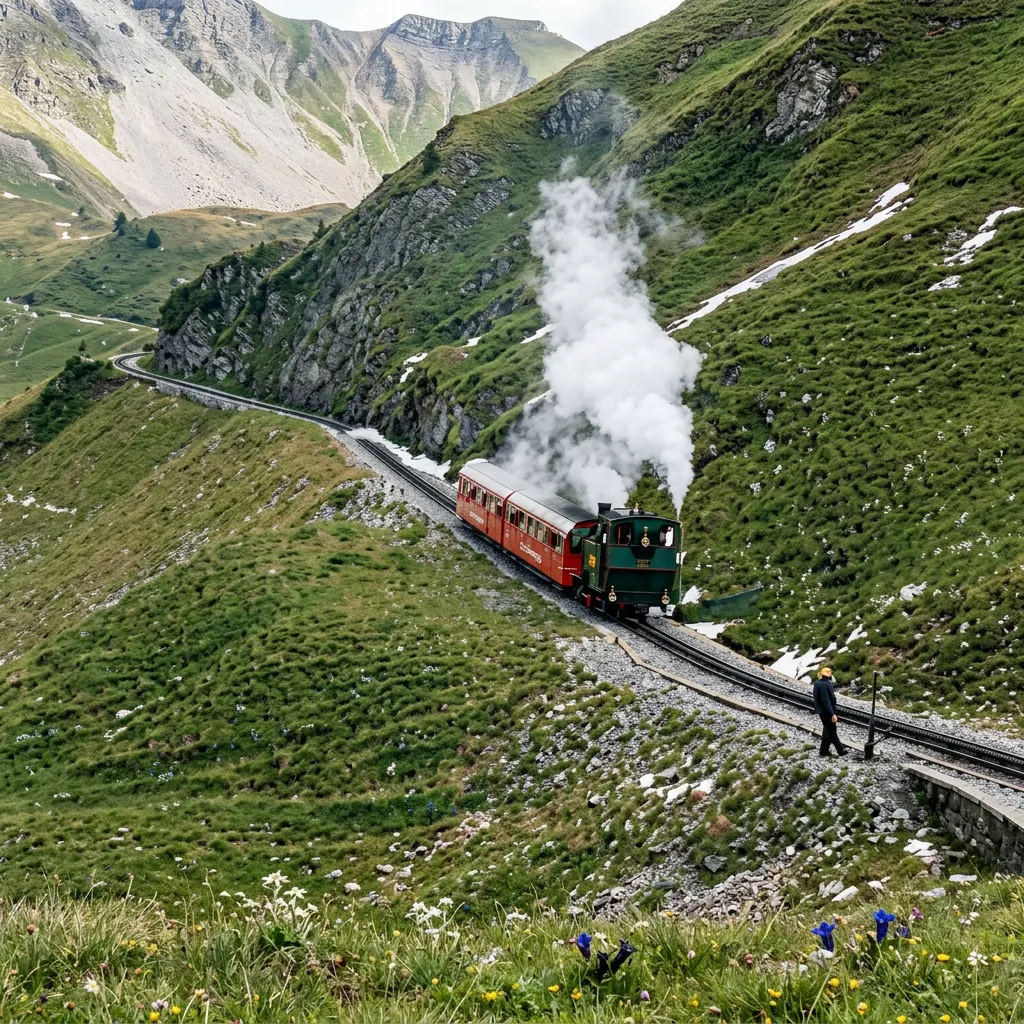
We, along with Ruth and Cordon, Wayne, and Margaret, boarded the authentic steam train. We chugged up the mountain, a 1 in 5 gradient, all on cogs. The scenery was spectacular as we had views of the lake, village, and the mountains. At the top was snow and slush and many photo ops. We stayed only 20 minutes and took the next train down.
KLEINE SCHEIDEGG
The next morning, we all took the 8:12 train up the mountains to Kleine Scheidegg. The menacing north face of the Eiger looms over the hotels. This is the ultimate challenge for mountain climbers, a one-mile vertical with a concave shape. Many have been killed here, and a few succeed. The black lines indicate the climbing routes, with the direct straight line being the most challenging. “Diretissima”
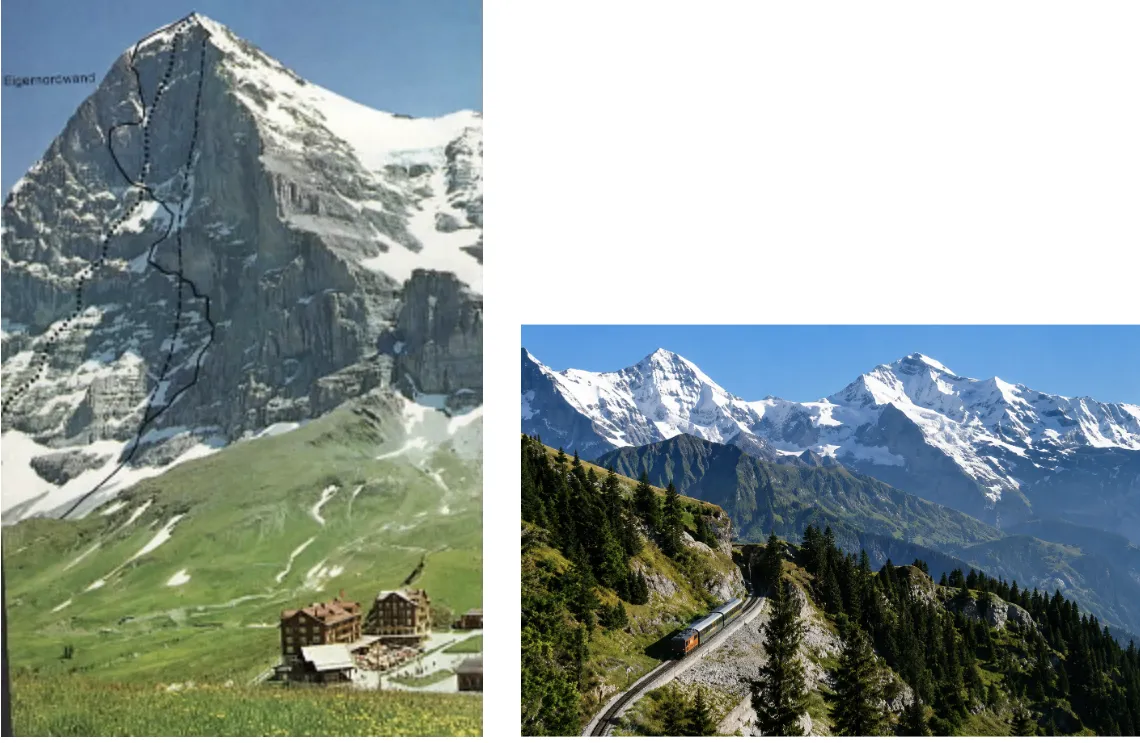
It is from here that a small train takes passengers through a 7-mile tunnel to emerge at the Jungfraujoch, the highest train station in Europe, at 11,333 ft. Since we had been there before, we sent our friends on that adventure, and we spent a few hours visiting Schynige Platte. It was a great 50-minute ride. We had a view of Brienersee and Thunersee with Interlaken in between. Then a tunnel through the mountain, and suddenly the Eiger, Monch, and Jungfrau were straight across. We could look all the way down the Lauterbrunnen Valley and the Grindelwald Valley. I think we were overdosed on beautiful scenery. We rode 10 trains today.
KURSAAL DINNER AND FOLKLORE SHOW
We had seats with a good view of the Swiss Folklore dinner and show. The show started with singing, yodeling, polka music, alphorn, and cowbells. They asked for volunteers to blow the alphorn. Everett volunteered and surprised everyone with his expertise. There was lots of audience participation in folk dancing. A really fun evening.
BUS RIDES
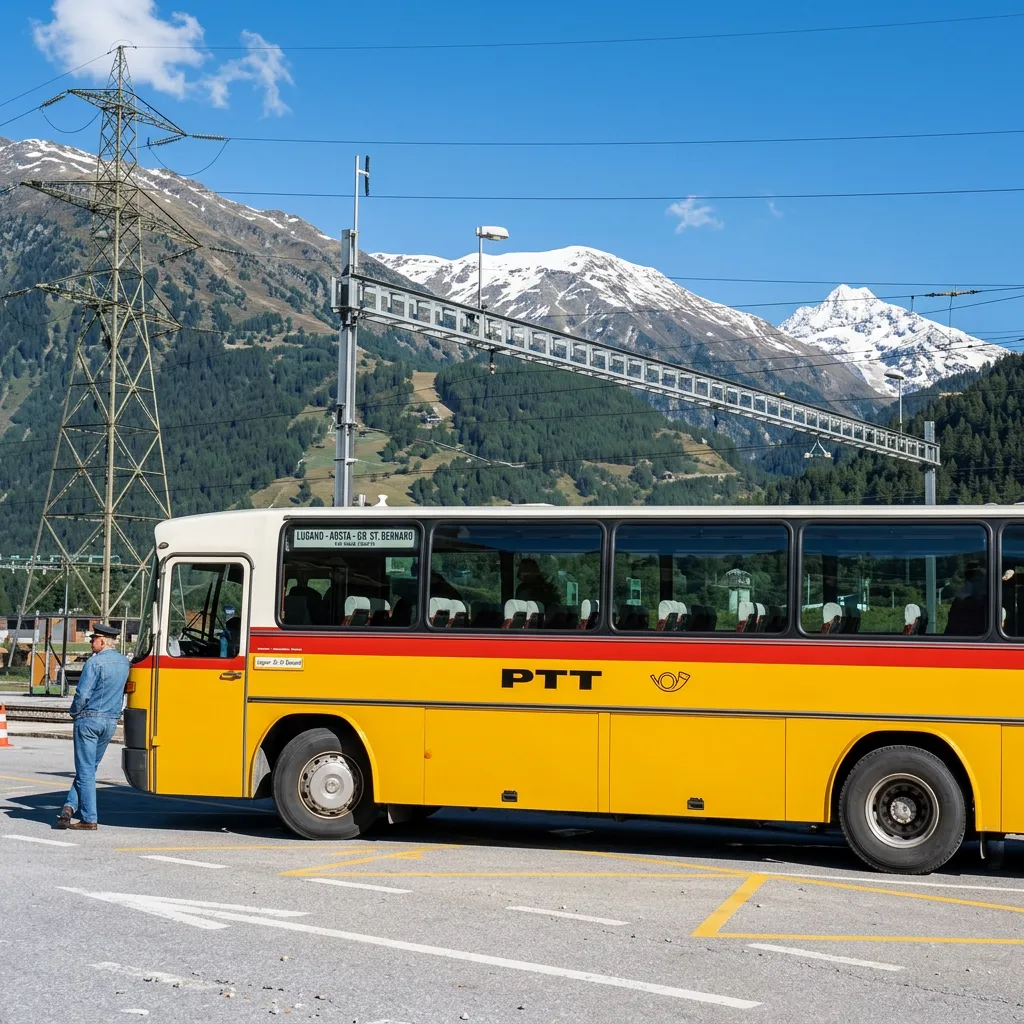
Everyone went their own way today. Ruth and Gordon went with us, and we decided to ride boats, trains, and buses all day. Boat to Spiez, train to Brig, and the Furka Oberalp train over the spine of the Alps. Got off at Oberalp, a very small town surrounded by mountains. The post bus was right next to the train station, and we got on. We were in for an adventure as the bus driver skillfully negotiated all the curves and switchbacks. He sounded a horn at every curve to warn oncoming traffic. Motorcycles zoomed by us. The scenery had us first looking up to the snow fields, hydroelectric dam, and lake, then down into the valleys. The bus trip ended at Meringen, a town famous for Sherlock Holmes. We ate in the restaurant named Arthur Conan Doyle. Then we took the express train back to Interlaken.
MURREN
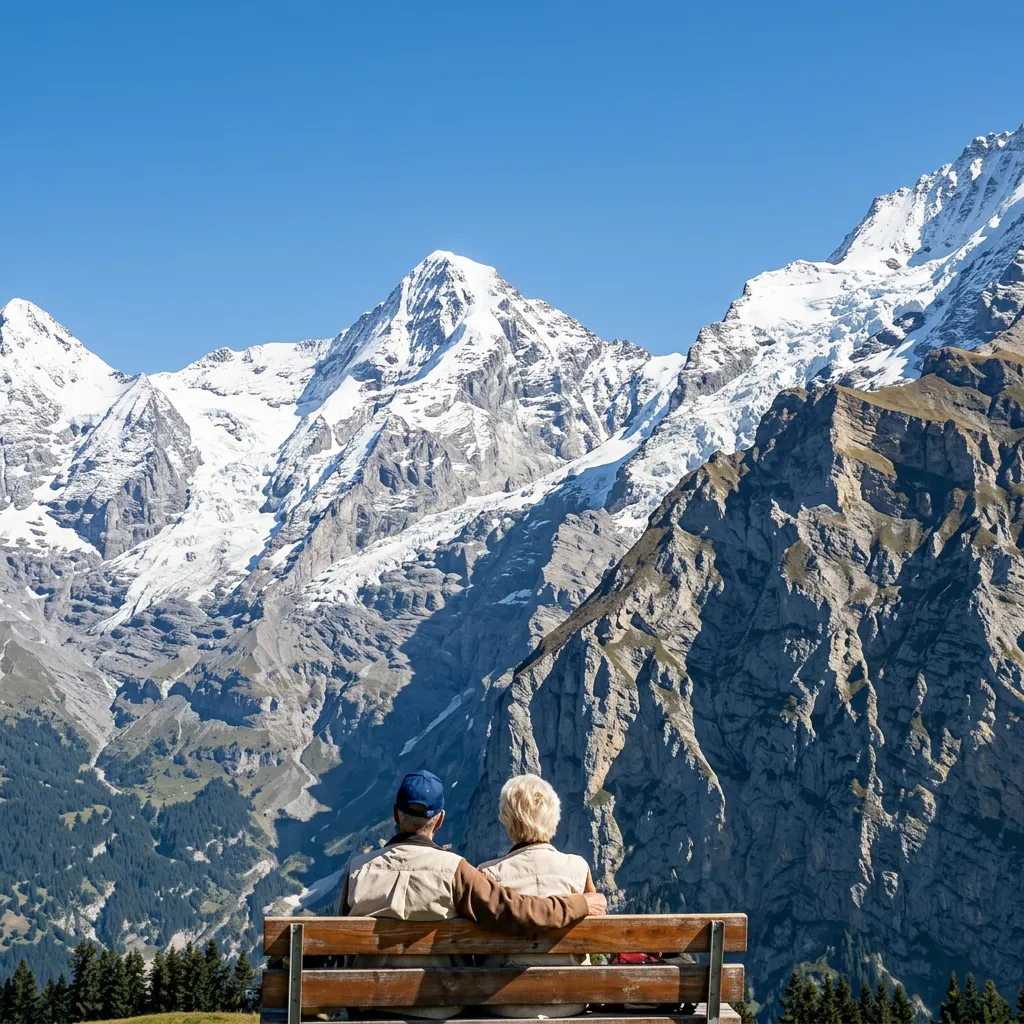
We had a day to ourselves, and we headed for Murren, a village perched on a slope of the mountain and reached only by funicular and small train. The scenery from there is breathtaking - looking straight across at the Eiger, Mönch, and Jungfrau. Strolling through the village, we ran into Jim and Wilma Wilson having tea at an outdoor table. Wilma said she had lost her heart to Murren. We took the funicular to Almendhubel, about 1,000 ft. above Murren. The icy peaks of the 3 mountains loomed in the sky. We sat and rested for a while, building memories. We hiked back down to Murren on an easy trail. (You will hear more about Murren in future trips, as it has become our favorite place.)
GROUP BUS RIDE
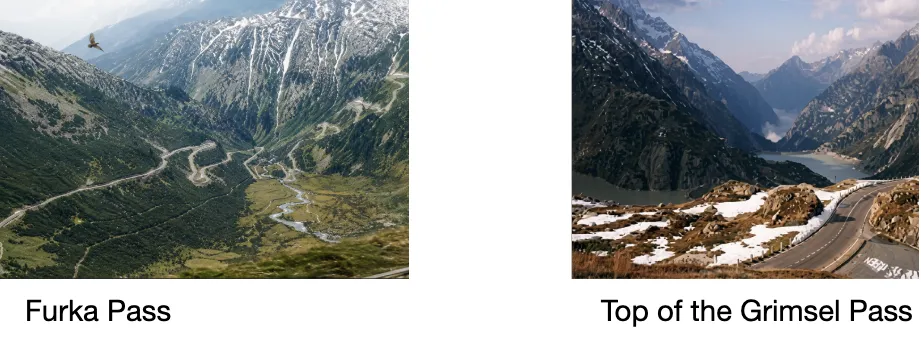
We had described to our friends our bus ride over the mountain passes. They thought it sounded great, and so for our last day in the mountains, we decided to all go together on the boats, trains, and buses. First, an exciting train ride through the Furka Pass and the Grimsel Pass. And then several bus rides through the mountain passes. At the top of one of the passes, we saw the Rhone Glacier, source of the mighty Rhone River. At one point, we got behind a herd of cows coming down from summer pasture. They were decorated with flower wreaths and big bells. These mountain passes all have a tunnel to give an alternate, faster route under the mountains instead of zig-zagging over them (which is much more scenic). Al counted 70 switchbacks, and Ruth counted 33 tunnels.
Express train to Bern, Zurich, and on to the small town of Winterthur (chosen for its proximity to the Zurich airport). We found footsteps in our room ( and a letter from Mary Fox). Nice surprise. Then we all got on the train for another of our favorite areas - Appenzell. It is in the northeast canton of Switzerland, and it features rolling green fields, lots of cows, and little red trains. We spent some time hiking around Weissbad, a place we have stayed several times. We took train and cow pictures with the green hills. Then back to Winterthur for our last night in Switzerland.
We rode 82 trains, 7 buses, and 4 boats in 15 days.
We were persuaded to go back down the other way - the Red Trail. “It’s all downhill,” he said to Andrew, and he promised to walk with us. First, we walked through fields with grazing cows clinking their bells with every head movement. And then the path turned downward, through the woods, on a very rocky, steep path. Hiking sticks were very helpful! Andrew stayed with us the whole way, encouraging us. There were many places where logs were placed across the path to make a step or a series of steps. I had been told about these, and the estimates ranged from 100 upwards, so I counted them. We descended near a rushing waterfall – and there was another place with a cold, mountain spring. Water never tasted so good! Down, down, down we went. Where is the valley floor where we started? Finally, with shaking knees, we reached the end, and I had counted 500 log steps! We did it, and I’m glad, and we suffered no lasting effects. Our legs felt fine the next day.
The last day of our train passes; we rode the Appenzeller train to St. Gallen and picked up our rental car.
Continue Reading!
© Copyright 2026. AEM World Travels - informal entity. All rights reserved.