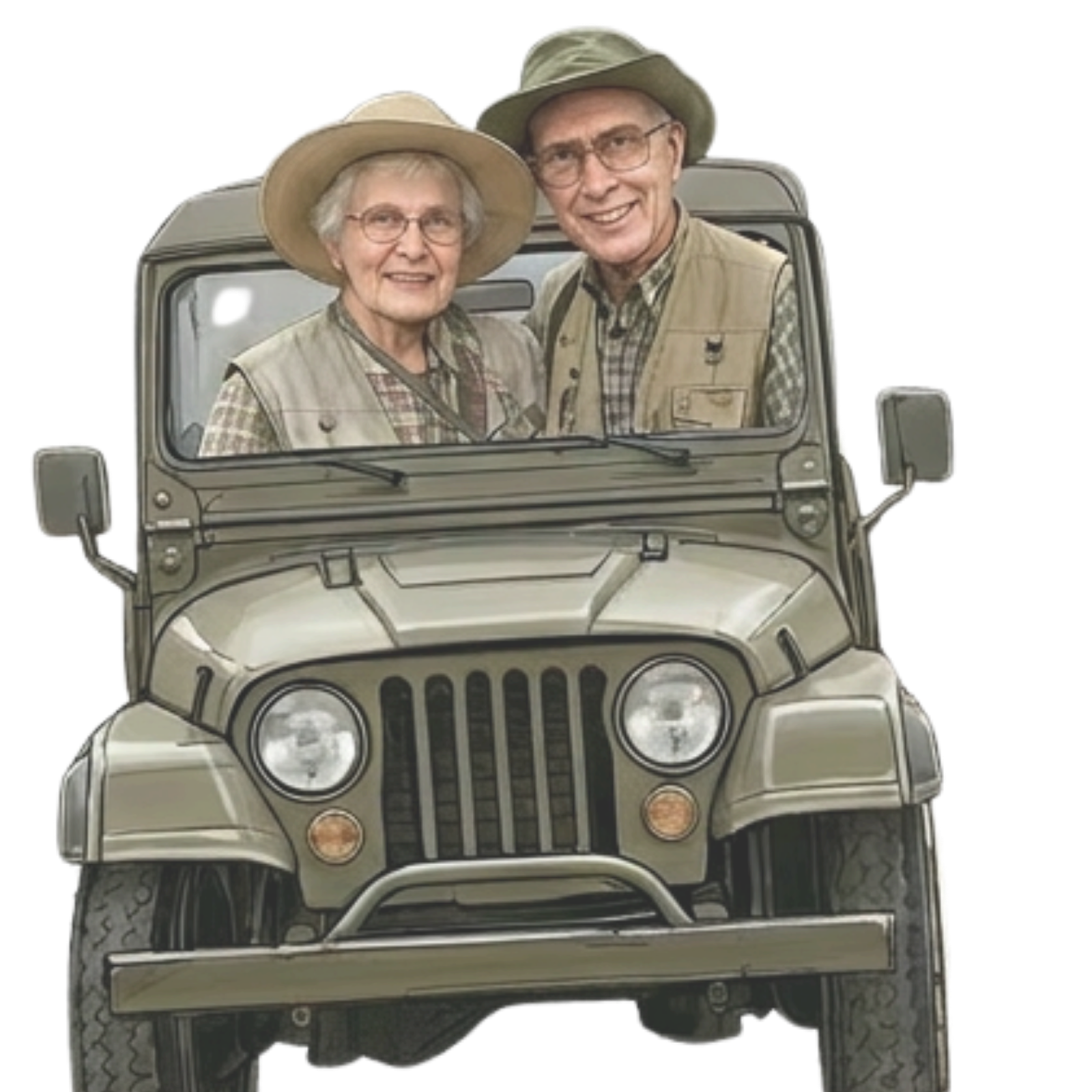
2003 - CHRISTMAS MARKETS on the RHINE
1996 - SCOTLAND & IRELAND

Go to Table of Contents
Go to Table of Contents
2003 - CHRISTMAS MARKETS on the RHINE
2003 - CHRISTMAS MARKETS on the RHINE
with Jesse & Linda Moore
with Jesse & Linda Moore

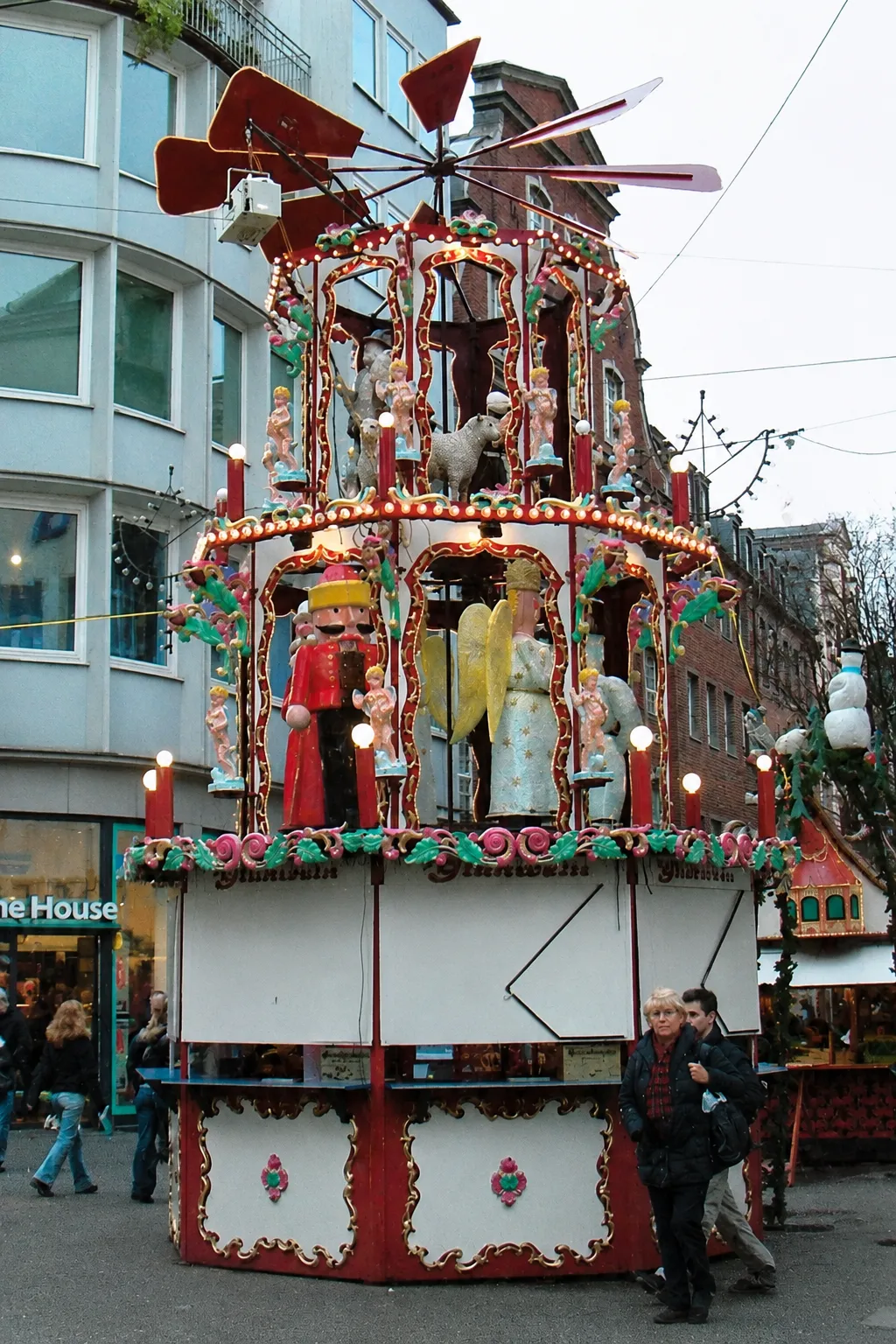
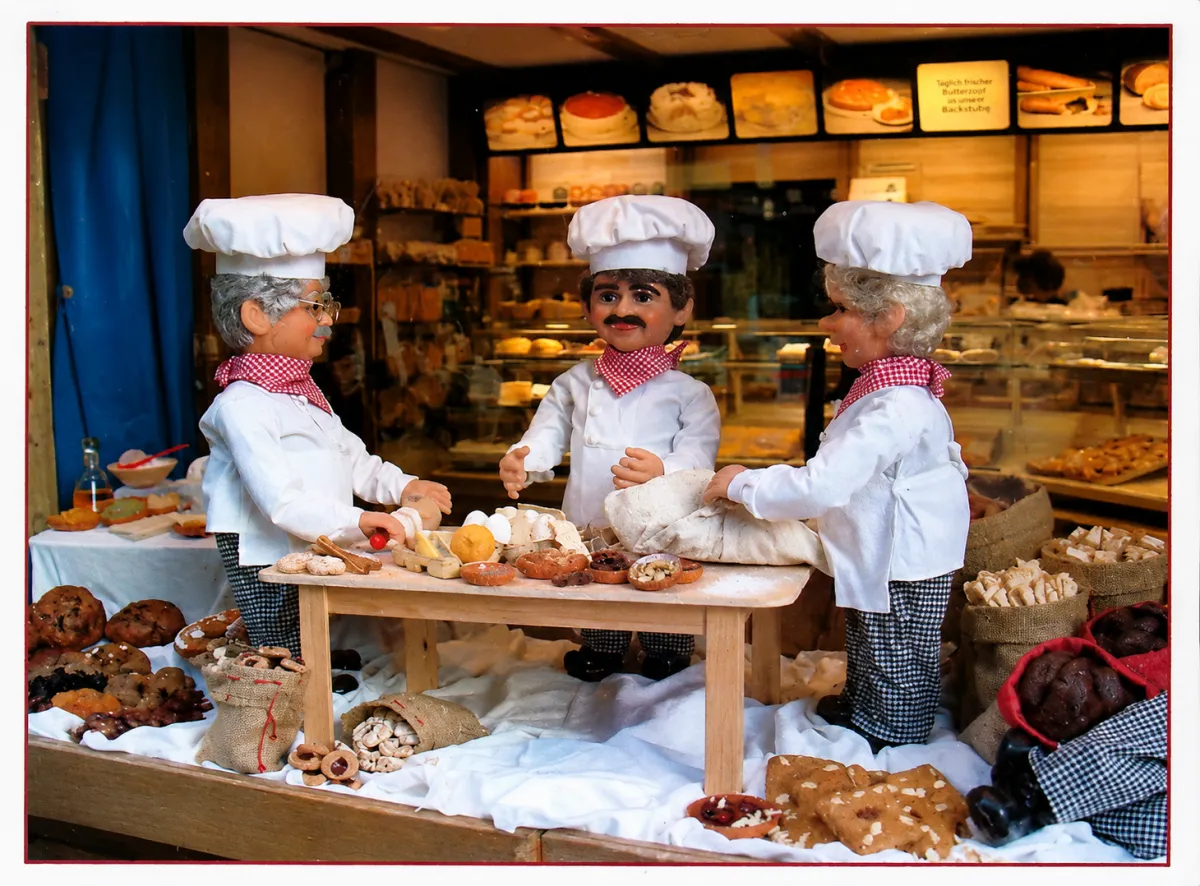
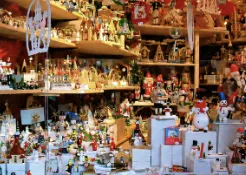
Our Christmas Markets tour started in Dusseldorf, Germany. A giant Christmas carousel was quite an attraction. We browsed through the booths loaded with toys, carvings, and nutcrackers. We had foot-long brats in too-small buns, enjoyed hot chocolate, and got to keep the mug. Animated bakers demonstrated making apple strudel. Lots of Christmas music and the aroma of hot cider.
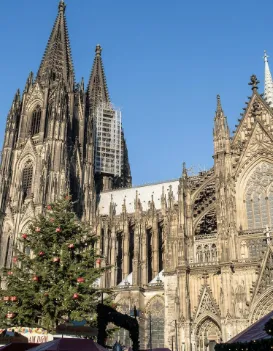
Cologne
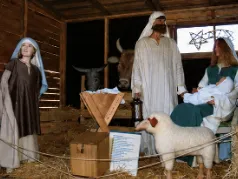
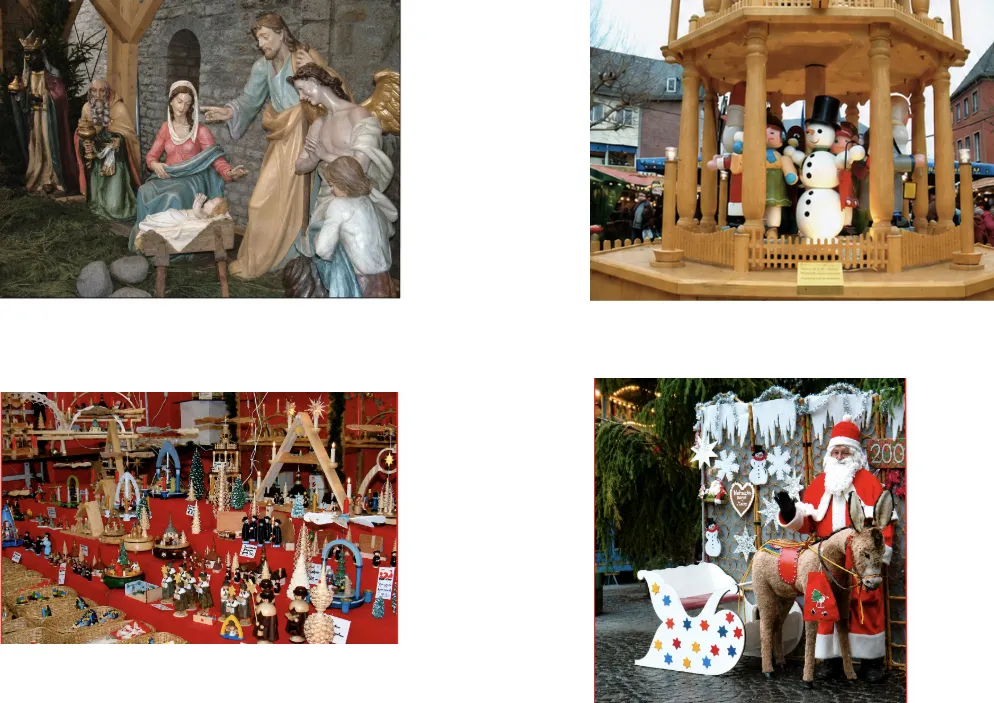
We could see the great Gothic cathedral from our ship. The Christmas Market stalls were in the square next to the cathedral. A perfect setting for Christmas. It was cold and snowy as we browsed through the many attractive market stalls, a children’s choir singing in the background. There was a life-size Nativity scene. The market stalls featured every kind of Christmas toy, nutcracker, little village, manger scene, wooden toy, puppet, angel, Santa, snowman, Christmas tree, candle holder, and singing choirboys.
Rudesheim
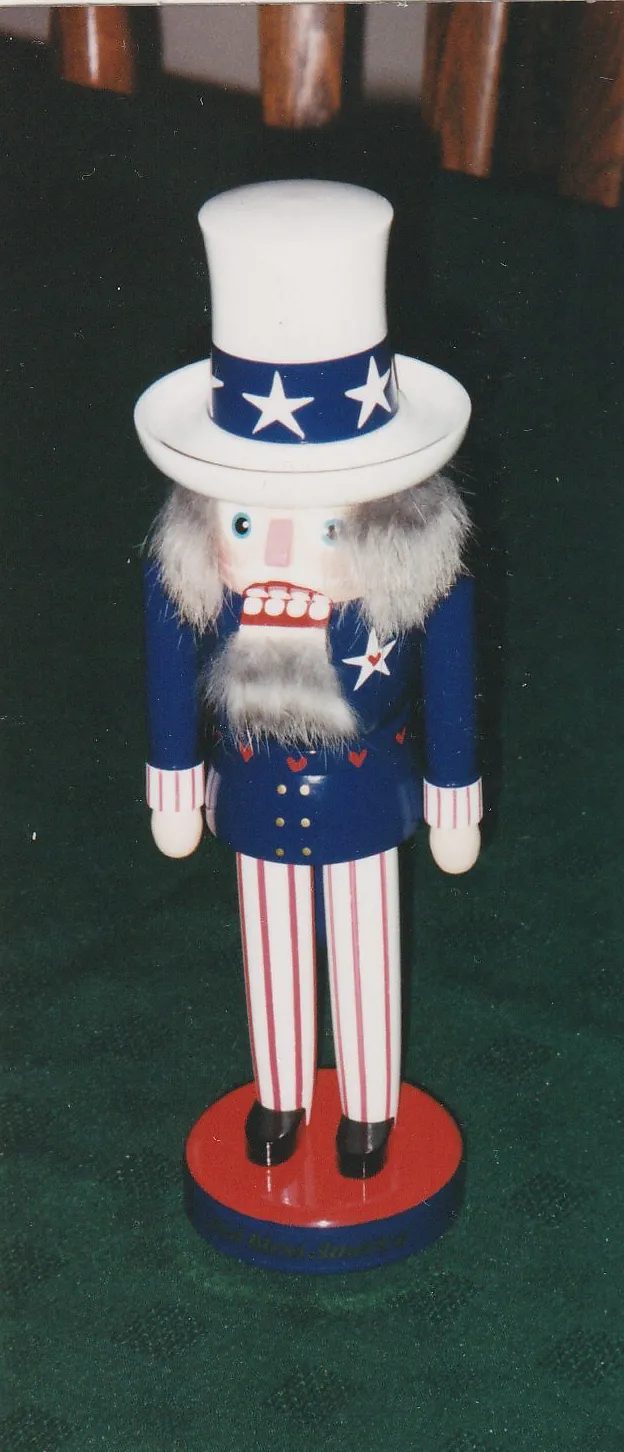
We were sailing the next day, passing fascinating scenery: castles, little villages, and churches. We had been this way before, and it was interesting to spot familiar landmarks like Lorelei and St. Goar. Furthermore, we docked at Rudesheim, a quaint, cobbled town on the river. We were on our own to browse and shop in the colorful market stalls and the year-round shops. The streets were very narrow and crowded with tourists. It was very Christmasy, and we had fun looking and then buying a very authentic German nutcracker.
Mainz
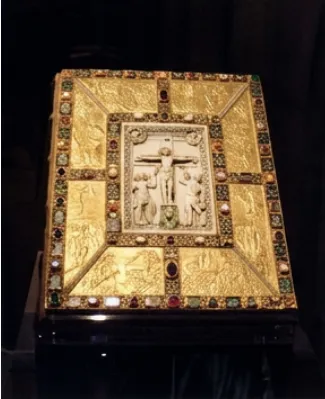
It is a 2,000-year-old city located at the confluence of the Danube and Main rivers. Mainz is where the first Gutenberg Bible was printed in 1455 with movable metal type. Only 48 copies have survived; 2 are in the British Museum.
This is the ornate cover of one of the first Gutenberg Bibles. It was printed in Latin with elaborate Gothic lettering. It dates from the 1450s.
A guide explained how the individual letters were formed from molten type metal, placed in a tray, and brushed with ink. The tray was then placed in the bed of the press with the paper under it. A strong volunteer pushed the heavy wooden carriage with the type tray under the printing press. He then pulled the lever that exerted pressure onto the type tray, transferring the ink from the letters onto the type tray.
The first printed Bibles were done by this laborious process, page by page. But it was much faster than the handwritten Bibles done in calligraphy style.
2004 - South Africa & Kruger Park
with Ed & Jan Davis
JOHANNESBURG
Trygvar met us, and soon we were settled into their lovely home, enjoying tea time with Anne. We had booked a place called “Cottage Pie” in the Drakensberg Mountains for the six of us, thinking it would be a nice little adventure. Our friends, Ed and Jan Davis, were traveling with us on their first trip to Africa.
COTTAGE PIE IN THE DRAKENSBURGS
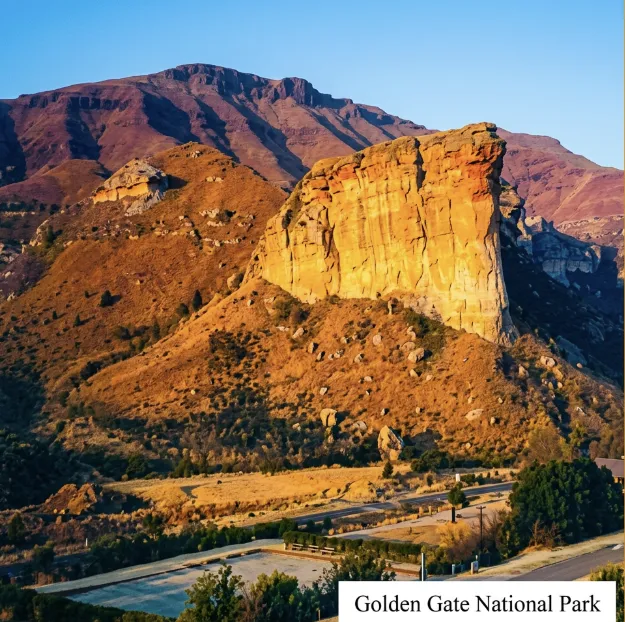
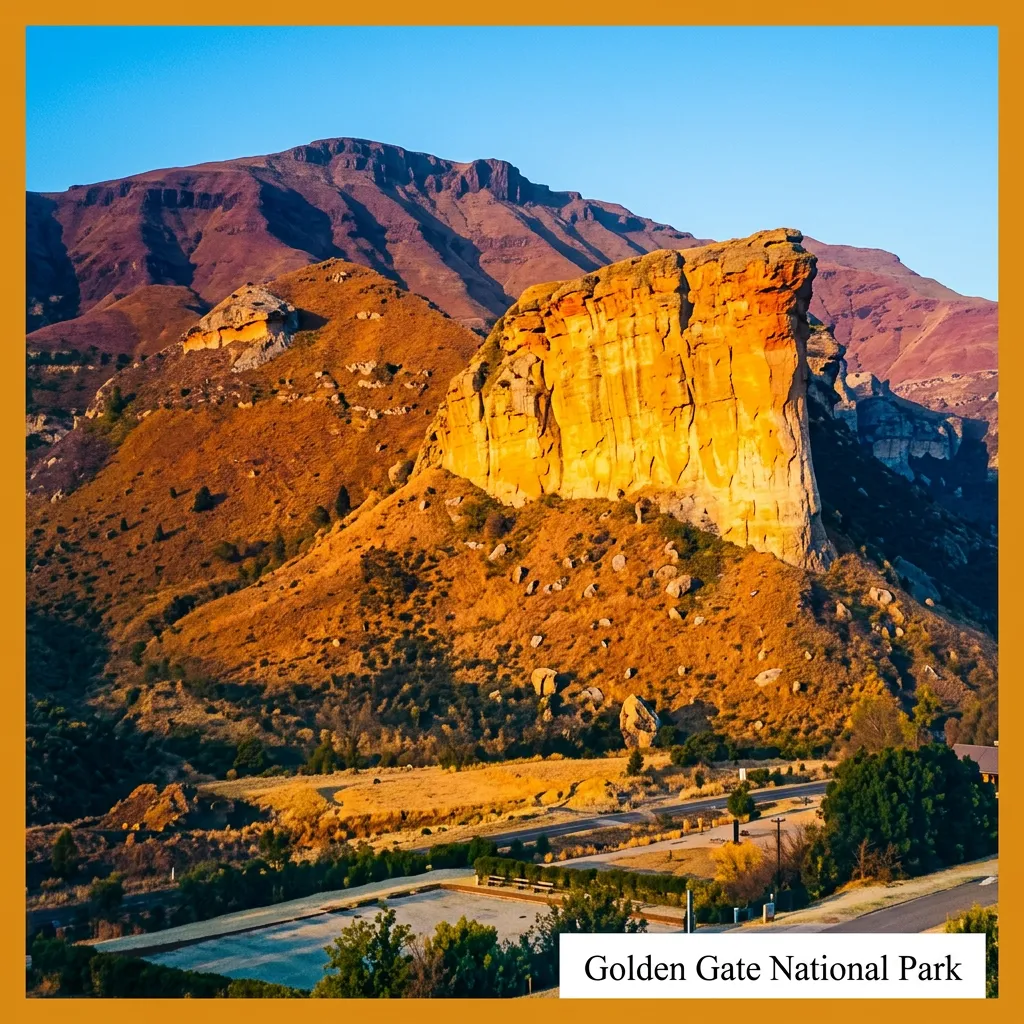
The next day, the six of us left for “Cottage Pie,” and it turned out to be a most charming place. Our cabin was beside a “babbling stream,” although it happened to be dry at the time. Still, the setting was beautiful, nestled beneath a towering cliff. We decided to drive to Golden Gate National Park to enjoy the mountain scenery and have dinner at the lodge, a great decision. The cliffs glowed a brilliant golden color in the late afternoon sun, and dinner introduced us to some new favorites, including cheesecake and trifle.
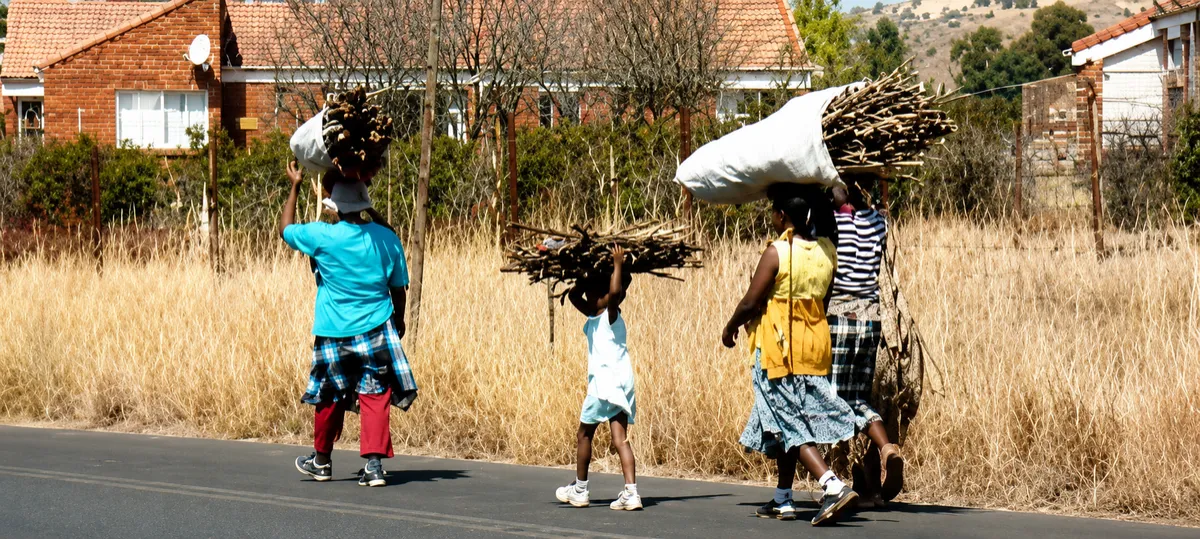
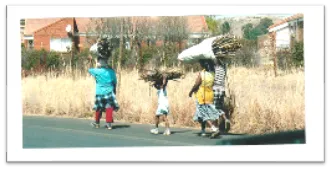
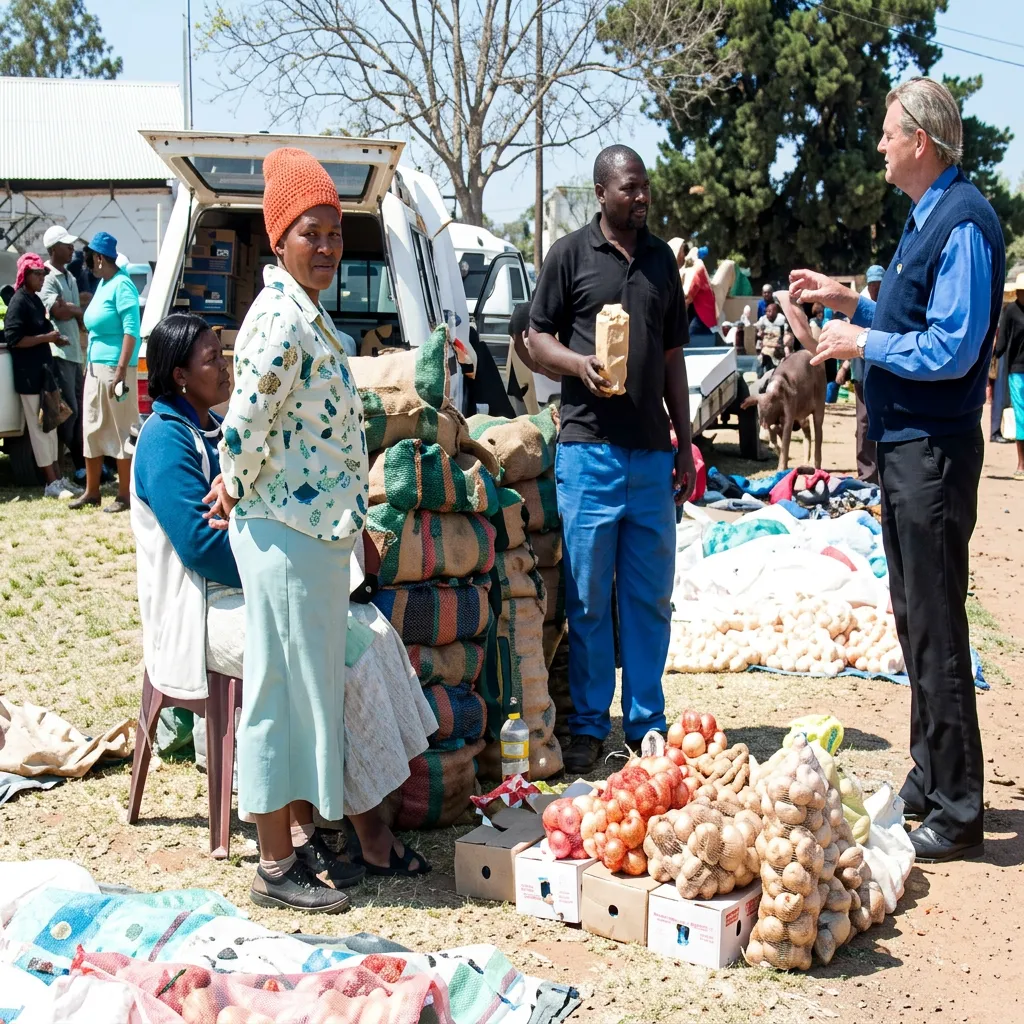
It was recommended that we drive to Fouriesburg, and it turned out to be a delightful journey through golden mountains, sweeping valleys, and small settlement towns. Along the way, we even saw a family carrying firewood. The real highlight, however, was the town itself, as it happened to be market day. Hundreds of people were milling about, browsing the various goods and produce for sale. Trygvar served as our interpreter, and wherever he went, he seemed to make everyone smile and laugh.
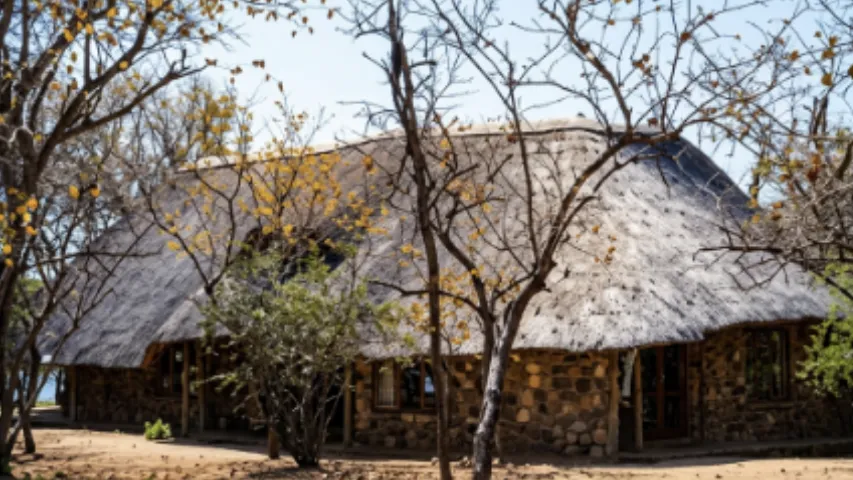
We drove through QwaQwa simply because we liked the sound of its name! The following day, we returned to Johannesburg before heading north to visit more friends and explore new places.
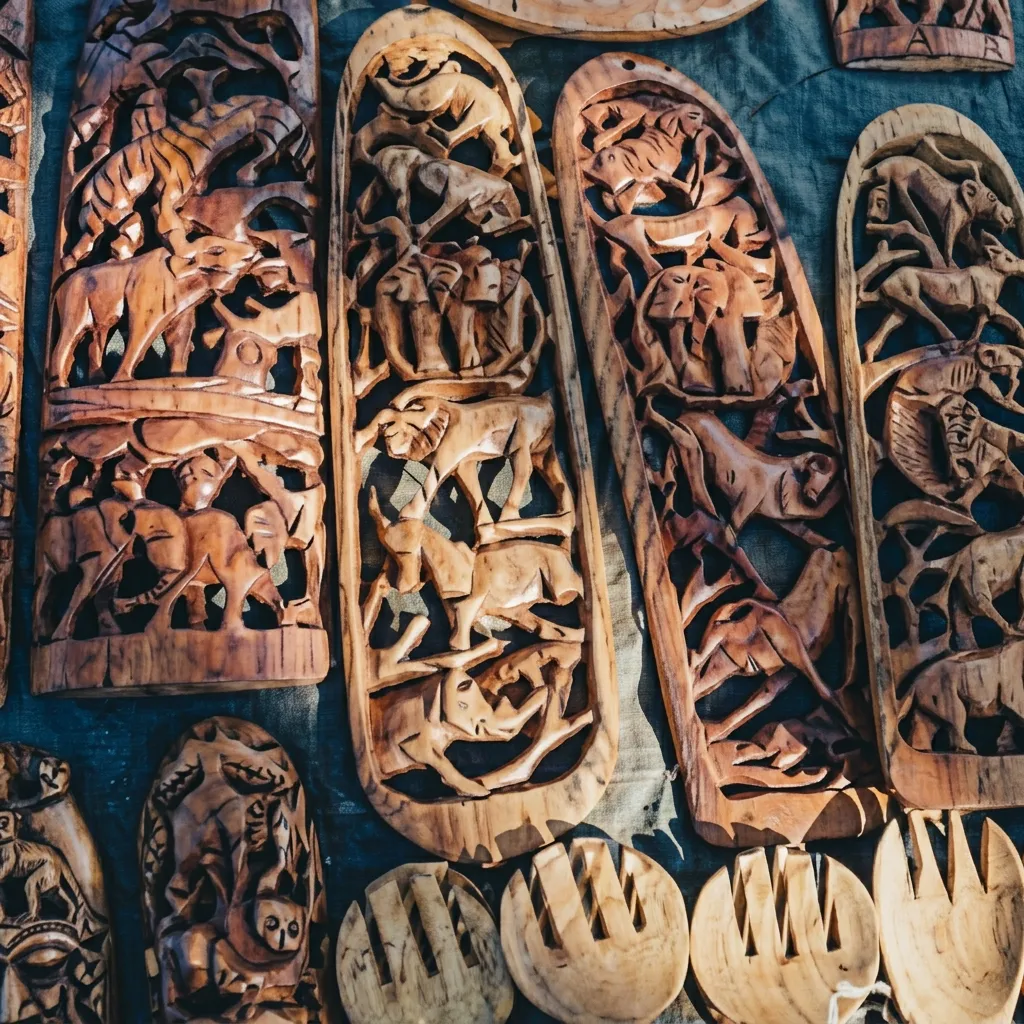
Our journey took us through Long Tom Pass, where there were many opportunities to purchase local handicrafts. We admired the beautiful craftsmanship on display and eventually bought a wall hanging that had been skillfully carved from a single piece of wood.
Inkasi
It is a luxury bush camp owned by friends of the Brauteseths, and they treated us like royalty from the moment we arrived. Located deep in the bush, it is both secluded and exceptionally luxurious. Our room featured a king-size bed, a jacuzzi, fresh flowers, and a basket of fruit waiting for us. After a refreshing swim and a long, relaxing afternoon on the porch recliners, we set out on an evening game drive. The highlight of the outing was spotting a rhinoceros and her baby, a memorable and special sight in the African bush.
Breakfast was served at the boma, an enclosure made of upright poles that is often used for outdoor meals. We began with fresh pineapple, hot bran muffins, and juice, followed by a hearty cooked breakfast of scrambled eggs, fried tomatoes, sausage, onions, and mushrooms. It was the perfect way to start another beautiful day in the bush.
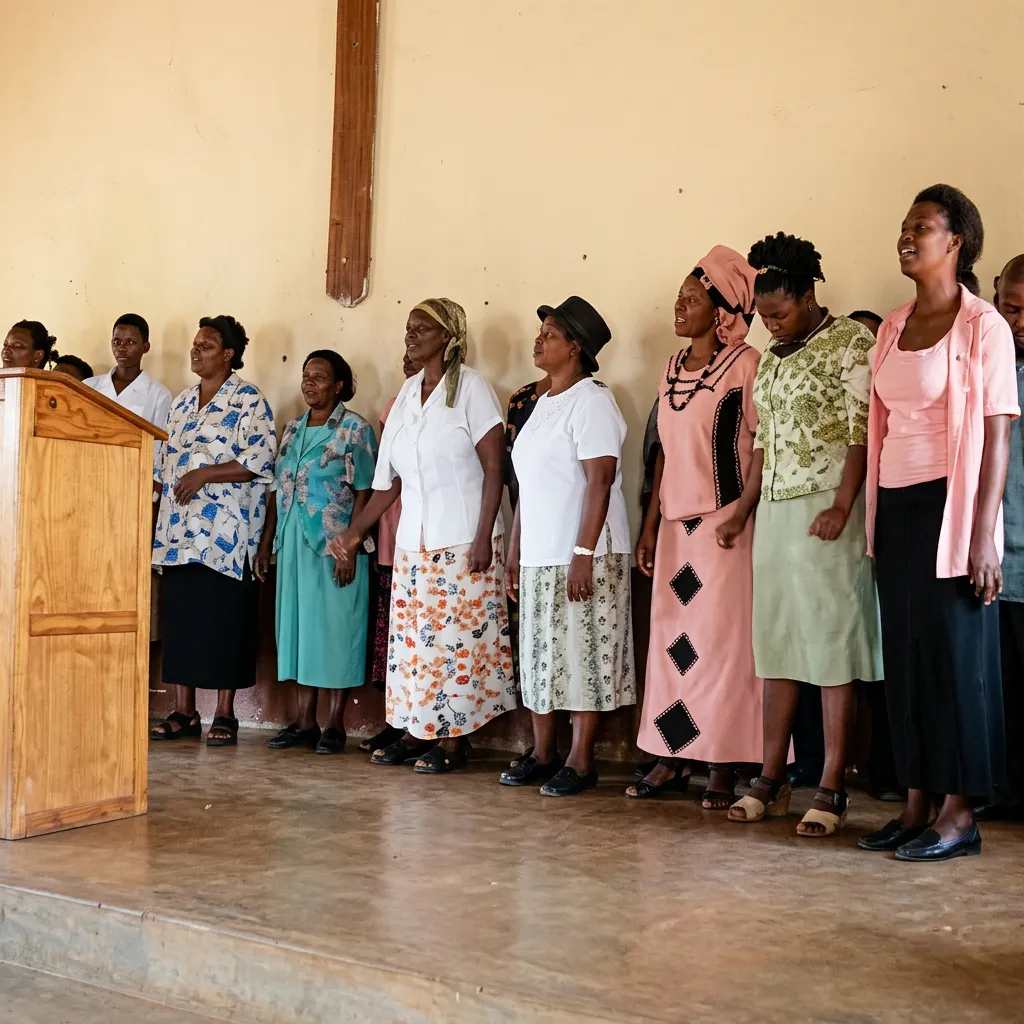
PHALABORA CHURCH
We drove a few miles to the Free Methodist Church, where we received a very warm welcome from the congregation. We were told that the service would begin “between 10 and 11,” and sure enough, it was nearly 11 o’clock before the first hymn was announced. Anne and Trygvar were clearly loved and respected by the people there and were greeted with great affection. One woman, a former witch doctor, rushed into Anne’s arms and once again shared the story of her conversion. She expressed deep gratitude to Anne for helping guide her through that life-changing experience and lovingly referred to her as her “spiritual mama.” The choir sang joyfully, members danced up the aisle to present their offerings, and then Trygvar delivered a sermon on the theme of unity.
KRUGER NATIONAL PARK
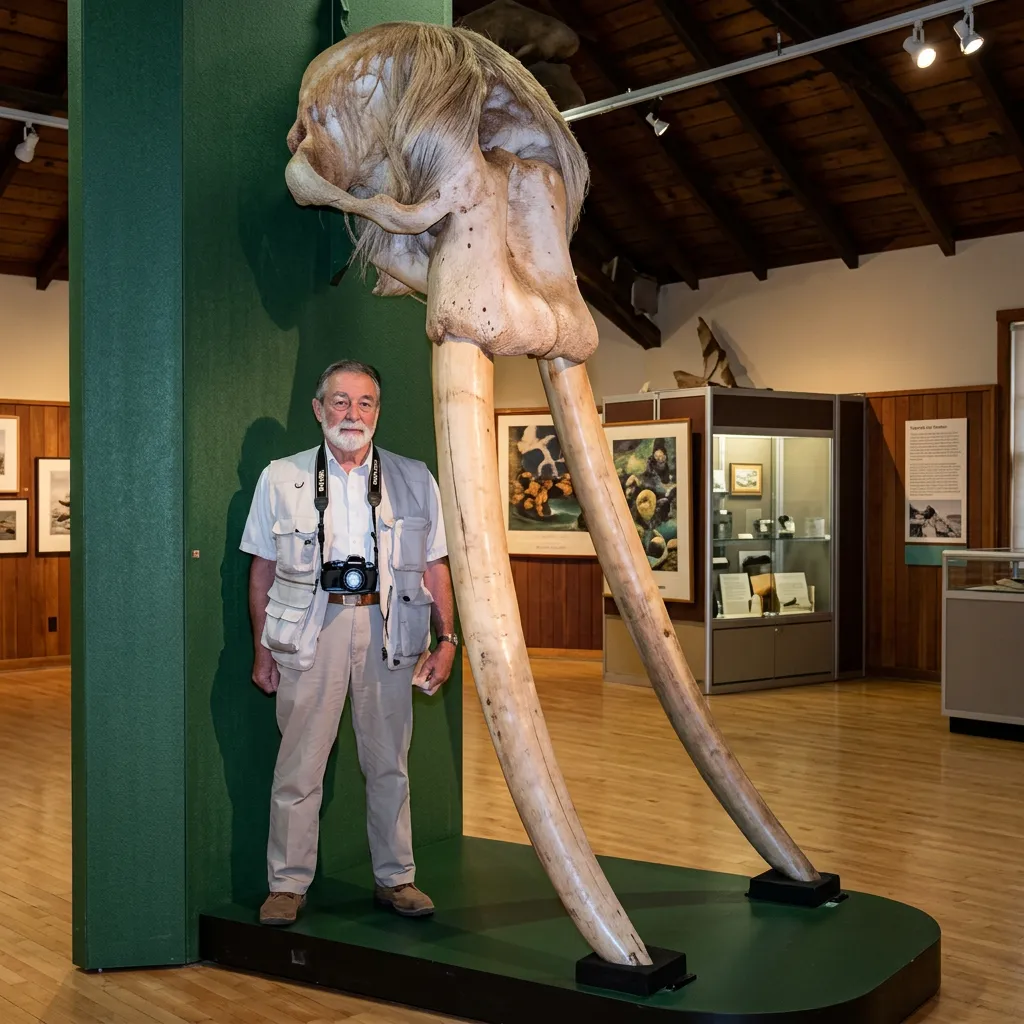
At Letaba Camp, we visited the Elephant Museum, where we learned about some of Kruger National Park’s most remarkable elephants. The tusks on display belonged to one of the park’s largest elephants. After he died of old age, his impressive tusks were preserved and placed in the museum.
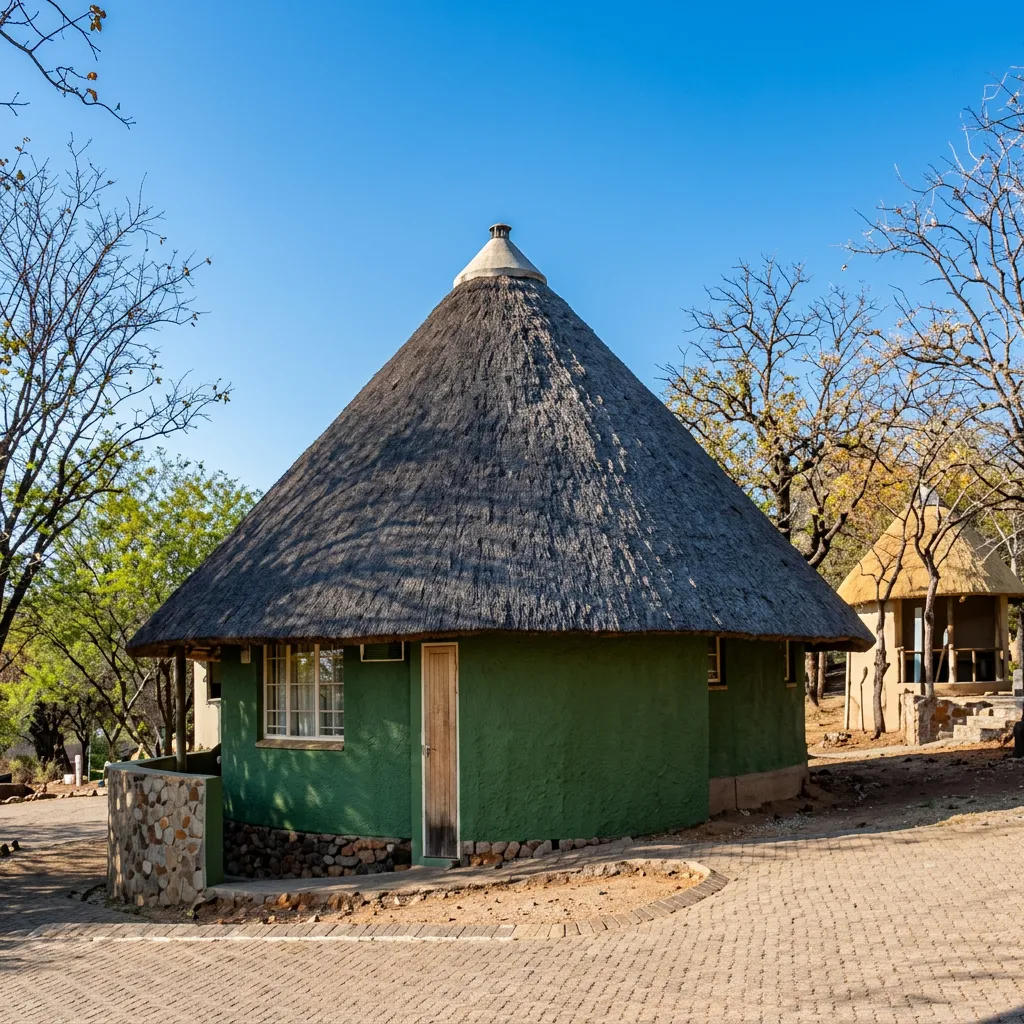
That evening, we stayed in a rondavel named after Nkambaku, which means “Old Elephant Bull.” Nkambaku lived to the remarkable age of 55, and his tusks measured an astonishing 8½ feet long, even longer than the ones displayed in the museum. It was fascinating to learn about these magnificent animals while staying in a place that honored one of Kruger’s legendary elephants.
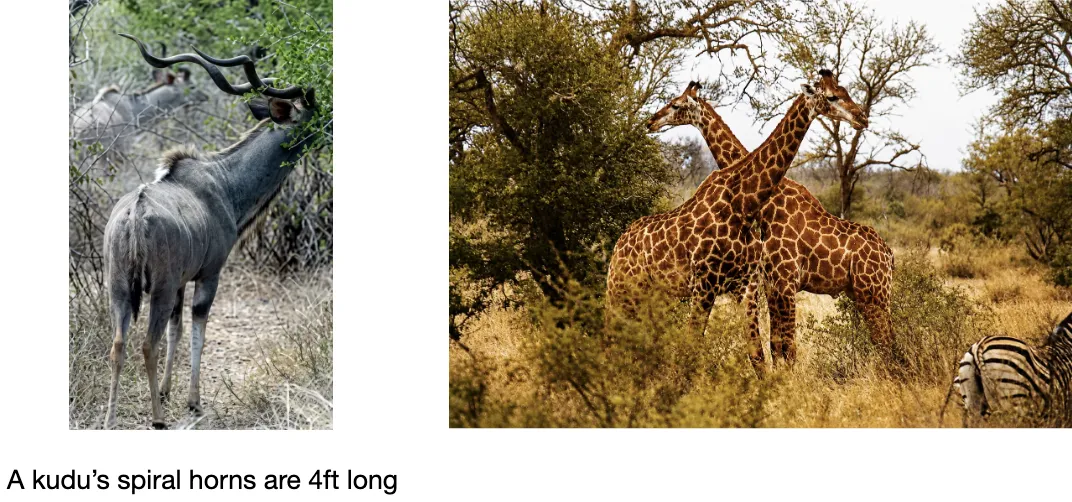
As we drove through Kruger National Park, we saw a wonderful variety of animals in their natural habitat. The experience was especially exciting for Ed and Jan, as it was their first time seeing African wildlife in the wild. Each new sighting brought a sense of wonder and anticipation, making the journey through the park an unforgettable adventure for all of us.
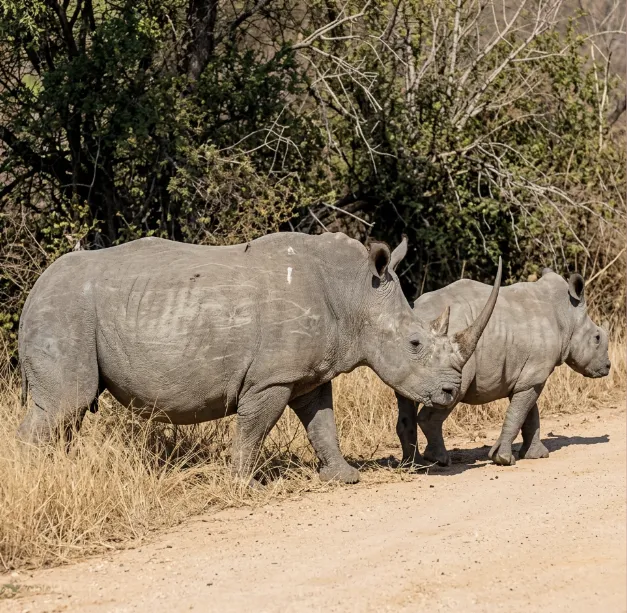
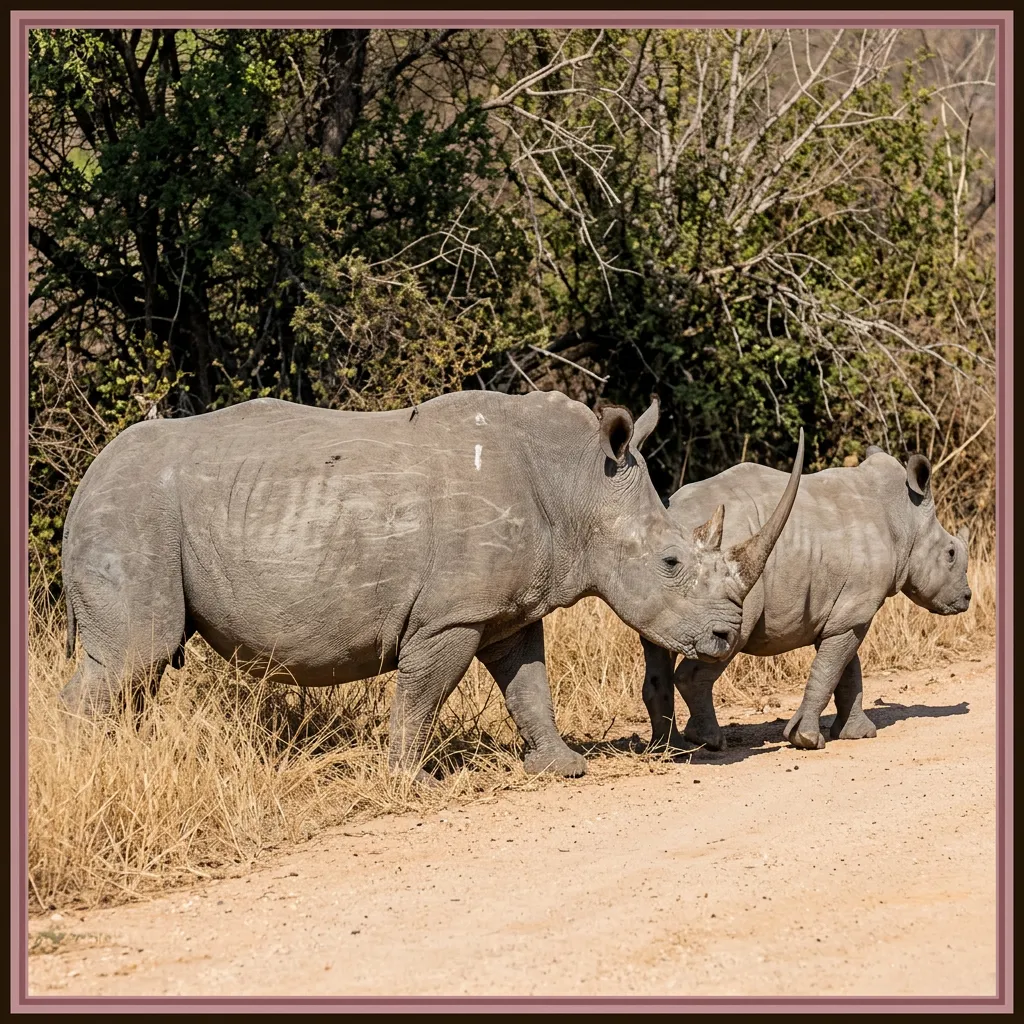
A mother rhino is shepherding her baby safely across the road.
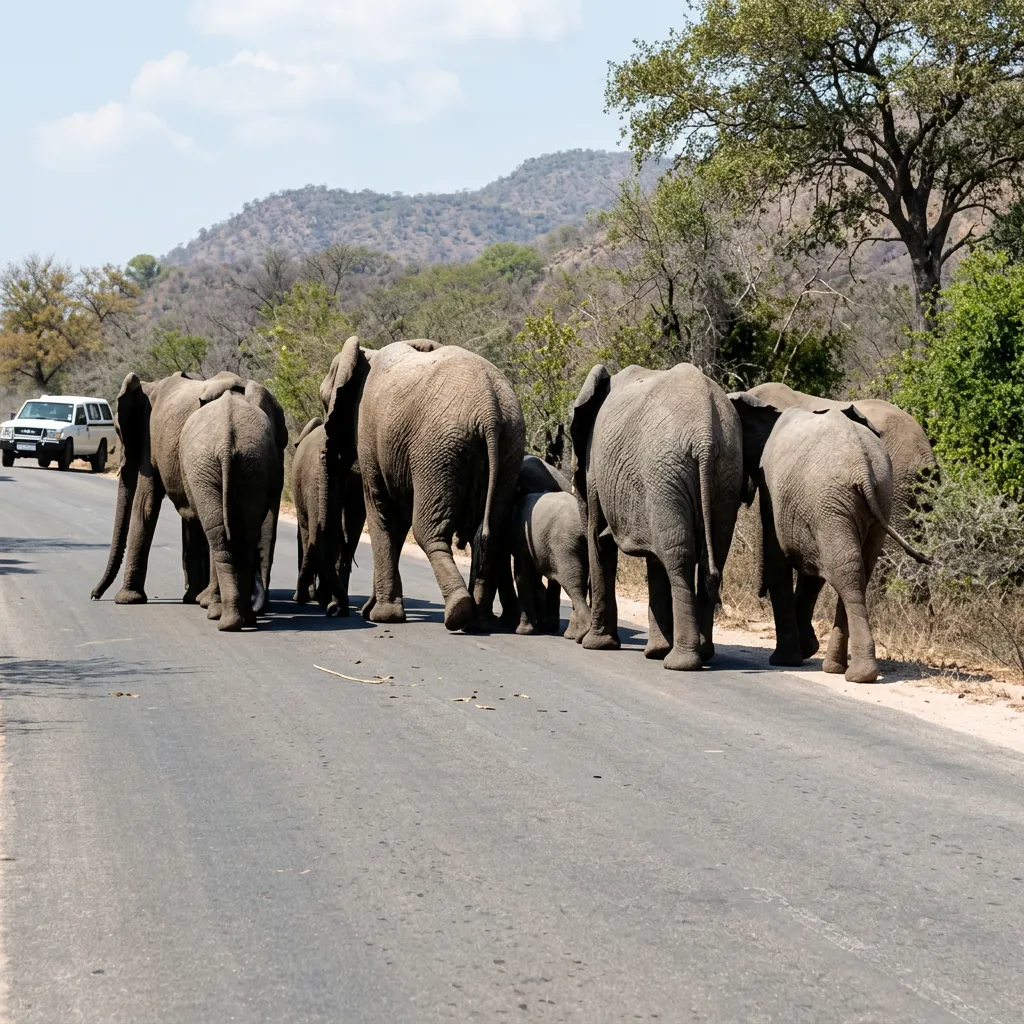
We saw this group of elephants and their babies crossing the road, and they were not happy with us! One trumpeted and charged at a car. All the action was happening behind us, so Trygvar opened the roof, and I climbed up. Perfect shots!!
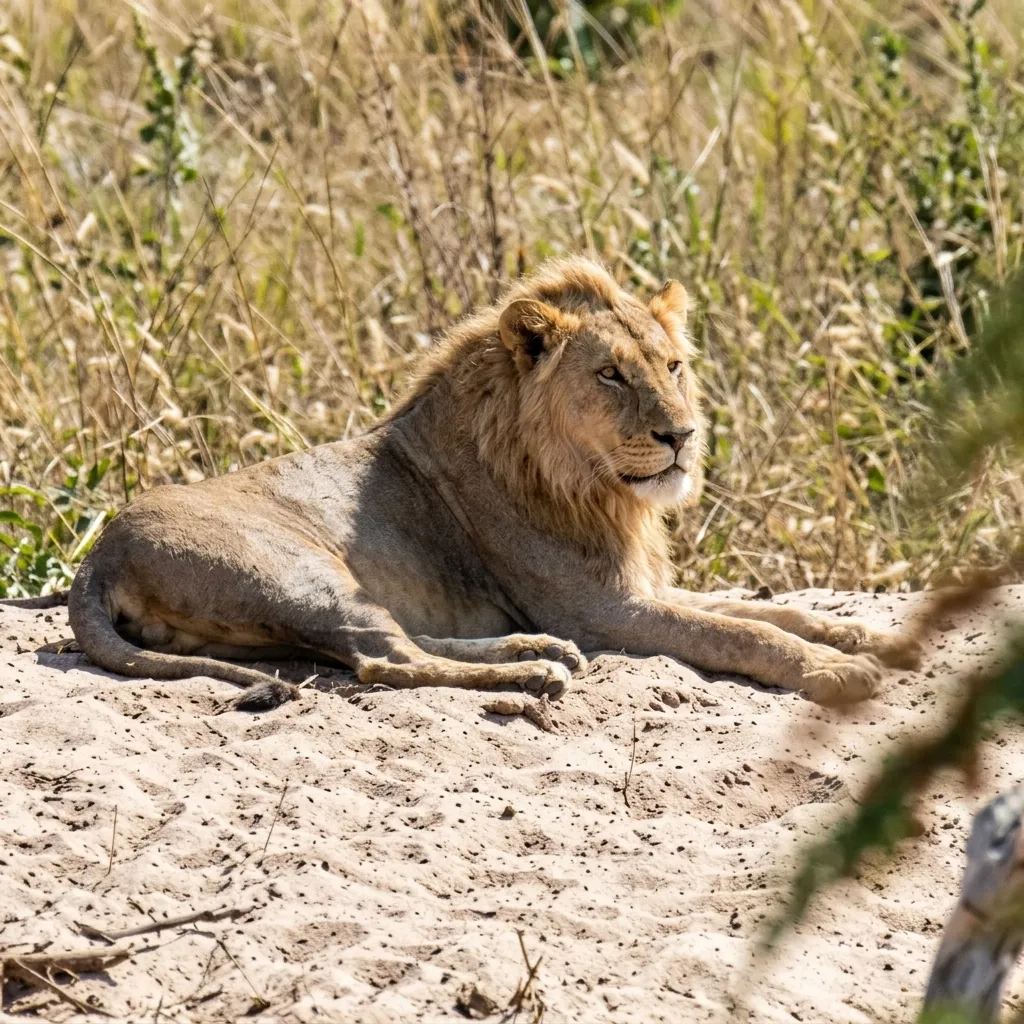
Thanks to the telephoto lens on our new digital camera, we were able to capture this beautifully posed picture of a lion.
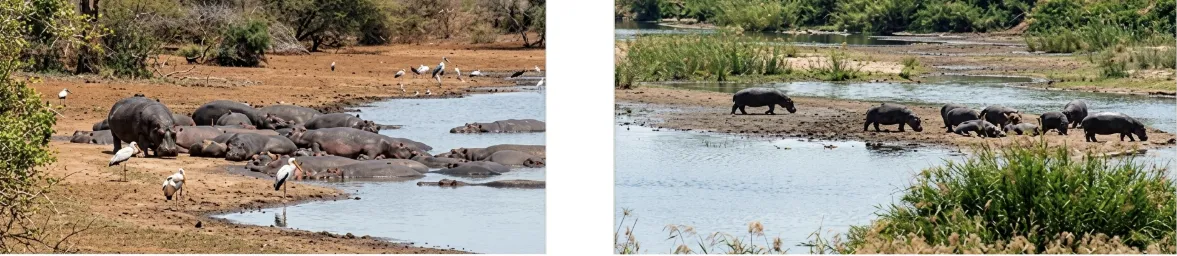
Hippos really enjoy water, mud, and sunshine.
At first, they were sleeping on the mud flats, then they slowly got up and started walking around. They may look harmless, but they are actually the most dangerous animals in Africa.
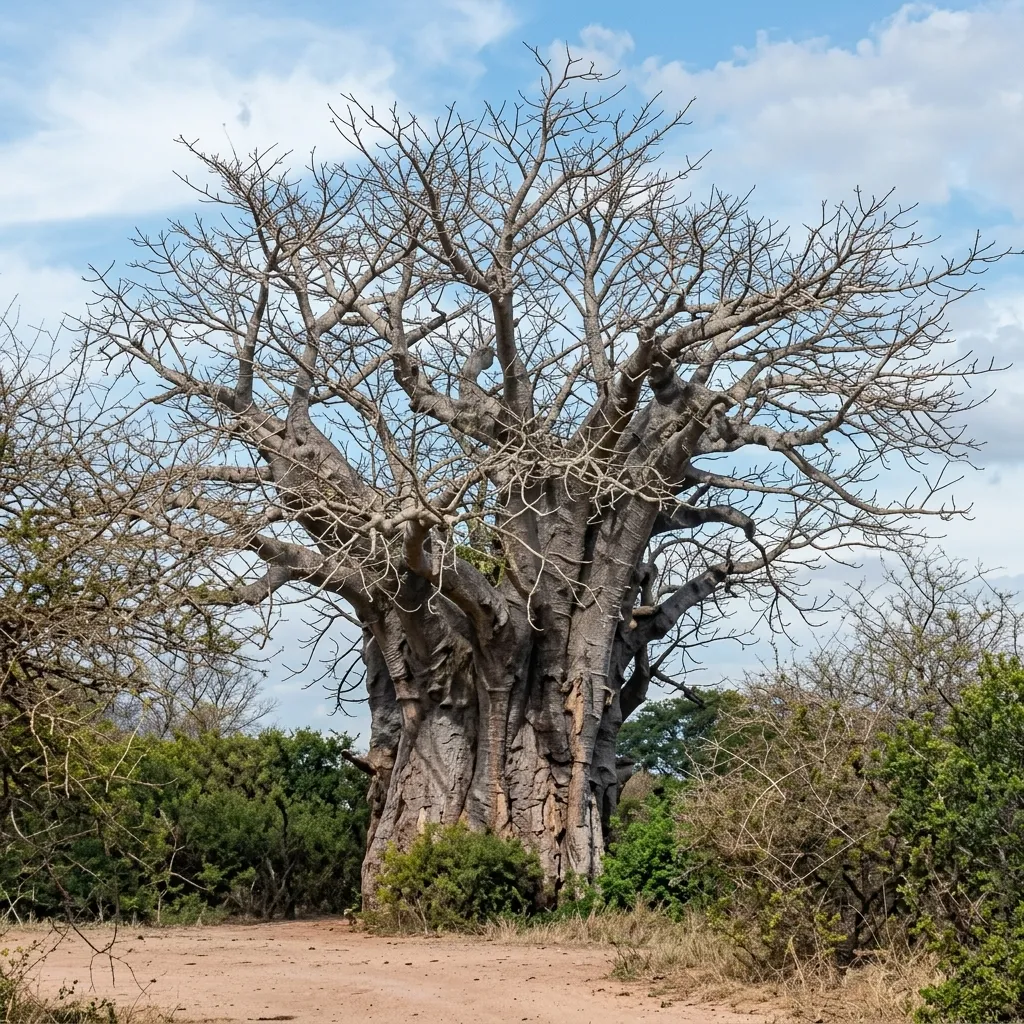
Baobab trees are common in Southern Africa. They are known as the "upside-down tree" because they look as though they have been pulled up by their roots and then stuck back into the ground.
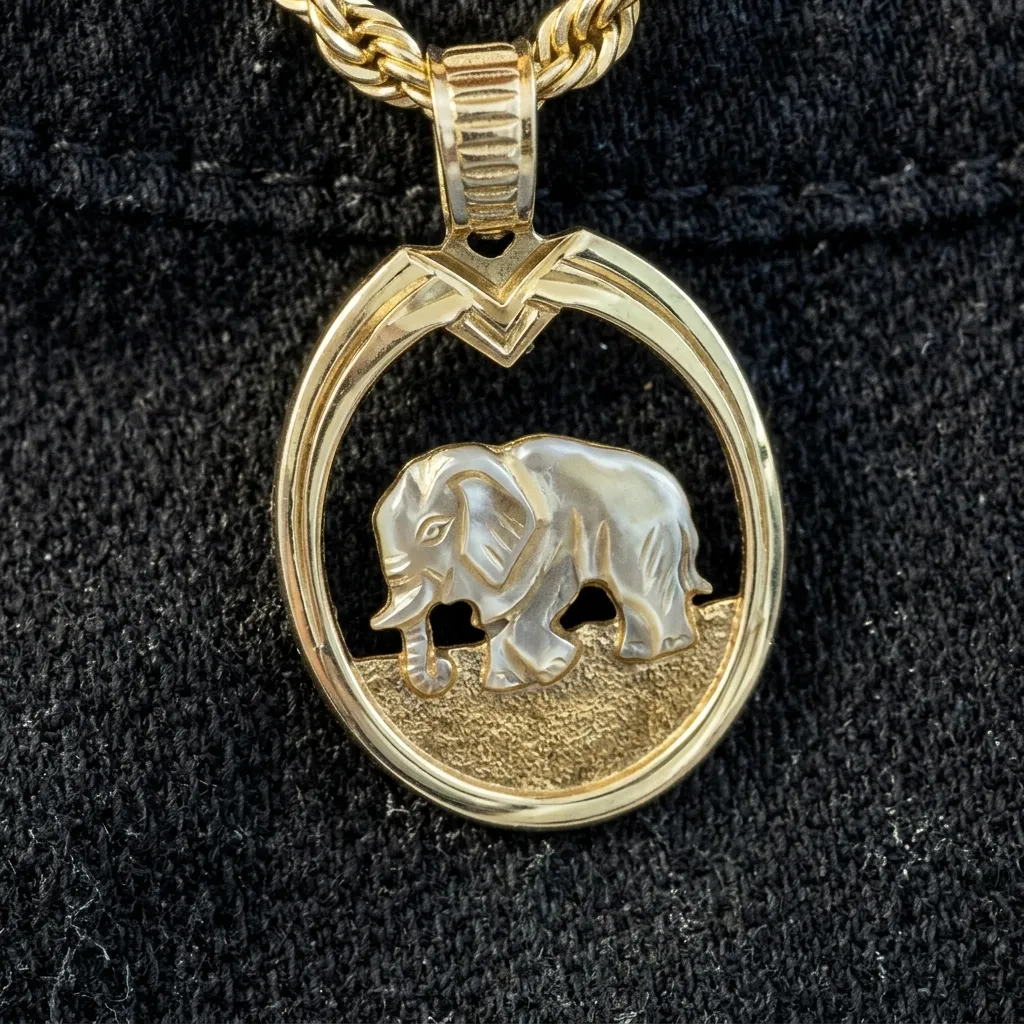
Time to leave Kruger Park and fly on to Victoria Falls in Zimbabwe. On the plane, Al surprised me by buying a little gold elephant necklace from the duty-free cart that came around. It was to commemorate October 3, the anniversary of our Marriage Encounter. I have worn it every day since.
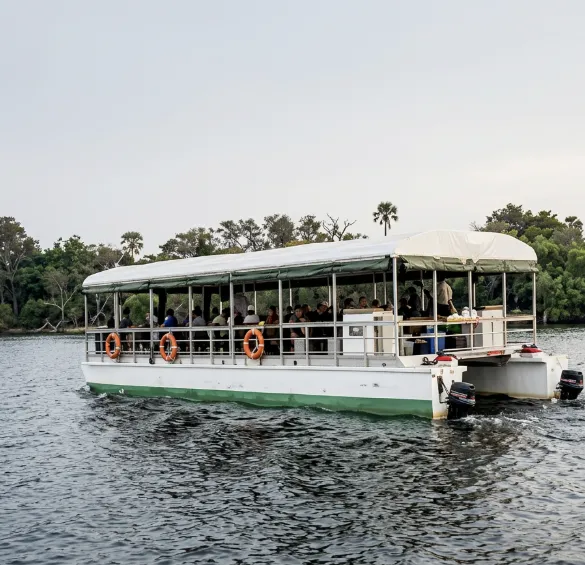
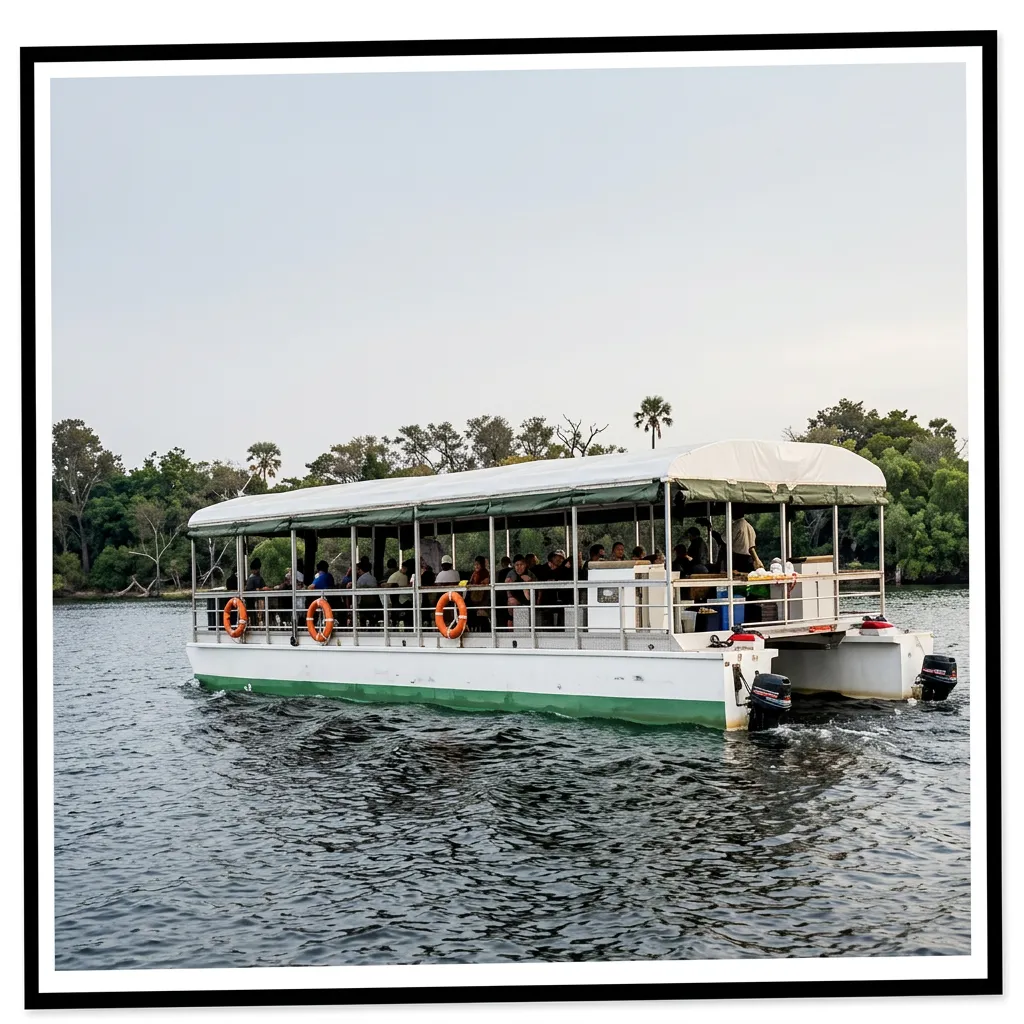
We went on a sunset cruise along the Zambezi River
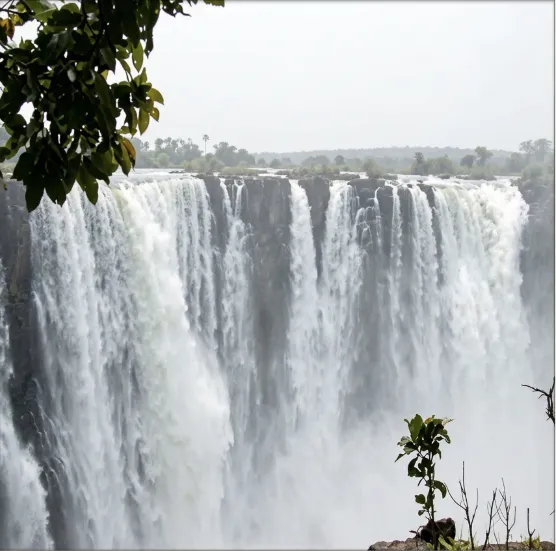
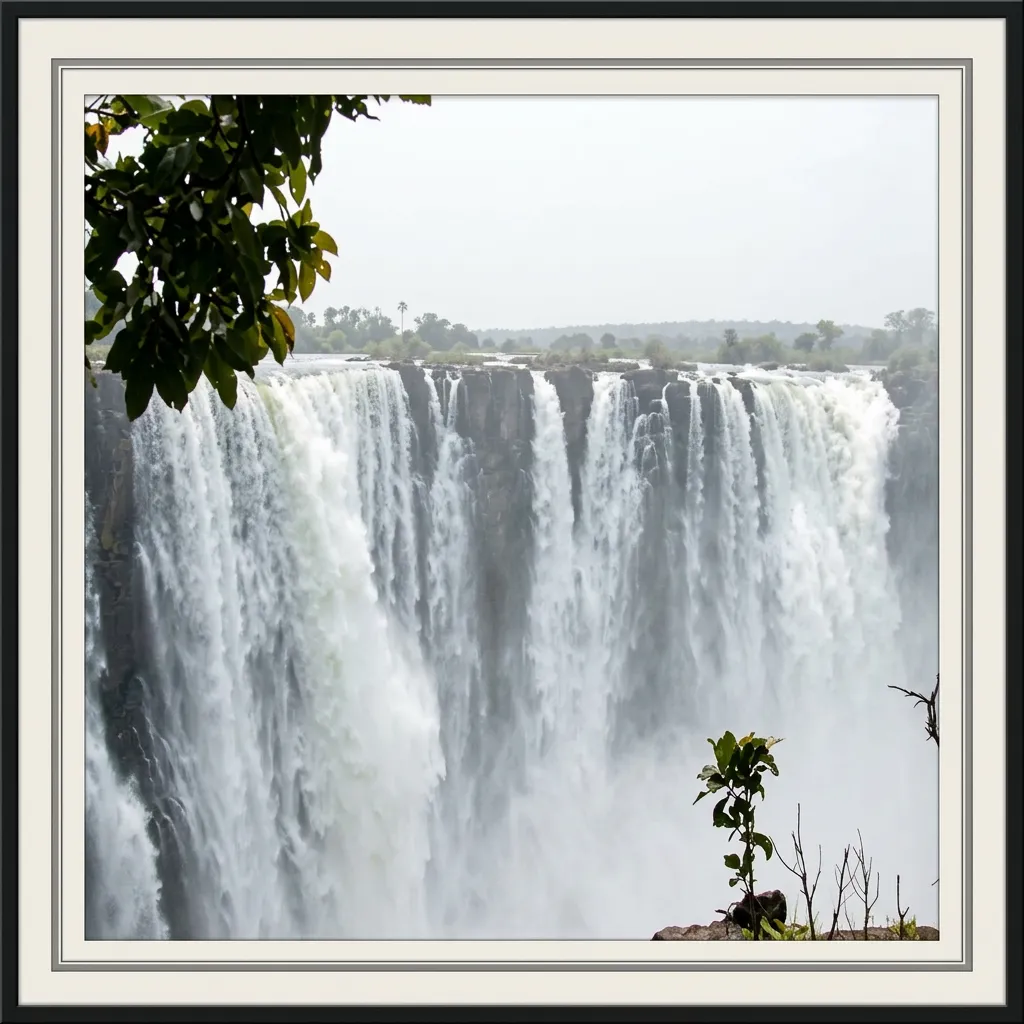
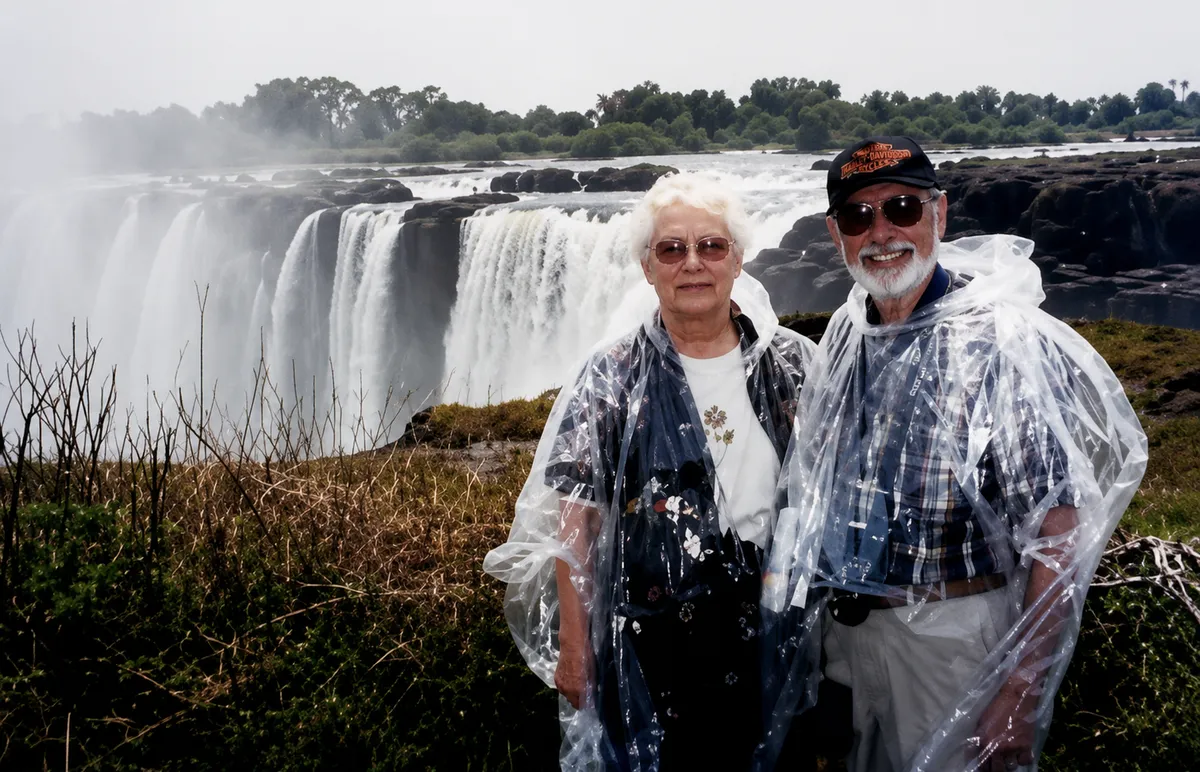
We were anxious for Ed and Jan to experience the Falls for the first time and feel the spray for themselves. The Falls are especially impressive because the river flows gently with no rapids before plunging dramatically over the rocky edge. The water drops 350 feet, creating a tremendous spray that can be seen for miles. During the rainy season, the Falls stretch nearly a mile wide, forming a continuous curtain of water.
We donned plastic raincoats and set off to walk through the rainforest opposite the Falls. We walked the entire mile, stopping often to admire the views, and despite our raincoats, we still got quite wet from the spray. Fortunately, the weather was warm. At the end of the rainforest trail, I took off my raincoat and stuffed it into my tote bag, leaving part of it hanging out.
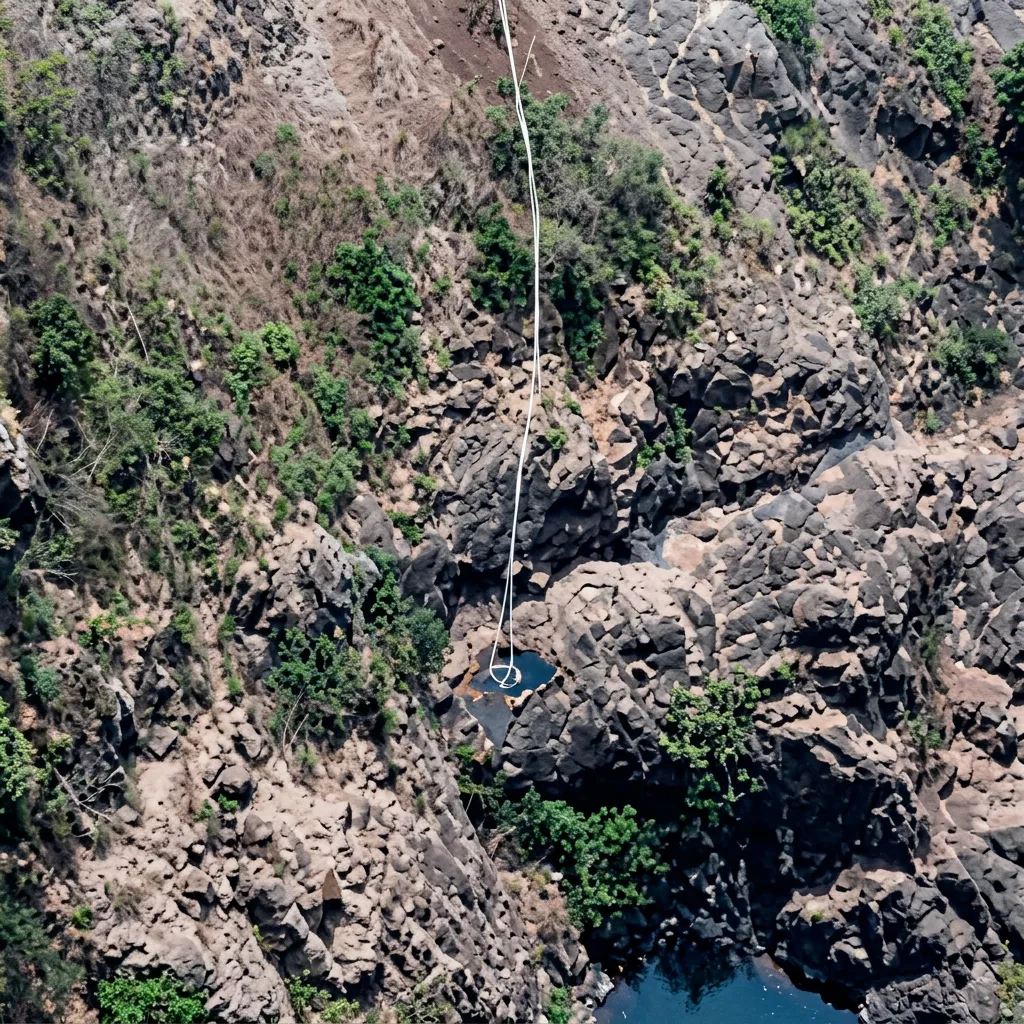
The path ended at the gorge spanned by the bridge to Zambia. Suddenly, we saw someone bungee jumping from the bridge. They bounced way up and down on the bungee cord, providing excitement for all the spectators, who were all saying, “I’m glad it’s him and not me!!”
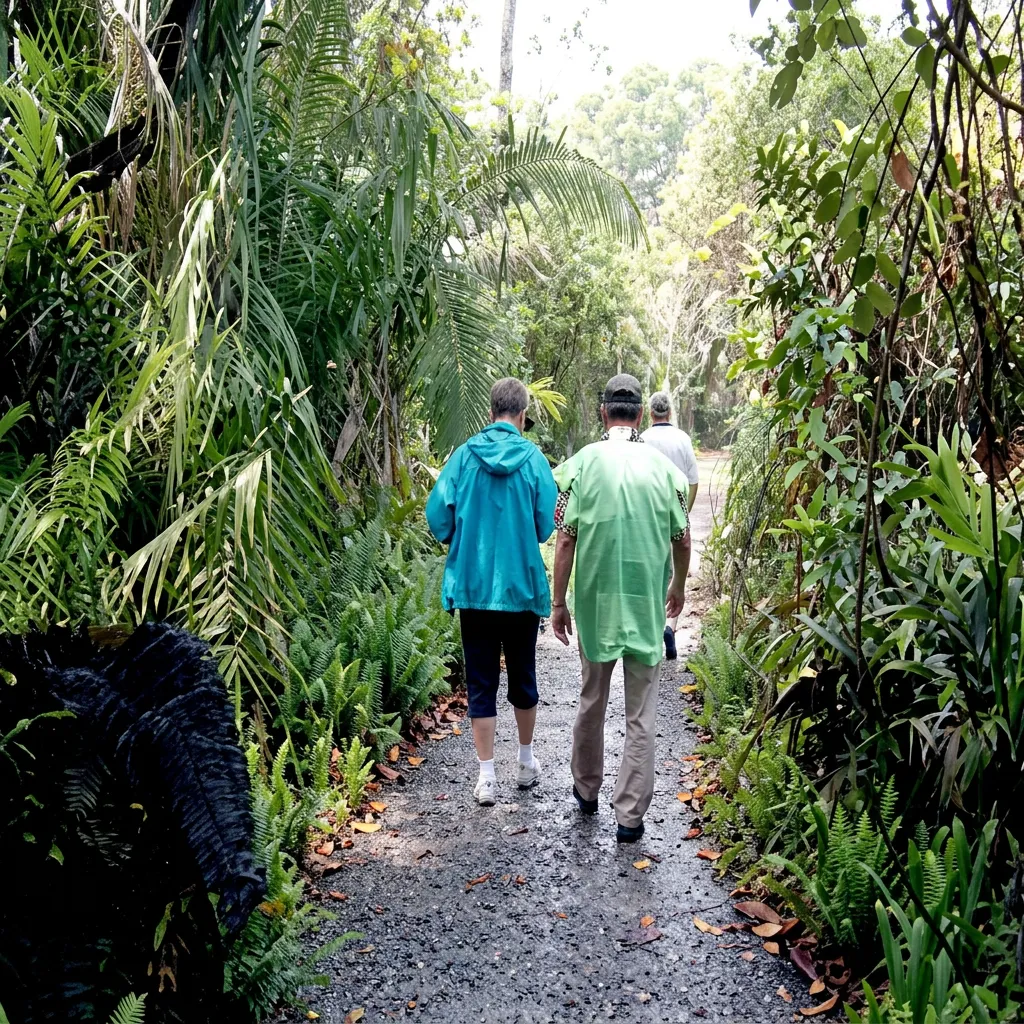
The walk back to the gate was drier, but we had to walk around several groups of baboons. Suddenly, Al shouted, “Look out!” as a big baboon came up behind me, grabbed my raincoat, and ran off with it. I did not chase him! The dollar raincoat from the Dollar Store in Greenville is somewhere in the rainforest at Victoria Falls.
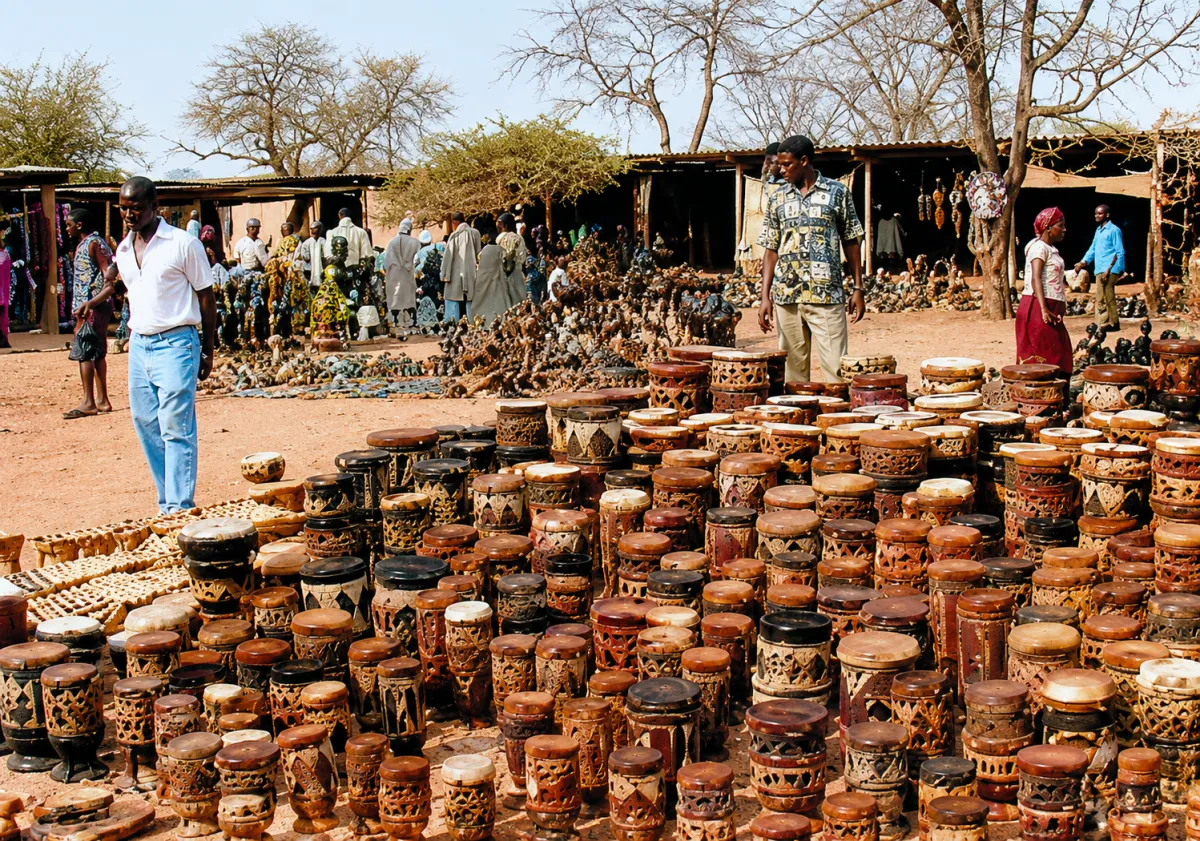
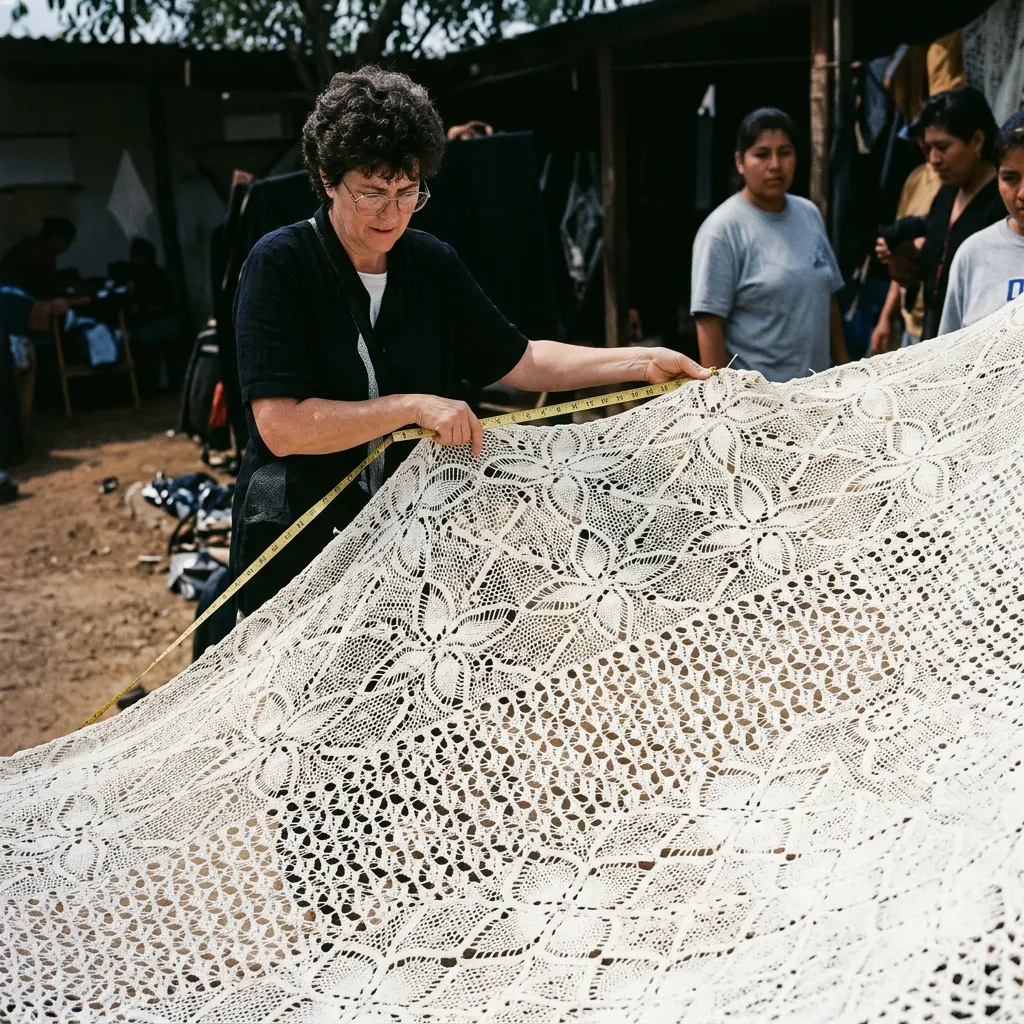
Victoria Falls had a very large outdoor market with a great variety of handmade craft items to choose from. We found an area where several women were sitting on the ground in the shade of a tree. Many of them had a baby or toddler with them, and they were all crocheting large tablecloths, bedspreads, baby clothes, and tops for ladies—you name it, they could make it. Jan showed interest in a tablecloth, and instantly several women waved one in front of her. “See mine, lady!” “This cloth looks nice for you!” “I give you a good price!” After much measuring and bargaining, Jan bought a tablecloth for one-third of the original price. We traded a T-shirt and some U.S. dollars for five very nice carved animals.
We remember another visit to the Falls when we decided it would be fun to see the Falls from the Zambia side, so we set out to walk across the bridge. On the other side, we saw some vervet monkeys playing on the lawn of a hotel. It looked like a good photo opportunity, so I carefully walked toward them with my camera ready. Then, suddenly, one of them chased me, and I beat a hasty retreat!
The view of the Falls from the Zambia side wasn’t nearly as spectacular because we were looking at them from the side rather than straight on. Still, we thought it would be fun to make our way down the path to see the Falls from below. As we started down the trail, two boys appeared and offered to help us, as the walk was a bit dangerous. We gladly accepted their assistance. What nice boys! Later, they asked for money, but we had no Zambian currency. Instead, we offered them some new pencils, and they were delighted. In return, we got to see the Falls from a completely different angle, and yes, we got very wet. Fortunately, it was a very warm day, so we didn’t mind at all.
2004 - Tanzania and the Serengeti
We arrived in Nairobi, Kenya, and were met by Daniel with Roy’s Safari. He drove us across the border into Tanzania and assisted us with visa forms. We had booked this tour online, and everything was exactly as expected. Daniel was an expert driver and guide. He knew all the roads and was quick to spot the animals. His knowledge of animals, birds, and trees was outstanding.
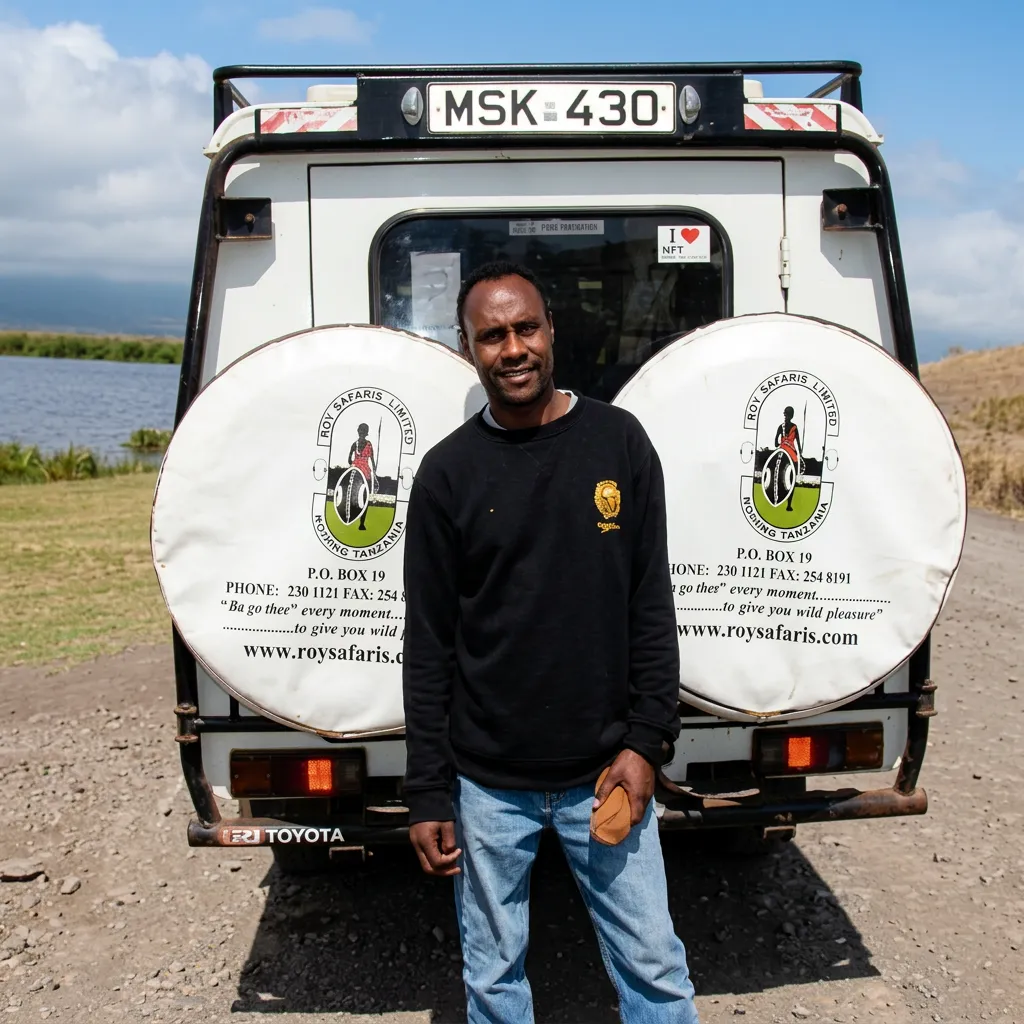
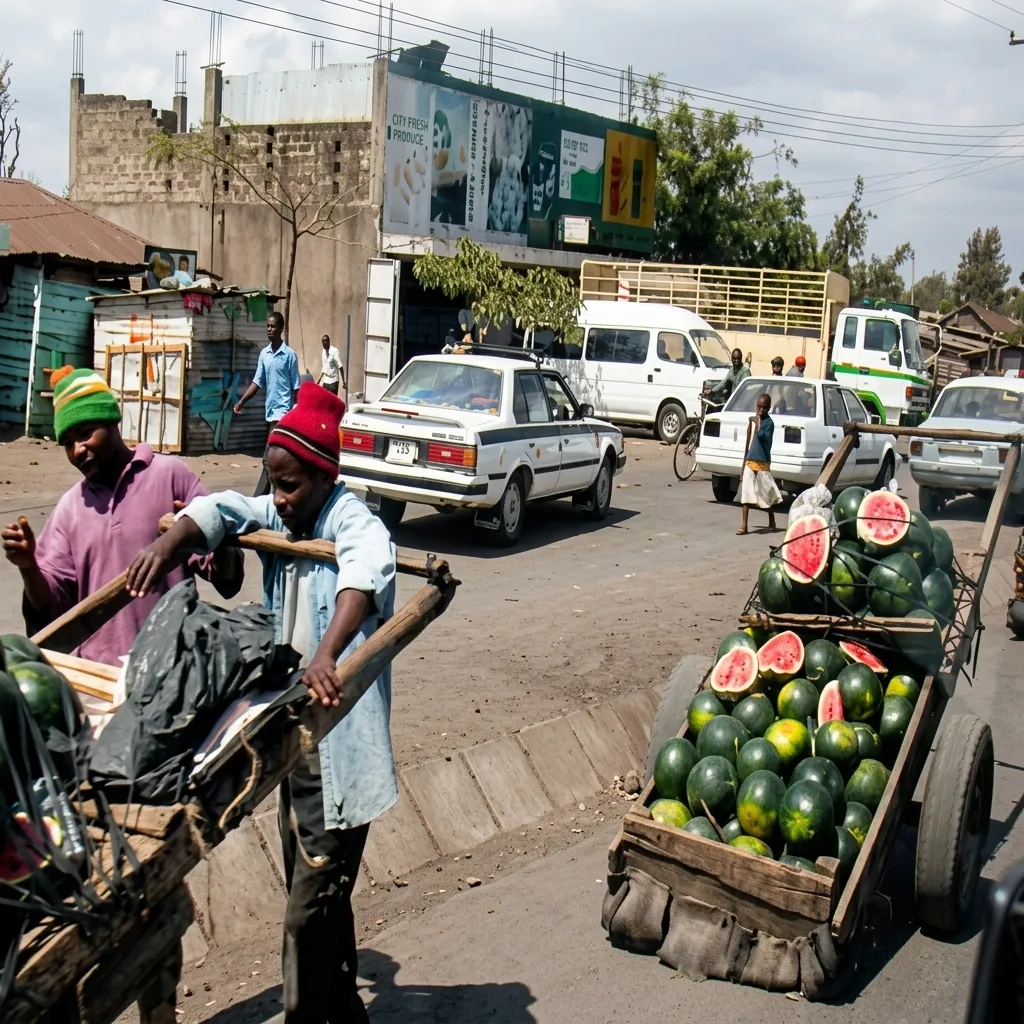
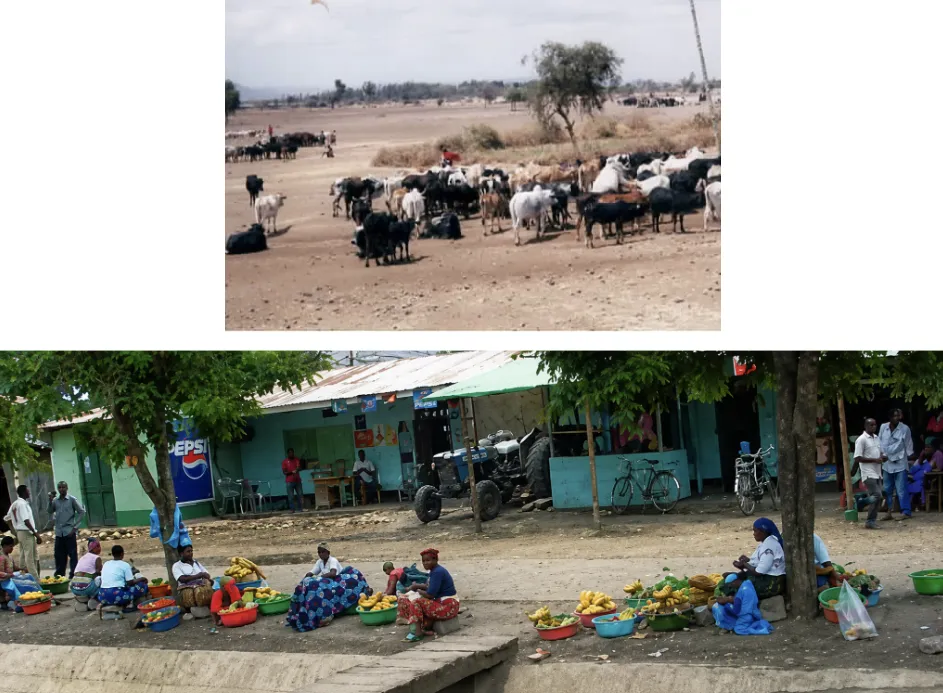
Every night, he washed the safari vehicle inside and out. The drive to the Ngorongoro Crater was through interesting Masai country. Villages, cattle and goats, tall men and boys in red, and roadside markets.
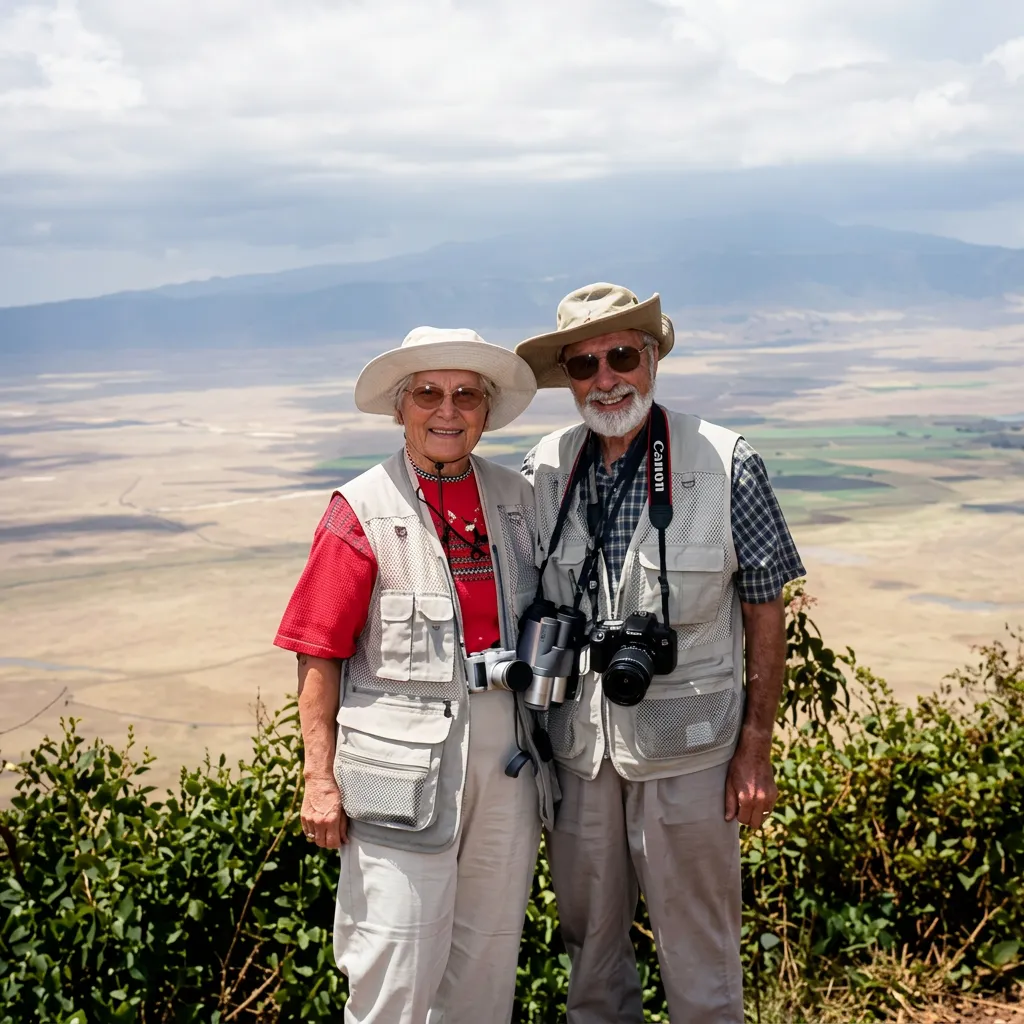
The Ngorongoro Crater is the biggest intact volcanic caldera in the world, with its sides still intact. Because the crater has plenty of food and water for the animals, there is little need to migrate.
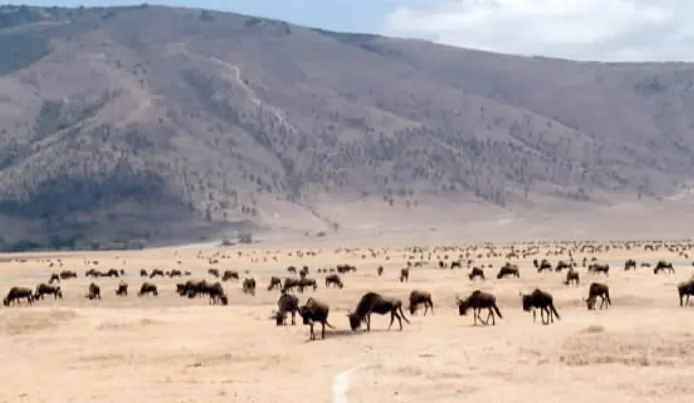
It was interesting that there are no giraffes in the crater because the walls are too steep for them to navigate. There are 30,000 wild animals in the crater and 100 sq. miles for them to roam in.
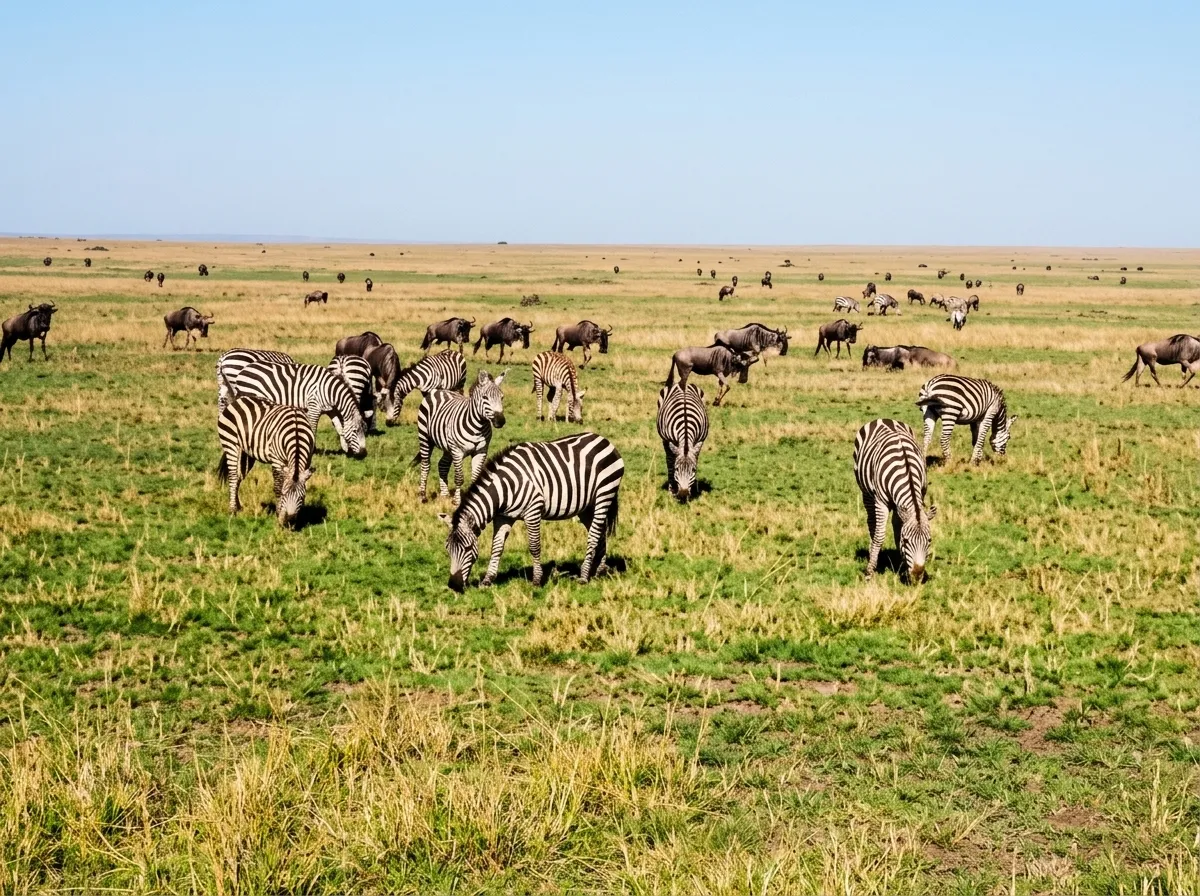
Our first view of the crater was from the rim. It is 14 miles across, with escarpments of 2,000 feet. The road down into the crater was steep with tight switchbacks, and we got closer and closer to the animals. Now, on the floor of the crater, we could see animals, especially wildebeest and zebras, stretching out for miles.
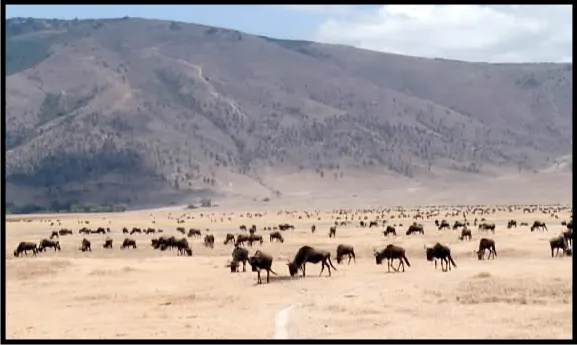
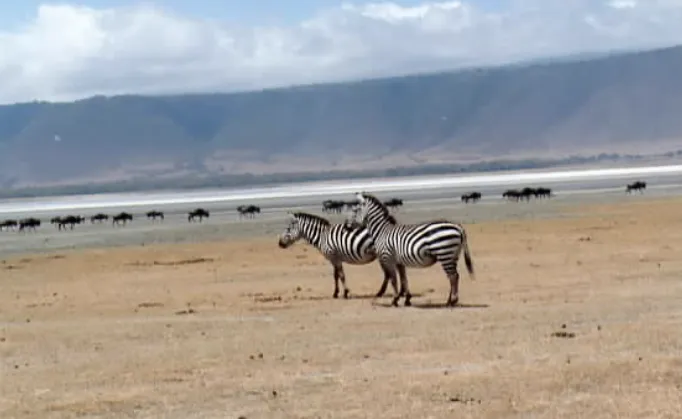
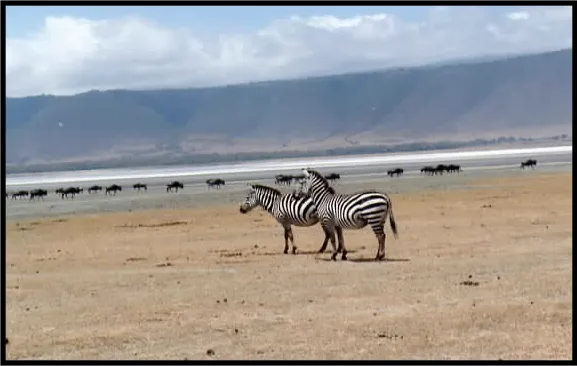
During our afternoon drive, we saw many varieties of animals. We had the top up so we could stand and take pictures in all directions.
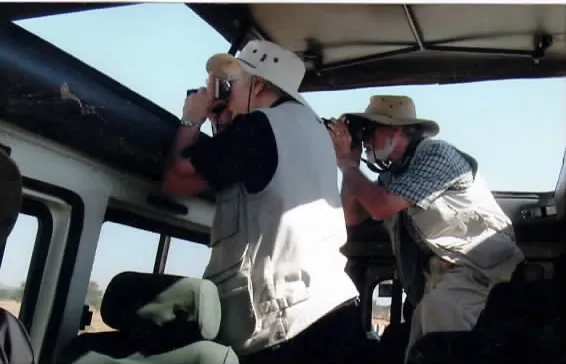
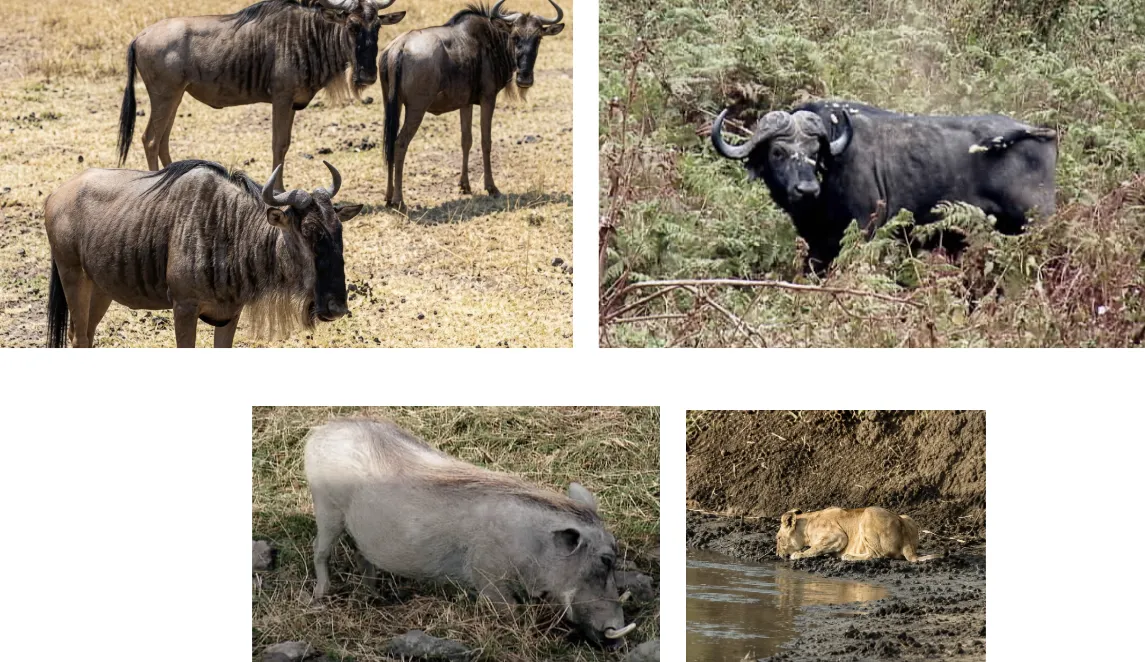
Everywhere we looked, there were animals and sights to behold. We took plenty of pictures. We saw white-bearded wildebeest (on the left), also called a gnu, unlike the ones in South Africa, and then a Cape buffalo.
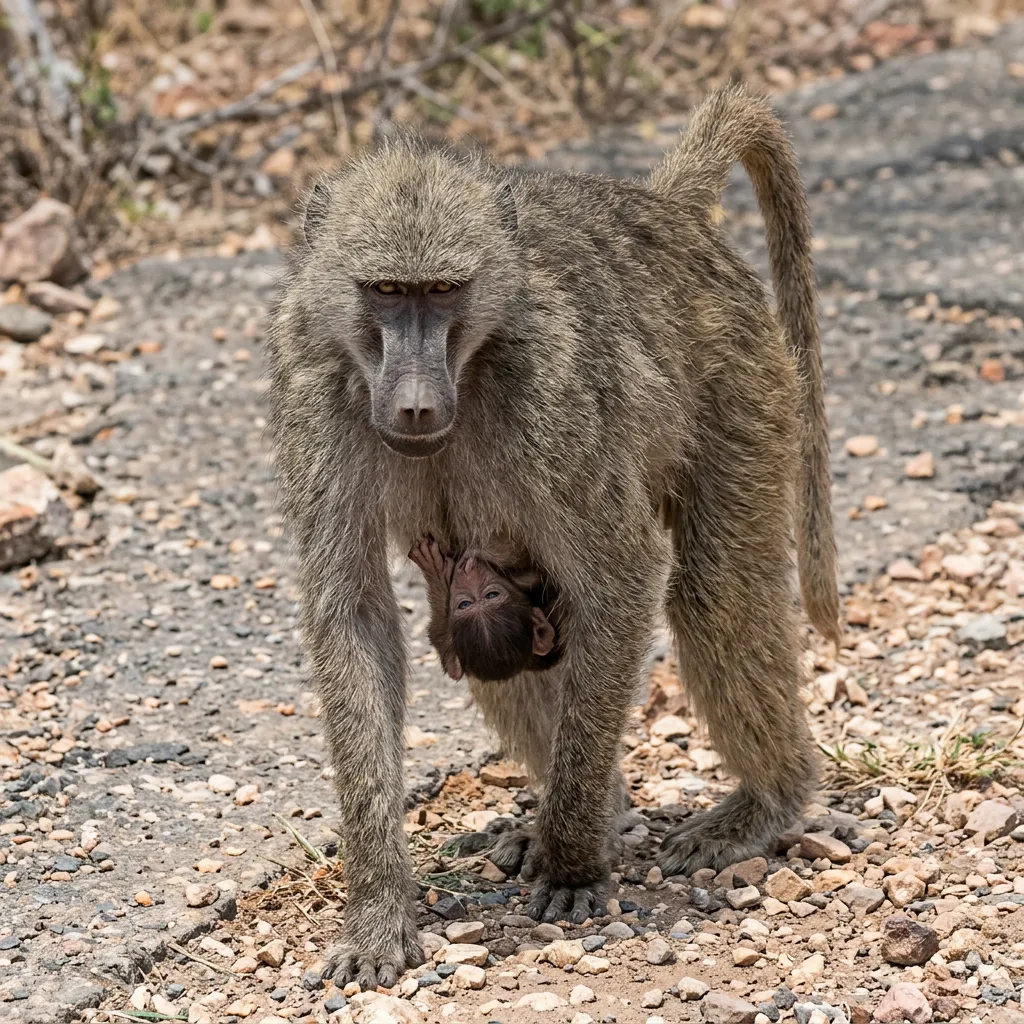
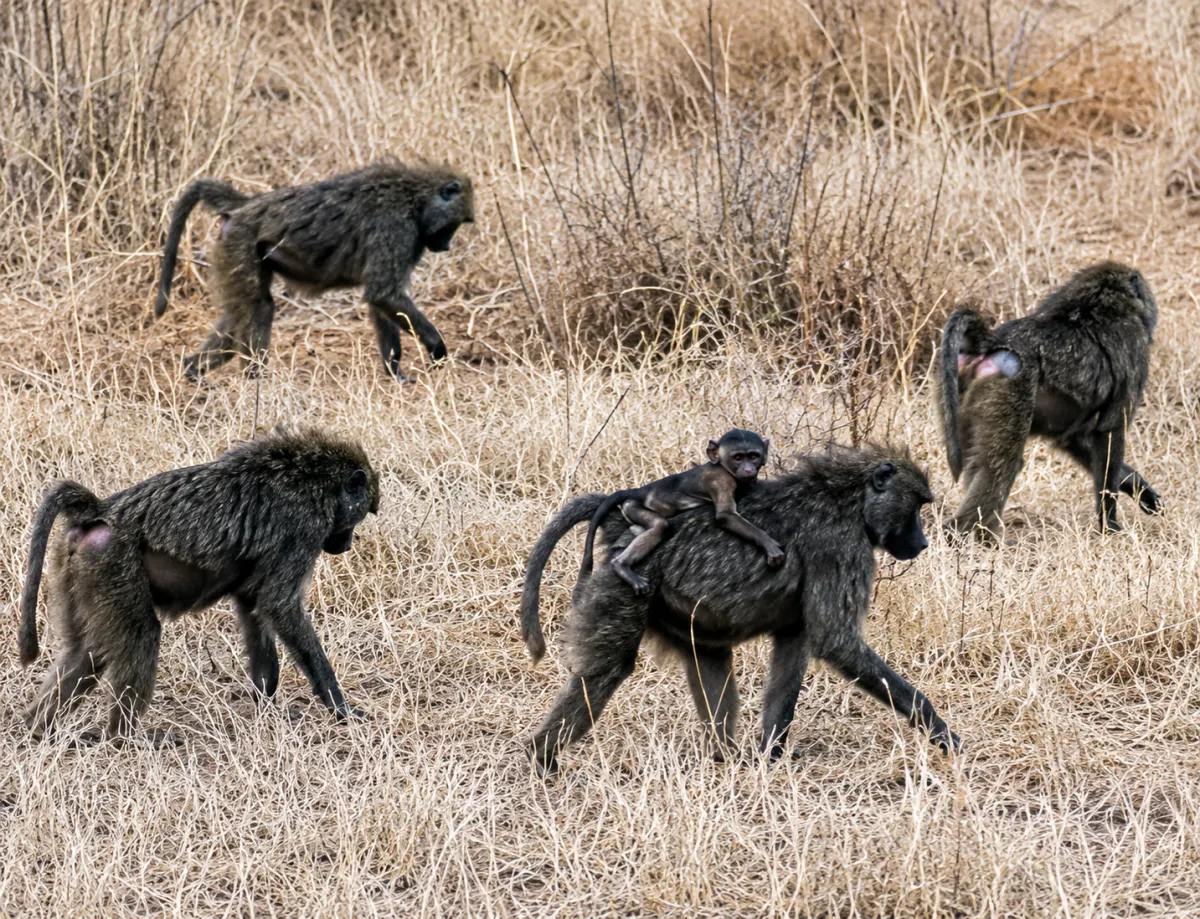
Here is a baboon family (possibly with friends).
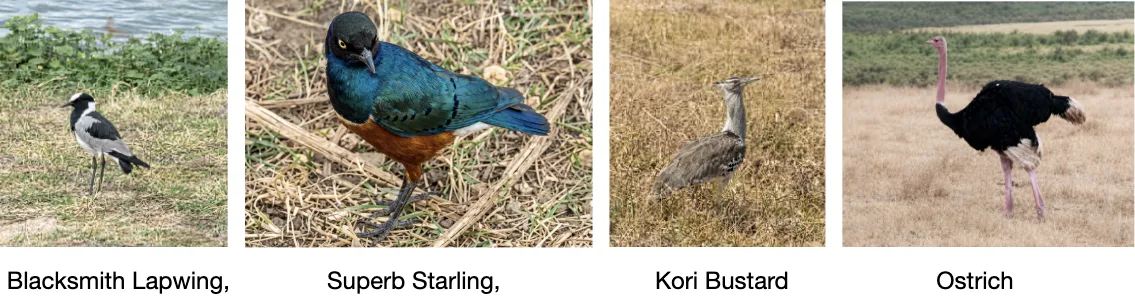
Then we saw a number of birds, all with their own distinctive colorings and features.
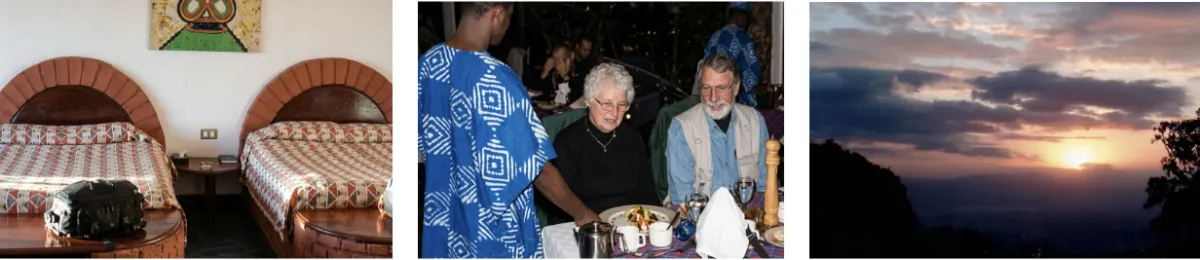
We drove up the twisting roads to the rim of the crater to our overnight lodge. Our room was about the biggest we’ve ever had and featured our own balcony with rocking chairs. We were escorted to the dining room for a lovely dinner. Then we had a cup of our own cappuccino on the balcony to enjoy the sunset.
The next morning, down into the crater again, and it was a beautiful day, we soon shed our sweatshirts.
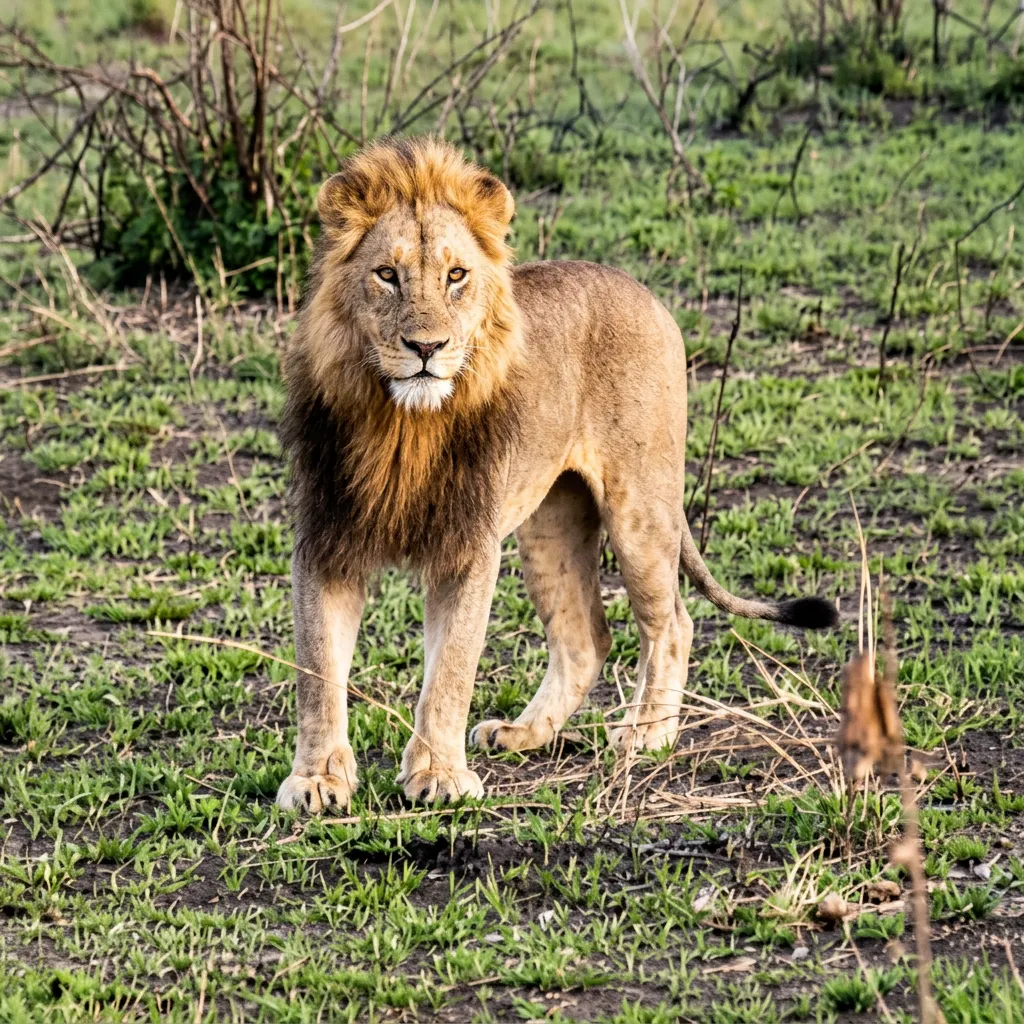
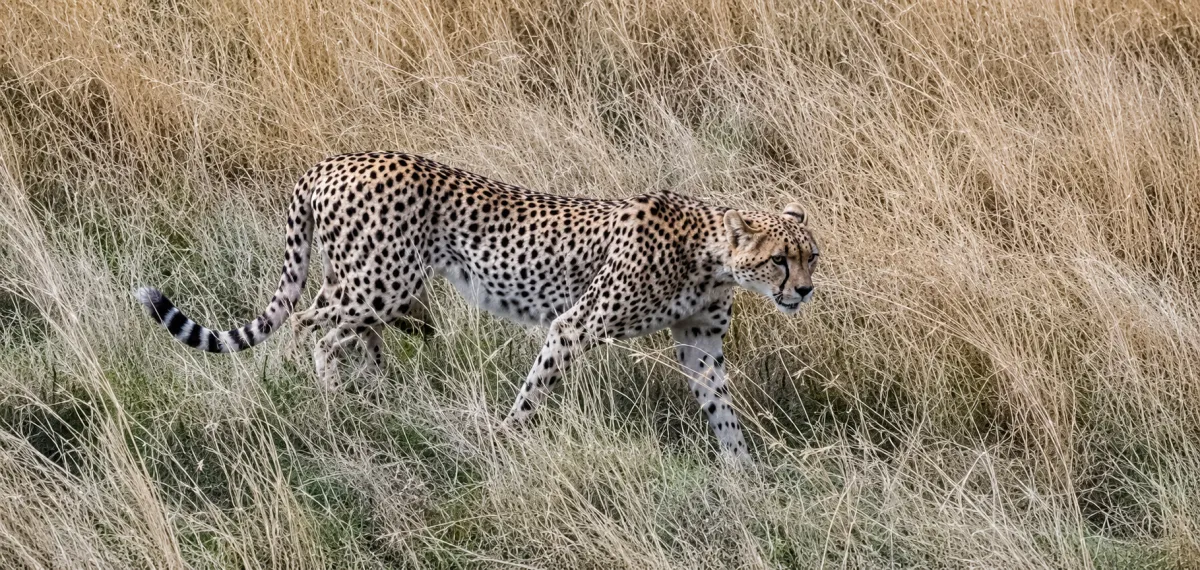
It was a long day on dusty, washboard roads, but we were excited to see so many animals. A lion walked right by us. And a cheetah posed nicely for us.
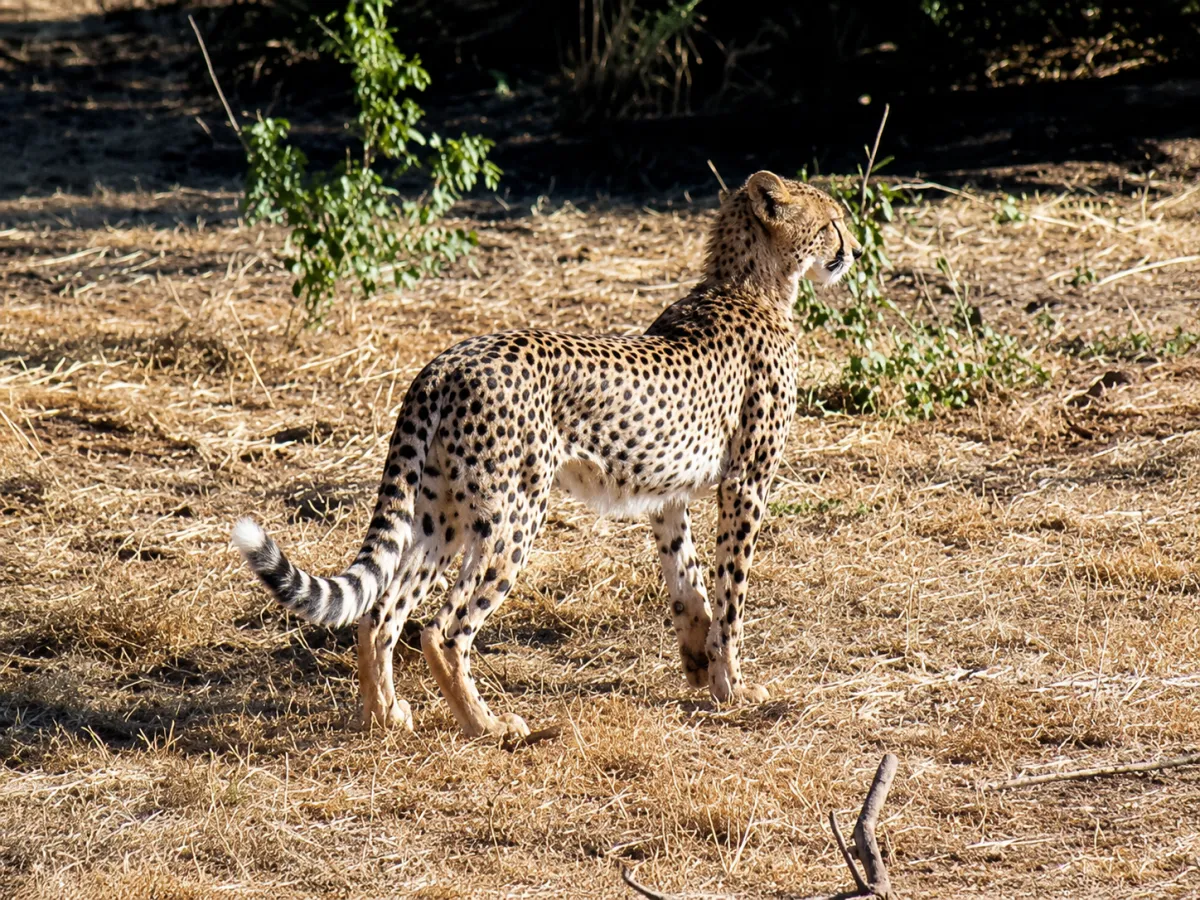
Cheetahs are the fastest land animals and can run an impressive 50-80 mph. They don’t roar like lions; they just purr and meow like cats.
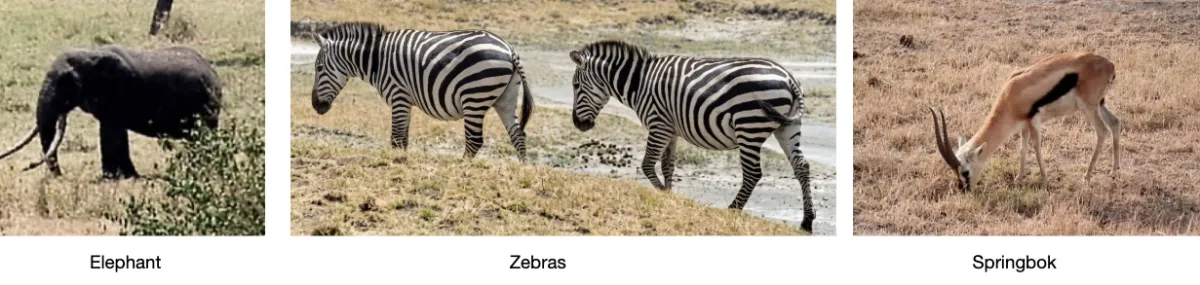
Then we saw an elephant, some zebras, and a springbok.
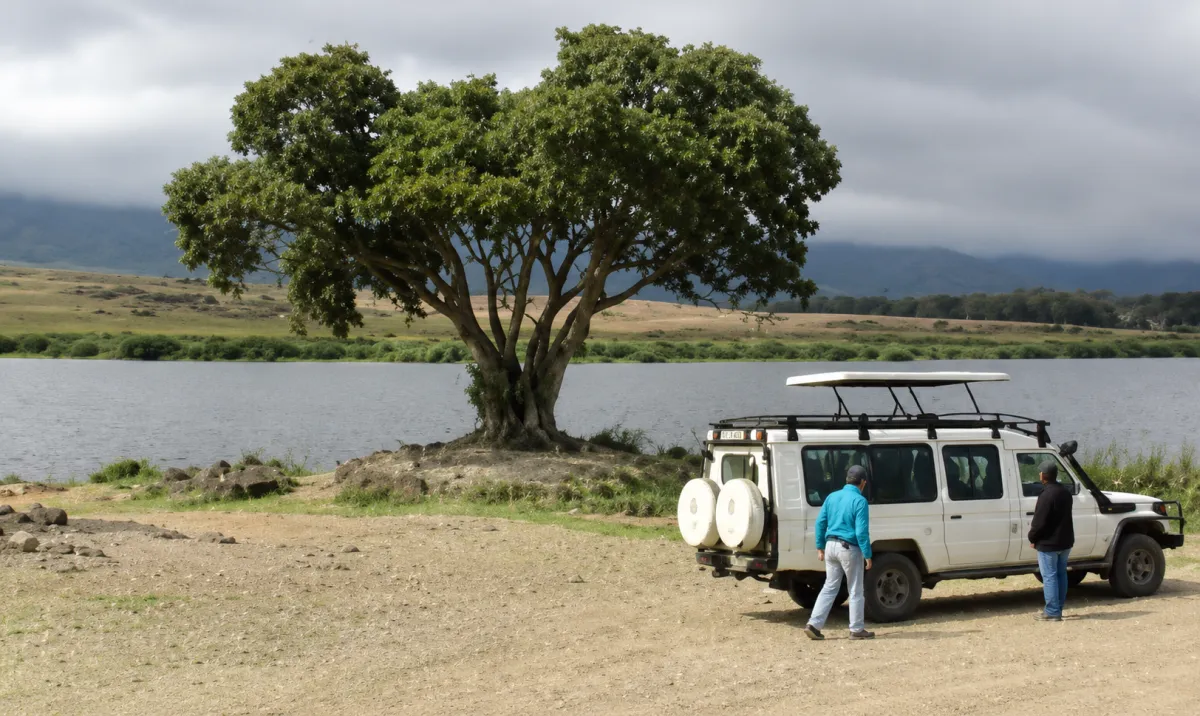
Soon, we stopped for a rest stop at what they called a “washing station.”
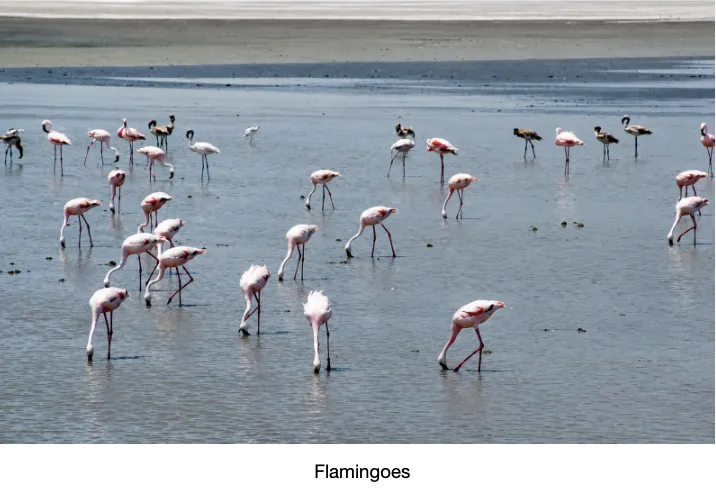
Flamingoes flocked to the alkaline surfaces of a shallow lake.
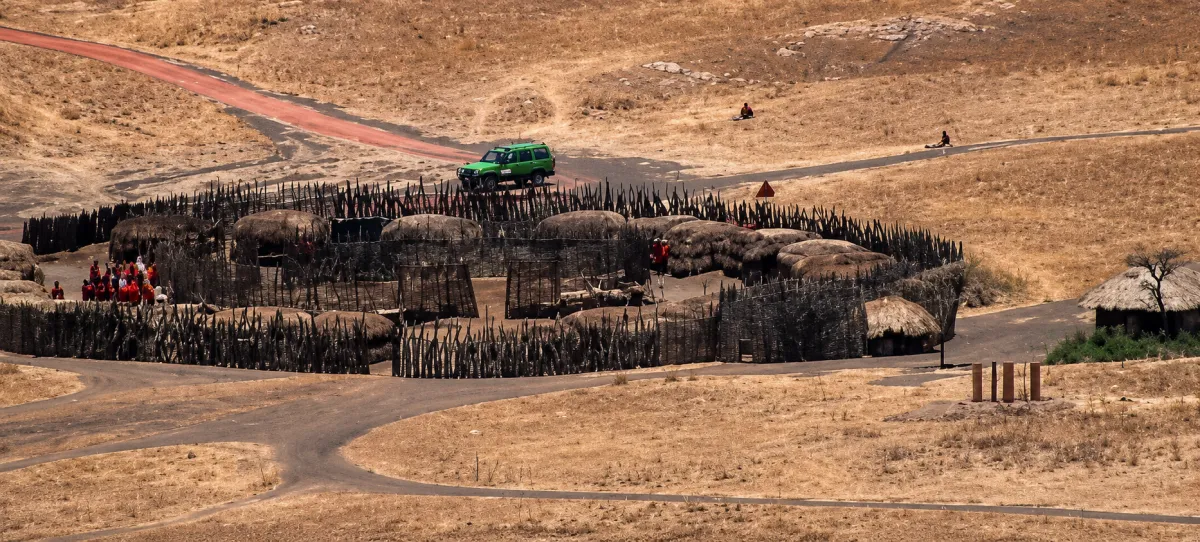
People in this area often lived in small villages called kraals. We saw many kraals like this. A typical kraal is composed of many thatched huts. A thorn fence surrounds the kraal and keeps the wild animals out.
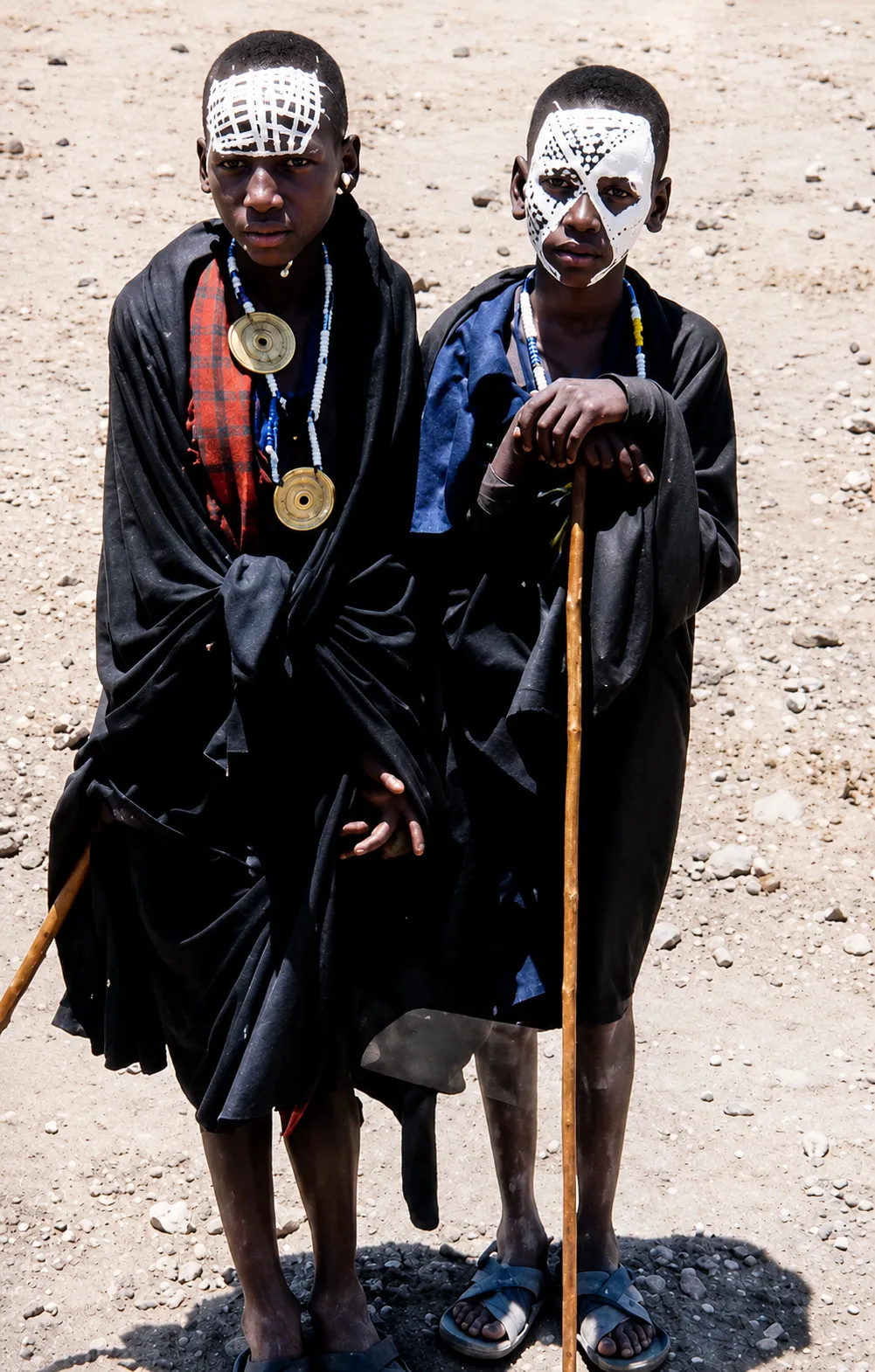
Here are two young boys from the kraal, about 12 years old, with faces painted white, undergoing initiation into manhood. They are sent off into the wilderness to see if they can survive, but they willingly posed for money.
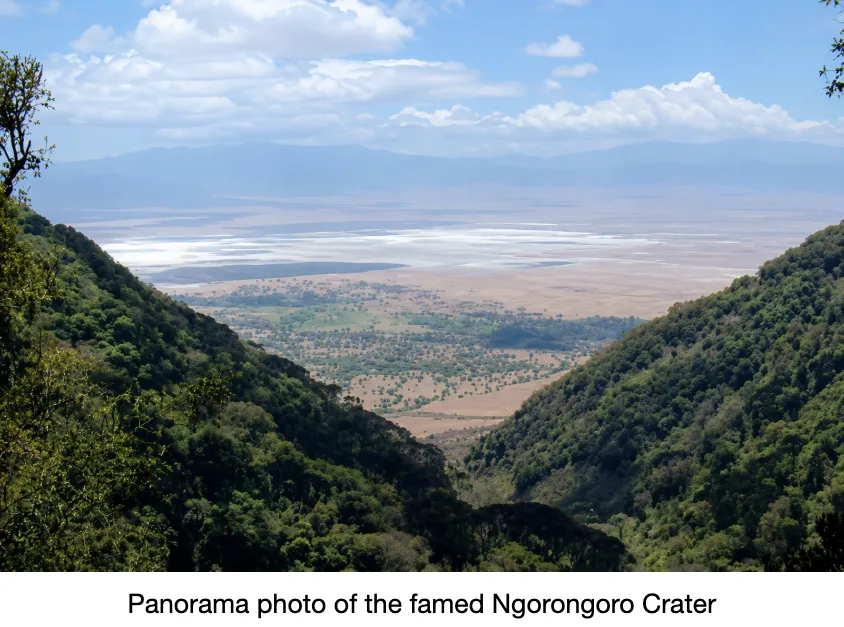
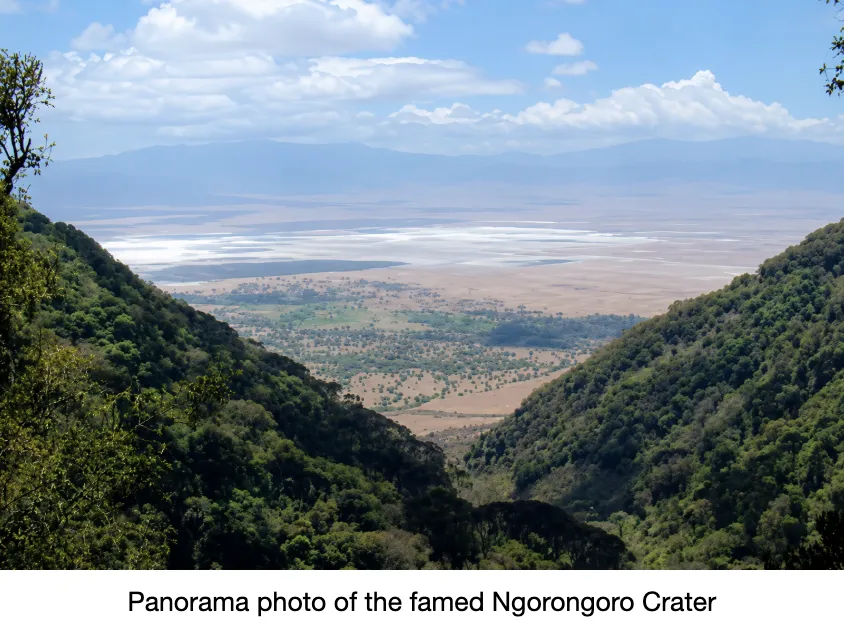
A few decades ago, in the famous Ngorongoro Crater, Mr. Richard Leakey became famous when he found fossilized remains of humans in Olduvai Gorge, a ravine on one of the walls of the crater. The fossils were claimed to be 2 million years old. The view is certainly impressive.
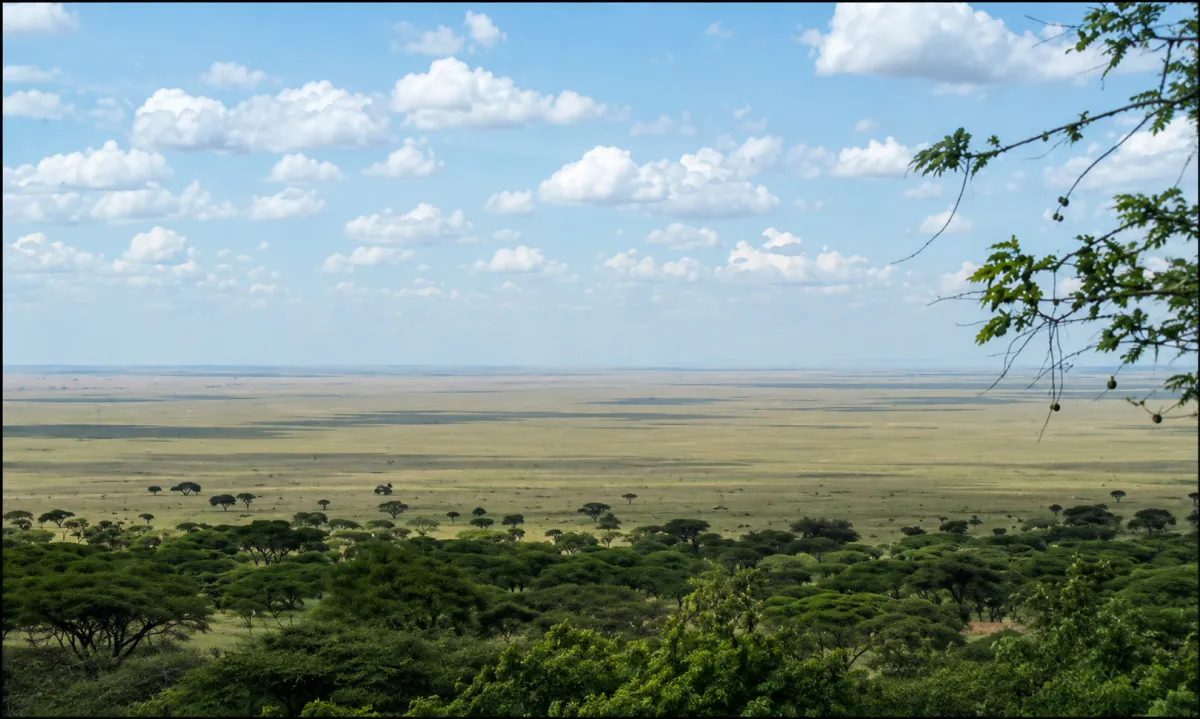
Serengeti National Park
Then we entered the great Serengeti National Park. At 12,000 square miles, it extends from Tanzania into Kenya and is well-known for the Great Migration. Thousands of wildebeest make this an annual event.
Tourists wait at the river crossing sites in hopes of seeing the animals try to cross the river safely. Our travel was not at the right time of year to see this.
It was a long, hot, bumpy ride to our SOPA lodge in the Serengeti. But a shower, clean clothes, a delicious dinner, and a good night’s sleep, and we were ready for action.
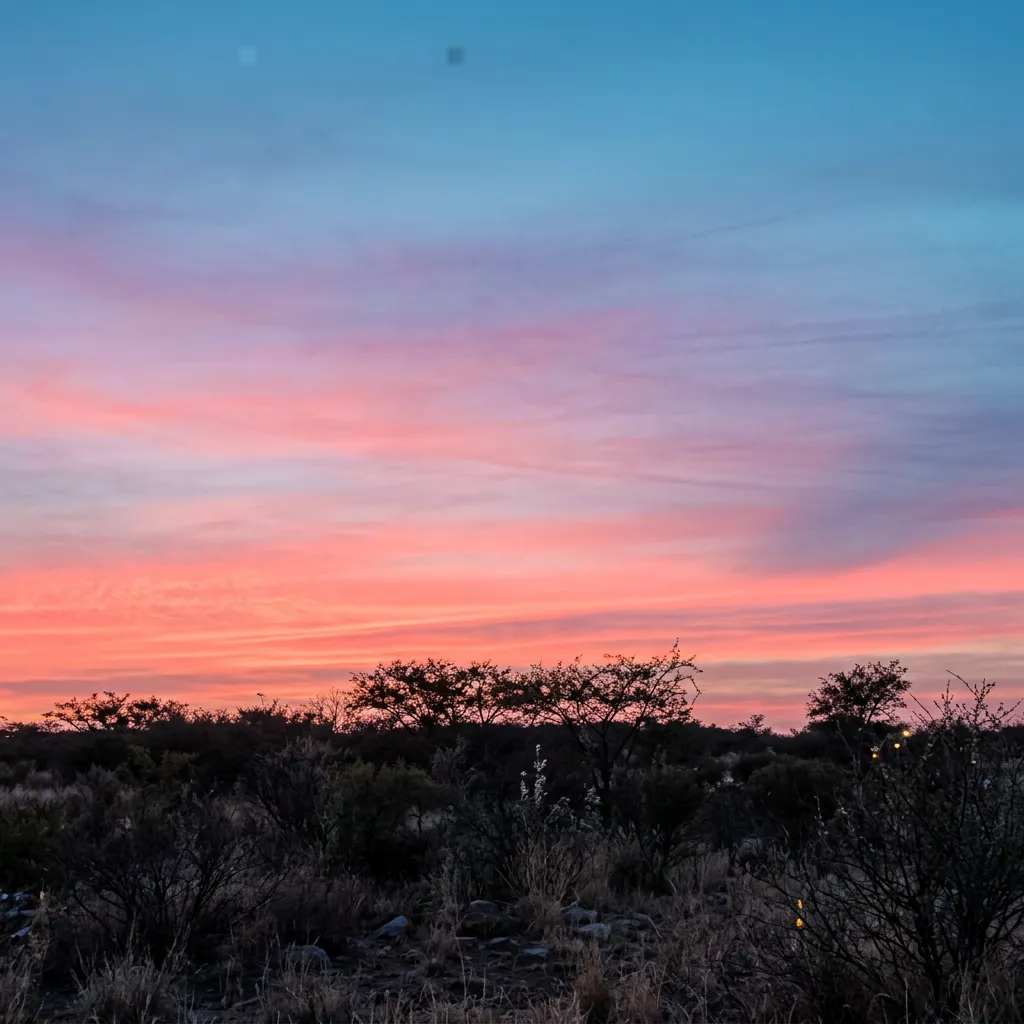
Daniel picked us up at 6:00 a.m. - in time for a beautiful sunrise.
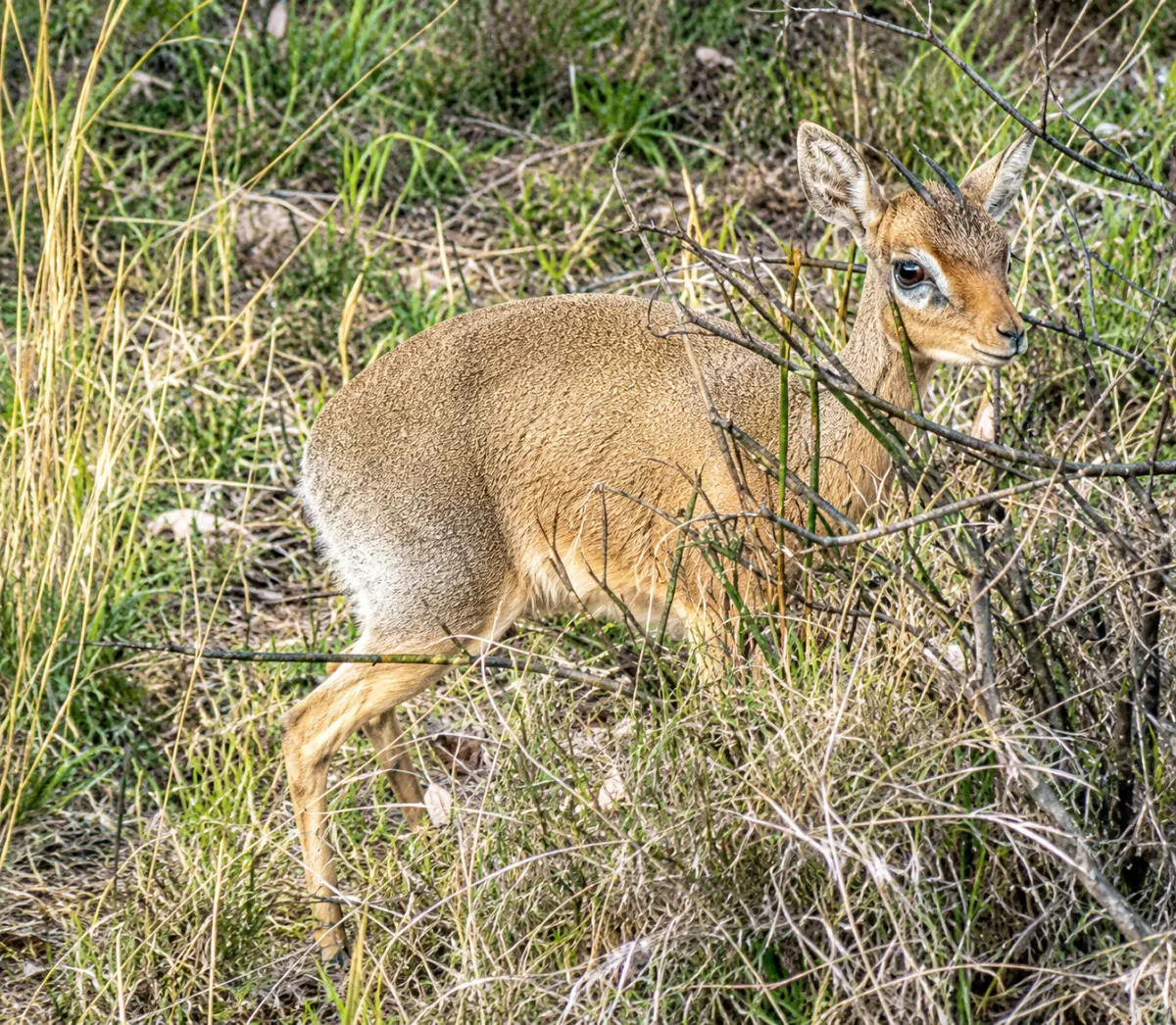
We saw a cheetah on the prowl after a tiny dik-dik. We caught up with the dik-dik further down the road. A dik-dik is only 16-20 inches tall, like a little Bambi. We hope the cheetah had given up the chase.
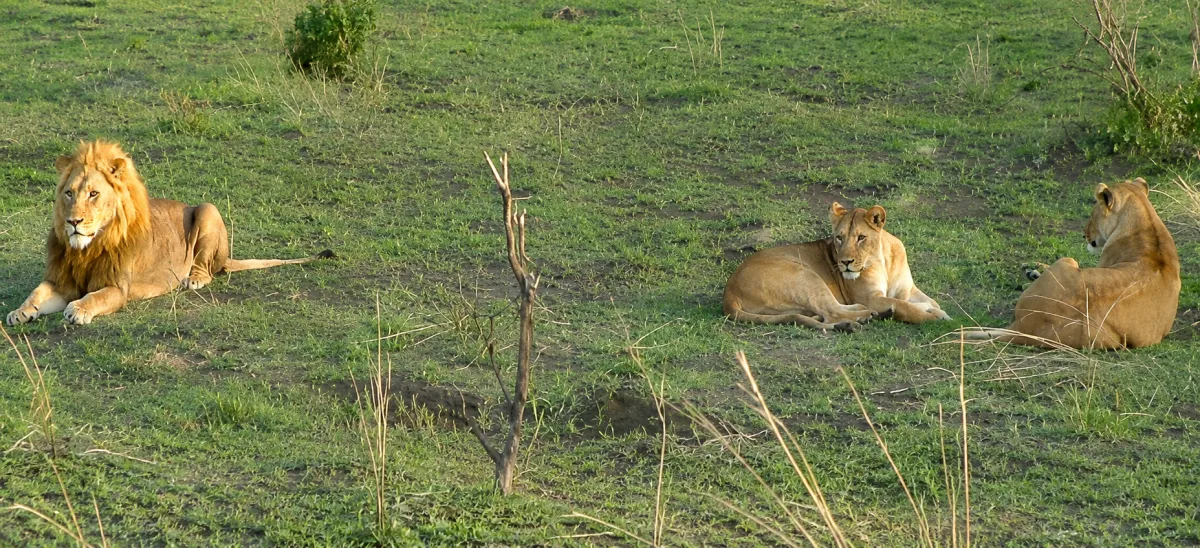
Here is a lion and his pride, they ignored us and didn’t mind being photographed.
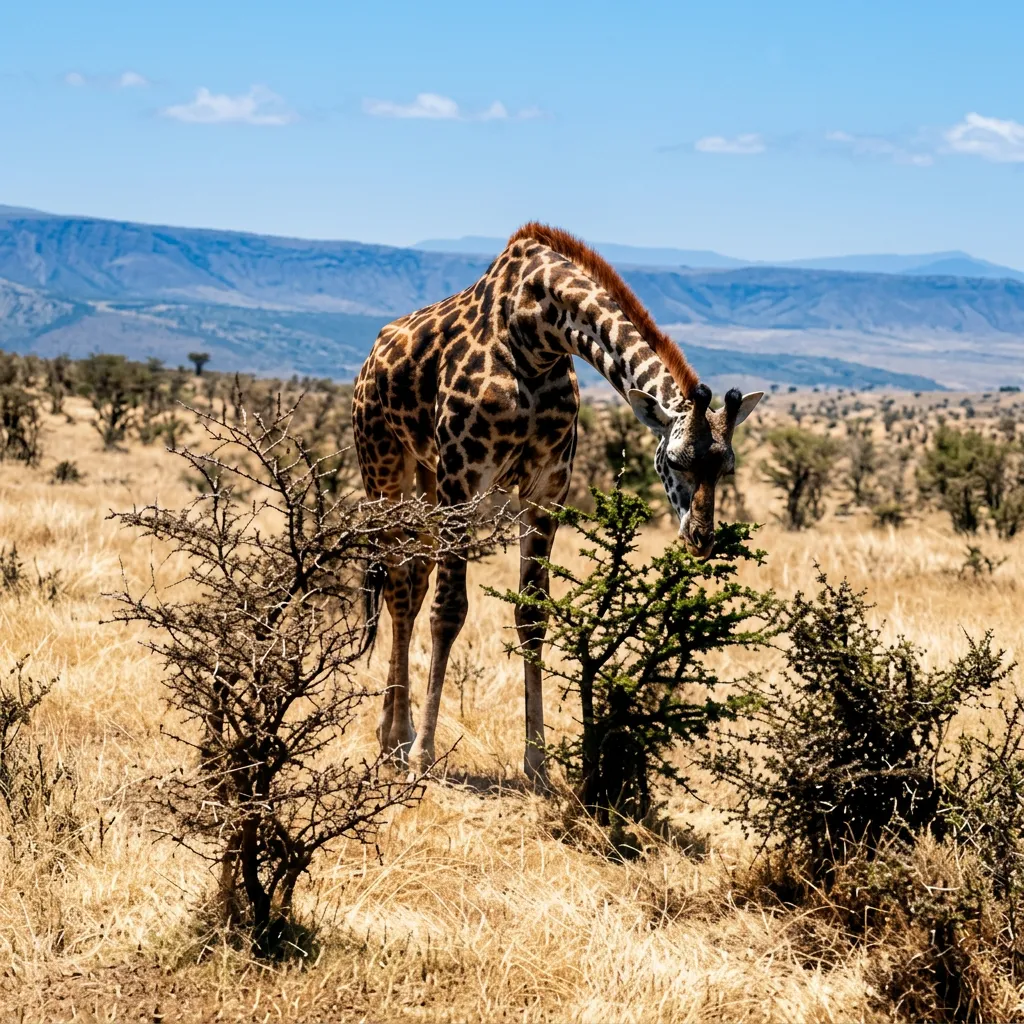
You can’t believe all the animals we saw. There were giraffes, zebras, and so many animals they were hard to count.
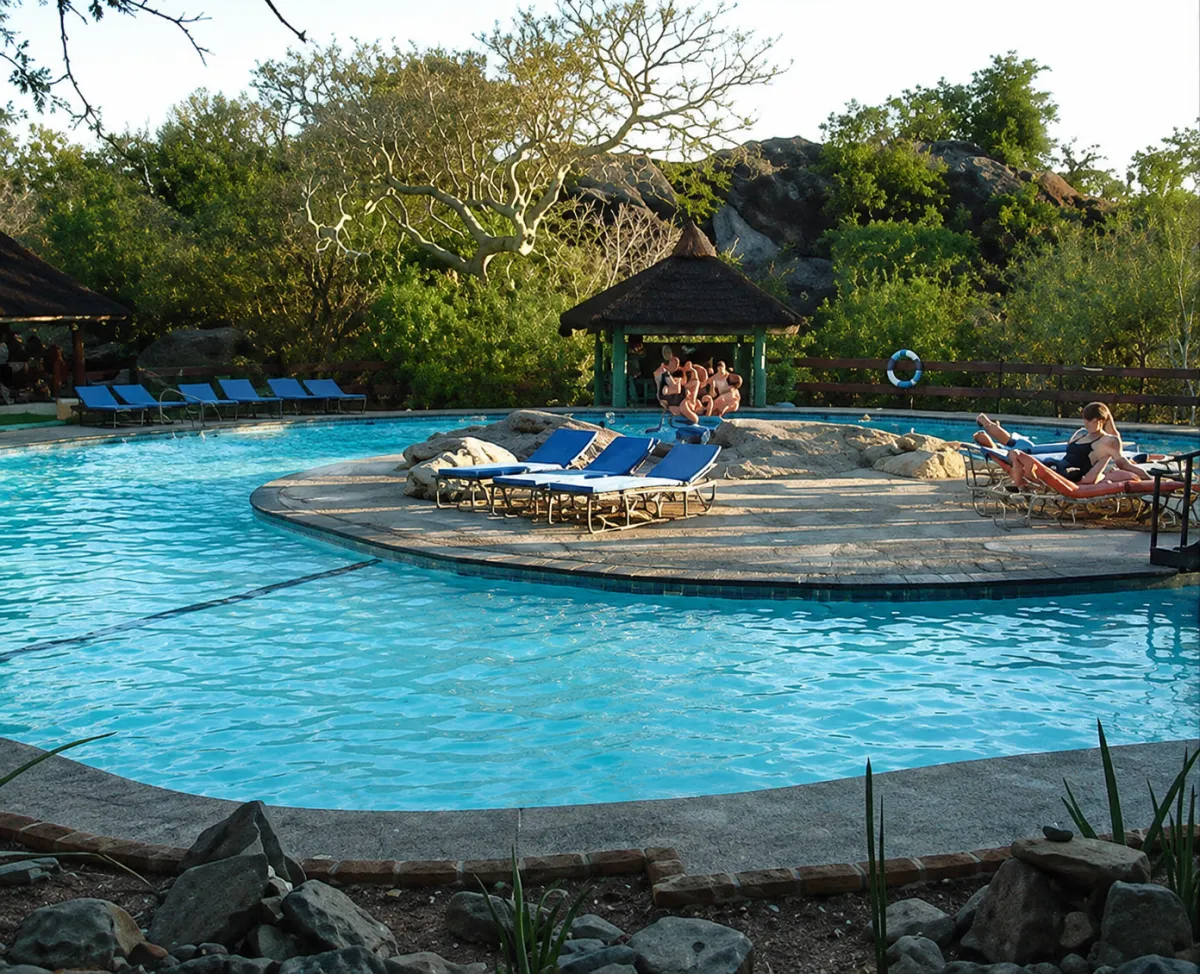
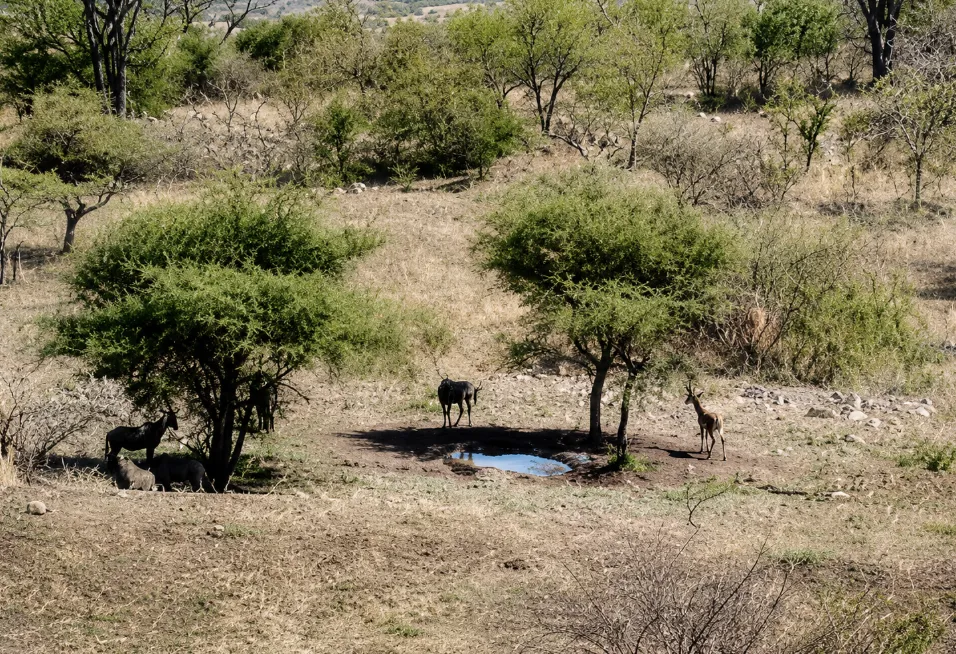
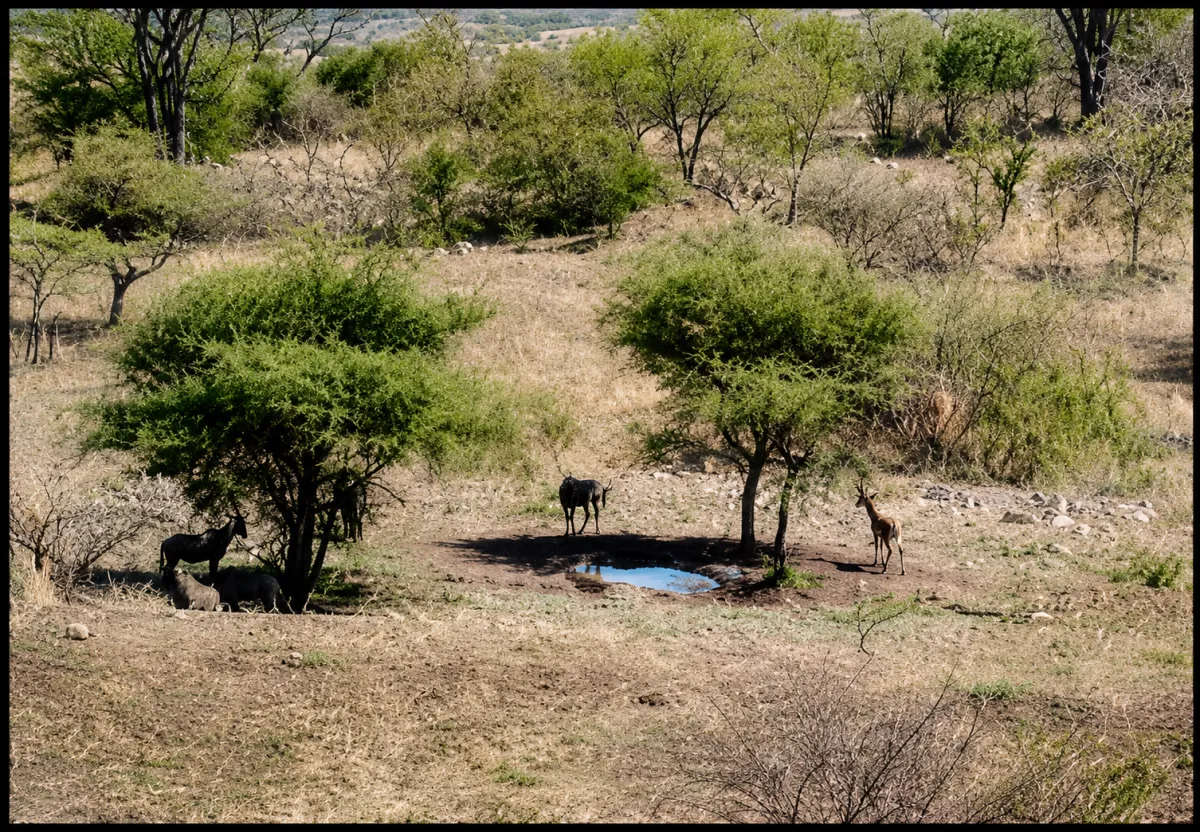
We had the afternoon free to enjoy our own swimming pool, or we could watch the animals come to their own watering hole. We each sought relief from the heat!
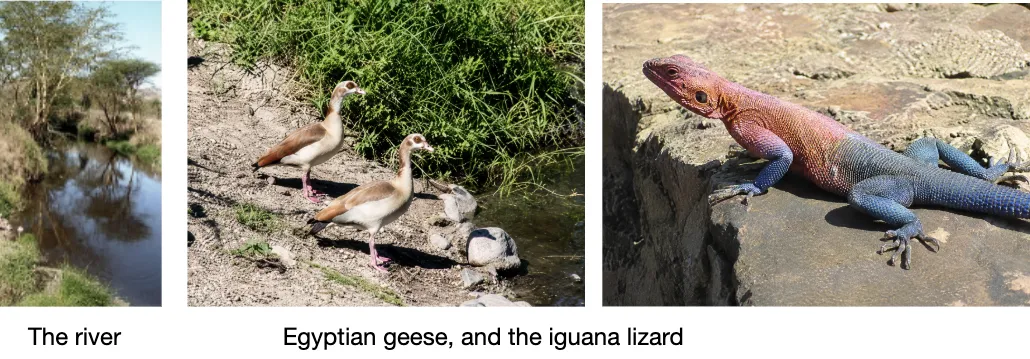
Then we saw some Egyptian geese also seeking water, this time a river, plus the largest lizard we had ever seen.
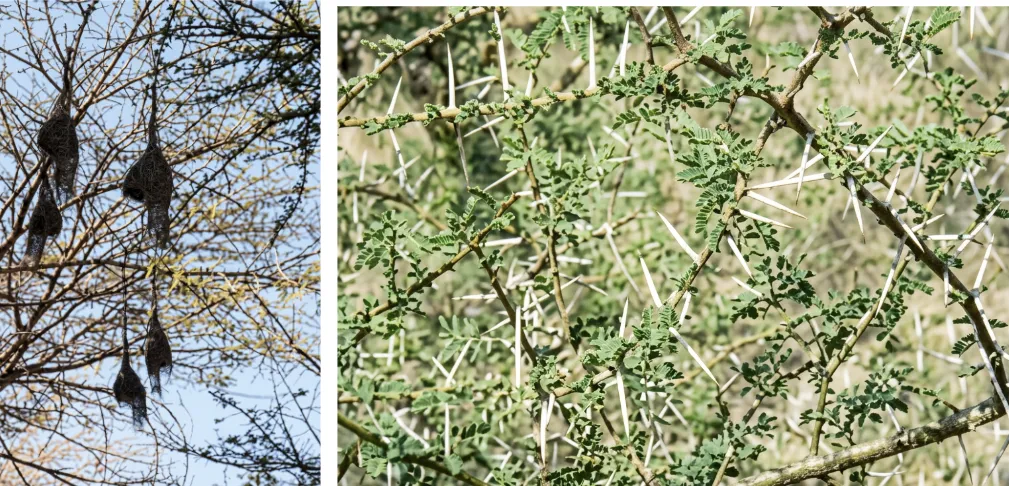
Here are some unusual birds called weaver birds. They build their nests upside down.
And here is some favorite “elephant food.” Elephants eat these thorns (2-3” long). We know this because the thorns show up in elephant dung. I know, pleasant to think about, right? When driving, avoid running over dung piles, or you may get a flat tire!
The local art is beautiful and shows off features of the local environment, people, shrubs, trees, and animals!
Notice the resemblance between the tall giraffes and the tall people.
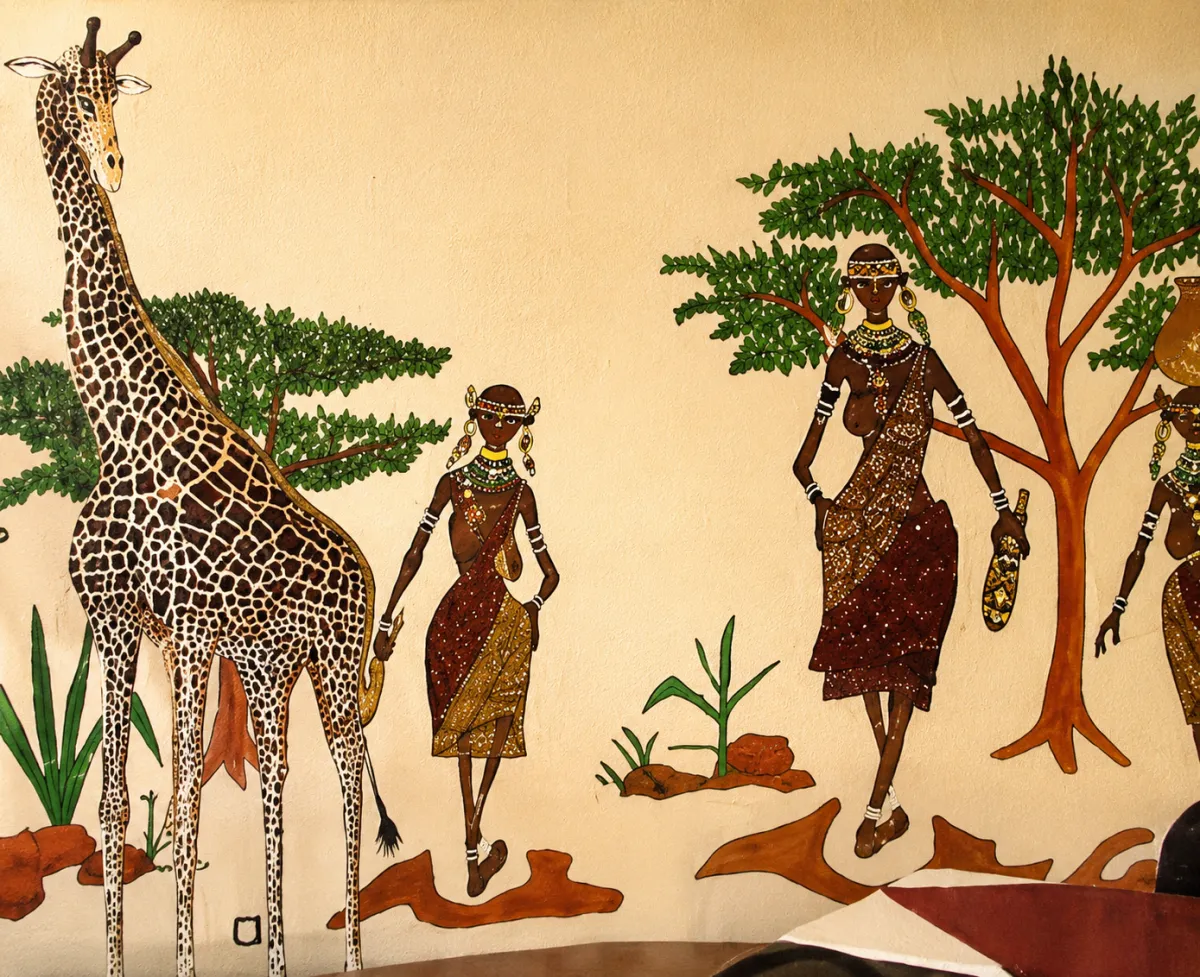
We didn’t buy the picture (one of the few things we truly admired that we didn’t buy), so a picture of the picture will need to suffice.
Daniel arranged for us to visit a Maasai village. It was $50 for the 4 of us tourists for a guided tour and unlimited picture-taking. Our guide was very knowledgeable and spoke excellent English.
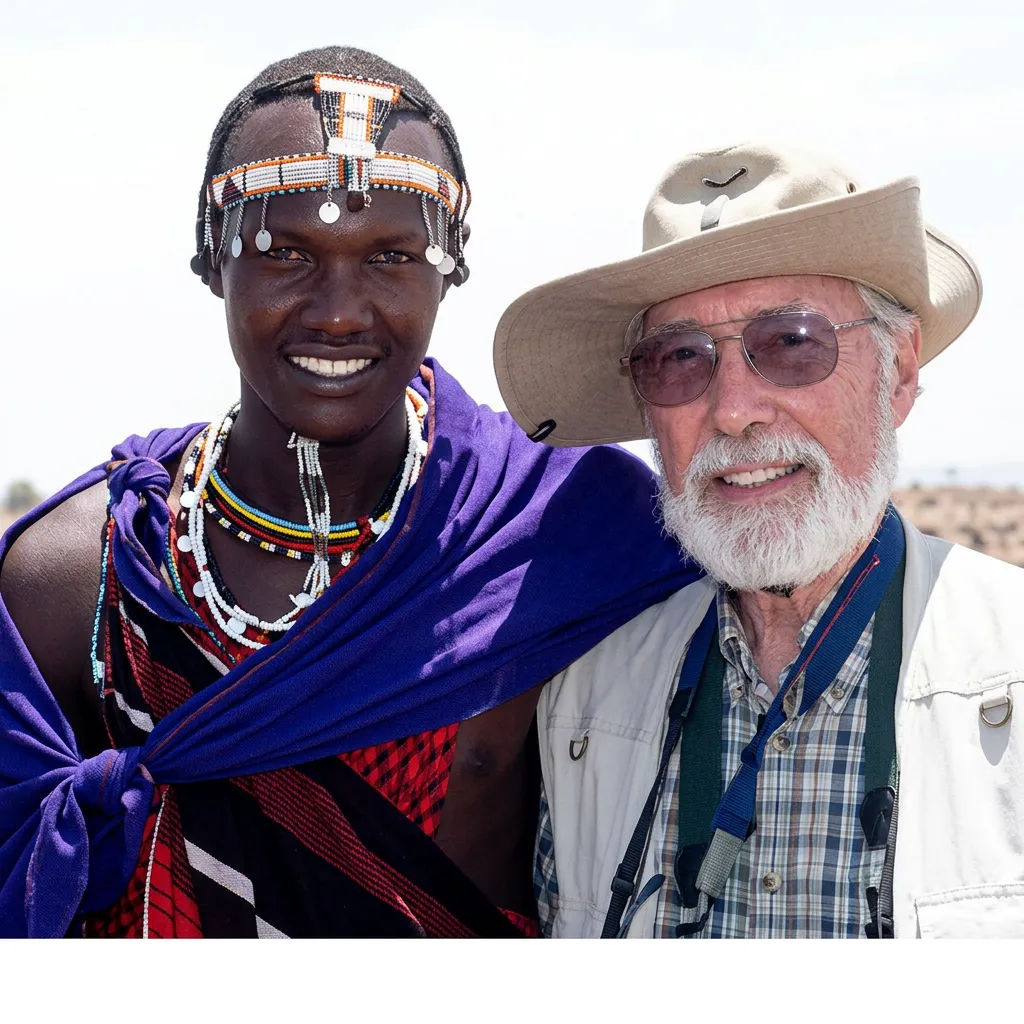
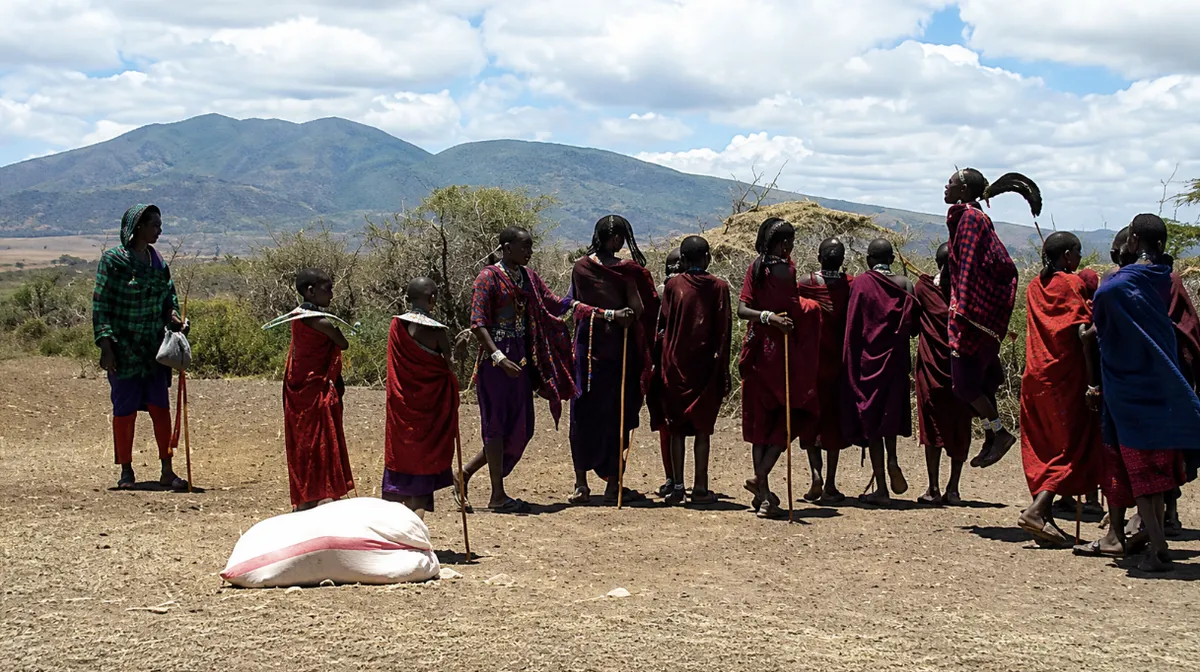
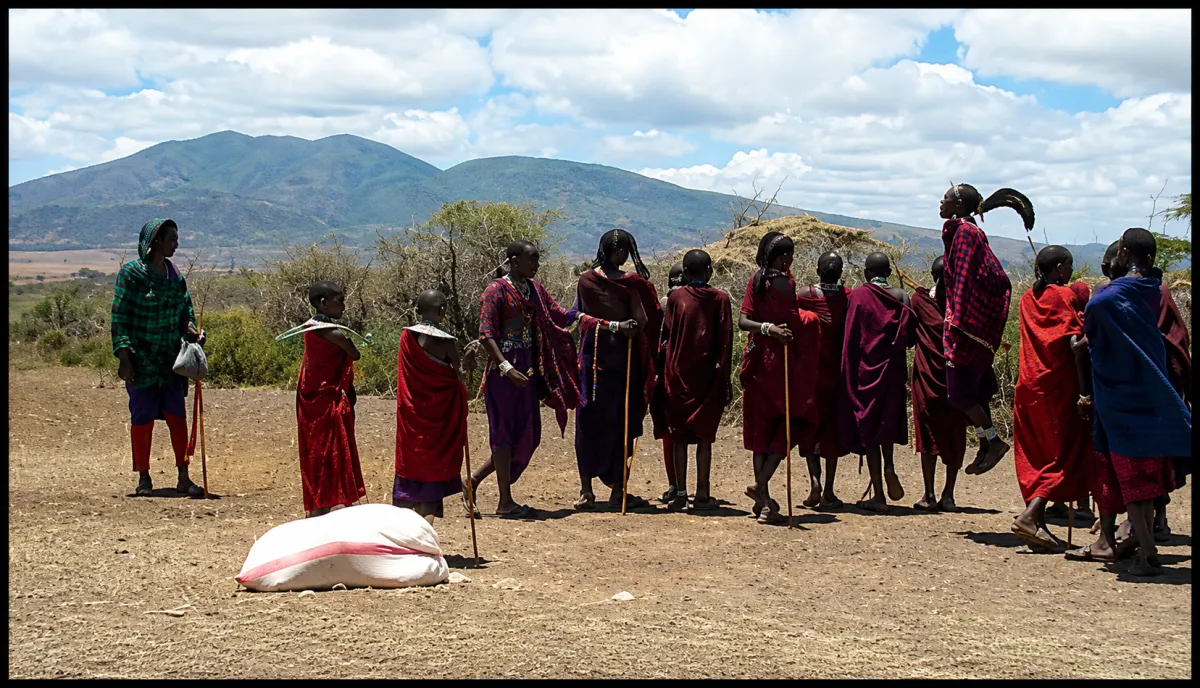
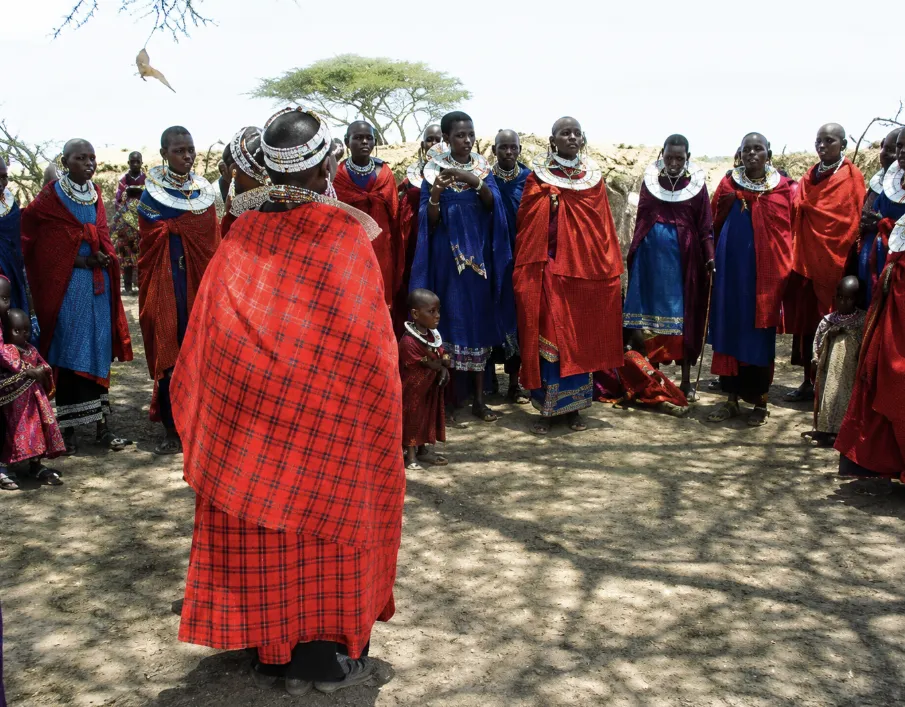
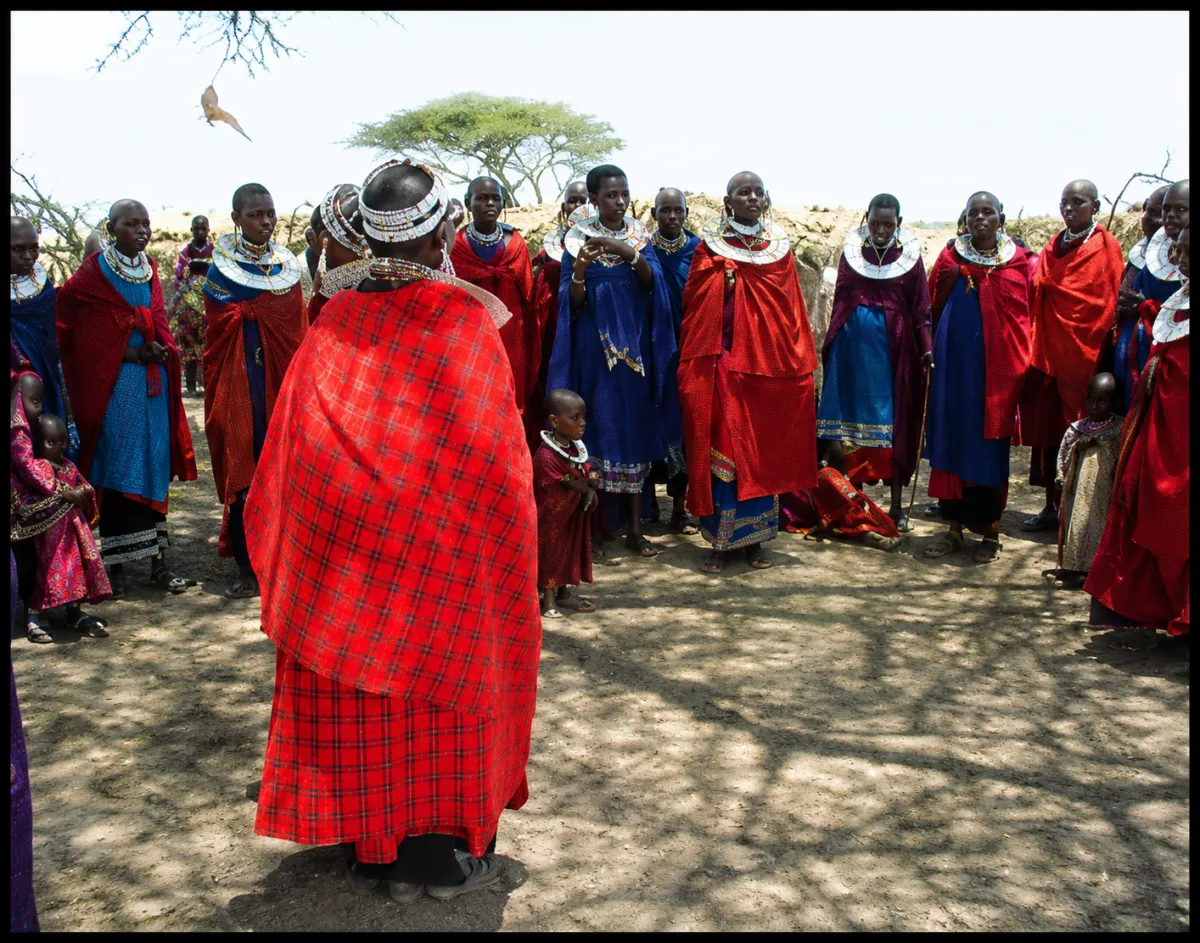
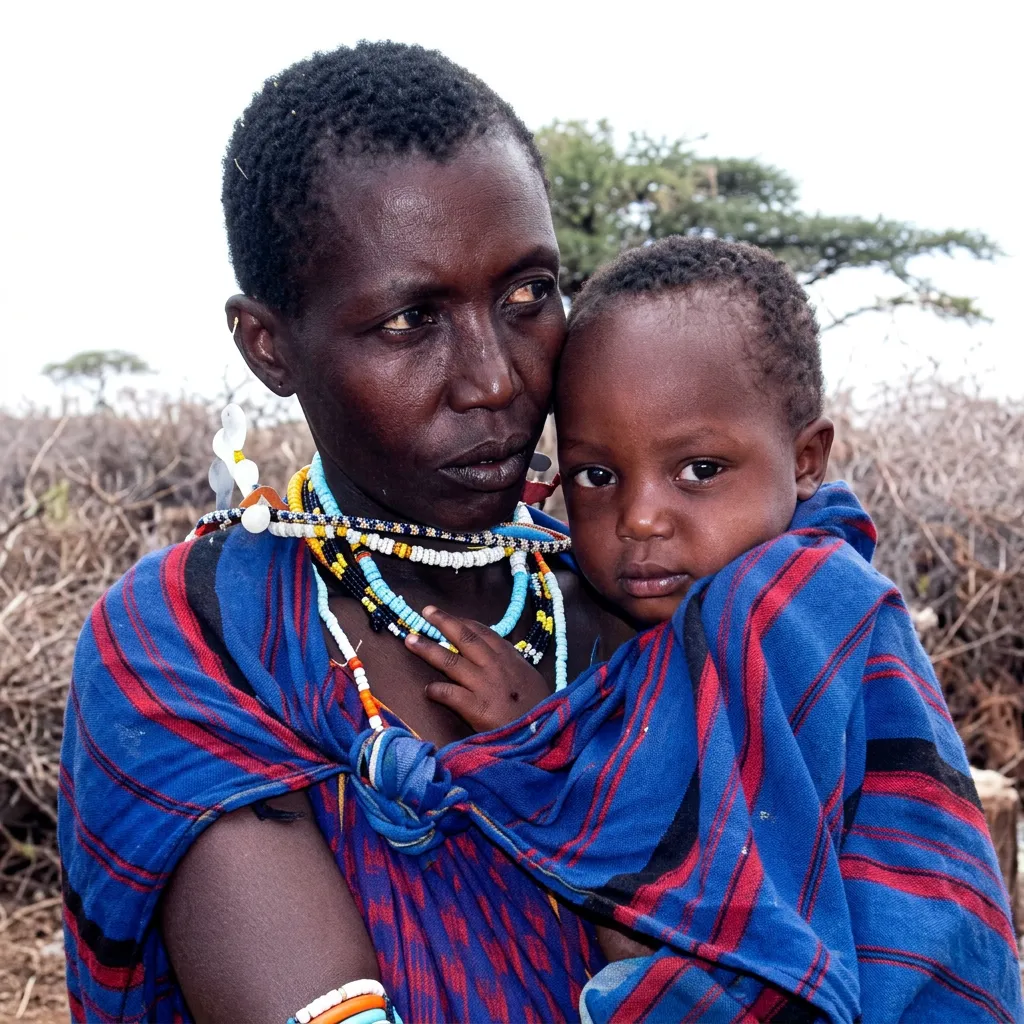
The men greeted us by showing off their jumping skills. See the close-up of the “jumper.” The women also greeted us with singing. They were dressed in their finest red dresses with lots of beads.
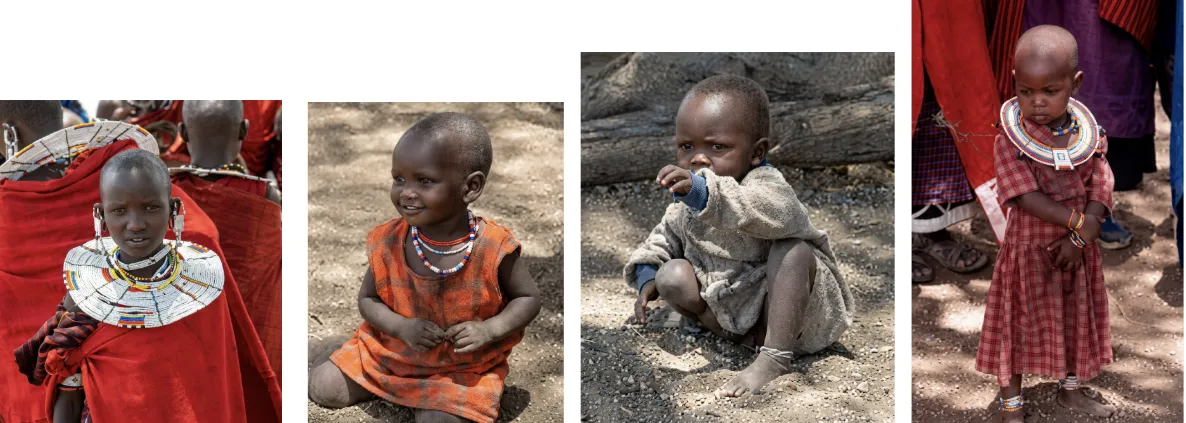
We took many pictures of the children. Sometimes smiling, always curious.
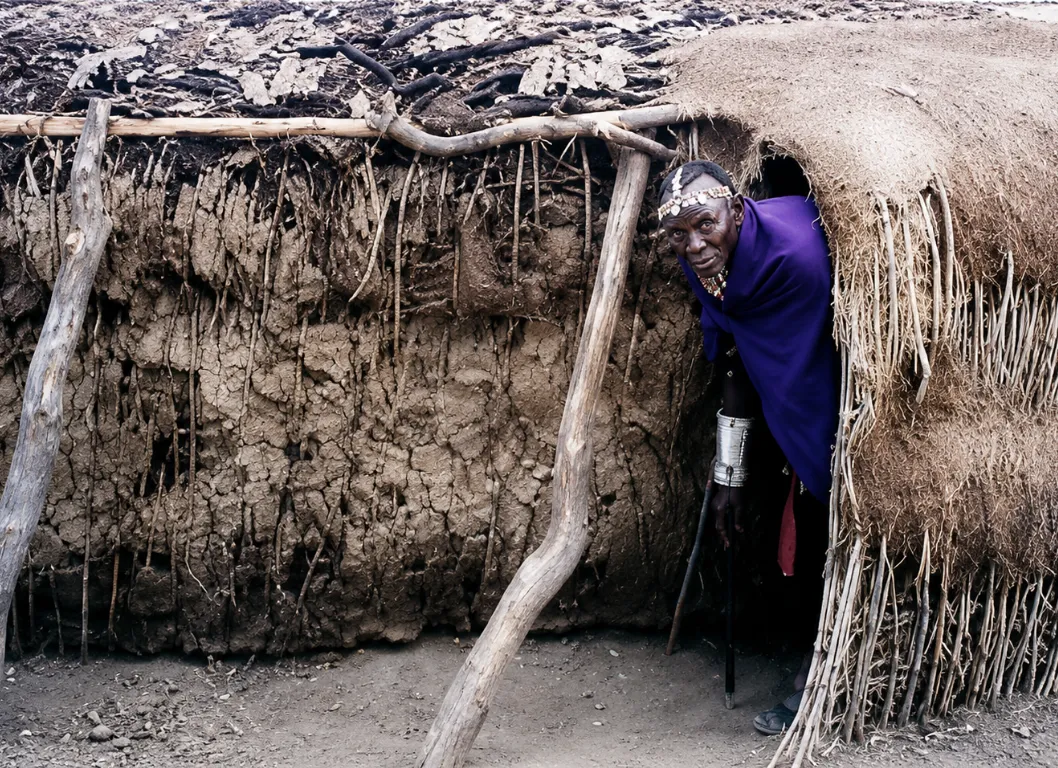
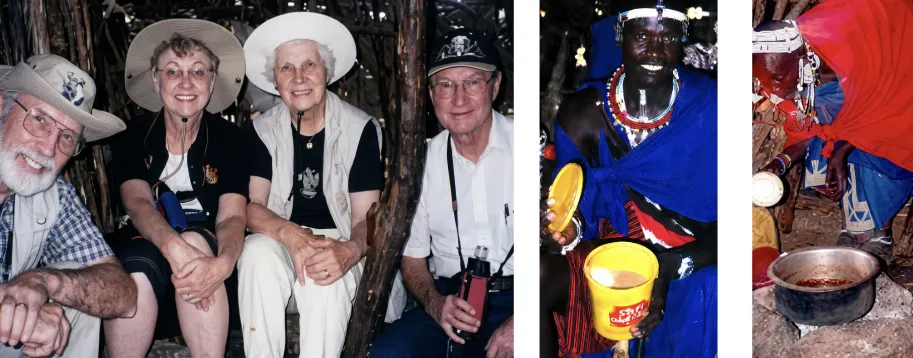
The Maasai are tall people, yet they build their huts so short that they can’t stand up. They kindly invited us to come into their huts. Tourism probably brings in much-needed income for these proud people and undoubtedly contributes to their hospitality!
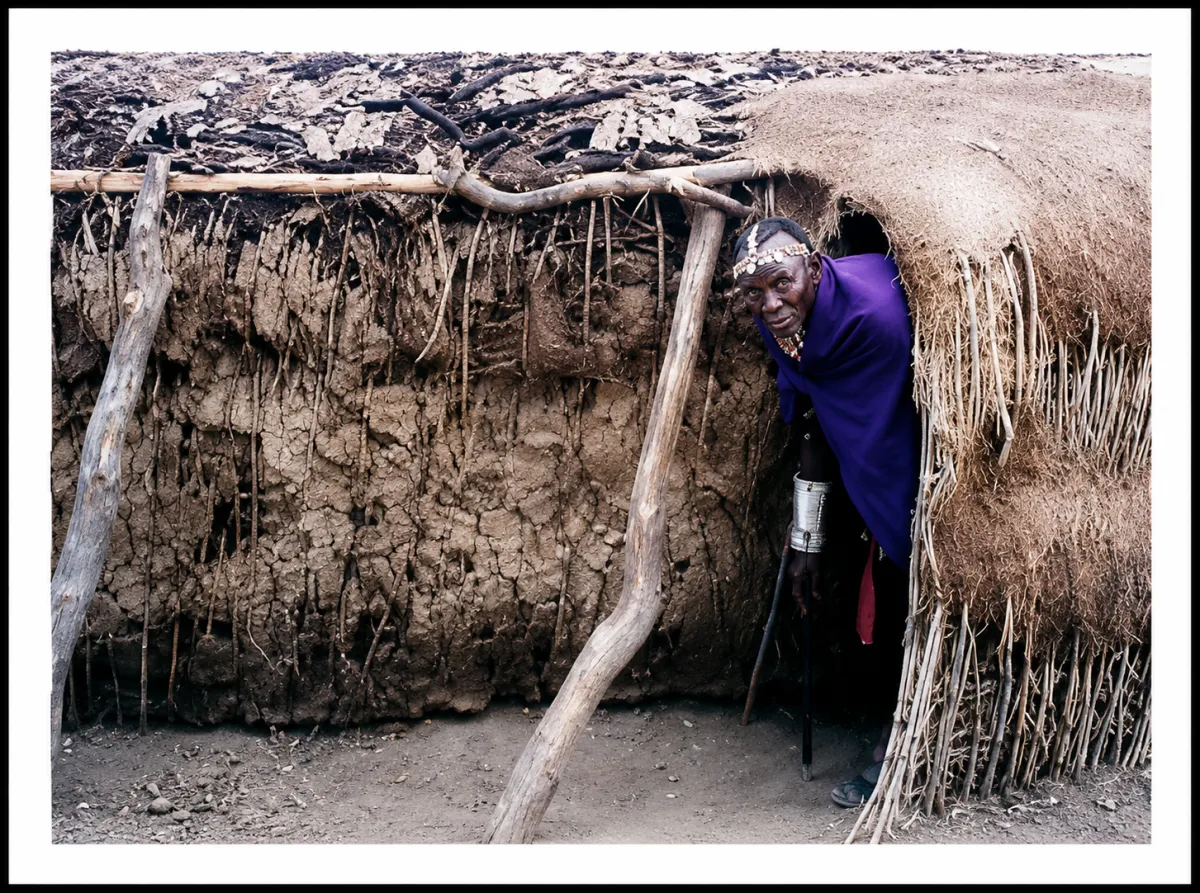
We found their huts to be a bit crowded, and we can see why the Maasai spend most of their time outside. Here we are huddled in one of the huts with a one-burner stove.
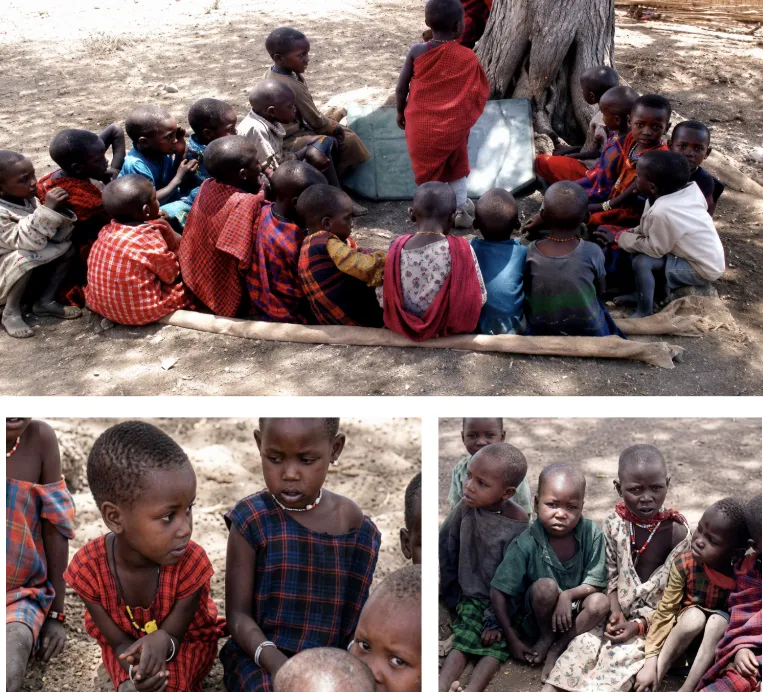
We visited their “school.” They meet under a tree and use branches for seats. One child points to a word, and they all repeat it in unison.
We left the Maasai village with many questions. Where do they buy all their red fabric? Answer: We drove by a “Maasai Mart” with displays of many choices of red fabric.
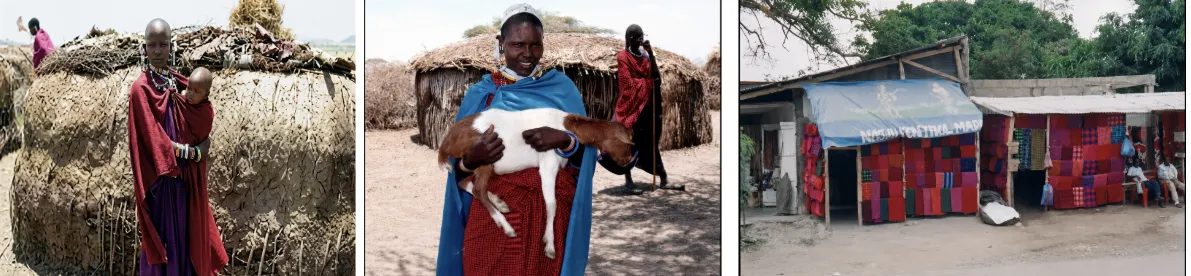
We left the Maasai village with many questions. Where do they buy all their red fabric?
Answer: We drove by a “Masaai Central Mart” with displays of many choices of red fabric. Pictured above is the Masaai Central Mart, the value store for Everything Red.
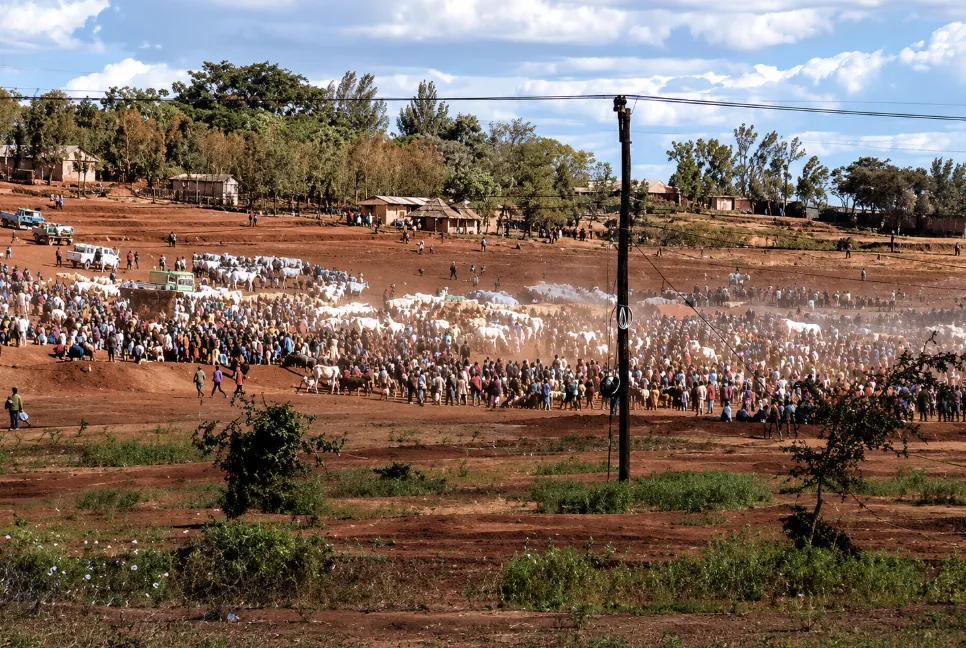
And where do they buy cattle, goats, cornmeal, and beads? Answer: At auction.
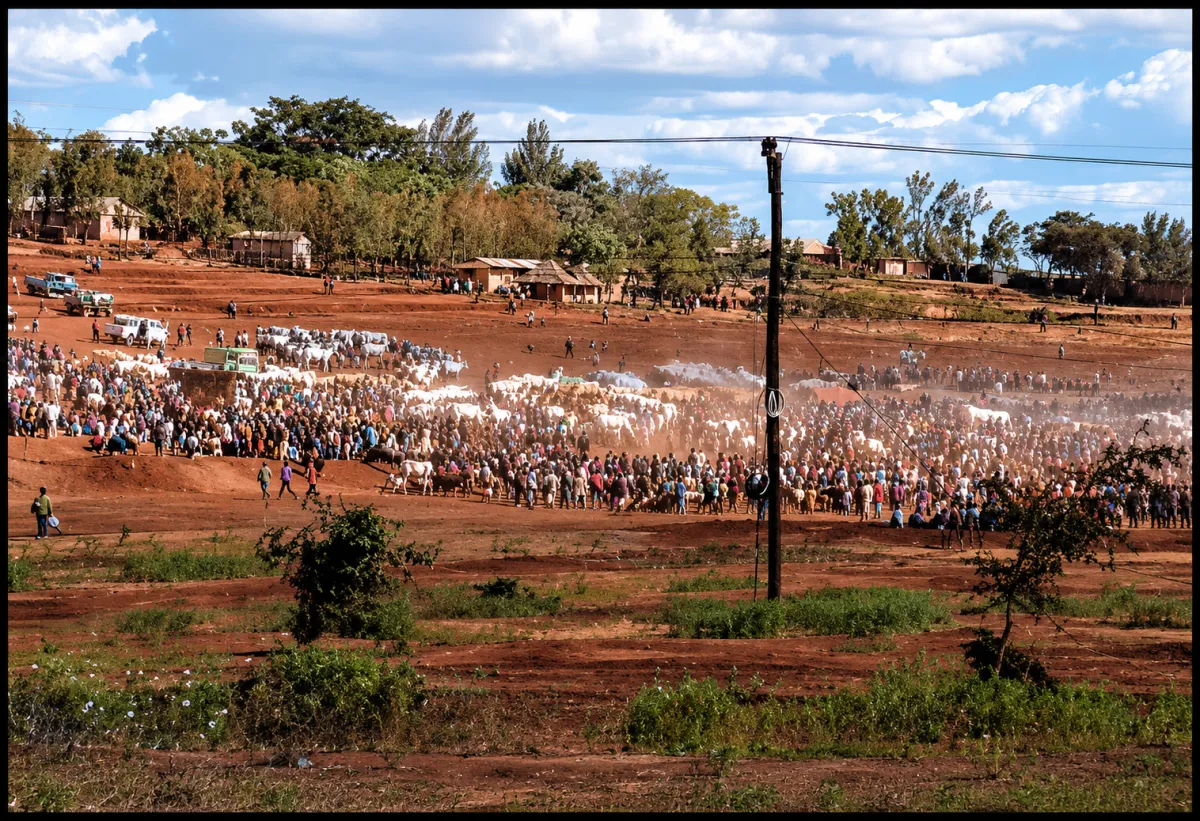
We drove by an auction attended by thousands.
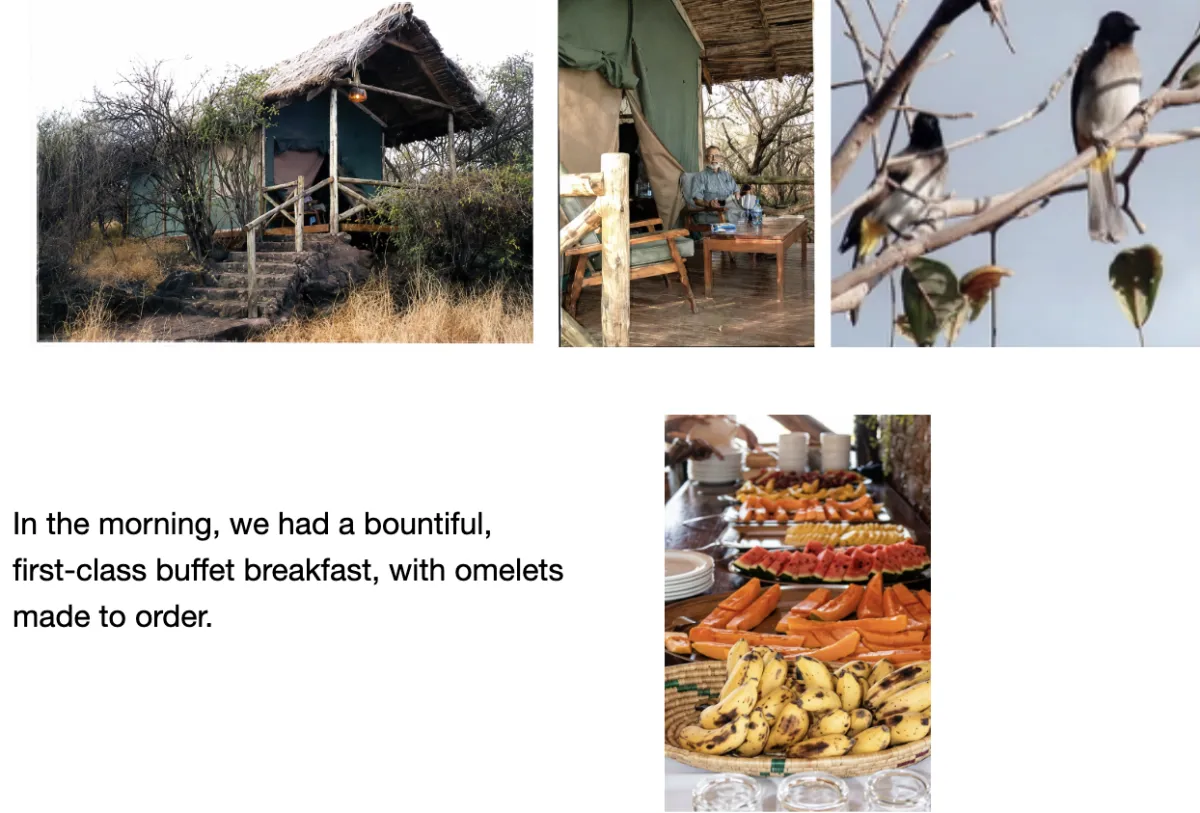
Late in the day, we arrived at our tented lodge, not exactly luxury but very adequate. It even takes a bath with a shower. We sat on our rustic front porch, drank coffee, read, and listened to the birds. In the distance, we heard baboons yelling in the forest.
We drove through areas of extreme poverty.
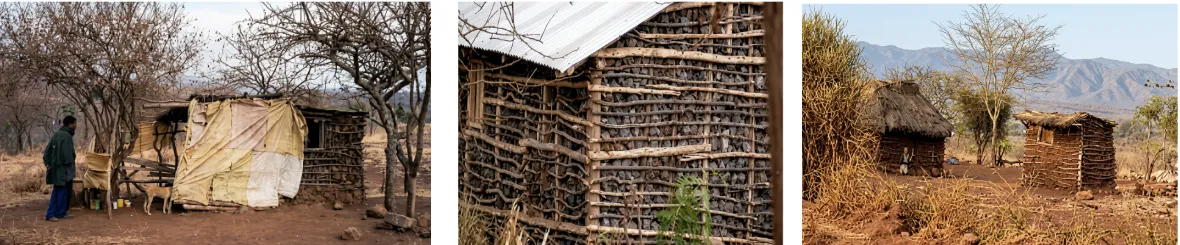
These shacks were built with mud and wattle construction.
Wattle and daub is a composite building method used for making walls and buildings. A woven lattice of wooden strips called "wattle" is "daubed" with a sticky material usually made of some combination of wet soil, clay, sand, animal dung, and straw. Wattle and daub has been used for at least 6,000 years and is still an important construction method in many parts of the world. (source, Google)
Tarangire National Park
We are now in Tarangire National Park, known for its baobab trees and elephants. And did we see elephants!
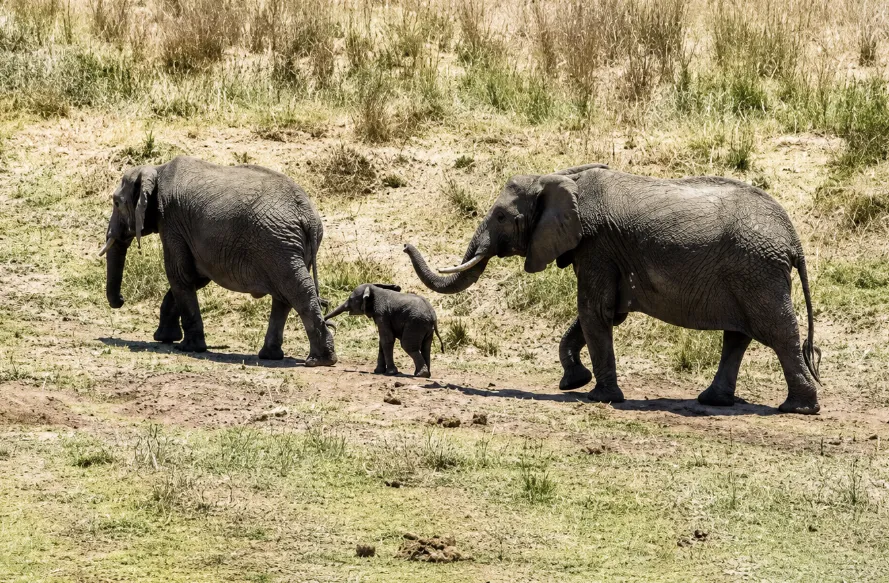
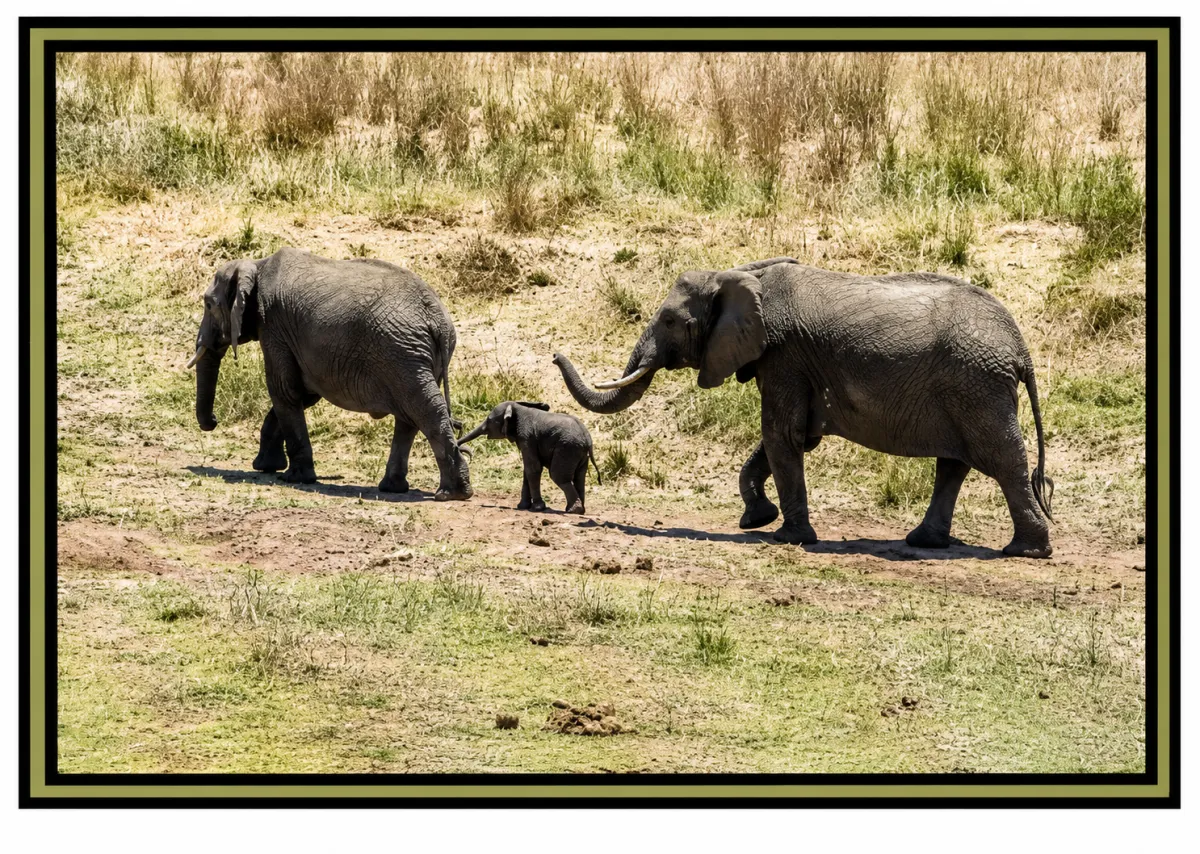
And elephants ..
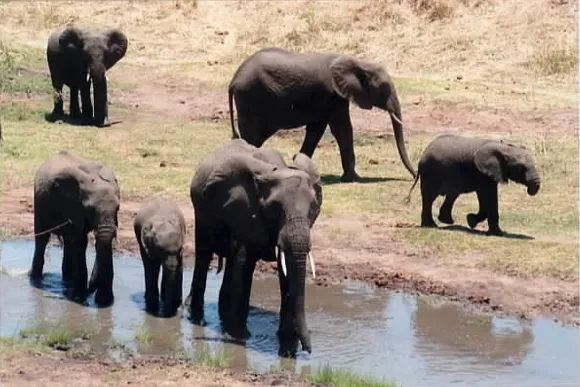
And elephants, and more elephants!
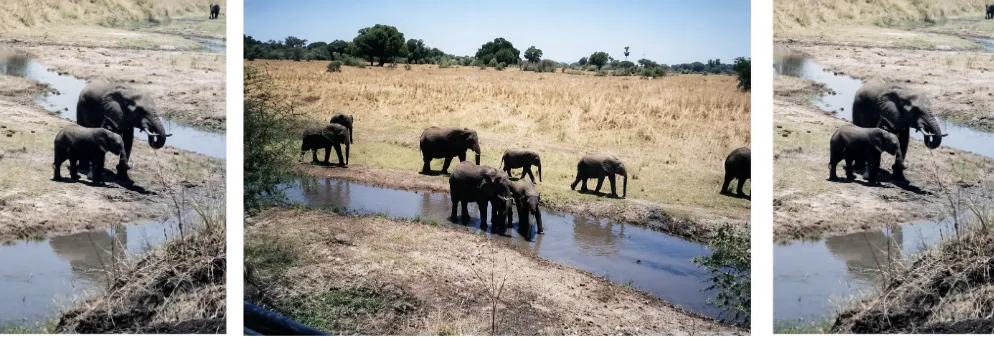
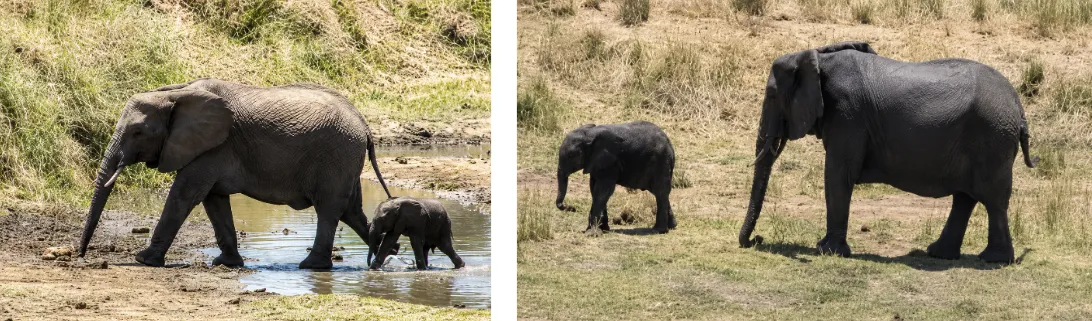
This baby elephant had lessons in how to drink water and how to eat grass.
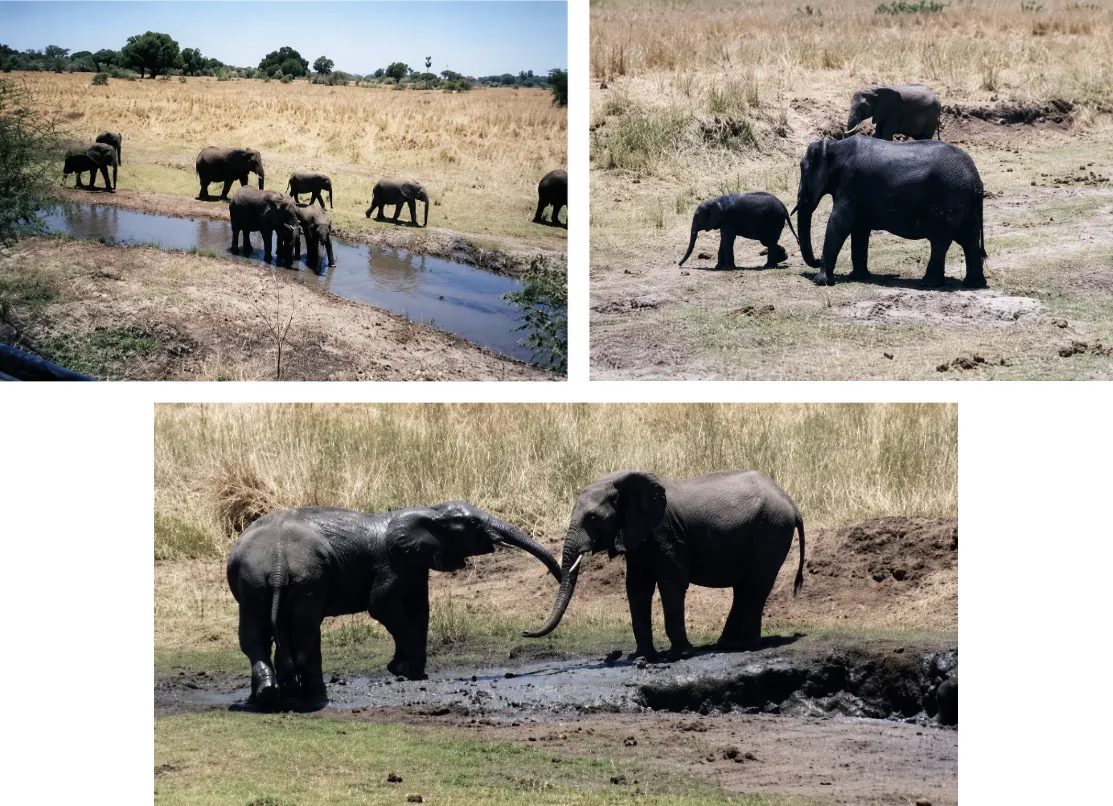
And did I already say, more elephants, including a couple that were probably spraying water on each other? Who needs a shower when you have a trunk!
And now it’s time to take a bath with all the members of the family. (Trivia question. Is this where the term “mud bath” originated?)
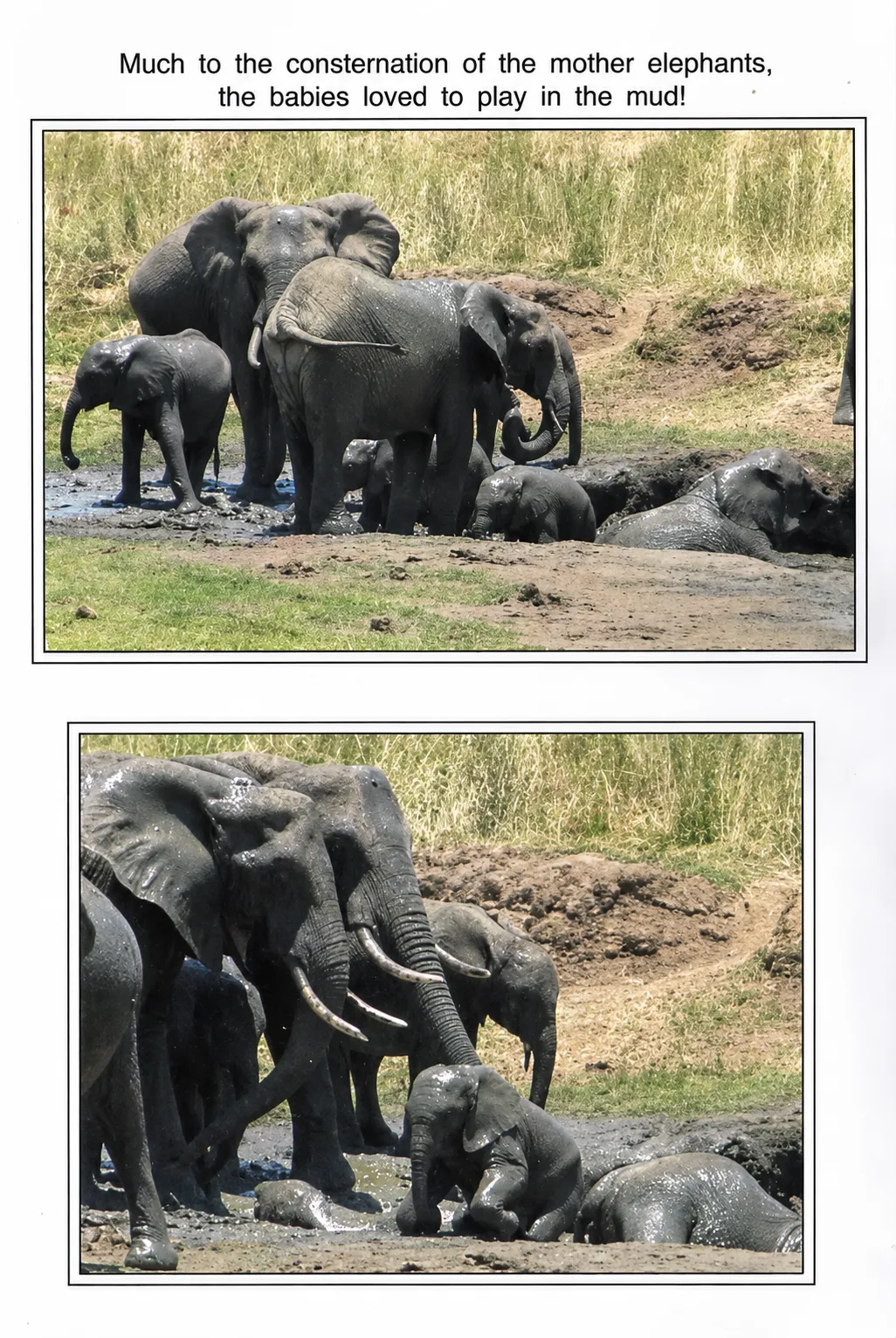
And now it’s time to get out. Come on, small fry! Time to go home.
Play time was over. The wet, muddy elephants made their way back to the bush.
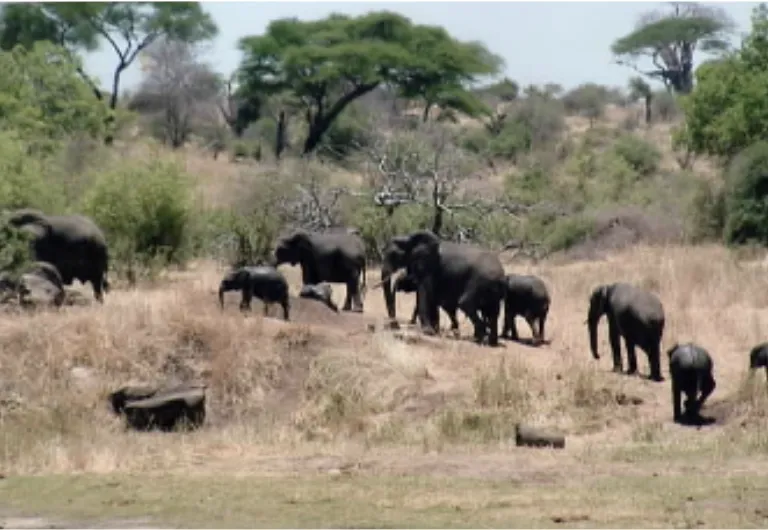
Did anyone make a count? Have we got everybody? “I think so.”
Almost everybody. “Hey, wait for me!”
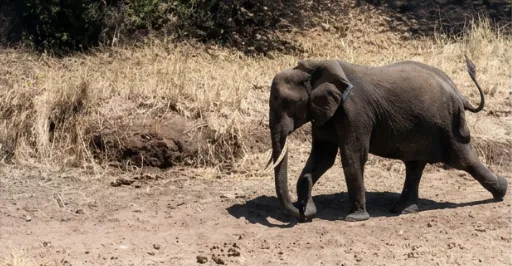
By the end of the day, we counted up the number of elephants we had seen - 215!
If you are an elephant watcher, that’s a good day.
The Tarangire National Park is well set up for tourists, including having places to rest, a lodge, and even a luxurious swimming pool. The Tarangire SOPA Lodge was as luxurious as the others. We learned that "SOPA" in Masaai means, Welcome.
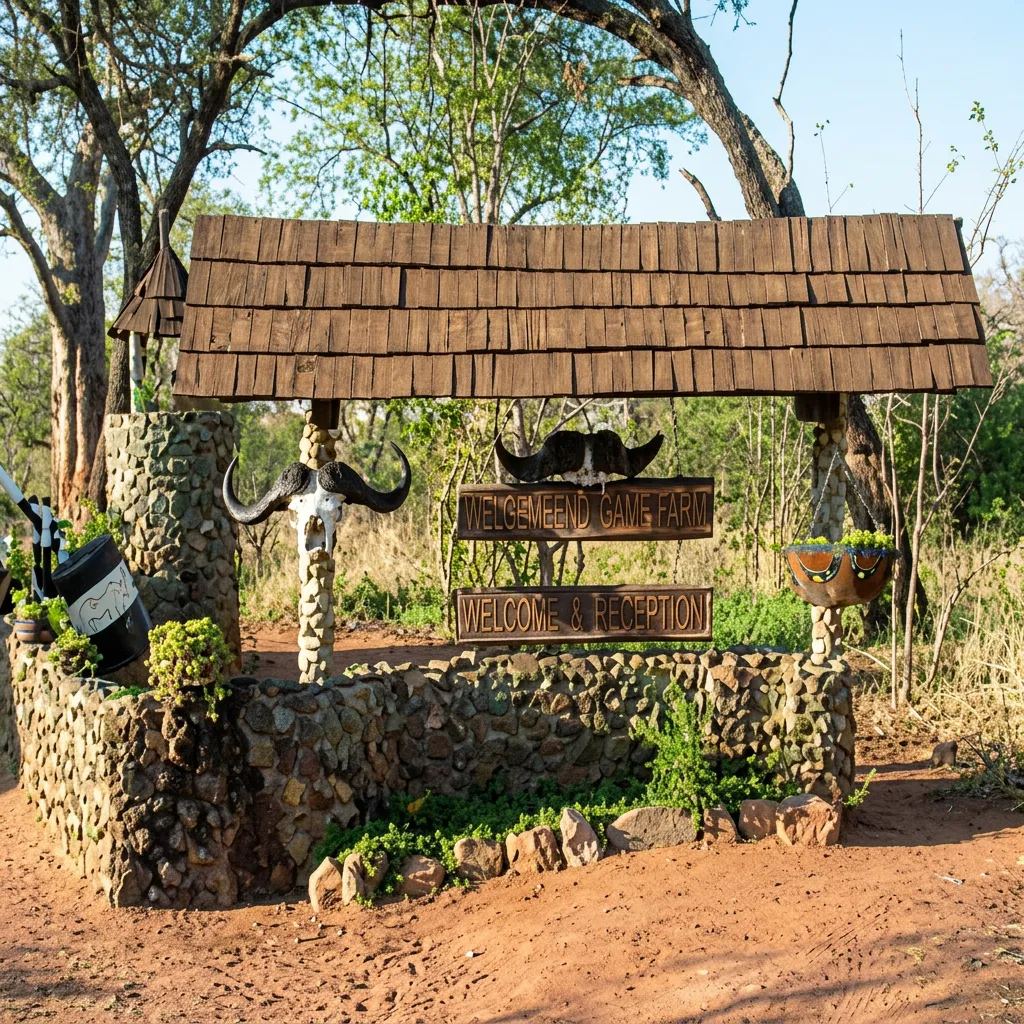
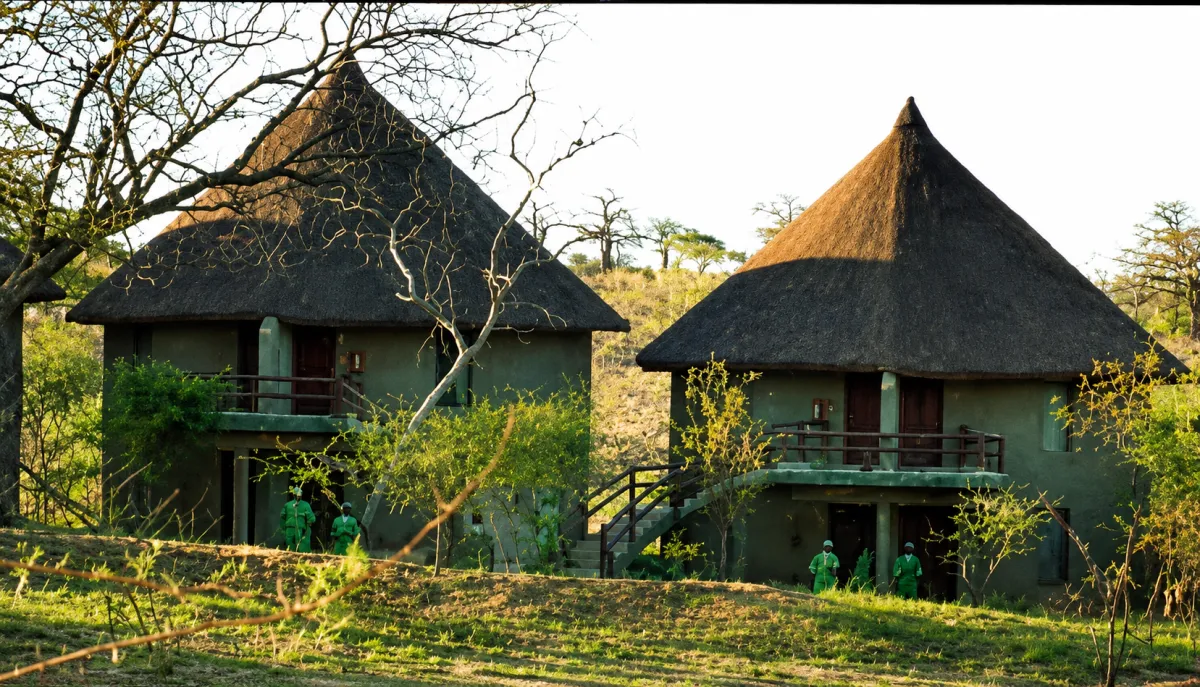
We went for a refreshing quick swim in the beautiful pool. Then it was time for a shower to wash my dirty, dusty, wind frazzled hair. We enjoyed our last night in luxury.
Tomorrow it’s back to Arusha.
We took a short break from the elephants to enjoy and identify various species of birds.
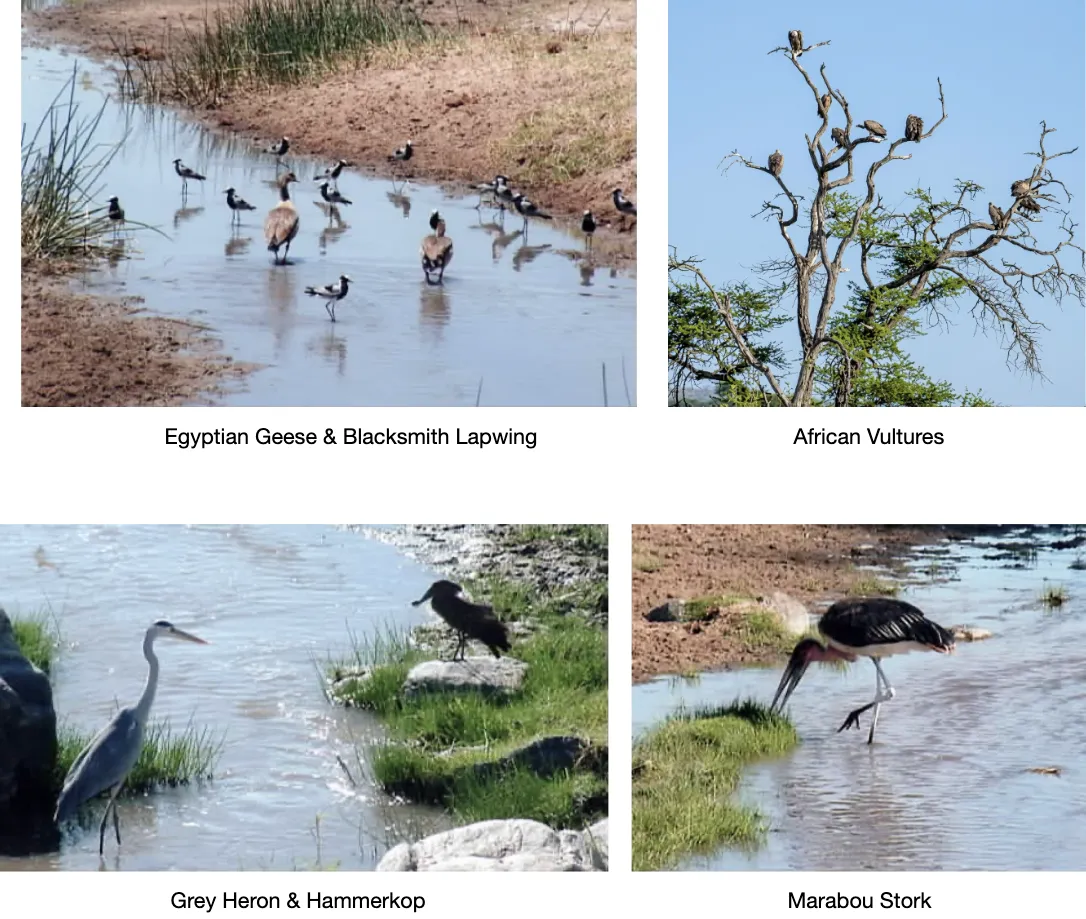
Because the Serengeti is very dry, you can see such a wide variety of wildlife at the water holes, streams, and rivers. It makes nature watching much easier!
And what is Africa without giraffes?
We also came upon many giraffes at the river, sometimes coming in groups. A group of giraffes is called a Tower.
Giraffes have no fear of hippos, zebras, and many other animals. It’s the lions that cause them to panic and run. They feel very vulnerable when they are drinking.
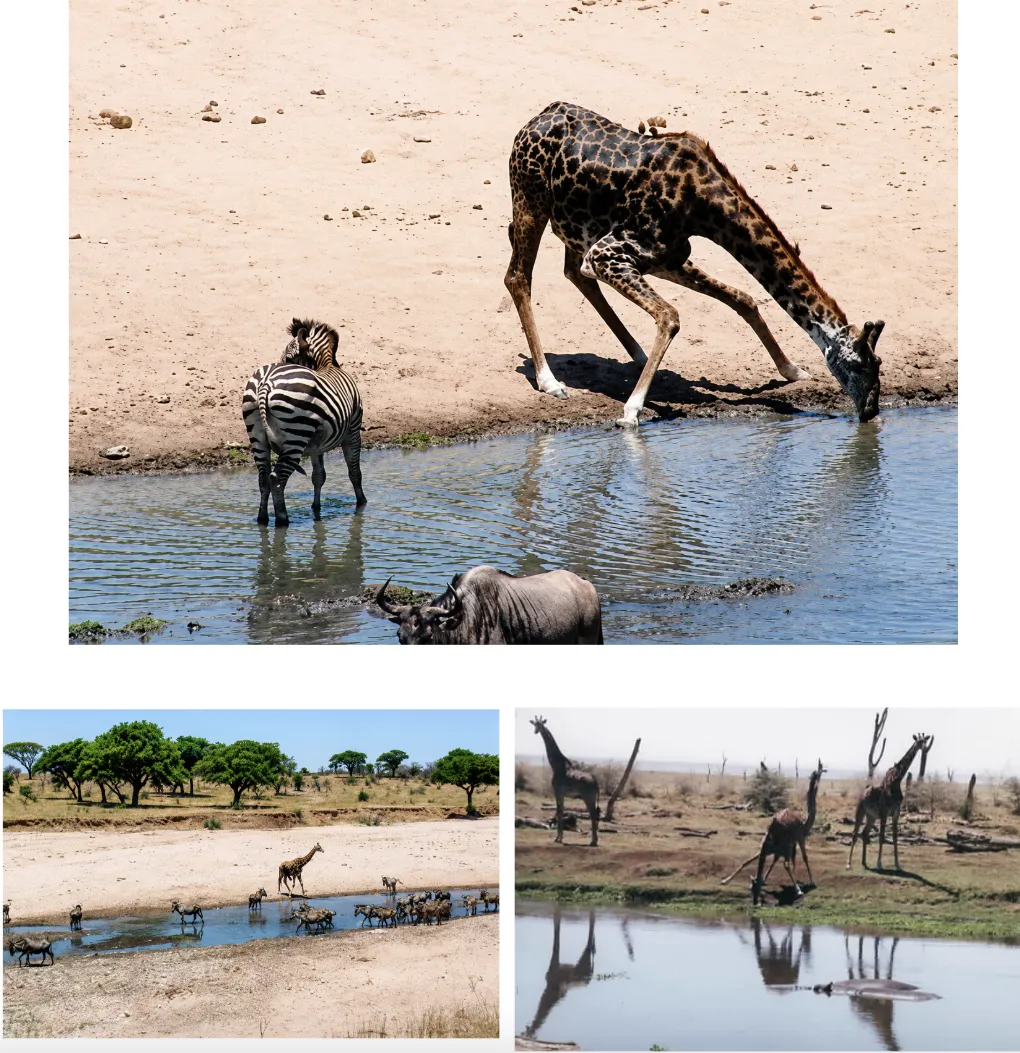
Reluctantly leaving the elephants, giraffes, and zebras, we drove on to Arusha.
We passed the monument marking the halfway point between Cape Town and Cairo.
On the map below, you can see Tanzania at the bottom of the map, Arusha, where we started and finished our trip, and to the left of Arusha, you can see the crater we pictured earlier and the Serengeti National Park, where we shot most of these pictures.
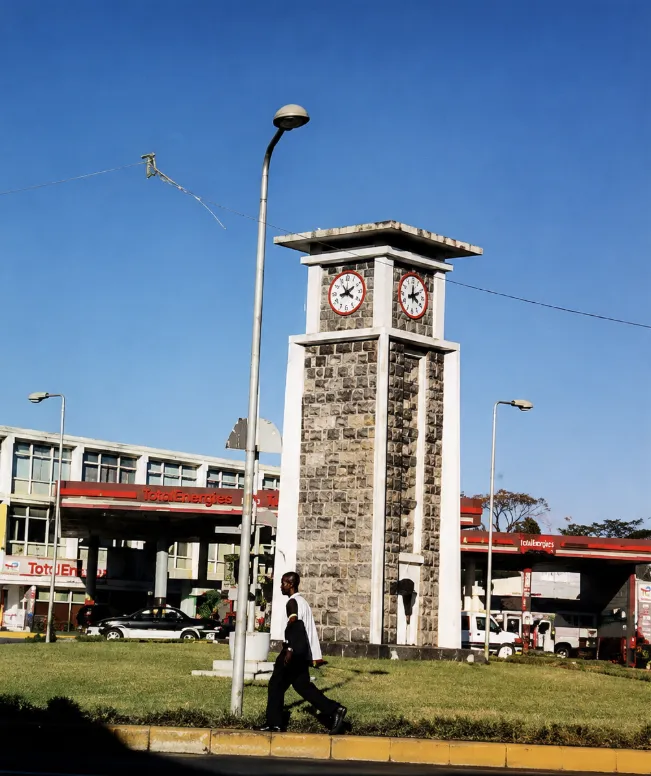
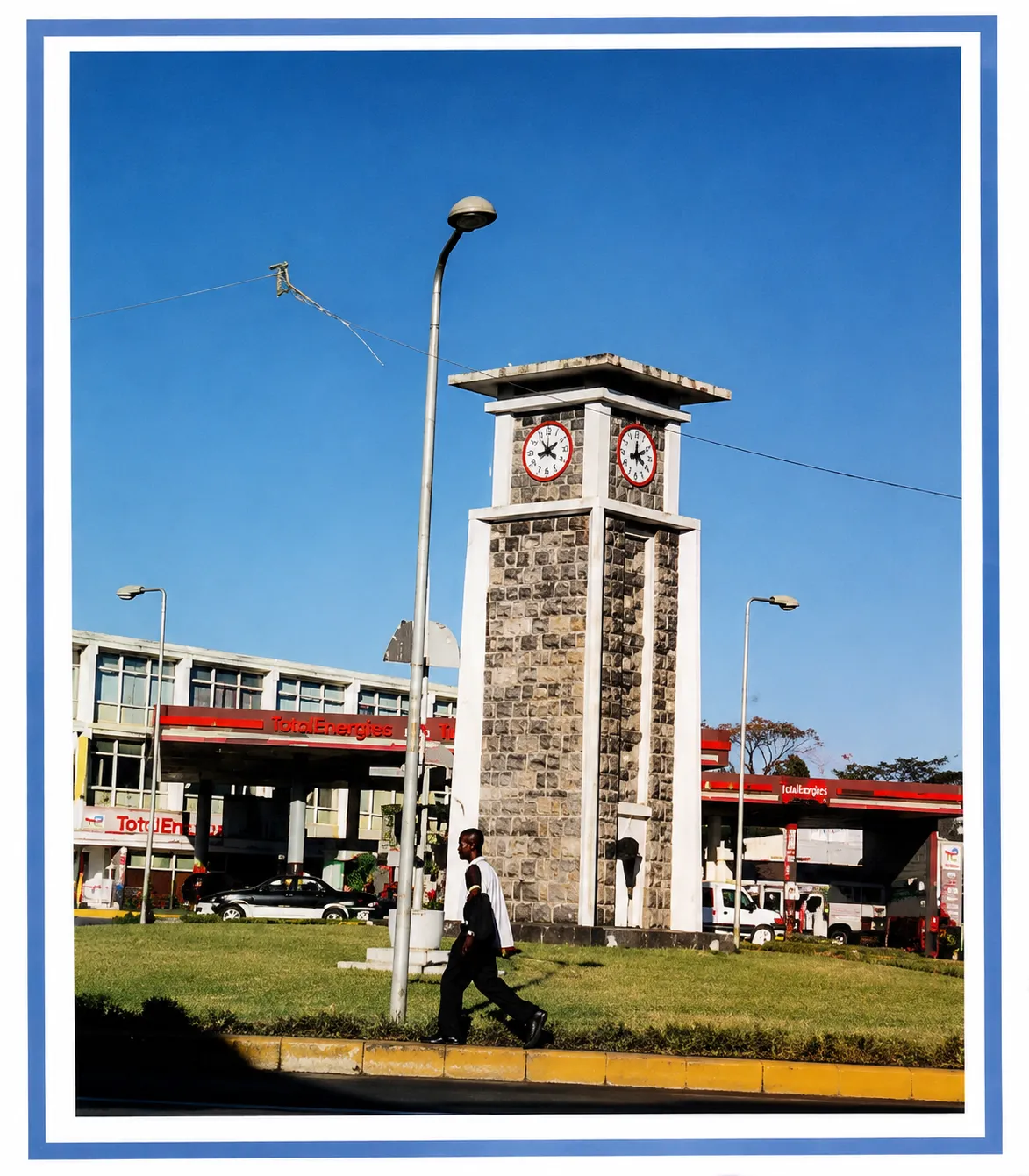
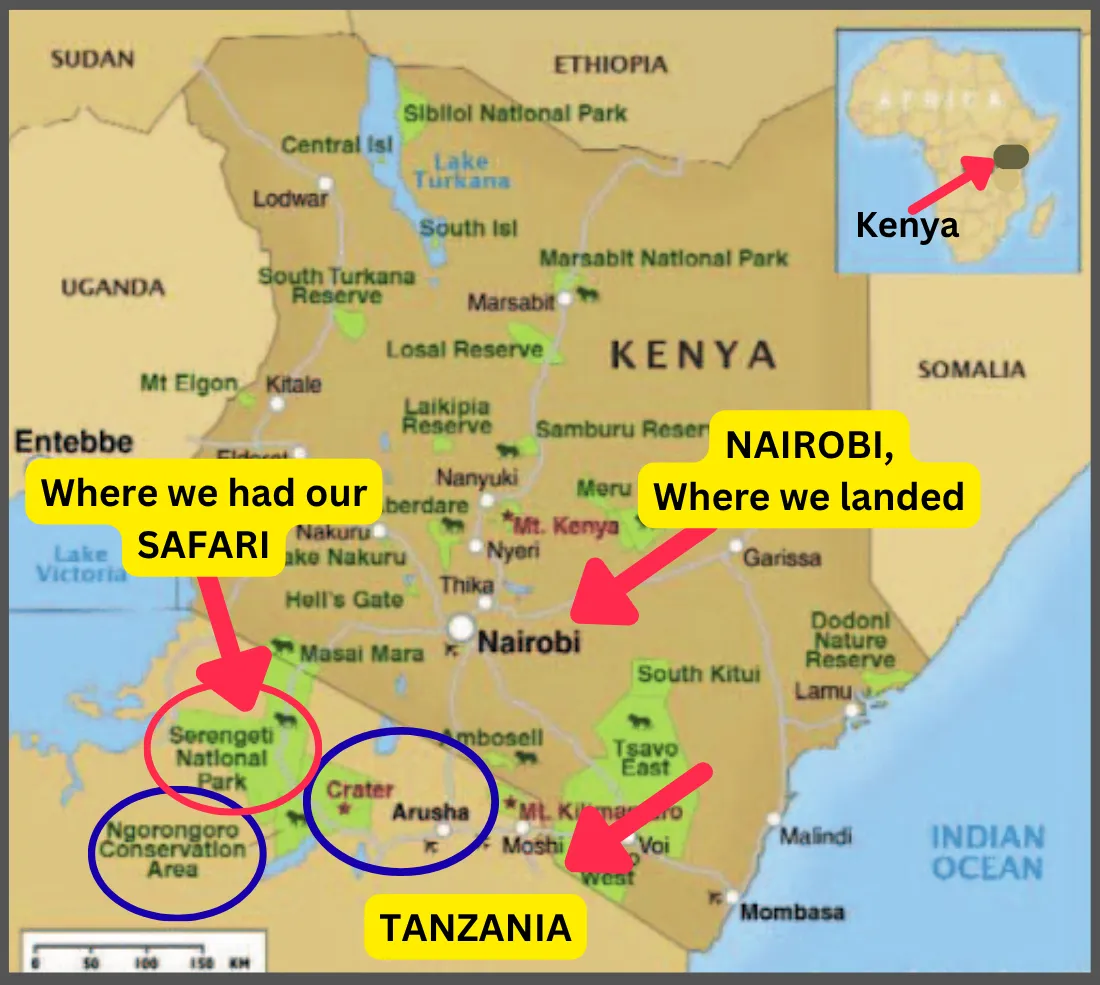
You can see with the inset map of Africa (top right), the small brown area is Kenya, which you see in detail on the larger map, with surrounding countries. Some of the richest wildlife in all of Africa can be found in this area. It made for an amazing safari.
The safari part of our trip was over, so it was time to say goodbye to our guide, Daniel. He had been excellent in every way.
Because Ed always got carsick, he sat in the front seat with Daniel every day. Their conversations had often turned to spiritual things with references to the Bible. As we parted ways, Ed asked Daniel if we could pray with him. Daniel willingly agreed. So there in the quietness of the yard, Ed prayed, and Daniel was greatly moved.
With tears in his eyes, he remarked that in seven years of this work, he had never had anyone pray with him. Isn’t that amazing to consider? So many groups, even Christians, had toured the beautiful Serengeti with this guide, but this was the first time someone had taken the time to care about him enough to pray with him.
Daniel gave us his email and wanted to know when we returned home safely.
To end our colorful trip with a splash of lavender, we saw jacaranda trees in full bloom just outside our hotel in Arusha. I watched a lady walking toward me, then waited until she was in the right spot for a picture. I thanked her and gave her some money.
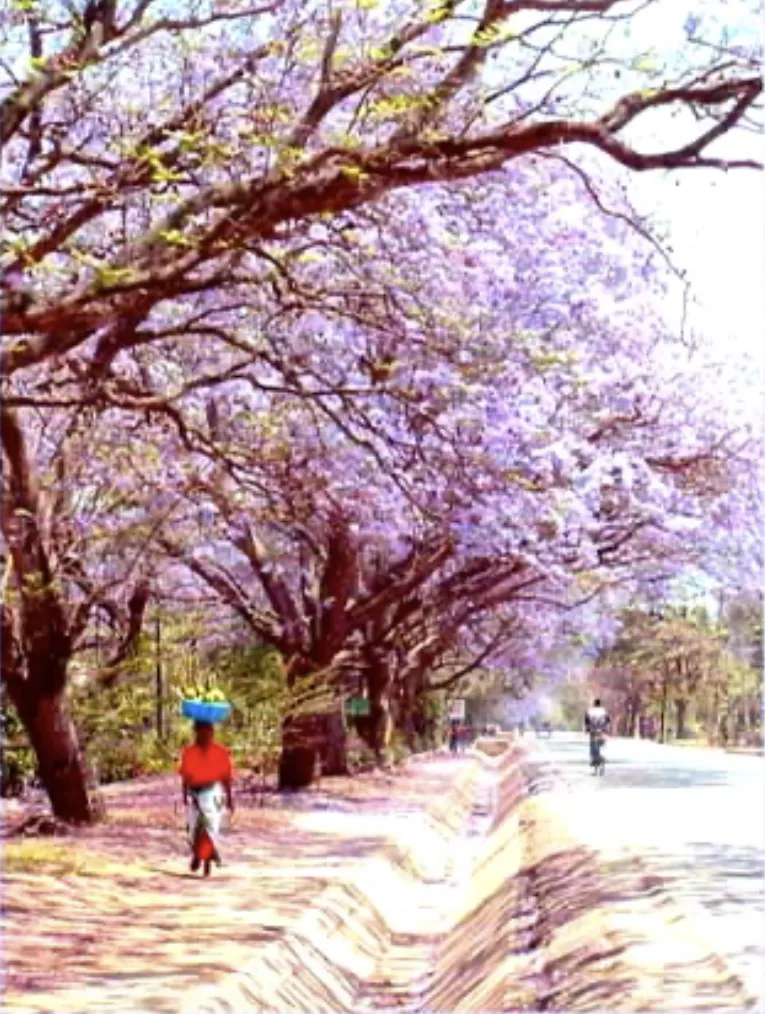
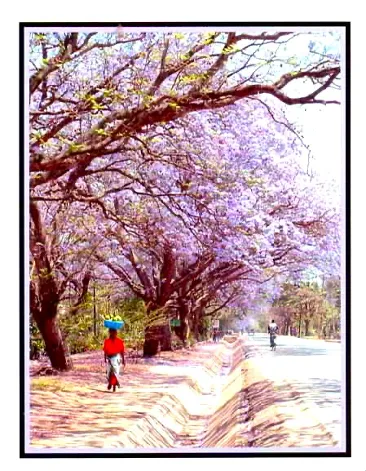
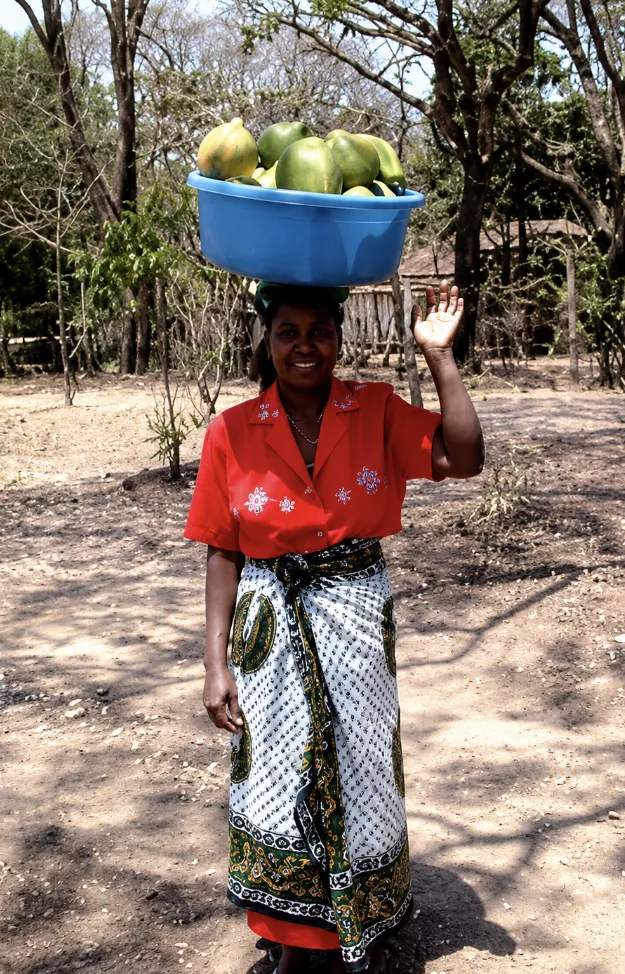
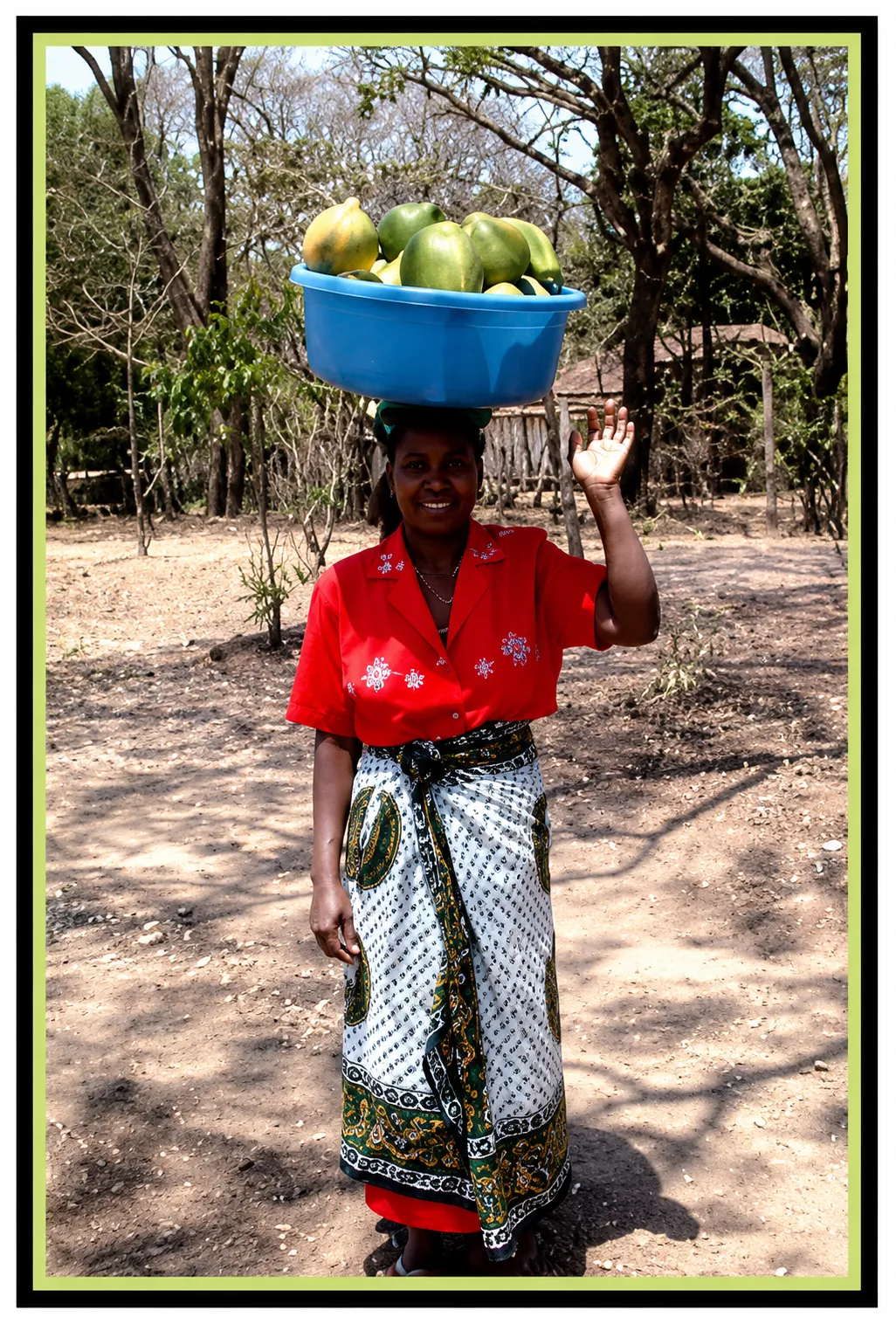
Jacaranda trees were in full bloom just outside our hotel in Arusha. I watched a lady walking toward me and waited until she was in the right spot for a picture. Then I thanked her and gave her some money. This is our prize picture. It was a very nice ending to a fabulous trip.
2005 - HOLLAND IN SPRINGTIME
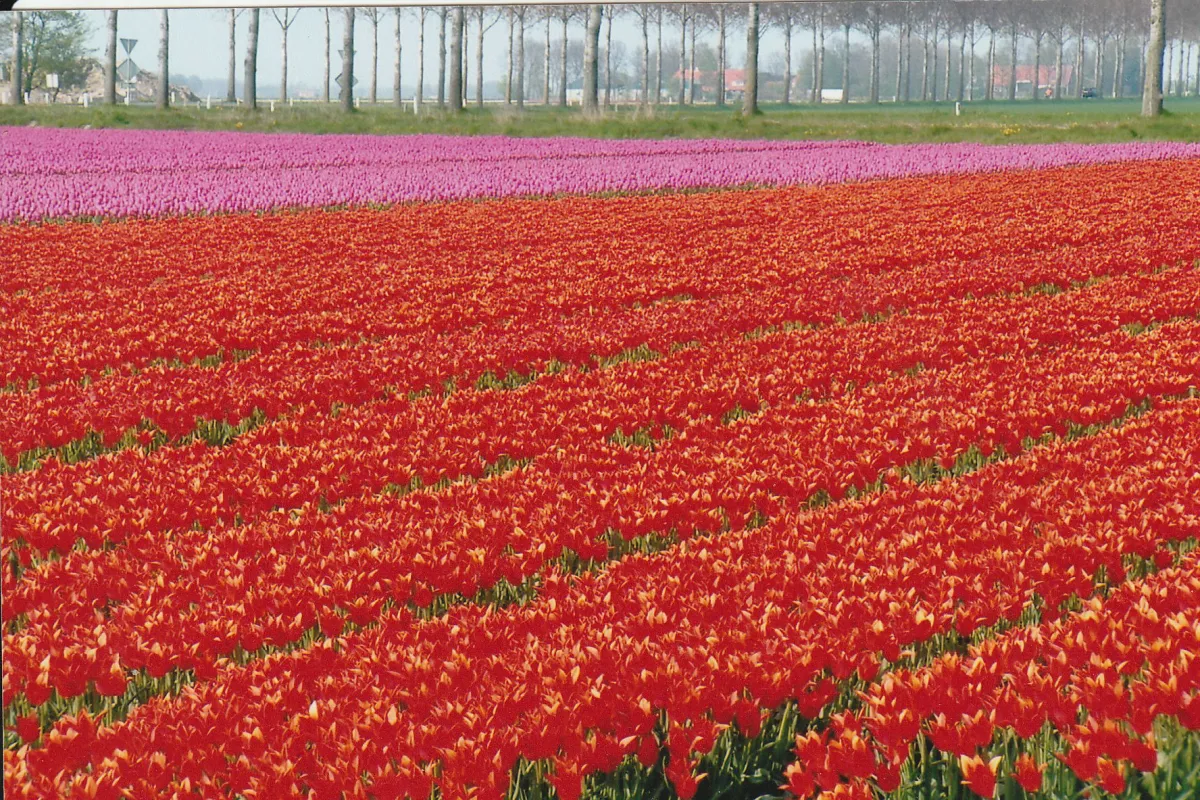
How fortunate we were when we planned our self-driving trip in Holland that included the last week of April, the peak of the tulip season. The fields were brilliant in dazzling colors of red and yellow, orange and pink. In bright sunshine, they were so bright it almost hurt your eyes! Two weeks later, the heads would all be cut off (to make stronger bulbs), leaving barren, brown fields.
Kinderdijk
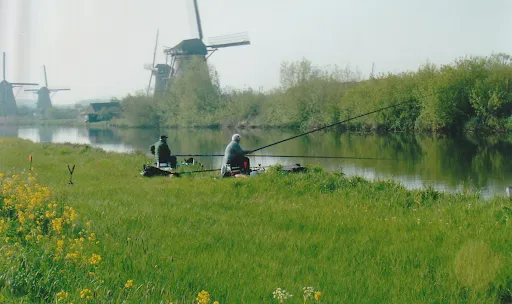
It is famous for the row of 19 windmills alongside a canal. They date back to 1738 and have been homes. They were built to pump water and reclaim the land. The now tillable land is called Polders. We climbed steep stairs to the top of one of the windmills and then left Kinderdijk just as some tour buses arrived.
Keukenhof Gardens
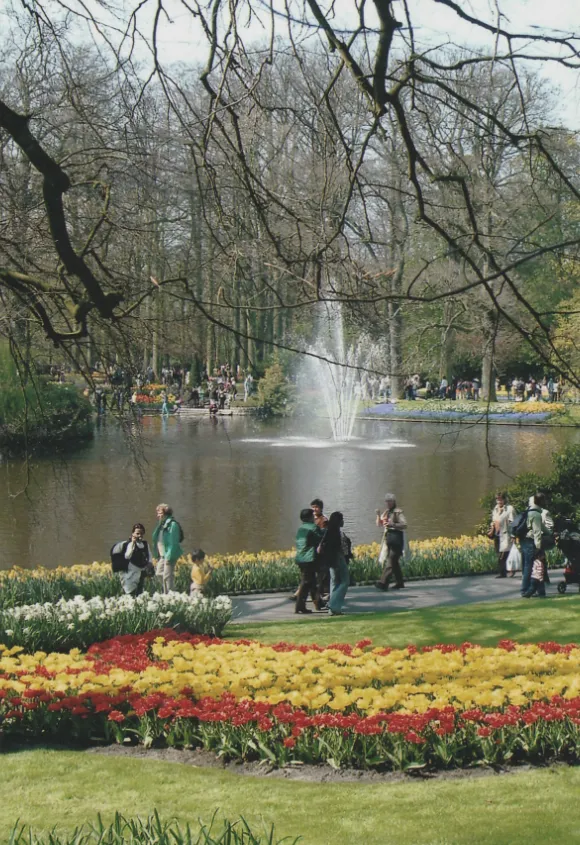
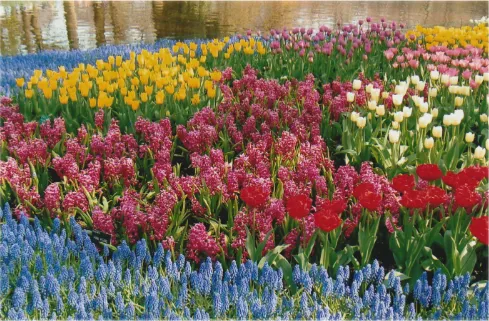
We joined thousands of visitors to see these famous gardens. 70 acres of beautiful, perfectly planned, and cared for spring flowers of every kind and color. In the fall, 7 million bulbs are planted, some 3 deep to ensure a long blooming time. There are 800 varieties of tulips! Brilliant colors, and every flower is perfect.
We drove across the long, 30 km dike separating the North Sea from the IJsselmeer (Zuider Zee). There were formerly big floods every year, but with hard, back-breaking work, this dam was built to hold the sea out. The reclaimed land, polders, is now very prosperous and fertile.
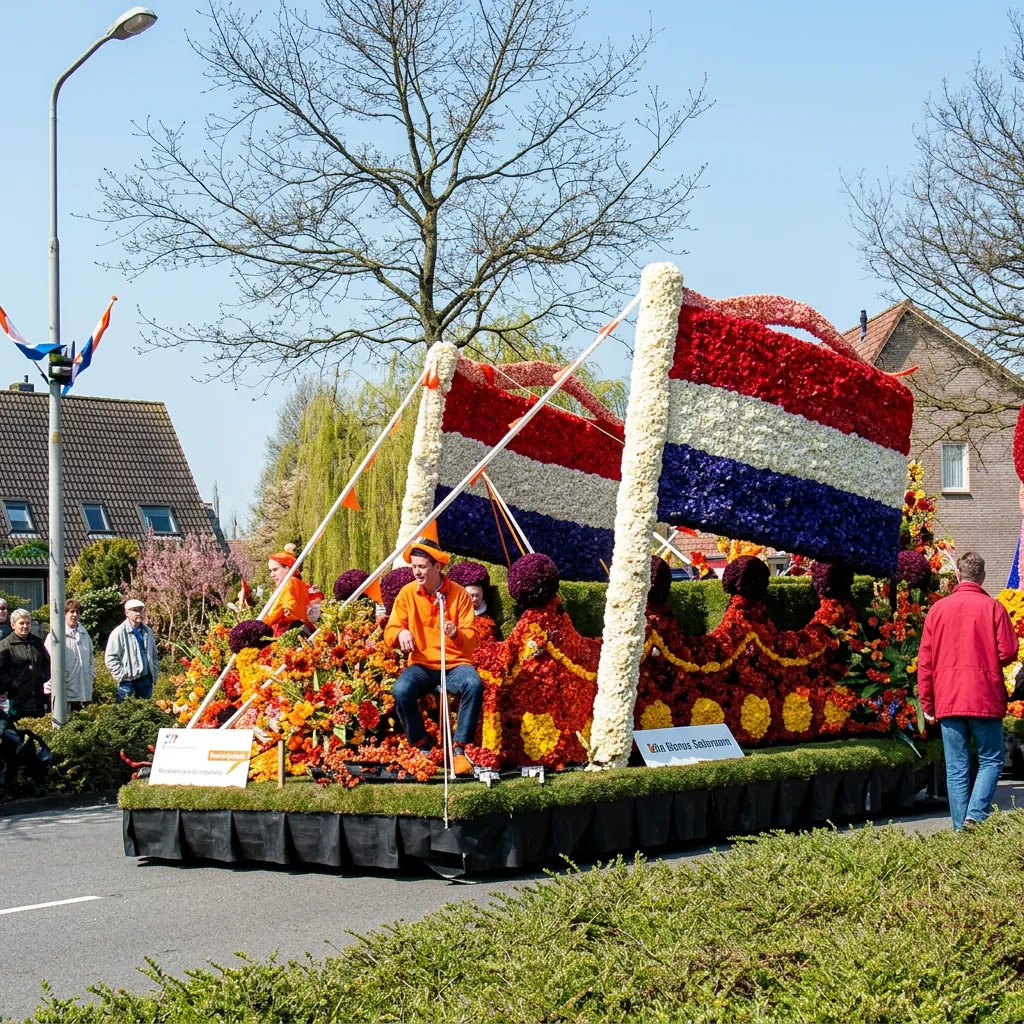
Our B&B host told us about the annual Flower Parade on that very day! We found the “flower corridor” and joined the crowds to watch the parade. There were 20 floats and many cars, all decorated with spring flowers. And the parade traveled for 42 kilometers.
We loved driving in Holland. Yes, there were motorways, but also quiet country roads. Sometimes we drove on the top of dikes with views of farms and cows, so quiet and peaceful. One town, Durnstide, had a windmill you could drive through. We stopped to visit it - climbed up steep steps to see the big wooden gears and grinding stones. They had freshly ground grain for sale. We saw miles and miles of those brilliant tulips. They are grown for export, and this means that in just 2 weeks, those brilliant heads will all be cut off. This makes the bulbs stronger. How disappointing it would be to come to Holland and see only fields of brown, dead tulips.
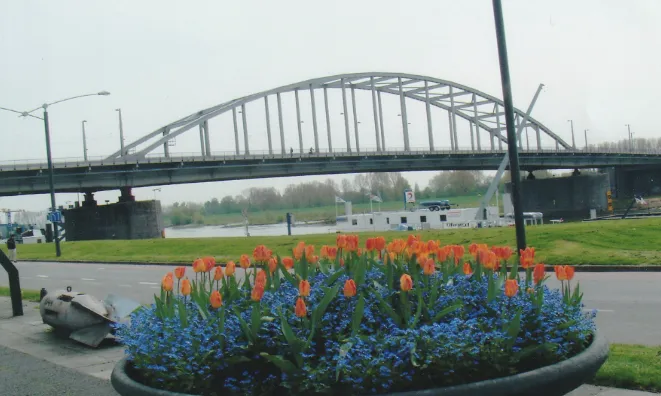
Our B&B was just a few miles from Arnhem, a famous WW II site. During Operation Market Garden, the Allies captured and held the 1st bridge over the Rhine and then the 2nd bridge. But the 3rd bridge at Arnhem was “A Bridge Too Far” and the Allies lost the battle with great loss of life.
We drove across all 3 bridges, rebuilt and peaceful. The one at Arnhem has a huge flower garden on the north end and a monument honoring all the men who died here.
2005 - BELGIUM
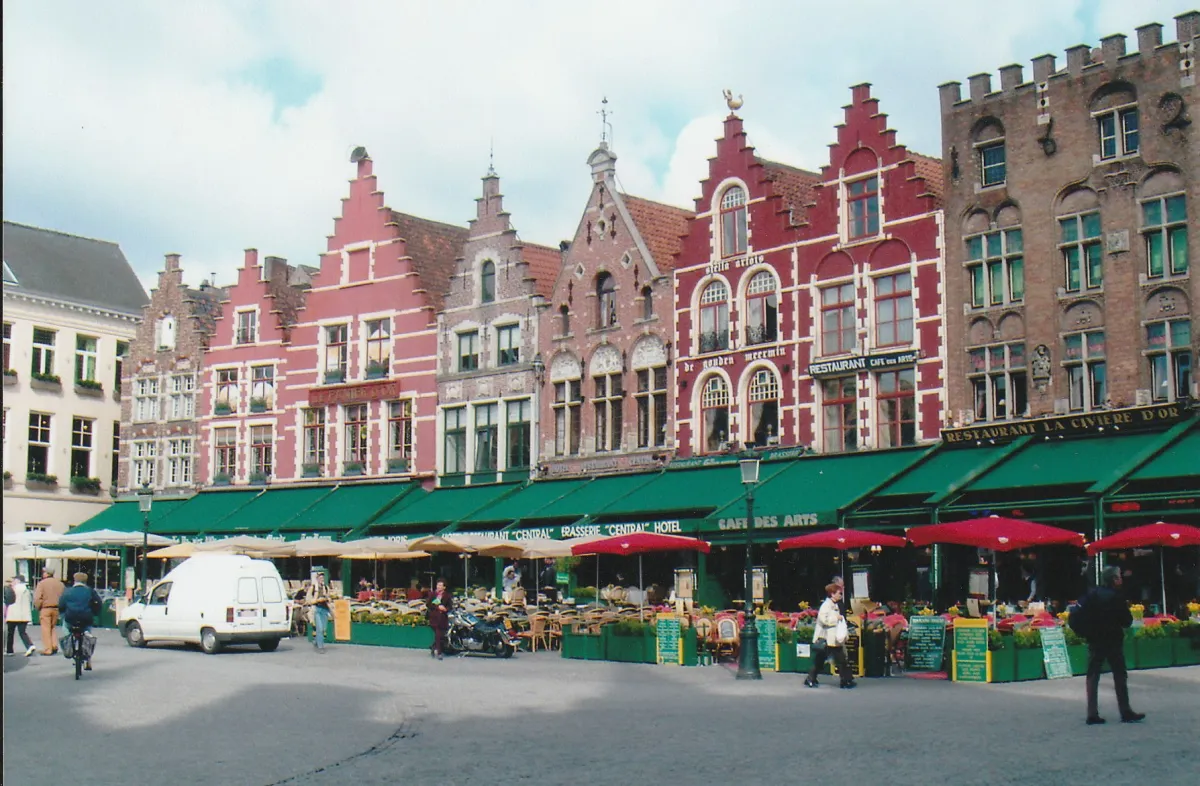
We first visited Brugge, a famous city known for its stepped gabled buildings, lace factories, and chocolate. We stayed in “Nicky’s Place,” not the most memorable. Furthermore, we were led through a small restaurant to a back room, up 2 flights of steep, old stairs to the attic room. Quite spacious but cobbled up and very old. We travel cheaply! But a block away, a canal, flowers, swans, and a classic old bridge.
The city itself was very colorful. Market Square has its classic stepped gabled roof lines. And it was Market Day! Fruits, vegetables, and meat sizzling on a grill. Horses and carriages were added to the scene. Beautiful canals lace the city, and we went on a short boat ride.
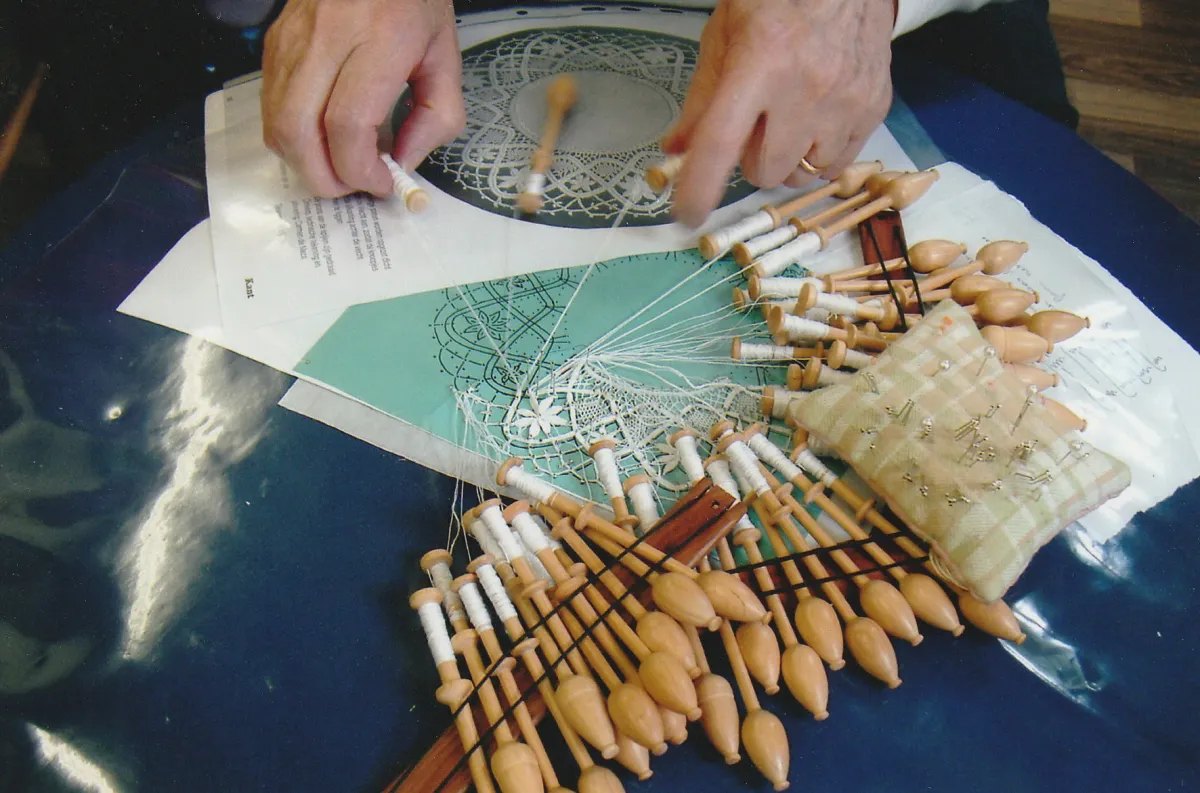
The Church of the Holy Blood has a supposed vial with one drop of Christ’s blood. We passed on that. We visited a lace factory, watched ladies throwing bobbins right and left. How do they keep track of them?
Belgium - Remembering WW II
We drove through the Ardennes Forest, following the route of some of the battles. Very narrow mountain roads, dense forest, small towns. For a lunch break, we had an authentic, very delicious Belgian waffle with real cream.
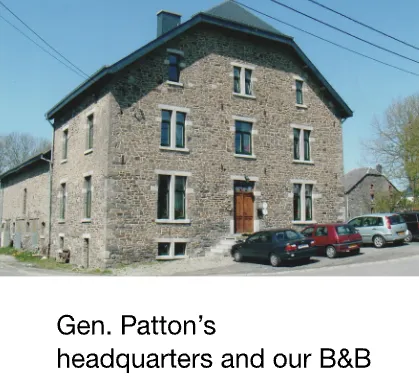
Vieux Savy was a B&B that was recommended to us. It was a big stone farmhouse only 3 km from Bastogne, and it was where Gen. Patton made his headquarters during the Battle of the Bulge! A little lady showed us to our room, very old and very elegant. Did Gen. Patton sleep in this very room? And the big field near the house was where parachutes were dropped with supplies that helped win the Battle of the Bulge.
The dining room was full of memorabilia from the famous battle. The lady explained all the pictures, speaking in French. She said Gen. Patton’s son and 2 veterans came back in 2004 for the 60th anniversary of the battle. One of them brought back the tiny Christmas tree that the soldiers had used on that freezing Christmas of ’44. The little tree was right there on a shelf, and I didn’t take a picture!
Bastogne
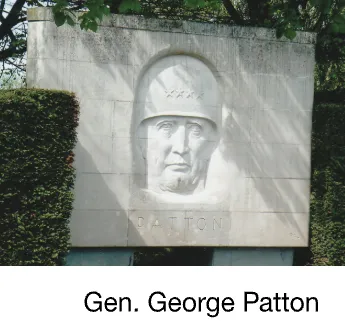
We parked in McAuliffe Square. This is where the Germans sent a note to Gen. McAuliffe asking him to surrender, and he responded with “NUTS.” So, this is known as the Nuts town with lots of souvenirs and even a “Nuts” restaurant. A big statue of Gen. Patton stands in the park along with a tank and a Liberty Stone. There are Liberty Stones placed every kilometer from Normandy to Bastogne. (1,147) celebrating the liberation of those towns by Gen. Patton’s 3rd Army. Gen. Patton is highly revered in Bastogne because this was the turning point of the war.
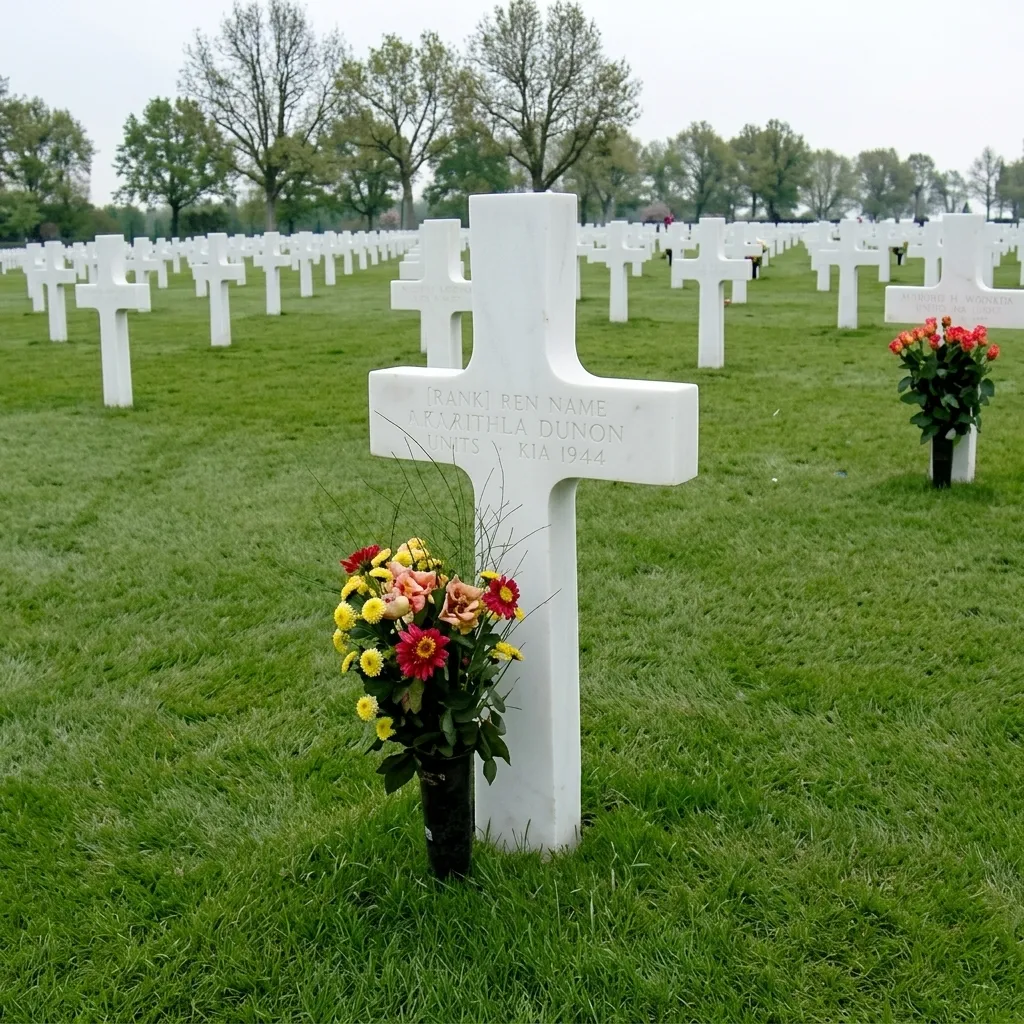
War Memorials
Using our map, we set out to find more of the monuments described in our little book. Noville - a monument in memory of 7 civilians killed by the Gestapo. Recogne - German cemetery, Hemroulle, village that gave white bed sheets for winter camouflage, Champs. After the Germans were driven out by the Allies, one of the villagers discovered this message written in chalk on the blackboard of the village school by a German officer:
“May the world never again experience another Christmas night like this! To die in combat far from one’s children, one’s wife, and one’s mother, there is no greater cruelty. To take a son from his mother, a husband from his wife, and a father from his children, is this worthy of a human being? Life can only be given and accepted so that we can live and respect each other. It is from ruins, blood, and death that universal brotherhood will undoubtedly be born.”
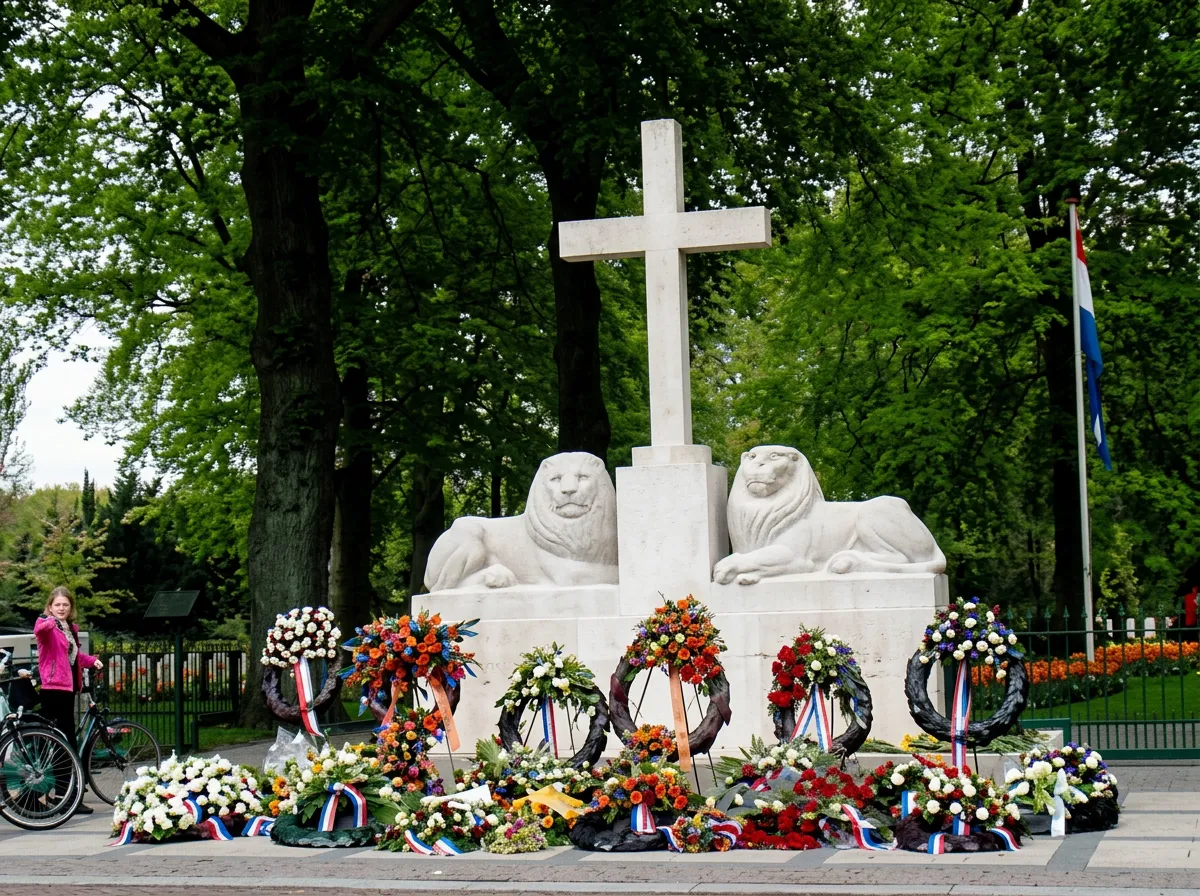
Celebrating Liberation
May 4th“The Day of Remembrance”
It is when people bring flowers to cemeteries. Every memorial had piles of flowers at its base and words of thankfulness to the Allies who liberated their country.
Margraten.
It is the only American cemetery in Holland, and it has over 8,000 bodies. It was very moving to see the rows and rows of crosses, walls of names - soldiers missing or unidentified - poignant quotes engraved on walls.
They were expecting 8,000-10,000 people here the next day, May 5, to celebrate the “Day of Liberation” and to hear the president. Bush speaks. They were setting up thousands of chairs.
Note: Belgium and the Netherlands continue to celebrate May 5th as their day of liberation. However, it was May 8 when the war in Europe was declared over. So, we celebrate May 8 as V-E Day.
In our B&B that night, we watched the big celebration in Amsterdam's Dam Square. Then at 8:00, everyone in Holland observed 2 minutes of silence - even the traffic stopped. And those of us in the B&B lounge also observed the silence.
May 5th -“Day of Liberation.”
A national holiday. We joined crowds in a big open field along with bands and bagpipes. They were apparently getting assembled to be in the parade. They marched in and performed right in the middle of the crowds. There were old Army vehicles, old veterans wearing ribbons and medals, and many in wheelchairs. Overhead, airplanes pulled banners “Welcome Veterans” and “Thanks for the Liberation”. Heaps of flowers were placed beside crosses and the message, “We are eternally grateful to the American and British forces who gave their lives for our freedom.”
That evening, we attended a service at St. Andre Church near our B&B. The church was packed full by 8:00. We were in for a very special service. I don’t know when I have enjoyed a concert so much or been so moved by the music. The choir and the orchestra were excellent. And when the young soloist sang “The Holy City” one of my very favorite pieces, I was moved to tears. We all stood as the audience sang their national anthem. Having been immersed in WW II history and battles and cemeteries, and to be with the Dutch people as they sang their songs of faith and love of country, was very special on this Day of Liberation.
2005 - SWITZERLAND – CHANGE OF PLANS
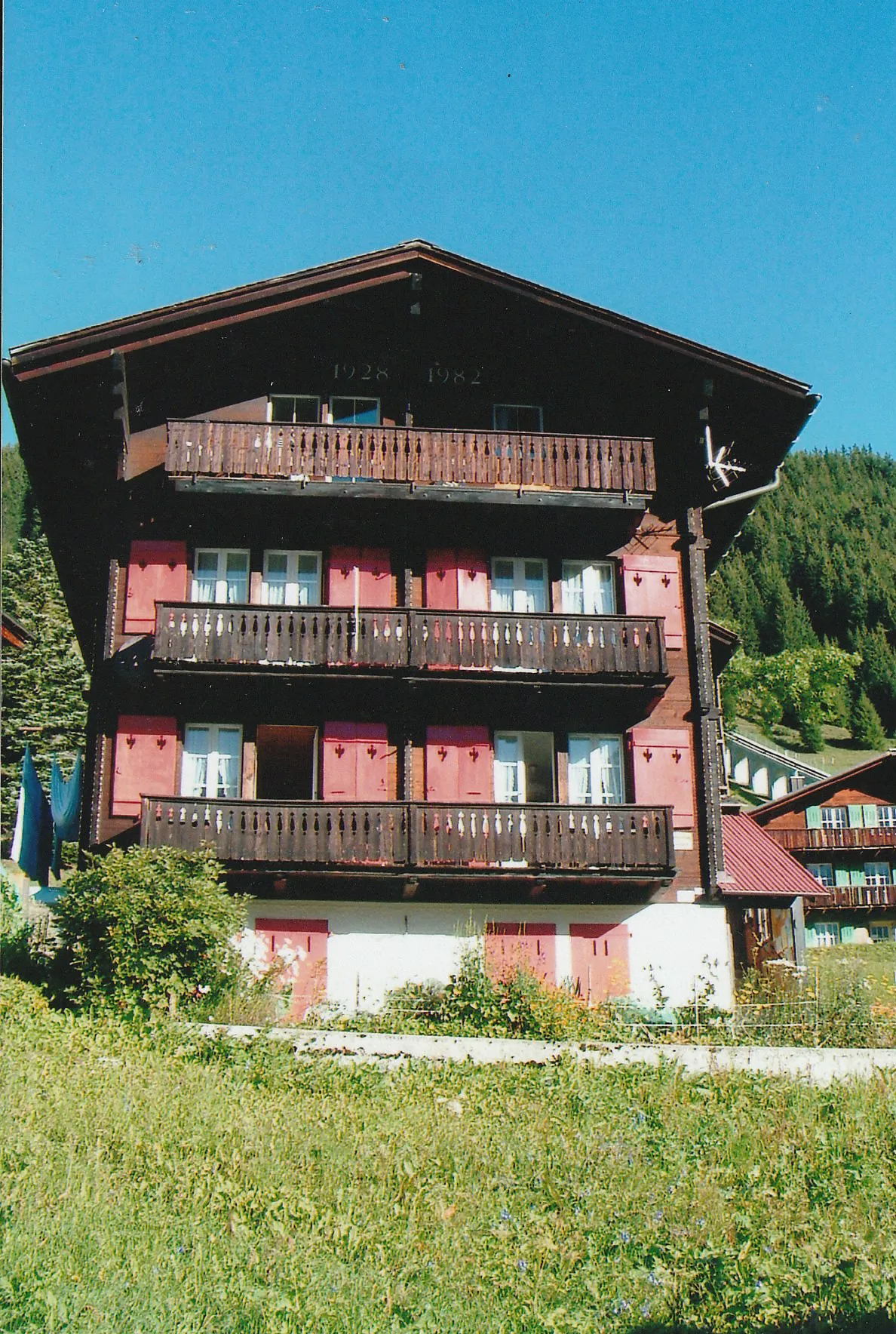
When we arrived in Switzerland in August 2005, we learned of the devastating floods in Switzerland. Train tracks were washed out all over the country, and many roads were closed. And the Unspunnen festival has been canceled! That is why we came - we have reservations, even tickets. It is a big celebration held every 14 years in Interlaken. So now what do we do? (This was the same time that New Orleans was flooded.) Our first reservation was in a valley badly damaged by the floods and was canceled.
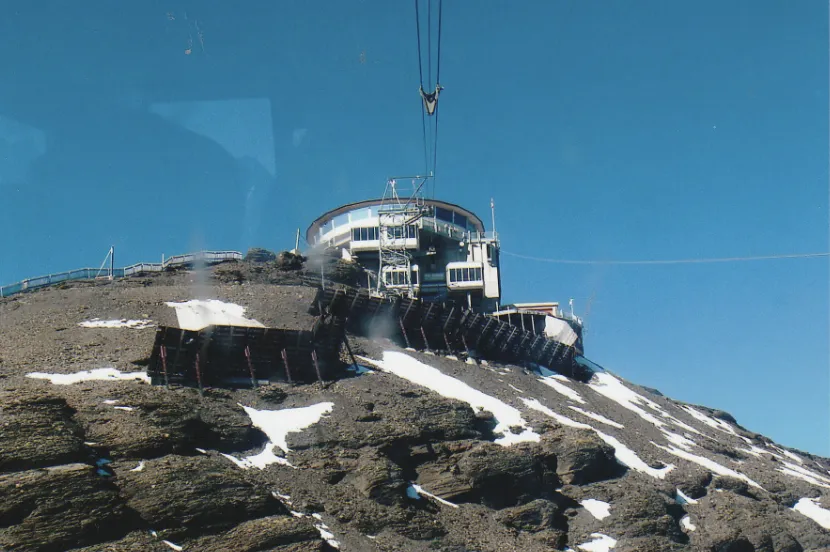
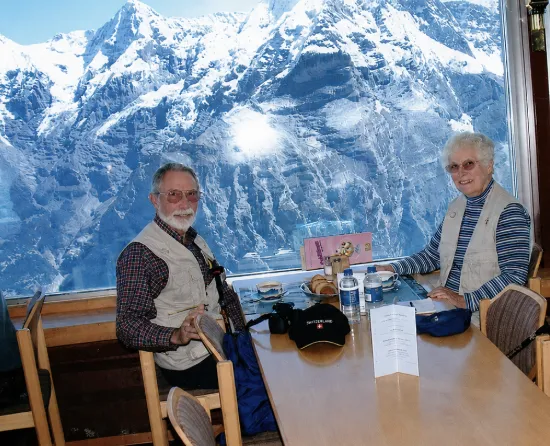
We decided to just go to our favorite places in the high mountains. We had reservations for a week in Murren. Our 3-room apartment had a great view of the mountains. A blue-sky day was a good day for the Schilthorn, the mountain towering above Murren. A long cable car ride took us to the revolving restaurant, the highest one in the world. We walked all around the outside terrace several times and took in the warm sunshine and fresh mountain air. Then we ate at a table by the windows and stayed for the full 360-degree turn. Unforgettable view of the mountain peaks at the same level.
MÄNNLICHEN HIKE
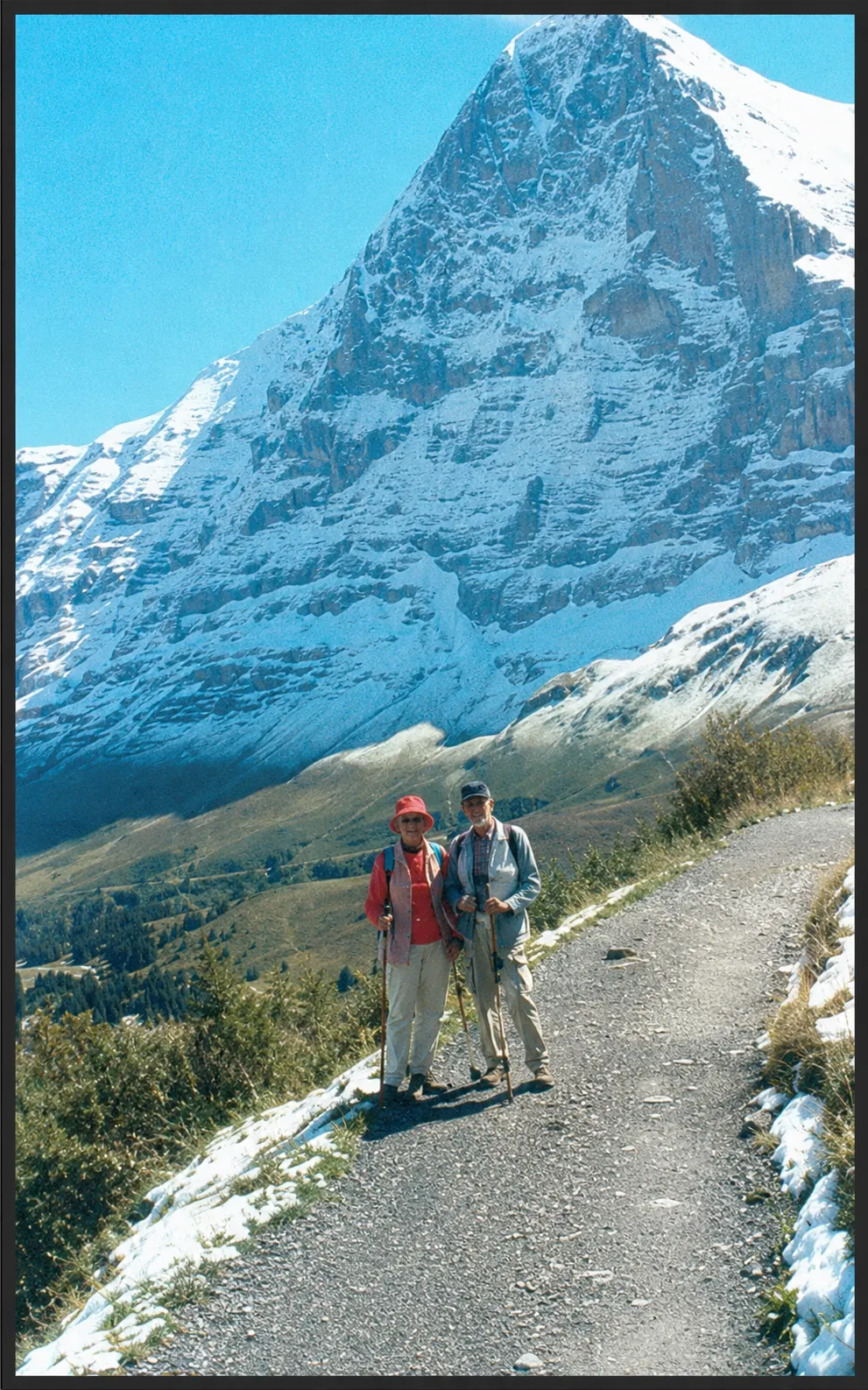
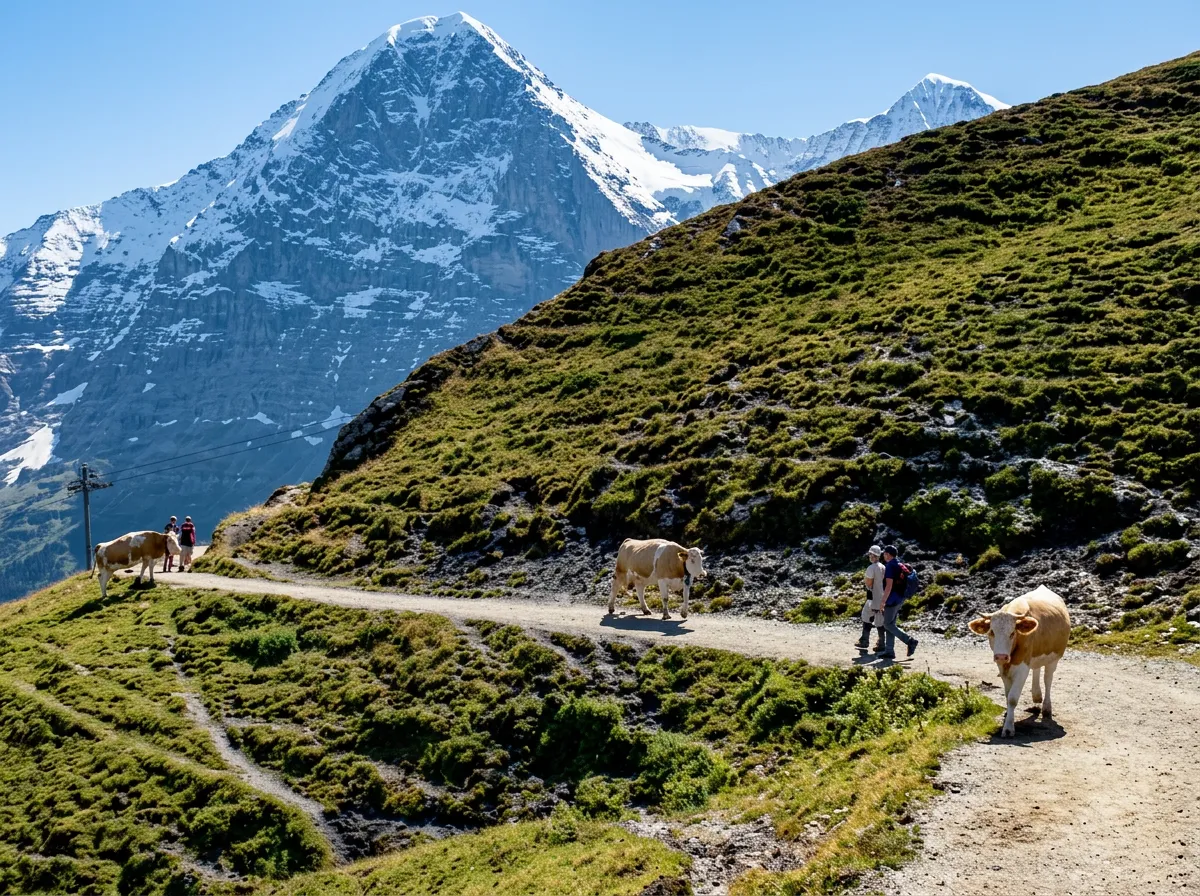
We had found an almost level hiking path that was wide and very safe. It was very high above the Lauterbrunnen valley, and the little towns looked so small. We did have to share the trail with a few cows and goats. They grazed on the grass and ignored us. We had great views of Grindelwald way far below, like a miniature town. And then there was the faint sound of cow bells drifting up from the valley.
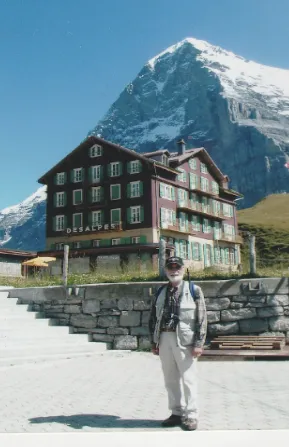
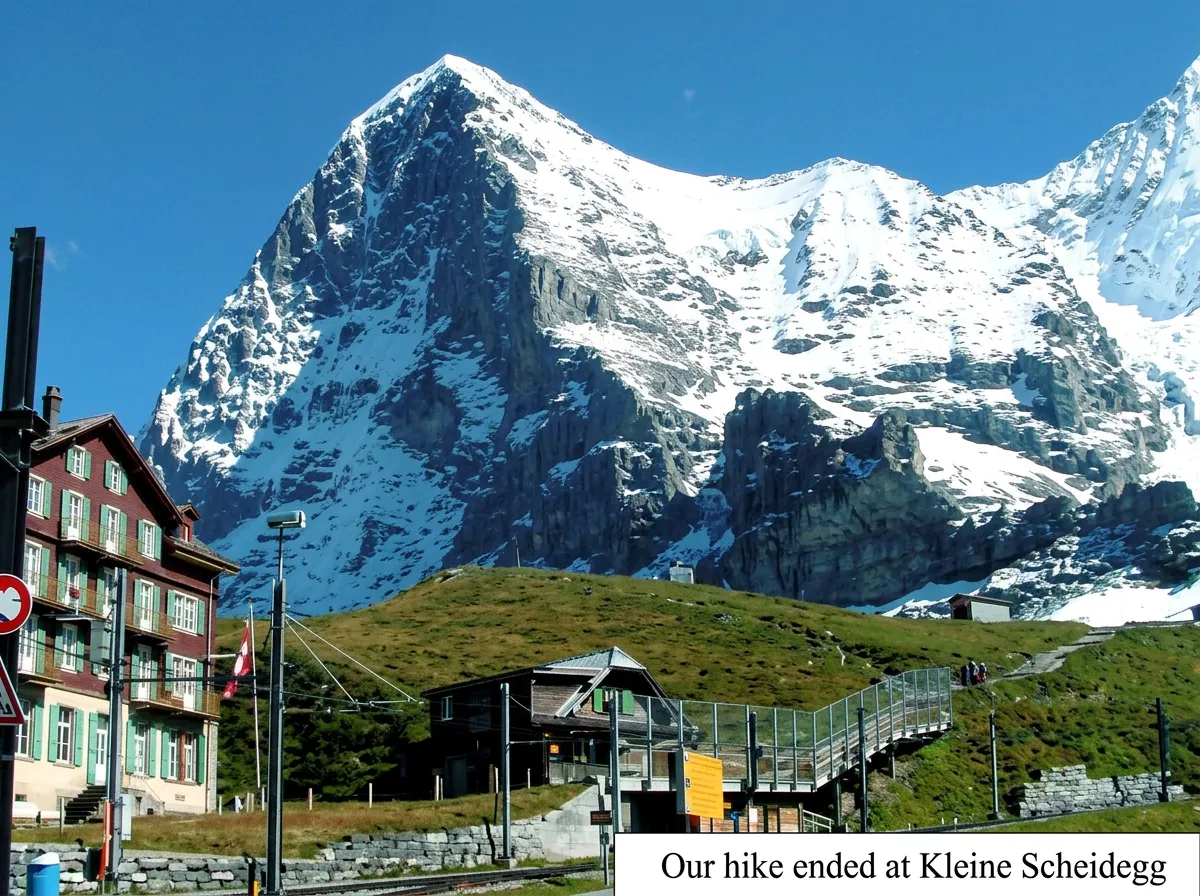
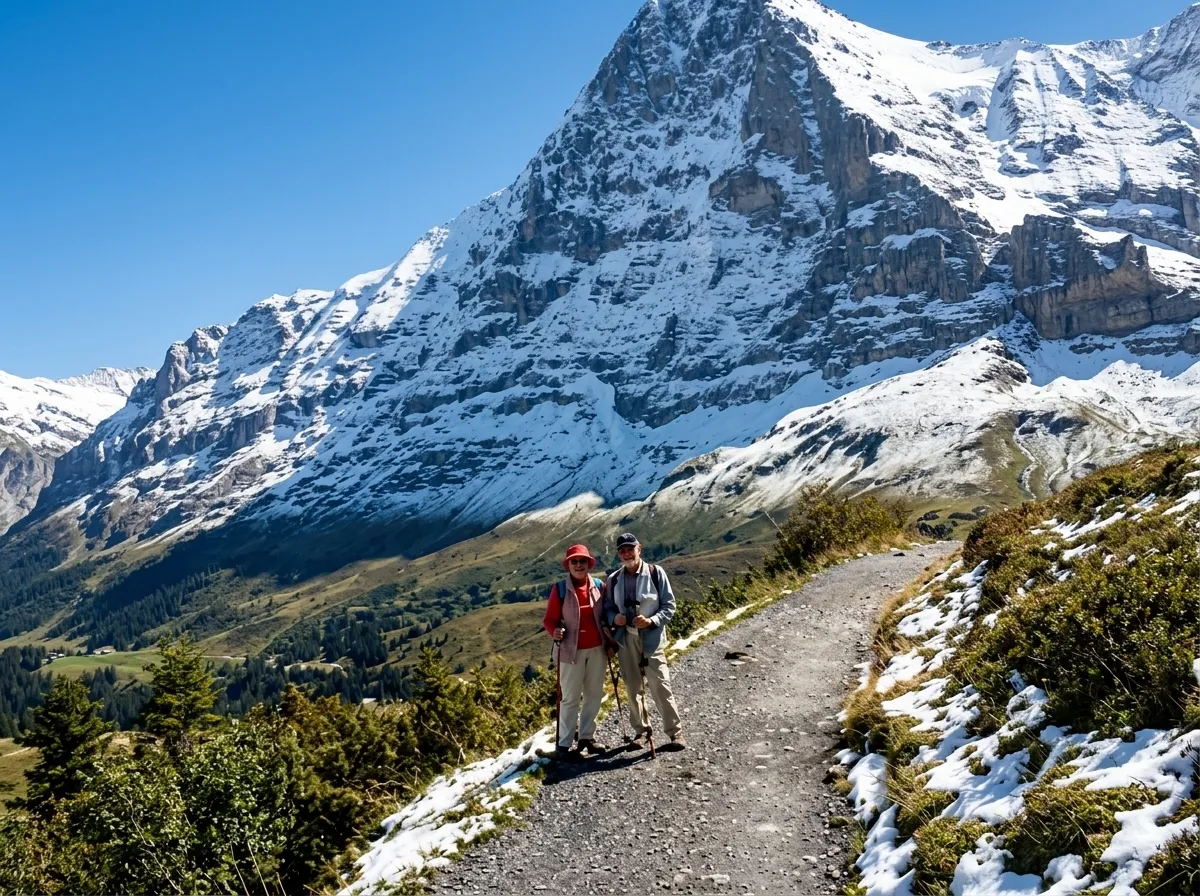
The hiking trail was almost flat, and we hiked straight toward the Eiger, Monch, and Jungfrau. (behind us in the picture.) We often stopped to rest, drink water, eat our lunch, and take pictures. Our hiking trail ended at Kline Scheidegg. This place holds many memories. This is where Al posed for a picture to send to me from Switzerland when he was in the Navy. The letter promised to bring me here someday.
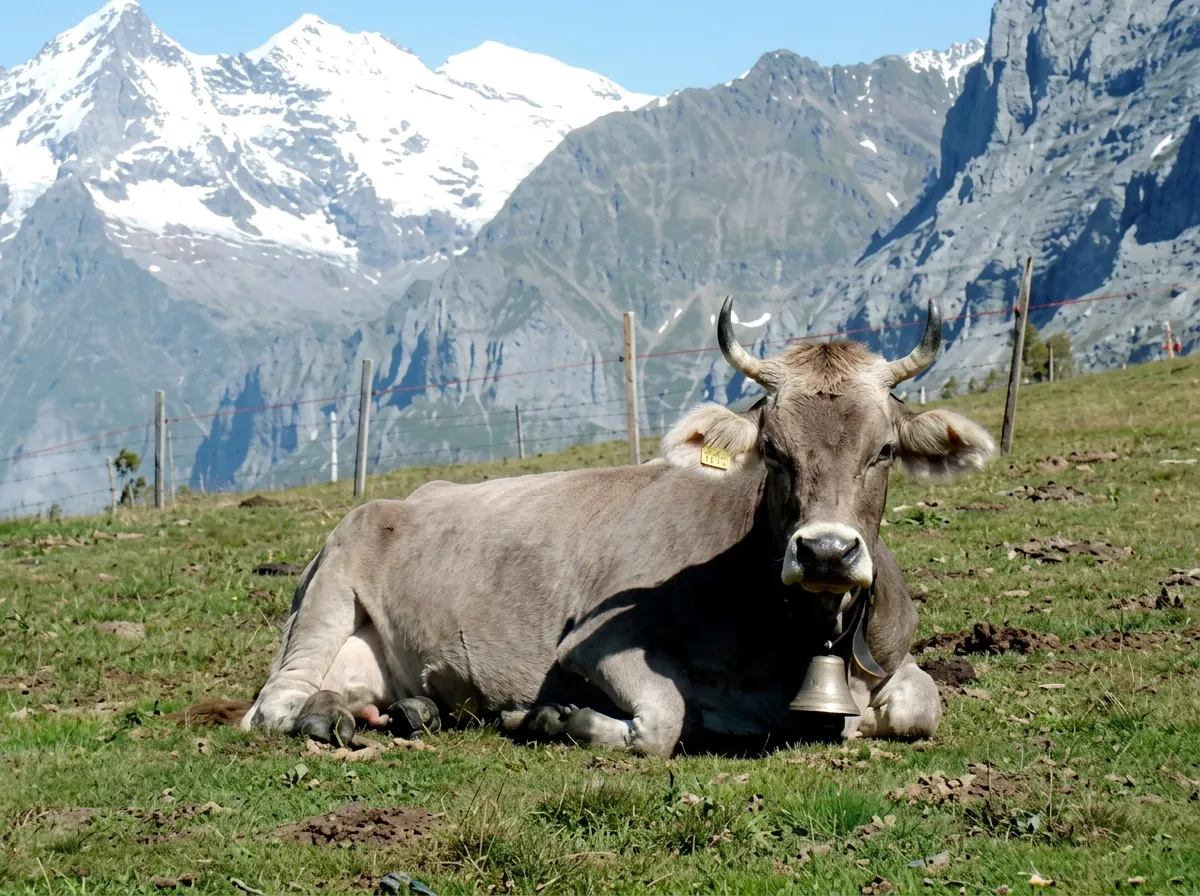
We found some cows who posed nicely for us with the mountain backdrop. Then the cows walked past us; Al was too close and got spattered with manure.
Several trains took us back to our chalet in Murren. We saw a bridge destroyed, buildings undermined, and collapsing. Arrived back at our chalet at 6:30. We were tired, Al’s foot hurt, and my leg muscles were sore. But we had had a great day.
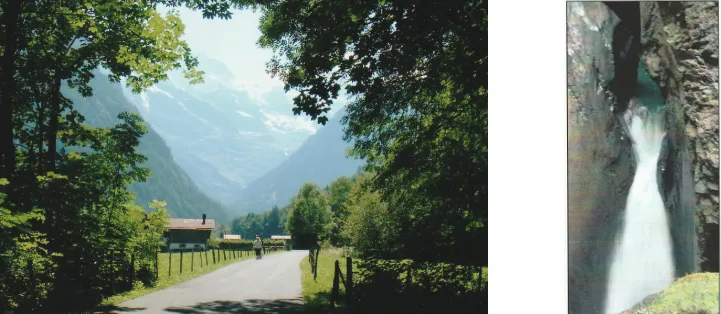
Lauterbrunnen Valley
It is called the Valley of Waterfalls and is the world’s most beautiful valley. It has easy paved walking trails and is a delightful walk. (8 km.) We took our time to enjoy the scenery: the steep walls of the valley, the 72 waterfalls, the green, green fields on the valley floor, colorful chalets, farmers working, and cows in pasture.
Most impressive is Trummelbach Falls, which is inside the mountain. They drain the 3 main glaciers and come roaring through the mountain and crash to the valley floor. They make a very loud thundering roar. We made our way to the top of the falls on slippery, rock steps, getting wet with the spray and deafened with the roar.
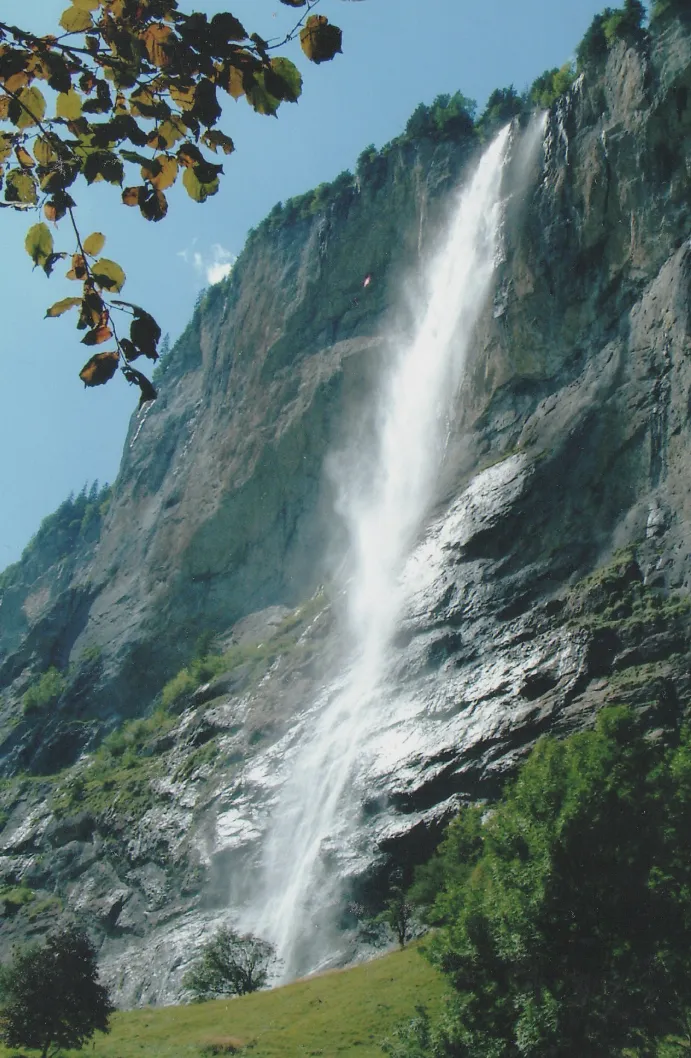
The most spectacular is Staubbach Falls, which drops 300 meters right into the village.
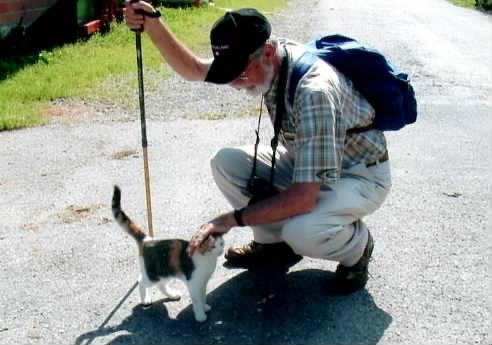
And we found the most adorable, friendly, happy little calico cat. She ran to us and wanted to be picked up. She even licked my face, purring loudly. We had to sneak away so she wouldn’t follow us.
SPIEZ
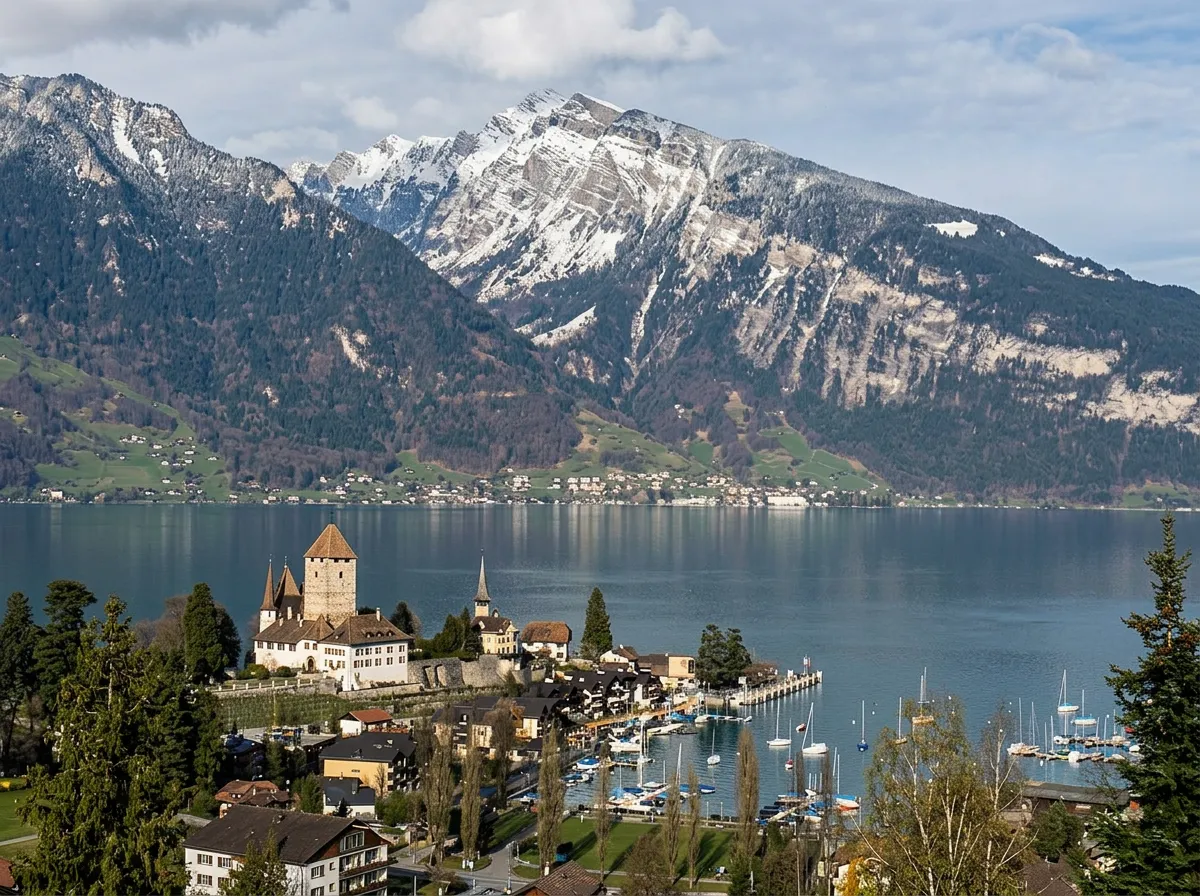
We took the train to Spiez, one of our favorite places to photograph. Trains stop here for a few minutes, just long enough to jump from the train and take a picture. We have pictures of the lake and castle: in summer, winter, fall, spring, and at night.
ALLMENDHUBEL
A funicular took us up to Allmendhubel, just 1’000 ft. above Murren. This is a plateau surrounded by mountains. The view from here is incomparable. We followed a trail and found some cows, peacefully grazing. They came up very close to us. A man there also taking pictures tried to pet a cow and got licked with her very long tongue.
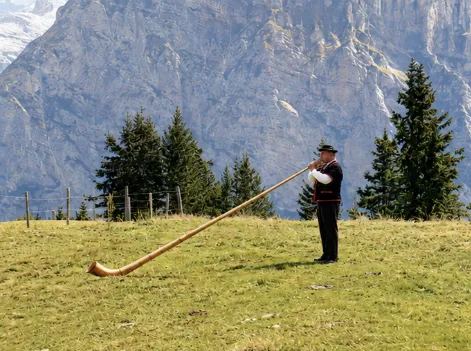
We had lunch there in an outdoor restaurant - a grilled bratwurst with bread and mustard. Soon, a man brought his long alphorn to a place above us and began playing. Such beautiful music floated in the air.
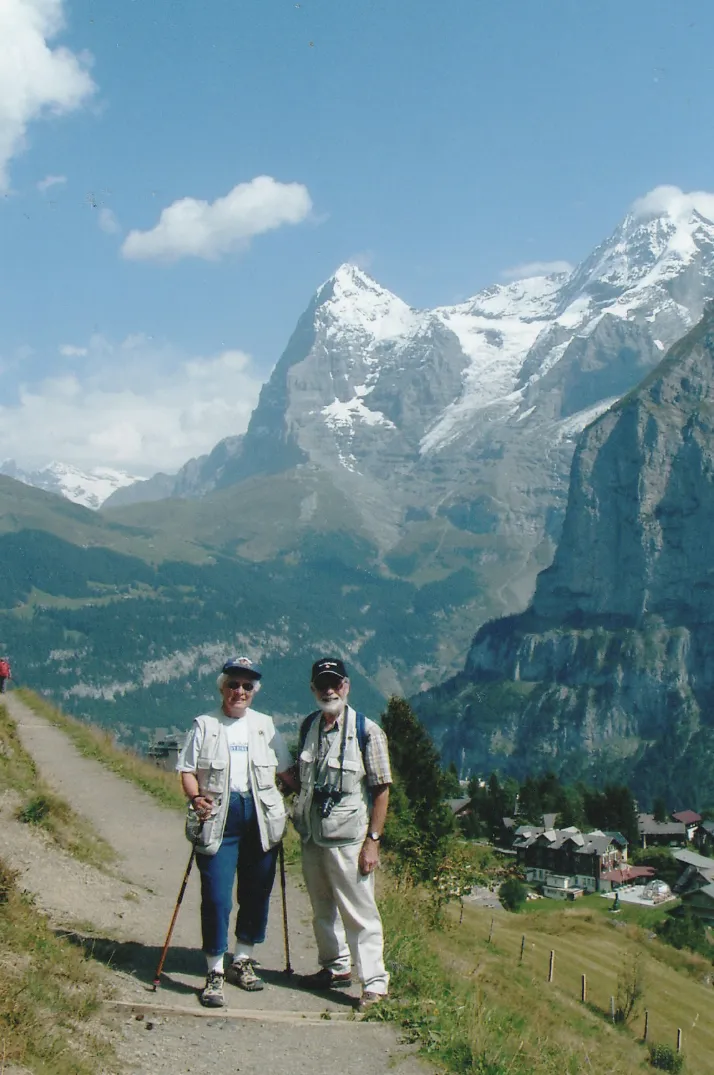
We hated to leave this beautiful area with stunning views of the mountains. But we started down the “Panorama Trail.” The sign said “Murren 30 min.” That’s if you don’t stop. How could you not take pictures of the brown chalets in green valleys with the mountains above? When we got to a place right above Murren, we found the spot where our picture was taken 7 years ago. A board across the trail was the marker. Another hiker gladly took our picture. (We now have 4 pictures of us in this spot.)
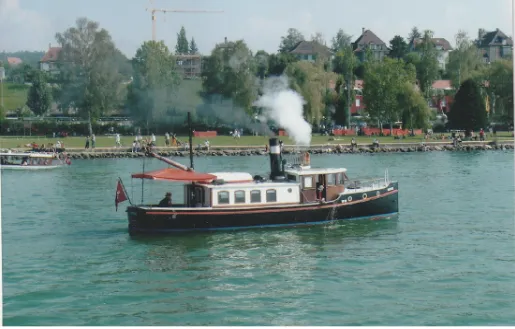
MURTEN
Nothing can match the beauty of this place, but it was time to move on. Four trains later, we arrived in Murten, a place we had picked on the map. It was on a lake, a switch from the mountains. It is a very picturesque town, similar to Bern with its cobblestone streets, arcades, and the town hall with a big clock. The lake level was very lively with a little steam train, kiosks, playgrounds, and many boats coming and going. We went for a boat ride around the lake, entertained by a steam calliope. The town is old, dating to 1416, with thick stone walls and very worn steps. It was an interesting town and a pretty lake. Too soon, it was time to return home.
2006 - Switzerland & Festival
Susch - Bernini Express Zermatt - Unspunnen Festival - Fun in the snow
Switzerland kept calling us back. Those towering mountains, green valleys, picturesque chalets, and window boxes with cascading flowers. And the trains! And we still had our reservations for the “Unspunnen Festival” that was canceled last year.
We contacted our friends in South Africa, the Cottons and the Greys……… They said they were planning to come to England to spend a week in their timeshare condo, and yes, they would be delighted to add Switzerland! So the plans moved forward.
We arrived in Switzerland a few days ahead of our friends. We validated our train passes, and we were soon on the train going over mountains, under mountains, past sky blue lakes and picture postcard villages. Our destination was a little town called Susch that I had “discovered” on the map in an area where we had never been.
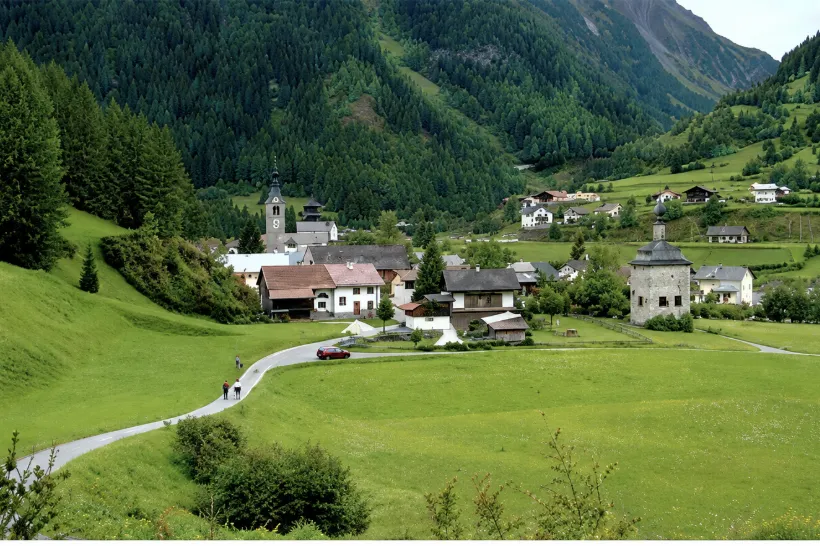
VILLAGE OF SUSCH
We went through the Vereni tunnel, which was the longest in the world until the new St. Gotthard. The train station was above the village, and we could see our hotel directly below us.
The town is in a narrow valley with only one Main Street. The village is so picturesque with narrow, cobbled streets, flower boxes, a rushing river, and a covered bridge. Our kind of town. We walked along the river and could see how the floods last year caused so much damage. Our hotel is the one we had planned to stay in last year until we got word it was closed. We had dinner in the hotel dining room with only 2 other guests. Our meal came with “plain wasser” not “mineral water.” Quiet evening in our room, CNN, symphony concert, coffee made with our own little hot pot, reading in bed, warm comforters, cool night, clear sky.
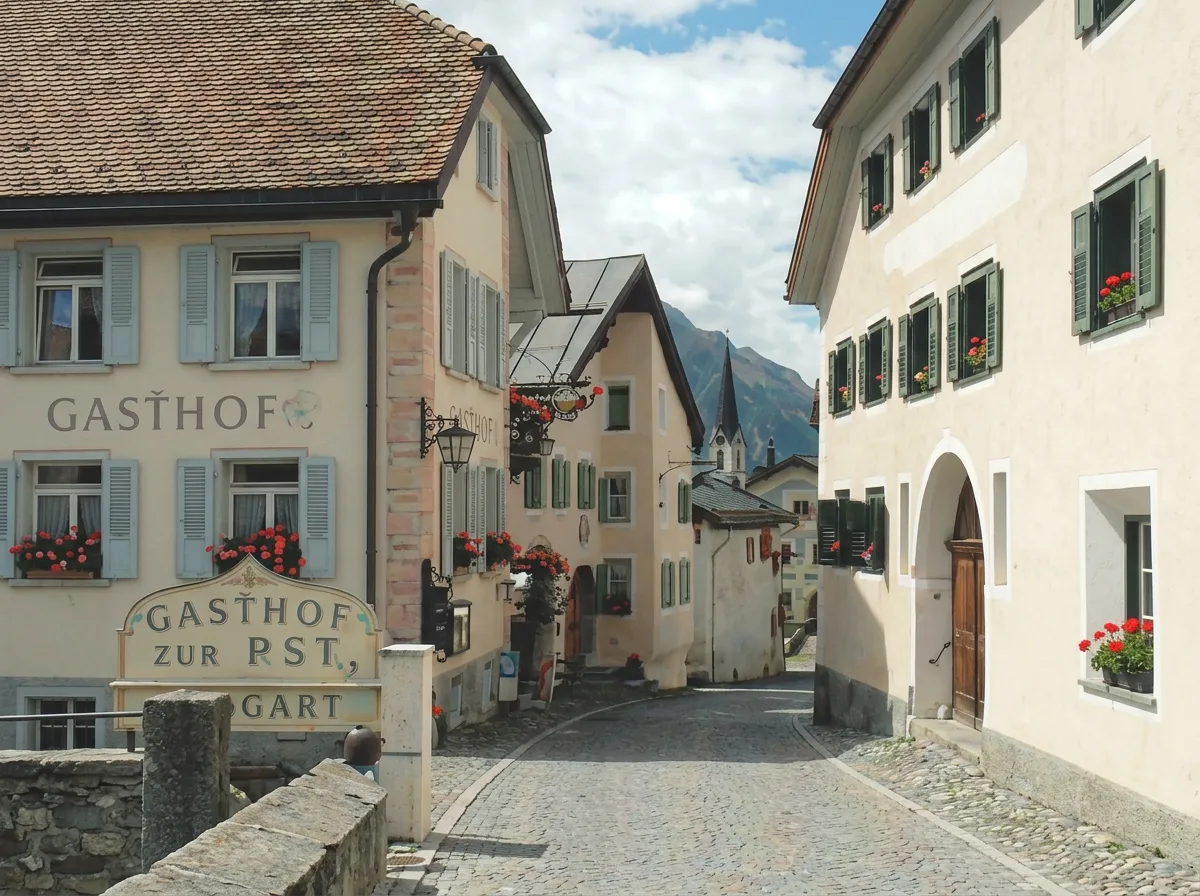
GUARDA
A new adventure - a train trip to Guarda, a small village just a few kilometers up the valley. The scenery was breathtaking with deep valleys and soaring mountains, blue sky, and fluffy clouds. We got off the train in Guarda and asked. Where’s the village? It looked like we were in the middle of nowhere. They pointed out the postal bus just ready to leave, and we hopped on.
Up and up with switchbacks and steep inclines with a very competent driver. Then we entered the village of Guarda with very narrow streets. We wound round and round and then stopped at the bus stop.
We stepped into a Village Wonderland. Many of the houses had religious art painted on them. The cobbled streets wound uphill around a church and some hotels. And all against the backdrop of white-capped mountains and deep valleys. We enjoyed it so much. It was “our discovery,” at least a serendipitous find. We found a quiet bench and ate our lunch. Bought a couple of small souvenirs. This had been a beautiful, full day with lots of pictures - how can this be topped? Just wait…
BERNINA EXPRESS
We had made reservations (required) for the Bernina Express train. It is a luxury train with panorama windows that goes from Chur, Switzerland, to Tirano, Italy. It is almost as famous as the Glacier Express that goes over the spine of the Alps. The Bernina goes very high, up even with the glaciers. Interesting facts about the Bernina: it crosses 196 bridges and goes through 55 tunnels. It is the highest crossing of the Alps, and its claim to fame is the spiral (360 degrees) tunnel inside the mountain. It gains or loses altitude by a series of loops and spirals. It doesn’t use cogs.
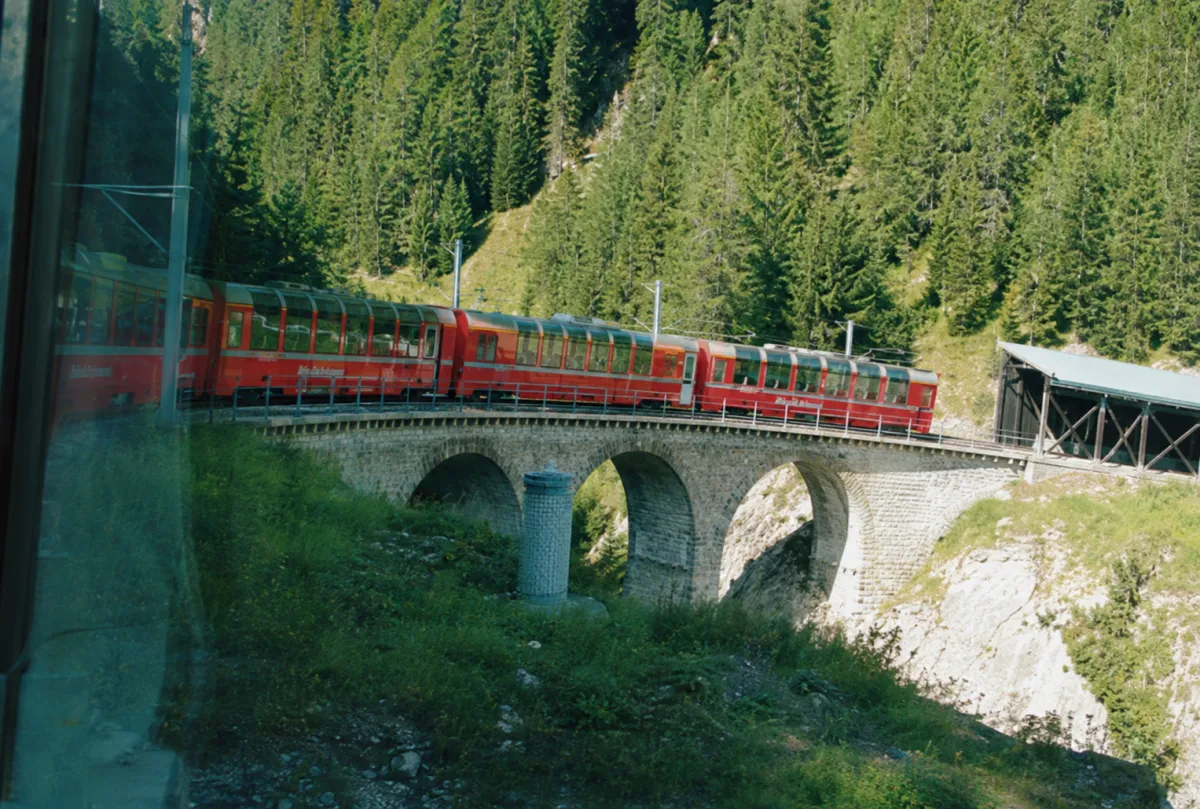
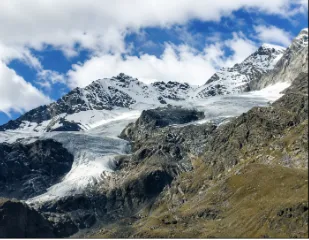
The train wasn’t full, and we could move around to take pictures. The train wound its way up higher and higher - tight turns, curves, and spirals. Then the breathtaking glaciers and frozen lakes. Panorama windows were great for taking pictures!
Two hours of that great scenery, and we arrived in Tirano. It was a very pretty Italian town with mountains all around. We found a park bench and ate our sandwiches, followed by gelato (ice cream). Then back to the train for the return trip. We probably took the same pictures over again, just couldn’t resist.
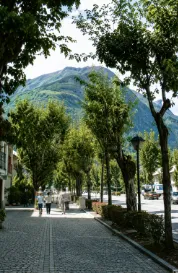
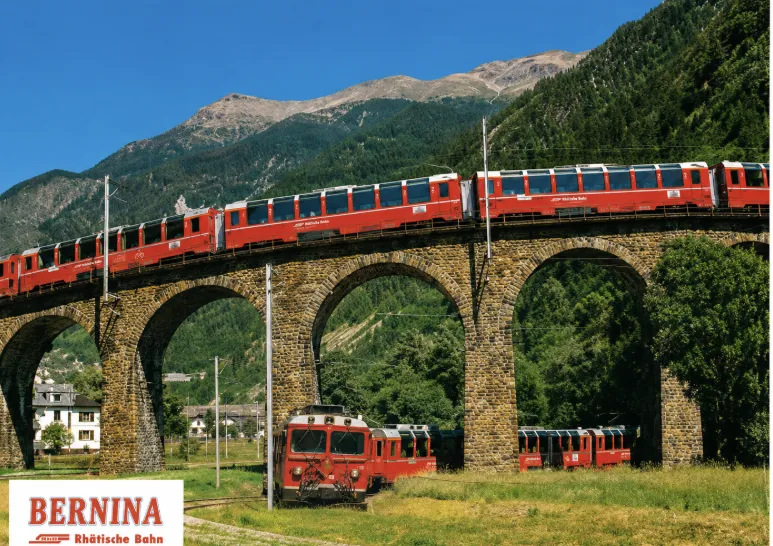
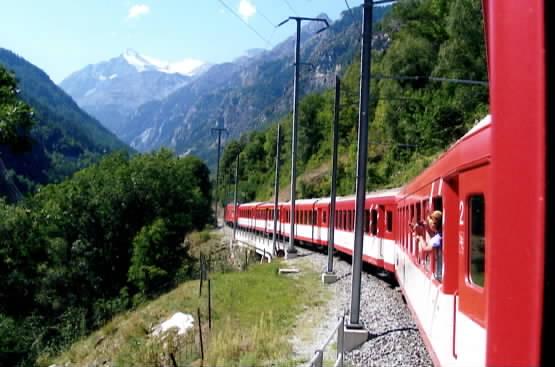
We met our South African friends in the Zurich airport McDonald's. Soon we were loaded, luggage and all, and heading for Zermatt. New tunnels eliminated some of the mountain scenery we had enjoyed, but soon we emerged in the Rhône Valley. Our train had pull-down windows so you could stick your head out and get a good picture. We could see snowy peaks at the end of the valley; then, just before we entered the station, we caught a glimpse of the Matterhorn.
Our hotel was typically Swiss, with balconies and window boxes with red flowers. Everyone was very happy. Decided on a quick McDonald's meal, we were all tired. Matterhorn was still visible as we trudged up the hill to our hotel.
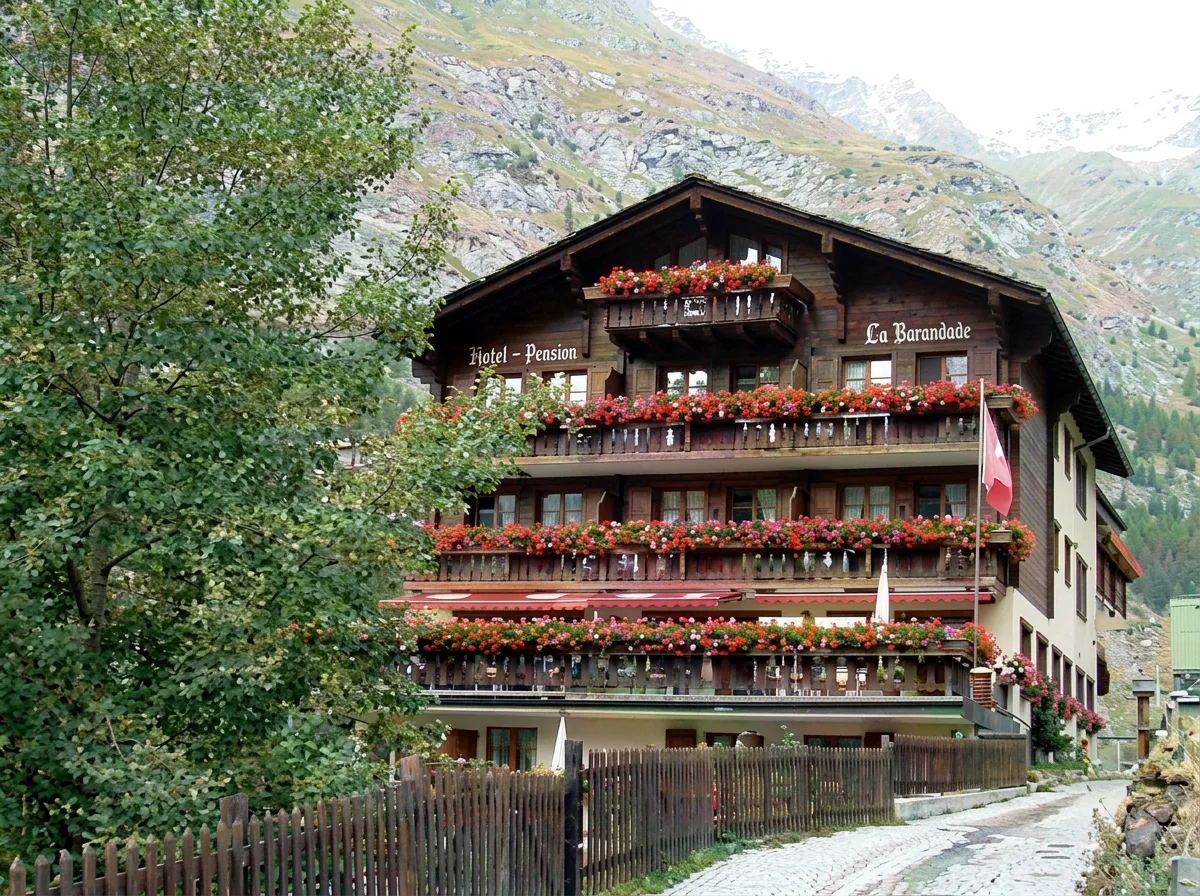
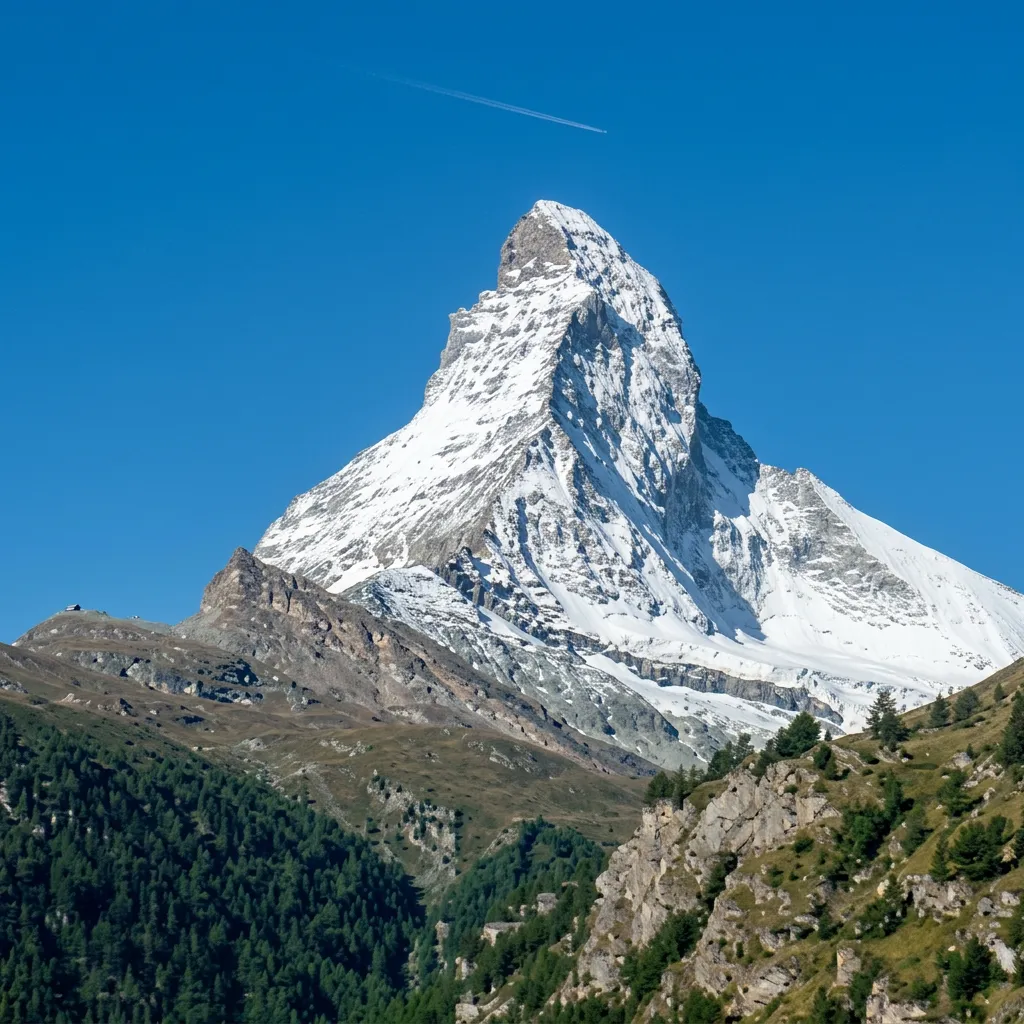
The next morning, we awoke to full sun on the Matterhorn, not a cloud in the sky. We took our time with the bountiful breakfast: croissants, fresh-squeezed orange juice, fresh fruit, and eggs cooked to order. We ate and talked and watched clouds build up around the Matterhorn. And that’s the last we saw of it all day. We took the funicular up to Sunnegga, a small lake that reflects the mountains. Not today. We sat under an outdoor terrace, protected from the rain, and drank Applesaft (apple-flavored soft drink).
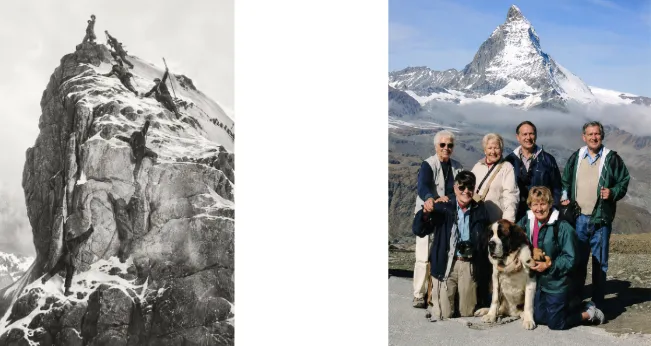
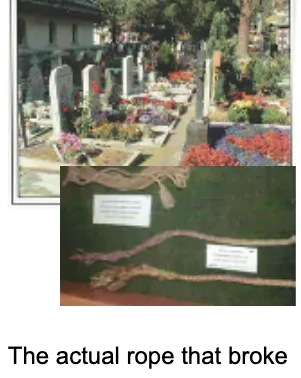
We took our friends to the Alpine museum. It tells the story of the first successful ascent of the Matterhorn on July 16, 1865. On the descent, the 7 men were all roped together, but the rope broke, sending 4 men to their deaths. The leader, Edward Whymper, and 2 others were left clinging desperately to the rock face, and they made it safely to the ground. They are all buried in the church cemetery.
GORNERGRAT
This was the high point of our trip. We all took the Gornergrat train up to the summit station, and the mountain scenery kept getting better and better. All around us were glistening mountains and blue sky. Towering above it all, the mighty Matterhorn. A photographer was there taking pictures with his St. Bernard dog. We all fell for it - it was a perfect setting.
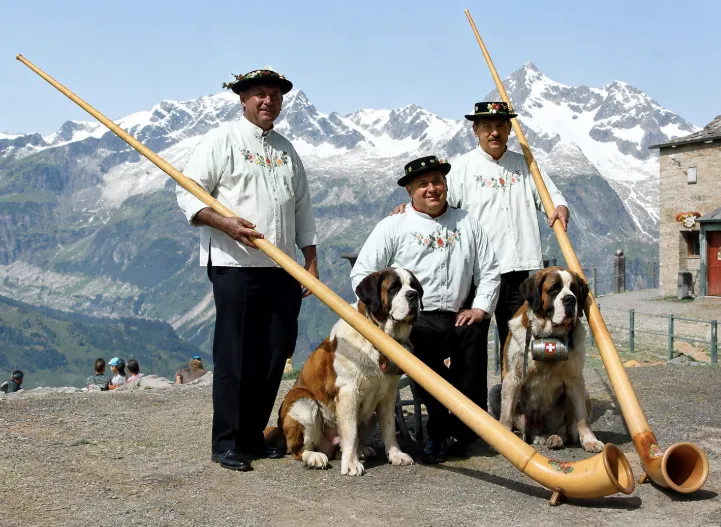
Then, a bonus, frosting on the cake; the 3 alphorn players posed with the dog and then turned their horns around and played incredibly beautiful music that floated down the mountain. It was a memory we will always treasure.
MURREN
We were in for some more beautiful scenery as we traveled by train for 5 hours to Brig, Lauterbrunnen, Stecklberg, and finally Murren. Our niece Lisa and her 6-year-old Eliana were planning to meet us there. They lived in Lugano, southern Switzerland, and this was a wonderful opportunity to spend a couple of days together. She arrived at the same time we did, and we rode on the same cable car up to Murren. It was raining as we trudged up the street to our lodging. Lisa and Eliana had the flat above ours; the Cottons and the Greys shared a chalet not far from us. Everything was fine except the weather - raining. We hoped it was a clearing-up shower.
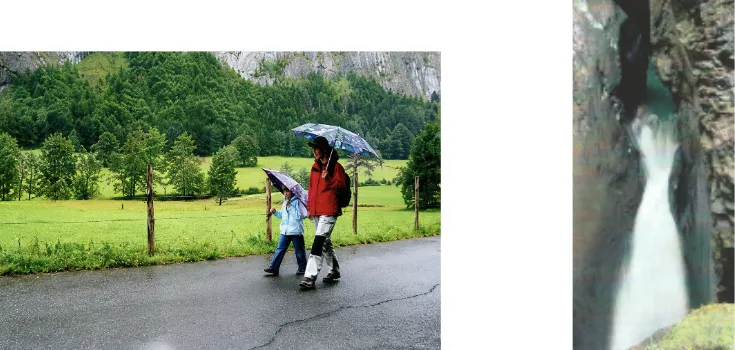
The next day, low clouds, rain, dreariness, and very bad weather all day. Lisa really wanted to do some hiking, so we took the funicular up to Allmendhubel, about 1,000 ft. above Murren. We sat at an outdoor terrace (not raining, just cold and damp) and had soup and sandwiches.
Lisa wanted to go on a longer hike, so she left to follow the “North Face” signs. We took Eliana on the Children’s Adventure Trail. She wore a raincoat and looked so cute skipping down the trail with her hiking boots and hiking stick. It sprinkled off and on, but we had a good time. Eliana sang songs, picked flowers, and got very muddy.
The Lauterbrunnen Valley is called “The Valley of Waterfalls.” In the rainy season, there are 50 waterfalls cascading down to the valley. We took Lisa and Eliana for a valley walk, and we did see many waterfalls. The most impressive was Trummelbach Falls. These waterfalls are inside the mountain and make a very loud roar. Eliana was thrilled with the thundering, scary falls.
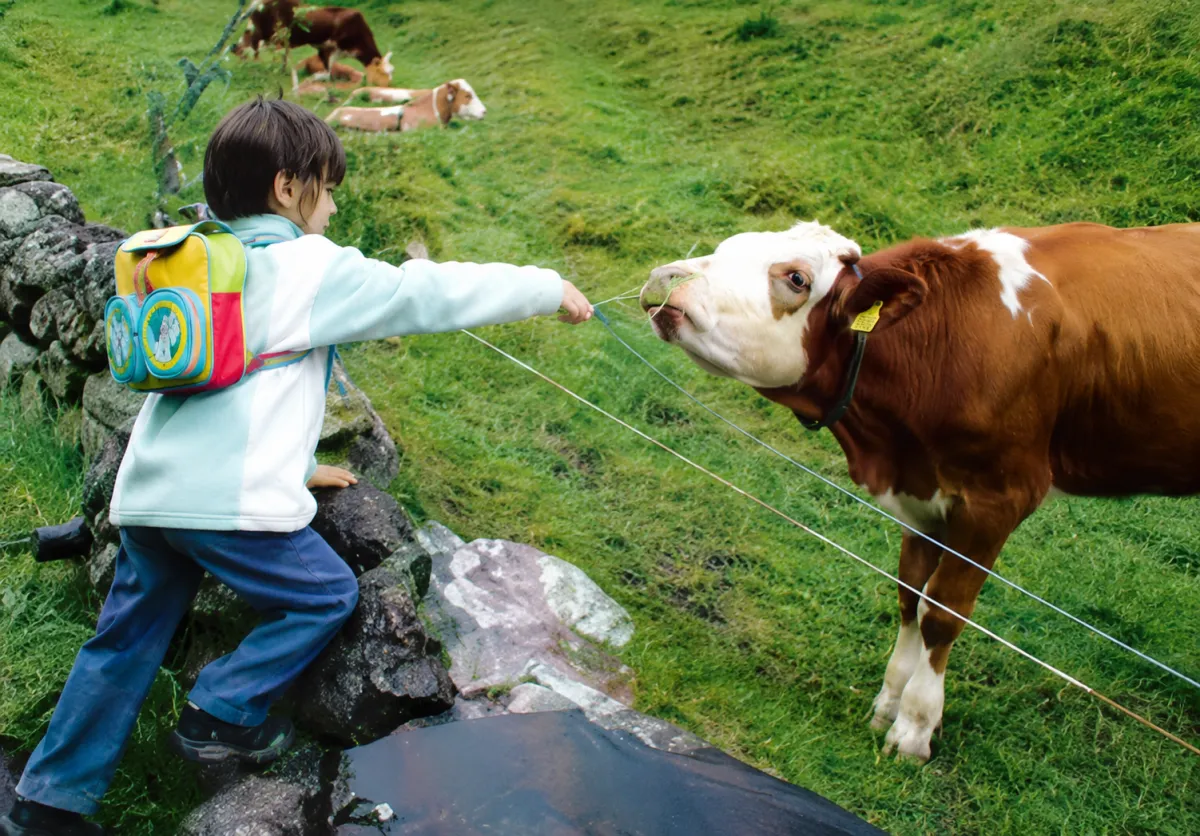
Even though there was still drizzly rain, we decided to walk all the way to Lauterbrunnen. It was a leisurely walk, taking time to admire the green meadows, pet the cows, and cross the stream on small bridges. That was the last event with Lisa and Ellie - they had to go home. And the rain continued. A very cold rain.
FUN IN THE SNOW
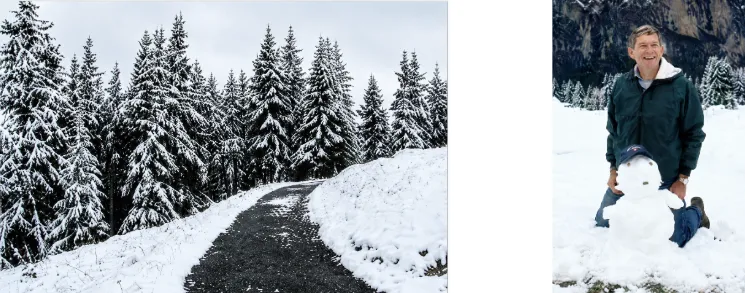
The next morning, we awoke to a light coating of snow on the ground and trees! Our friends were so excited because some had never seen snow! We bundled up in all the layers we had and took the funicular up to Almendhubel (where we went with Lisa and Ellie yesterday). There, we found 3 inches of wonderful snow. We built a snowman, threw snowballs, made snow angels, and had such a fun, memorable time. Dennis got to build his first-ever snowman.
He also had a snowball “fight” with his wife. Then we went to the small restaurant and celebrated with hot Swiss chocolate.
MANNLICHEN HIKE
A beautiful, clear day! The other 2 couples wanted to go to the Ice Palace (we had been there previously), and we wanted to go on our favorite hike.
So Al and I took the cable car down to the valley and the train up the other side to Wengen. Then a long cable car ride up to Männlichen with a fantastic view of the Lauterbrunnen valley far below. This was the same hike we had taken a year ago.
The sign said 1 1/2 hrs. To Kleine Scheidegg, but we took 2 1/2 hrs. With lots of photo stops. The hiking trail was wide and almost level, with room for us and an occasional cow. We heard the faint sound of cow bells, drifting up from the green pastures far below. We could barely see the cows. We found a rock to sit on, eat our lunch, and drink in the mountain scenery. As we walked, we could see the Eiger directly ahead of us. (Behind us in the picture. ) Our mountain hike ended at Kleine Scheidegg, a busy place with lots of people, the train station, a hotel, and an outdoor restaurant. Over it all loomed the 3 mountains.
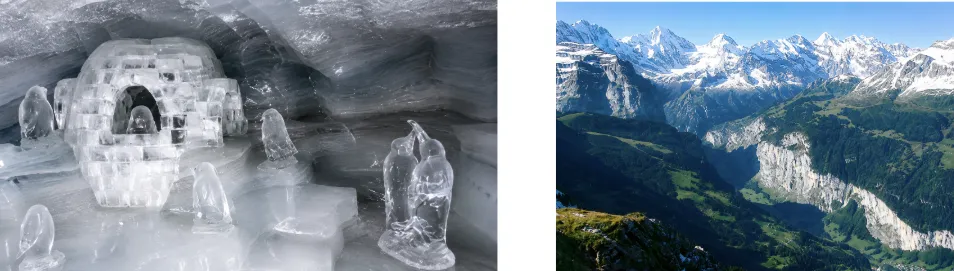
This is where you can take a special train that tunnels 3 miles through the Eiger and arrives at the Jungfrajoch, the highest train station in Europe. (I’ve written about this in a previous story.) Soon our friends showed up, and they were very impressed with the Ice Palace! Rooms carved out of the glacier ice with furniture, a car, animals - all life-size. And railings to hang on to. It was a great, memorable experience for their Switzerland trip. A grand finale.
UNSPUNNEN FESTIVAL
This festival is held every 14 years. It is a big event in Interlaken with people coming from all the other cantons. But in 2005, a very rare hurricane came all the way to landlocked Switzerland and caused damage to the roads and bridges. The damage was so extensive that it was decided to postpone the Unspunnen for one year. We arrived on the day the postponement was announced! The same storm system flooded 80% of New Orleans.
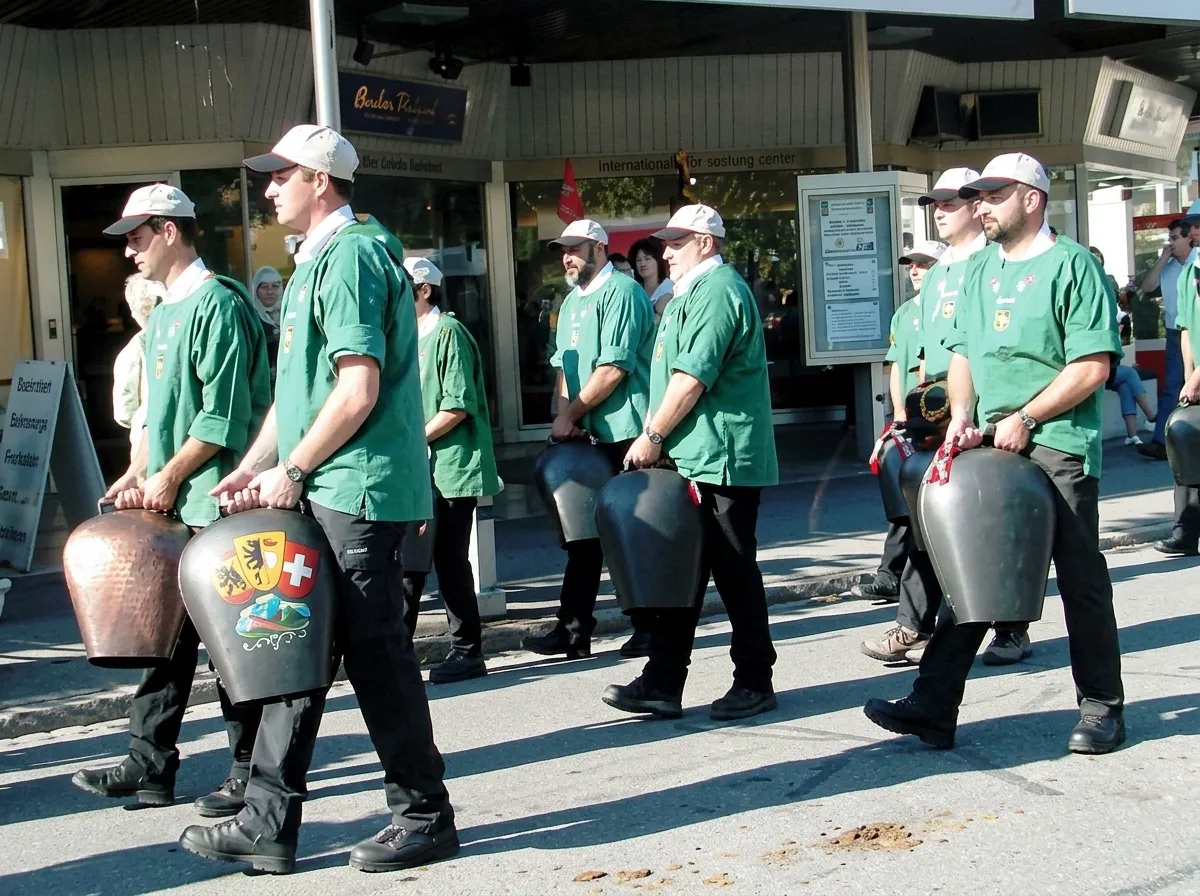
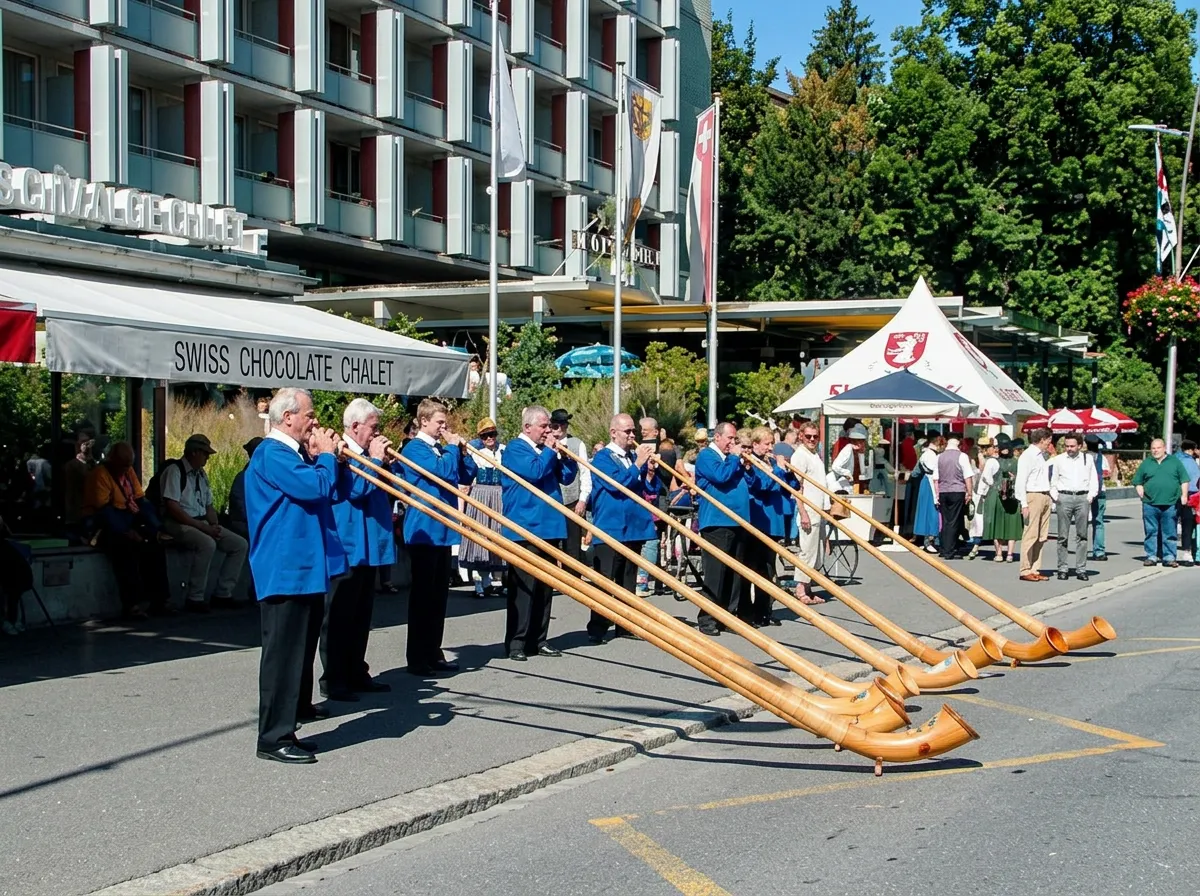
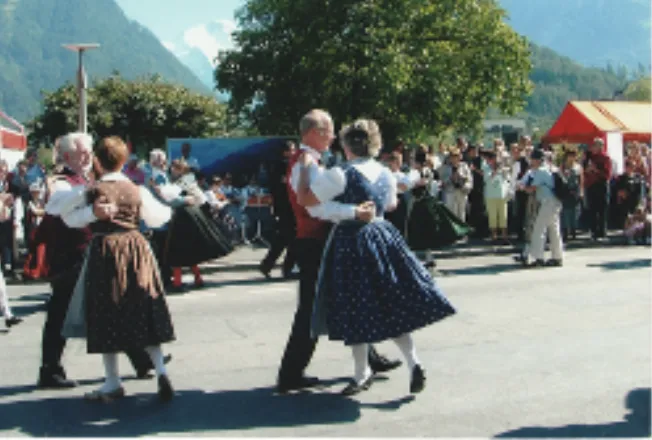
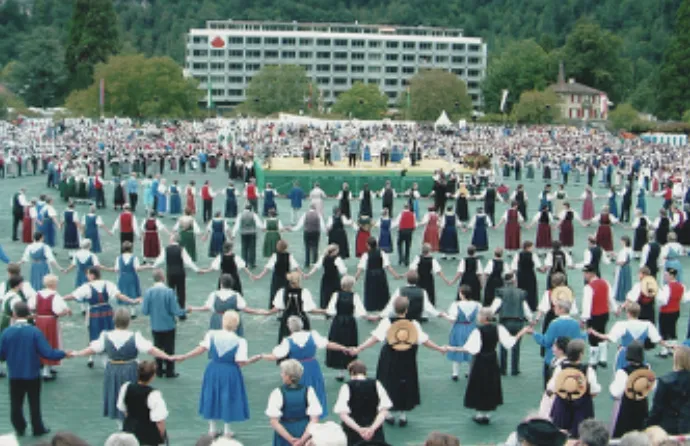
So now it’s one year later, and we’re in Switzerland again and looking forward to the Unspunnen festival. People came from all the different cantons. Each canton has its own music and dancing. Main Street was closed to traffic, and the pedestrian mall was filled with colorful booths selling brats and raclette (melted cheese scraped onto a plate). People in native costumes, bands playing, whip cracking, stone throwing, dancing, and lots of music from Alphorn players and bands.
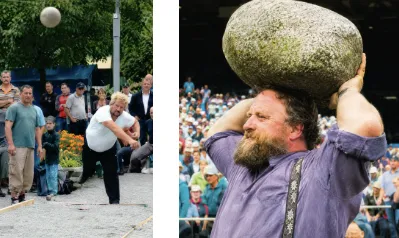
Unspunnen means stone, and the stone-throwing contest is the big event of the festival. They have a great competition to see who can throw the stone the farthest. It weighs 184 pounds, and the record stands at 12 ft. 9 inches. It is smooth granite and closely guarded as a symbol of Swiss folk tradition. The present stone dates back to 1905.
There were several sand pit practice areas where young boys could practice with smaller stones.
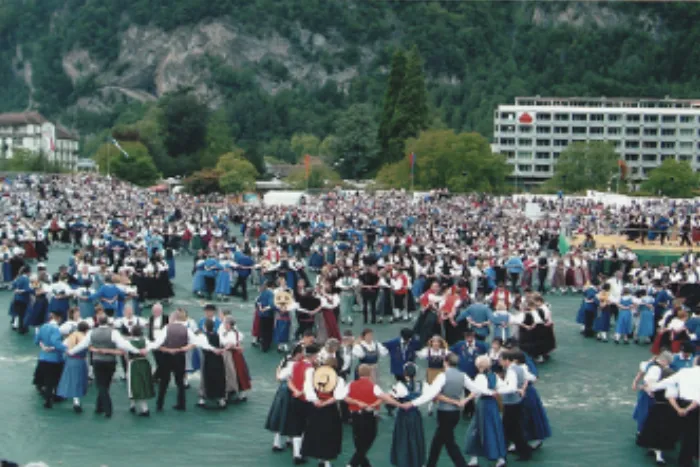
Opening ceremonies were held in the grandstand area and featured bands, flags, 5 bands of cow bells, and musket guns fired. We had reserved seats to watch the impressive performance. Thousands of Swiss from all cantons came in from all 4 corners of the arena. They walked in 16 abreast, linking up to 32. Then they passed through each other; it was incredible to watch the organization. Then they separated into many circles of 16 and performed dances. It was so colorful with all their native dress, and they seemed to know the dances well. They had special groups of 8 for younger people; even small children participated. It was very impressive and amazing to see it all come together.
Cottons and Grays had gone home, and we felt we had almost overdosed on Unspunnen. So we decided to go hiking. We walked down the trail from Murren to Gimmelwald (Rick Steve’s favorite place). It was a very scenic hike, all downhill and hard on the knees. We walked past Murrenbach Falls, which became the biggest falls in the valley. Lots of flowers and distant gemsle ( a deer-like animal). We found a bench and ate our sandwiches and an apple with a great view of the mountains and deep valleys.
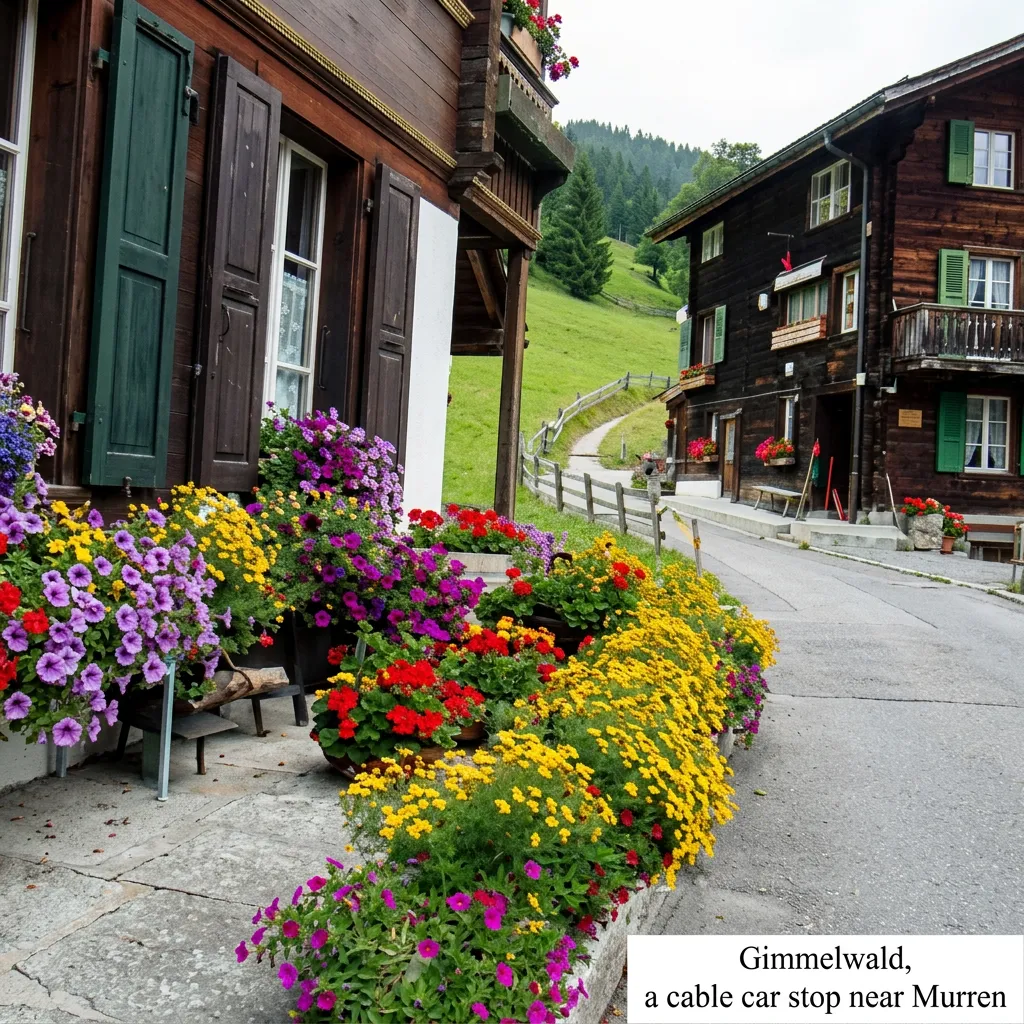
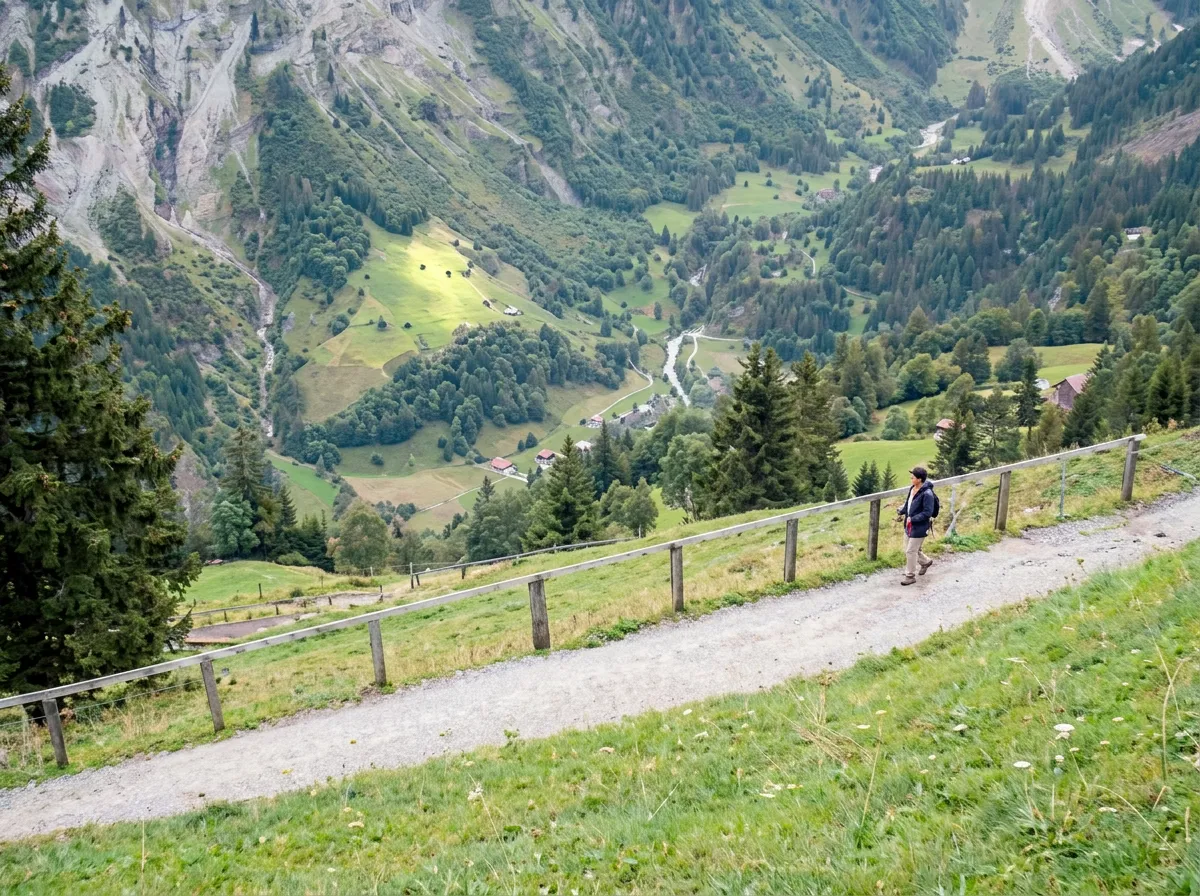
Then on down to Gimmelwald, a charming, picturesque mountain village. It is a favorite place for hikers. They can sleep in the straw - when the farmers move their cows to pasture in the summer, they clean out the stalls, put down clean, fresh straw, and welcome the hikers. Until recently, there was also a shower in a phone booth! We walked to the end of the village with a view of a very deep valley (and hiking trails)
We came back to a small outdoor cafe and had their special: waffles and tea. The little cat that we had petted several times came begging for a handout. He was very thin and hungry; gave him a few scraps.
We’ve been to all our favorite places, some several times. How about going to some new places? Adelboden sounded interesting, and we’ve never explored that part of Switzerland. So, cable car down to Interlaken, bus to the boat dock, boat ride across the lake, and a bus ride to Adelboden. Even the name sounds interesting. It is a picturesque town, with deep green valleys, hillsides with chalets, window boxes full of flowers, and mountains all around.
We decided to take the cable car up to the high point above the village. Then, from the cable car stop, there was a trail up further, so up we went. I appreciated my new hiking sticks to keep my balance. The hike was rather strenuous, steep, and rocky. And then what a view! Peeking over the tops of the mountains were the white peaks of the Eiger, Monch, and Jungfrau.
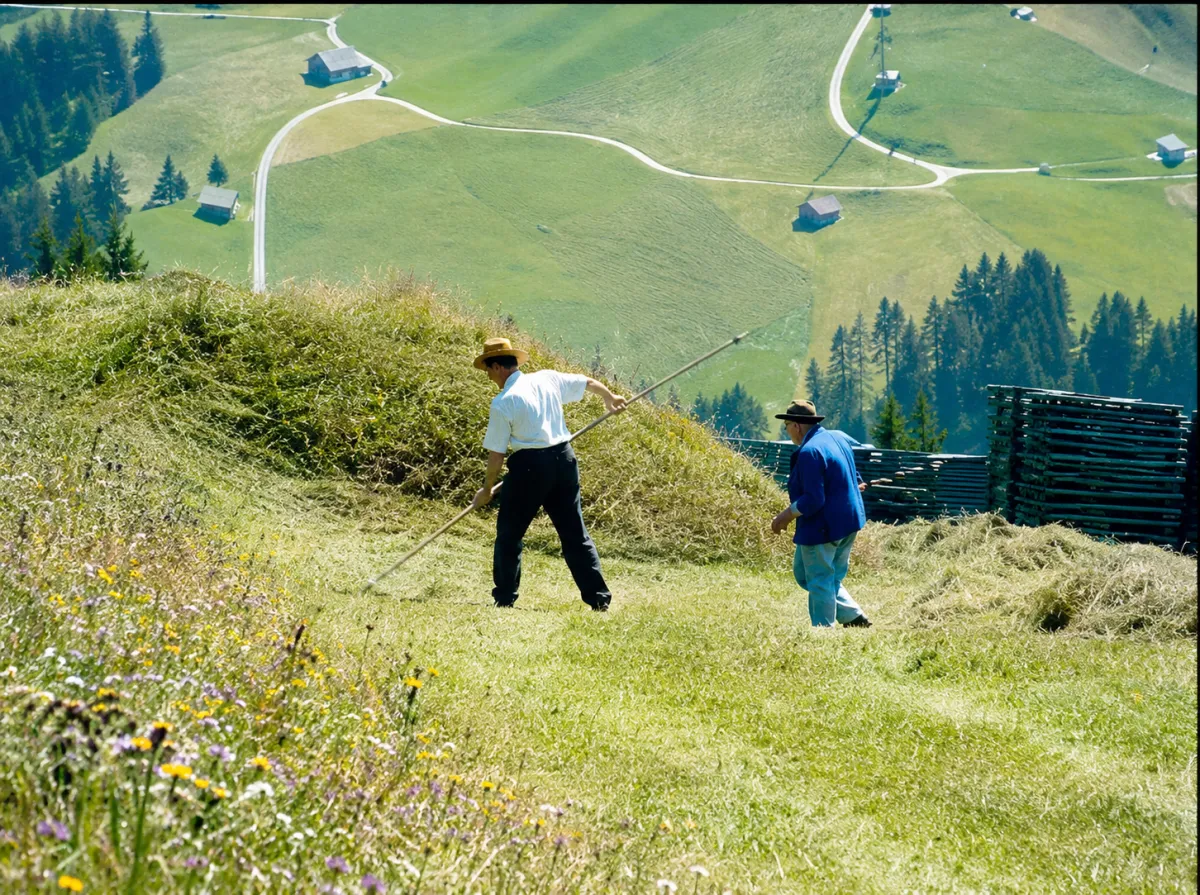
We could look down the other side of the mountain and see women raking hay into windrows. A man was driving a tractor with a hay loader - all on a very steep hillside. We made our way down to the cable car station. Two very friendly goats walked with us; maybe they were lonely.
GROSS SCHEIDEGG
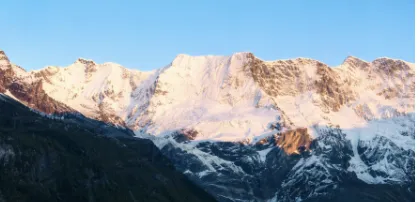
Another day, another new adventure. Might as well make full use of our Swiss train passes, good on cable cars, buses, and boats. By cable car and bus, we were in Grindelwald by noon. The bus ride to Gross Schidegg was very impressive; a big bus, narrow one-lane roads that twisted and turned through many switchbacks. We had an hour at “GROSS SCHEIDEGG” (name means “large pass between 2 mountains” Another bus took us a short way to Schwarzwaldalp; we changed buses again for the ride down the mountain to Meiringen, the end of the bus trip. There, we visited the Sherlock Holmes statue and museum. Arthur Conan Doyle created this legendary character, and many events took place in this area.
Back in our chalet, we sat on our balcony and watched the mountains change colors as the sun set.
GSTAAD
We were running out of new places to visit. So we picked GSTAAD only because we had heard much about it. The scenery was nice as we rolled through the countryside. Gstaad is a classy little town. It is where the rich and the famous go to play. Picturesque scenery through the Simmental Valley and the train lulled me to sleep. Guess I was running out of steam!
WILLIAM TELL DRAMA
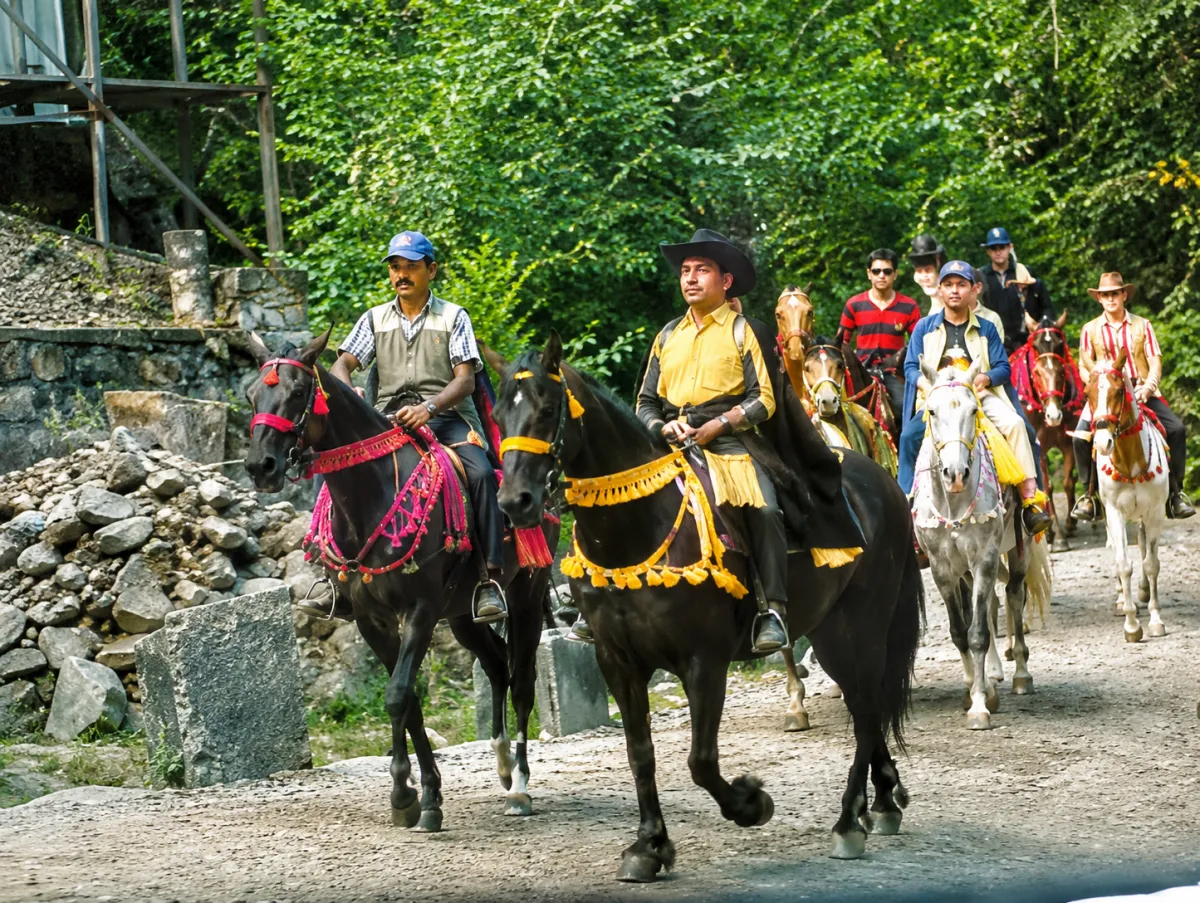
The outdoor theater was packed. We had good seats and sat next to a lady from Germany, so she interpreted for us. There was a parade of real cows decorated with flowers and lots of galloping horses. It was an outdoor setting, and we could follow the plot quite easily. And yes, we saw William Tell shoot the apple off his son’s head. We left at 10:15, concerned about making all the connections back to Murren. We made the last cable car to Murren. Seemed strange to ride a cable car in the dark.
SCHILTORN
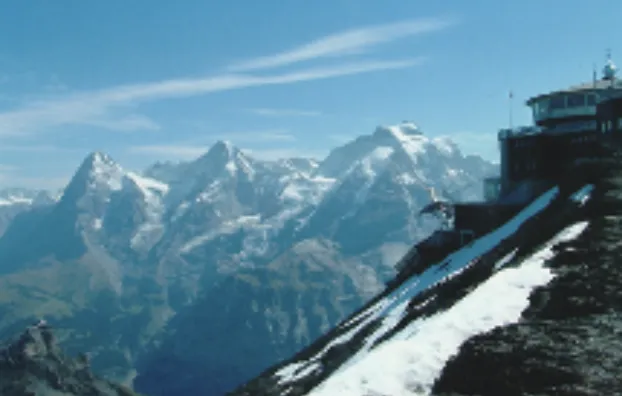
It was a sparkling, sunny day, and we decided on this for our grand finale. We rode the cable cars from Murren to the Schilthorn at 9,744 ft. It was a thrilling ride, and we looked down at the toy village of Murren far below at 3600 ft. Many hikers do actually hike up to the Schilthorn. We looked down at the trail snaking up the mountainside.
Its claim to fame is that a James Bond movie was filmed here. And it is the highest revolving restaurant in the world. There is a terrace that goes all the way around the restaurant, giving a 360-degree view. We took lots of pictures in every direction, and then we went inside for a special treat. We had reserved a table by the window. It takes one hour for the restaurant to make one complete revolution. This is a very pricey restaurant, and we searched the menu to find something reasonable. So it was that we enjoyed delicious soup, thick slices of crusty bread, and Appletiser as we watched the ever-changing scenery of the mountains.
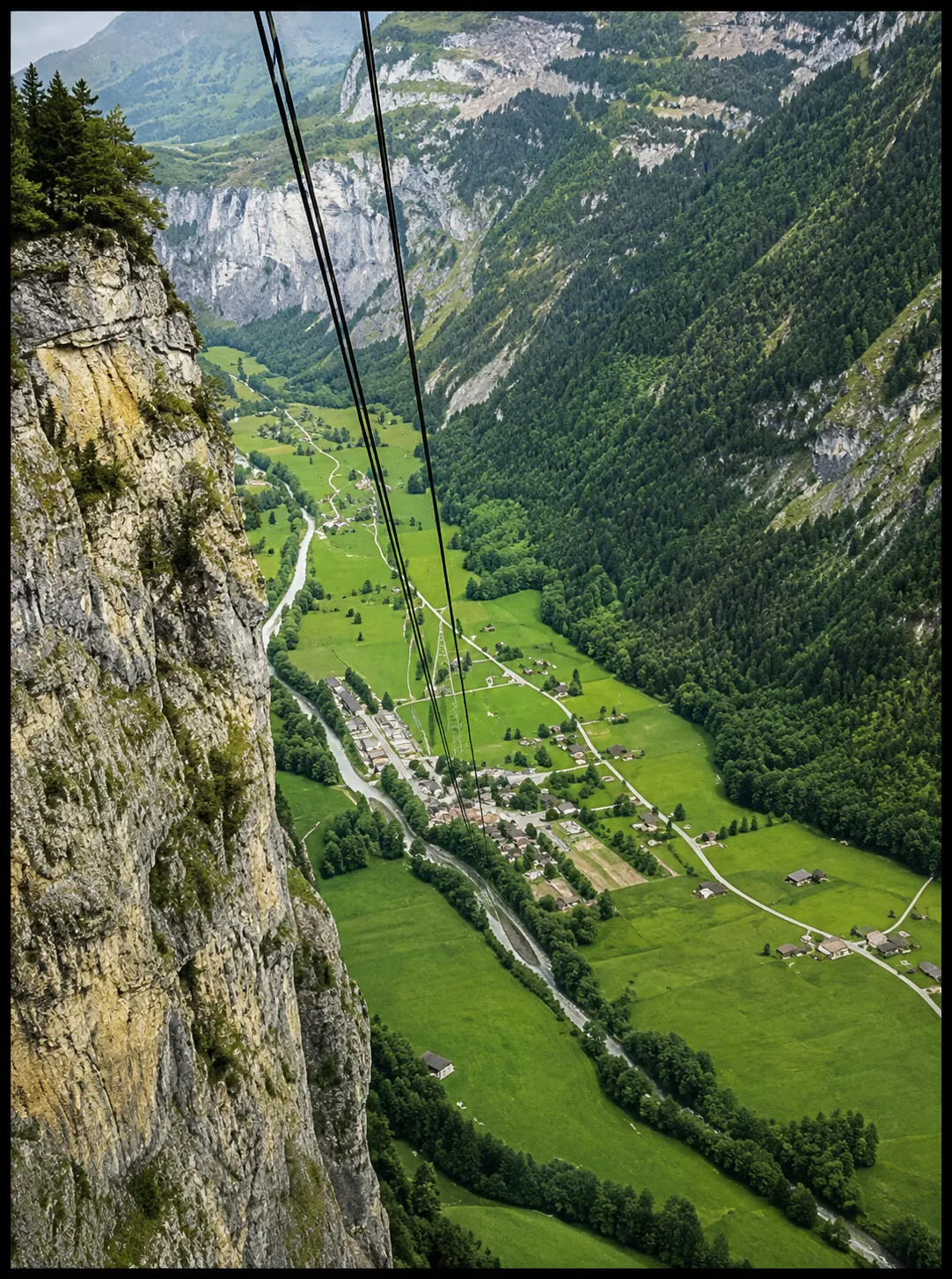
One more cable car ride down the mountain with a stunning view of the Lauterbrunnen Valley. We picked up our suitcases from the chalet and squeezed onto the next train. We wondered why it was so crowded. Then we learned it was the day of the Jungfrau Marathon. People from all over the world compete…. The race goes from Interlaken to the Jungfrau. I talked to an interesting man crowded next to me on the train. He was a finisher today. He is 72 years old, and this was his 72nd marathon. The winner today was an Ethiopian with a time of under 3 hours. It was a mass start race with 3,900 runners, 42 kilometers, all uphill.
We got to the Hotel Ibis at the airport and rearranged our suitcases for the trip home. Where is my red hat? Not in the carry-ons, not in my tote bag. But where can it be? We don’t lose things like this. We searched every inch of our suitcases. But it was gone, I had to accept the fact that I am human and can make mistakes.
But wait. After we returned home, I found the name and address of the store and wrote to them about my sad story. Enclosed credit card numbers. And in a couple of weeks, Al brought me a package that was in the mail. My Red Hat !! Now I’m afraid to wear it for fear of losing it again! How did I lose the 1st one?
Continue Reading!
© Copyright 2026. AEM World Travels - informal entity. All rights reserved.