1954 - HOW IT ALL BEGAN
1954 - HOW IT ALL BEGAN

Go to Table of Contents
Go to Table of Contents
Introduction & Credits

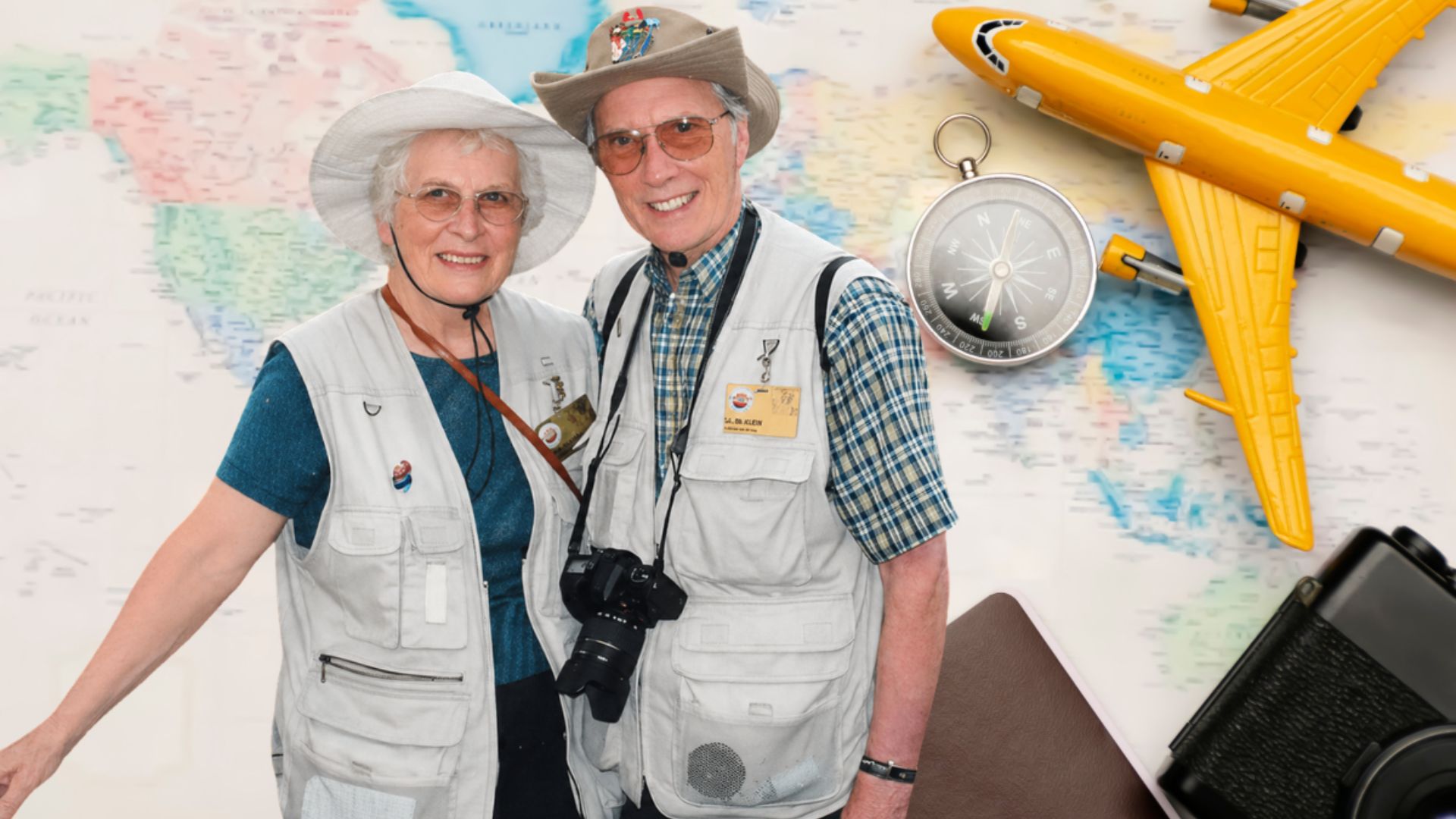
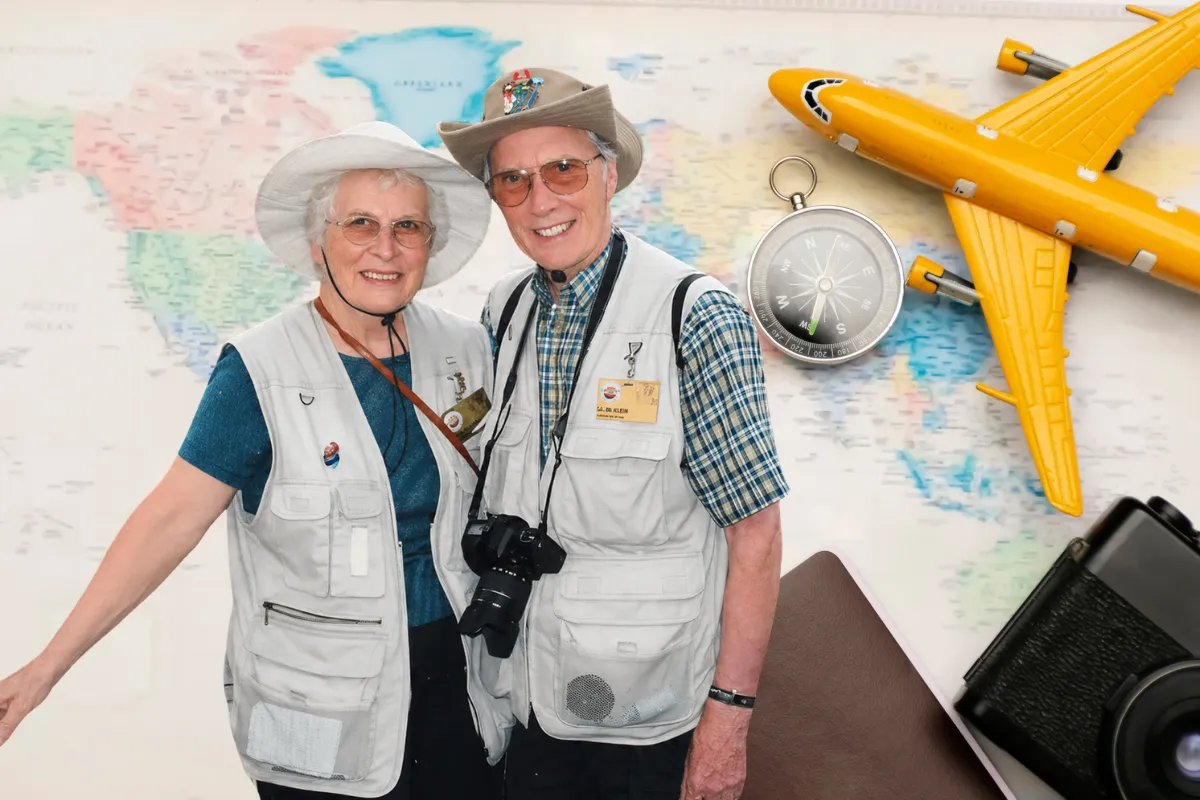
I hope you enjoy this travel book as much as I have enjoyed writing it. I never dreamed, as I was growing up in the small town of Ithaca, Michigan, that I would someday travel to all 7 continents. And my husband, growing up on a small farm in Carlock, Illinois, never had big dreams either.
When we started traveling, we never thought we would have adventures like:
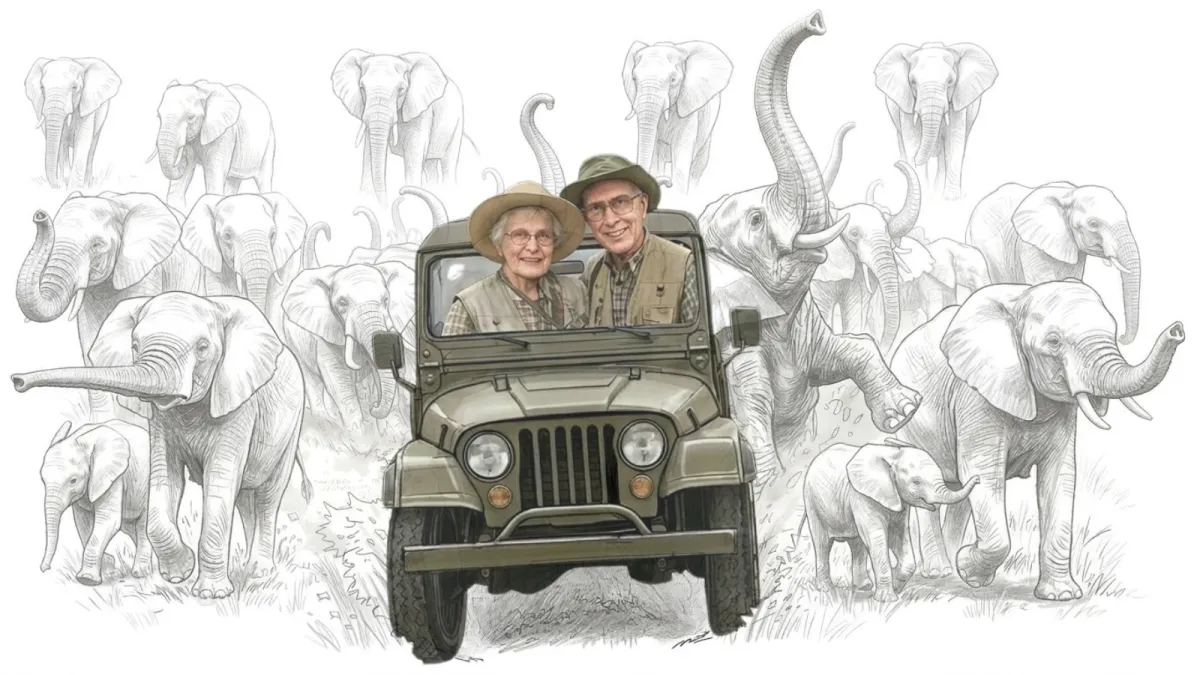
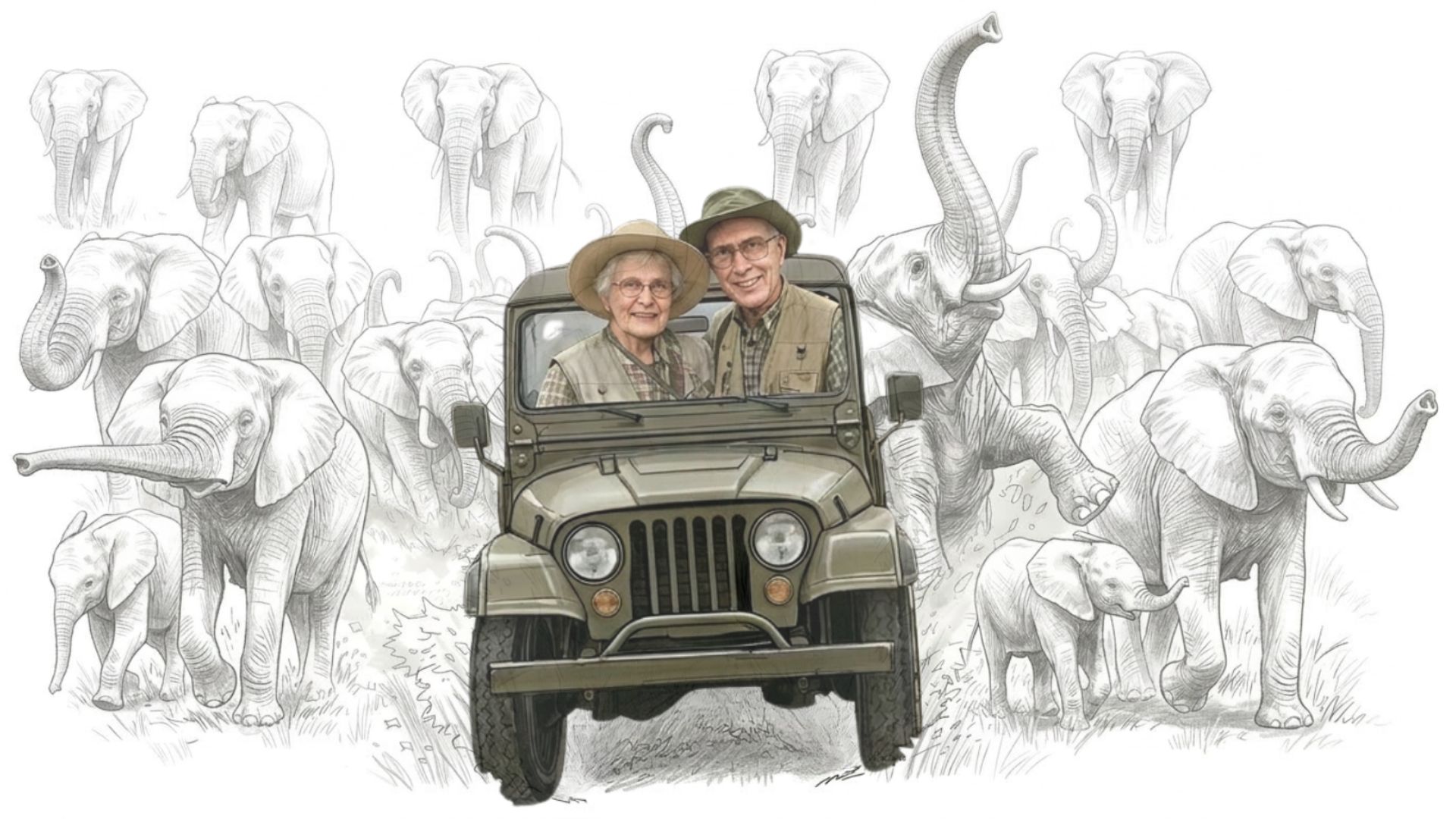
● Engulfed with elephants
● Lost in Locarno
● Robbed in Budapest
● Attacked by a dog
● Car crash in Wales
● Food poisoning
● Dog sled ride in Norway
● Leopard close enough to touch
● Charged by an elephant
● Dog peed on my back
● Fall on icy stairs in Norway.
● A car wheel that came off on a busy road
● Pickpockets in Paris
● Gold Mine Adventure
● Car Stolen
● Passion Play in Oberammergau
● Scary hike in Golden Gate
● Fall on an escalator
● A sip of Schnapps
You’ll find all those adventures and more in our books of Travel Stories. We are often asked if we’ve been to all 50 states, and the answer is YES. I’ve included stories of only Hawaii and Alaska because they are unique and far away from the mainland.
We have a good friend, Mary Fox, who sometimes traveled with us vicariously as we would send her our itinerary. Using this information, she would send a letter to a destination, include paper footsteps, and ask to have them put in our room. That surprise always took us off guard. And sometimes she was able to find out who was traveling with us and send them a supply of paper footsteps with requests. You will find these surprises as you read our stories.
Now we are in the age of life with broken hips, surgeries, and walking with a cane or walker. For our last two trips overseas, when we were in our 90s, we went with family, our son Larry and his wife, Carol, their daughter Allison, her husband Adam, and their children Adeline, Cecelia, and Samuel. Our joy was just being with our family and seeing them run and play and swim and hike mountain trails. Wonderful memories. Life is good. God is good.
Many thanks to my husband, who encouraged me to write this book, brought me endless cups of coffee, took over many meal preparations, gave suggestions, and proofread every page. My thanks to Greg and Karen Sanders. Karen helped in many ways to keep our house running, and she brought occasional meals. Greg went over the entire manuscript, including editing, graphic design and picture enhancement, and organizing the layout.
May you feel some of our joy and excitement as you read our stories. And if you say, “Someday we’ll do that,” remember, someday never comes.
Happy Travels!
Emily Moore
and Al, my husband, who traveled every step with me
1954 - HOW IT ALL BEGAN
1954 - HOW IT ALL BEGAN
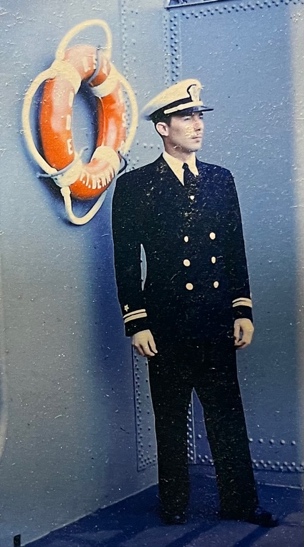
We were married in April 1953 while I was still in college. Al was in the Navy and wrote to me every day from his faraway travels. This is Al at the beginning of his career in his sharp Navy uniform, posing on his ship.
In April of 1954, his ship was docked for a few days in San Remo, Italy, and the ship’s doctor suggested they take 4 days’ leave and go to Switzerland. Al protested because of the cost, but the doctor said he figured they could do it for $100 each. So, Al agreed.
They took the train to Switzerland and were soon in the Swiss Alps. Al wrote glowing letters to me.
“I just don’t have the adjectives in my vocabulary to begin to describe Switzerland. It is head and shoulders above any scenery I have ever seen or ever hope to see. Stupendous, colossal, astronomical, and any other adjectives I might use just fall completely short and don’t do the country justice at all.
I wish I could describe the grandeur of these mountains. I’ve just got to come back here someday and bring you with me.
That’s a must! I want you to see the ultimate of God’s great handiwork. I would give almost anything to have you here with me. I vow I must take you there someday!”
I still have that letter.
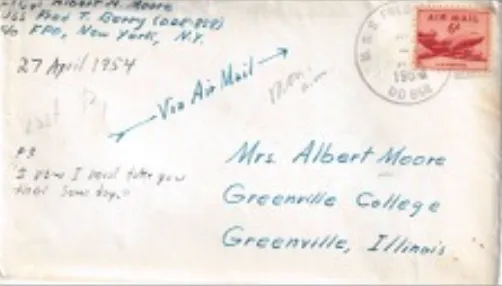
When Al sent the letter to me, I was so happy that he got to see those beautiful mountains that I had only heard about. I wasn’t even sure I could find Switzerland on the map. And when he came home (in time for my graduation) and showed me the pictures, we both started dreaming of the day we could see those Alps together.
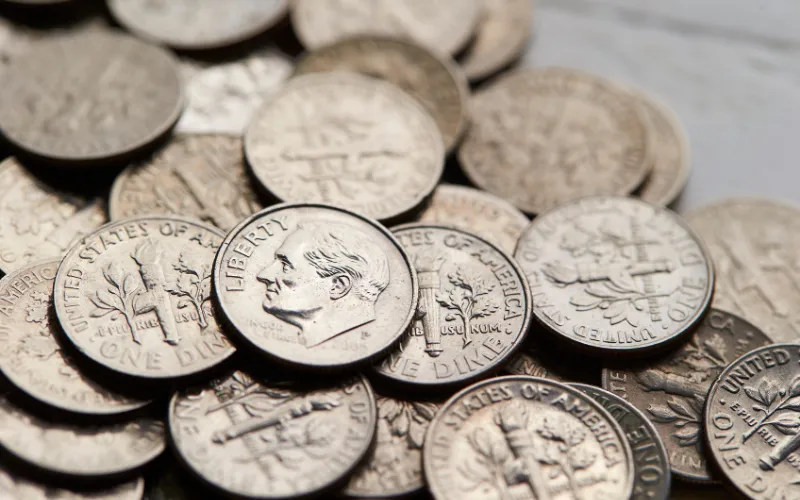
Al got out of the Navy, started a new job, we bought a small house, and we started our family of two boys. It was hard to imagine, but we found a way to start a Swiss travel fund. We wanted to keep the dream and promise alive, so we decided to save dimes.
It was 1954. Every dime that came into our hands went into a small dime bank in our dresser drawer. It held $7.00, so when 2 or 3 of them were full, we would take them to the bank. We opened a special “Swiss Bank Account.” Very slowly, it grew, one dime at a time.
In 1965, real silver dimes were replaced with “cupro-nickel,” and their real value plummeted. If we had saved our silver dimes in a box under the bed instead of in the bank, their value would probably have been double.
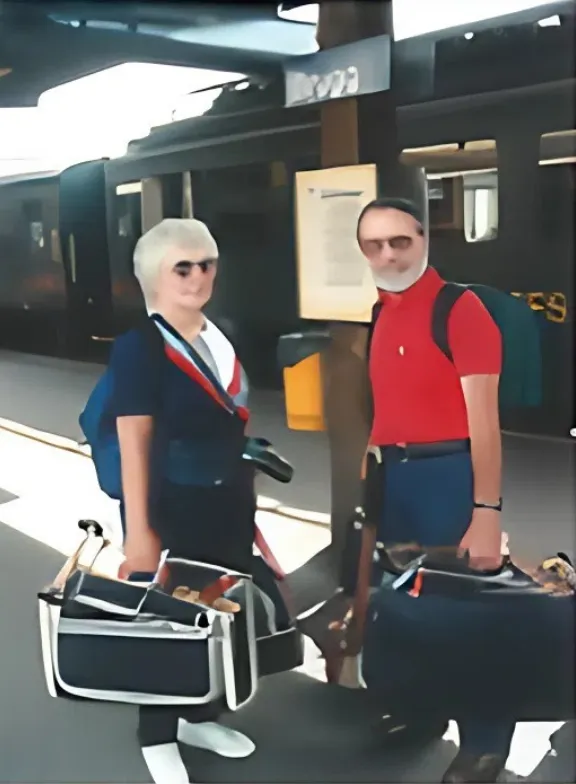
After 19 years of faithfully saving those little dimes, we had $1,000 in our Swiss bank account. It was enough to buy 4 round-trip tickets for our 2 boys and us to Europe on Icelandair, the bargain airline. We had to add some for food and lodging. Al’s promise to me was finally fulfilled.
1973 - PROMISE FULFILLED
It was now 1973, and we were ready to take the promised trip. Our teenage sons, Larry, 16, and Randy, 14, would go with us. They were looking forward to seeing the world-famous Tour de France bicycle race.
We arrived in France, got our rental car, had a map of the Tour route, and were off! With Al driving and Larry navigating, our goal was to use alternate roads to get around the tour to a place where we could see them pass.
TOUR DE FRANCE
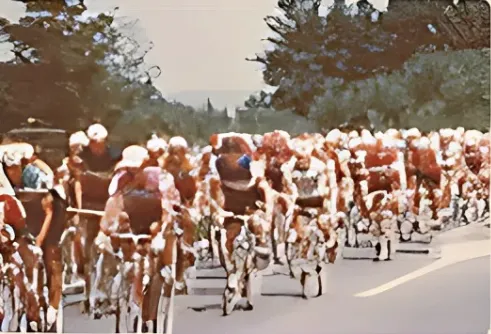
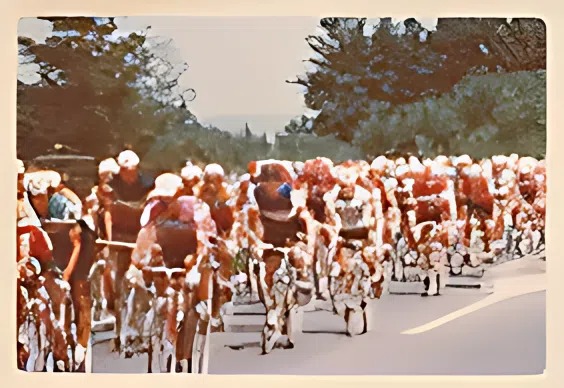
An exciting time was seeing the Tour pass through a small village. With great fanfare, cheering, and honking, the bicyclists came, hundreds of them.
With a great whirring of pedals and tires, they passed in seconds. Another time, we saw them pass through a feeding station, grabbing bags of food from their teammates.
Finally, we got to a mountain stage in time to see the cyclists sprint up the hill to the finish line. We saw the tour 5 times in 3 days.
CAUX
We looked for a place to stay in Montreux, but everything was filled. So, we headed up a mountain road that went up and up, with many switchbacks.
In the small village of Caux, we found two delightful rooms, so expensive ($32 for 2 rooms!) that we almost didn’t take them, but then decided the view was worth it. We could see the beautiful Lake Geneva far below us.
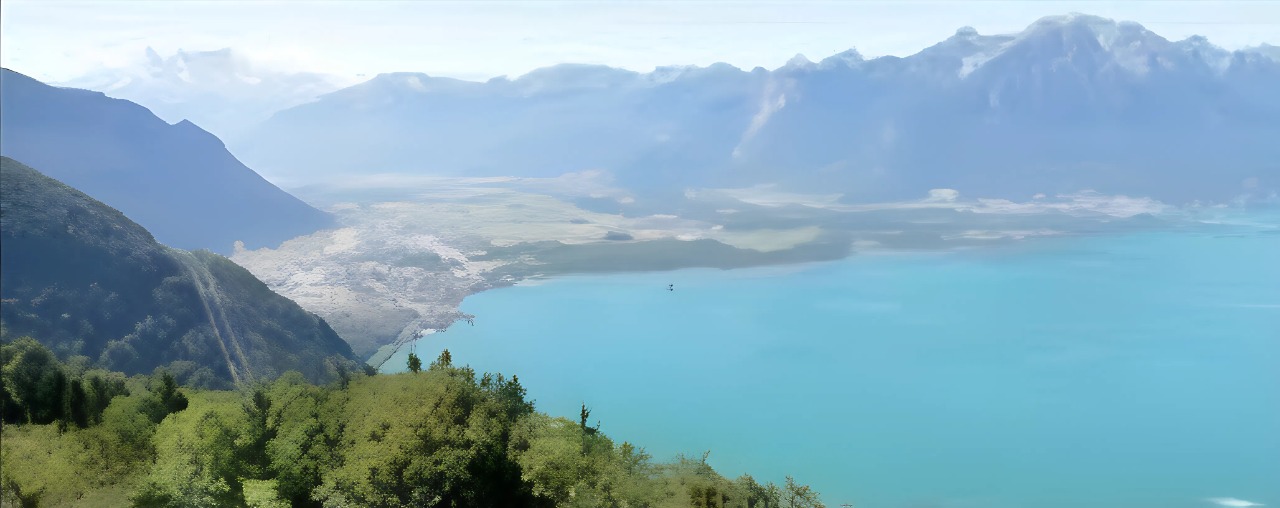
We strolled around the little village while the boys went off on a hike by themselves. They really had an adventure hiking through a cow pasture with cows clanging their bells, past chalets, and then racing back down curved, banked cow paths. The switchbacks the cows made were so close together that the boys could jump from one to the next. (They paid for all this jumping a few days later when their legs were so sore they could hardly walk.) Our rooms were very quiet, and we slept under fluffy down comforters with the mountain air streaming in the windows.
SALZBURG, AUSTRIA
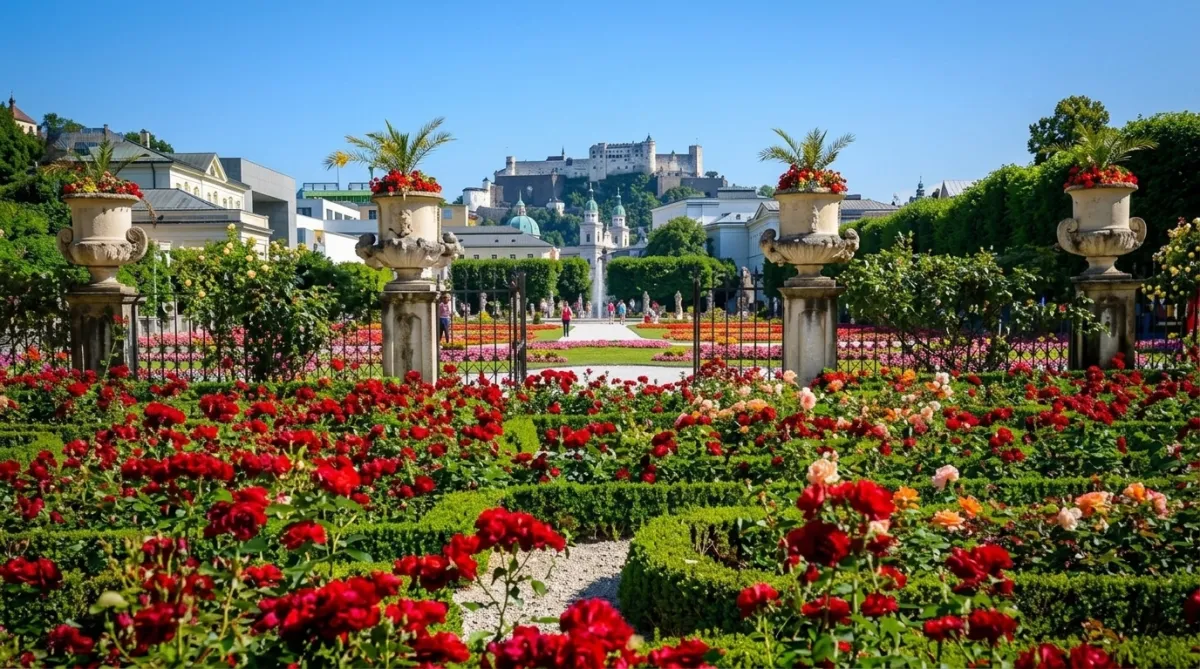
Salzburg is a delightful city with its narrow streets, arcades, and fountains. We visited The Sound of Music locations: Mirabell Gardens, where Maria and the children sang “Do-Re-Mi” on the steps and danced around the fountain. We walked through the square where the Nazi soldiers marched. We splashed our hands in the horse fountain where Maria sang her “Courage” song. We saw the convent, the country villa where the family lived, the terrace, the lake, and the gazebo, just like in the movie.
INNSBRUCK
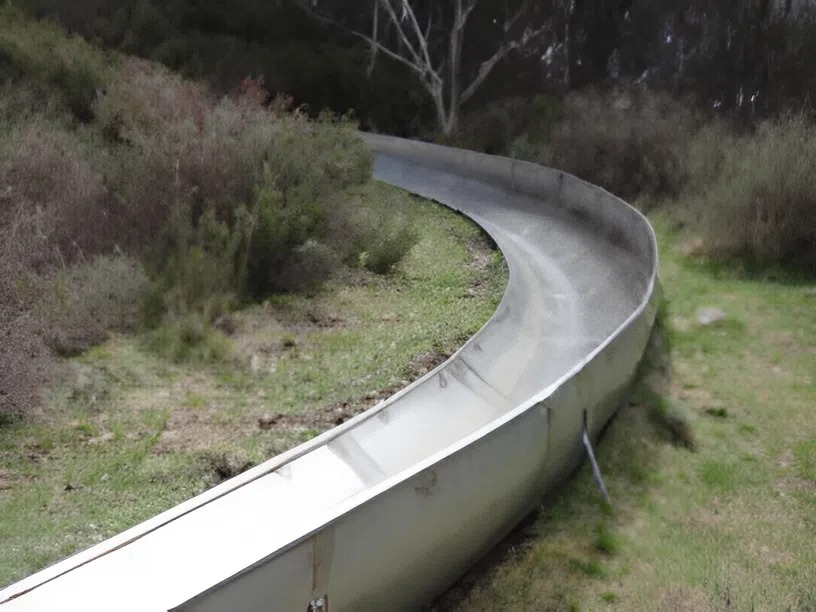
We found the Olympic bobsled run. We hiked all the way to the top of it, exploring the vertical, banked curves and 180-degree turns. We saw the luge run and followed that all the way down. The turns were shorter and steeper, and had a lip at the top to keep the sled from going over. The boys had fun running up the steep banks and back down again.
TOSENS, AUSTRIA
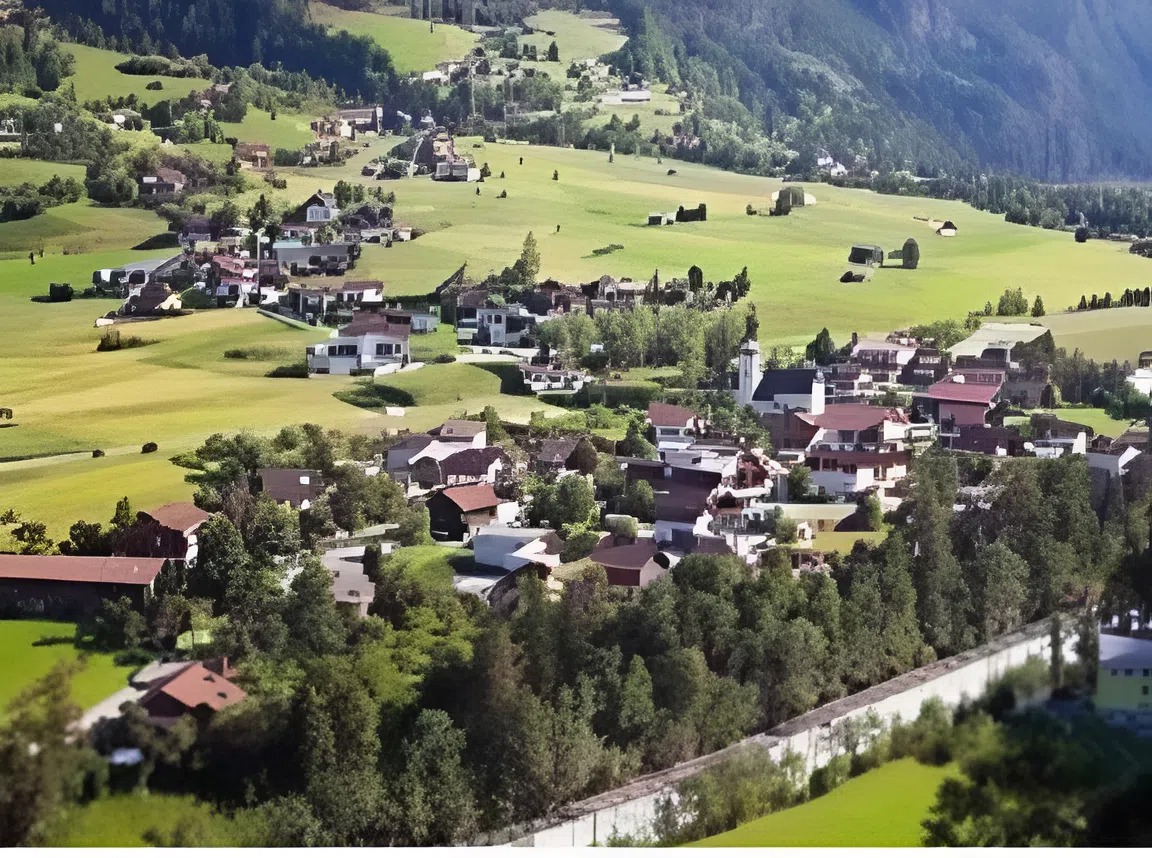
Tosens, Austria, is a pretty little town on the Inn River. We found a place to stay, right beside the river. We ate dinner in a local restaurant, and 3 of us got food poisoning. That night, our 2 bedrooms shared a bath down the hall. Al and I used it alternately, while Randy always found it occupied. He had no choice but to use the sink in his room when he could, or the floor or the bed. The next morning, we viewed the carnage. His room was indescribable. (Larry slept through it all.)
Feeling apologetic about the condition of Randy’s room, I went downstairs and told the lady, in my very limited German, “mein mann krank (sick), mein Sohn ist krank, need wasser (water).” Somehow, they understood and went with me to survey the room. What could I say? They would clean it, and we gave them extra money. The old lady in the house (always 3 generations) made some peppermint tea for us, and we were on our way.
Randy lay on the back seat, his head on my lap. Larry, the only one feeling chipper, sat in front as the navigator. Our drive that day was mountainous, the brakes on the car were failing, and it was all Al could do to control the speed on the downhills. When we got to a town, we took the first hotel we came to and fell into the beds. (except Larry, who was ready to go shopping.) The next morning, we were all revived, ate a good breakfast, returned the car, and continued our travels by train with our Swiss Travel Pass.
JUNGFRAU
The itinerary we planned so carefully had us going to the Jungfrau on July 20. This was to be the high point of our trip, and good weather was essential. Because of the high elevation, it offers spectacular views of the whole area. But if it were cloudy, it would be a no-go.
So, we started praying for good weather on July 20. “Please, dear God, let it rain in Appenzell, let it rain in Bern, but please don’t let it rain on July 20!” We even asked our friends and family to pray for this date.
JULY 19—It rained. We did some hiking in the Lauterbrunnen Valley, ate our sack lunches sitting on a park bench under the shelter of a building.
JULY 20-SUNNY! CLEAR SKIES! We were at the station early to take the first train up the mountain. The man who sold us our tickets told us we were lucky, it was the first day in 2 weeks that the Jungfrau was cloud-free! We told him we had been praying!
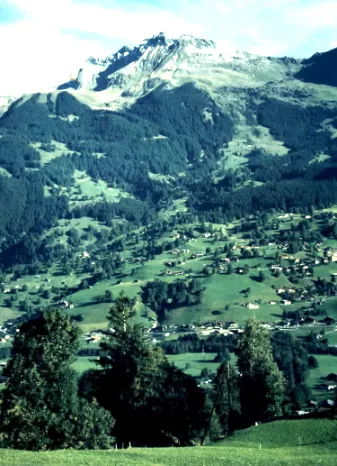
Lauterbrunnen Valley
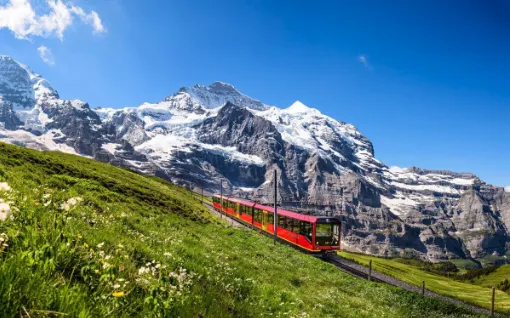
Red Train to the Top (picture from Google)
Our little train climbed higher and higher, giving us glimpses of the Lauterbrunnen Valley far below. Then our train entered a 5-mile tunnel that went through the Eiger and Mönch. It stopped briefly at two “windows” and emerged at the summit station where we could look at the scene that follows.
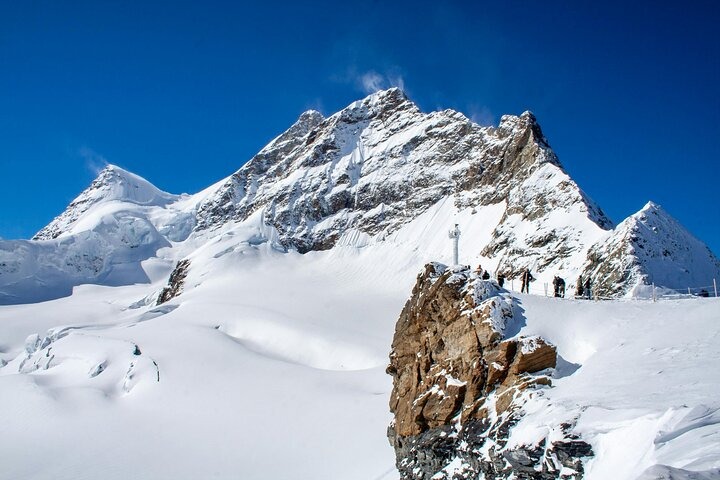
It was a dazzling world of ice and snow and sun. What a spectacular sight! Snowcapped peaks above, with a deep blue sky!
Yes, it is a darker blue at that altitude. It was an absolutely perfect day, and we were thrilled. I remember sitting with my back against the ice of the glacier, eating our lunch, and wondering, “Could heaven be any more beautiful than this?”
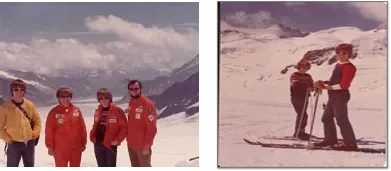
There was a small ski area, and both our boys tried it out. Larry had experience and looked like a pro on the gentle slope. It was Randy’s first time on downhill skis, but he did okay. The view from there was breathtaking, with white snow peaks all around us and the Aletsch Glacier stretching out below us. It is 14 miles long and is the largest glacier in Switzerland. The sun was dazzling, and we were glad we had sunglasses. However, we had neglected to bring sunscreen, and we all got a bit sunburned and had burning faces and lips for several days. The next day, July 21, it was cloudy and rained off and on all day.
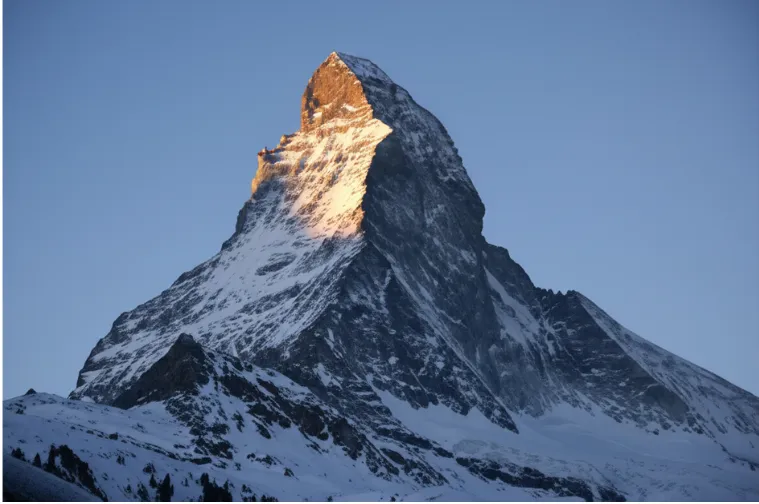
ZERMATT AND THE MATTERHORN
Traveling on to Zermatt, we got one short glimpse of the Matterhorn one evening. The clouds cleared briefly, and we had a view of the famous mountain towering above the village.
The boys had been saving their money to go skiing in Zermatt. They were fitted with boots and skis, and we went with them on the cable car all the way up to Trockner Steg, one of the highest cable car stations in Zermatt. From there, the boys took a ski lift to get up to the glacier, where there was summer skiing. The skiing was not very good. It was mostly ice and melting snow. But at least they could say they had skied in Zermatt. By early afternoon, skiing conditions deteriorated, so they made their way back to the ski lift and to our hotel.
LUZERNE
Always looking for a good price on a hotel, we chose the Pfiestern, the oldest hotel in the city of Luzerne. But our rooms on the 4th floor did have a great view of the river and the covered bridges. It was really beautiful at night.
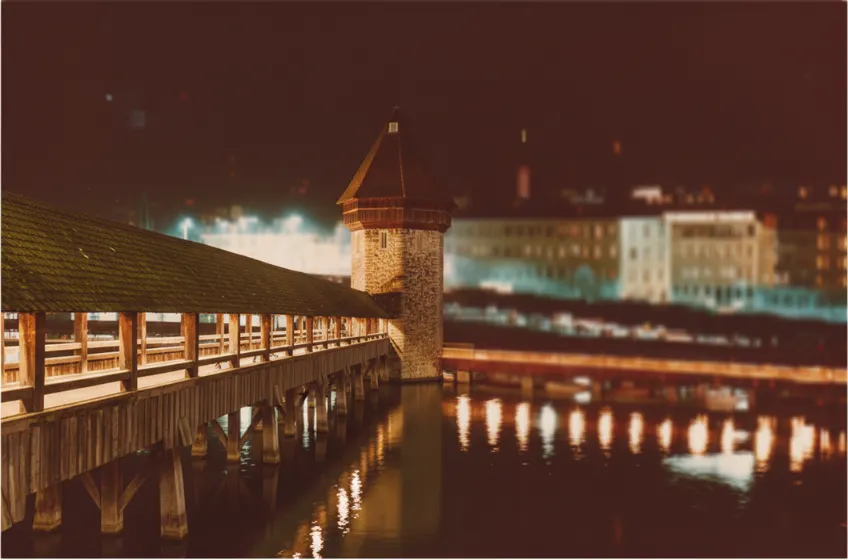
Luzerne is famous for its two wooden covered bridges. The triangle trusses each have paintings on them depicting old scenes of Switzerland. The bridges are 650 years old, but in 1994, one of them caught fire and was virtually destroyed. All the priceless paintings could never be replaced. The bridge itself was rebuilt in less than a year.
APPENZELL
Appenzell, one of our favorite places, has very green hills, winding paths to the hillside farms, and brown Swiss cattle with their cowbells gently clinking. We soon learned how they keep the hills so green, they spray them with liquid manure! This smell permeates the whole area and adds to the atmosphere.
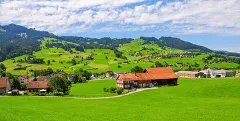
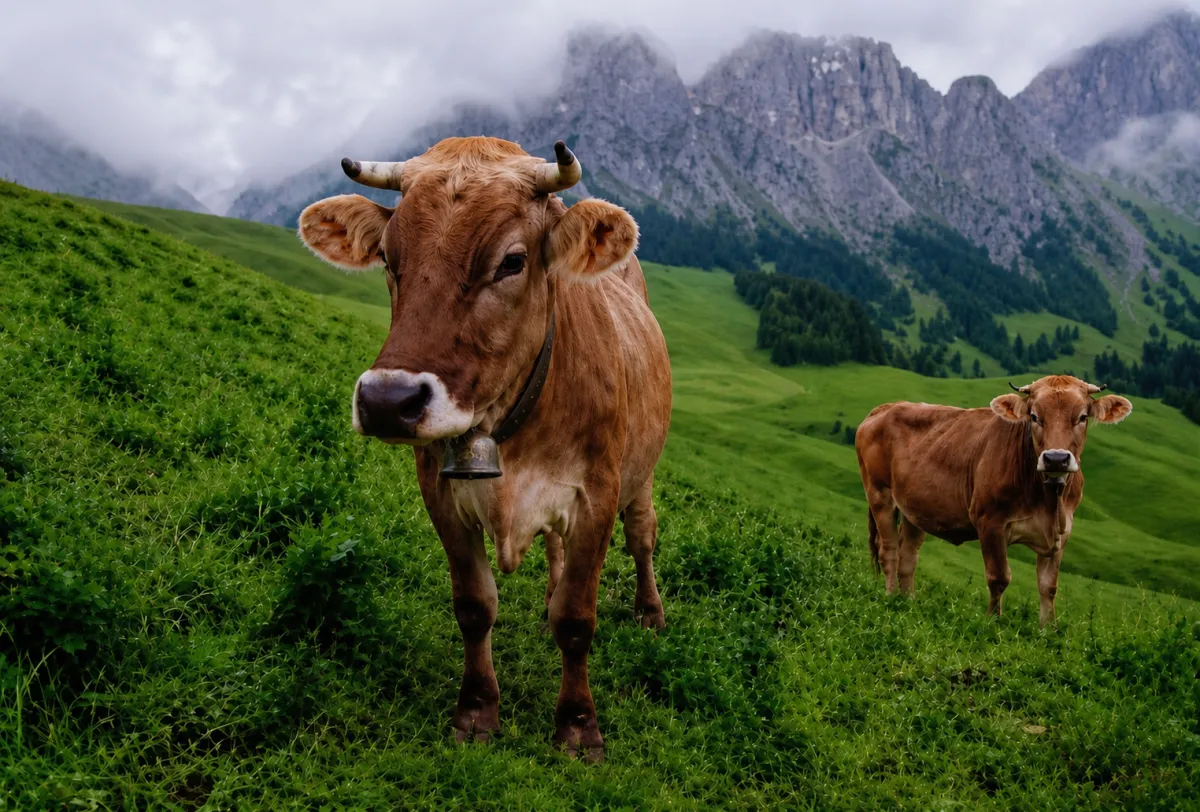
We discovered the “wanderweg” hiking trails: yellow markers (easy) and red markers (difficult), and followed them (the yellow ones!) over the hills, through farmers’ backyards, over fences, and through field gates. We walked past cows, even petted one. They were all wearing big bells.
Later, from our pension dining room, we watched farmers trundling milk cans to the dairy. One farmer was riding a bike and pulling a milk cart while smoking an upside-down pipe (a unique custom in Appenzell).
Returning home, we flew Icelandair to New York. At JFK, we asked for a rental car. “Sorry, there are no rental cars available.” Then she saw Al’s IBM pocket protector. “Do you work for IBM?” He said, yes. She picked up the phone, then said, “How would you like a Chrysler Newport?” (It came with an IBM 35% discount.)
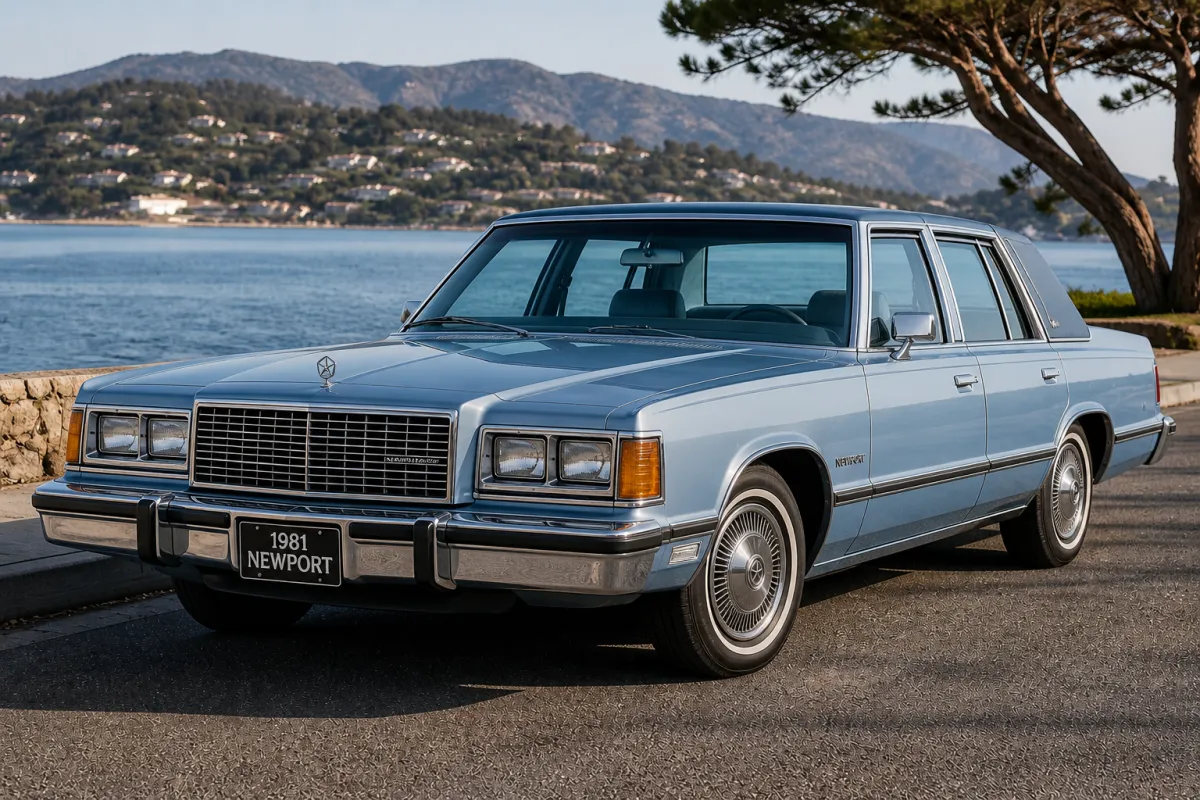
The Chrysler Newport was a large, luxurious car with A/C and reclining seats. The boys slept all the way home (a 4-hour drive), and I tried to stay awake to keep Al driving safely. The car made it too easy to drift off into sleepy land.
We arrived safe and sound, falling into our beds with dreams of Switzerland dancing in our heads.
1975 - HAWAII
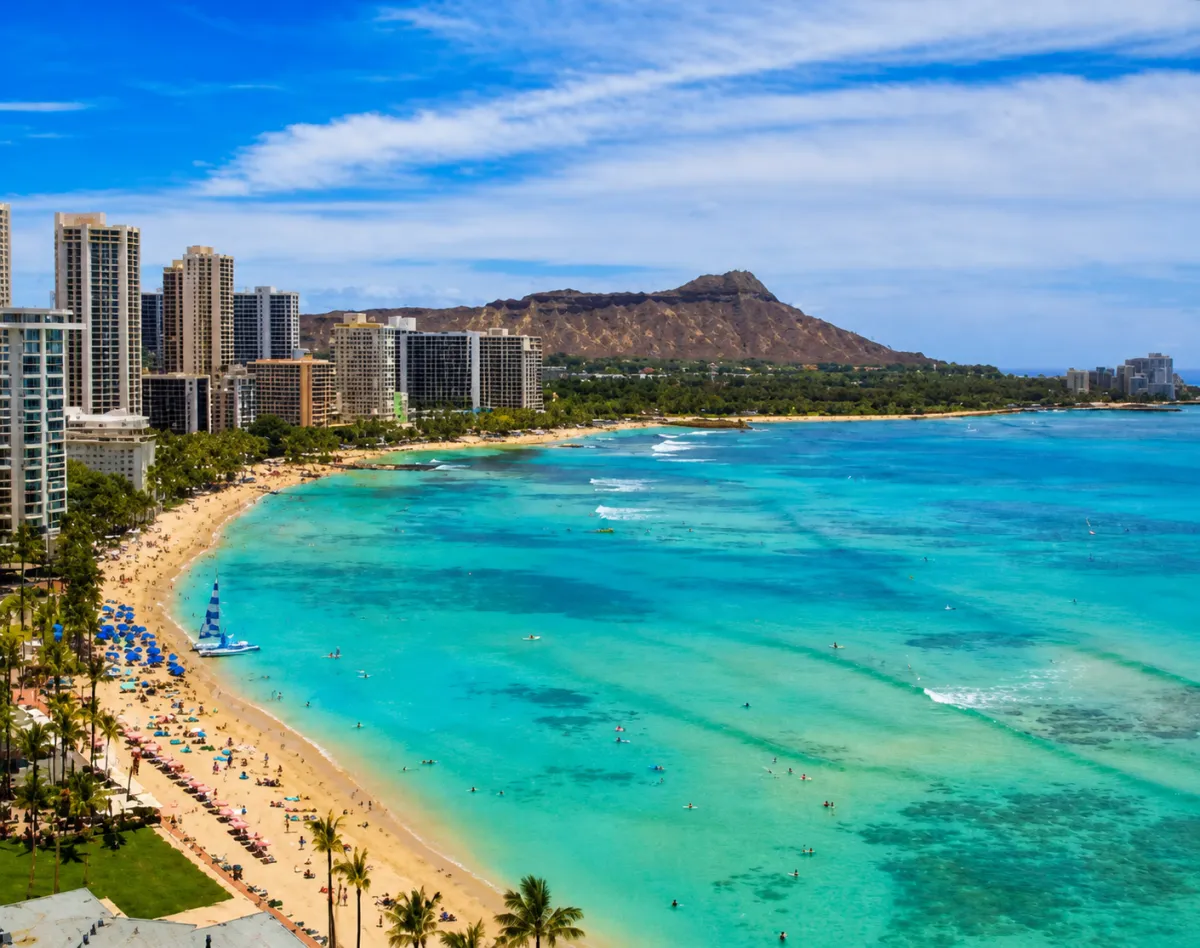
OAHU
Our first trip to Hawaii was to accompany Al’s mother and Aunt Ruth Holtwick. They seemed like old ladies to us, they were both in their late 70s, and now that seems very young! We catered to them and helped them have a good time.
Every afternoon, they put on their pajamas and went to bed for a long nap, and we headed for Waikiki Beach: beautiful white sand, warm water, gentle surf, hot sun, strong breeze. We carefully rationed the minutes so we wouldn’t burn, then we ambled along the main street, browsing in souvenir shops.
We took them to visit a pineapple plantation, where we tried fresh pineapple with a sprinkle of salt, surprisingly delicious. They enjoyed the Kodak Hula Show. Some large, elderly women did the playing and singing while young girls performed excellent hula dancing. One day, we coaxed them to a beach with shallow, gentle waves, and they actually went wading.
We all went to the Arizona Memorial. Parts of the ship are still visible above the water, and 1,100 sailors and Marines are still entombed in the Arizona. December 7, 1941, is a date that will “live in infamy.”
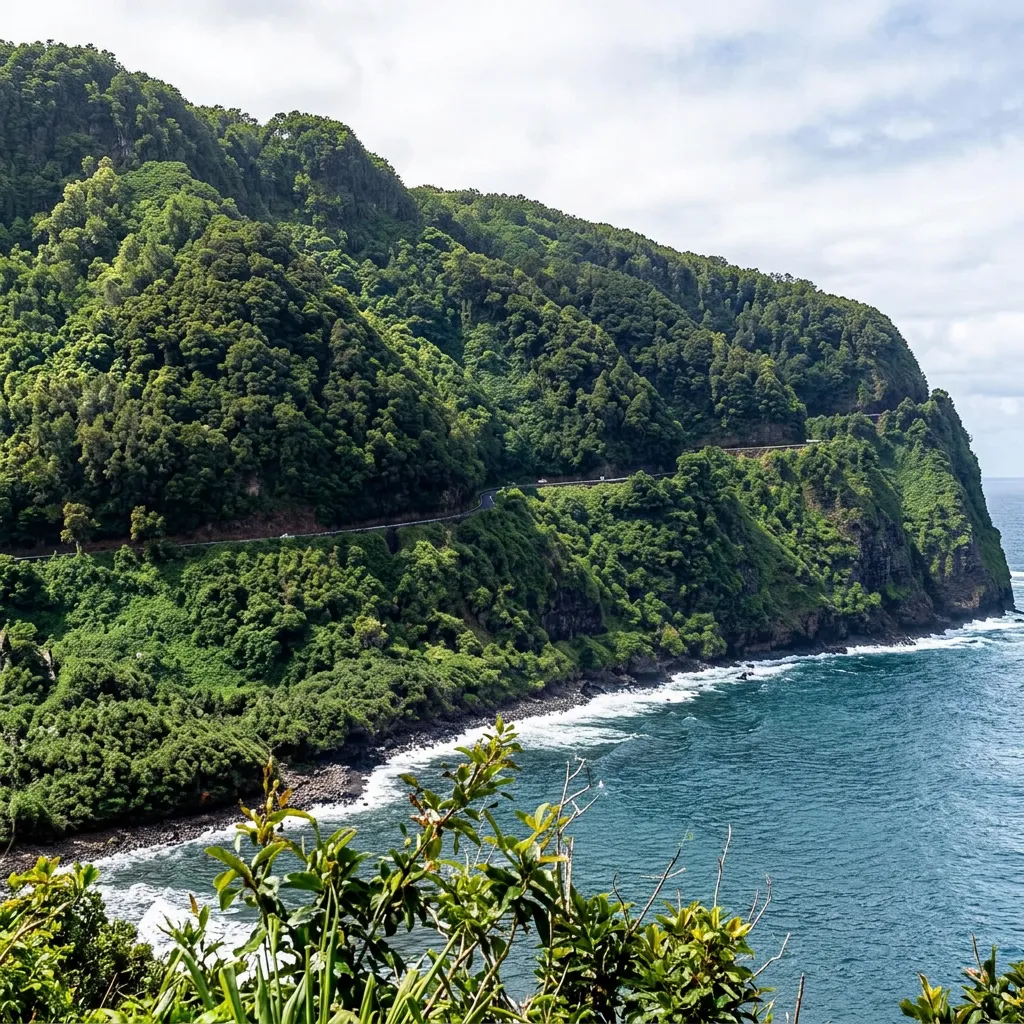
On the island of Maui, we drove along the famous Hana Coast. The road is cut into the side of the mountain and is very narrow and winding, with steep drop-offs. We quickly learned that Aunt Ruth was very afraid of heights and drop-offs. She leaned toward the middle of the car as we went around the many curves. When we finally arrived at the village of Hana, Aunt Ruth breathed a sigh of relief. The Hana Road, 54 miles long, has 620 hairpin curves and 59 one-way bridges. Al thought it was a fun challenge to drive!
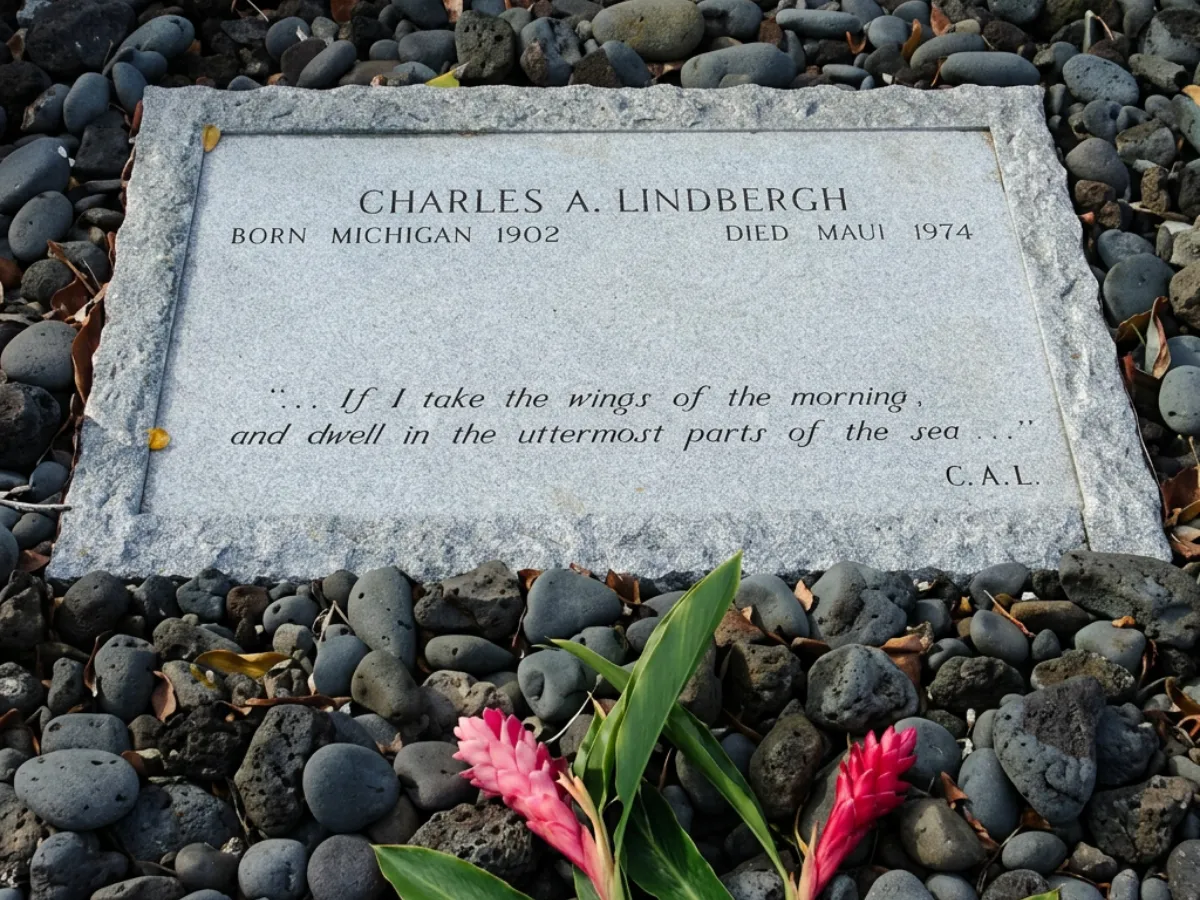
We drove a few miles inland to find Lindbergh’s grave. We opened a gate and walked 1/4 mile down a dirt road to the church and the grave of Charles Lindbergh. It was just like the other 25 graves: a large rectangle covered with small stones. The inscription read, “If I take the wings of the morning and dwell in the uttermost parts of the sea.” Although the church is quite isolated and hard to find, thousands of people have signed the guest book in the church. Aunt Ruth survived the return drive on the torturous Hana Road and was able to laugh about it. Then we took a nice drive along the coast of Maui to enjoy ocean views and flat lands. The two ladies had a most enjoyable time on this memorable trip to Hawaii.
1979 - RETURN TO SWITZERLAND
1979 - RETURN TO SWITZERLAND
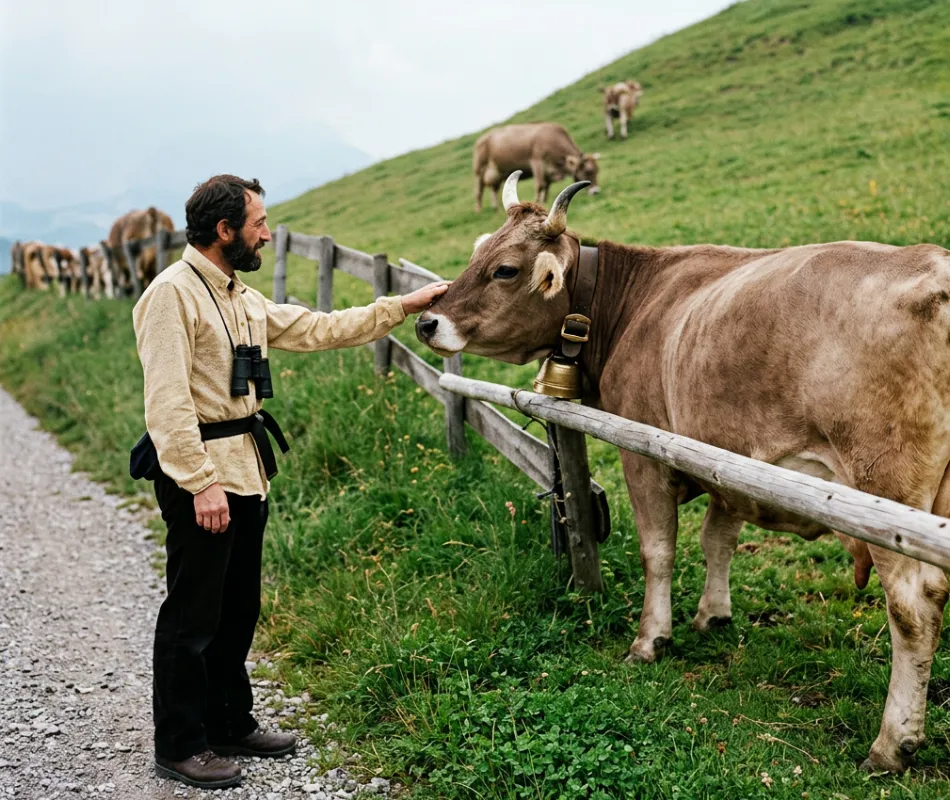
We were captivated by Switzerland when we were there with our boys 6 years ago, so we decided to go again, just the two of us, and spend 3 whole weeks. Then we would have seen all of Switzerland and could move on to other travels. Those were famous last words! We took over 80 train rides, sort of a preview trip with many brief stops. We first went to Appenzell, so delightful and quaint despite the cloudy and rainy weather. We hiked through farmers’ fields, took pictures of cows and green fields, and rode the little red train.
ANDERMATT
The train ride along the spine of the Alps was hung with low, gray clouds. It felt like November, with a cold wind and a temperature of about 40 degrees.
We arrived in Andermatt and found a room in the Altkirch, right next to the old church.
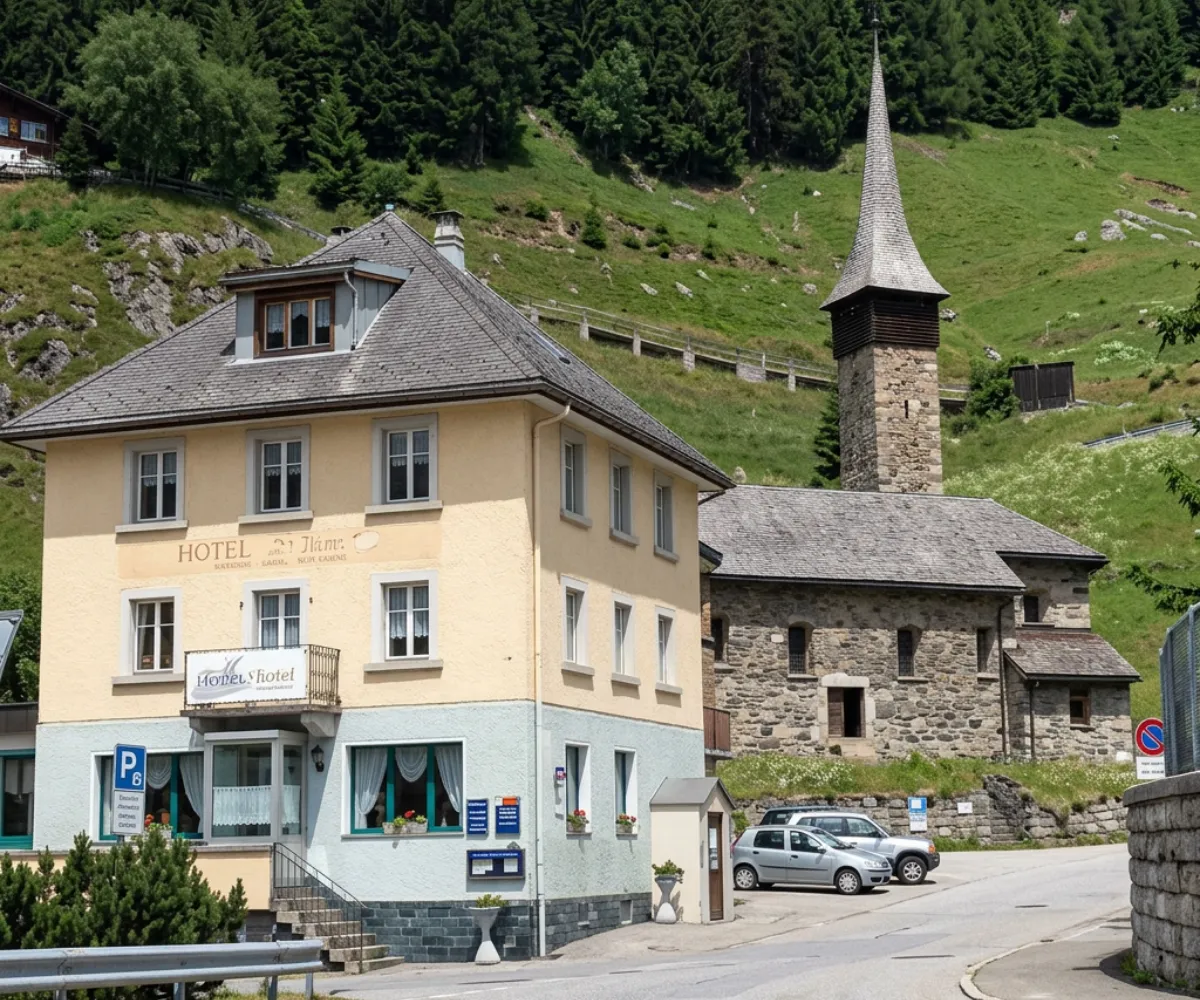
The next morning was sparkling clear, and we decided to do all we could on this sunny day! First, a morning hike high above our pension. The yellow markers (average) turned to red (more difficult), and the path became steep and narrow. We looked straight down through the avalanche barriers to our hotel. We almost scared ourselves as we carefully made our way back down.
Then a bus ride over the St. Gotthard Pass. A beautiful bus with a very competent driver who took us on a dozen switchbacks. A sign over the driver said, “Nicht mit dem Wagenführer sprechen.” (Don’t talk with the driver.) The weather on the other side of the pass was warm and sunny. Then the bus went back over the pass to Andermatt.
We took a cable car to Gossenalp high above Andermatt. Finally, a hike of 6 km to the next village and a train back. We tried to do it all in one day! The next morning, the sun awakened us at 7 a.m., and after a Swiss breakfast, we were off.
BETTMERALP
The Rhône Valley bisects Switzerland from north to south. A railway and a highway run along the valley, and steep mountains rise on each side.
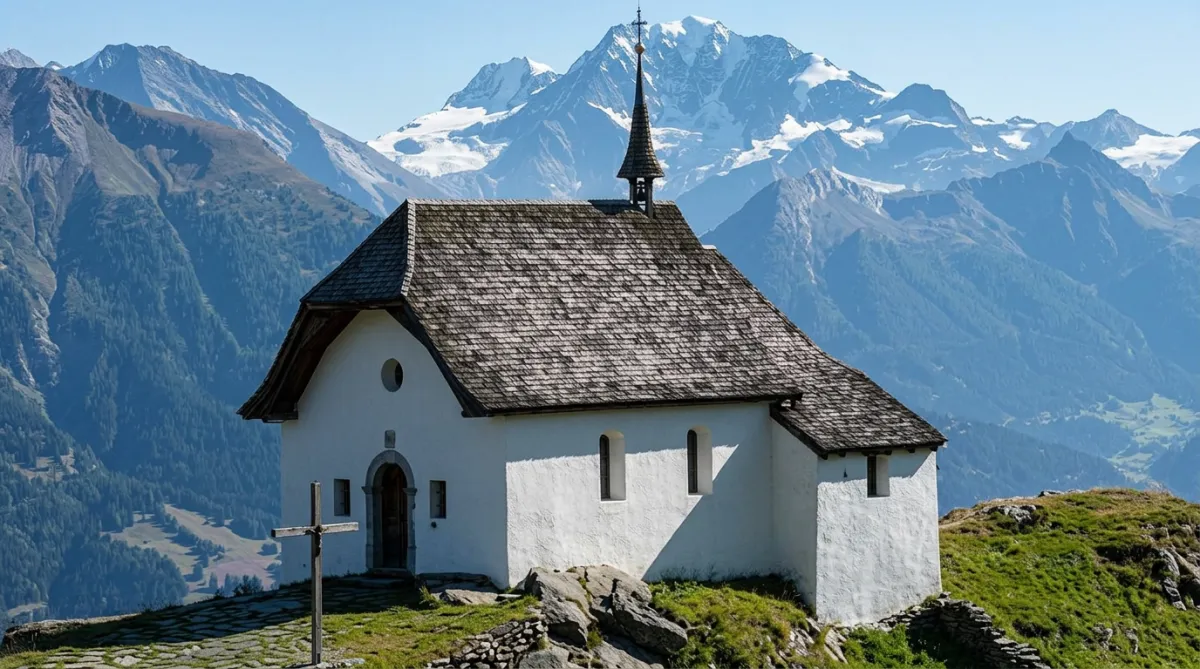
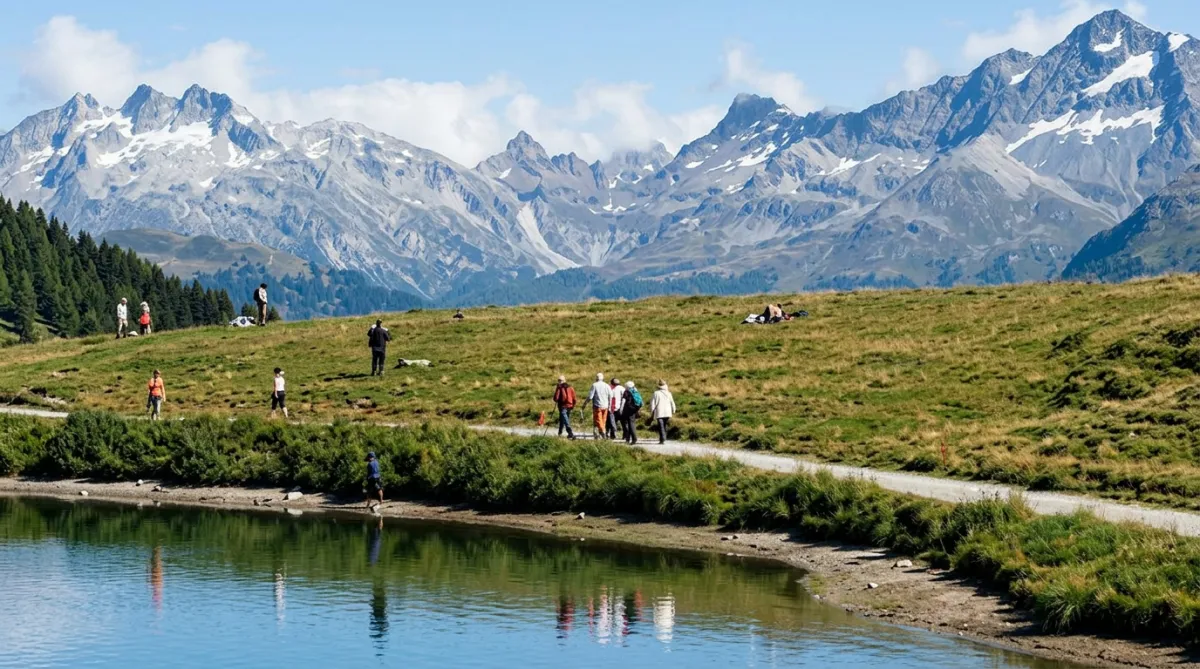
We took the train and got off at a nondescript stop, nothing there but a cable car. We got on, and it took us to the little village of Bettmeralp. The centerpiece for photographers is the little white church with mountains behind it. We hiked high above the village, found a bench by this lovely lake, and ate our lunch, enjoying the view. We vowed to come back again to this beautiful place.
ZERMATT
Then on to Zermatt with hopes of seeing the Matterhorn. When we were here with our boys a few years ago, we had just a fleeting glimpse of it. Alas, this time it was also cloudy, with the famous mountain hidden behind clouds.
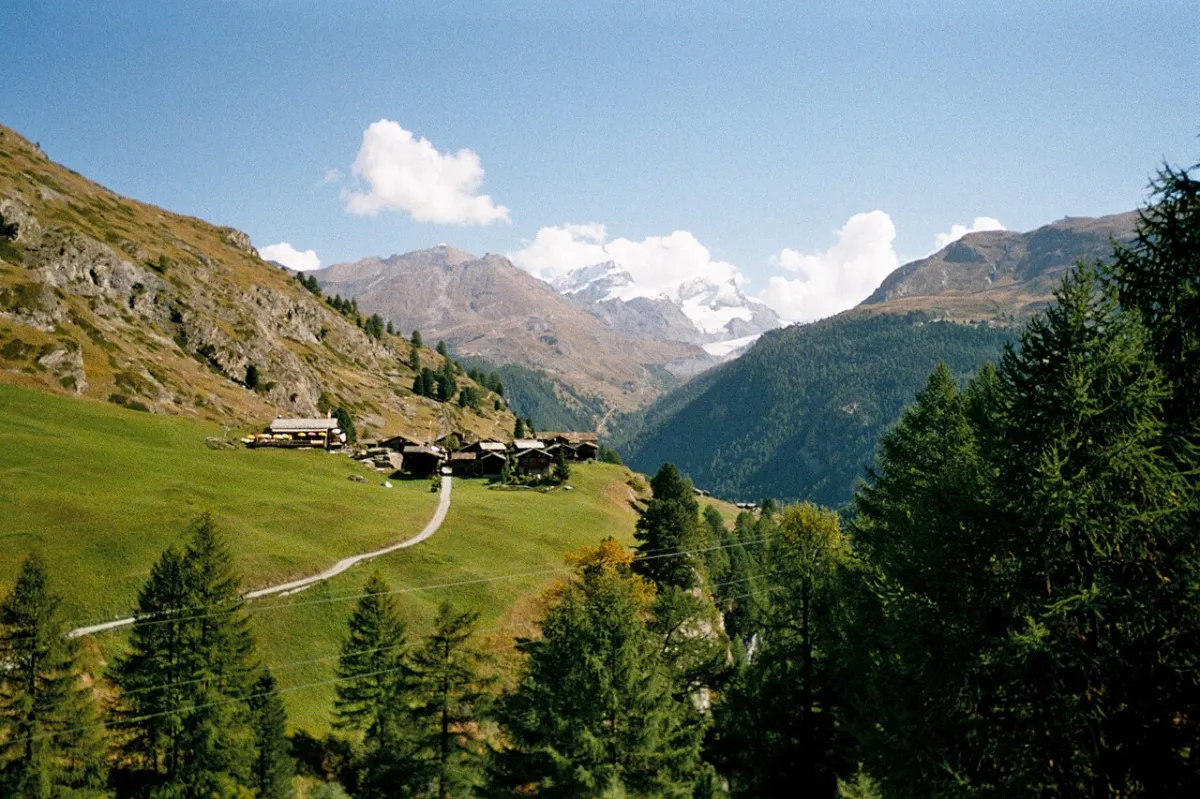
We decided on a hike to Zmutt. The trail marker said “easy gradient.” It went up and up, through a couple of ancient tiny villages, until we got to Zmutt, just a handful of very old, almost black chalets and a chapel. In the middle was the village square, about the size of a room. Tables and chairs in the open comprised a restaurant of sorts. We ordered some soft drinks. The hike back down was easy!
The mountain village of Zmutt
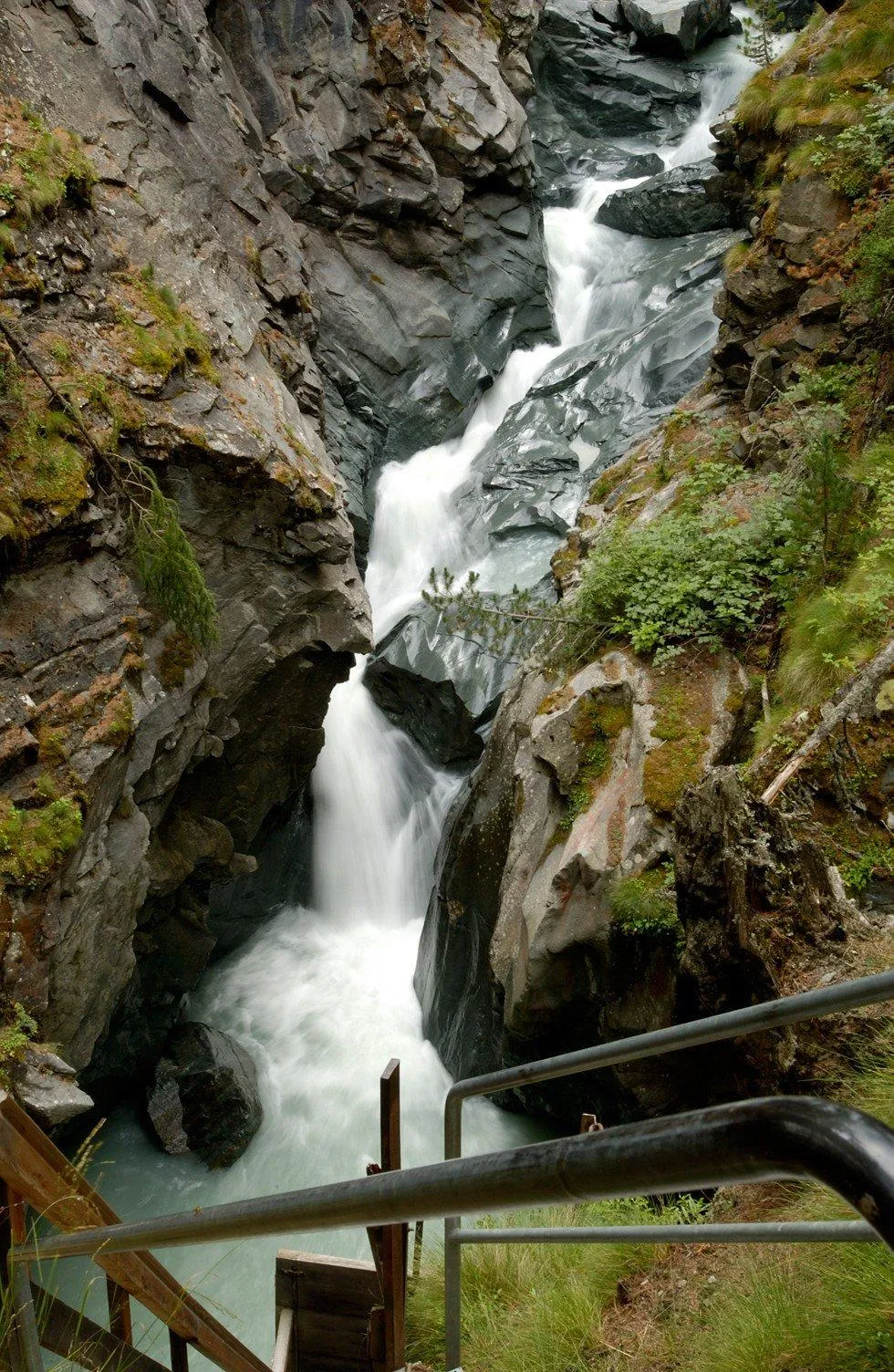
Still waiting for the Matterhorn to clear, we went on another hike. Gorner Gorge.
Narrow wooden walks took us right along the cliff edge and high over the rushing waters. We climbed up higher and higher until we could see the thundering water come roaring through the narrow rock gorge.
The last morning, we were disheartened as the weather worsened and a blanket of dark, low-hanging clouds settled over the village. We were determined to give it one last try, so we boarded the little red train that would take us up to a higher altitude.
Ten minutes out of the station, we emerged from a tunnel, and there in all its shimmering beauty was the magnificent Matterhorn.
Then the low-hanging clouds ended up adding to the allure of the mysterious mountain. What a sight!
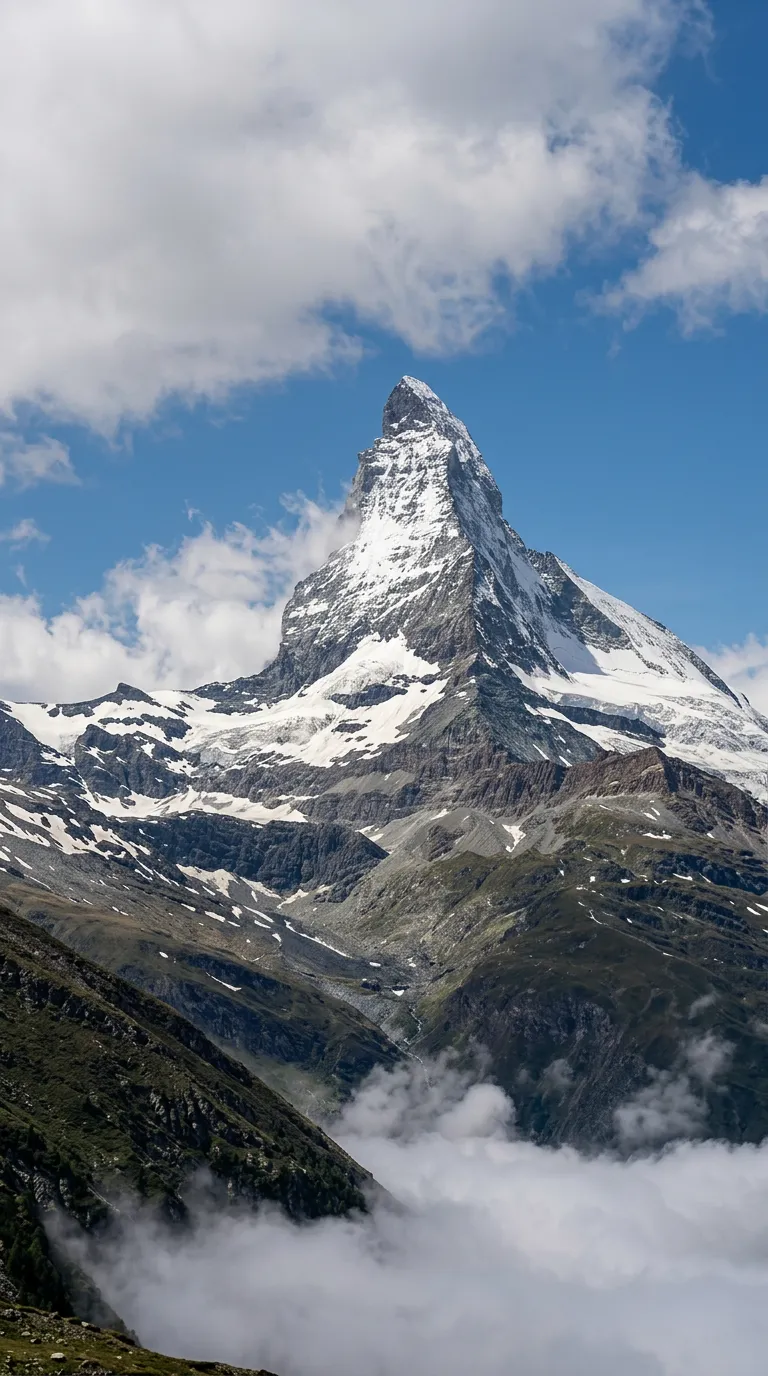
As we got off the train, a lady came running toward us, saying, “nur funf minutens.” Only 5 minutes ago, the clouds cleared! Far below, we could see the blanket of clouds still covering the village. But above us, the Matterhorn!
We spent the next few hours alone with the mountains and God. There were no people around, and we shared this true spiritual experience with just the three of us. We sat on a rocky ledge, drinking in the spectacular scenery surrounding us. We felt awed by God’s presence and very close to each other. It was a scene forever etched in our memory, a mountain-top experience.
L’ABRI
We traveled on to L’Abri, a Christian retreat center in Switzerland. We stayed in an old, picturesque chalet with a big balcony and windows that looked across the valley to the Dents du Midi mountains. The Flotrons were wonderful hosts. He spoke some English; she talked in a torrent of French. By using charades, we were able to communicate.
We chose this place because it was close to L’Abri, a Christian retreat center founded by Dr. Francis Schaeffer and his wife Edith as a ministry to intellectual skeptics. Our son had spent some time here a year ago.
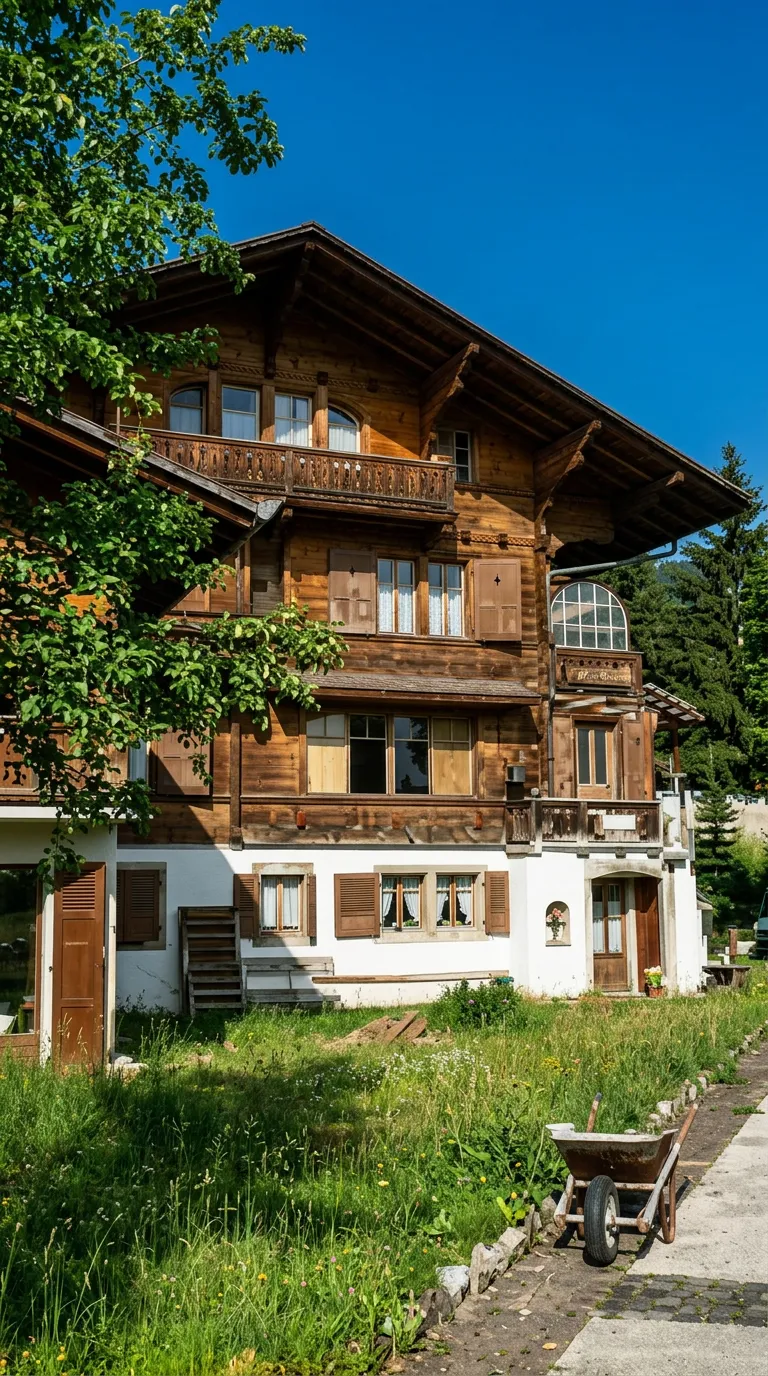
Flotron’s Chalet
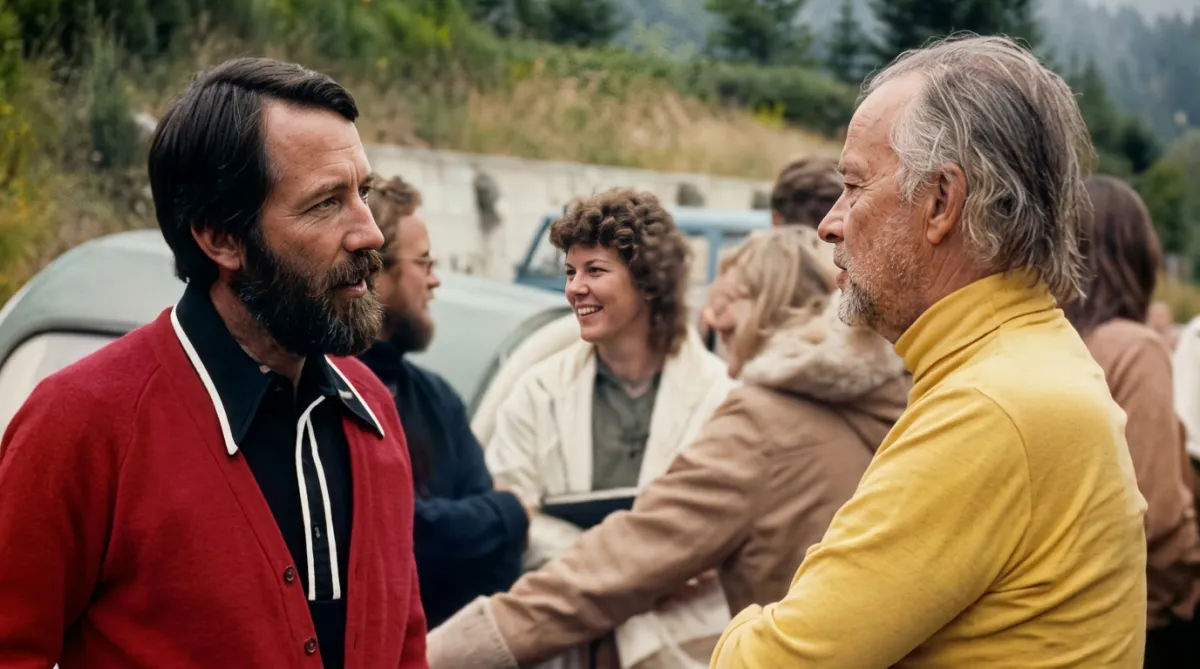
Al with Dr. Francis Schaffer, founder of L’Abri
Sunday morning, we walked hand in hand down the steep, winding mountain road; the sound of chiming church bells filled the whole valley. The L’Abri chapel was filled with students and a handful of visitors. Many were anxious to see Dr. Schaeffer again; he had just returned home after spending several months in the States being treated for cancer.
When the leader asked for hymn requests, Dr. Schaeffer spoke up. This great theologian and philosopher, world-famous lecturer and writer, requested the simple song, “Jesus Loves Me.” Profound. After the service, we were able to have a brief visit with him.
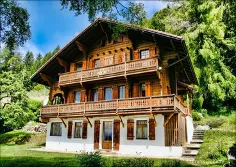
We were invited to one of the L’Abri chalets for dinner, a very interesting experience. The host at the table directed the conversation, asking what recent books we had read. The students at our table responded with very philosophical remarks about the books they had been reading, which prompted comments and discussions. I did not tell them that I had been reading “All Creatures Great and Small” by James Herriot. We also attended an evening discussion with Dr. Schaeffer and the students. The small chapel was crowded as Dr. Schaeffer, in his classic knickers, sat up on the fireplace ledge and said, “Where do you want to start?” The students read long, complex questions, and he answered with very lengthy, thorough answers. We had no idea what they were talking about! But it was very interesting.
We arranged our travel to be at L’Abri the next Sunday to hear Dr. Schaeffer preach. It was a real treat to hear his sermon on personal Christian living. He made every point clear and was easy to listen to and understand. We took many notes and tried not to be distracted by the Swiss wren warbling right outside the open window or the kitten roaming the outside balcony looking for friendly laps.
We stayed with the Flotrons for 5 days and took side trips. Each morning, Mrs. Flotron would walk to the dairy and bring back fresh milk and a long loaf of bread, still warm. For breakfast, we had thick slices of bread, curls of butter, homemade jam, and café au lait, a delicious breakfast! She would ask us, in pantomime, how we slept. When we returned later, we would act out where we had been, and we seemed to understand each other.
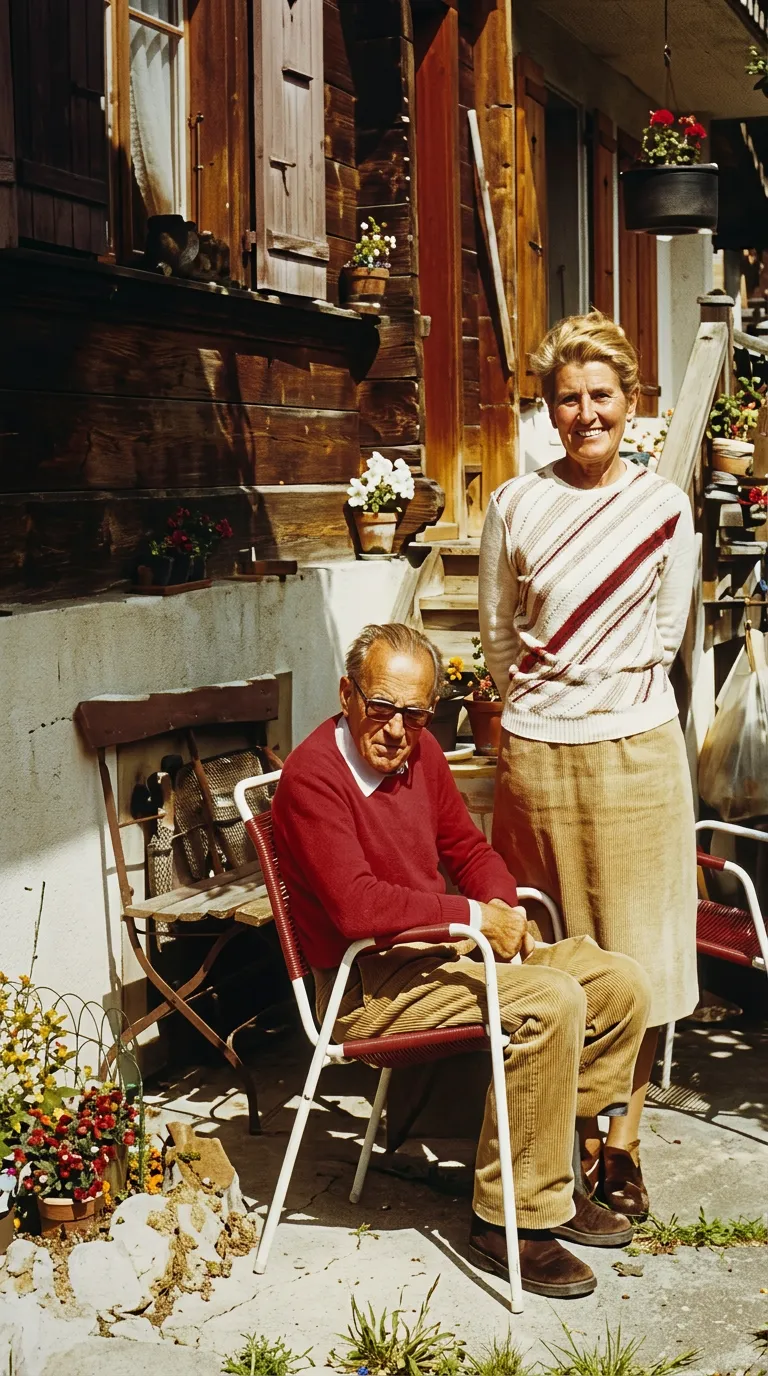
The Flotrons
The daily trip down the mountain and back in a little one-car train was unforgettable. We had the wide Rhône Valley below us and the mountainside dotted with little villages. One day, we took a lake steamer ride on Lake Geneva. And one day we traveled up another valley to the high mountain village of Champery. The white peaks of the Dents du Midi were right above us, and with the sparkling blue sky, fluffy white clouds, dark green valley, and distant bluish peaks, it was a photographer’s paradise.
We got to see the Tour de France bicycle race, it was an all-day adventure. Down the mountain on the little red train, then we whipped around Lake Geneva to Vevey on the “snell zug” (fast express train), then partway up a mountain and a 2-mile hike to a perfect vantage point. The fanfare and parade of vehicles took an hour, the actual pack of bicycles whizzed by in less than a minute.
It was such a delight to stay with the Flotrons, so when we returned home, we sent them a print of the picture we had taken of the two of them outside their chalet with a note saying this was our favorite place to stay. We hoped to visit them again. In a few weeks, a letter came from her, thanking us for the letter and especially the picture. Her husband had died just 5 days after we took that picture. “It’s the last picture I have of him. I had a great sorrow, and the house is empty. Love each other and take advantage of the happiness to be together because it’s awful to be left alone. I kiss you.”
1981 - PARIS
We found an NEA special package of $600 per person for airfare to Paris and 7 nights in a hotel! It was a very good deal then and almost unbelievable now. We packed that week full of adventures and walked 8 to 10 miles every day. We used the Metro extensively. We had a good map of the city and all the Metro stops. We took many of our own pictures of the Arc, but we decided to have AI help us add the traffic to this daytime photo to add traffic and show how busy this intersection usually is.
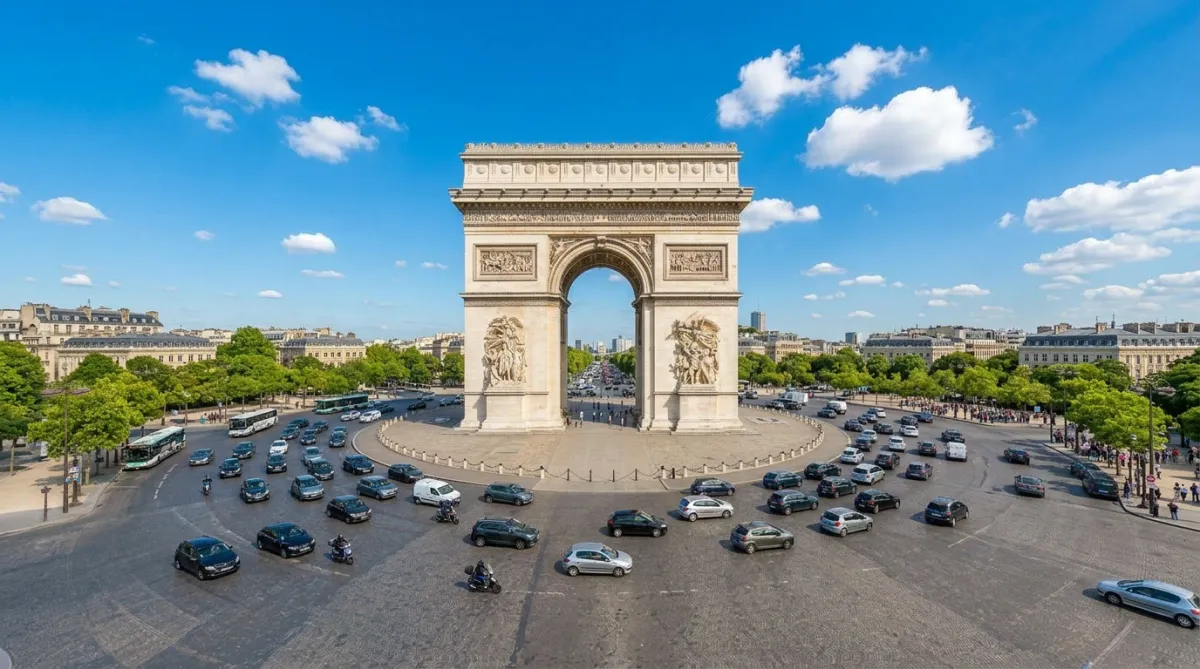
Arc de Triomphe (Arc of Triumph) with AI-created Traffic
Arc de Triomphe
The Arc de Triomphe stands in the middle of the world’s most impressive traffic circle, with 12 avenues flowing into it and 10 lanes going around. The drivers are fast and daring, and all seem to know how to navigate to exit at the right place. We went to the top and looked down at the traffic circle.
We saw a motorcyclist carrying a ladder and painting supplies, and also a young boy on a bicycle. In our country, motorists in the circle have the right of way. In Paris, those entering have the right of way.
Eiffel Tower & Notre Dame Cathedral
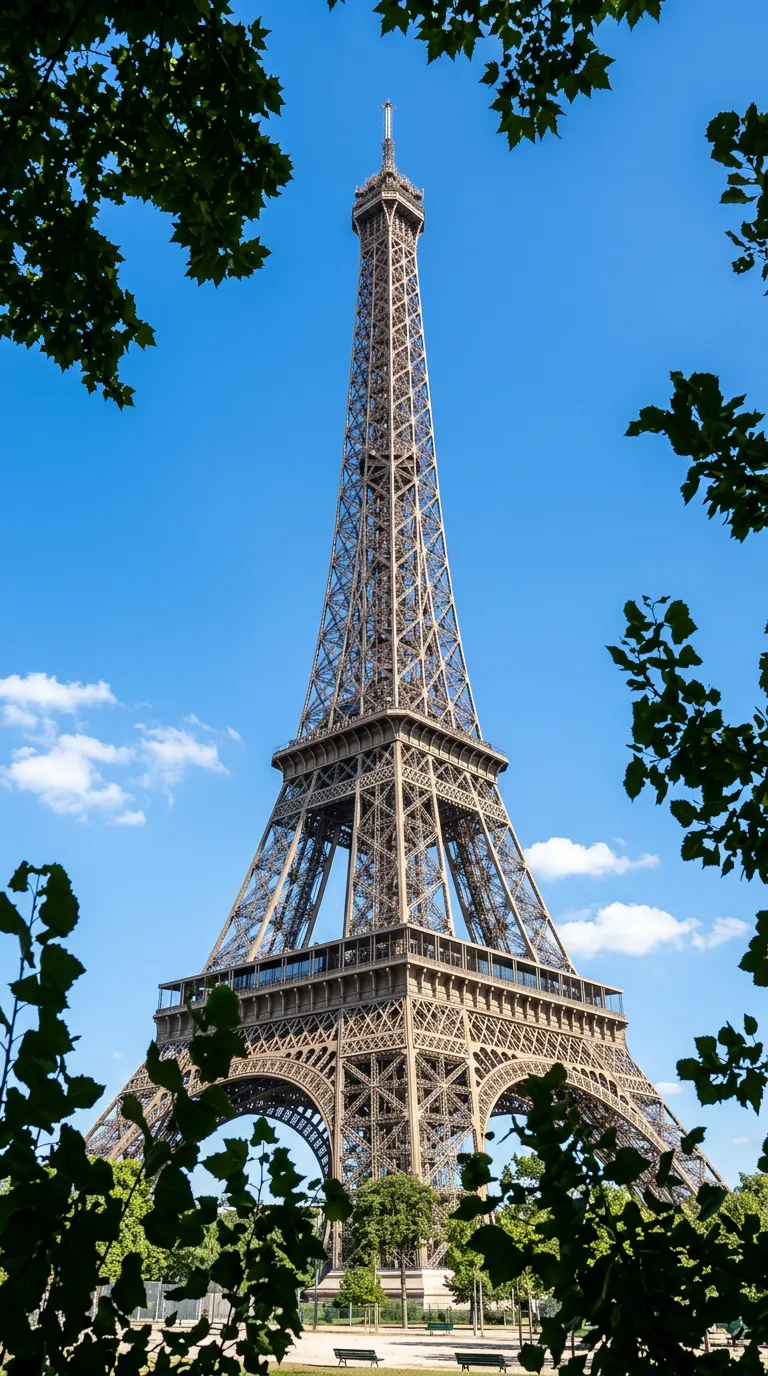
We took dozens of pictures of this famous Eiffel Tower and of the equally famous Notre Dame Cathedral (see pictures below, along with a stone statue outside the Cathedral). The Eiffel Tower is taller, of course, but both are impressive. We took an elevator up to the 2nd level of the Eiffel Tower for a great view of the city. It was impressive to learn that it is painted every 7 years and takes 50 tons of paint! It was built in 1889 to celebrate the 100th anniversary of the French Revolution. The Olympic rings placed on the tower for the 2024 Olympics will stay there.
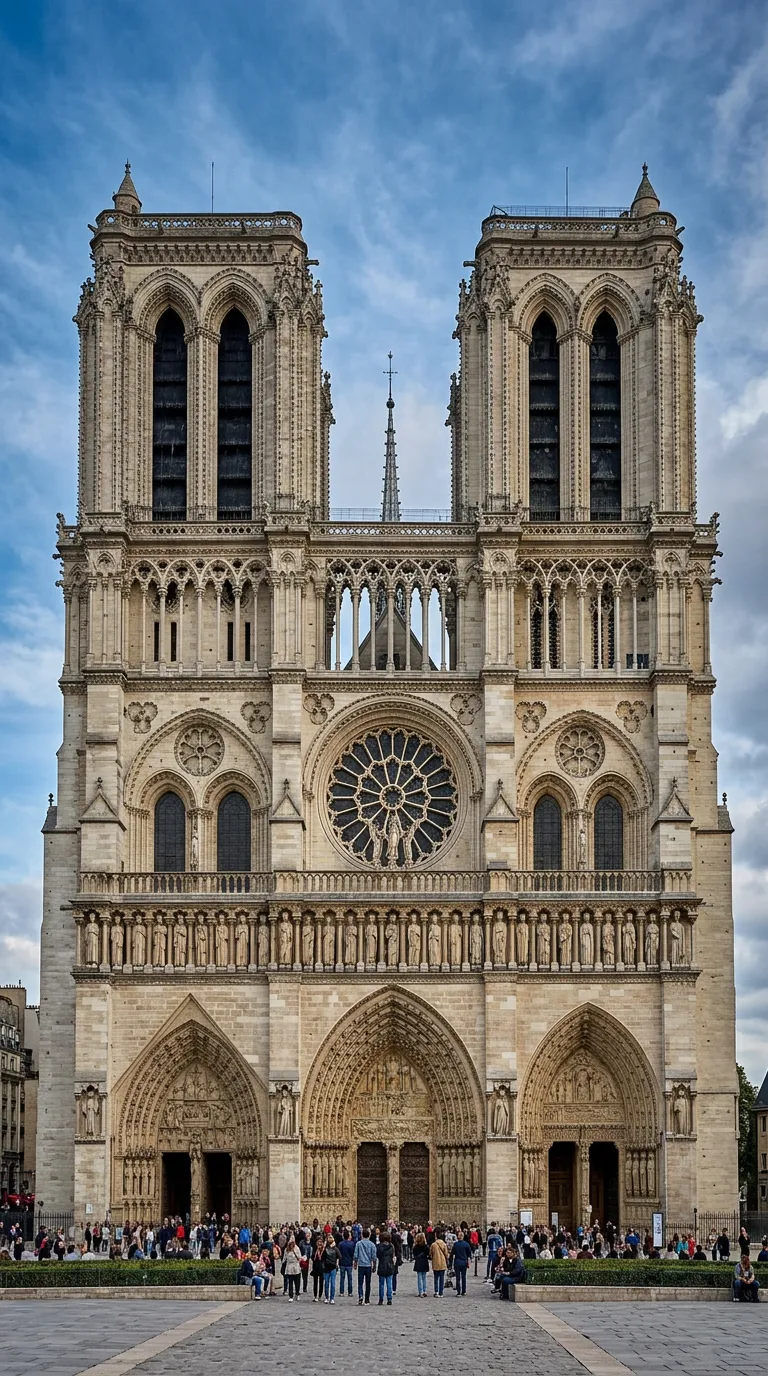
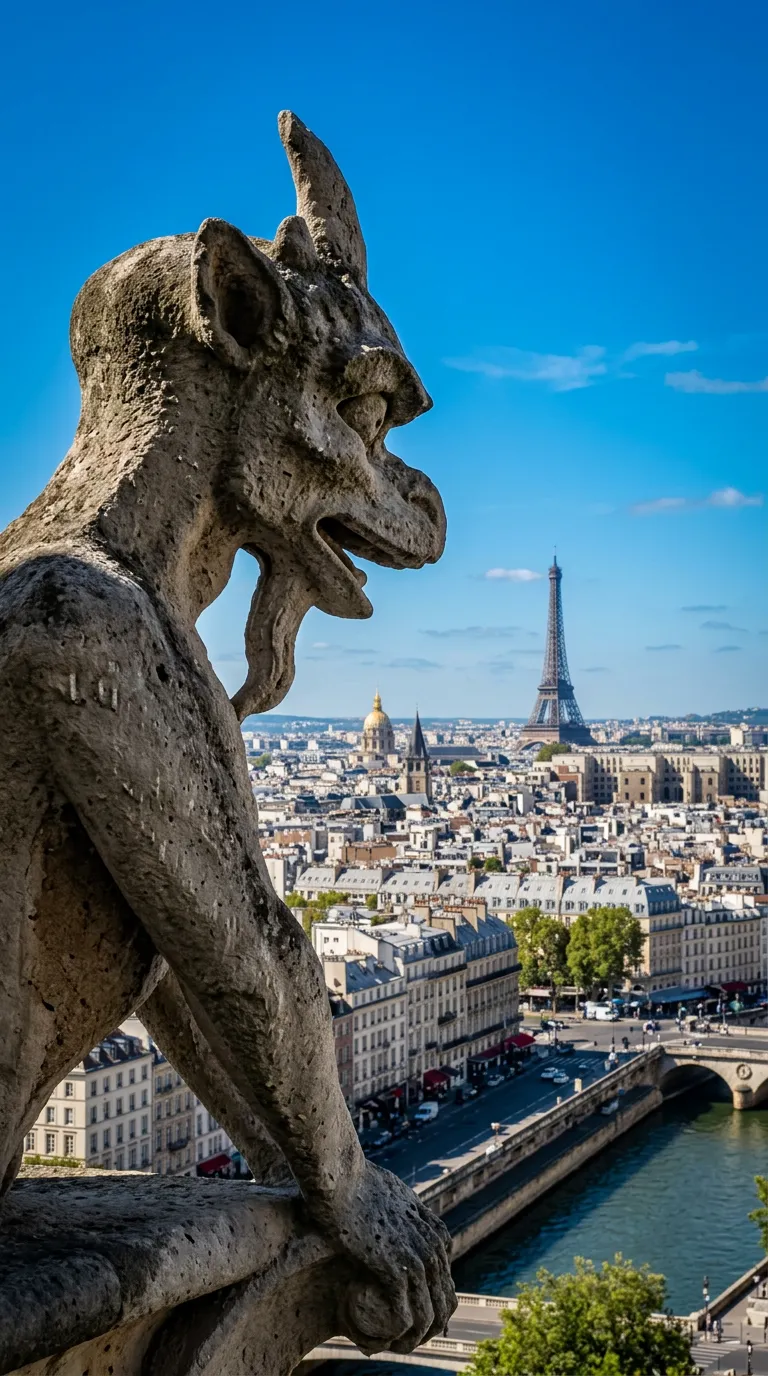
The Notre Dame Cathedral shown above in 1981 (before the fire in 2019) is an awesome, majestic cathedral with its spires, sculptures, and flying buttresses. The ugly critter on the right is called a “gargoyle,” meant to frighten the demons away. The Notre Dame has been a centerpiece of Gothic architecture since it was built in 1160.
We walked quietly through the long nave, impressed by the statues, soaring arches, and stained glass windows. We climbed the 384 narrow spiral steps to the top and joined the ugly gargoyles for a view of the city. While there, we heard music coming from a small window of a caretaker’s room. It was the royal wedding of Prince Charles and Lady Di, taking place in London. When the cathedral was almost destroyed by fire in April 2019, it was a tragedy mourned by millions. It is now rebuilt and reopened.
The Louvre
The Louvre was impressive. We saw Mona Lisa, Whistler’s Mother, and Venus de Milo. In one room, we looked straight up and saw Lucifer falling out of his chariot; you could see the underside of the carriage and the bellies of the horses.
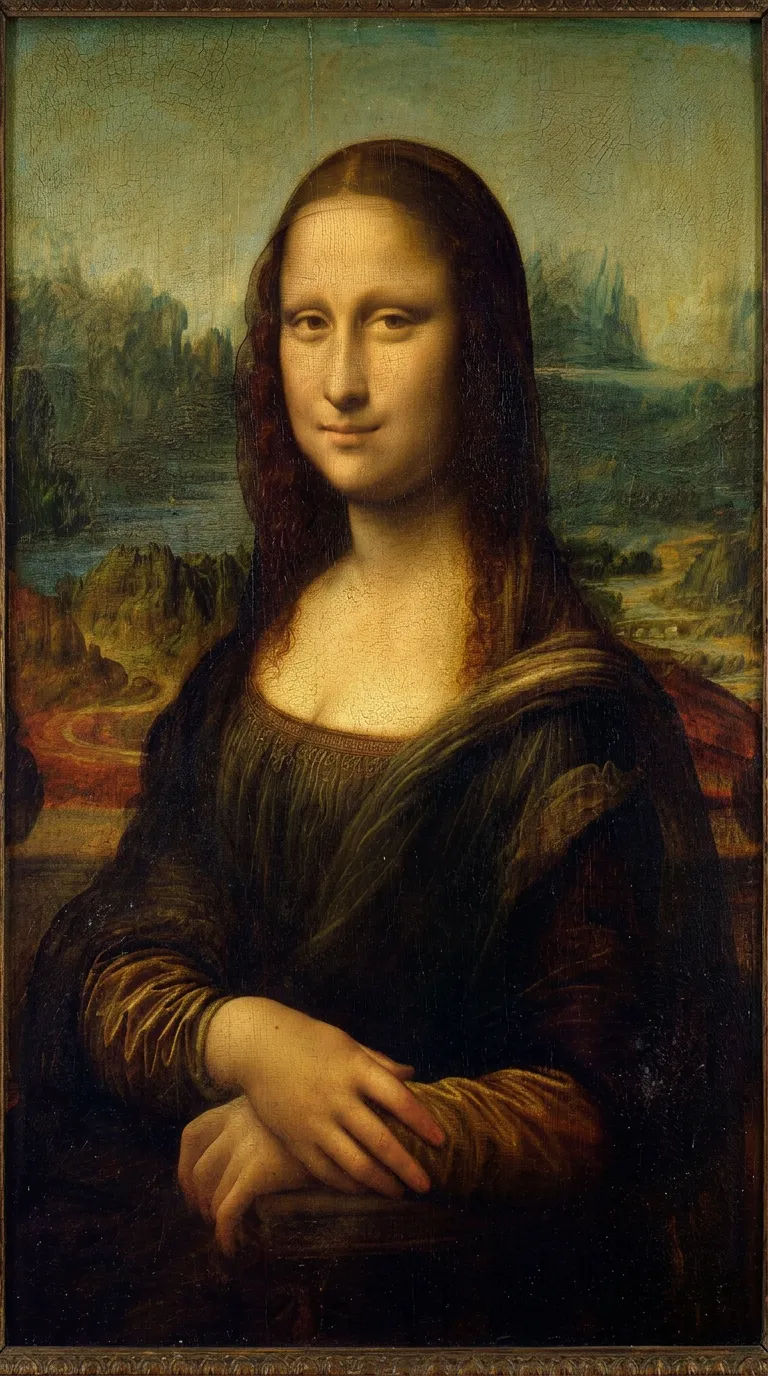
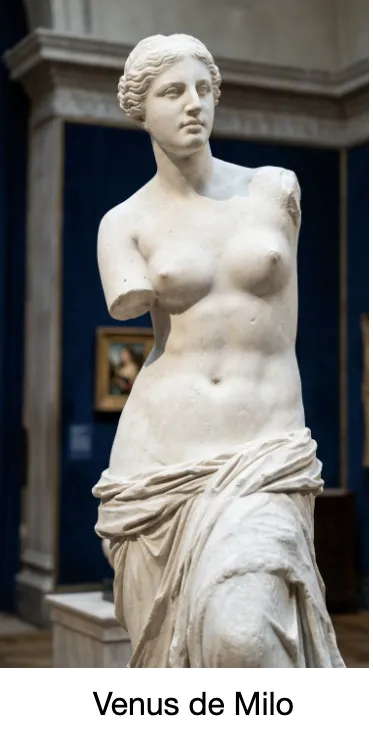
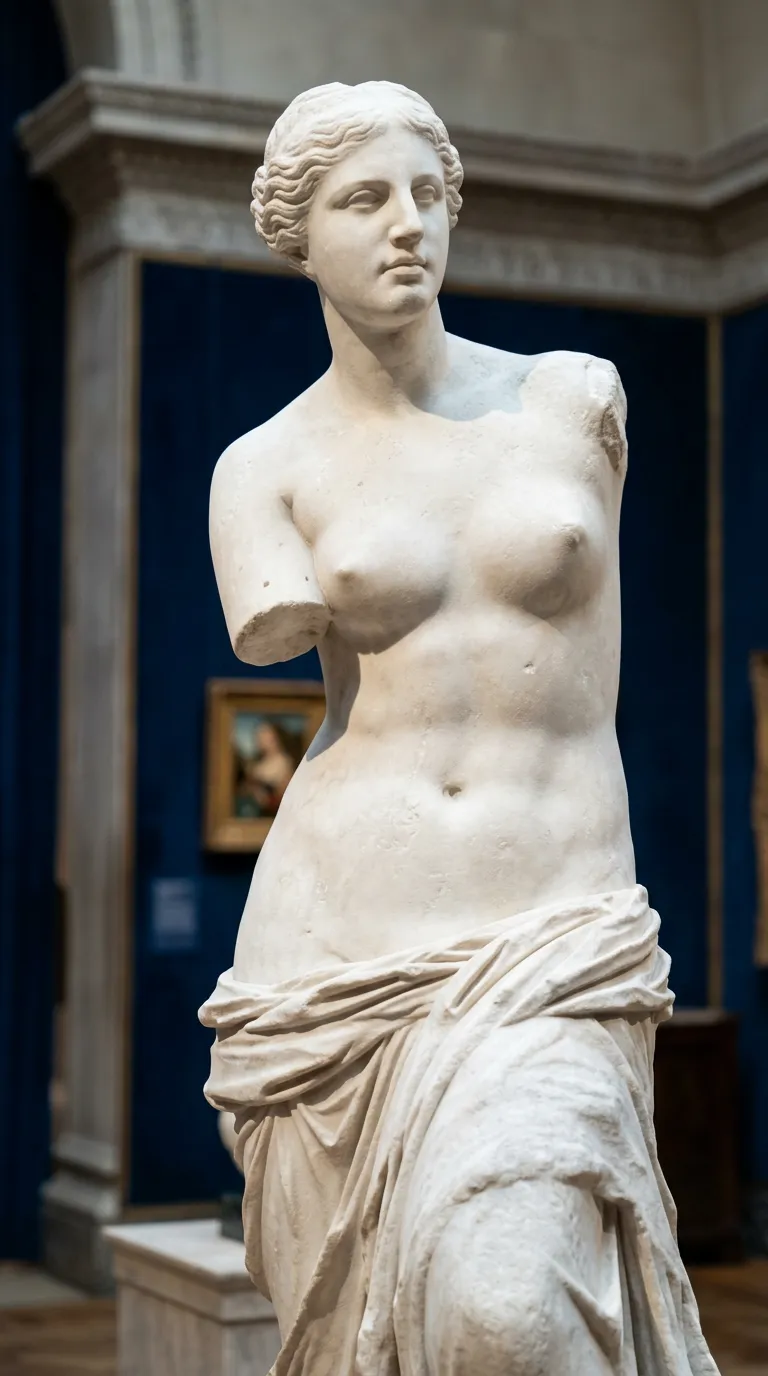
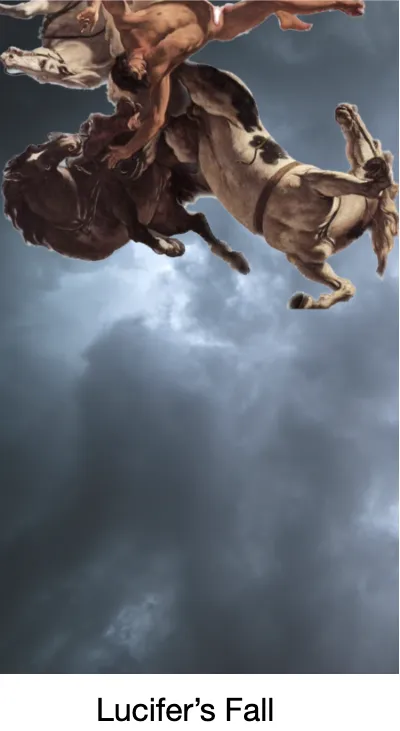
Then, when researching for this book, I learned that on the wall opposite the painting of Mona Lisa was one of the world’s largest oil paintings (7x10 meters), “The Wedding at Cana.” And we didn’t even see it!
Here is a picture of “The Wedding of Cana” by Paolo Veronese that we found later. I wish that we had seen it in person! To help you see the kegs of water and picture details better, we enhanced the photo (just a bit) with AI. 🙂 You can also see Jesus in the middle with a halo over His head. Next to Him is His mother, Mary, also with a halo.
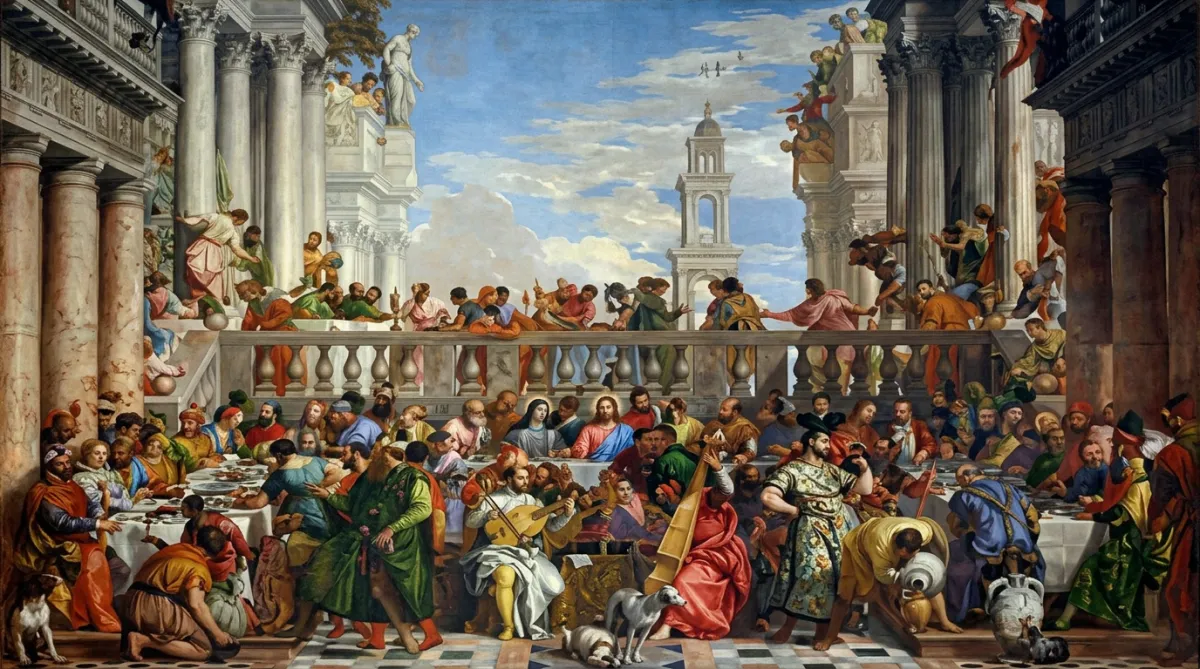
You can also see Jesus in the middle with a halo over his head. Do you know who the other figure with the halo is, to the left of Jesus? It’s Mary, Jesus’ mother. The halo lets you clearly see them in the midst of all the other Venetians with their brightly colored clothing.
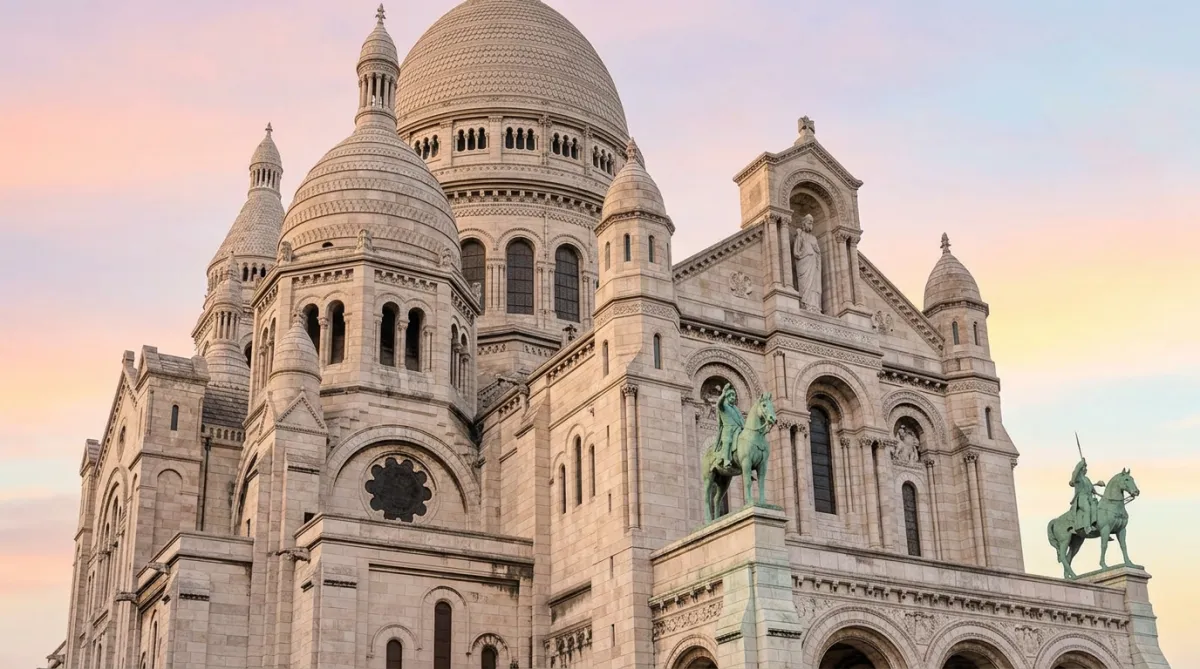
Sacre Coeur (Sacred Heart)
The church is located on the highest point of Paris, and its white marble dome and spire are visible all over the city. We took the Metro to the nearest stop, then climbed up the narrow, winding streets with cafés spilling out onto the sidewalks and bakeries with delicious pastries piled high. We couldn’t resist buying some croissants. We found out that when ordering something, if you hold up 2 fingers, they will assume your thumb also, and you’ll get 3. And water in a restaurant? Almost impossible. If you do manage to make them understand “Wasser,” you will probably get expensive mineral water.
We walked the length of the Champs-Élysées, strolled along the Seine River, and walked miles every day (we were young then). One day, to give our tired feet a rest, we took a boat ride on the Seine and went under 22 bridges, each one unique and artistic.
A good friend, Mary LaDue, right here in Greenville, had told us, “Now, my dears, you must go to a little restaurant called Hole in the Wall.” It is right across from the Opera House. Sit on a bar stool and order escargot.”
And so we did. Escargot refers to snails in a shell. Only for Mary LaDue would we have done this! We enjoyed dining on French food, even escargot.
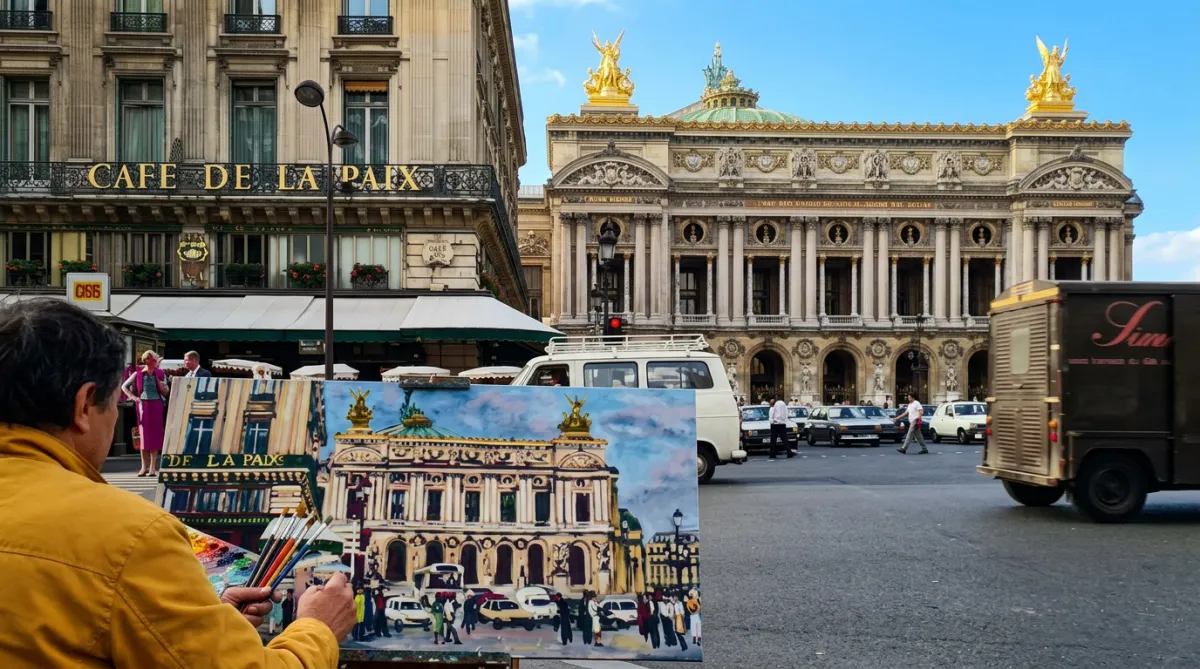
In Paris there are many sidewalk artists. We saw one just finishing a painting of the Opera House with its many detailed carvings and pillars, the Café de la Paris with its tables and umbrellas, the traffic, and pedestrians.
For 1,000 francs ($175), we could have bought it. We probably should have! When you take your next trip to Paris, make sure to check out sidewalk artists, and bring home one of the paintings. Maybe you’ll get one of the Opera House!
Continue Reading!
© Copyright 2026. AEM World Travels - informal entity. All rights reserved.